
小红书

Search documents
媒体人注意!这些内容必须加“水印”
Xin Jing Bao· 2025-09-02 10:28
Group 1 - The core viewpoint of the article is that starting from September 1, AI-generated content must be clearly labeled to avoid legal risks, marking a significant regulatory shift in the management of AI content in China [1][2][4] - The "Identification Measures for AI-Generated Synthetic Content" is not just a technical standard but a crucial part of the national strategy for AI content governance, responding to the rapid growth of AI technology and its associated risks [2][4] - As of now, the user base for generative AI products in China has reached 230 million, with over 490 large models registered with the National Cyberspace Administration [2] Group 2 - The "Identification Measures" impose three core requirements for AI content labeling: explicit labeling, implicit labeling, and platform responsibility, which mandates platforms to verify content labels before publication [5][6] - Major platforms like WeChat, Douyin, and Xiaohongshu are actively implementing labeling features, with WeChat providing guidelines for both platform labeling and user declarations [6][9] - Content creators, including individual bloggers and media organizations, must reassess their content production processes to establish effective AI content labeling mechanisms [9][12] Group 3 - The implementation of the "Identification Measures" signifies a transition from "develop first, regulate later" to "regulate while developing," indicating a new phase in the regulation of generative AI in China [12]


鸿蒙版小红书首发圈选图片搜笔记功能,下载量已破千万!
Cai Fu Zai Xian· 2025-09-02 08:56
Core Viewpoint - The HarmonyOS version of Xiaohongshu (Little Red Book) is leading trends in content search and creation with new features enhancing user experience and engagement [1] Group 1: New Features and Enhancements - The latest version of Xiaoyi Search introduces a "circle selection" feature for searching notes, allowing users to select images for quick searches related to the content [3] - The HarmonyOS version now supports voice comment playback and allows eligible users to send voice comments, enhancing emotional expression within the community [5] - The live streaming experience has been upgraded with new features such as "dislike the host" and "clear screen viewing," improving user engagement and content discovery [7] Group 2: User Engagement and Growth - The download count for the HarmonyOS version of Xiaohongshu has surpassed 10 million, indicating rapid growth and sustained high ratings [1]
2025小红书还有红利么?想入局要做对什么?
Hu Xiu· 2025-09-02 01:01
Core Insights - The discussion focuses on how to effectively conduct business on Xiaohongshu by leveraging the platform's new slogan and emphasizing "human-centric marketing" [1] - The platform is particularly interested in the concept of "vitality" this year, prompting brands to integrate this idea with their brand concepts [1] - There is a need to bridge online and offline business operations to create a closed-loop system [1]
运动户外迎来精细化运营时代,谁在引领产业走向「场景化」
Sou Hu Cai Jing· 2025-09-01 14:30
Core Insights - The outdoor sports market in China is evolving from mere physical exercise to a lifestyle symbol, with the total industry scale expected to reach 3 trillion yuan by 2025, driven by favorable policies and market conditions [2] - The diversification of sports scenes is evident, with a pyramid structure of participants ranging from casual enthusiasts to professional players, and a horizontal expansion of various sports scenarios, such as cycling [2][6] - The increasing search volume for outdoor sports on platforms like Xiaohongshu, which saw a 79% year-on-year increase, indicates a growing interest among users, with 220 million interest users and over 30 million new users compared to last year [2][3] Market Trends - The concept of "scenes" is becoming a key marketing strategy, moving away from traditional reliance on top-tier events and athletes to focus on everyday life and diverse sports experiences [6][7] - 55% of outdoor sports searches on Xiaohongshu are driven by scene-related keywords, highlighting a shift in consumer behavior towards specific scenarios rather than generic product features [7][11] - Emerging sports scenes, such as pickleball and ice climbing, have seen over 200% year-on-year growth in content on Xiaohongshu, indicating a trend towards more specialized and varied sports activities [9] Consumer Behavior - Consumers are increasingly viewing outdoor sports as a long-term lifestyle choice rather than a one-time experience, which is reshaping their purchasing decisions [6][9] - The demand for specific sports scenes is driving brands to adapt their marketing strategies, with a focus on creating relatable and engaging experiences for consumers [9][11] - The popularity of sports like tennis and basketball is growing, with significant increases in search volumes for related products and community engagement on Xiaohongshu [18][19] Brand Strategies - Brands are encouraged to capture trends early and align their offerings with the evolving consumer preferences in outdoor sports [9][24] - Xiaohongshu serves as a platform for brands to innovate and co-create with consumers, enhancing their market presence through targeted scene marketing [22][24] - Successful brands are leveraging big product strategies and community engagement to build recognition and drive sales, exemplified by companies like Adidas and Kelong [26][27]
年轻人的新“逛”法,小红书用“市集”激活一个消费场
21世纪经济报道· 2025-09-01 13:31
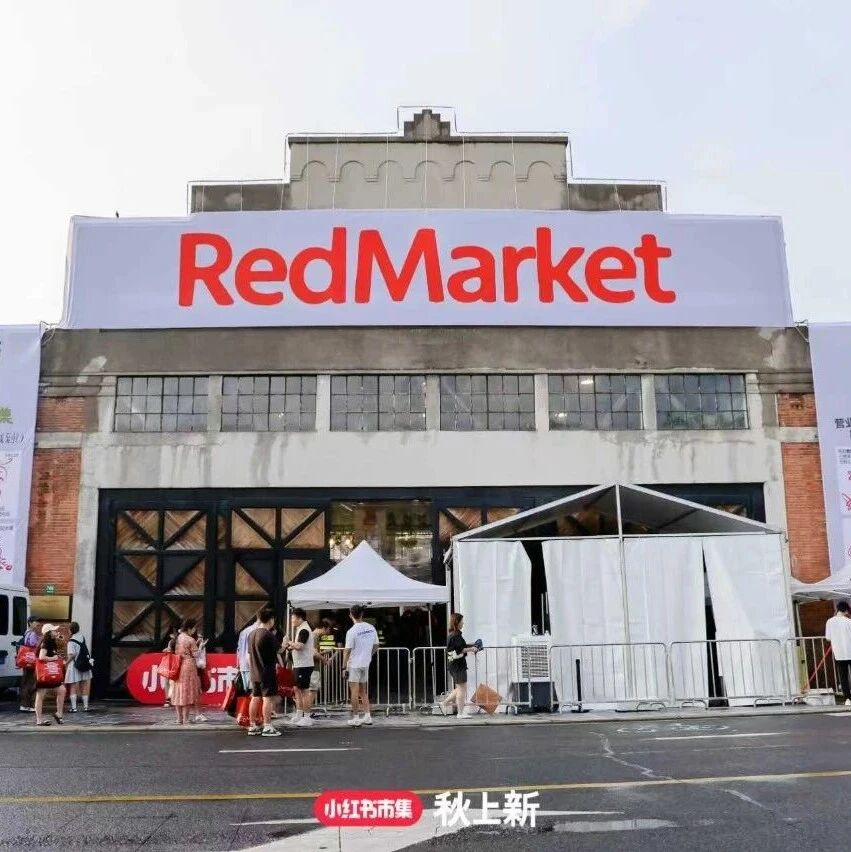
Core Viewpoint - The article highlights the launch of Xiaohongshu's first offline market, which aims to enhance user engagement and shopping experience, particularly among young consumers, by integrating online and offline shopping environments [1][3][15] Group 1: Market Launch and User Engagement - Xiaohongshu's offline market took place from August 28 to 31, featuring over a hundred merchants and a variety of products, including local produce and handmade items [1] - The introduction of the "Market" as a primary entry point in the Xiaohongshu app aims to extend the lively offline experience to online shopping, enhancing user purchase intent [1][3] - The market is designed to foster a sense of community and lifestyle exchange, moving beyond mere transactions to create deeper connections between consumers and merchants [5][6] Group 2: Target Audience and Consumer Behavior - Young users, particularly those born after 1995, represent 70% of Xiaohongshu's purchasing demographic, reflecting a shift towards personalized and community-oriented shopping experiences [6][9] - The platform emphasizes the importance of trust and quality, with a high repurchase rate of 30% among consumers who value product quality over low prices [7][9] - Xiaohongshu's market serves as a space for emotional connections, where purchasing items is intertwined with lifestyle aspirations and personal stories [9][10] Group 3: Business Strategy and Differentiation - Xiaohongshu's e-commerce strategy focuses on integrating content, community, and commerce, creating a unique shopping experience that contrasts with traditional e-commerce platforms [10][15] - The platform has seen an 8.1 times year-on-year increase in new merchant registrations, indicating a growing interest from small and medium-sized businesses [10][14] - Recent initiatives, such as the "Million Commission Waiver Plan," aim to reduce operational costs for merchants, particularly benefiting those with unique products targeting younger consumers [14][15]
今起实施!AI生成内容必须带“身份证”
Di Yi Cai Jing Zi Xun· 2025-09-01 13:13
Core Viewpoint - From September 1, 2023, AI-generated content must be labeled to indicate its source, as mandated by the newly implemented regulations from the National Internet Information Office and the Ministry of Industry and Information Technology [1][4]. Group 1: Regulatory Framework - The "Identification Method for AI-Generated Synthetic Content" requires all AI-generated videos, audio, text, and images to have an "identity label" for user discernment [1][4]. - The regulations include explicit and implicit labeling requirements for different roles in the AI content generation chain, including service providers and content dissemination platforms [6][4]. Group 2: Implementation and Industry Response - Companies like MiniMax are already implementing visible labels such as "AI-generated" in their content interfaces, showcasing compliance with the new regulations [7][9]. - Bilibili has communicated the progress of AI labeling features to users through various channels, emphasizing the importance of legal compliance and encouraging responsible AI usage [9][6]. Group 3: Market Implications - The regulations are seen as a foundation for the credibility of generative content, with companies recognizing that compliance capabilities will enhance their market competitiveness [9][6]. - The Shanghai Municipal Cyberspace Administration has initiated a multi-layered promotional effort to educate businesses about the new requirements, forming an ecological alliance to facilitate implicit labeling recognition among over 30 companies [9][6].


江南春:消费品牌反内卷的10个顶级思维
创业家· 2025-09-01 10:42
Core Viewpoint - The article emphasizes that consumer brands need to adopt ten "don'ts" to avoid internal competition and effectively market and communicate their products in a fragmented consumer landscape [2][6][10]. Group 1 - Do not chase after dividends anymore [2] - Do not use diligent traffic investment to cover the lack of core brand competitiveness [3] - The essence of consumer goods has not changed over the past 30 years: deep distribution both online and offline, and occupying consumers' minds as the first choice [4][5] Group 2 - Do not look for consumers anymore [6] - Consumer touchpoints are increasingly complex, and limited budgets cannot follow all of them [7][8] - To win the mind war, brands must concentrate their efforts and saturate the market to penetrate consumers' mental barriers [8] Group 3 - Do not add more products [10] - The core of a business is not about adding but focusing resources on core products [11] - Focus on core products, core media, and core brand value [12] Group 4 - Do not embrace change anymore [13] - Instead of trying to grow in areas of weakness, brands should focus on the unchanging rules of their industry and consumers' enduring needs [13][14] Group 5 - Do not talk about products anymore [15] - China does not lack quality products; instead, brands should create scenarios that stimulate consumer desire [16] - Consumers need solutions to their scenario problems and the emotional significance of those scenarios [18] Group 6 - Do not learn from leading brands anymore [19] - When facing a strong leader brand, the tactical approach should be to differentiate rather than imitate [20][21] Group 7 - Do not fantasize about winning through extraordinary means anymore [22] - Betting on significant events and public opinion has a low success rate [23] - The resonance between online social media and offline community media is the most reliable paradigm for brand communication today [24] Group 8 - Do not strive for change anymore [26] - Sometimes, doing less but doing it thoroughly is more effective than trying to innovate excessively [26] Group 9 - Do not trust numbers anymore [27] - Online data does not equate to consumer recognition; true value lies in being a brand that consumers think of first in its category [28][29] Group 10 - Do not go with the flow anymore [31] - When everyone is following trends, consider taking a contrary approach for unexpected experiences and rewards [32]

年轻人的新“逛”法,小红书用“市集”激活一个消费场
2 1 Shi Ji Jing Ji Bao Dao· 2025-09-01 10:13
Core Insights - The article highlights the launch of Xiaohongshu's first offline market, which took place from August 28 to 31, showcasing over a hundred merchants and a variety of products, aiming to enhance user engagement and shopping experience [1][3][4] - Xiaohongshu's new "market" feature in the app serves as a bridge between online and offline shopping, reflecting the platform's strategy to create a community-driven shopping experience [1][2][6] Group 1: Market Launch and User Engagement - Xiaohongshu's offline market attracted a significant number of young consumers, with a focus on unique and niche products, enhancing the overall shopping experience through direct interaction with merchants [3][5] - The "market" feature in the app is designed to facilitate discovery and engagement, allowing users to find and share products in a community-like environment [3][4][6] Group 2: Target Audience and Consumer Behavior - The platform's primary user base consists of young consumers, with 70% of users being born after 1995, indicating a shift towards personalized and community-oriented shopping experiences [4][5][9] - Young consumers prioritize trust and quality over low prices, as evidenced by a 30% repurchase rate for products, reflecting a deeper emotional connection to the shopping experience [5][6][9] Group 3: Business Strategy and Growth - Xiaohongshu's e-commerce strategy revolves around a "content + community + e-commerce" model, differentiating itself from traditional e-commerce platforms by focusing on unique, story-driven products [6][8] - The introduction of the "million commission-free plan" aims to reduce operational costs for merchants, particularly benefiting small and medium-sized businesses [7][8][9]
短剧开启抢人大战
Hu Xiu· 2025-09-01 07:51
Core Insights - The short drama industry is at a pivotal intersection of online literature, short videos, and traditional film and television, making it a hot topic for 2025 [1] - The leading player, Hongguo Short Drama, is under scrutiny for its potential shift to a revenue-sharing model with actors, which may impact actor compensation and the overall industry landscape [2][3] Industry Dynamics - The introduction of a revenue-sharing model by Hongguo aims to control rising actor salaries and prevent a repeat of the "sky-high salaries" seen in traditional entertainment [2] - Short drama actors are increasingly being recognized as valuable assets, leading to competition among various production companies and traditional entertainment firms to secure talent [3][5] - Companies like Tinghua Island and Xinglian Wuxian are establishing robust talent management operations, successfully signing popular actors to enhance their production capabilities [4][5] Talent Acquisition Strategies - Short drama companies are signing actors not only to expand their business but also to maintain competitive pricing and scheduling advantages [5] - The trend of signing actors is expected to continue, with companies aiming to create a closed-loop system where their own talent stars in self-produced short dramas [6] Platform Competition - Various platforms, including Hongguo, Tencent Video, and iQIYI, are competing for short drama actors, viewing them as essential for driving viewership and engagement [8][9] - Hongguo has launched multiple initiatives to attract actors and enhance its content offerings, while Tencent Video is integrating short drama actors into its broader platform ecosystem [10][11] Market Trends - The rise of short drama actors is prompting traditional media and brands to engage with them in ways similar to established stars, including endorsements and live events [15] - The increasing visibility of short drama actors in mainstream media and their participation in variety shows indicates a shift towards greater recognition and integration within the entertainment industry [15][17] Future Outlook - The short drama industry is expected to continue evolving, with a focus on professionalizing talent management and production processes, potentially leading to a more structured environment for actors [19] - While the current wave of short drama stars may face challenges, the overall trend towards star-making in this sector is likely to persist, albeit with a more refined approach to talent development [19]
2025鸿蒙生态大会启幕,华为轮值董事长徐直军发表主旨演讲
Feng Huang Wang· 2025-09-01 00:28
Group 1 - The HarmonyOS Ecological Conference 2025 was held in Shenzhen, focusing on how the HarmonyOS ecosystem empowers various industries with the theme "New Scenarios, New Experiences" [1] - The conference featured over 3,000 participants, including industry experts, entrepreneurs, developers, and government leaders, showcasing advancements in technology innovation, industry integration, and ecosystem collaboration [1] - Huawei's rotating chairman, Xu Zhijun, highlighted the successful adaptation of major internet applications to HarmonyOS and expressed gratitude to various internet and enterprise partners for their support [1] Group 2 - A historic cooperation memorandum was signed between the Open Atom Open Source Foundation and the Global Intelligent Internet of Things Alliance (GIIC), marking a significant collaboration in technology code foundation and industry ecosystem promotion [2] - The release of the "HarmonyOS Application Experience Blue Book 2025" and the "Industry HarmonyOS Terminal Development Blue Book 2025" provided clear development guidelines for ecosystem partners, indicating a shift from scale expansion to quality enhancement [2] - The establishment of the GIIC HarmonyOS Security Committee signifies the launch of a specialized organization focused on integrating HarmonyOS security resources [2] Group 3 - The two-day agenda focused on technological innovations and practical applications in areas such as smart transportation, smart communication, smart buildings, industrial control, talent development, and HarmonyOS partner SDKs [3] - The HarmonyOS exhibition area showcased innovative achievements in various fields, including communication, healthcare, finance, industry, education, and home applications through dynamic demonstrations and interactive experiences [3]