OPPO

Search documents
公司问答丨慧智微:公司的射频前端产品应用于三星、vivo、小米、OPPO、荣耀等国内外智能手机品牌机型
Ge Long Hui A P P· 2025-11-25 09:05
Core Viewpoint - The company has established partnerships with major domestic and international smartphone brands, indicating a strong position in the RF front-end product market [1] Group 1 - The company’s RF front-end products are utilized in smartphones from brands such as Samsung, vivo, Xiaomi, OPPO, and Honor [1] - The company has entered partnerships with leading ODM manufacturers like Huakong Communication and Longqi Technology [1] - The company also collaborates with top wireless communication module manufacturers including Quectel, Guanghetong, and Rihai Intelligent [1]

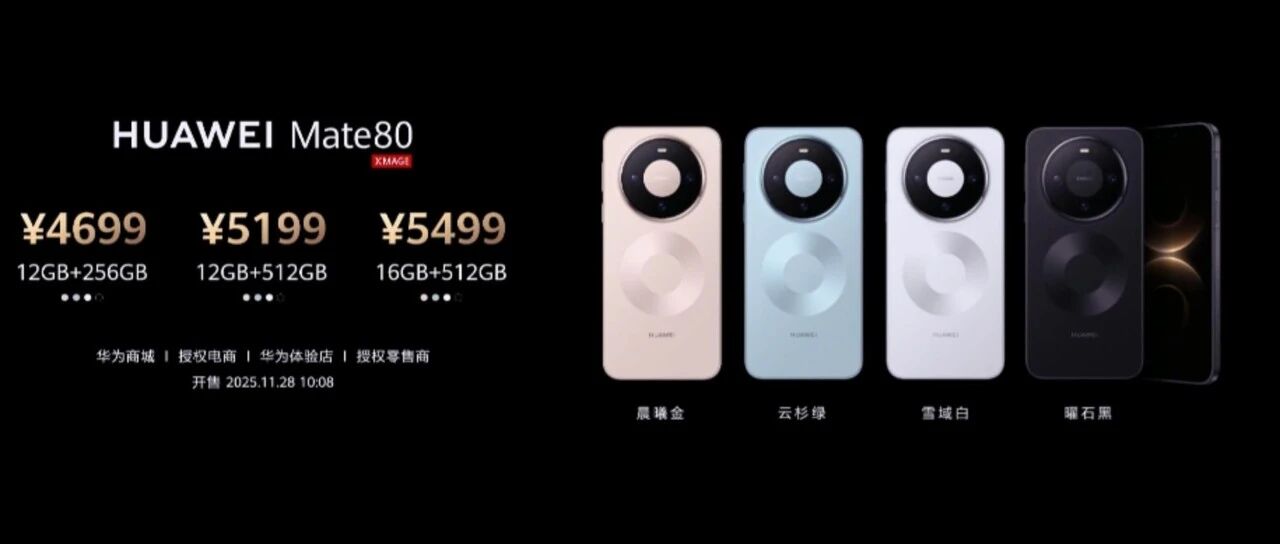
华为Mate 80 RS 非凡大师支持双实体卡和双eSIM
Bei Ke Cai Jing· 2025-11-25 09:04
Core Viewpoint - Huawei has launched the Mate 80 series smartphones, featuring significant advancements in design and technology, particularly in antenna performance and wireless charging capabilities. Group 1: Product Features - The Mate 80 RS model supports dual physical SIM cards and dual eSIM, following similar offerings from Apple and OPPO [1] - The Mate 80 Pro Max introduces a full metal design and is the first in the industry to feature a full metal structure that enhances antenna performance, improving signal strength by 1dB compared to the Mate 70 Pro+ [1] - The Mate 80 series addresses the challenge of wireless charging with a hidden charging coil in the bottom circular area, allowing for wireless charging despite the full metal material [2] Group 2: Pricing - The starting prices for the Mate 80 series are as follows: Mate 80 at 4699 yuan, Mate 80 Pro at 5999 yuan, Mate 80 Pro Max at 7999 yuan, and Mate 80 RS at 11999 yuan [3] Group 3: Market Position - According to IDC, Huawei ranks third among the top five smartphone manufacturers in China with a shipment volume of 10.4 million units and a market share of 15.2% as of Q3 2025 [4] - Huawei holds approximately one-third of the market share in the high-end segment priced above 600 USD [4]
首次商用!华为重大发布!
证券时报· 2025-11-25 08:56
Core Insights - Huawei has launched the new Mate 80 and Mate 80 Pro series, with starting prices of 4699 yuan and 5999 yuan respectively, featuring HarmonyOS 6 and set to officially go on sale on November 28 [1] - The new foldable phone Mate X7 has been introduced, which utilizes A2A (Agent to Agent) intelligent collaboration for various tasks [1] - Huawei's WATCH ULTIMATE DESIGN is priced at 24999 yuan and includes advanced features such as Beidou satellite voice messaging and eSIM independent communication [1] Market Performance - According to IDC, the Chinese smartphone market is projected to see a shipment volume of 68.86 million units in Q2 2025, a year-on-year decline of 4.1% [2] - Huawei has returned to the top of the domestic market with a shipment of 12.5 million units, capturing an 18.1% market share [2] - Competitors include Vivo with 11.9 million units (17.3% market share), OPPO with 10.7 million units (15.5%), Xiaomi with 10.4 million units (15.2%), and Apple with 9.6 million units (13.9%) [2] Financial Performance - Huawei reported a revenue of 427.039 billion yuan for the first half of 2025, a year-on-year increase of 3.94%, while net profit decreased by 32% to 37.195 billion yuan [2] - R&D investment reached 96.95 billion yuan, up 9.04% year-on-year, accounting for 22.7% of total revenue [2] - Despite global market challenges, Huawei managed to achieve slight revenue growth, indicating a strong commitment to future competitiveness through substantial R&D investments [2]

10月国产旗舰手机激活榜出炉:小米、OPPO机型位列前三
Feng Huang Wang· 2025-11-25 07:51
Core Insights - In October, Xiaomi and OPPO topped the list of activated devices for new flagship smartphones in China, indicating strong market performance for these brands [1] - The top three activated devices were the Xiaomi 17 Pro Max, Xiaomi 17 Pro, and OPPO Find X9 Pro, showcasing the popularity of these models [1] - The overall smartphone shipment in China from January to September 2025 reached 220 million units, with an average monthly shipment of 24.4 million units, reflecting a robust market demand [1] - AI capabilities are becoming a key driver for consumers when upgrading their devices, suggesting a shift in consumer preferences and a new growth cycle for the market [1]

天通一号卫星下一代系统时间表确定 2029 年将正式投入应用
Huan Qiu Wang Zi Xun· 2025-11-25 03:57
来源:环球网 【环球网科技综合报道】11月25日消息,"天通+北斗"国产星基高精度定位服务近日在武汉正式开启试 商用。这一举措不仅为北斗系统规模化应用注入强劲动力,更对我国综合PNT(定位、导航、授时)体 系自主化建设起到重要支撑作用,标志着我国卫星通信与导航融合应用迈入新阶段。 作为我国首个自主建设的卫星移动通信系统,天通卫星系统由中国航天科技集团有限公司研制、中国电 信独家运营,自2016年首颗"天通一号01星"成功发射以来,已构建起覆盖广泛、稳定可靠的卫星通信网 络。中国电信集团市场部副总经理沈骏祥介绍,天通卫星的覆盖范围不仅囊括我国全境领土和领海,还 延伸至东南亚、西太平洋等地区,更已实现对中国及周边地区、中东、非洲,以及太平洋和印度洋大部 分海域的全面覆盖,在应急通信、海洋通信和偏远地区通信保障等领域发挥着不可替代的作用。 随着智能手机直连卫星技术的突破性进展,天通卫星系统的应用场景正持续拓展。目前,该系统已与华 为、小米、vivo、OPPO、荣耀、三星等主流品牌的多款旗舰机型实现兼容,让用户在无地面网络覆盖 的极端环境下,也能通过手机便捷实现卫星通话与数据传输,真正将卫星通信服务融入大众生活。 天 ...
安卓税再见,网易带头掀桌,国产手游要与手机渠道决裂?
3 6 Ke· 2025-11-24 23:27
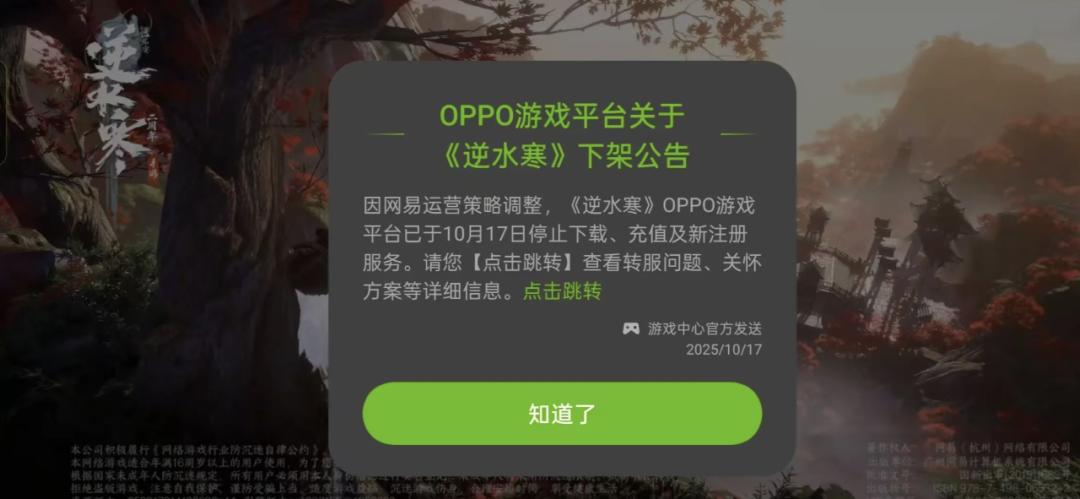
Core Viewpoint - The gaming giant NetEase is undergoing a significant separation from major domestic Android phone manufacturers, leading to the removal of its games from various app stores, indicating a shift in the gaming distribution landscape in China [4][12]. Group 1: Industry Changes - A growing number of users are reporting the disappearance of NetEase games from app stores of major Android brands like OPPO, Xiaomi, and Vivo, starting with less popular titles and escalating to major games [2][4]. - The traditional revenue-sharing model, often referred to as "Android tax," where 50% of revenue goes to phone manufacturers, is becoming increasingly unsustainable for game developers due to rising development and marketing costs [8][9][12]. - The emergence of new platforms, particularly short video platforms, has diverted traffic away from traditional app stores, prompting developers to seek alternative distribution methods [12][18]. Group 2: Developer Strategies - In response to the changing landscape, major developers like NetEase and Tencent are moving away from channel servers, indicating a shift towards official game servers to retain user data and provide better service [14][20]. - Smaller developers may still rely on channel servers for exposure and user acquisition, but they face challenges as the market evolves [20][24]. Group 3: App Store Dynamics - The app store ecosystem is experiencing a crisis of relevance, with many popular games and applications becoming difficult to find, leading to a decline in user trust [16][18]. - Platforms like TapTap are gaining traction by offering a more authentic user experience, including community engagement and genuine player reviews, contrasting with traditional app stores [18][24]. Group 4: Future Considerations - The current revenue-sharing model is under scrutiny, with calls for a reduction in the high 50% cut taken by app stores to foster a healthier ecosystem for developers [24]. - There is a need for phone manufacturers to enhance their app store offerings by improving user experience and community engagement to remain competitive [22][24].

下周三开幕 | 华为、小鹏、中兴、比亚迪、OPPO、小米、寒武纪、理想、阳光电源......买家齐聚2025热博会!
DT新材料· 2025-11-24 23:10
Core Insights - The 6th Thermal Management Industry Conference and Expo will be held from December 3-5, 2025, at the Shenzhen International Convention and Exhibition Center, focusing on thermal management materials, devices, system solutions, and engineering applications [2][7] - The event is expected to attract over 20,000 professional attendees from key sectors such as consumer electronics, data centers, internet, new energy vehicles, and industrial manufacturing [2] - A total of over 600 quality suppliers in the thermal management industry will participate, providing a platform for efficient supply-demand matching and business cooperation [2] Event Details - **Date**: December 3-5, 2025 [7] - **Location**: Shenzhen International Convention and Exhibition Center, Hall 10 [7] - **Theme**: Fusion and Innovation [7] Organizing Institutions - **Main Organizer**: DT New Materials, iTherM Insight Thermal Management [8] - **Advisory Committee**: Includes prominent scholars and professors from various universities and research institutes [8] Conference Agenda - The conference will feature multiple specialized sessions covering topics such as thermal science, thermal interface materials, chip and electronic device thermal management, and liquid cooling technology [9][10] - Each day will include keynote speeches, technical presentations, and networking opportunities [9][10] Participating Companies - Notable companies participating include Huawei, NVIDIA, Xiaomi, OPPO, and Tesla, among others, indicating a strong industry interest in thermal management solutions [2][3]
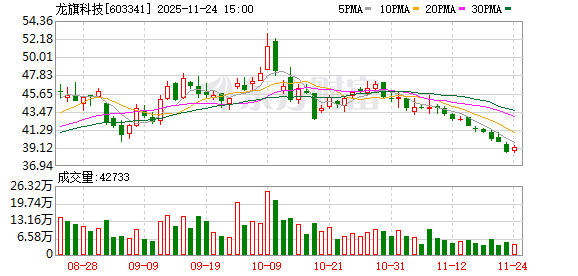
参与认购创投基金 龙旗科技子公司布局具身智能
Zheng Quan Shi Bao· 2025-11-24 19:29
Core Viewpoint - Longqi Technology (龙旗科技) is actively investing in the embodied intelligence industry by participating in a venture capital fund, aiming to enhance its competitive strength and secure quality investment targets [2]. Group 1: Investment Activities - Longqi Technology's wholly-owned subsidiary, Longqi Intelligent, plans to invest 30 million yuan in the Shanghai Lingzhi New Venture Capital Partnership, accounting for 23.08% of the total committed capital [2]. - The partnership will focus on direct or indirect equity investments in innovative companies related to the embodied intelligence industry, including key materials, components, software systems, and robotics applications [2]. Group 2: Business Development - As a leading ODM in smart products, Longqi Technology provides comprehensive services to major global consumer electronics brands, including Xiaomi, Samsung, and Lenovo, with a product portfolio that includes smartphones, tablets, smartwatches, and automotive electronics [3]. - The company is expanding into emerging categories such as automotive electronics and intelligent robotics, with a strategic partnership with Zhiyuan Robotics to deploy nearly 1,000 robots in industrial applications, marking one of the largest orders in the domestic market [3]. Group 3: AI Hardware Breakthroughs - Longqi Technology has achieved significant advancements in AI glasses and AI PCs, with the first smart glasses project entering mass production and two new AI PC products launched [4]. - The revenue from AIoT products reached 2.282 billion yuan in Q3 2025, representing a year-on-year growth of over 47%, and accounting for 20% of the company's total revenue [4].
百万英才汇南粤:莞韶携手赴浙江名校引才,意向录用922人次
2 1 Shi Ji Jing Ji Bao Dao· 2025-11-24 14:40
Core Insights - The "Million Talents Gather in South Guangdong" recruitment event successfully attracted approximately 9,300 students and collected 14,194 resumes, resulting in 922 initial job offers and 42 signed contracts, showcasing strong employment opportunities for youth in Jiangsu and Zhejiang regions [1][3] Group 1: Recruitment Event Overview - The recruitment event took place at Zhejiang University and Ningbo University, organized by Dongguan and Shaoguan, featuring participation from 2,862 employers offering a total of 58,000 job positions [1] - The event was characterized by high demand, with many companies reporting an overwhelming number of resumes and some even increasing their job openings on-site [2] - The Zhejiang University event involved over 430 quality employers, aligning with Guangdong's strategic industry needs, particularly in fields like computer science and artificial intelligence [2] Group 2: Job Opportunities and Services - Among the 9,567 positions offered at Zhejiang University, 40% required a master's degree or higher, with 2,220 positions offering salaries above 200,000 yuan and 207 positions above 500,000 yuan, including four positions with annual salaries reaching one million yuan [2] - The event provided various support services such as AI mock interviews, resume diagnostics, and policy consultations, enhancing the job-seeking experience for students [3] Group 3: Long-term Collaboration Initiatives - The event emphasized the establishment of sustainable cooperation mechanisms between universities and local governments, with eight collaborative projects signed, focusing on talent cultivation and research commercialization [4] - Agreements included partnerships for talent workstations and engineer training programs, indicating a shift from one-time recruitment to ongoing collaboration [5] - A symposium involving employment leaders from 14 Zhejiang universities facilitated discussions on professional alignment and talent development, further promoting industry-academic partnerships [5]

听了很多大佬的话,还是学不会投资
集思录· 2025-11-24 14:15
Core Viewpoint - The article discusses the investment philosophies of various individuals, particularly focusing on the insights shared by Duan Yongping, highlighting the subjective nature of investment strategies and the importance of aligning them with personal circumstances [1][3][6]. Group 1: Investment Strategies - Duan Yongping emphasizes the importance of investing in companies with a competitive moat, such as Apple, Moutai, and Tencent, but does not provide specific criteria for identifying such companies [1][3]. - The article mentions various successful investment strategies from different individuals, including quantitative rotation, value investing, and asset allocation, suggesting that there are multiple paths to success in the capital markets [2][3]. - It is noted that Duan's investment approach may not be suitable for everyone, particularly for those without the same level of financial security or understanding of market dynamics [3][4]. Group 2: Personalization of Investment - The article stresses that each investor must find a strategy that matches their own conditions, as not everyone can adopt the same methods successfully [3][7]. - It highlights the importance of personal experience and understanding in investment, suggesting that what works for one individual may not work for another [6][7]. - The discussion includes the notion that investment is a highly personalized endeavor, and individuals should absorb wisdom from various sources to refine their own investment frameworks [7][8]. Group 3: Market Insights - The article reflects on the current market environment, indicating that while broad investment principles may hold true, the application of these principles can vary significantly based on market conditions [5][9]. - It mentions the potential for significant returns in the stock market, but also acknowledges the challenges and risks involved in identifying future successful companies [5][11]. - The discussion includes references to the financial performance of companies like OPPO and VIVO, suggesting that strong cash flow from these businesses can support investment strategies [9][10].