华润啤酒

Search documents
7月30日【港股Podcast】恆指、中石油、華潤啤酒、騰訊、美團、人壽
Ge Long Hui· 2025-07-31 02:09
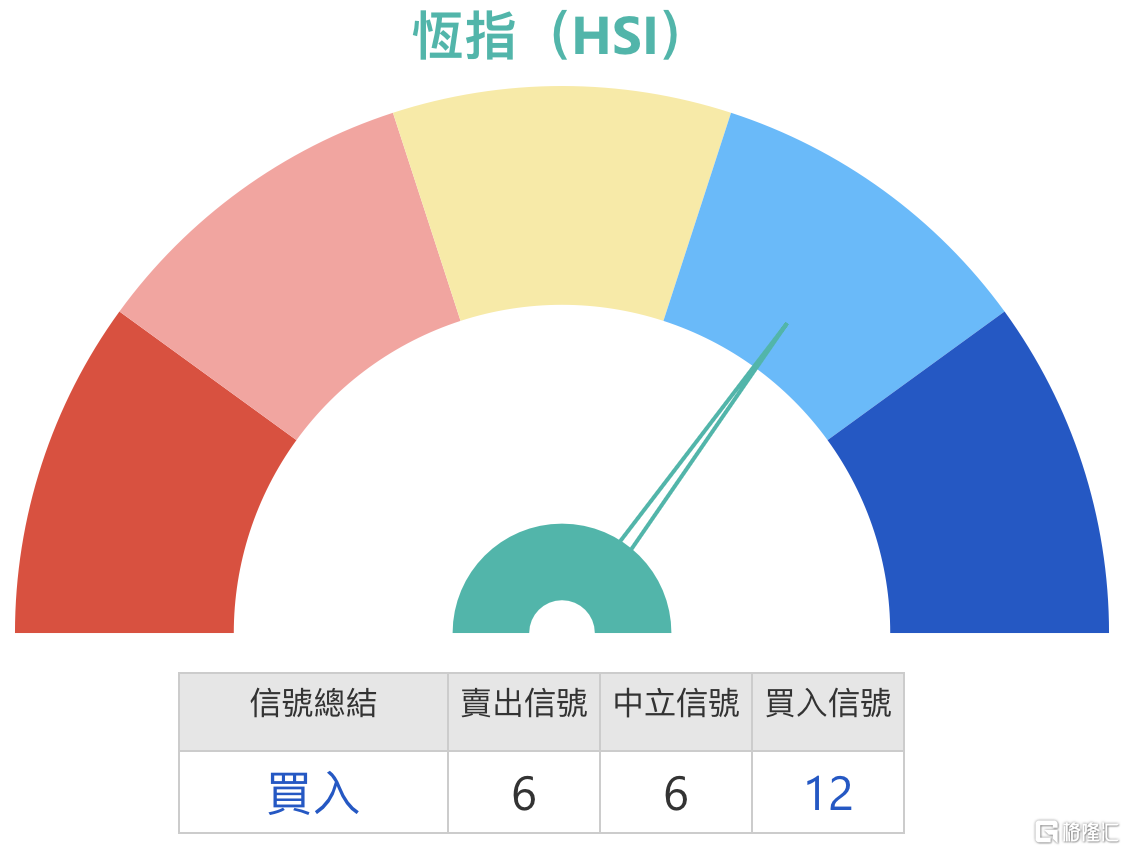
Group 1: Market Sentiment and Technical Analysis - The Hang Seng Index (HSI) shows a mixed sentiment with bullish investors expecting a rebound and bearish investors anticipating a drop to the 24,900 heavy load area [1] - Technical analysis indicates a primary buy signal for HSI, with a resistance level at 25,748 and a suggested recovery price for bearish options at 25,688, which is close to the resistance level [1] - For China Petroleum (00857.HK), a strong buy signal is noted, with the first resistance level at 8.18, indicating potential for further upward movement [3] Group 2: Individual Stock Analysis - China Resources Beer (00291.HK) is showing a buy signal with a closing price of 27.25, and resistance at 28.1, suggesting potential for a rebound [6] - Tencent Holdings (00700.HK) has a buy signal with 14 buy and 5 sell signals, and a resistance level at 560, with support levels at 529 and 510 for potential low-price entry [9] - Meituan-W (03690.HK) has a short-term buy signal with a closing price of 127.4, and support levels at 122.1 and 116.1 [11] - China Life Insurance (02628.HK) is on a strong upward trend with a buy signal, resistance levels at 24.6 and 27, both below the 30 mark [13]






啤酒销量一跌再跌,为啥人们如今不爱喝了?背后原因残酷却很现实
Sou Hu Cai Jing· 2025-07-31 02:05
Core Insights - The beer industry in China is experiencing a significant decline, with beer sales dropping year after year, particularly among younger consumers who prefer alternatives like milk tea [1][3]. Industry Performance - In June 2023, beer production decreased by 1.7% year-on-year, and sales during the Dragon Boat Festival holiday fell by 3.2% compared to 2022 [3]. - China Resources Beer saw its stock price hit a 52-week low in May 2023, with a market value loss of nearly 40%, while its basic beer line experienced an 18% drop in sales despite the Heineken series maintaining double-digit growth [3]. - Chongqing Beer reported an 8.3% decline in overall sales but an 11.6% increase in revenue, indicating a shift in product structure [5]. - The total beer production from January to July 2023 fell by 4.9%, marking the largest decline in non-pandemic years [7]. Consumer Behavior - The proportion of beer consumption among the 18-30 age group has dropped below 50%, with non-alcoholic beverages and low-alcohol drinks seeing a 76% increase in orders [9]. - Young consumers are increasingly critical of traditional beer, referring to it as "industrial water beer," with few domestic brands making it onto lists of popular craft beers [9][11]. - The consumption of craft beer has surged by 41% in 2023, with consumers under 35 accounting for 78% of this growth [11]. Health Trends - Research indicates that fitness enthusiasts have reduced their alcohol intake by 29%, with educational content highlighting the caloric equivalence of beer to rice [13]. - Young consumers are seeking healthier alternatives rather than just substitutes for alcohol, with a preference for products priced between 8-15 yuan for craft beers [13]. Industry Adaptation - Major breweries are innovating to adapt to changing consumer preferences, with Qingdao Brewery focusing on non-alcoholic beer and Yanjing Beer allocating 30% of its marketing budget to esports platforms [15]. - China Resources Snow Beer has partnered with Meituan for a rapid delivery service, achieving a record of 120,000 orders in one day during high temperatures [15]. - Qingdao Beer has launched limited edition collaborations with domestic IPs, selling out quickly despite some consumer criticism regarding pricing [17]. Market Forecast - Predictions suggest that by 2025, the market share of traditional industrial beer may shrink to below 60%, down from 82% five years ago [19]. - The number of craft breweries is increasing, with 2,143 new craft-related businesses registered in 2023, a 39% rise from the previous year [19].
香港生力啤股价飙升30%:盈利重回增长轨道,香港老牌啤酒商破局成功?
Zhi Tong Cai Jing· 2025-07-30 13:36
Core Viewpoint - Hong Kong's San Miguel Brewery (00236) has experienced a significant stock price surge due to a strong performance report, indicating a recovery in revenue and profit growth after a challenging 2024 [1][2]. Financial Performance - For the first half of 2025, the company reported revenue of approximately HKD 390 million, a year-on-year increase of 3.22%, and a profit attributable to equity holders of HKD 49.64 million, up 31.97% [1]. - In contrast, the 2024 full-year performance showed a decline in revenue to HKD 711 million, down 4.1%, and a net loss of HKD 18.91 million, primarily due to decreased export volumes and a non-cash impairment loss of HKD 90 million [2]. Sales Dynamics - The local sales volume in Hong Kong decreased by 4% in the first half of 2025, aligning with the overall industry decline, but total sales increased by 14% due to a significant rise in export volumes [1][4]. - In 2024, the overall beer industry in Hong Kong saw a 3.3% decline, with San Miguel's local sales down by 6% [2][8]. Strategic Initiatives - The company has successfully adjusted its export strategy, optimizing pricing and expanding into new markets, which has significantly improved export profits and offset local sales declines [4]. - Marketing efforts have evolved, with the introduction of new advertising campaigns and collaborations aimed at engaging younger consumers, resulting in a gross margin increase to 39.9% in the first half of 2025, up from 36.9% in 2024 [5]. Market Trends - The beer industry is facing saturation, with a shift towards premiumization and international expansion as key strategies for growth [6][7]. - The high-end beer market in China is projected to reach HKD 280 billion in 2024, accounting for 40% of the overall market, indicating a growing trend towards premium products [7]. Competitive Landscape - The Hong Kong beer market is experiencing increased competition, with major players like China Resources Beer and Qingdao Beer intensifying their focus on the high-end segment [8]. - San Miguel Brewery is leveraging its local brand recognition and differentiated product strategies to find new growth opportunities, particularly in Southeast Asia [9].
香港生力啤(00236)股价飙升30%:盈利重回增长轨道,香港老牌啤酒商破局成功?
智通财经网· 2025-07-30 13:33
Core Viewpoint - Hong Kong San Miguel Brewery's stock surged due to a significant improvement in its financial performance, with revenue and profit both showing growth in the first half of 2025, marking a turnaround from the previous year's decline [1][2]. Financial Performance - In the first half of 2025, Hong Kong San Miguel Brewery reported revenue of approximately HKD 390 million, a year-on-year increase of 3.22%, and a profit attributable to equity holders of HKD 49.64 million, up 31.97% [1]. - In contrast, the full-year performance for 2024 showed a total revenue of HKD 711 million, a decline of 4.1%, and a net loss of HKD 18.91 million due to decreased export volumes and non-cash impairment losses [2]. Sales Dynamics - The local sales volume in Hong Kong decreased by 4% in the first half of 2025, consistent with the overall beer industry decline, but total sales increased by 14% due to a significant rise in export volumes [1][4]. - In 2024, the overall beer industry in Hong Kong saw a 3.3% decline, with Hong Kong San Miguel's local sales down by 6% [2][8]. Strategic Initiatives - The company has successfully adjusted its export strategy, optimizing pricing and expanding into new markets, which has significantly improved export profits and offset local sales declines [4]. - Marketing efforts have evolved, with the introduction of new advertising campaigns and collaborations aimed at younger consumers, contributing to a rise in gross margin to 39.9% in the first half of 2025, up from 36.9% in the same period of 2024 [5]. Market Trends - The beer industry is experiencing saturation, with a clear trend towards premiumization and international expansion as key strategies for growth [6][7]. - The high-end beer market in China is projected to reach HKD 280 billion in 2024, accounting for 40% of the overall market, indicating a shift in consumer preferences towards higher quality products [7]. Competitive Landscape - The Hong Kong beer market is facing increased competition, with traditional giants and emerging craft brands vying for market share, particularly in the high-end segment [8][9]. - Hong Kong San Miguel Brewery is leveraging its local brand recognition and differentiated product strategies to find new growth opportunities, particularly in Southeast Asia [9].
珠江啤酒的全国化为何“雷声大雨点小”?
Sou Hu Cai Jing· 2025-07-30 03:08
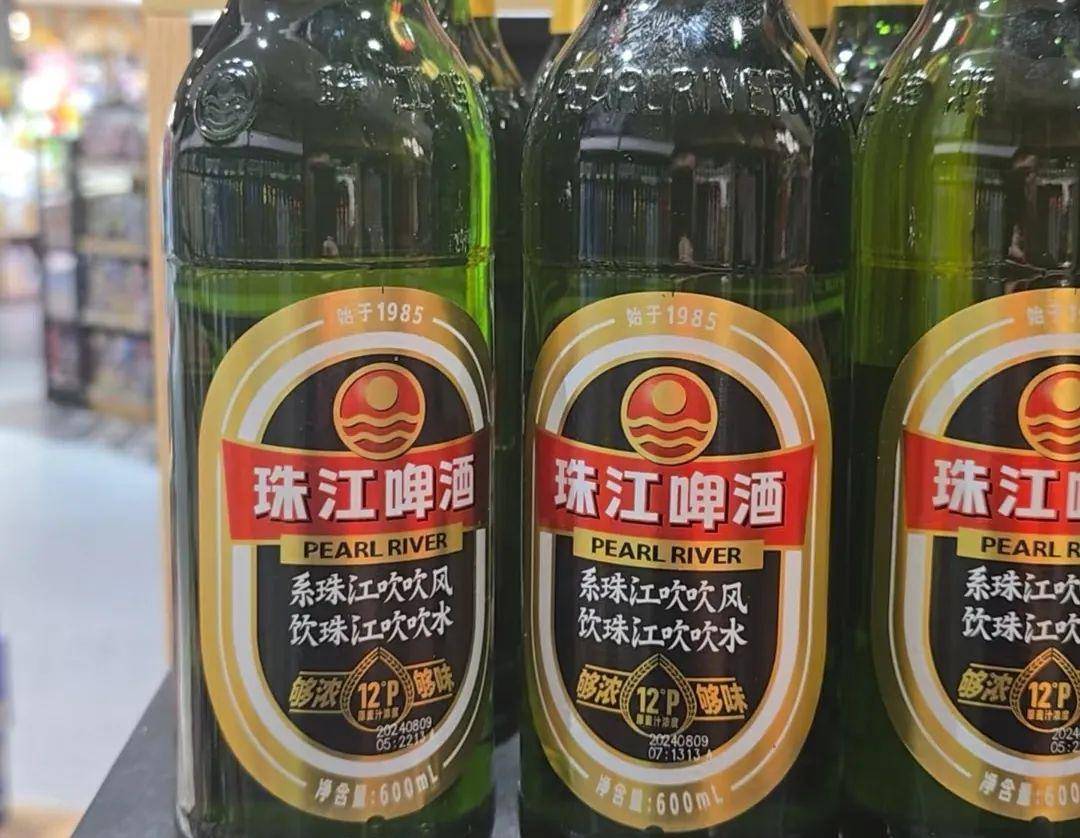
Core Viewpoint - The recent leadership changes at Zhujiang Beer have drawn significant attention, with the new team facing the challenge of expanding the company's national presence amidst a highly competitive market [3][7]. Company Overview - Zhujiang Beer has a strong foundation in the Guangdong market, holding a dominant position with high brand recognition and consumer loyalty, but it is heavily reliant on this single market [3]. - In 2024, Zhujiang Beer reported revenue of approximately 5.49 billion yuan from the South China region, representing a year-on-year growth of 7.45%, which accounted for 95.81% of total revenue [3]. - Revenue from other regions was about 240 million yuan, showing a decline of 10.37% year-on-year, making up only 4.19% of total revenue, indicating an increasing dependency on the Guangdong market [3]. National Expansion Challenges - Despite having proposed a nationalization strategy for over two decades, Zhujiang Beer has struggled to make significant progress, facing intense competition from both foreign and domestic beer giants [4]. - The company's efforts to establish production bases in regions like Hunan, Hebei, and Guangxi have not yielded satisfactory sales results, with weak local channels hindering market penetration [4]. Channel Development Issues - Zhujiang Beer has been promoting the nationwide rollout of raw beer experience stores, which align with the trend of shifting beer consumption towards non-on-premise channels, but operational challenges have emerged [5]. - Managing franchise stores poses difficulties in ensuring compliance with product and pricing regulations, and the high transportation and cold chain costs required for raw beer may compress profit margins [5]. Leadership and Future Outlook - The new leadership team, consisting of Huang Wensheng and Zhang Yong, brings extensive experience, with Huang having led the launch of several high-end products and the raw beer experience store model [7]. - The upcoming third-quarter results will serve as a critical test for the new leadership, as they must devise effective strategies to enhance the company's competitiveness in the national market [7]. Industry Context - The beer industry is currently in a phase of stock competition, with limited market growth and increasing rivalry among major players [8]. - Leading companies like China Resources Snow Beer, Tsingtao Brewery, and Anheuser-Busch InBev leverage their scale, brand, and distribution advantages to solidify their market positions [8]. - Zhujiang Beer faces significant challenges in competing for market share due to its relatively smaller scale and resource limitations, necessitating continuous innovation to meet diverse consumer demands [8].

喜力啤酒全球销量下降,中国市场增长30%成为亮点
Sou Hu Cai Jing· 2025-07-30 03:07
Core Insights - Heineken Group reported a decline in operating profit by 7.1% year-on-year for the first half of 2025, amounting to €1.433 billion, with global beer sales down by 1.2% to 11.64 million kiloliters [1] - The company experienced a significant growth in the Chinese market, with licensed beer sales increasing by over 30%, contributing to a rise in market share [1][2] - The European market faced challenges, with organic net revenue declining by 4% and sales down by 4.7%, primarily due to stalled negotiations in Western European supermarkets and reduced demand in Poland and Austria [1] - The Americas market also showed a slight decline, with net revenue down by 0.8% and sales down by 1.2%, although Mexico's growth helped mitigate some losses [1] - The Asia-Pacific and Middle East-Africa markets were the main growth drivers, with the Asia-Pacific region seeing a 3.1% organic growth in beer sales, and licensed beer sales soaring by 32.1% [1] Financial Performance - Heineken's total revenue for the first half of 2025 reached €16.924 billion [1] - The Middle East and Africa markets reported a 19.8% increase in net revenue and a remarkable 102.8% increase in operating profit [3] - The company anticipates that overall sales for 2025 will remain roughly flat, with an expected organic growth in operating profit of 4% to 8% for the year [3] Market Strategies - Heineken has intensified its marketing efforts in China, achieving double-digit growth in its unique offerings, with specific brands like Heineken Star Silver and Red爵 seeing significant sales increases [2] - The company has partnered with China Resources Beer to enhance its market presence, becoming an official supplier at major sporting events [2]


聊聊「中国单价地王」。︱刘德科
阿尔法工场研究院· 2025-07-30 00:57
Core Viewpoint - The article discusses the recent emergence of a record land price in Shanghai, highlighting the factors influencing high land prices and the implications for the real estate market in China [2][4]. Group 1: Land Price Dynamics - A new record land price of 200,300 RMB per square meter was established in Shanghai, attributed to its prime location near Hengshan Road [2]. - Land prices are determined by three main factors: location, plot ratio, and land use type. The high price is due to the land being residential in a super core area with a low plot ratio of 1.3, making it particularly rare [2][3]. - The land was acquired by a private enterprise, the family of Ye Huabiao, for a total price of 1.225 billion RMB, outbidding state-owned enterprises [3]. Group 2: Future Implications - The small size of the land (4,705.49 square meters) and its low plot ratio means it can only accommodate a few units, but it may be developed into a spacious estate for personal use by the owner [3]. - The rarity of such "mini land" parcels in prime locations could significantly increase their value over time, especially if the owner decides to sell in the future [3]. - The trend of individuals purchasing land to build their own homes reflects a growing desire for personalized living spaces, which is seen as a form of "emotional economy" in the real estate market [3]. Group 3: Market Outlook - The article suggests that as long as China's economy continues to grow and urbanization progresses, there will be sustained demand for housing improvement and upgrades, indicating that the real estate market has not yet reached its peak [4]. - Comparisons are made with other major cities, noting that Shanghai has yet to see residential prices exceed 1 million RMB per square meter, unlike New York and London [4].

2025年世界500强放榜:百事和可口可乐排名跃升,雀巢和联合利华企稳,亿滋、百威和星巴克生变,暂别的巨头仍未能上榜
3 6 Ke· 2025-07-30 00:04
Group 1 - The total revenue of the companies on the Fortune Global 500 list is approximately $41.7 trillion, which is over one-third of the global GDP, representing a growth of about 1.8% compared to last year [1] - The minimum sales revenue required to be listed increased from $32.1 billion to $32.2 billion [1] - The total net profit of the listed companies grew by approximately 0.4% year-on-year to about $2.98 trillion [1] Group 2 - In the food and beverage sector, the list of companies remains unchanged, but many did not continue the significant ranking improvements seen last year [3] - PepsiCo and Coca-Cola are exceptions, showing resilience in a challenging environment [3] Group 3 - In the "Food: Consumer Products" sub-list, the companies listed are Nestlé, PepsiCo, and Mondelez International, with PepsiCo being the only company to see an increase in ranking and growth in both revenue and profit [5] - Nestlé's revenue increased by 0.2% to $103.7495 billion, while its profit decreased by 0.9% to $12.361 billion [6] - PepsiCo's revenue grew by 0.4% to $91.854 billion, and profit increased by 5.6% to $9.578 billion [9] Group 4 - Mondelez International's ranking dropped by 14 places to 436, with revenue growth of 1.2% to $36.441 billion, but profit decreased by 7% to $4.611 billion [9] - Mars, Inc. is not listed but has a significant revenue of $54.6 billion, which would place it at 267th if it were included [11] Group 5 - In the "Beverages" sub-list, Coca-Cola had the highest revenue growth of 2.9% to $47.061 billion [13] - Anheuser-Busch InBev and Fomento Económico Mexicano maintained stable revenue and rankings, while Heineken's revenue decreased by 1.8% [15] Group 6 - In the "Food: Food Service" sub-list, Compass Group improved its ranking by 28 places to 370, with a revenue increase of 10.5% to $42.002 billion [17] - Starbucks' ranking fell by 23 places to 441, with a slight revenue increase of 0.6% to $36.176 billion [17] Group 7 - In the "Food Production" sub-list, ADM remains at the top despite a drop of 26 places to 143, with revenue of $85.530 billion [22] - JBS and Wilmar International follow, with JBS rising 9 places to 167 [23] Group 8 - China Resources ranked 67th with a revenue of $129.624 billion, up 5 places [26] - COFCO Group ranked 133rd with a revenue of $88.26 billion, down 27 places [28] Group 9 - Walmart remains the largest company globally for the twelfth consecutive year, with a revenue increase of 5.1% to $680.985 billion and a profit increase of 25.3% to $19.436 billion [30] - Saudi Aramco leads in profit with approximately $105 billion, despite a year-on-year decline of about 13% [32] Group 10 - A total of 130 Chinese companies made the list, with 49 improving their rankings and 68 declining [34] - Pinduoduo saw the most significant ranking increase among Chinese companies, rising 176 places to 266 [34]



打造纳凉新场景、培育消费增长点,这个全市首批试点“圈”幸福出圈
Sou Hu Cai Jing· 2025-07-29 13:37
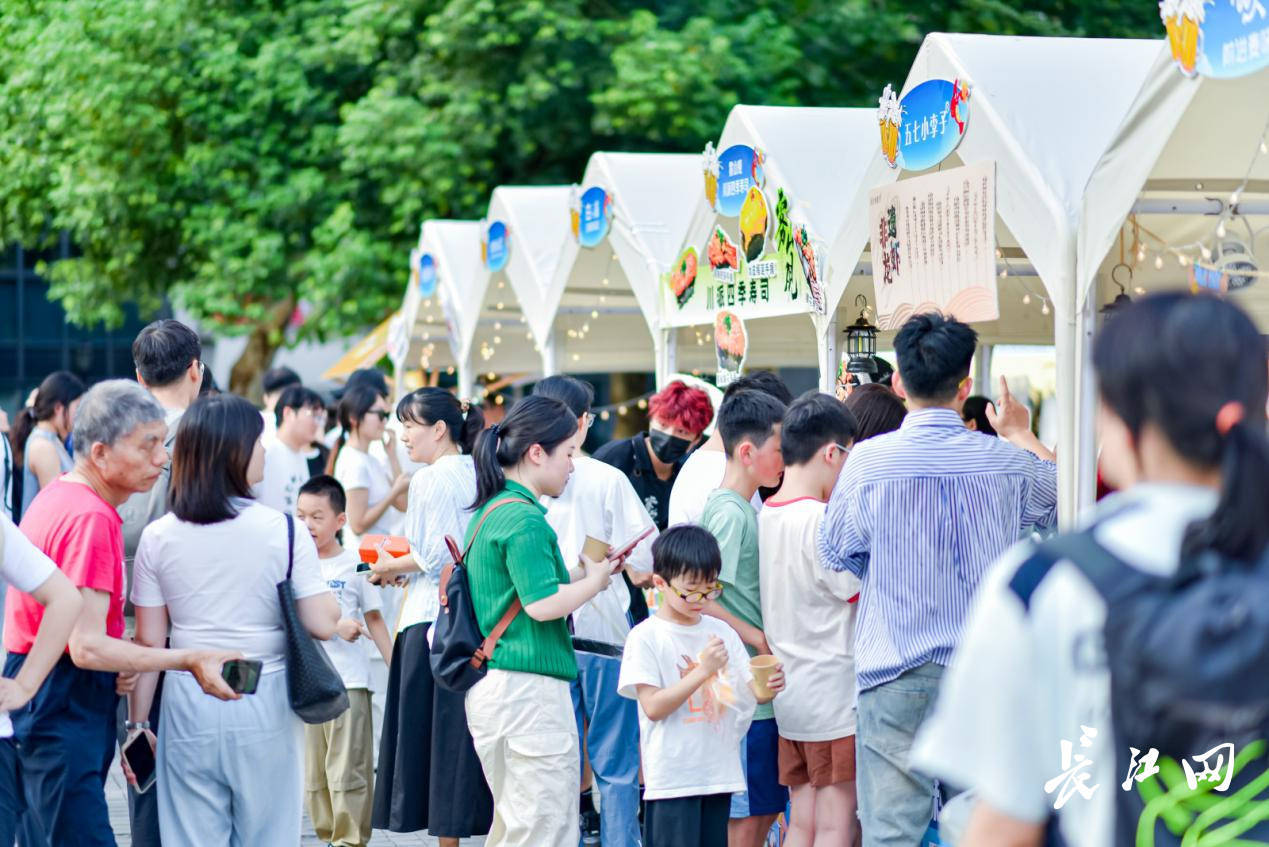
Core Points - The event "惠聚江岸便利永清美好生活季" successfully attracted hundreds of residents, creating a vibrant atmosphere for community engagement and local consumption [1][4][12] - The initiative is part of the "15-minute convenient living circle" project, aimed at enhancing urban governance and improving residents' quality of life [1][9][11] Group 1: Event Highlights - The event featured various attractions including food stalls, live performances, and interactive games, making it a family-friendly gathering [3][7][10] - Local businesses participated actively, offering promotions and free samples, which encouraged community members to engage and enjoy the offerings [6][7][12] Group 2: Community Development - The "一刻钟便民生活圈" service map was launched, highlighting 14 types of essential services available within a 15-minute walk, enhancing convenience for residents [9][11] - The community has conducted surveys to understand residents' needs, leading to the expansion of services and facilities in the area [9][12] Group 3: Future Plans - Upcoming developments include a Hilton hotel and a health management center, aimed at providing quality services to residents [12] - The series of events will continue until November, focusing on health education, policy advocacy, and community engagement to further enhance residents' satisfaction [12]
270天5家上市公司人事调整 啤酒行业或迎产品、渠道新变化
Bei Jing Shang Bao· 2025-07-29 11:29
Core Insights - The Chinese beer industry is undergoing a significant leadership transition, with major companies experiencing management changes over the past nine months, reflecting challenges in performance growth and strategic transformation [1][2][4] Group 1: Leadership Changes - Zhang Yong has been appointed as the new general manager of Zhujiang Beer, marking a shift in leadership as part of a broader trend affecting major beer companies in China [1] - In 2024, Qingdao Beer and Lanzhou Yellow River also saw significant management changes, with new leadership taking over after the retirement of long-standing executives [2] - International beer companies are also adjusting their leadership in China, with Budweiser China appointing Fabio Sala as the new China president, ending a three-year vacancy in the position [2] Group 2: Industry Challenges - The beer industry is facing a transition from volume growth to a new phase where both volume and profit are stagnating or only slightly increasing, prompting companies to seek new growth avenues [3] - A significant number of beer companies are reporting declining revenues, with four out of seven major listed companies experiencing revenue drops, including Budweiser Asia Pacific and China Resources Beer, with declines of -8.9% and -0.76% respectively [4][5] - The overall beer production in China decreased by 0.6% in 2024, with major companies like China Resources Beer and Budweiser Asia Pacific also reporting declines in sales volume [5] Group 3: Market Dynamics - The beer market is witnessing a shift in consumer demand, with challenges in high-end product growth and a decline in immediate consumption channels, leading to a need for strategic adjustments [6][7] - The competition in the beer sector is evolving from channel acquisition to exploring consumer scenarios, particularly in the high-end beer segment [6] - The online penetration rate in the alcohol industry has reached 35%, with the beer instant retail market experiencing significant growth, indicating a shift towards more diverse and health-oriented products [7]