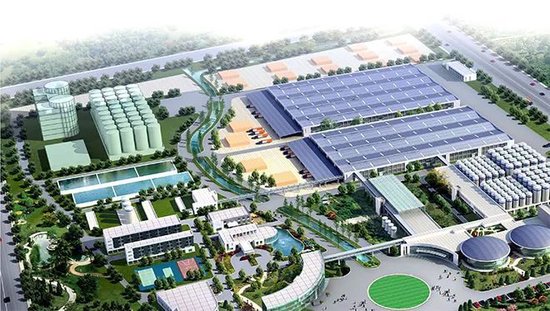
原浆啤酒

Search documents
债务压顶下的泰山啤酒 破产重整能否破局?
Xin Lang Cai Jing· 2026-01-19 10:34
Core Viewpoint - Shandong Tsingtao Beer Co., Ltd. has entered judicial restructuring due to financial difficulties, despite having a strong market presence and innovative product strategies [1][2]. Company Overview - Founded in 1979, the company transitioned to a publicly traded entity in 2000 after being acquired by Hong Kong's Tiger Color Group, focusing on the research, production, and sales of fresh beer [1]. - The company has over 3,000 specialized stores nationwide and was known for its differentiated strategy in a competitive beer market [1]. Business Model and Product Innovation - In 2016, the company adopted a "factory-specialty store-consumer" model, moving away from traditional distribution, which allowed it to build a national network across 28 provinces [2]. - The product lineup includes the core "Red 7" fresh beer and new offerings like the "Oriental Herbal" series and "Golden 7 Premium" aimed at the business banquet market, showcasing a diversified product matrix [2]. Financial Performance - In 2024, the company reported revenues of 502 million yuan, with sales reaching 80,000 tons in 2025, maintaining revenue levels from the previous year [2]. - Despite the financial crisis, the company retains advantages in marketing, technology, and brand recognition, which were crucial for obtaining restructuring eligibility [2]. Debt and Financial Challenges - As of October 31, 2025, the company had total assets of approximately 622 million yuan and total liabilities of 663 million yuan, resulting in a debt-to-asset ratio of 106.63%, indicating severe insolvency [2][3]. - Factors contributing to the financial crisis include significant fixed asset investments, deteriorating performance of the parent company, and failed IPO commitments leading to increased debt pressure [3]. Industry Context - The domestic beer industry showed growth in 2025, with 338 companies producing 30.95 million kiloliters and generating sales revenue of 151.748 billion yuan, but market benefits are concentrated among leading firms [4]. - Increased competition from both established brands and new entrants, including cross-industry players, has intensified the market landscape, posing additional challenges for the company [4]. Future Outlook - The company faces significant challenges in its restructuring process, including the need to shed debt burdens, attract strategic investments, and optimize its capital structure [4]. - Long-term survival will depend on maintaining its differentiated advantages and improving store profitability amid increasing competition [4].
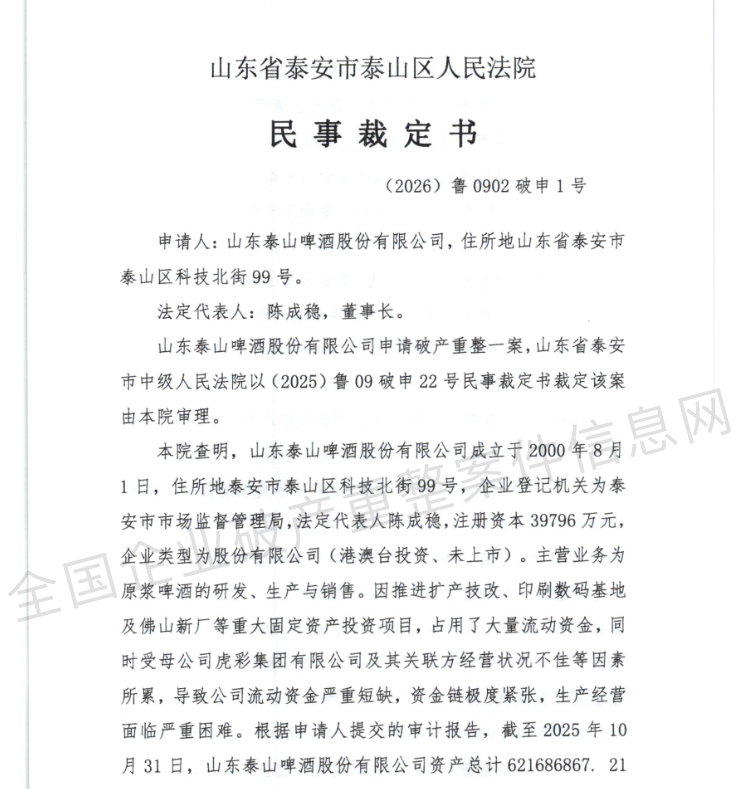
泰山啤酒正式进入破产重整程序,负债6.63亿元已资不抵债
Xin Lang Cai Jing· 2026-01-14 05:53
Core Viewpoint - The bankruptcy reorganization application of Shandong Taishan Beer Co., Ltd. has been officially accepted by the court, indicating the company's entry into judicial reorganization due to severe financial distress [1][5]. Financial Status - As of October 31, 2025, Taishan Beer has total assets of approximately 622 million yuan and total liabilities of 663 million yuan, resulting in a debt-to-asset ratio of 106.63%, indicating serious insolvency [1][5]. - The company is facing multiple large overdue debts that it is unable to repay [1][5]. Company Background - Taishan Beer was established on August 1, 2000, with a registered capital of 397.96 million yuan and is classified as a joint-stock company (Hong Kong, Macau, and Taiwan investment, not listed) [3][7]. Operational Challenges - The company has faced financial difficulties due to significant fixed asset investments in expansion and upgrades, which have heavily occupied its working capital [4][7]. - The operational struggles have been exacerbated by the deteriorating business conditions of its parent company, Hucai Group Co., Ltd., and its affiliates [4][7]. Reorganization Potential - Despite the financial crisis, the court recognizes that Taishan Beer still possesses advantages in product technology reserves, innovative marketing models, and brand vitality, indicating potential for reorganization [4][7]. - The local government has established a liquidation team to assist in the reorganization process [4][7]. IPO and Shareholder Agreements - Taishan Beer had previously signed a bet agreement with shareholders, stipulating that if it fails to complete a qualified IPO by June 30, 2024, the parent company and founder must repurchase shares [4][7]. - The failure to achieve the IPO target has further intensified the company's financial pressures [4][7].

即时零售迎“奇点”,巨头激战正酣
Zhong Guo Ji Jin Bao· 2025-12-11 08:32
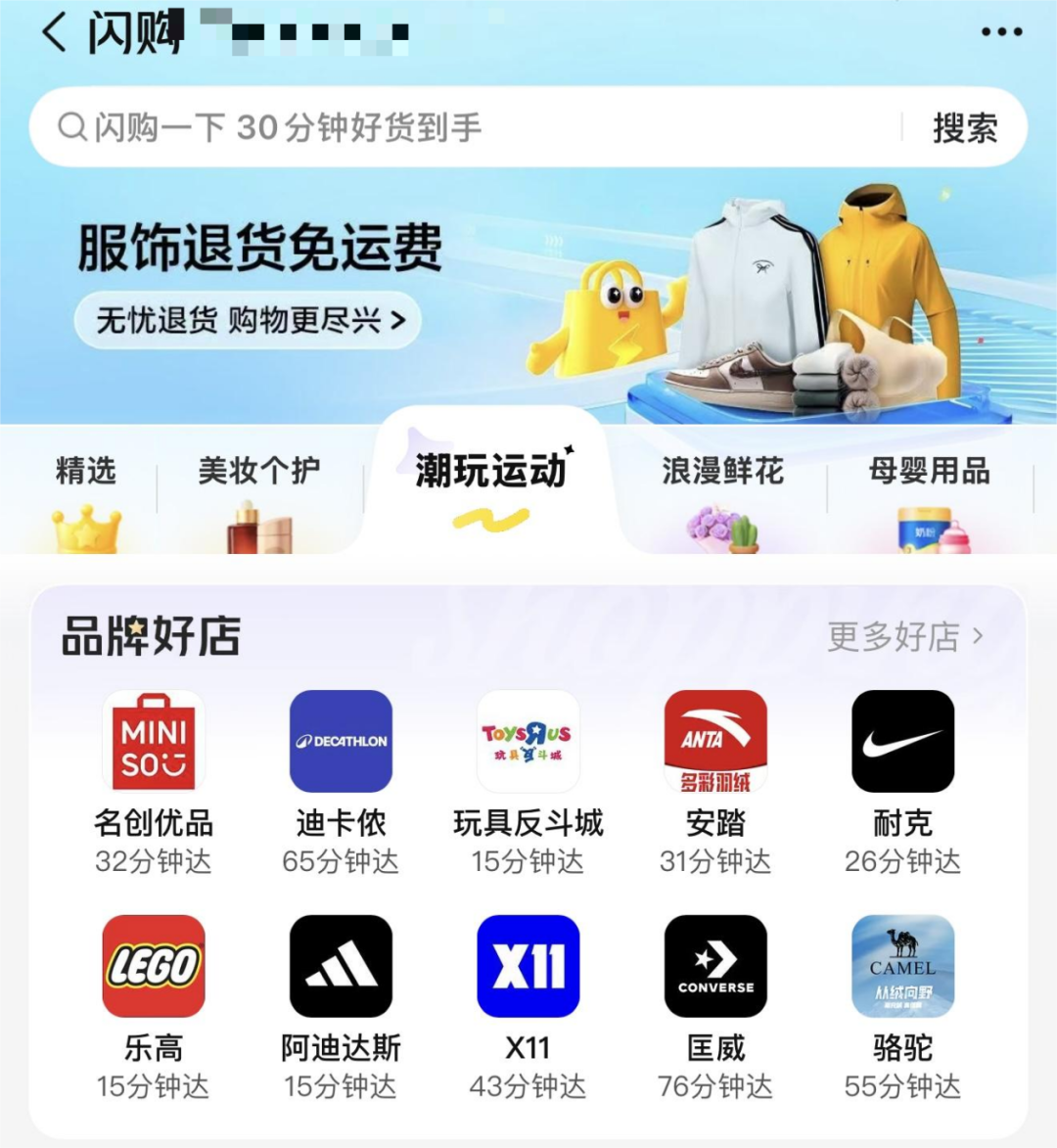
Core Insights - The instant retail market is projected to reach 971.4 billion yuan by 2025, with a year-on-year growth of 24.4%, nearing the trillion yuan mark [1][3] - Major e-commerce platforms are heavily investing in instant retail, with Alibaba, JD, and Meituan collectively spending nearly 60 billion yuan in Q3 this year [3] - Instant retail is evolving from a decade-long journey of O2O and community group buying to a more robust business model that emphasizes speed and convenience [3][4] Market Expansion - The instant retail industry is experiencing rapid growth, with expectations to hit 2 trillion yuan by 2030, maintaining a compound annual growth rate of 25% [3] - The shift towards instant retail is reshaping investment values in sectors like beauty, apparel, and food and beverage [2][3] Consumer Behavior - The "post-95" generation prioritizes delivery speed, with over 50% wanting same-day or even half-day delivery, indicating a strong demand for instant retail services [3][4] - Instant retail aligns with the consumer desire for immediate gratification, enhancing the shopping experience for younger demographics [4] Channel Transformation - The beauty and personal care sector is rapidly adopting instant retail due to its product characteristics, such as high price points and urgent demand scenarios [5] - Sportswear brands like Li Ning and Anta are also entering the instant retail space, leveraging local store networks for quick delivery [5][7] Operational Innovations - Qingdao Beer has successfully integrated instant retail, achieving a tenfold increase in GMV from 2 billion yuan to nearly 20 billion yuan in five years, with a compound annual growth rate exceeding 50% [8] - Instant retail is enabling traditional retail businesses to transition from a "goods and venue" mindset to an "instant service" model [9] Competitive Landscape - The instant retail market is currently characterized by intense competition, with major players engaged in a subsidy war that has led to significant cash flow challenges [11][12] - Despite increased sales through instant retail channels, many companies are struggling with profitability due to high platform fees and operational costs [12] Strategic Recommendations - Retail brands need to explore business models that are more compatible with instant retail and enhance their supply chain capabilities to thrive in this evolving landscape [12]


青岛啤酒(600600):2025年三季度收入增速放缓,产品结构延续提升
Guoxin Securities· 2025-10-29 14:02
Investment Rating - The investment rating for the company is "Outperform the Market" [7][12][15] Core Views - The company reported a total revenue of 8.88 billion yuan in Q3 2025, a slight decrease of 0.2% year-on-year, while the net profit attributable to shareholders was 1.37 billion yuan, an increase of 1.6% year-on-year [2][10] - Despite a slowdown in revenue growth, the product structure continues to improve, with the main brand's sales increasing by 4.2% year-on-year, and the sales proportion of mid-to-high-end products rising to 43.6% [2][10] - The company is focusing on balancing market share and premiumization under new management, with expectations for continued profit margin improvement due to cost benefits and refined operations [4][12] Summary by Sections Financial Performance - In Q3 2025, the company achieved total revenue of 8.88 billion yuan, down 0.2% year-on-year, and a net profit of 1.37 billion yuan, up 1.6% year-on-year [2][10] - The gross margin for Q3 was 43.6%, an increase of 1.4 percentage points year-on-year, benefiting from lower raw material costs [3][11] Product and Market Strategy - The company is accelerating the development of emerging channels and online business, aligning with consumer trends by introducing fresh, unfiltered, and craft products [4][12] - The sales volume of the main brand increased by 4.2% year-on-year, while the sales of other brands decreased by 4.8%, indicating a shift towards premium products [2][10] Profit Forecast and Valuation - The revenue forecast for 2025-2027 has been slightly adjusted to 32.61 billion, 33.25 billion, and 33.92 billion yuan respectively, with expected net profits of 4.66 billion, 4.98 billion, and 5.26 billion yuan [4][12][14] - The current stock price corresponds to a price-to-earnings ratio of 19 for 2025, reflecting the company's strong market position and brand strength [4][15]

酿质也酿新 青啤用体验重构百年潮品的“新味觉”
Zheng Quan Ri Bao Wang· 2025-09-29 12:49
Core Insights - Qingdao Beer emphasizes a comprehensive quality management approach that integrates technology and consumer experience, redefining what constitutes a good beer [1][2][3] Group 1: Quality Management Innovations - Qingdao Beer has developed a unique "charm perception quality management model" that transitions from basic quality to charm perception quality, addressing consumer needs from basic to potential [1] - The company has successfully localized the production of oxygen-absorbing gaskets, previously reliant on imports, enhancing the freshness and sensory quality of its beer [2] - Qingdao Beer has invested in research and innovation to improve quality, leading to significant advancements in fermentation, flavor control, and sustainable practices, earning four national science and technology progress awards [3] Group 2: Digital Transformation and Traceability - The company has implemented a digital production system that allows for real-time monitoring of over 1,800 quality checkpoints, ensuring transparency and traceability in the production process [4] - Qingdao Beer is enhancing its quality management through a comprehensive digital transformation that spans the entire supply chain, focusing on smart manufacturing and green practices [5] Group 3: Fresh Beer Delivery and Consumer Experience - The introduction of fresh beer products, such as unpasteurized beer, has led to a new market trend, with a focus on rapid delivery and quality management [6] - The company has established a "fresh direct delivery" service, allowing consumers to receive their orders within 30 minutes, enhancing the overall consumer experience [6][7] - Qingdao Beer is expanding its brand presence globally, exporting to over 120 countries and creating immersive consumer experiences through various initiatives [7]
加快培育生鲜产品赛道2025年青岛啤酒半年报里的创新答卷
Xin Lang Cai Jing· 2025-08-27 04:33
Core Viewpoint - The beer industry is transitioning from industrialization to digitalization, with leading companies innovating in production processes to enhance product uniqueness and premium quality [1] Financial Performance - Qingdao Beer reported a product sales volume of 4.732 million kiloliters in the first half of 2025, representing a year-on-year increase of 2.3% [3] - The company achieved operating revenue of RMB 20.49 billion, up 2.1% year-on-year [3] - Net profit attributable to shareholders reached RMB 3.9 billion [3] Product Innovation - The demand for fresh beer is rising, with consumers favoring products that are fresher and richer in flavor [3] - Qingdao Beer has introduced high-end fresh beer in 1L aluminum bottles, which has contributed to the trend of fresh beer in the Chinese market [3] - The company is focusing on product innovation, including the development of 1L premium raw beer and 1L crystal pure beer, to meet the growing demand for high-quality fresh products [6][8] Technological Advancements - Qingdao Beer has upgraded traditional brewing processes to a quantifiable and replicable smart manufacturing model, utilizing IoT technology for full-process data monitoring [6] - The company has implemented a cold chain logistics model that includes IoT sensors for precise temperature control and dynamic transportation planning [6] Market Strategy - The company is expanding its retail channels by collaborating with platforms like Meituan, Ele.me, and Douyin to create a "30-minute fresh delivery circle" [8] - Qingdao Beer is focusing on new consumer demographics and needs, driving product innovation across various dimensions such as personalization, health, and premium quality [8] - The brand strategy includes promoting the Qingdao Beer main brand alongside the Laoshan Beer as a national second brand, enhancing brand visibility through sports and music marketing [8] Brand Value - Qingdao Beer was recognized with a brand value of RMB 280.355 billion, placing it among the world's top 500 brands [8]
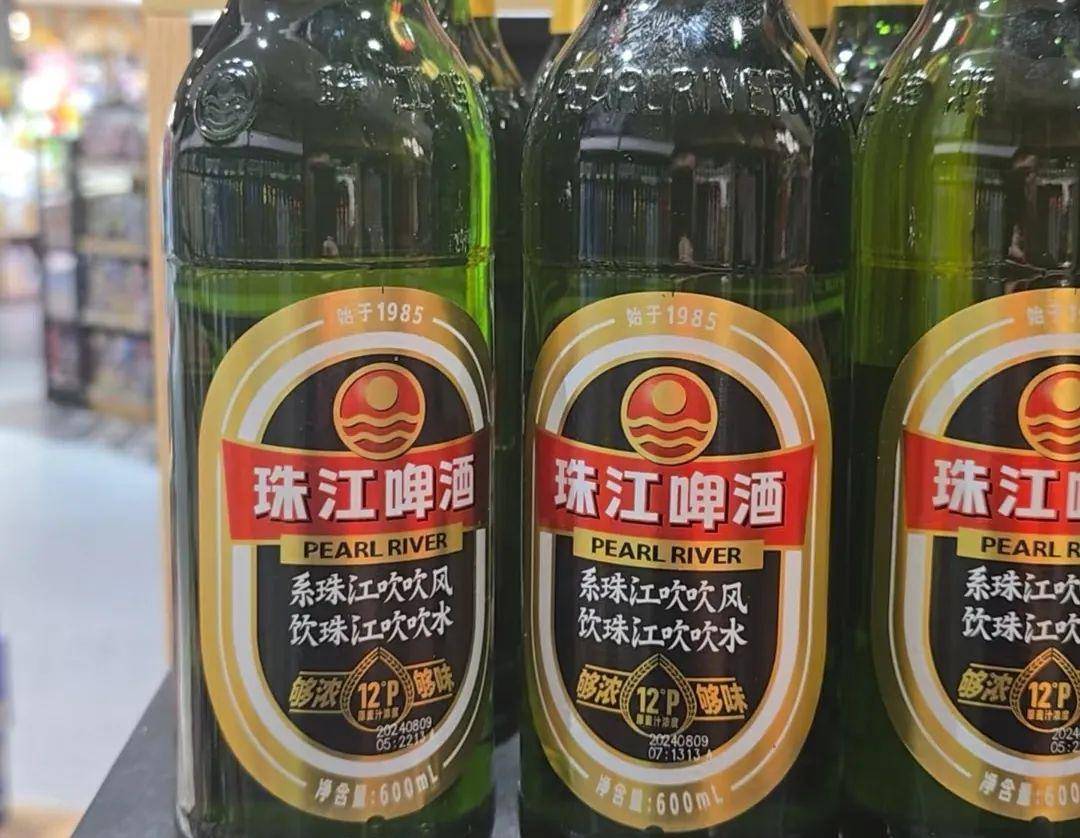
珠江啤酒的全国化为何“雷声大雨点小”?
Sou Hu Cai Jing· 2025-07-30 03:08
Core Viewpoint - The recent leadership changes at Zhujiang Beer have drawn significant attention, with the new team facing the challenge of expanding the company's national presence amidst a highly competitive market [3][7]. Company Overview - Zhujiang Beer has a strong foundation in the Guangdong market, holding a dominant position with high brand recognition and consumer loyalty, but it is heavily reliant on this single market [3]. - In 2024, Zhujiang Beer reported revenue of approximately 5.49 billion yuan from the South China region, representing a year-on-year growth of 7.45%, which accounted for 95.81% of total revenue [3]. - Revenue from other regions was about 240 million yuan, showing a decline of 10.37% year-on-year, making up only 4.19% of total revenue, indicating an increasing dependency on the Guangdong market [3]. National Expansion Challenges - Despite having proposed a nationalization strategy for over two decades, Zhujiang Beer has struggled to make significant progress, facing intense competition from both foreign and domestic beer giants [4]. - The company's efforts to establish production bases in regions like Hunan, Hebei, and Guangxi have not yielded satisfactory sales results, with weak local channels hindering market penetration [4]. Channel Development Issues - Zhujiang Beer has been promoting the nationwide rollout of raw beer experience stores, which align with the trend of shifting beer consumption towards non-on-premise channels, but operational challenges have emerged [5]. - Managing franchise stores poses difficulties in ensuring compliance with product and pricing regulations, and the high transportation and cold chain costs required for raw beer may compress profit margins [5]. Leadership and Future Outlook - The new leadership team, consisting of Huang Wensheng and Zhang Yong, brings extensive experience, with Huang having led the launch of several high-end products and the raw beer experience store model [7]. - The upcoming third-quarter results will serve as a critical test for the new leadership, as they must devise effective strategies to enhance the company's competitiveness in the national market [7]. Industry Context - The beer industry is currently in a phase of stock competition, with limited market growth and increasing rivalry among major players [8]. - Leading companies like China Resources Snow Beer, Tsingtao Brewery, and Anheuser-Busch InBev leverage their scale, brand, and distribution advantages to solidify their market positions [8]. - Zhujiang Beer faces significant challenges in competing for market share due to its relatively smaller scale and resource limitations, necessitating continuous innovation to meet diverse consumer demands [8].

“舌尖上”的链博会:巨头比拼产业链硬实力|聚焦链博会
Hua Xia Shi Bao· 2025-07-19 13:19
Core Insights - The third China International Supply Chain Promotion Expo (Chain Expo) showcased a shift in food and beverage companies from simple product promotion to creating multi-dimensional sensory experience spaces, highlighting the integration of experiential economy and supply chain strength [1] Group 1: Key Highlights of the Expo - The first highlight is the use of humanoid robots as "traffic engines" at exhibition booths, enhancing audience interaction and engagement [2] - The second highlight is the introduction of innovative products, such as Qingdao Beer’s freshly launched raw beer and other fresh series products, emphasizing the importance of supply chain innovation [3] - The third highlight is the transformation of booths into "immersive experience spaces," where companies engage consumers through multi-sensory interactions, moving beyond traditional marketing [4] Group 2: Industry Trends and Competitive Landscape - The Chain Expo serves as a premier platform for showcasing global supply chain resources, with 35% of exhibitors from overseas and participation from over 500 leading companies [5] - The event highlights the competition among top food and beverage companies in demonstrating their supply chain capabilities, from raw material control to ecological construction [6] - Companies like Junlebao and Yili are showcasing their integrated supply chain strategies, emphasizing innovation and self-sufficiency in the dairy industry [7][8]
迎来消费旺季 啤酒厂商纷纷发起“夏季攻势”
Zheng Quan Ri Bao· 2025-06-25 16:12
Industry Overview - The beer market is experiencing growth opportunities due to the summer consumption peak and events like "Su Chao" [1] - Major beer manufacturers are launching summer campaigns to capitalize on this trend [1] Market Trends - Instant retail is emerging as a new engine for beer sales, with companies preparing for the summer peak [1] - China Resources Snow Beer has partnered with Meituan's instant retail brand to develop exclusive craft beer products and ensure rapid delivery [1][2] - Shandong Taishan Brewery is expanding its market presence by supporting new store openings and achieving record signings at its factory recruitment events [1] Product Quality Enhancement - Beer malt manufacturers and breweries are collaborating to improve beer quality and taste [3] - Guangdong Yongshuntai Group is a leading malt manufacturer in Asia, focusing on high-end and specialty malts to meet the growing demand from the craft beer sector [3] - Beijing Yanjing Brewery is implementing a big product marketing strategy, with its Yanjing U8 series showing significant sales growth [3] Consumer Preferences - The introduction of instant retail channels is expected to enhance consumer access to fresh and craft beers, aligning with the trend of consumption upgrading [2] - Companies are encouraged to explore the cultural aspects of craft beer to meet individual consumer needs [4]

国家税务总局泰安市税务局:山东泰山啤酒公司欠税超536万元
Xin Lang Cai Jing· 2025-05-09 06:07
Group 1 - The core issue is that Shandong Taishan Beer Co., Ltd. has a tax debt totaling 5.3676 million yuan, which includes various taxes such as value-added tax, consumption tax, and property tax [3] - In the first quarter, the company reported a 15% growth despite the tax issues, with the opening of 305 new stores [3] - The company was acquired by Hucai Group in 2018, which holds a 73% stake, and the legal representative is the same individual, Chen Chengwen [3] Group 2 - The company has set ambitious goals in the past, including a target of "thousands of cities and tens of thousands of stores," but recent data shows stagnation in store growth [3] - As of March 4, 2023, the company announced a total of nearly 3,000 specialized stores, which is a significant distance from its previous goals [3] - The company has experienced a decline in store numbers over the past two years, despite earlier reports indicating that the number of stores had surpassed 3,000 in September 2022 [3]