极氪

Search documents
“咖啡界祖师爷”华南首店关闭,精品咖啡怎么了?
3 6 Ke· 2025-08-07 10:12
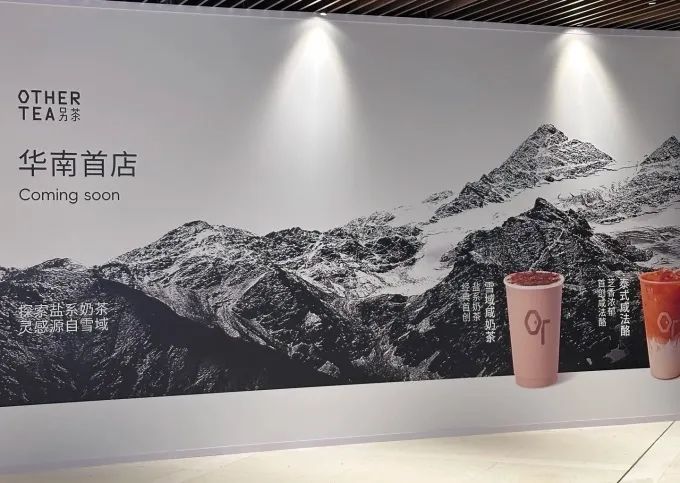
Group 1: Core Insights - Peet's Coffee, once hailed as the "coffee patriarch," has faced significant store closures in China, including its first store in South China, which closed quietly without prior notice [1][2][4] - The brand's expansion has slowed considerably, with only 16 new stores opened in the first half of 2023, compared to a rapid increase of 70 stores in 2021 and over 100 in 2023 [4][5] - The broader specialty coffee sector is experiencing a "survival crisis," with brands like Seesaw facing severe financial issues, including unpaid wages and store closures [6][8][11] Group 2: Industry Challenges - The specialty coffee market in China is grappling with rising rent pressures, increased competition from high-value brands like Luckin Coffee, and a shift in consumer preferences towards more affordable options [12][13] - Market research indicates that only 7% of consumers are willing to pay extra for "sustainable coffee," and less than 4% are willing to pay over 25 yuan for a cup, highlighting a fundamental shift in demand [13] - Many specialty coffee brands have expanded rapidly without maintaining quality control, leading to a decline in brand reputation and increased store closures [14][15] Group 3: Innovations and Adaptations - Brands are exploring innovative product offerings and marketing strategies to attract consumers, such as Bond Coffee's introduction of "freshly brewed coffee" and "fruit peel coffee" [17][18] - Peet's Coffee has launched seasonal specials like "osmanthus wine cold brew," achieving significant sales in Shanghai [19] - The industry is diversifying consumer experiences, with events like the Chongqing International Coffee Festival and collaborations between coffee brands and other sectors, such as automotive [20][22] Group 4: Future Outlook - The specialty coffee sector must find a balance between cost and consumer experience to survive, focusing on delivering value that consumers are willing to pay for [24] - The ongoing evolution of consumer preferences and market dynamics will determine which brands can successfully redefine their value propositions and thrive in the competitive landscape [24]

李书福是保守,还是行险棋?
虎嗅APP· 2025-08-06 14:35
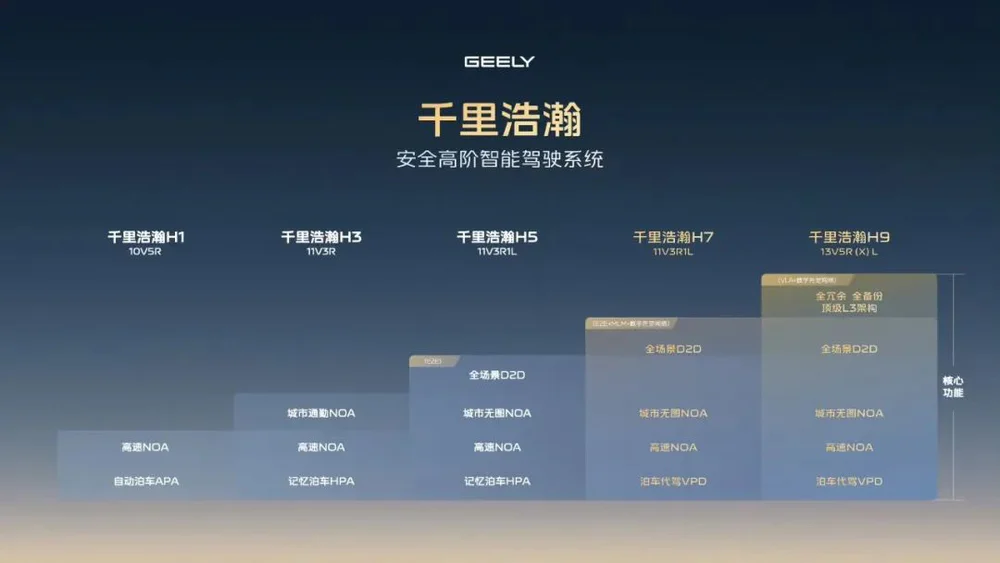
Core Viewpoint - Geely is restructuring its internal research and development (R&D) and organizational framework to enhance efficiency, with a significant focus on smart driving technology [2][17]. Group 1: Integration of Smart Driving Teams - Geely is integrating multiple smart driving teams, including the Zeekr smart driving team (approximately 1,300 people), Geely Research Institute's smart driving center (approximately 1,000 people), and the smart driving team from smart (approximately 100 people) into a newly established company called Qianli Smart Driving [4]. - Qianli Smart Driving was founded in June this year and is jointly owned by several entities, including Megvii's autonomous driving company and Geely's Zhejiang Jirun Automotive Co., Ltd. [4]. - The integration aims to consolidate resources and reduce costs, but it also presents challenges in technical capability integration and collaboration [2][4]. Group 2: Strategic Intent and Challenges - The move to integrate smart driving R&D teams indicates Geely's intention to divest from high-cost projects and shift towards a model resembling a supplier relationship with Qianli Smart Driving [8]. - Geely's investment in Qianli Smart Driving is characterized as an industrial investment, suggesting a strategic pivot away from self-research in smart driving technology [8]. - The integration is part of a broader strategy initiated by the "Taizhou Declaration," which has already seen multiple smart driving integration actions this year [10]. Group 3: Financial Implications and Performance - Zeekr's R&D expenses approached 10 billion yuan (approximately 1.4 billion USD) in one year, but the high debt ratio has made it difficult to sustain such investments, with a net loss of 893 million USD in 2024 [11]. - The Geely Research Institute has faced criticism for inefficiency, with a large team failing to deliver timely smart driving features for new models [11]. Group 4: Future Outlook - The integration aims to create a more cohesive team under the leadership of experienced figures like Wang Jun, who will serve as CEO, and Chen Qi as co-CEO [5][13]. - The success of this integration will depend on whether the combined capabilities of the teams can exceed their individual contributions, particularly in delivering advanced smart driving solutions [13]. - Geely's approach may enhance cost efficiency and resource aggregation, but it raises concerns about the long-term control over technology and innovation capabilities [17][18].


尼泊尔最大规模车展开幕 10余个中国品牌参展
Zhong Guo Xin Wen Wang· 2025-08-06 14:09
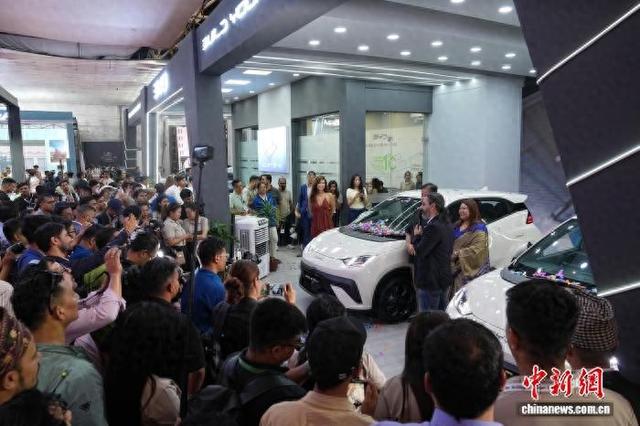
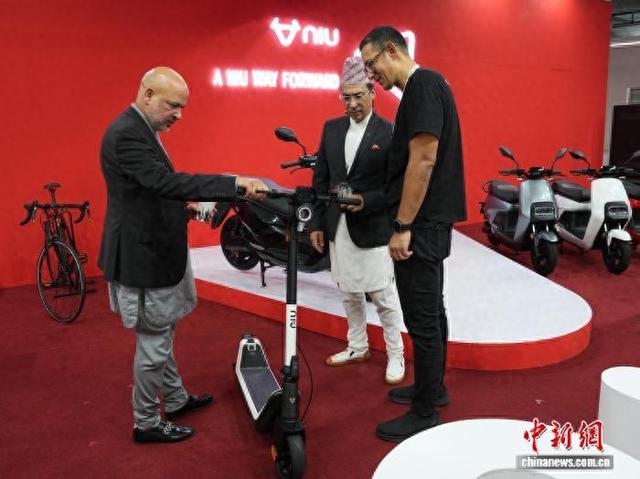
8月6日,尼泊尔全国规模最大的车展在首都加德满都开幕,吸引超过10家中国品牌参展。图为比亚迪 Atto 1电动汽车尼泊尔首发仪式吸引众多参观者。 中新社记者 崔楠 摄 尼泊尔副总理兼财政部长比什努·普拉萨德·鲍德尔出席开幕式并致辞。他表示,交通运输行业对推动尼 泊尔国家发展具有重要意义,建设高质量的道路基础设施是尼政府当前的优先事项。 中新社加德满都8月6日电 (记者 崔楠)尼泊尔全国最大规模车展6日在首都加德满都开幕,10余个中国品 牌参展。 展会集中展示包括二轮、三轮及四轮车型在内的多种交通工具,汇聚来自全球的50多个品牌,预计将有 35款新车在此次展会上首次亮相尼泊尔市场。 本届车展吸引比亚迪、极氪、长城、小牛、雅迪等10余家中国品牌参展,比亚迪还在车展开幕首日举行 了电动汽车Atto1的尼泊尔首发仪式。据悉,2025年1月至7月,比亚迪在尼泊尔的订单量已突破2000 台。 据主办方介绍,展会为期5天,将持续至8月10日,预计将吸引超过8万人次观众到场观展。 据《加德满都邮报》报道,在刚刚结束的2024/25财年,尼泊尔共进口电动四轮汽车16701辆,占四轮乘 用车总进口量的约73%。包括客车、小型客车 ...

李书福是保守,还是行险棋?
Hu Xiu· 2025-08-06 14:05
Core Viewpoint - Geely is restructuring its smart driving teams by integrating them into a newly established company, Qianli Zhijia, aiming to enhance efficiency and reduce costs while facing challenges in technology integration and collaboration [1][2][6]. Group 1: Team Integration and Structure - Geely is merging multiple smart driving teams, including Zeekr's smart driving team (approximately 1,300 people), Geely Research Institute's smart driving center (around 1,000 people), and smart's driving team (about 100 people) into Qianli Zhijia [2]. - Qianli Zhijia was established in June this year and is co-owned by several entities, including Megvii's autonomous driving company and Geely's subsidiaries, with an expected team size of around 3,000 after integration [2][3]. Group 2: Strategic Intent and Financial Implications - The integration is part of Geely's broader strategy to optimize its smart driving assets, with plans to exchange these assets for a 30% stake in Qianli Zhijia [4][5]. - Geely's investment in Qianli Zhijia is characterized as an industrial investment, indicating a shift towards a supplier relationship rather than maintaining in-house development [6]. Group 3: Challenges and Market Position - The restructuring is seen as a response to inefficiencies within Geely's research teams, which have been criticized for low output despite large team sizes [9][14]. - The integration aims to consolidate resources and improve cost efficiency, but it raises concerns about Geely's long-term control over technology and innovation capabilities [14][15]. Group 4: Future Outlook - The success of this integration will depend on the ability of the newly formed team to leverage combined expertise and deliver effective smart driving solutions [10][12]. - Geely's approach reflects a pragmatic response to the high costs and low returns associated with smart vehicle development, but it may also limit its technological independence in the long run [14][15].
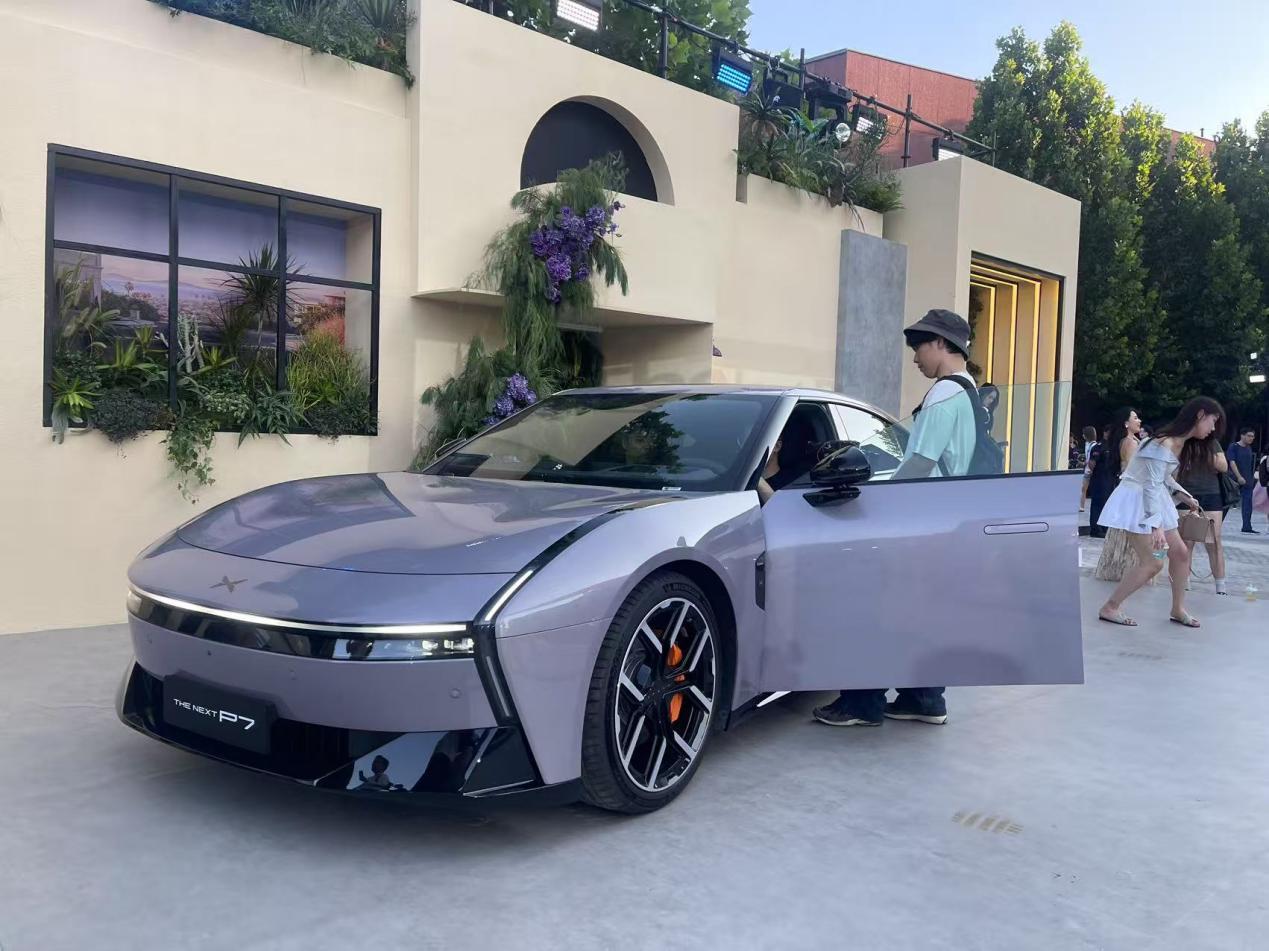
何小鹏:新款P7开启预售,但没有预售价
Feng Huang Wang Cai Jing· 2025-08-06 13:26
Core Points - The new Xiaopeng P7 has officially debuted and is now available for pre-sale, with plans for a launch later this month [1] - The vehicle is offered in three versions with six color options, featuring a 5C supercharging battery and varying ranges of 702km, 820km, and 750km [1] - The pricing strategy for the new model will be revealed at the time of the official launch, skipping the pre-sale price announcement [1] Design and Features - The new Xiaopeng P7 showcases a more aggressive design compared to the previous model, which had a rounder aesthetic, with over 1200 design iterations made [3] - The front of the vehicle features a family-style light strip and redesigned headlight groups with vertical daytime running lights for improved recognition [3] - Interior modifications include a three-spoke sports steering wheel with knobs for activating smart driving assistance and adjusting suspension [5] - The vehicle is equipped with a three-axis central control screen that supports human-like wake-up and can slide 25 degrees in multiple directions [5] Market Competition - Upon its release, the new Xiaopeng P7 will compete directly with models such as the Xiaomi SU7, Tesla Model 3, and Zeekr 001 [5]

尼泊尔最大规模车展开幕 多家中国品牌参展
Zhong Guo Xin Wen Wang· 2025-08-06 12:19
Group 1 - The largest auto show in Nepal opened in Kathmandu on August 6, featuring over 10 Chinese brands [2] - The exhibition showcased a variety of vehicles, including two-wheelers, three-wheelers, and four-wheelers, with participation from over 50 global brands [2] - Approximately 35 new car models are expected to make their debut in the Nepalese market during the event [2] Group 2 - BYD's Atto 1 electric vehicle was launched at the auto show, attracting significant attention from visitors [15] - The exhibition included various electric vehicles, such as those from BYD and Zeekr, which drew interest from attendees [4][8] - The event highlighted the growing presence of electric vehicles in Nepal, with multiple brands showcasing their latest models [12][10]

吉利系智驾大整合,涉及品牌与方案仍在商讨与细化
Di Yi Cai Jing· 2025-08-06 08:01
Group 1 - Geely's intelligent driving business is undergoing a significant integration, consolidating various teams into Qianli Intelligent Driving [1] - The integration involves multiple teams, including around 1,500 from Zeekr, 1,000 from Geely Research Institute, and approximately 500 from Maichi Technology [1] - The strategic integration is driven by the need to enhance competitiveness in a rapidly evolving market [1] Group 2 - Qianli Intelligent Driving was established on June 27, 2025, with a diverse shareholder structure including Geely, Alibaba, and Lotus [2] - Wang Jun, the former president of Huawei's Intelligent Automotive Solutions Business Unit, is the legal representative and chairman of Qianli Intelligent Driving [2] - After the integration, Qianli Intelligent Driving will operate as an independent company and serve as a core partner in Geely's AI ecosystem, offering solutions to the entire industry [2]
高阶智驾免费风潮,汽车业未来靠什么挣钱
3 6 Ke· 2025-08-06 00:25
Group 1 - The automotive industry is facing challenges in monetizing software subscription models, with many companies unable to provide a clear timeline for profitability through this approach [1][2][3] - The emergence of a "free alliance" among domestic automakers, offering advanced driver assistance systems (ADAS) as standard features, has raised concerns about the sustainability of the software subscription model [1][8] - Bosch's call for not promoting high-level intelligent driving systems for free highlights the potential risks to the future profitability of the automotive sector [1][7] Group 2 - Global automakers initially viewed software subscriptions as a key revenue model, but the trend towards free offerings in China has led to a reevaluation of this strategy [2][5] - Companies like Tesla and Huawei remain committed to charging for software, with Tesla's Full Self-Driving (FSD) priced at 64,000 yuan, indicating a willingness to pay for advanced technology [2][13] - The competitive landscape has shifted, with many Chinese automakers adopting a model of embedding hardware and offering software for free, aiming to increase usage and data collection [9][10] Group 3 - The feasibility of subscription models is questioned due to consumer expectations for free access to intelligent driving features, making it difficult for companies to charge for software [3][12] - The hardware subscription model has seen limited success, with luxury brands experimenting but facing backlash from consumers who feel they should not pay extra for features already included in the vehicle [4][5] - The potential for a successful subscription model may depend on the development of higher-level autonomous driving technologies, which could change consumer willingness to pay [12][13] Group 4 - The automotive industry is experiencing a shift towards standardizing high-level intelligent driving systems, with many new models offering these features at no additional cost [8][9] - Companies are exploring various pricing strategies, including limited-time free access and one-time buyouts, to encourage adoption of intelligent driving technologies [9][10] - The long-term viability of subscription models remains uncertain, with industry experts suggesting that only a few companies may successfully implement them due to ongoing price competition [12][14]

晶能:车规级SiC模块连续多月交付量超万套,上车极氪全系产品
Ren Min Wang· 2025-08-05 07:31
Core Insights - Zhejiang Jingneng Microelectronics Co., Ltd. has achieved a continuous monthly delivery of over 10,000 automotive-grade SiC modules, supporting the "power chip" needs of the Zeekr product line [2] - The company is extending its third-generation semiconductor technology into eVTOL and embodied intelligent robotics industries while consolidating its advantages in the electric vehicle sector [2] - Jingneng is actively exploring diversified application scenarios, with significant growth in markets such as electric two-wheelers, industrial control, and charging stations through various discrete devices like SGT, IGBT, super junction MOS, and SiC MOS [2] Strategic Partnerships and Developments - Jingneng has established a joint venture, Taixin Semiconductor, with Chint to integrate industry chain advantages and expand into new fields such as photovoltaics, energy storage, and next-generation switches [2] - The company is strategically collaborating with leading firms in emerging industries, including WoFei ChangKong and YiXing Robotics, to develop innovative system solutions [2] Industry Trends and Future Outlook - The power semiconductor industry is undergoing a rapid transformation, driven by the unstoppable wave of artificial intelligence [2] - The company aims to balance technological innovation with practical application, continuously optimizing product performance and enhancing scenario application innovation to provide valuable solutions for clients [2]
7月新势力销量分析:呈显著分化趋势 尾部品牌压力加剧
Zhong Guo Zhi Liang Xin Wen Wang· 2025-08-05 07:02
Industry Overview - In July, the new energy vehicle market showed a significant performance boost due to the "old-for-new" policy and the summer consumption season, with many new car manufacturers reporting impressive sales figures [1] - The monthly sales data revealed a trend of differentiation, with leading companies achieving record high sales while smaller brands faced increased survival pressure [1] Company Performance - Leap Motor achieved a remarkable sales milestone in July, with monthly sales surpassing 50,000 units at 50,129, representing a year-on-year growth of over 126% [3] - Hongmeng Zhixing maintained strong sales momentum with total sales reaching 47,752 units, driven primarily by the Wanjie series, which contributed 40,753 units [5] - Xiaopeng Motors set a new monthly delivery record with 36,717 units sold, marking a year-on-year increase of 229% [7] - Li Auto fell to fourth place with 30,731 units delivered in July, a year-on-year decline of approximately 40% [9] - Xiaomi Auto's monthly delivery exceeded 30,000 units for the first time, marking a new high for the brand [11] - Deep Blue Auto delivered 27,169 units, achieving a year-on-year growth of 62% [13] - NIO delivered 21,017 vehicles in July, with expectations for increased sales in August following the launch of the L90 model [15] - Lantu Auto reported 12,135 units delivered, marking six consecutive months of positive growth [17] - Avita's sales reached 10,062 units, showing a year-on-year increase of 178% [17] - Zhiji Auto struggled with sales of 7,027 units, failing to break the 10,000 mark [17] Market Dynamics - The market is characterized by a "stronger getting stronger" trend, with Leap Motor leading in value-for-money offerings, Xiaopeng Motors maintaining a top-three position, and Xiaomi Auto launching successful new models [17] - The competitive landscape is expected to intensify in the next five months, with companies planning to introduce new models and technologies [17]