大众汽车集团

Search documents
大众汽车集团2025年在华交付超269万辆 2026年超20款新能源车型将集中上市
Zheng Quan Ri Bao· 2026-01-13 03:11
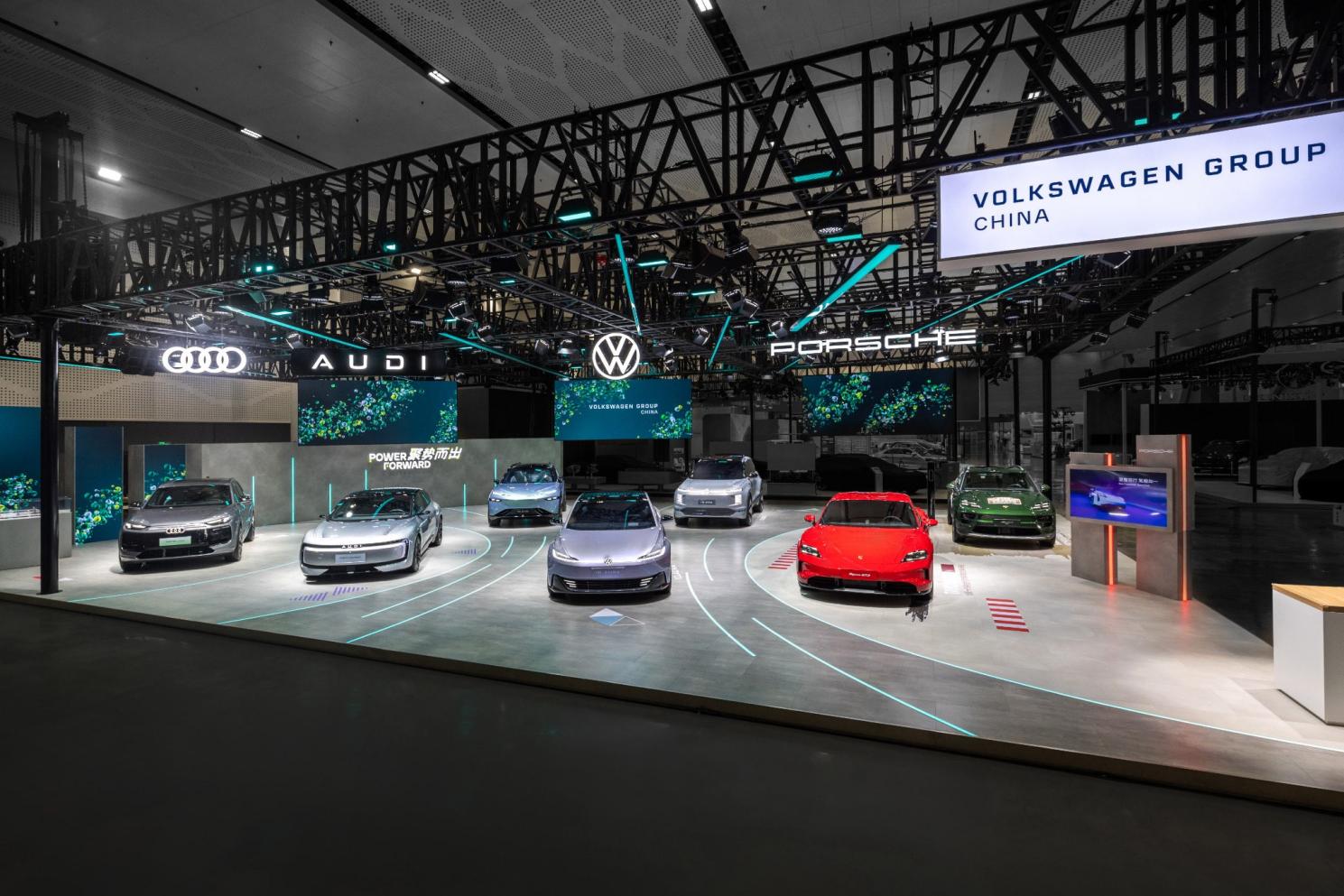
Core Insights - Volkswagen Group delivered over 8.98 million vehicles globally in 2025, with electric vehicle deliveries reaching 983,100 units, a 32% year-on-year increase, making up 10.9% of total sales, up 2.7 percentage points from the previous year [1] - In China, Volkswagen achieved over 2.69 million vehicle deliveries, maintaining its position as the top foreign carmaker in the market, while emphasizing a strategy focused on profitability rather than market share [1] - The company plans to launch over 20 new electric and hybrid models in China by 2026, enhancing its product offerings with advanced driving assistance systems [3][4] Group 1 - Volkswagen Group's electric vehicle sales in 2025 accounted for 10.9% of total sales, reflecting a significant growth in the electric vehicle segment [1] - The company delivered over 2.57 million fuel vehicles in China, capturing more than 22% of the fuel vehicle market, with its brands leading in various segments [1] - Volkswagen's strategy emphasizes "value first," focusing on profitability and preparing for the launch of new energy models [1] Group 2 - The "In China, For China" strategy has entered a delivery phase, with new electric and intelligent connected models receiving positive market feedback [2] - Volkswagen's export strategy commenced in 2025, with initial vehicles successfully exported to the Middle East, and plans to expand into ASEAN, Middle East, Central Asia, Latin America, and Africa [2] - The company aims to strengthen local R&D capabilities, having invested over €3.5 billion in Hefei since 2023 to establish an innovation center for intelligent connected vehicles [4] Group 3 - By 2027, Volkswagen plans to introduce over 30 electric models in China, increasing to approximately 50 by 2030, with around 30 being fully electric [4] - The development cycle for new vehicles has been shortened by about 30%, with costs optimized by approximately 40% through a "software-defined vehicle" approach [5] - Volkswagen is enhancing its local capabilities in advanced driving assistance systems through partnerships and plans to design and develop system-level chips in China [5] Group 4 - The competitive landscape in the Chinese automotive market is shifting towards technology, experience, and efficiency, necessitating foreign carmakers to maintain profitability in fuel vehicles while advancing in new energy and intelligent technology [6] - Volkswagen's disclosed sales data and product plans reflect a strategy of stabilizing cash flow, accelerating new technology delivery, and strengthening local R&D [6] - The upcoming launch of over 20 new energy models in 2026 will be critical for validating Volkswagen's competitiveness in the Chinese market [6]
汽车早报|上汽集团总裁贾健旭拜访华为创始人任正非 岚图汽车与引望签署深化战略合作协议
Xin Lang Cai Jing· 2026-01-13 00:40
Group 1: China-Europe Electric Vehicle Negotiations - The Ministry of Commerce reported progress in negotiations regarding the EU's electric vehicle case against China, emphasizing mutual respect and the need for general guidance on price commitments for Chinese exporters [1] - The EU will issue guidelines for submitting price commitment applications, ensuring non-discrimination and objective evaluation based on WTO rules [1] - The negotiations reflect the willingness of both parties to resolve differences and maintain stability in the automotive supply chain, benefiting trade relations and the international trade order [1] Group 2: Automotive Industry Developments - Dongfeng Group announced a slight increase in total vehicle sales for 2025, with a total of 1,896,185 units sold, representing a year-on-year growth of approximately 0.01%, while electric vehicle sales surged by 42.62% to 562,833 units [3] - Volkswagen Group reported a decrease in deliveries in the Chinese market, with a total of 2,693,800 units sold in 2025, down 8% year-on-year [3] - ECARX, a technology company, secured a strategic investment of $45.6 million from Geely Holding Group, with shares priced at $1.67 each [3] - Zhaoyi Innovation and Chery Automobile signed a strategic cooperation agreement to integrate resources in chip and vehicle development [5] - Haima Automobile's subsidiary, Haima Finance, projected a 50.07% decline in net profit for 2025, estimating a profit of 11 million yuan [6] - Mercedes-Benz Group reported global sales of 2.16 million vehicles in 2025, with a notable increase in AMG deliveries by 7% [7] - Maruti Suzuki plans to invest approximately $550 million to increase production capacity in India by 1 million vehicles [8]

大众2025业绩出炉:燃油车保住中国市场基盘,为2026新能源产品方案做准备
Guan Cha Zhe Wang· 2026-01-12 14:27
Core Insights - Volkswagen Group plans to launch over 20 models of pure electric, plug-in hybrid, and range-extended vehicles in the Chinese market by 2026, featuring advanced electric and intelligent network technologies, including L2++ driver assistance systems [1][4] Group 1: Sales Performance - In 2025, Volkswagen Group delivered over 8.98 million vehicles globally, with pure electric vehicle deliveries reaching 983,100 units, a year-on-year increase of 32% [1] - The share of pure electric vehicles in the group's global sales reached 10.9%, up by 2.7 percentage points year-on-year [1] - In China, Volkswagen Group delivered over 2.69 million vehicles, maintaining its position as the top foreign carmaker in the market [1] Group 2: Market Strategy - Volkswagen Group emphasized a "value first" approach amidst intense price competition, focusing on profitability rather than merely increasing market share [1] - In 2025, the group sold over 2.57 million fuel vehicles in China, capturing over 22% of the fuel vehicle market, further solidifying its leading position [1][2] Group 3: Product Development and Innovation - 2025 marked a year of accelerated implementation of the "In China, For China" strategy, with new electric and intelligent connected models being launched, including the Audi Q6L e-tron and Audi E5 Sportback [3] - The group developed a local electronic architecture (CEA) and a vehicle platform (CMP) tailored to the Chinese market, reducing new vehicle development cycles by approximately 30% and optimizing costs by about 40% [3] - Volkswagen Group's export strategy commenced in 2025, with the first batch of vehicles successfully exported to the Middle East, aiming to expand into ASEAN, Middle East, Central Asia, Latin America, and Africa [3] Group 4: Future Outlook - Looking ahead to 2026, Volkswagen Group aims to enhance product and technology delivery in China, with plans to increase the share of new energy vehicles in overall sales [4]
聚焦盈利 大众中国达成2025目标 ,2026加速交付新能源
Zhong Guo Qi Che Bao Wang· 2026-01-12 13:38
Core Insights - Volkswagen Group delivered over 8.98 million vehicles globally in 2025, with electric vehicle deliveries reaching 983,100 units, a 32% year-on-year increase, accounting for 10.9% of total sales, up 2.7 percentage points from the previous year [1] Group 1: Global Performance - Volkswagen Group's global vehicle deliveries exceeded 8.98 million units in 2025 [1] - The electric vehicle segment saw deliveries of 983,100 units, marking a 32% increase year-on-year [1] - Electric vehicles represented 10.9% of the group's total sales, an increase of 2.7 percentage points compared to the previous year [1] Group 2: Performance in China - In China, Volkswagen Group delivered over 2.69 million vehicles in 2025, achieving its annual target and maintaining its position as the top foreign carmaker in the market [2] - The group delivered over 2.57 million fuel vehicles in China, capturing over 22% of the fuel vehicle market share [4] - Volkswagen brand (including Jetta) ranked first in China's fuel vehicle market, with models like Passat leading the B-class segment and Audi returning to the top of the luxury fuel vehicle market [4] Group 3: Strategic Focus - Volkswagen Group emphasized "value first" amidst intense price competition, focusing on profitability rather than merely increasing market share [4] - The group is preparing to launch a new batch of locally developed electric models in China, including the Audi Q6L e-tron and Audi E5 Sportback, which have received positive market feedback [4] - The "In China, For China" strategy has been implemented since 2022, aligning with the rapid innovation and electrification trends in the Chinese automotive market [7] Group 4: Future Plans and Innovations - By 2026, Volkswagen Group plans to accelerate product launches in China, introducing over 20 new energy models, including the first range-extended model, the SAIC Volkswagen ID. ERA 9X [7] - The group aims to launch over 30 electric models in China by 2027, expanding to approximately 50 by 2030, with around 30 being fully electric [8] - Volkswagen Group has invested over €3.5 billion in Hefei since 2023 to establish a smart connected vehicle innovation center, enhancing its local R&D capabilities [8] Group 5: Technological Advancements - The group has developed a local electronic architecture (CEA) and a vehicle platform (CMP) tailored for the Chinese market, optimizing development cycles by approximately 30% and costs by about 40% [10] - Volkswagen Group's software company CARIAD China has established a joint venture to enhance local capabilities in advanced driver assistance systems, with the first self-developed system delivered in 2025 [10] - The group plans to design and develop system-level chips in China for models equipped with L3 and above autonomous driving features, strengthening its local autonomous driving capabilities [10] Group 6: Market Leadership Goals - Volkswagen Group aims to maintain its position as the leading foreign carmaker in China and continue to play a leading role in the smart connected vehicle era [12] - The group plans to launch over 20 new energy models in China by 2026, featuring advanced electric and intelligent technologies, including L2++ driver assistance capabilities [12] - Volkswagen Group is focused on increasing the share of new energy vehicles in its overall sales, striving to become a leader in the new energy vehicle market [12]

比亚迪发布宋Pro DM-i 长续航版,售价13.98万元起;大众汽车牵手高通打造智能网联座舱体验丨汽车交通日报
创业邦· 2026-01-12 10:19
Group 1 - Xiaoma Zhixing and BAIC New Energy have produced over 600 units of the Arcfox Alpha T5 Robotaxi, with plans to expand services to more first-tier cities in China [2] - BYD has launched the 2026 model of the Song Pro DM-i Long Range version, featuring a comprehensive range of 1600 kilometers and an enhanced pure electric range of 220 kilometers [2] - XPeng Motors is reportedly preparing for an IPO for its flying car division in Hong Kong, with JPMorgan and Morgan Stanley as advisors, potentially completing the process within this year [2] - Volkswagen has partnered with Qualcomm to develop a software-defined vehicle architecture, aiming to enhance infotainment features and accelerate automated driving development [2]

极端天气袭击英德等欧洲国家
Xin Hua Wang· 2026-01-12 01:19
新华社北京1月9日电 综合新华社驻外记者报道:近日,英国、德国等欧洲国家遭遇极端风雪天 气,造成电力中断、交通受阻、学校停课。 受风暴"戈雷蒂"影响,英国气象局8日对英格兰西南部康沃尔郡大部分地区和锡利群岛发布红色大 风警报,称其将可能威胁生命,"异常强风"可能会对建筑物和房屋造成严重破坏。红色天气警报是该机 构在极端天气状况下发布的最严重预警。当天,英国气象局还发布了其他多个琥珀色和黄色强风、暴 雪、暴雨警报。 德国法兰克福机场已因天气原因出现航班延误,机场方面称已加大除冰物资储备。德国铁路公司表 示,自8日下午起在德国北部和东北部预防性减少长途运力,同时在多条高速铁路线路实施限速措施, 并放宽近期购票旅客的改期出行限制。 大众汽车集团8日宣布,受恶劣天气影响,其位于德国西北部的一处工厂将于9日暂停生产。汉堡、 不来梅以及下萨克森州部分地区已宣布9日停课。 德国气象部门预计,风暴"埃莉"的强度将在10日减弱并继续向东朝捷克方向推进。 英国气象局说,"戈雷蒂"已达到"炸弹气旋"标准,这意味着风暴中心气压急剧下降且风暴强度爆发 性增加,可能给英国部分地区带来厚达30厘米的积雪,风速可能超过每小时100英里(约合 ...
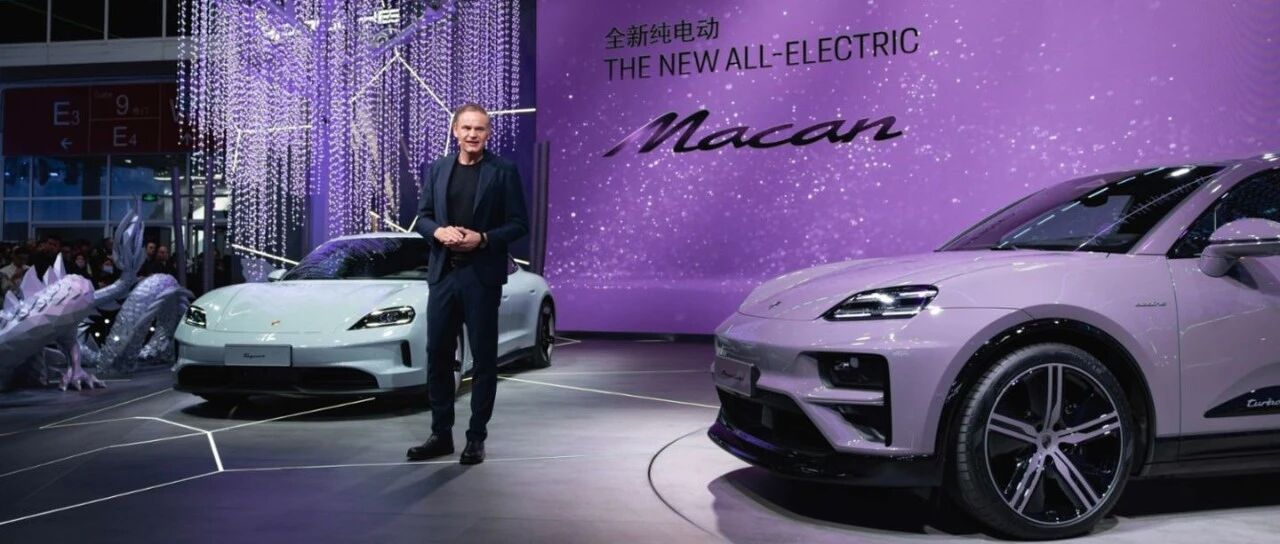
奥博穆卸任后反思:保时捷第二代Macan全面转型纯电动车是个错误决定
Xin Lang Cai Jing· 2026-01-10 11:13
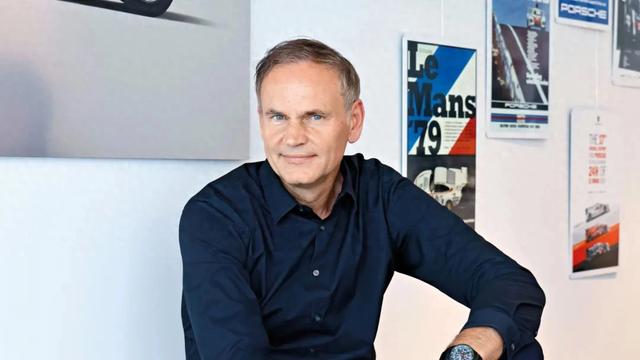
Core Viewpoint - The former CEO of Porsche, Oliver Blume, publicly acknowledged significant strategic mistakes during his tenure, particularly regarding the decision to transition the Macan model to an all-electric version, which he now admits was a misjudgment [1][3][6]. Group 1: Strategic Missteps - Blume recognized that since Porsche's IPO three years ago, shareholders have suffered losses, and he accepted this criticism [3]. - The decision to design the second-generation Macan as a fully electric vehicle was deemed a mistake due to the inflexibility of the product portfolio at that time [3][6]. - The Macan model has been a crucial revenue pillar for Porsche, achieving a production milestone of one million units in just 12 years, making it the third model in Porsche's history to reach this sales figure [3][5]. Group 2: Market Response and Adjustments - Porsche plans to correct its strategic errors by increasing the production of fuel and hybrid vehicles, acknowledging strong market demand for these models [3][8]. - The first-generation Macan will cease production in mid-2026, leading to a product gap until a new fuel-powered crossover is expected to launch in 2028 [7][8]. - The new fuel-powered crossover will be developed using the Volkswagen Group's Premium Platform Combustion (PPC) platform, which may impact Porsche's brand identity [8]. Group 3: Financial and Operational Challenges - Porsche is facing significant financial pressure due to a sharp decline in the Chinese luxury car market and high tariffs in the U.S., which account for over 50% of its total sales [10][12]. - The company has adjusted its sales expectations in China, reducing its dealer network from 154 to 100 by the end of 2026 to improve operational efficiency [12][13]. - A global cost-cutting plan includes laying off 1,900 permanent positions and not renewing contracts for 2,000 temporary workers [14]. Group 4: Future Strategy - Porsche's future strategy focuses on high-end fuel and hybrid sports cars, as the company believes there will still be a market for fuel vehicles in China for the next 10 to 15 years [15]. - The leadership transition to new CEO Michael Leiters will be crucial in navigating the product gap and reversing market decline [16].
卡博特公司与大众汽车集团旗下电池制造子公司PowerCo SE签署多年供应协议
鑫椤锂电· 2026-01-09 07:49
Core Viewpoint - Cabot Corporation has signed a multi-year supply agreement with PowerCo SE to provide advanced conductive carbon black and conductive pastes for electric vehicle batteries, enhancing battery performance and supporting the development of next-generation electric vehicles [1]. Group 1 - Cabot Corporation is a leading manufacturer of specialty chemicals and high-performance materials [1]. - The agreement aims to improve battery conductivity and efficiency, leading to higher energy density, faster charging capabilities, and longer cycle life for lithium-ion batteries [1]. - The conductive agent solutions are specifically designed to support the performance enhancement of electric vehicle batteries [1].

品牌世界驰名长盛不衰,为何这一地成就“跑车王国”?
Zhong Guo Qi Che Bao Wang· 2026-01-09 07:44
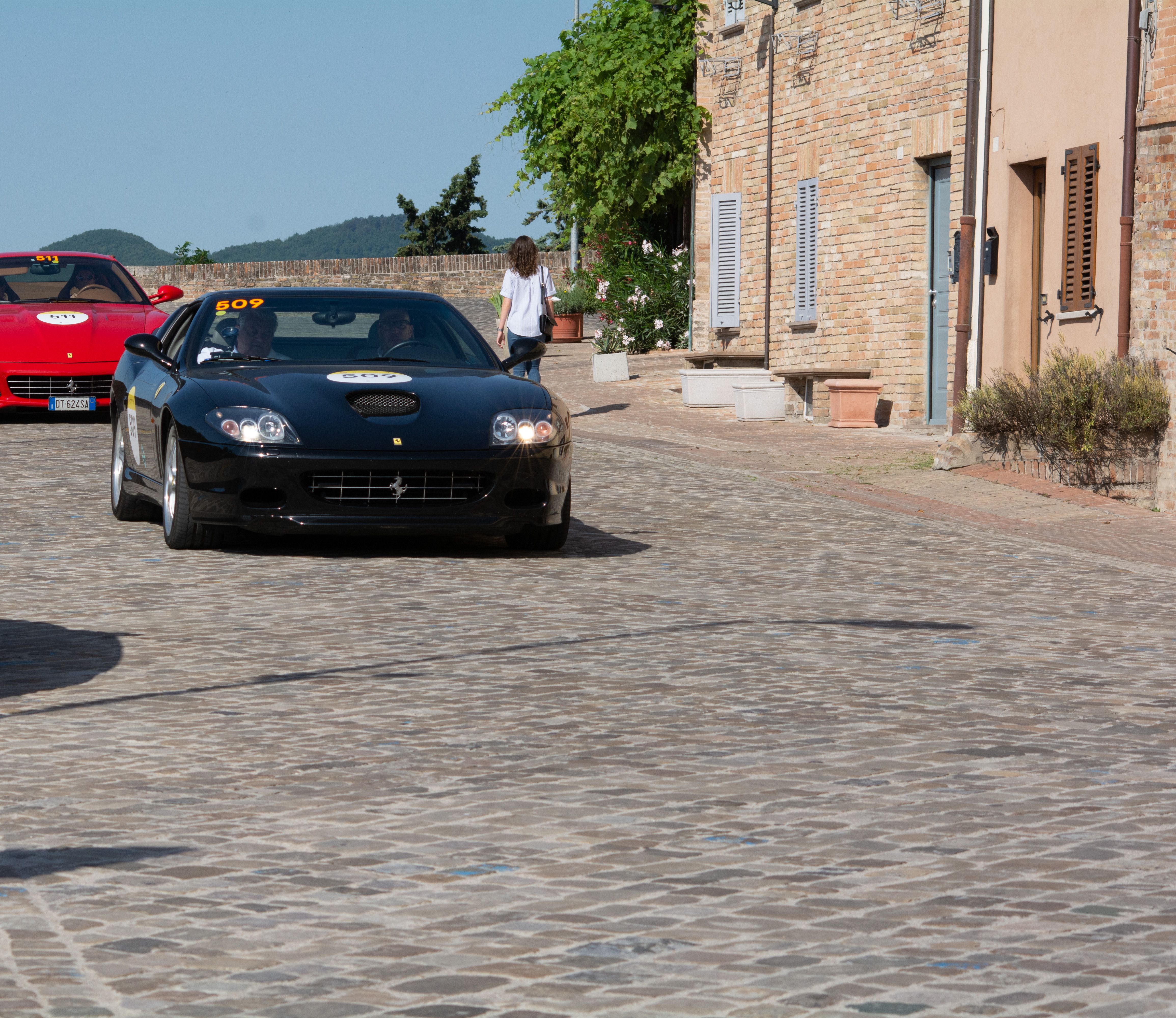
Core Viewpoint - Italy is renowned for its prestigious sports car brands, which have thrived due to a combination of historical significance, craftsmanship, and a unique production model that emphasizes quality over quantity [4][9][10]. Group 1: Historical Significance and Brand Development - Italy's automotive industry includes iconic brands such as Ferrari, Lamborghini, Maserati, Pagani, and Alfa Romeo, each with a rich history and unique characteristics [5][6][7]. - Ferrari, founded in 1929, initially focused on Formula 1 racing before expanding into road cars, achieving a record delivery of 7,195 new cars in 2011, solidifying its status in the global market [5]. - Lamborghini, established in 1963, faced bankruptcy in the 1980s but was revitalized under Audi's ownership, producing high-performance models like the Aventador SVJ and Huracan [6]. - Maserati, since its inception in 1914, has been synonymous with luxury and craftsmanship, competing closely with Ferrari [6]. Group 2: Production Model and Craftsmanship - The Italian automotive industry is characterized by a "small and beautiful" production model, focusing on handcrafted vehicles that offer personalized services to customers [9][10]. - Ferrari's production line in Maranello exemplifies this approach, with a daily output of 20 cars, emphasizing quality and meticulous attention to detail [9]. - Pagani produces only about 40 units of its Huayra model annually, showcasing the brand's commitment to craftsmanship and exclusivity [9]. Group 3: Cultural Impact and Market Position - The culture of racing in Italy intertwines with art, making Italian sports cars not just vehicles but expressions of passion and creativity [11][12]. - The unique Italian approach to automotive design and engineering has positioned these brands as luxury collectibles, appealing to a niche market of affluent consumers who value exclusivity and craftsmanship [10][12]. - The emotional connection to speed and performance in Italian racing culture enhances the allure of these brands, making them symbols of aspiration and achievement [11][12].

“我们犯了大错误”,车企一把手罕见认错
汽车商业评论· 2026-01-08 23:05
Core Viewpoint - The former CEO of Porsche, Oliver Blume, acknowledged significant strategic errors during his tenure, particularly regarding the decision to transition the second-generation Macan to an all-electric vehicle, which he now admits was a mistake [5][20]. Group 1: Strategic Missteps - Porsche's decision to make the second-generation Macan an all-electric vehicle was based on a rigid product portfolio that lacked flexibility, leading to a misjudgment of market readiness for such a transition [5][13]. - The Macan has been a crucial revenue driver for Porsche, achieving a production milestone of one million units in just 12 years, making it the third model in Porsche's history to surpass this figure [7][9]. - The discontinuation of the fuel-powered Macan in Europe due to new safety regulations has created a product gap, with the new electric Macan not fully meeting market demand for a lower-priced fuel-powered crossover [11][13]. Group 2: Adjustments and Future Plans - Porsche is now focusing on correcting its strategic errors by developing a new fuel-powered crossover that will not carry the Macan name, aiming to maintain brand identity while addressing market needs [17][19]. - The company plans to leverage synergies within the Volkswagen Group to expedite the development of this new vehicle, which will share a platform with the new Audi Q5 [15][17]. - Porsche is also reintroducing gasoline-powered models like the Boxster and Cayman, indicating a shift back to high-end fuel and hybrid sports cars, as the luxury electric vehicle market in China is still developing [27]. Group 3: Market Challenges - Porsche is facing significant challenges in its core markets, with the Chinese luxury car market experiencing an over 80% drop and high tariffs in the U.S. impacting profitability [24][27]. - The company has adjusted its sales expectations in China, reducing its dealer network and production capacity to maintain profitability amid declining sales [24][27]. - The leadership transition to new CEO Michael Leiters will be critical in navigating these challenges and addressing the product gap created by the shift in strategy [28].