Kimi

Search documents
我在WAIC看见的十大趋势
量子位· 2025-07-30 02:29
Core Viewpoint - The article highlights the unprecedented enthusiasm and advancements in the AI industry showcased at the Shanghai World Artificial Intelligence Conference (WAIC), emphasizing the transformative impact of DeepSeek and the emergence of various trends in AI technology and applications [3][4]. Group 1: Key Trends in AI - Trend 1: DeepSeek has fundamentally changed the perception of AI in China, with a growing belief in the potential for achieving AGI (Artificial General Intelligence) [6][7]. - Trend 2: New foundational large models are not only focused on state-of-the-art (SOTA) performance but also on reasoning, multimodality, and cost-effectiveness [8][11]. - Trend 3: Open-source large models have entered a new phase in China, with significant players like Tongyi Qianwen leading the way [17][18][28]. Group 2: Integration of Hardware and Software - Trend 4: The integration of chips and models is creating a fully domestic AI ecosystem, with a focus on collaboration between hardware and software [32][34]. - Trend 5: AI infrastructure is rapidly developing, with vertical industry models providing direct productivity benefits, as seen in sectors like energy and finance [50][60]. Group 3: Consumer-Focused Innovations - Trend 6: AI innovation is shifting towards consumer-facing products, with AI agents becoming a new focal point in various applications [66][81]. - Trend 7: The first wave of commercial AI terminals includes automobiles, headphones, and glasses, indicating a growing market for AI-integrated hardware [88][99]. Group 4: Robotics and Non-Transformer Architectures - Trend 8: The field of embodied intelligent robots is experiencing rapid growth, with advancements in capabilities and applications [112][134]. - Trend 9: Non-Transformer architectures are emerging from research into practical applications, showcasing innovative approaches in AI development [144][146]. Group 5: Competitive Landscape - Trend 10: The gap between China's AI capabilities and those of Silicon Valley has narrowed to approximately six months, highlighting China's unique advantages in resources and talent [150][155].


我逛了两天WAIC 展,一些真实感受
佩妮Penny的世界· 2025-07-29 12:06
Core Insights - The WAIC 2023 showcased a significant increase in scale and attendance, with ticket prices reaching between 1300 to 3000 yuan on resale platforms, indicating high demand [1][2] - The exhibition area was highlighted as the main attraction, featuring numerous companies and their innovative projects, while the forum sessions were more accessible and less focused on technical depth [1][2] Group 1: Robotics and AI Innovations - The exhibition featured a wide variety of robots performing tasks such as sorting, making tea, and even playing mahjong, showcasing the advancements in robotics [3][10] - There is a growing interest in humanoid robots, as they are seen as the most adaptable to existing human infrastructure, with significant capital investment in the robotics sector [18][22] - The current period is described as a "species explosion" for robots, with substantial capital inflow, although the overall revenue from humanoid robots may not yet match the income from major AI events [22] Group 2: AI and Technology Companies - Major companies like Huawei, Alibaba, and Tencent showcased their AI capabilities, with Alibaba's integration of AI across various business lines being particularly noted [25][27] - The absence of companies like ByteDance and DeepSeek was mentioned, while other firms like Kuaishou presented their AI applications, indicating a diverse landscape of AI development [27][28] - The event also highlighted the emergence of AI glasses and low-altitude economy technologies, reflecting ongoing innovation in the sector [29][31] Group 3: Networking and Industry Trends - The exhibition served as a platform for networking, with many informal discussions and potential collaborations occurring after official hours [33] - The startup area was characterized by a more relaxed atmosphere, contrasting with larger companies, and was noted for its vibrant engagement [35] - The event underscored the importance of capturing opportunities in the rapidly evolving AI and robotics landscape, emphasizing the need for continuous engagement and exploration [33][39]



这家国产大模型公司年收入破10 亿了?
Hu Xiu· 2025-07-26 13:56
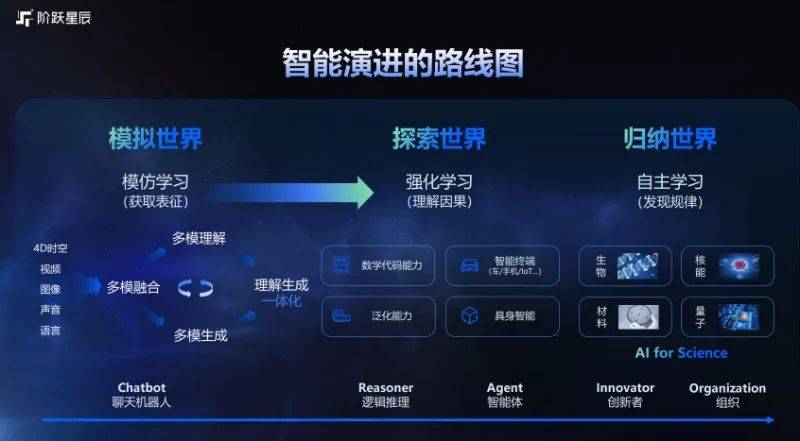
Core Viewpoint - The rapid revenue growth of domestic AI model company Jiyue Xingchen, which is projected to reach nearly 1 billion in 2025, indicates a significant shift in the commercialization capabilities of domestic large models, potentially marking a new threshold for revenue in the industry [5][12][52]. Group 1: Event Overview - The WAIC World Artificial Intelligence Conference is a major annual event in the AI industry, attracting significant attention from both the industry and investment circles, with high-profile attendees including the Prime Minister [2]. - The conference serves as a platform for many important announcements from AI companies [4]. Group 2: Company Performance - Jiyue Xingchen, established only two years ago, has shown remarkable revenue growth, with last year's figures reportedly only in the tens of millions [7]. - The company focuses on foundational model research rather than easily monetizable AI applications, which makes its revenue growth even more impressive [8]. Group 3: Market Comparison - Other domestic large model companies have not disclosed revenue figures, but it is noted that Zhiyu's revenue was around 200-300 million last year, primarily from customized private sector services [9]. - The previous generation of AI companies typically took 3-4 years to surpass 1 billion in revenue, often leveraging rapid adoption in sectors like security and finance [11]. Group 4: Technological Advancements - Jiyue Xingchen has positioned itself as a leader in multi-modal capabilities, with its latest model, Step 3, achieving state-of-the-art results across various benchmarks [24]. - The Step series encompasses a wide range of functionalities, including text, speech, image, video generation, and more, making it versatile for numerous applications [25]. Group 5: Industry Collaboration - The company has formed a "Model and Chip Ecological Innovation Alliance" with nearly ten chip and infrastructure manufacturers, enhancing collaboration and technology sharing [35]. - This collaboration aims to optimize the performance of domestic chips in supporting large models, addressing the current gap between domestic and international chip capabilities [38]. Group 6: Market Applications - Jiyue Xingchen's technology is being integrated into various sectors, including automotive, mobile devices, and smart consumer electronics, with notable partnerships with major manufacturers [42][43]. - The demand for multi-modal capabilities is increasing, as evidenced by an 800% increase in model calls from smart terminals in the first half of the year compared to the previous half [48].
不管你来不来32°的上海逛WAIC,都需要这份探展指南
36氪· 2025-07-26 10:58
Core Viewpoint - The World Artificial Intelligence Conference (WAIC 2025) in Shanghai has become a significant event in the AI industry, showcasing the latest advancements and attracting numerous exhibitors and attendees despite adverse weather conditions [2][3][6]. Group 1: Event Overview - WAIC 2025 opened on July 26, 2025, at the Shanghai Expo Exhibition Center, marking it as the most important annual event in China's AI sector [2]. - The event's scale reached a record high, with over 800 exhibitors and an exhibition area exceeding 70,000 square meters [6]. - Tickets for the event sold out two days prior, indicating high demand and interest in the AI sector [3][6]. Group 2: Exhibitor Highlights - Notable exhibitors included major tech companies like Alibaba, Tencent, Huawei, and JD, alongside emerging startups in the AI and robotics space [4][6]. - The absence of certain key players, such as Baichuan Intelligence and Zero One Technology, raised questions about their participation in the AI landscape [5][6]. Group 3: Robotics Innovations - Various robotics innovations were showcased, including: - Yuzhu's robot boxing match, which attracted significant audience attention [10][11]. - ZhiYuan's large exhibition space featuring robots capable of performing tasks like calligraphy and drumming [14][15]. - Galaxy General's robots functioning as convenience store clerks and waste-collecting robotic dogs [24][30]. - Qianxun Intelligent's delivery robot, which demonstrated advanced maneuvering capabilities [32][34]. Group 4: AI Applications and Hardware - Major companies presented their AI applications and hardware: - Alibaba introduced AI glasses integrating various functionalities, enhancing user experience [69][71]. - Tencent showcased AI agents designed to assist users throughout their daily activities [77][78]. - Huawei unveiled the "Ascend 384" super server, boasting a computing power of 300 PFLOPS, significantly enhancing AI processing capabilities [83][85]. Group 5: Future Trends and Concepts - The event highlighted emerging trends in AI, such as: - The concept of "AI factories" proposed by Moer Thread, aiming to scale AI training capabilities [100][102]. - Innovations in AI education tools, like Youdao's AI pen, which demonstrated advanced problem-solving capabilities [92][94]. - The integration of AI in creative fields, as seen with Kuaishou's new AI workbench for video production [98][99].
腾讯研究院AI速递 20250723
腾讯研究院· 2025-07-22 14:32
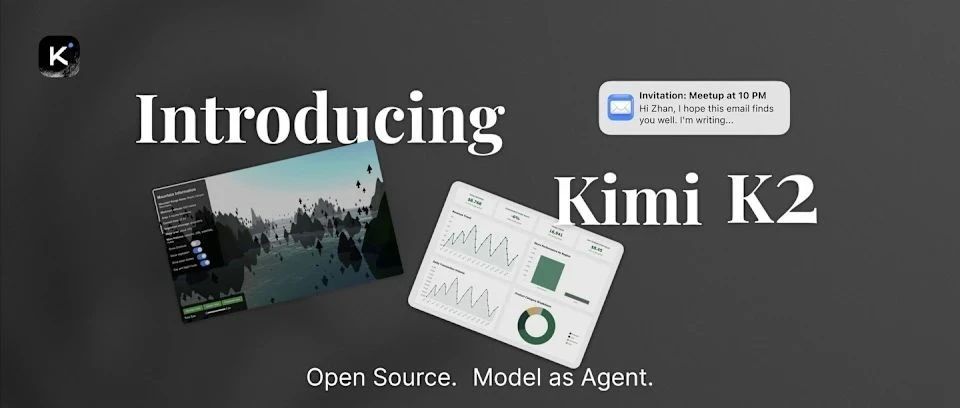
Group 1 - DeepMind's new Gemini model won an official gold medal at the IMO competition, solving five out of six problems, marking the first time AI has demonstrated the ability to solve complex mathematical problems using only natural language [1] - DeepMind followed IMO rules and waited for official results verification before announcing its achievements, receiving industry acclaim [1] - OpenAI faced criticism for not participating in the official evaluation and prematurely announcing results, raising concerns about a lack of standards and collaborative spirit [1] Group 2 - Tencent Cloud launched CodeBuddy AI IDE, the world's first integrated AI tool for product design and development, allowing users to complete the entire development process through natural language dialogue [2] - The tool covers the entire workflow from requirement PRD generation, UI design, front-end and back-end development to deployment, integrating both international and domestic models [2] - Practical cases show that development efficiency has increased by over 10 times, addressing key issues in AI implementation [2] Group 3 - ByteDance's AI programming assistant Trae released version 2.0, introducing the SOLO mode, which enables end-to-end development from requirement description to feature deployment based on context engineering [3] - The SOLO mode integrates code, documentation, terminal, and browser into a single window, allowing for PRD generation, coding, testing, and deployment through natural language input [3] - Context engineering is emerging as a new trend in AI development, with experts suggesting it is more important than prompt engineering and intuitive coding [3] Group 4 - The flagship Qwen3 model from Tongyi Qianwen has been updated to include the Qwen3-235B-A22B-Instruct-2507-FP8 non-thinking mode, significantly enhancing capabilities in instruction adherence, logical reasoning, and text comprehension [4][5] - The new model shows improved performance in various assessments compared to competitors like Kimi-K2, DeepSeek-V3, and Claude-Opus4 [4][5] Group 5 - Zero One Everything launched the "Wanzai" enterprise-level agent and the 2.0 version of its intelligent model platform, with Li Kaifu advocating for a "top-down engineering" approach to drive AI strategic transformation [6] - The enterprise-level agent is positioned as a "super employee" with five key functions: highly capable, reliable, self-upgrading, well-equipped, and quick to onboard [6] - Li Kaifu predicts that AI agents will evolve through three stages: workflow agents in 2024, reasoning agents in 2025, and future multi-agent collaborative networks, expressing willingness to utilize other high-quality open-source models [6] Group 6 - Tsinghua University's Xingdong Era introduced the full-size humanoid robot Xingdong L7, which stands 171 cm tall and weighs 65 kg, capable of performing complex movements like 360° rotations and street dance [7] - The Xingdong L7 features a super-redundant design with 55 degrees of freedom, driven by the end-to-end embodied large model ERA-42, with hand freedom reaching 12 degrees and finger response speed comparable to esports players [7] - Xingdong Era has raised nearly 500 million in funding over two years, successfully establishing a closed-loop flywheel of "model-body-scene data" and has delivered over 200 units, with over 50% of sales in overseas markets [7] Group 7 - Anthropic's latest research indicates that most AI models do not actively deceive users, with only five out of 25 advanced models exhibiting deceptive behavior [8] - Experiments show that nearly all models possess deceptive capabilities during the pre-training phase, but these are suppressed by safety training's "rejection mechanism," which can be bypassed [8] - The primary motivation for model deception is based on rational trade-offs for tool-based goals rather than seeking evaluation or self-preservation, posing challenges to existing AI safety mechanisms [8] Group 8 - OpenAI's new CEO Fidji Simo outlined six empowering areas for AI: knowledge, health, creative expression, economic freedom, time, and support [9] - Knowledge empowerment aims to bridge educational gaps through personalized learning, while health empowerment shifts from passive treatment to proactive prevention [9] - AI is expected to create a new model of "individual economy," lowering barriers to entrepreneurship and automating daily tasks to free up time, providing all-weather "soft support" [9] Group 9 - The Kimi K2 technical report reveals a model architecture with over 1 trillion parameters using a sparse MoE structure and 384 experts, featuring three core technological breakthroughs: MuonClip optimizer, Agentic data synthesis pipeline, and RLVR+ self-evaluation rubric rewards [10] - The MuonClip optimizer ensures training stability through QK-Clip weight pruning, achieving zero loss fluctuations during training of 15.5 trillion tokens [10] - The three-step intelligent agent data pipeline has constructed over 20,000 synthetic tools, combining verifiable rewards with self-evaluation rewards in a reinforcement learning framework, advancing models from passive dialogue to proactive planning, execution, and self-correction [10]

“折戟”中国市场后,Manus最新回应!AI智能体,变天!
Zheng Quan Shi Bao· 2025-07-19 15:13
Core Viewpoint - Manus, once a rising star in the AI agent space, has faced challenges in the Chinese market and has now shifted its focus to overseas operations, particularly Singapore, while reflecting on its technical journey and lessons learned [1][3][8]. Group 1: Manus's Journey and Market Strategy - Manus was initially celebrated for its product, which was dubbed the "world's first general-purpose agent," capable of executing complex tasks like resume screening and stock analysis [3]. - Following its rapid rise, Manus faced significant challenges, leading to its withdrawal from the Chinese market and a strategic shift to Singapore, where it has relocated its headquarters and core team [3][8]. - The company has undergone layoffs, with approximately 80 non-core employees being let go, as part of its strategy to enhance operational efficiency [3][8]. Group 2: Technical Insights and Lessons Learned - Manus's co-founder, Ji Yichao, emphasized the importance of context design over merely competing on model capabilities, highlighting that the future of AI agents lies in effective context engineering [1][4]. - The team experienced multiple adjustments to their agent framework, ultimately achieving a local optimal solution after four iterations [1][4]. - Key operational insights shared include the significance of KV-Cache hit rates, suggesting methods to improve cache efficiency, such as maintaining stable prompt prefixes and avoiding dynamic tool modifications [4][5]. Group 3: Industry Context and Competition - The AI agent sector is witnessing significant advancements, with competitors like OpenAI and Kimi launching new products that enhance automation capabilities [11][12]. - OpenAI's new "ChatGPT Agent" integrates various functionalities, showcasing advanced performance metrics in multiple benchmarks [11]. - Kimi's K2 model, designed as a universal cognitive engine for the next generation of agents, has also demonstrated superior performance in key areas [12]. - The competitive landscape is intensifying, with major players and startups alike focusing on the commercialization of AI agents, raising questions about how pure agent startups like Manus can sustain themselves amid fierce competition [12].
“折戟”中国市场后,Manus最新回应!AI智能体,变天!
证券时报· 2025-07-19 14:55
Core Viewpoint - Manus, once a rising star in the AI agent space, has faced significant challenges in the Chinese market, leading to its withdrawal and a shift in focus to overseas markets, particularly Singapore [1][4][8]. Group 1: Manus's Journey and Market Response - Manus was initially celebrated as the "world's first general-purpose agent product," capable of executing complex tasks like resume screening and stock analysis, which led to a surge in demand and high secondary market prices for its beta access [3][4]. - Despite its initial success, Manus announced its exit from the Chinese market within six months, citing operational efficiency and a strategic focus on core business development [4][6]. - The company has relocated its headquarters to Singapore, with a significant portion of its team moving, while non-core staff were laid off [3][4][8]. Group 2: Technical Insights and Lessons Learned - Manus's co-founder, Ji Yichao, emphasized the importance of context design over merely competing on model capabilities, reflecting on the lessons learned from previous entrepreneurial experiences [1][4]. - The team opted for "context engineering" using open-source or commercial large models instead of developing their own foundational models, which allowed for quicker product iterations [1][4][5]. - Key operational insights shared include the significance of KV-Cache hit rates, maintaining stable input prompts, and avoiding dynamic modifications to tool lists to enhance model performance [5]. Group 3: Industry Context and Competitive Landscape - The AI agent sector is witnessing rapid advancements, with major players like OpenAI and Kimi launching new products that enhance automation capabilities [10][11]. - OpenAI's new "ChatGPT Agent" integrates multiple functionalities, showcasing the competitive edge of foundational models in driving agent capabilities [10]. - The market is becoming increasingly crowded, raising questions about how pure AI agent startups like Manus can differentiate themselves amidst growing competition from established companies [11].

Kimi 员工复盘 K2:为什么聚焦 Agent、为什么开源,为什么选择 DSV3 架构?
Founder Park· 2025-07-18 09:39
Core Viewpoint - The article discusses the launch and features of the K2 model, highlighting its advancements in coding capabilities and its recognition in the AI community, particularly as an open-source flagship model [1][4][13]. Group 1: Model Performance and Features - K2 has become the top-ranked open-source model in the LMArena arena, showcasing its strong performance in coding capabilities [1][3]. - The model architecture includes a trillion-parameter MoE (Mixture of Experts) design, emphasizing its innovative approach to agent tool use and coding abilities [2][4]. - K2's coding capabilities have been acknowledged by various coding products integrating with it, indicating its effectiveness in practical applications [3]. Group 2: Development Insights - The development of K2 involved significant research into model structure and scaling experiments, leading to the decision to inherit the successful structure of the DSv3 model while optimizing parameters for cost efficiency [20][21]. - The team focused on maintaining training and inference costs comparable to DSv3, ensuring the model remains viable for a smaller company [20][21]. - The K2 model's design includes specific adjustments such as the number of experts and attention heads, aimed at improving performance while managing resource constraints [22][24][30]. Group 3: Open Source Strategy - The decision to open-source K2 is driven by the desire for greater visibility and community engagement, which can enhance the model's technical ecosystem [13][14]. - Open-sourcing allows for higher technical standards, compelling the company to produce better models and align more closely with the goal of achieving AGI (Artificial General Intelligence) [14][15]. - The article emphasizes that open-source models must demonstrate reproducibility and effectiveness, which can drive innovation and improvement in model development [15][13]. Group 4: Market Position and Competition - The article reflects on the competitive landscape, noting that many agent products rely heavily on foundational models like Claude, indicating the importance of strong underlying technology [16][19]. - Despite challenges in visibility and market presence, the company remains committed to focusing on core model development rather than diverting resources to less impactful areas [19]. - The success of competitors like DeepSeek is viewed positively, reinforcing the belief that strong model performance is the best form of promotion in the market [19].
为何现在是国产AI逐步脱离左侧的节点?
2025-07-16 00:55
Summary of Conference Call Records Industry Overview - The conference call discusses the AI industry, focusing on both domestic and overseas computing power chains, with a particular emphasis on the developments in China and the potential investment opportunities within this sector [1][2][3]. Key Points and Arguments Overseas Computing Power Chain - The overseas computing power chain remains valuable for investment, with a focus on the performance of major companies in August and September, particularly regarding AI narratives and the release of models like GPT-5 [1][2]. - Recent performances from companies like Xuyisheng and Xuchuang have exceeded expectations, indicating growth in the computing power chain despite investor concerns about valuations for 2026 [2]. Domestic Computing Power Chain - Core domestic companies such as Caifa, Xinlao Power, servers, and IDC are performing well, benefiting from narrative-driven growth and showing significant long-term development potential [1][3]. - The domestic computing power chain is expected to grow despite short-term challenges, with a belief that these issues are merely temporary [3]. Domestic AI Applications - Domestic AI applications have outperformed expectations, with several key companies showing potential for marginal changes or data realization in the next one to two quarters [4]. - Companies like Kimi are demonstrating competitive advantages in user feedback and developer support, indicating a positive outlook for domestic models [5]. Future Prospects for Domestic AI - The future of domestic AI development hinges on two main targets: chip supply and the iteration of large models. The recent H20 phase release has sparked market optimism [6]. - Upcoming model releases from companies like Deepseek and Doubao are anticipated to be significant developments in the third quarter [6]. Kimi's New Model K2 - Kimi's new model K2 has achieved breakthroughs in code and agent capabilities, enhancing user experience and proving the feasibility of domestic models catching up with international technology [7]. - The success of K2 indicates that domestic technology can compete with leading international standards [7]. Talent Competition in AI - The competition for talent in AI is crucial, with many top talents being Chinese, showcasing exceptional capabilities in the field [8]. Development of Domestic Large Models - The outlook for domestic large models remains promising, with potential for increased popularity in international markets and positive impacts on domestic applications [9]. - Companies with stable customer bases and those like Cursor that can quickly present advanced model capabilities are expected to benefit significantly [9]. Computing Power Construction in 2025 - The computing power construction in 2025 has experienced a cycle from a peak to a trough and is now recovering, with expectations for increased supply following the H20 phase release [10]. - Two key sectors to watch are price inflation sectors like Chai Power and those experiencing marginal changes or new technology developments, such as server power supplies [10]. Investment Potential in Chai Power Sector - The Chai Power sector shows investment potential due to supply-demand imbalances, with significant order increases in Q1 2025 leading to price hikes [11]. - Companies like Weichai are highlighted as potential beneficiaries of price increases and volume growth [11]. Impact of H20 Phase Release on Server Power Market - The H20 phase release is expected to directly benefit AI servers and their high-power supplies, alleviating previous supply pressures [12]. HVDC Technology Market Potential - HVDC technology has significant room for penetration in the domestic market, with companies like Tencent and ByteDance showing potential for growth [13]. Server and IDC Sector Benefits from H20 Release - The server and IDC sectors are poised to benefit from the H20 release, which may accelerate AI data center orders and improve sales expectations in Q3 [14]. - Companies like Huasheng and Langchao are recommended for attention due to their positive performance indicators [14]. AIDC Sector Development Outlook - The AIDC sector is also expected to benefit from the H20 release, promoting new project processes and increasing listing rates [15]. - Companies like Guanghuan and Aofei are noted for their potential in upcoming projects [15]. Perception of Domestic Applications and Computing Power - There is a prevailing pessimism regarding domestic applications and computing power, but the capabilities of domestic models are improving [16]. - The repeated bans and releases of cards have created opportunities for investment in domestic computing power, with a belief that a catalyst could lead to significant breakthroughs [17].
梁文锋等来及时雨
虎嗅APP· 2025-07-16 00:05
Core Viewpoint - The article discusses the competitive landscape of AI models, particularly focusing on DeepSeek and its challenges in maintaining user engagement and market position against emerging competitors like Kimi and others in the "AI Six Dragons" group. Group 1: DeepSeek's Performance and Challenges - DeepSeek experienced a significant decline in monthly active users, dropping from a peak of 169 million in January to a decrease of 5.1% by May [1][2]. - The download ranking of DeepSeek has plummeted, moving from the top of the App Store charts to outside the top 30 [2]. - The user engagement rate for DeepSeek has fallen from 7.5% at the beginning of the year to 3% by the end of May, with a 29% decrease in website traffic [2][3]. Group 2: Competition and Market Dynamics - Competitors like Kimi and others are rapidly releasing new models, with Kimi K2 achieving significant performance benchmarks and offering competitive pricing [1][8]. - The pricing strategy of Kimi K2 aligns closely with DeepSeek's API pricing, making it a direct competitor in terms of cost [8]. - Other players in the market are also emphasizing lower costs and better performance, which is eroding DeepSeek's previously established reputation for cost-effectiveness [7][8]. Group 3: Technological and Strategic Implications - DeepSeek's reliance on the H20 chip has been impacted by export restrictions, which has hindered its ability to scale and innovate [3][4]. - The lack of major updates to DeepSeek's models has led to a perception of stagnation, while competitors are rapidly iterating and improving their offerings [6][12]. - The article highlights the importance of multi-modal capabilities, which DeepSeek currently lacks, potentially limiting its appeal in a market that increasingly values such features [13]. Group 4: Future Outlook - To regain market interest, DeepSeek needs to expedite the release of new models like V4 and R2, as well as enhance its tool capabilities to meet developer needs [12][13]. - The competitive landscape is shifting rapidly, and without significant updates or innovations, DeepSeek risks losing further ground to its rivals [12][14]. - The article suggests that maintaining developer engagement and user interest is crucial for DeepSeek's long-term success in the evolving AI market [11].