
华润啤酒

Search documents
“沪青优品”新标准:精准匹配上海渠道,打造青海特色品牌
Sou Hu Cai Jing· 2025-06-29 15:17
Core Insights - The event aimed to deepen cooperation between Qinghai and Shanghai, promoting high-quality agricultural and livestock products from Qinghai into the Shanghai market [1] - A team of experts conducted a comprehensive survey of Qinghai's unique industries, including yak meat, cold-weather vegetables, salmon, and goji berries, to enhance their market branding [3][4] Group 1: Industry Opportunities and Challenges - Qinghai's yak meat is recognized for its high-protein, low-fat "highland organic" quality, aligning with Shanghai's health consumption trends, but faces challenges such as low brand recognition and consumer misconceptions about meat quality [3] - The cold-weather vegetables from Qinghai, despite their superior quality and international exports, lack recognition in the Shanghai market compared to products from Yunnan and Shandong [3] - The cold-water salmon industry in Qinghai, being the largest breeding base in the country, has potential for transformation by developing high-value products like fish oil and caviar [4] - The goji berry industry in the Qaidam Basin suffers from low pricing by external buyers, leading to a loss of profit for local producers, highlighting the need for better branding and market understanding [4] Group 2: Strategic Recommendations - Experts suggested enhancing brand storytelling and developing convenient products that cater to urban family consumption habits to improve the market presence of Qinghai's yak meat [3] - The establishment of a regional brand for cold-weather vegetables is crucial to communicate their "highland organic" story and meet the premium positioning of quality supermarkets [3] - A shift in strategy for goji berries is recommended, focusing on market demand research and reverse product development to retain pricing power and brand value [4] Group 3: Implementation and Standards - The event culminated in the release of the "Qinghai Agricultural and Livestock Quality Product System Standard - 'Huqing Quality Product' Standard" 1.0, which serves as a guideline for Qinghai enterprises to align with Shanghai market standards [7] - The new standard expands its coverage from Guoluo Prefecture to the entire Qinghai province, facilitating better market access and product quality alignment for local producers [7] - The Shanghai Consumption Assistance Alliance plans to continue supporting the branding efforts of Qinghai's green organic agricultural products to enhance their presence in Shanghai and the Yangtze River Delta [7]

行业周报:白酒持续探底,新消费标的值得重视-20250629
KAIYUAN SECURITIES· 2025-06-29 12:53
Investment Rating - The industry investment rating is "Positive" (maintained) [1] Core Viewpoints - The report emphasizes the importance of focusing on bottom opportunities in the liquor sector while pursuing growth in consumer goods. The liquor industry is currently experiencing a downturn, particularly in high-end consumption scenarios, leading to a decline in demand. The report suggests that leading liquor companies with strong brands and distribution channels are likely to adapt and transform successfully [3][11][12] Summary by Sections Weekly Insights - From June 23 to June 27, the food and beverage index declined by 0.9%, ranking 28th among primary sub-industries, underperforming the CSI 300 by approximately 2.8 percentage points. The health products (+3.6%), baked goods (+2.7%), and seasoning and fermentation products (+1.2%) sectors performed relatively well [11][13] Market Performance - The liquor sector remains at a low point, with the impact of the "ban on alcohol" still felt. The lack of high-end consumption scenarios has further depressed industry demand. The report anticipates increased pressure on liquor companies' performance in the second quarter due to sluggish terminal sales and high channel inventory levels [3][11][12] Upstream Data - Some upstream raw material prices have decreased, which may alleviate cost pressures for companies in the beverage sector. For instance, the price of imported barley fell by 4.3% year-on-year in May 2025, and the quantity imported dropped by 47.8% [31][33] Recommended Companies - The report recommends gradually increasing positions in liquor stocks at low valuations, particularly focusing on leading companies such as Guizhou Moutai and Shanxi Fenjiu. It also highlights opportunities in consumer goods companies like Ximai Food, Youyou Food, Wancheng Group, and Bairun Shares, which are expected to benefit from new consumption trends [4][12][46]



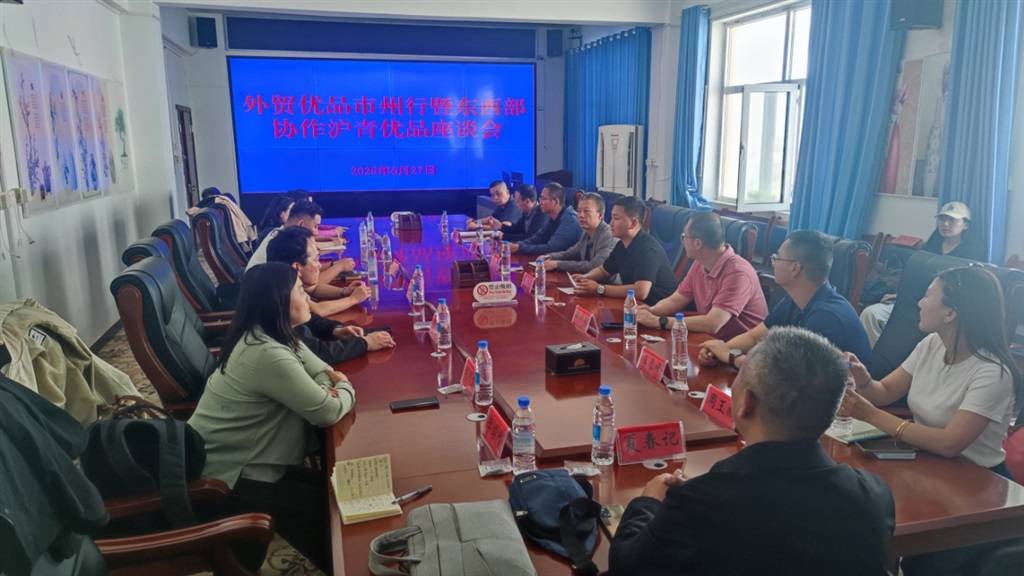
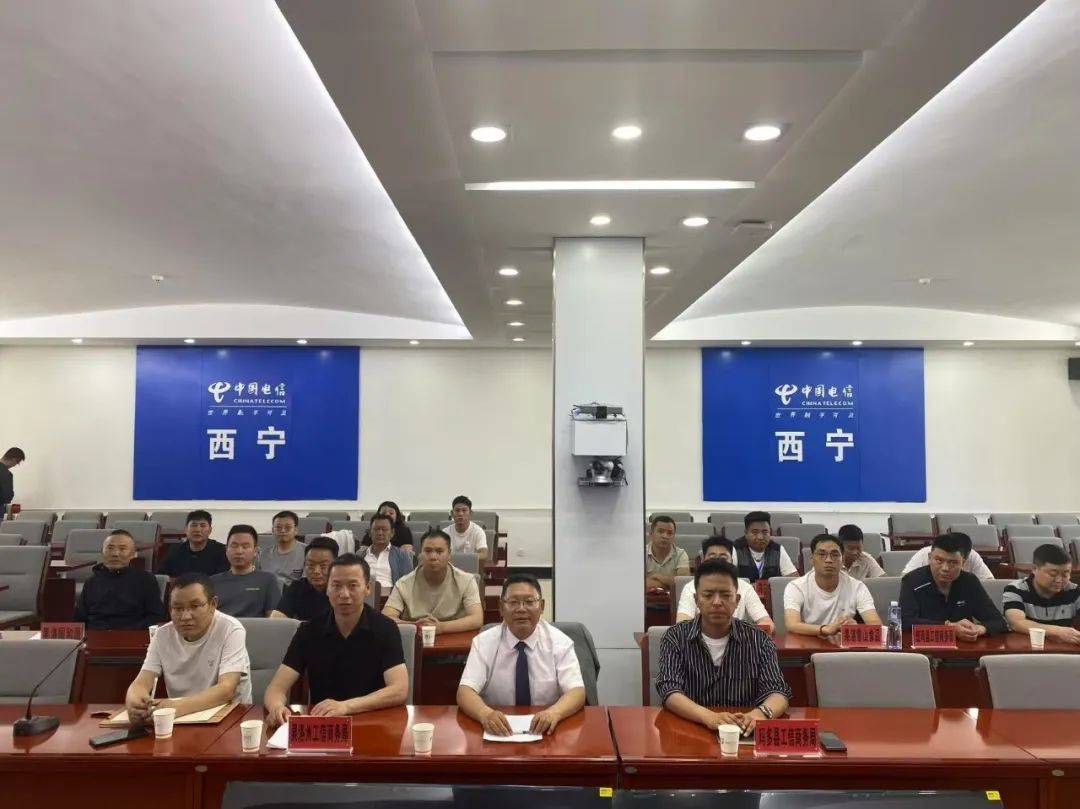
果洛州组织企业参加2025外贸优品市州行暨东西部协作沪青优品品牌化研讨会
Sou Hu Cai Jing· 2025-06-29 11:11
Group 1 - The core objective of the meeting was to promote the brand development of local agricultural and livestock products and expand sales channels as part of the rural revitalization strategy [1][5] - The event featured key speakers from various organizations, including Shanghai Consumption Assistance Alliance and major retail groups, who shared insights on market trends and branding strategies for agricultural products [3][5] - Participants recognized the importance of brand building as a pathway to enhance product competitiveness and achieve high-quality development [5][8] Group 2 - The local industrial and commercial bureau emphasized the significance of the seminar as a platform for enhancing brand awareness and connecting with quality resources [5][7] - Future initiatives will focus on cultivating brands for unique products such as yak beef and highland dairy products, utilizing unified standards and marketing strategies to improve market competitiveness [7][8] - A framework agreement was signed between Qinghai Gesanghua Yak Milk Technology Development Co., Ltd. and Shanghai Caiyang Food Co., Ltd. to strengthen collaboration in product development and packaging [10]
食品饮料行业周报:周观点:啤酒饮料正当旺季,持续关注渠道变化-20250629
GOLDEN SUN SECURITIES· 2025-06-29 07:31
Investment Rating - The report maintains an "Increase" rating for the food and beverage industry, indicating a positive outlook for the sector [4]. Core Insights - The beer and beverage sector is entering a peak season, with a focus on channel changes and growth opportunities. The report highlights three main investment lines for the liquor segment: leading brands, high-certainty regional brands, and elastic stocks benefiting from recovery and increased risk appetite [1][2]. - The white liquor industry is gradually bottoming out, with leading companies like Kweichow Moutai and Wuliangye showing low valuations and dividend value. The report emphasizes the importance of adapting to younger consumer preferences and enhancing brand quality [2]. - The beverage segment is characterized by high growth potential, with companies like Yanjing Beer and Zhujiang Beer being highlighted for their strong performance. The report also notes the introduction of new products by Xiangpiaopiao and the competitive landscape in the beverage market [3][6]. Summary by Sections White Liquor - Demand-side strategies focus on solidifying sales foundations, with companies actively managing supply and pricing to maintain strong sales [2]. - Supply-side initiatives include marketing transformations and product innovations aimed at younger consumers, such as low-alcohol and flavored products [2]. - The report indicates that the valuation of white liquor stocks has reached low levels, with current PE ratios around 17.7x, which is approximately 10% lower than the A-share market [2]. Beer and Beverage - The report notes the resignation of the chairman of China Resources Beer, which may present a buying opportunity post-adjustment [3][6]. - The beverage sector is experiencing intense competition, with new product launches and a focus on high-growth potential companies [6][7]. - The report highlights the ongoing transformation in retail, with companies like Sam's Club and Walmart leading in sales growth, indicating a shift in consumer purchasing behavior [7].
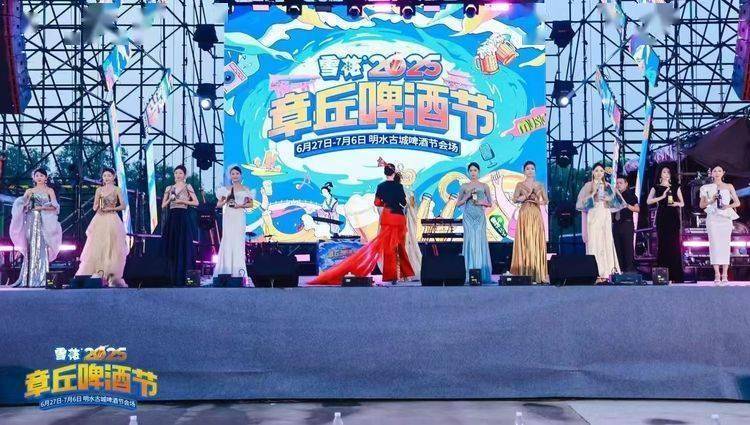
畅享泉城夏夜 点燃消费激情——雪花2025章丘啤酒节盛大启幕
Sou Hu Cai Jing· 2025-06-29 03:51
Core Points - The Snow Beer Festival 2025 in Zhangqiu District aims to stimulate summer economic activity and consumer spending through a vibrant cultural and tourism event [1][3][24] - The festival will run from June 27 to July 6, lasting for 10 days, featuring a diverse range of activities that integrate food, drink, entertainment, and culture [9][30] Group 1: Event Overview - The festival is organized by the Zhangqiu District Business Service Center and Snow Beer, showcasing local culture and industry vitality [3][28] - It aims to convert the "flow" of festival activities into "increment" for economic development, enhancing local consumer engagement [3][24] Group 2: Activities and Attractions - The festival includes seven themed functional areas, offering a mix of gourmet food, various beers, entertainment, and cultural experiences [9][16] - Special brand theme days will feature unique performances and interactive games to engage attendees [21][30] Group 3: Economic Impact - The event is part of a broader strategy to integrate cultural tourism with industrial development, enhancing local economic vitality [24][25] - The Snow Beer production facility in Zhangqiu is the largest single investment project in the company's national layout, with an annual capacity of 1 million kiloliters [28]

市场变化之际,华润啤酒告别“侯孝海时代”,未来如何破局?
Nan Fang Du Shi Bao· 2025-06-28 12:00
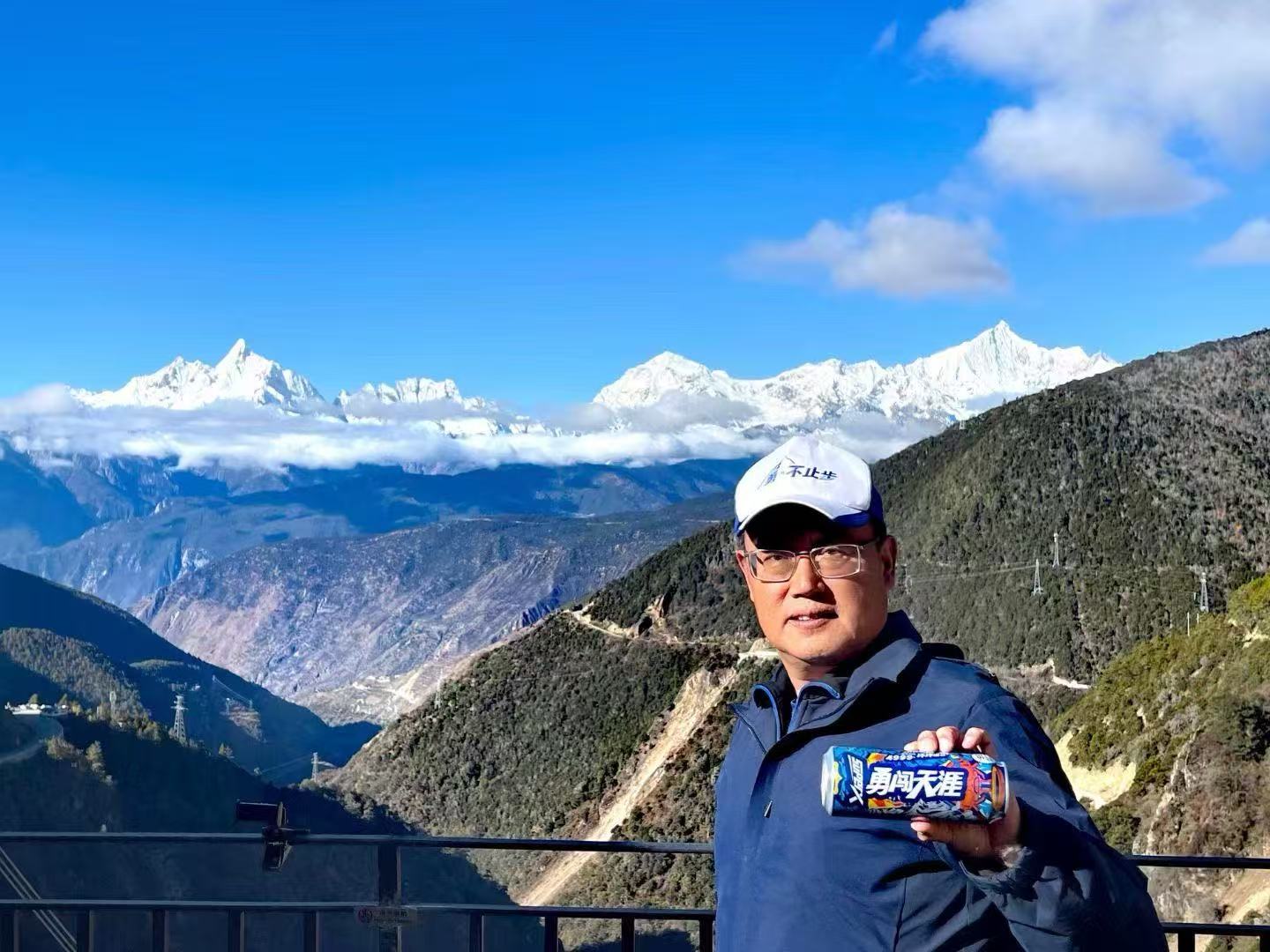
Core Viewpoint - The resignation of Hu Xiaohai, the chairman of China Resources Beer, marks a significant transition for the company as it navigates a changing beer market landscape and seeks a new leader to continue its growth trajectory [2][5][15]. Company Transition - Hu Xiaohai resigned from his position as chairman of China Resources Beer effective June 27, 2023, to focus on personal matters, leaving the chairman role temporarily vacant [2][4]. - Zhao Chunwu, the executive director and president, will assume the responsibilities of the chairman during the transition period while the company searches for a suitable replacement [2][17]. Hu Xiaohai's Contributions - Hu Xiaohai has been a pivotal figure in the rapid growth of China Resources Beer, with the company's revenue increasing from 28.69 billion yuan in 2016 to 38.64 billion yuan in 2024, a growth of approximately 34.6% [8]. - Under his leadership, the company successfully positioned the "Snow" brand as a market leader and executed a high-end product strategy through acquisitions, including the purchase of Heineken's China operations [8][10]. - Hu's tenure also included a strategic shift towards the white liquor market, with acquisitions of several brands, marking a significant diversification for the company [12][13]. Market Context - The Chinese beer market is currently experiencing a shift towards high-end products, with a decline in overall production volume, as evidenced by a 0.6% decrease in output for large-scale breweries in 2024 [15][16]. - Despite a rebound in the first quarter of the year, the overall growth potential remains limited, with challenges in selling high-end products [15][16]. - The industry is transitioning from a focus on scale expansion to value competition, necessitating innovative strategies to regain growth [16]. Future Challenges - The new leadership will face significant challenges, including the need for international market insight and understanding of domestic market dynamics, particularly in lower-tier cities [18]. - The successor will need to balance the growth of the beer business with the potential of the newly acquired white liquor segment, ensuring strategic alignment across product lines [18].
国内最大啤酒巨头掌门人,辞职!
中国基金报· 2025-06-28 05:09
Core Viewpoint - The sudden resignation of Hu Xiaohai, the chairman of China Resources Beer, raises concerns about the company's leadership and its competitive position in the beer industry, particularly against Qingdao Beer [2][4]. Company Overview - China Resources Beer announced the resignation of Hu Xiaohai, effective immediately after the board meeting on June 27, 2023, citing personal reasons for his departure [2]. - The chairman position will remain vacant until a suitable successor is appointed, with current executive director and president Zhao Chunwu overseeing operations during the transition [4]. Financial Performance - China Resources Beer reported a revenue of 40.569 billion yuan for 2024, a year-on-year decline of 2.44%, and a net profit of 4.739 billion yuan, down 8.03% [7]. - In contrast, Qingdao Beer achieved a revenue of 32.14 billion yuan in 2024, a decrease of 5.3%, but its net profit rose by 1.81% to 4.345 billion yuan [12]. Competitive Landscape - China Resources Beer faces intense competition from Qingdao Beer, which has shown more stable performance over the past nine years, with a smaller revenue gap and a closer net profit margin [12]. - The market capitalization of China Resources Beer is 80.3 billion HKD, while Qingdao Beer stands at 87.4 billion HKD, indicating a competitive edge for Qingdao Beer [5]. Strategic Initiatives - China Resources Beer has been pursuing a "Beer-White Liquor Synergy Strategy," which has encountered significant challenges due to the overall downturn in the liquor industry [16]. - The company made substantial investments in the white liquor sector, including a 1.3 billion yuan acquisition of a 40% stake in Shandong Jingzhi Liquor in 2021 and a 12.3 billion yuan acquisition of a 55.19% stake in Jinsha Liquor [16]. - Conversely, Qingdao Beer is exploring opportunities in the yellow liquor market, acquiring 100% of Jimo Yellow Wine for 666 million yuan, indicating a strategic pivot [17]. Market Trends - The beer industry is experiencing sluggish growth, prompting companies to diversify into other alcoholic beverages [16]. - The stock performance of both companies has been volatile, with China Resources Beer experiencing a maximum decline of 70.56% since its peak in January 2021, while Qingdao Beer has seen a maximum decline of 53.1% [17].

廿四载缔造商业传奇 侯孝海辞任 华润啤酒航标不改
Zheng Quan Ri Bao· 2025-06-28 04:07
Core Viewpoint - The resignation of Hou Xiaohai, the chairman and executive director of China Resources Beer, marks a significant transition for the company, which he has led for over 20 years, during which he played a crucial role in transforming the company into a leading player in the beer industry [1][9]. Company Development - China Resources Beer began its journey in 1993 with the acquisition of Shenyang Brewery and has grown into a beer giant through various strategic acquisitions and branding efforts [2]. - Hou Xiaohai joined the company during its early stages and was instrumental in establishing the Snow Beer brand, which has become a significant part of the company's identity and marketing success [2][4]. - Under his leadership, the company launched the "3+3+3" strategic plan aimed at organizational restructuring, capacity optimization, and brand rejuvenation, which has been pivotal for its growth [4][5]. Financial Performance - During Hou's tenure, the company's revenue increased significantly, with net profit rising from 1.33 billion to 4.76 billion yuan, and net assets growing from under 20 billion to 35.58 billion yuan [6]. - In 2024, the gross margin reached 42.6%, and net cash inflow was 6.93 billion yuan, both marking five-year highs [7]. - The sales of high-end products have shown substantial growth, with a 35% increase in the sales of premium beer and a notable rise in the market share of mid-range and above beers [7]. Strategic Initiatives - The "3+3+3" strategy has yielded positive results, with the first three years focusing on internal reforms, the next three on quality and high-end development, and the final three aimed at surpassing competitors [5][6]. - The company has also ventured into the white liquor market, acquiring stakes in several liquor companies, which aligns with its strategy to diversify and enhance its product offerings [6]. Organizational Culture and Future Outlook - China Resources Beer has cultivated a market-oriented corporate culture, emphasizing strategic alignment, organizational structure, and cultural support for its business objectives [10]. - The company is positioned to continue its growth trajectory, leveraging its established market presence and strategic initiatives to navigate the evolving economic landscape [12][17]. - The upcoming years are expected to be crucial as the company aims to solidify its high-end market position and further develop its white liquor business [7][17].
罗马尼亚前总理:全球性问题只能在多边主义框架下解决,合作是唯一解决方案
Feng Huang Wang Cai Jing· 2025-06-28 02:31
Group 1 - The "2025 China Enterprises Going Global Summit" was held in Shenzhen, focusing on building a high-end platform for Chinese companies to address challenges in globalization and explore paths for ecological win-win transformation [1] - The summit was co-hosted by the Global Council for Chinese Enterprises Going Global, emphasizing the need for resource connection and dialogue on rules amid deep restructuring of global industrial chains [1] Group 2 - Former Romanian Prime Minister Peter Roman highlighted that global issues such as climate change, mass migration, and famine can only be resolved through multilateral cooperation, stressing that trust is essential for successful collaboration [3] - Roman noted that countries like the EU, UK, Canada, Japan, and South Korea are strengthening alternative cooperation channels to establish a predictable and rule-based international system [3] - He expressed regret over the previous U.S. administration's failure to recognize rule-based international goals, emphasizing the importance of maintaining financial order and the interconnectedness of the U.S. and Chinese economies [3]

宁夏国资国企精准发力为乡村振兴注入动能
Sou Hu Cai Jing· 2025-06-28 01:18
Group 1 - The local state-owned enterprises are focusing on key areas to support rural revitalization, aligning with the five-year transition period for consolidating poverty alleviation achievements [1] - Companies are actively collaborating with local governments to identify resource endowments and development needs, helping rural areas find suitable industrial directions [1] - The National Energy Group Ningxia Electric Power Co., Ltd. is investing in photovoltaic projects to create "sunshine savings" for villagers [1] Group 2 - Various enterprises are leveraging regional resource advantages to develop integrated business models such as "new energy + rural tourism + health care," enhancing income for farmers [1] - The Ningxia Agricultural Reclamation Group Co., Ltd. is creating "rural complex" projects that connect farmers through profit-sharing and guaranteed purchase agreements, steadily increasing farmers' income [1] - The state-owned enterprises in the region are using their market platform advantages to promote Ningxia's specialty agricultural products, facilitating a transition from "growing well" to "selling well" [1] Group 3 - The China Petroleum & Chemical Corporation has established a "Yijie·Ningxia Quality Products" section to directly reach national consumers with local specialties like goji berries and lamb [1] - A collaborative initiative involving major state-owned enterprises aims to enhance the market presence of Ningxia's specialty products, with over 30 central enterprises participating [1] - The National Grid Corporation is investing in rural power grid enhancement projects to support rural industrial development and improve living standards [2] Group 4 - By the end of 2024, nine central enterprises stationed in Ningxia have sent 46 cadres to assist, trained 24,600 individuals, and invested 156 million yuan [2] - The sales volume of Ningxia's "six special" products in central enterprises reached 373 million yuan, directly creating 552 jobs and facilitating the transfer of 1,106 jobs [2]