吉利汽车

Search documents
智驾行业的话语权,究竟掌握在哪些公司手中?
Jing Ji Guan Cha Bao· 2026-01-22 07:36
Core Insights - The smart driving industry is transitioning from a romantic phase focused on L4 technology to a commercial phase where survival is the primary challenge for participants [2][3] - Data is identified as the future fuel of the industry, with vehicle delivery volume equating to market influence and competitive advantage [3][4] Industry Trends - The consensus in the smart driving industry has shifted post-2019, with investors focusing on production orders and revenue sources rather than distant L4 aspirations [3] - The penetration rate of urban NOA (Navigation Assisted Driving) systems is expected to exceed 10% by the end of 2025, marking a critical point for scaling [3][4] Company Strategy - Yuanrong Qixing has achieved a nearly 40% market share in the urban NOA supplier market as of October 2025, with a cumulative delivery of over 200,000 systems [3][4] - The company employs a "car sea strategy," partnering with mainstream brands like Great Wall and Geely to ensure widespread adoption rather than focusing solely on luxury brands [3][4] Data and Technology - Accumulating large-scale data through mass-produced vehicles is essential for the evolution of smart driving algorithms, as more vehicles generate richer scenario data [4][5] - The industry is entering an "AI model-driven phase," where the ability to create a data feedback loop is more critical than the algorithms themselves [6][7] Competitive Landscape - The competition has evolved into a comprehensive battle between third-party suppliers and in-house development by automakers, focusing on technology, production, cost, and data capabilities [8][9] - Leading players like Yuanrong Qixing, Huawei, and Momenta are forming a triad in the market, with vehicle delivery volume being a key differentiator [8][9] Business Model Evolution - The industry is moving from a one-time hardware sales model to a subscription-based software and service model, which requires a substantial user base to be sustainable [10][11] - Yuanrong Qixing's strategy emphasizes the importance of achieving a critical mass of vehicle deliveries to support a subscription model and reduce costs [10][11] Characteristics of Survivors - Successful companies in the smart driving sector are characterized by their ability to create a closed-loop data flow and iterative capabilities [13][14] - A strong alignment between technology choices and business paths is crucial for market validation and operational success [14][15] - Companies must demonstrate healthy cash flow or a clear path to profitability, with vehicle delivery volume being essential for cost distribution and subscription service viability [15][16] - Finding a unique ecological niche within the industry is vital for survival, allowing companies to collaborate effectively with major automakers [16] - The ability to deliver products at scale is critical, as demonstrated by Yuanrong Qixing's successful mass delivery of urban NOA systems [16]


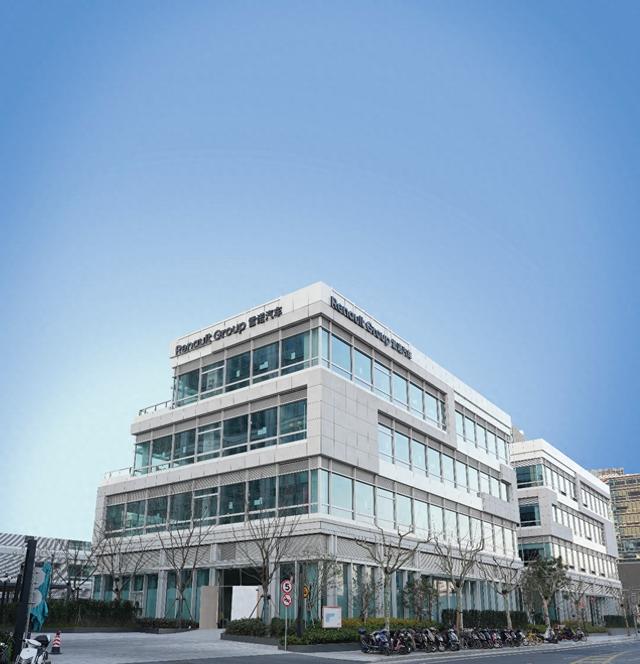
“和而不同” 见真章 雷诺CEO福兰:懂中国生态,更懂双向赋能的共赢密码
Huan Qiu Wang· 2026-01-22 07:07
"想要跟上中国的节奏,感觉就像攀登珠穆朗玛峰一样。"福兰如此描述了他间隔八个月后的重返中国感 受。从过去三到四个月一次的访华频率,到见证中国智能汽车生态的爆发式增长,福兰深知,在这个全 球竞争最激烈的市场中,单纯的"产品导入"或"合资生产"模式早已过时。 因此,福兰明确否定了雷诺短期内重返中国销售市场的可能,理由是"竞争非常激烈"和"价格战的现 实"。 他表示,"价格战是双输的战争,既会导致车辆残值暴跌,也会损害品牌价值,最终不利于消费 者与行业发展。"这种"不逐量、重价值"的判断,与雷诺集团在欧洲市场从"追求销量"转向"追求价 值"的战略一脉相承。 来源:环球网 【环球网科技报道 记者 张阳】2026年新年第三周,雷诺集团CEO福兰(François Provost)将中国定为 年度首个海外市场走访目的地。这位与中国有着长期深厚渊源的管理者,在过去八个月的CEO任期里完 成了集团组织架构重组,再度踏上中国土地,带来的并非急功近利的市场扩张计划,而是一套经过深思 熟虑的"中国生态深耕战略"——以技术合作为纽带,成为全球技术迭代与竞争力重构的关键支点。 在竞争白热化、价格战持续的中国汽车市场中,这种"克制存在" ...
浙江宁波市政协委员汪伟:宁波为新材料落地提供沃土
Xin Lang Cai Jing· 2026-01-22 05:49
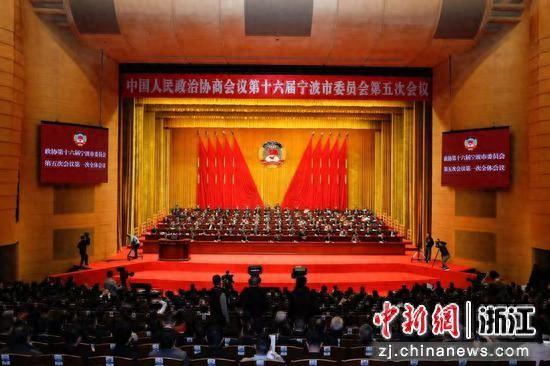
Group 1 - The core achievement is the development of a globally leading graphene film roll, showcased by the chairman of Ningbo Rocarbon Electronic Technology Co., Ltd. during the Ningbo Municipal CPPCC meeting [1][3] - The company was founded after overcoming significant technical challenges in the industrialization of graphene, particularly in the roll-to-roll growth and transfer technology [3] - The company has successfully achieved mass production of wide graphene film rolls, which are expected to enhance efficiency in various applications, including rail transportation and new energy sectors [3] Group 2 - The company collaborates with local copper processing enterprises to produce graphene-copper composite materials with the highest conductivity at room temperature, significantly improving motor efficiency [3] - Partnerships with automotive component manufacturers like Geely and Top Group focus on developing rapid heating graphene electric heating elements for applications in home appliances and wearable devices [3] - The success of the company is attributed to Ningbo's long-term investment in innovation, entrepreneurship, and industry-academia-research collaboration, reflecting a robust innovation ecosystem [3]
杭州2025年GDP超2.3万亿元
Hang Zhou Ri Bao· 2026-01-22 02:50
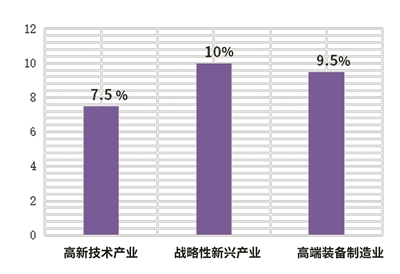
Economic Growth Overview - Hangzhou's GDP reached 2.3011 trillion yuan in 2025, growing by 5.2% year-on-year, surpassing the national growth rate [5] - The city aims to achieve a GDP of 3 trillion yuan and a per capita GDP exceeding 30,000 USD by 2030, laying a solid foundation for these targets [5] Industrial Performance - The industrial added value for large-scale industries grew by 6.0%, with high-tech industries, strategic emerging industries, and high-end equipment manufacturing increasing by 7.5%, 10.0%, and 9.5% respectively [5] - The computer communication and other electronic equipment manufacturing sectors saw a growth of 13.4%, while the automotive manufacturing sector experienced a significant increase of 36.7% [5] Emerging Technologies - New energy vehicle production surged by 383.0%, while industrial robot and 3D printing equipment production increased by 38.6% and 15.1% respectively, showcasing the success of Hangzhou's "digital-physical integration" strategy [6] Service Sector Contribution - The service sector's added value reached 1.6997 trillion yuan, accounting for 73.8% of GDP, with a growth rate of 5.3% [6] - Key digital economy enterprises like Alibaba and Ant Group are driving growth, with Alibaba's "cloud + AI" strategy supporting the national large model industry [6] Export and Domestic Demand - Total foreign trade exports reached 646.9 billion yuan, growing by 8.7%, driven by local enterprises expanding overseas [7] - Domestic consumption also showed strong growth, with retail sales of consumer goods reaching 949.9 billion yuan, reflecting a shift towards high-end, intelligent, and quality products [8] Overall Economic Strategy - Hangzhou's economic growth is characterized by a systemic high-quality development driven by new productive forces, integrating industrial upgrading with service innovation [8] - The city is positioned as a hub for private economic development, with local enterprises playing a crucial role in market innovation [9]
镁合金材料专家交流
2026-01-22 02:43
Summary of Magnesium Alloy Application in Automotive Industry Industry Overview - The automotive industry is actively researching the application of magnesium alloys, driven by lower prices compared to aluminum alloys and abundant domestic magnesium resources in China. Key research areas include the three electric systems, electric drive systems, and body structural components, with significant increases in magnesium alloy usage expected in future vehicles [1][2][15]. Key Points and Arguments - **Price Comparison**: Magnesium alloy prices are currently around 35-36 RMB per kilogram, comparable to aluminum alloys. However, magnesium alloys offer a significant weight reduction of approximately 25% [1][8][25]. - **Usage in Electric Drive Systems**: Research on magnesium alloys in the three electric systems has progressed to the point of vehicle testing and is entering mass production phases. By 2026, it is expected that models equipped with magnesium alloy components will achieve monthly sales of over 10,000 units [1][4]. - **Supplier Landscape**: Key suppliers of magnesium alloy materials include Xinyuan Zhuomei, Jiarui Metal, and BYD Fudi Power. Major automotive manufacturers like SAIC, Xpeng, BYD, and Huawei are collaborating with Xinyuan on electric drive shell projects [1][10][5]. - **Future Projections**: The goal is to increase magnesium alloy usage per vehicle to 40 kg, with a long-term target of 100 kg. Some models may achieve 30-40 kg of magnesium alloy usage by 2026 [1][17]. - **Regulatory Environment**: National energy consumption requirements are pushing for lightweight materials in new energy vehicles, which is driving the strategic push for magnesium alloy applications to replace traditional steel and aluminum [1][15][16]. Additional Important Insights - **Market Demand**: China holds approximately 70-80% of the world's magnesium resources, which is expected to stabilize magnesium prices in the future. The demand for magnesium alloys, particularly in electric drive shells, is significant, and new entrants may find opportunities in this market [3][26][22]. - **Challenges in Adoption**: While magnesium alloys have been used in high-end vehicles, their adoption has been cautious due to historical price volatility. However, the current trend indicates a shift towards broader application as prices stabilize [2][30]. - **Potential Applications**: Beyond electric drive systems, magnesium alloys are being explored for use in body structural components such as door inner panels and tailgates, which could further increase overall magnesium usage in vehicles [12][31]. - **Export Considerations**: Currently, there are no plans to export vehicles using magnesium alloy components until they have been thoroughly tested in the domestic market [29]. This summary encapsulates the key discussions and insights from the conference regarding the application of magnesium alloys in the automotive industry, highlighting the strategic importance of these materials in future vehicle design and production.

1月21日港股回购一览



Zheng Quan Shi Bao Wang· 2026-01-22 02:09
Group 1 - On January 21, 42 Hong Kong-listed companies conducted share buybacks, totaling 29.73 million shares and an amount of HKD 512 million [1] - Xiaomi Group-W had the highest buyback amount of HKD 248 million, repurchasing 7 million shares [1] - Other notable buybacks included Pop Mart with HKD 96.49 million and Sunny Optical Technology with HKD 61.39 million [1] Group 2 - The highest buyback price for Xiaomi was HKD 35.480, while the lowest was HKD 35.220, with a cumulative buyback amount of HKD 20.49 billion for the year [1] - Pop Mart's buyback ranged from HKD 194.900 to HKD 191.100, with a cumulative buyback amount of HKD 348 million for the year [1] - Sunny Optical Technology's buyback prices were between HKD 63.950 and HKD 62.300, with a cumulative buyback amount of HKD 686 million for the year [1]
甲醇技术路线重构商用车绿色发展版图,加速进入主流市场
Xin Hua Cai Jing· 2026-01-22 01:45
Core Viewpoint - The methanol-based alcohol-hydrogen electric technology is accelerating its entry into the mainstream commercial vehicle market, providing a competitive alternative to pure electric and hydrogen fuel cell technologies, and is expected to create a new trillion-level renewable energy sector [1][4]. Group 1: Market Overview - China is the largest commercial vehicle market globally, with rapid development expected in electric, hydrogen fuel cell, and methanol technologies, driven by supportive policies and both domestic and export demand [2]. - By 2025, domestic sales of commercial vehicles are projected to reach 3.237 million units, with 871,000 units being new energy commercial vehicles, resulting in a penetration rate of 26.9% [2]. - The current penetration rate of new energy in commercial vehicles is low compared to passenger vehicles, which have surpassed 50% [2]. Group 2: Challenges and Opportunities - The slow development of new energy in commercial vehicles is attributed to the limitations of existing technologies, which do not meet the specific needs of commercial vehicle usage [3]. - The commercial vehicle sector is a significant energy consumer, accounting for over half of vehicle fuel consumption and 56% of CO2 emissions from all vehicles [2]. Group 3: Technological Advantages - The alcohol-hydrogen electric vehicle technology, which utilizes methanol as a liquid hydrogen substitute, has shown practical and economic advantages, making it suitable for various operational conditions [4][5]. - Compared to pure electric vehicles, alcohol-hydrogen electric vehicles offer stronger endurance, less impact from weather conditions, and lower infrastructure costs [5]. - The latest generation of methanol-powered systems has achieved a thermal efficiency of 50.3%, with comprehensive energy costs reduced by 32%-52% compared to diesel vehicles [5]. Group 4: Infrastructure and Policy Support - The existing oil and gas pipeline network can be utilized for low-cost transportation of liquid methanol, and converting existing gas stations to methanol refueling stations is significantly cheaper than building new hydrogen stations [6]. - The Chinese government has introduced over 70 policy documents to support the promotion of methanol vehicles, indicating strong institutional backing for the industry [8][9]. Group 5: Global Trends and Future Outlook - European car manufacturers are increasingly developing methanol as a vehicle fuel, with models expected to enter the market post-2035 [7]. - The global methanol industry is expanding, with 414 ships confirmed to adopt methanol fuel by the end of 2025, indicating a growing acceptance of methanol in various transportation sectors [7]. - The integration of green hydrogen, ammonia, and methanol is becoming a key pathway for clean energy consumption and industrial innovation [10].
港股开盘:恒指涨0.62%、科指涨0.85%,科网股、芯片股走高,创新药概念股活跃,黄金股回调
Jin Rong Jie· 2026-01-22 01:30
Market Overview - The Hong Kong stock market opened higher on January 22, with the Hang Seng Index rising by 0.62% to 26,750.51 points, the Hang Seng Tech Index increasing by 0.85% to 5,795 points, and the National Enterprises Index up by 0.55% to 9,173.54 points [1] - Major tech stocks mostly rose, with Alibaba up 1.72%, Tencent Holdings up 0.33%, JD Group up 0.98%, and Xiaomi Group up 0.9% [1] - Chip stocks opened high, with Zhaoyi Innovation rising over 7% [1] - The innovative drug concept was active, with WuXi Biologics rising over 1% [1] - Gold stocks generally fell, with Shandong Gold down over 2% [1] - Longqi Technology's IPO on the Hong Kong stock market saw a nearly 13% increase on its first day [1] Company News - Shanghai Electric (02727.HK) expects a net profit of RMB 1.1 billion to RMB 1.32 billion for 2025, an increase of approximately 47% to 76% year-on-year [2] - Kingdee International (00268.HK) anticipates total revenue of approximately RMB 6.95 billion to RMB 7.05 billion for 2025, a year-on-year growth of about 11.1% to 12.7% [2] - Beijing Machinery Electric (00187.HK) expects a net loss of RMB 46 million to RMB 55.2 million for 2025, primarily due to intensified international trade frictions affecting its gas storage and transportation export business [2] - Chow Tai Fook (01929.HK) reported a retail value growth of 17.8% for the three months ending December 31, 2025, with mainland China retail value increasing by 16.9% [2] - Zai Lab (09911.HK) anticipates a cumulative download of approximately 970 million for its social business by 2025, a year-on-year increase of about 5.9% [2] Strategic Developments - Ruiri Medical Technology (01696.HK) signed a letter of intent for cooperation with Stryker Medical to establish localized production in China [3] - Cathay Pacific (00293.HK) and Hong Kong Express expect to carry over 36 million passengers in 2025, a year-on-year increase of 27% [4] - Shenyang Public Development (00747.HK) has initiated edge computing infrastructure and service business [5] - Flat Glass Group (06865.HK) plans to absorb and merge with Zhongda Quartz Development [6] Share Buybacks - Xiaomi Group (01810.HK) repurchased 7 million shares for HKD 248 million at prices between HKD 35.22 and HKD 35.48 [7] - Pop Mart (09992.HK) repurchased 500,000 shares for HKD 96.49 million at prices between HKD 191.1 and HKD 194.9 [8] - Sunny Optical Technology (02382.HK) repurchased 970,000 shares for HKD 61.39 million at prices between HKD 62.30 and HKD 63.95 [9] - Geely Automobile (00175.HK) repurchased 2.376 million shares for HKD 39.62 million at prices between HKD 16.62 and HKD 16.81 [10] Financial Instruments - Huaneng International Power (00902.HK) completed the issuance of RMB 2 billion medium-term notes [11] - CICC (03908.HK) plans to issue up to RMB 5 billion in bonds for technology innovation companies [12] Institutional Insights - Dongwu Securities noted that despite a general reduction in the Fed's interest rate cut expectations in overseas markets, domestic investors remain optimistic [13] - Orient Securities highlighted that recent U.S. measures against Venezuela and Greenland have increased geopolitical risks, supporting gold prices [14] - Zheshang Securities suggested that the humanoid robot sector has formed an ecological closed loop, recommending attention to component suppliers and undervalued transformation targets [14] - CITIC Securities indicated that new policies from the National Medical Insurance Administration will accelerate the promotion of surgical robots in China [14]

智通港股沽空统计|1月22日
智通财经网· 2026-01-22 00:24
Group 1 - The top short-selling stocks include Sun Hung Kai Properties (80016), China Resources Beer (80291), and AIA Group (81299), all with a short-selling ratio of 100.00% [1][2] - The highest short-selling amounts are recorded for Xiaomi Group (01810) at 1.128 billion, Baidu Group (09888) at 1.106 billion, and Alibaba Group (09988) at 995 million [1][2] - The highest deviation values are for Ping An Insurance (82318) at 58.81%, JD Group (89618) at 38.75%, and Sun Hung Kai Properties (80016) at 35.83% [1][2] Group 2 - The top short-selling ratio rankings show Sun Hung Kai Properties (80016) with a short-selling amount of 196,700 and a ratio of 100.00%, followed by China Resources Beer (80291) with 11,500 and 100.00% [2] - The top short-selling amounts list Xiaomi Group (01810) with 1.128 billion, Baidu Group (09888) with 1.106 billion, and Alibaba Group (09988) with 995 million [2] - The top deviation values list Ping An Insurance (82318) with a short-selling amount of 3.2371 million and a ratio of 92.98%, followed by JD Group (89618) with 320,900 and 98.46% [2]




开年价格战重现:汽车公司从最难的第一季度开始更难的一年
Xin Lang Ke Ji· 2026-01-22 00:03
Core Viewpoint - The automotive industry in China is facing a significant shift in 2026, with predictions of a price war initiated earlier than expected, influenced by changes in subsidy policies and market dynamics [2][3]. Group 1: Market Predictions - The China Passenger Car Association (CPCA) forecasts that domestic car sales in Q1 2026 may remain flat year-on-year but could drop by 25% compared to Q4 2025, with overall annual sales expected to show zero or minimal growth [2]. - Morgan Stanley predicts a substantial decline in Q1 2026 sales by 30%-35% due to reduced purchase tax subsidies, with an annual decrease of 5% anticipated, potentially reaching 7% without considering export sales [2]. - UBS shares a similar outlook, projecting a 2% decline in annual car sales, with export growth slowing from 28% in 2025 to 15% [3]. Group 2: Policy Changes - The National Development and Reform Commission and the Ministry of Finance have yet to announce the continuation of "two new" subsidies for 2026, with significant changes expected in the subsidy structure for new energy vehicles (NEVs) [3]. - The new policy will halve the purchase tax for NEVs, increasing costs for consumers, while the subsidy for new cars will be more detailed and based on vehicle price, with a maximum of 20,000 yuan [3]. Group 3: Industry Sentiment - Industry executives express cautious optimism regarding their companies' growth, with many expecting double-digit growth driven by overseas market expansion, despite a general conservative outlook on overall market growth [7]. - The total sales target for nine major automakers in 2026 is set at 18.339 million units, surpassing the actual sales of 3.86 million units in 2025 [7]. - New energy vehicle manufacturers have aggressive growth targets, with some aiming for increases of 70%-121%, while traditional automakers maintain more conservative targets [9]. Group 4: Price War Dynamics - A price war has already begun, with companies like BMW and Tesla implementing significant price cuts and financing options to stimulate demand ahead of the anticipated subsidy changes [10][13]. - Over 20 automakers have introduced purchase tax guarantees to attract customers, but initial sales data for January 2026 indicate a decline in demand compared to previous months [10][11]. - The adjustment of subsidy policies has raised the entry barriers for consumers, particularly affecting lower-priced vehicles, which may suppress demand in that segment [11]. Group 5: Competitive Landscape - The competition in the high-end market is expected to intensify, with new energy vehicles priced above 300,000 yuan becoming more competitive due to favorable subsidy policies [13]. - Companies like NIO, Xiaomi, and Xpeng are preparing to launch multiple new models in 2026, indicating a strategic focus on high-end segments [13].