OPPO

Search documents
iPhone Air卖不动,库克挥泪砍产线…这也就刚卖了一个月
Sou Hu Cai Jing· 2025-11-11 04:45
Core Insights - The iPhone Air has faced significant challenges since its launch, leading to the decision by Apple to halt production due to poor sales performance and market reception [1][2][4] Sales Performance - iPhone Air's initial sales were disappointing, with activation numbers in the first week exceeding only 50,000 units, which is less than one-tenth of the iPhone 17 Pro Max's performance [1] - In major online sales channels like JD.com and Tmall, iPhone Air's sales lagged behind both the iPhone 17 series and the older iPhone 16 models, failing to make it into the top ten small-screen sales rankings [2] Product Features and Consumer Reception - The iPhone Air was designed as a "non-Pro flagship," aiming to reduce features while maintaining essential components like the A-series chip and main camera, but this strategy did not resonate with consumers [6] - Key features were stripped down, including the removal of high-refresh screens, titanium alloy, and multiple camera options, leading to a perception of the device as outdated [6][11] - User feedback highlighted significant issues with battery life and performance, with many reviews criticizing the device's value proposition compared to the Pro Max [5][8] Market Dynamics - The iPhone Air's inability to leverage Apple's ecosystem effectively contributed to its lack of traction, as it did not stimulate accessory sales or developer interest [11][12] - The exit of the iPhone Air from the market has created an opportunity for domestic brands to fill the gap in the lightweight flagship segment, which they have already capitalized on with competitive offerings [13][14] Future Prospects - Although the iPhone Air 2 project has been removed from the main production schedule, internal development of prototypes is ongoing, indicating that Apple may revisit this product line in the future [17]


iPhone Air卖不动,库克挥泪砍产线…这也就刚卖了一个月
量子位· 2025-11-11 04:24
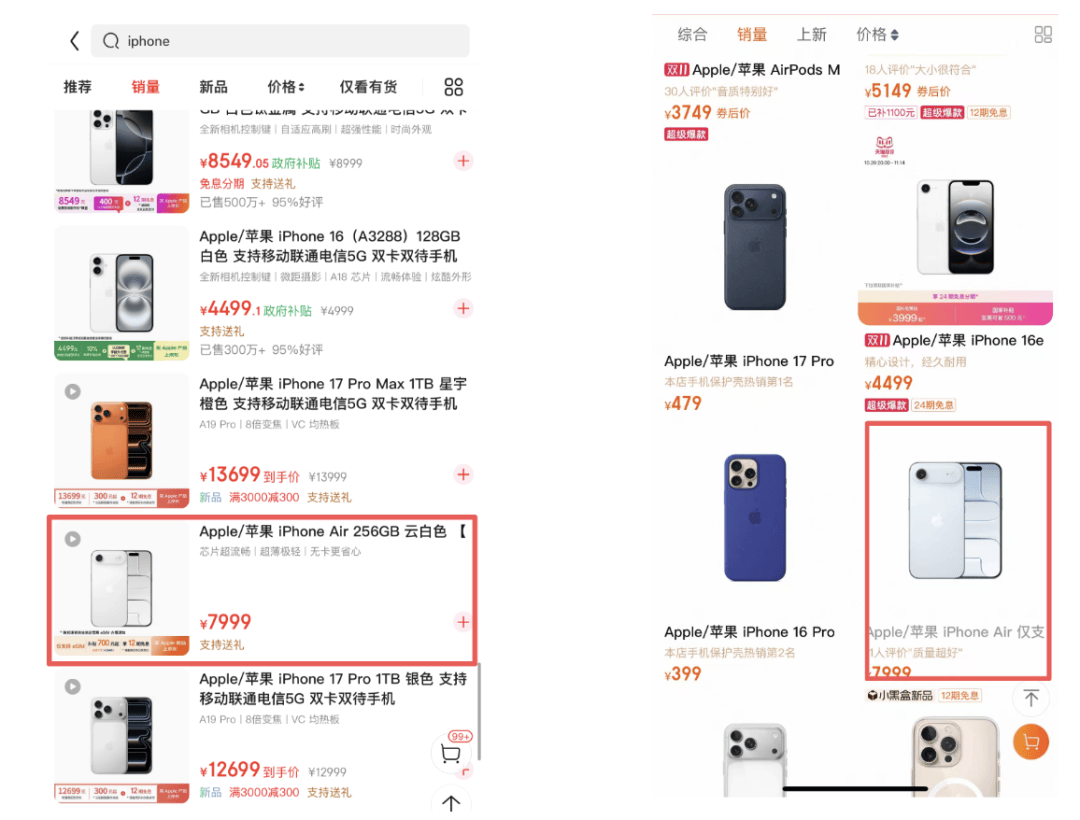
Core Viewpoint - The iPhone Air has faced significant challenges since its launch, leading to production cuts and a lack of consumer interest, ultimately resulting in its withdrawal from the market [5][25][31] Market Response - The iPhone Air's initial sales were disappointing, with only over 50,000 activations in its first week, which is less than one-tenth of the iPhone 17 Pro Max's performance [5] - In major online sales channels like JD and Tmall, the iPhone Air's sales lagged behind both the iPhone 17 series and the older iPhone 16 models, failing to make it into the top ten of small-screen bestsellers [6] - On Amazon, the iPhone Air received a rating of only 4.4, with many users citing serious battery and performance issues compared to the Pro Max [8] Product Positioning - Apple aimed to create a "non-Pro flagship" by simplifying features, removing high-refresh screens and advanced camera capabilities, while retaining the A-series chip and main camera [12] - However, the iPhone Air's stripped-down features did not meet consumer expectations, leading to a perception of it being underwhelming and overpriced compared to the iPhone 17 Pro, which is only $100 more but offers significantly better specifications [15][16] User Experience Issues - The removal of the physical SIM card slot in favor of eSIM led to complications for users in regions where eSIM is not widely supported, causing frustration and connectivity issues [19][20] - The iPhone Air lacked unique features or configurations that could stimulate accessory development or software adaptation, making it less appealing to consumers [22][23] Competitive Landscape - The withdrawal of the iPhone Air has created a gap in the "light flagship" market, which domestic brands like Xiaomi, OPPO, and Honor have already capitalized on, offering competitive products with strong ecosystems [26][27] - Huawei has quickly responded by launching the Mate 70 Air, which is thinner and lighter at a lower price point, indicating a swift shift in market dynamics following Apple's retreat [28][29] Future Prospects - Although the iPhone Air 2 project has been removed from the main production schedule, internal development continues, with plans for improvements in weight, battery capacity, and camera performance [31][32] - The potential for a future return of the iPhone Air remains, though it may not happen soon [33]

阿里AI眼镜供应商拿下OPPO、小米融资,订单量已创纪录|潜伏独角兽
3 6 Ke· 2025-11-11 02:37
Core Insights - The smart glasses market is experiencing a resurgence, with Meta's Ray-Ban Display glasses selling out and Apple expected to enter the market within 12 to 16 months [1][2] - The industry is seeing significant investment and innovation, particularly in optical technologies like diffractive waveguides, which are crucial for the development of consumer-grade AR glasses [3][11] Market Dynamics - Meta's Ray-Ban Display has sold over 2 million units, indicating strong consumer interest, while the global smart glasses market is projected to reach 14.5 million units in 2025, a 42.5% increase year-on-year [1][12] - The emergence of generative AI has revitalized the AR/VR sector, making smart glasses a more appealing consumer product [1][2] Technological Advancements - The optical module accounts for over 40% of the total cost of smart glasses, making it a critical factor in product design and consumer adoption [3] - Companies like Zhige Technology are leading the way in developing diffractive waveguide technology, which significantly reduces the size and thickness of devices [3][11] Competitive Landscape - Zhige Technology has secured large orders exceeding 100,000 units, a first in the industry, highlighting the growing demand for AR glasses [1][9] - The company's IDM (Integrated Device Manufacturing) model allows for better control over design and manufacturing, giving it a competitive edge in production efficiency and cost optimization [10][11] Consumer Experience - The focus is shifting from purely technical specifications to enhancing user experience, with a balance of 85% comfort and 70% optical performance deemed sufficient for market success [7][8] - Meta's strategy of positioning smart glasses as fashion accessories rather than just tech products has contributed to their market penetration [8][9]
早报|下代iPhone Air将延期发布/闪迪价格暴涨50%/摩根大通CEO:未来发达国家每周只需上班三天半
Sou Hu Cai Jing· 2025-11-11 00:45
Group 1: Apple and iPhone Air - Apple has decided to postpone the release of the next-generation iPhone Air due to poor sales performance since its launch in September 2025, with no new timeline provided for its release [5][6] - The iPhone Air, which features a slim design with a thickness of only 5.6mm, compromises on battery capacity and camera configuration, offering only a single rear camera at a price of $999 [5] - The iPhone 17 Pro offers a better value proposition with a triple-camera system and longer battery life, highlighting the challenges Apple faces in positioning a fourth model beyond the standard and Pro series [5] Group 2: NAND Flash Market - SanDisk has announced a 50% increase in NAND flash contract prices due to supply constraints, with expectations of a continued upward trend in the market [21] - The NAND flash market is experiencing a supply-demand imbalance, which is anticipated to persist until at least the end of 2026 [21] Group 3: AI and Business Trends - According to McKinsey's report, 88% of companies have adopted AI, but only 39% have seen an increase in earnings before interest and taxes (EBIT), indicating a gap between efficiency gains and profitability [45][46] - High-performing companies are more likely to benefit from AI, with 50% planning transformative changes driven by AI, compared to only 14% of average companies [46] - The demand for AI-related roles is increasing, while traditional roles face replacement pressures, with 32% of companies expecting a decrease in total workforce in the next year [46] Group 4: Robotics and AI Developments - The first international robot debate competition concluded with Songyan Power winning the championship, showcasing the potential of robots in both physical and intellectual domains [34] - A new AI framework called "Cambrian-S" has been proposed by researchers to enhance spatial perception and long-term memory in AI systems, indicating a shift towards more advanced AI capabilities [40]

安卓阵营集体围攻,iPad要靠OLED屏幕救场?
3 6 Ke· 2025-11-10 23:35
Core Insights - Apple is transitioning its iPad and MacBook Air to OLED screens, with the iPad Air expected to launch in Spring 2026 and the MacBook Air in 2028, marking a significant shift in its product lineup [3][4][12] - The move to OLED is driven by competitive pressure from Android manufacturers, which have been offering high-refresh-rate screens and advanced features at lower price points [5][6][7] - The change to OLED screens is not just a hardware upgrade but a strategic response to market demands and user expectations for better display quality [7][10] Market Dynamics - In 2024, Huawei leads the Chinese tablet market with a 32.3% share, while Apple's share has dropped to 26.6%, down from 33.6% in 2023, indicating a need for Apple to reassess its competitive strategy [6] - The overall tablet market in China is expected to grow by 4.3% in 2024, highlighting the competitive landscape that Apple must navigate [6] Product Strategy - The introduction of OLED screens will redefine the positioning of Apple's iPad lineup, with the iPad Air becoming a key player in the mid-range segment, while the Pro models will cater to professional users [12][13] - Apple's strategy involves maintaining a clear distinction between its iPad and Mac product lines, despite the increasing overlap in functionality and performance [15][16][18] - The company aims to enhance the user experience through software updates and ecosystem integration, while still prioritizing touch functionality over a full merger with macOS [18][19]
大疆、影石还没争出第一,大批友商已经赶在路上
36氪· 2025-11-10 10:23
Core Viewpoint - The global panoramic camera market is experiencing significant shifts in market share, with companies like影石 (Insta360) and 大疆 (DJI) competing fiercely, leading to a dynamic and competitive landscape in the smart imaging sector [5][6][7]. Market Dynamics - A report from 久谦咨询 indicates that 影石's market share dropped from 92% in Q2 to 49% in Q3, while 大疆 captured 43% of the market [5]. - Another report by 弗若斯特沙利文 shows 影石 and 大疆's market shares at 75% and 17.1% respectively, highlighting discrepancies in market data [6]. - The entry of 大疆 into the panoramic camera market with its Osmo 360 has significantly impacted 影石's dominance, showcasing the competitive nature of the industry [8]. Industry Trends - The rise of short video content globally has increased the demand for smart imaging devices, with 大疆's Osmo Pocket 3 achieving over 10 million units sold, generating revenue exceeding 300 billion [13]. - The current global user base for vlogs is estimated at 520 million, with outdoor sports consumers at 220 million, indicating a growing market for smart imaging devices [16]. Competitive Landscape - New entrants in the smart imaging sector are advised to avoid direct competition with established players like 大疆 and 影石, focusing instead on niche markets and differentiated product offerings [20]. - Companies like Looki and XbotGo are exploring unique use cases, such as AI-driven wearable cameras and solutions for sports event recording, respectively [23][24]. Technological Innovations - The integration of AI and advanced algorithms is becoming crucial for product differentiation in the smart imaging market, as seen with 光子跃迁's AI-enabled camera that responds to natural language commands [25]. - The industry is characterized by a low barrier to entry for basic imaging products, but achieving brand recognition and competitive pricing remains challenging [40][42]. Market Entry by Smartphone Manufacturers - Major smartphone manufacturers like OPPO and vivo are entering the smart imaging space, indicating a shift in focus towards handheld imaging devices [28][30]. - The competitive pressure from smartphone companies is seen as a defensive strategy to maintain market relevance in the face of declining smartphone sales [37]. Conclusion - The smart imaging market is poised for growth, with a penetration rate of only 6%, suggesting ample opportunities for innovation and competition [16][38]. - Companies entering this space must be prepared with sufficient resources and talent to navigate the competitive landscape effectively [45].

4500亿国补落幕,谁是最大受益者?
商业洞察· 2025-11-10 09:36
Core Insights - The article discusses the impact of the "National Subsidy" program on consumer behavior and various industries, particularly focusing on the automotive, home appliance, and 3C (computer, communication, and consumer electronics) sectors [4][5][6]. Group 1: National Subsidy Overview - The National Subsidy program has allocated a total of 300 billion yuan in 2023, with the last batch of 69 billion yuan announced on September 30, marking the end of a two-year consumer stimulus initiative [4][5]. - The program has seen 330 million people apply for subsidies from January to August, driving sales of related products exceeding 2 trillion yuan, accounting for about 7% of total retail sales [5][6]. Group 2: Industry Impact - The automotive sector has been the largest beneficiary, with 4.12 million applications for vehicle trade-in subsidies, translating to approximately 618-824 billion yuan, making it the "black hole" for funding [14]. - Home appliance companies have also benefited, with major players like Midea, Haier, and Gree reporting significant profit increases, while the overall market is experiencing a shift towards smarter and more energy-efficient products [15][16]. Group 3: Company Performance - BYD has emerged as a significant winner in the automotive sector, reporting a revenue of 371.3 billion yuan in the first half of 2025, a 23.3% year-on-year increase, and a net profit of 15.5 billion yuan [8][10]. - Xiaomi has capitalized on the subsidy program, achieving a 47.4% revenue growth to 111.3 billion yuan in the first quarter of 2025, with a net profit increase of 64.5% [10][12]. Group 4: Market Dynamics - The subsidy program has intensified competition, leading to a price war among automotive manufacturers, with stronger companies gaining market share while weaker ones struggle to survive [8][12]. - The 3C product market has seen a shift towards higher-priced models, with sales of smartphones priced above 4,300 yuan increasing by 11% in the first half of 2025 [15][16]. Group 5: Regional Disparities - The implementation of the subsidy program has revealed significant regional disparities, with wealthier areas like Jiangsu effectively utilizing funds and achieving higher consumer engagement compared to less affluent regions [21][23]. - The program's design aims to balance support across regions, but actual execution varies widely based on local economic conditions and administrative capabilities [22][24].


半导体行业月报:海外云厂商25Q3继续加大资本支出,国内存储器厂商业绩表现亮眼-20251110
Zhongyuan Securities· 2025-11-10 09:00
Investment Rating - The report maintains an "Outperform" rating for the semiconductor industry [1]. Core Insights - The semiconductor industry continues to experience steady growth, with domestic memory manufacturers showing impressive performance in Q3 2025. The industry's revenue reached 174.18 billion yuan, a year-on-year increase of 6.07%, while net profit attributable to shareholders grew by 48.93% [3][6]. - Global semiconductor sales increased by 25.1% year-on-year in September 2025, marking the 23rd consecutive month of growth, with a month-on-month increase of 7.0%. The forecast for 2025 indicates an 11.2% year-on-year growth in global semiconductor sales [3][6]. - Major cloud service providers in North America, including Google, Microsoft, Meta, and Amazon, significantly increased their capital expenditures, totaling $96.4 billion in Q3 2025, a 67% year-on-year increase [7][3]. Summary by Sections 1. Market Performance in October 2025 - The semiconductor industry underperformed relative to the CSI 300 index, with a decline of 6.18% in October 2025, while the CSI 300 remained flat. Year-to-date, the semiconductor industry has risen by 45.44% [12][3]. - The Philadelphia Semiconductor Index rose by 13.48% in October 2025, outperforming the Nasdaq 100, which increased by 4.77% [12][18]. 2. Q3 2025 Industry Summary - The semiconductor industry showed robust growth in Q3 2025, with a revenue of 1741.84 billion yuan and a net profit of 394.68 billion yuan, reflecting a year-on-year increase of 6.07% and 48.93%, respectively [3][6]. - Domestic memory manufacturers, including Jiangbolong and Demingli, turned profitable in Q3 2025, with significant revenue and profit growth expected in Q4 due to rising memory prices [3][6]. 3. Capital Expenditure and Price Trends - North American cloud service providers are increasing their capital expenditures, with a combined total of $96.4 billion in Q3 2025, indicating strong demand for AI computing hardware infrastructure [7][3]. - The prices of DRAM and NAND Flash memory saw significant increases in October 2025, with DRAM prices expected to rise by 18-23% in Q4 2025 [3][6].
OPPO为百年建筑续写“新故事”
新华网财经· 2025-11-10 08:18
Core Viewpoint - The article highlights the opening of the first OPPO | OnePlus flagship store in North China, located in a historical building in Tianjin, showcasing a blend of technology and cultural heritage, while transforming the space into a dynamic cultural hub for the youth [2][11]. Group 1: Historical and Cultural Integration - The OPPO flagship store preserves the historical architecture of the former Shengxifu Hat Store while integrating modern technological elements, creating a dialogue between past and present [4][10]. - The restoration process adhered to the principle of "repairing the old as the old," maintaining the original design style and using traditional materials and techniques to restore the building's historical appearance [7][10]. - The store features a unique suspended OPPO sign that does not damage the original structure, emphasizing the respect for historical integrity [7][10]. Group 2: Youth Engagement and Experience - The flagship store is designed as a "city park for young people," combining local culture with gaming trends, providing a space for social interaction and leisure [9][10]. - The store includes product display areas, gaming interaction zones, and event spaces for activities like live broadcasts of esports, aiming to create a deeper emotional connection with the youth [10][11]. - OPPO's strategy involves transforming retail spaces from mere sales points to vibrant social environments, as evidenced by successful sales records in other flagship stores [10][11]. Group 3: Future Expansion Plans - OPPO plans to open 50 new OPPO | OnePlus flagship stores in core cities across China over the next three years, focusing on high-density commercial areas [11]. - The company aims to enhance its retail presence by adding 1,000 mall stores annually and optimizing the structure of street-side shops [11].

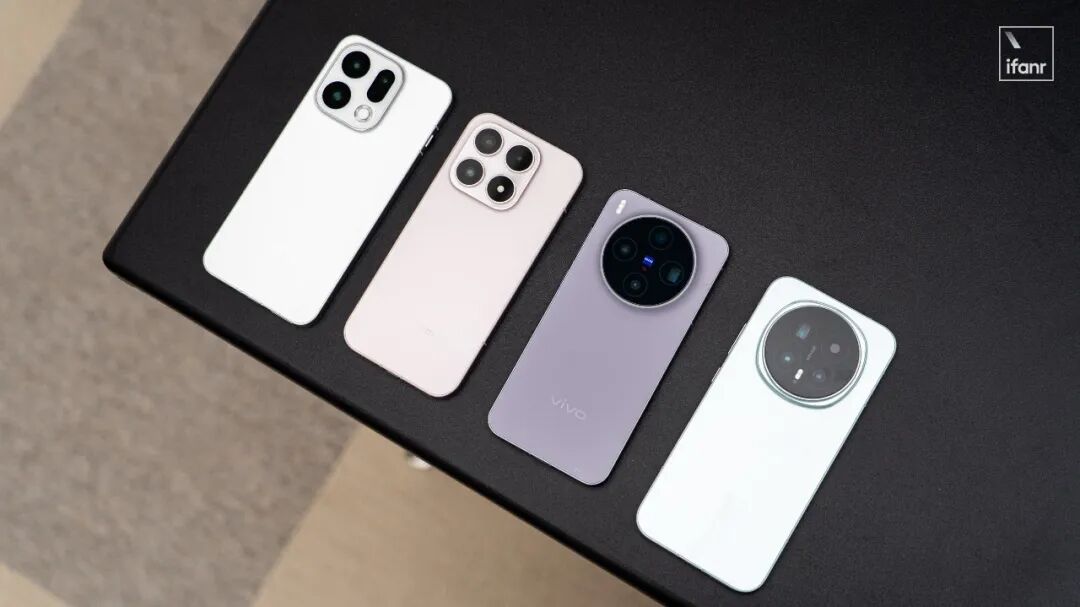
标准版的存在感之战,「荣米OV」四大金刚标准版横评
3 6 Ke· 2025-11-10 07:56
Core Insights - The article discusses the performance and features of the latest standard version smartphones from various brands, highlighting a collective lack of excitement compared to previous years [1] - The standard versions are priced around 4500 yuan, making careful selection essential for consumers [1] Group 1: Smartphone Comparisons - The four main standard models compared are Xiaomi 17, vivo X300, OPPO Find X9, and Honor Magic 8, each showcasing unique features and specifications [1][4] - Xiaomi 17 and Honor Magic 8 utilize the Qualcomm Snapdragon 8 Elite Gen 5 processor, while OPPO Find X9 and vivo X300 use MediaTek's Dimensity 9500 [4] - Performance benchmarks show that the Dimensity 9500 lags behind Snapdragon 8 Elite Gen 5 in CPU single-core and multi-core scores, but GPU capabilities are comparable [5] Group 2: Design and Usability - The smartphones are categorized into two size groups: 6.3-inch models (Xiaomi 17 and vivo X300) and 6.6-inch models (OPPO Find X9 and Honor Magic 8), with the smaller models offering better handling but compromising on battery life [4][11] - The design of vivo X300 has evolved positively, featuring a clever slope design that minimizes the camera module's visual impact [8][10] - Xiaomi 17 is noted for its excellent hand feel, weighing 191 grams and featuring a smooth transition in its design [11] Group 3: Battery and Performance - The battery capacity of vivo X300 is 6040mAh, the smallest among the four, while Xiaomi 17 boasts a 7000mAh battery, providing longer daily usage [11] - Both Xiaomi 17 and vivo X300 face challenges with screen brightness in outdoor conditions, affecting usability [12] Group 4: Software and AI Features - The software experience varies, with Xiaomi's 澎湃 OS 3 showing significant improvements in fluidity and animation compared to previous versions [24][26] - OPPO's ColorOS 16 is praised for its usability and fluidity, while Honor's MagicOS 10 has some usability issues that detract from the overall experience [30][31] Group 5: Camera and Imaging Capabilities - vivo X300 features a 200MP main camera, providing superior detail and image quality compared to its competitors [50] - OPPO Find X9 excels in low-light photography, balancing brightness and detail effectively [52] - Xiaomi 17's camera performance is described as decent but struggles with high dynamic range situations [73] Group 6: Market Positioning and Consumer Insights - The article suggests that the standard versions of smartphones should provide a flagship experience without being perceived as "cut-down" versions [87] - The target demographic for standard versions includes new university students and young professionals seeking value without excessive costs [87]