
宇树科技

Search documents
北交所科技成长产业跟踪第六十期(20260118):马年春晚人形机器人将再度亮相,关注北交所人形机器人产业链标的
Hua Yuan Zheng Quan· 2026-01-19 04:37
Group 1 - The humanoid robot industry is accelerating its commercialization process, with core component markets poised for growth opportunities [7][18] - The total global shipment of humanoid robots is expected to reach 13,318 units by 2025, with Chinese manufacturers leading in production and market share [18][19] - Key companies in the North Exchange related to the humanoid robot industry include Kaite Co., which is developing electronic mechanical brake sensors and other products, and Dingzhi Technology, which is focusing on various motor technologies [30][33] Group 2 - The median price-to-earnings (P/E) ratio for the information technology industry has increased by 6.76% to 77.8X, indicating a positive trend in valuation [39][54] - The median market capitalization for electronic device companies on the North Exchange has decreased slightly from 24.8 billion to 24.0 billion, despite an increase in the median P/E ratio [41][45] - The median P/E ratio for the mechanical equipment industry has risen from 43.6X to 43.9X, reflecting a stable valuation environment [46][49] Group 3 - The North Exchange's technology growth stocks saw a median price change of +1.89%, with 77% of companies experiencing an increase in stock prices during the observed period [34][36] - Notable stock performers include Yinen Power, which increased by 33.47%, and Liujin Technology, which rose by 33.20% [37][38] - The automotive industry on the North Exchange has also seen a rise in median P/E ratio from 31.9X to 33.6X, with a total market capitalization increase to 590 billion [60][62]
Optimus将至,周末再现重磅资讯!
Robot猎场备忘录· 2026-01-19 04:10
Core Viewpoint - The upcoming release of Optimus V3 is generating significant positive sentiment in the T-chain sector, with various favorable developments and communications from key companies in North America [2][3][4]. Group 1: Industry Developments - The humanoid robot industry is experiencing renewed interest, particularly with the announcement that humanoid robots will appear on the Spring Festival Gala, which has sparked excitement among investors [4][6]. - Last year's debut of the humanoid robot "Yush" at the Spring Festival Gala led to a surge in market interest, but the current sentiment may not sustain the same level of enthusiasm due to the novelty wearing off [5][6]. Group 2: T-Chain Company Updates - Several T-chain companies are making progress in their communications and developments related to T products, with one electronic skin core company (R) successfully communicating in North America and expanding its T product offerings [7][8]. - A lightweight core company (F) has seen significant stock performance, achieving a limit-up (20% increase) after positive developments in North America [7][8]. - The T-chain companies that have communicated successfully in North America are showing promising stock performance, indicating a strong market interest in these developments [8][9]. Group 3: Market Sentiment and Future Outlook - The recent positive market movements are attributed to the anticipation surrounding the Optimus V3 release and the successful communications of T-chain companies, suggesting a potential shift towards a stronger market phase [3][10]. - The focus on T-chain companies that have engaged in North American communications is expected to continue, with more companies likely to emerge as key players in the market [10][12].


2025商用具身智能白皮书
艾瑞咨询· 2026-01-19 00:06
Core Insights - Embodied intelligence has gained significant traction globally, with Figure achieving a valuation of $39 billion despite zero revenue, while domestic players are securing commercial orders and projecting substantial revenue growth [1][4] - The Chinese market is integrating embodied intelligence into its strategic development plans, indicating a shift towards a trillion-dollar market landscape [1][9] Definition and Understanding - Embodied intelligence is recognized as a crucial development direction in artificial intelligence, characterized by agents that interact with their environment through a closed-loop of perception, understanding, decision-making, and action [2] - It represents a convergence of machine learning, computer vision, and robotics, marking a significant step towards practical AI applications [2] Commercial Scene Classification - Different forms of embodied intelligence robots are evolving to meet diverse needs across retail, dining, manufacturing, logistics, education, and healthcare [4] - Commercial applications focus on enhancing service experiences and operational flexibility in dynamic environments, while industrial applications emphasize precision, load capacity, and stability [4] Strategic Significance - Embodied intelligence is pivotal in upgrading the technology industry and fostering new sectors, contributing to the collaborative innovation of advanced components like chips and sensors [6] - The competition between China and the U.S. in this field is critical for economic benefits and national competitiveness, positioning it as a key battleground for the next decade [6] Policy Incentives - The Chinese government is actively promoting the development of embodied intelligence through various policies, funding, and standardization efforts [9] - Local governments are also implementing plans and initiatives to support the industry, including establishing funds for humanoid robots and fostering collaboration [9] Development Stages - The evolution of embodied intelligence can be divided into three phases: conceptual development from the 1950s, a technology accumulation phase from 2000 to 2020, and an application expansion phase post-2020 [11] - The U.S. has a head start due to its computational resources and capital ecosystem, while China is rapidly catching up through policy support and industry collaboration [11] Bottlenecks and Challenges - The industry faces significant challenges, including data collection difficulties, high costs of core components, and the need for improved training efficiency [13][16] - The lack of high-quality, real-world data and the immaturity of certain technologies are major constraints on large-scale commercialization [13] Data Acquisition and Breakthroughs - Current data acquisition methods include remote operation, simulation, motion capture, and internet video, but high-quality data remains scarce [16] - Efforts are underway to alleviate data challenges through innovative solutions like "world models" and data collection training grounds [19] Model Evolution - The VLA model is emerging as a consensus for development, integrating large language model reasoning with real-world perception and action capabilities [21] - This evolution is expected to lead to a significant leap in embodied intelligence capabilities, akin to the breakthroughs seen with large language models [21] Commercialization Trends - The commercialization of embodied intelligence is progressing through various application scenarios, with initial focus on low-complexity, high-ROI environments [31] - The industry is transitioning from hardware sales to service subscription models, indicating a shift towards more integrated business approaches [35] Global Market Predictions - The global market for embodied intelligence is projected to reach 19.2 billion RMB by 2025, with a compound annual growth rate of 73% over the next five years [46] - China's market is expected to experience significant growth, potentially exceeding 280 billion RMB by 2035, driven by a robust industrial ecosystem [50] International Expansion - Chinese companies are accelerating their international presence, moving from core capabilities to localized applications in global markets [53] - Successful case studies highlight the feasibility of Chinese embodied intelligence in meeting high international standards [53] Competitive Landscape - The competition in embodied intelligence features three main players: AI-native challengers like Figure, traditional industrial players like ABB, and cross-industry giants like Tesla [55] - The market is showing signs of product homogenization, suggesting an impending consolidation phase as competition intensifies [57] Startup Strategies - Startups must leverage their agility and innovation to survive against established giants, focusing on strategic partnerships and long-term value creation [59]

明日主题前瞻机器人从“能动”到“好用”,训练数据成为制约行业发展的关键瓶颈
Xin Lang Cai Jing· 2026-01-18 12:17
Group 1: Robotics and Data Training - The collaboration between Hubei Humanoid Robot Innovation Center and Zhiyuan Robotics marks the first specialized and customized data transaction for humanoid robots in China, delivering thousands of hours of training data [1] - The industry recognizes that high-quality training data is a critical bottleneck for the development of humanoid robots, with a significant amount of data required for training simple actions [2] - Companies are actively building data collection factories and standardized data set platforms to provide essential data for embodied intelligent robots [2] Group 2: Semiconductor and Storage Industry - Concerns are rising over potential supply shortages of high-speed SSD controller chips due to a shortage of glass fiber cloth, which may impact consumer electronics shipments in 2026 [4] - The demand for NAND Flash and SSDs is expected to grow rapidly, driven by AI applications, as active data usage increases [4] - TSMC reported a record profit for Q4 2025 and raised its capital expenditure guidance for 2026 to between $52 billion and $56 billion, indicating a significant increase in demand for AI chip production [7] Group 3: Memory Market Dynamics - DDR5 memory prices have surged over 300% since September 2025, driven by the high demand from AI servers, which require significantly more memory than standard servers [9] - The storage market is entering a "super bull market," with demand for memory products rising sharply due to AI applications [9] - Companies like Lianqi Technology are positioned as leading suppliers in high-bandwidth memory interconnects, benefiting from the rapid evolution of DDR5 technology [10] Group 4: Packaging and Interconnect Technologies - The lead frame products are evolving towards high-end and diversified solutions to meet the increasing performance demands from industries like AI and 5G [11] - Companies such as Xin Heng focus on high-end etched lead frame products for various applications, including consumer electronics and automotive electronics [12] - The semiconductor packaging equipment market is also advancing, with companies like Keg Precision Machinery developing automated equipment for semiconductor packaging processes [12] Group 5: Humanoid Robot Market Growth - The humanoid robot market is experiencing explosive growth, with the top five manufacturers capturing 73% of the market share, led by Zhiyuan Robotics with a 31% share [13] - The market size for humanoid robots is projected to grow from $2 billion to $3 billion currently to $25 billion by 2030, with optimistic scenarios suggesting it could reach $200 billion by 2035 [13] - Companies like Fulei New Materials are receiving bulk orders for flexible sensors and tactile perception systems from humanoid robot manufacturers [14]


从LED到AI,春晚科技秀如何为文化赋能
Yang Zi Wan Bao Wang· 2026-01-18 11:22
Core Viewpoint - The integration of technology in the Spring Festival Gala reflects the dual projection of technological waves and the preservation of cultural spirit, with a focus on how technology can empower culture [1] Group 1: Technological Evolution in the Spring Festival Gala - The Spring Festival Gala has historically served as a testing ground for cutting-edge technologies, evolving from the introduction of LED screens in 1993 to the use of XR and 8K technologies in recent years [2] - The 2026 Gala is expected to showcase AI, AR, and XR technologies, continuing the tradition of technological innovation while enhancing cultural expression [2][3] - The application of these technologies not only enhances the Gala but also accelerates the digital transformation of the cultural industry, providing a reference model for other sectors [2] Group 2: Cultural Significance and Emotional Connection - Technology is portrayed as a medium for conveying emotions and values, with past Gals incorporating AI and AR to enrich the audience's experience of traditional culture [3] - The upcoming Gala aims to blend the cultural symbolism of the Year of the Horse with technological means, using AR to recreate dynamic scenes and enhance the artistic expression of traditional performances [3][4] - The balance between technological advancement and cultural depth is emphasized, ensuring that cultural works maintain emotional richness and spiritual significance [4]

人形机器人的淘汰赛:“一些公司已经不行了”
Di Yi Cai Jing Zi Xun· 2026-01-18 09:51
Core Insights - The humanoid robot industry in China is expected to undergo significant consolidation by 2026, with many companies likely to be eliminated due to a lack of commercialization capabilities and financing [2][8][9] - The current bottleneck for humanoid robots is the "brain" technology, which needs to advance before the industry can experience a breakthrough similar to the "electric vehicle moment" [2][12][14] Group 1: Industry Overview - There are over 100 humanoid robot companies in China, with significant differentiation emerging after three years of development [2][4] - The investment enthusiasm in the robotics sector has been high, with 190 financing events totaling 27 billion RMB in 2025 [4] - The customer base for humanoid robots is shifting from academic institutions to industrial enterprises, indicating a growing acceptance and market expansion [5][12] Group 2: Market Dynamics - By 2025, the global shipment of humanoid robots is projected to reach approximately 13,000 units, with a conservative estimate of 30,000 units by 2026 [11] - The market for humanoid robots could potentially reach between 1.4 trillion to 1.7 trillion USD by 2050, but the industry is still in its early stages [12] - The competition among humanoid robot companies is likened to the "battle of the hundred groups" in the food delivery market, with only a few companies expected to survive [8] Group 3: Company Performance - The first-tier companies, such as Ubiquity Robotics, have received significant orders and are preparing for IPOs, while second-tier companies face more challenges [7][9] - First-tier companies have accumulated orders close to 1 billion, while second-tier companies have orders in the low hundreds of millions [7] - Companies that have not secured commercial orders or have faced financing difficulties are at risk of failing [9] Group 4: Technological Challenges - The development of humanoid robots is hindered by the lack of high-quality data and suitable AI models for their "brains" [13] - Current humanoid robot companies primarily rely on existing models that are not specifically designed for their needs, limiting their development capabilities [13] - The expectation is that the breakthrough in humanoid robot technology will not occur within the next five years, as the "electric vehicle moment" is still distant [14]
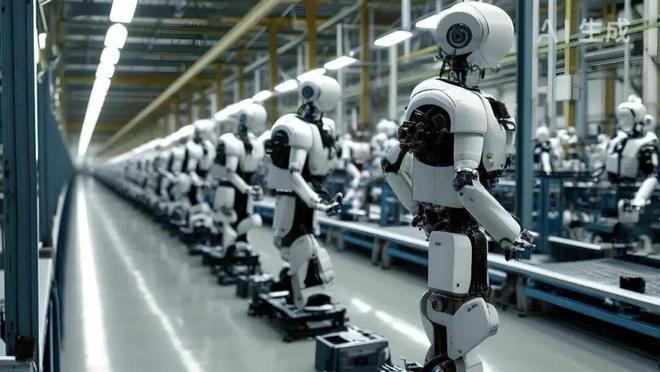
人形机器人的淘汰赛:“一些公司已经不行了”
第一财经· 2026-01-18 09:44
Core Viewpoint - The humanoid robot industry in China is experiencing significant differentiation, with leading companies accumulating more financing and commercial orders, while those lacking commercialization capabilities face potential elimination [3][5][7]. Group 1: Industry Overview - As of now, there are over 100 humanoid robot companies in China, with the market seeing a surge in investment and financing events, totaling 27 billion RMB in 2025 [5]. - The customer base for humanoid robots is shifting from academic institutions to industrial enterprises, indicating a growing acceptance and demand for these robots in practical applications [6][7]. Group 2: Market Dynamics - The first-tier humanoid robot companies, such as Yushun and Zhiyuan, are distinguished by their significant order volumes, with some nearing unicorn status, while second-tier companies face challenges in securing financing and commercial orders [7][9]. - The competition among humanoid robot companies is likened to the "battle of a hundred groups" in the food delivery market, suggesting that many companies may not survive due to high investment requirements and technological barriers [8]. Group 3: Technological Challenges - The primary bottleneck for humanoid robots is the development of their "brain," which is crucial for their functionality and intelligence [12][14]. - Current humanoid robots rely on general AI models that are not specifically designed for their needs, limiting their development potential [13]. Group 4: Future Projections - UBS estimates that global humanoid robot shipments will reach approximately 30,000 units in 2026, with a more conservative outlook compared to other institutions [11]. - The potential market for humanoid robots could reach between 1.4 trillion to 1.7 trillion USD by 2050, encompassing various components and services [11].
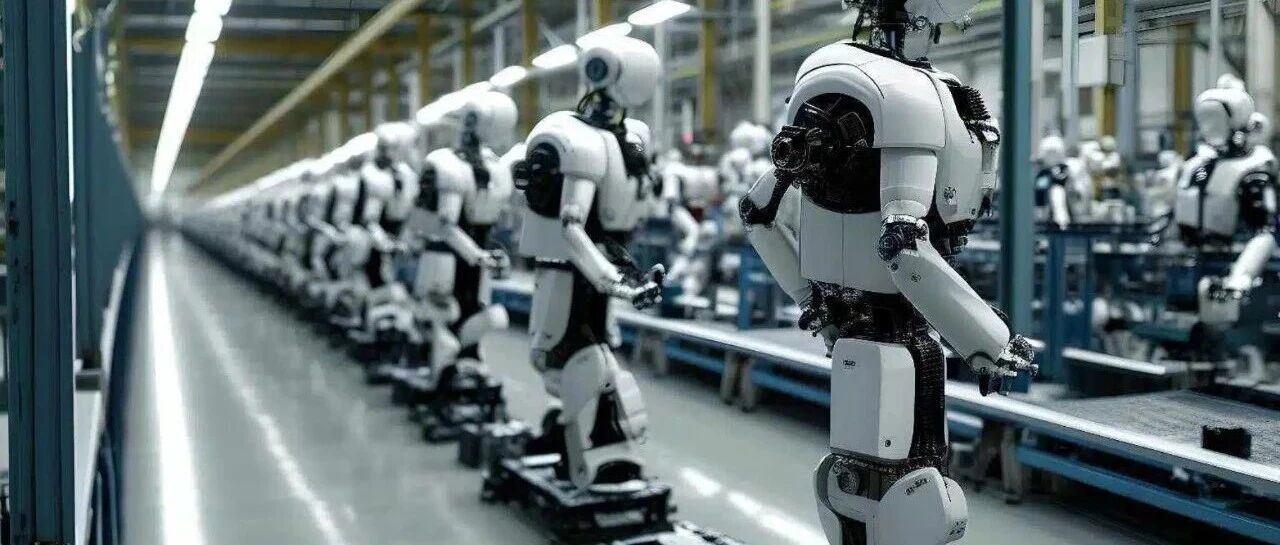
巨星传奇:预计四足机器人产品将于今年第一季度前量产
Zheng Quan Shi Bao Wang· 2026-01-18 07:26
Group 1 - The company announced a sales contract for quadruped robots with an independent third party, expected to reach mass production by Q1 2026 [1] - The quadruped robot integrates popular IP designs, aiming to attract enthusiasts and collectors due to its stylish aesthetics and collectible value [1] - The sales contract includes a clause that exempts both parties from penalties or compensation if mass production is not achieved on time, allowing for flexible risk management [1] Group 2 - The company plans to establish a joint venture responsible for the sales, operation, and promotion of consumer-grade IP robots, including emotional companion quadruped robots and humanoid robots [2] - The potential products are designed to enhance user engagement through unique and advanced features, responding to touch and voice inputs, and adapting to user preferences [2] - The company clarified that no formal agreement has been signed with Galaxy Corporation regarding the joint venture, although it holds a 16% limited partnership interest in a fund that has stakes in Galaxy [2] Group 3 - A collaboration with Galaxy is anticipated to deepen the integration of IP, AI, and robotics, with plans to establish Galaxy China for market expansion [3] - The company has formed a joint venture with Yuzhu Technology, focusing on IP robots and smart hardware, aiming to create a closed ecosystem of "content + smart hardware + new retail" [3] - The strategic shift from being an "IP creator and operator" to a "disseminator of happiness" is expected to enhance the company's core competitiveness by providing comprehensive experiences that fans can perceive, participate in, and share [3]
人形机器人的2026:落地和出清会同时到来 | 海斌访谈
Di Yi Cai Jing· 2026-01-18 06:40
Core Insights - The main bottleneck for humanoid robots is their "brain," and breakthroughs in this area are necessary for the industry to reach its "electric vehicle moment" [1][10] - By 2026, it is anticipated that some humanoid robot companies will be eliminated due to a lack of commercialization capabilities and financing [1][5] Industry Overview - China currently has over 100 humanoid robot companies, with significant differentiation emerging among them over the past three years [1][3] - The market for humanoid robots has been buoyed by the enthusiasm for multimodal large model technologies, with a total of 190 financing events and a scale of 27 billion RMB in 2025 [3] - The customer base for humanoid robots is shifting from academic institutions to industrial enterprises, indicating a move from laboratory settings to practical applications [3][4] Market Dynamics - In 2025, the global shipment of humanoid robots is expected to reach approximately 13,000 units, with a conservative estimate of 30,000 units by 2026 [9][8] - The first-tier companies in the humanoid robot sector are seeing significant orders, with some nearing unicorn status, while second-tier companies face more challenges [5][6] - The competition landscape is compared to the "battle of the hundred groups" in the food delivery market, suggesting that only a few companies will survive in the humanoid robot sector [6] Technological Challenges - The development of humanoid robots is hindered by the immaturity of hardware components and the lack of suitable AI large models [10] - The "brain" of humanoid robots requires high-quality data for training, which is currently limited [10] - Companies are focusing on developing the "small brain" for motion control, as they lack the resources to develop large models independently [10] Future Projections - The humanoid robot market is expected to grow significantly, with potential market sizes reaching between 1.4 trillion to 1.7 trillion USD by 2050 [9] - The industry is still in its early stages, and a breakthrough in the "brain" technology is essential for the market to mature [10][11] - By 2035, global shipments of humanoid robots could reach 1 million units, primarily in industrial and service sectors, with challenges remaining for household applications [11]
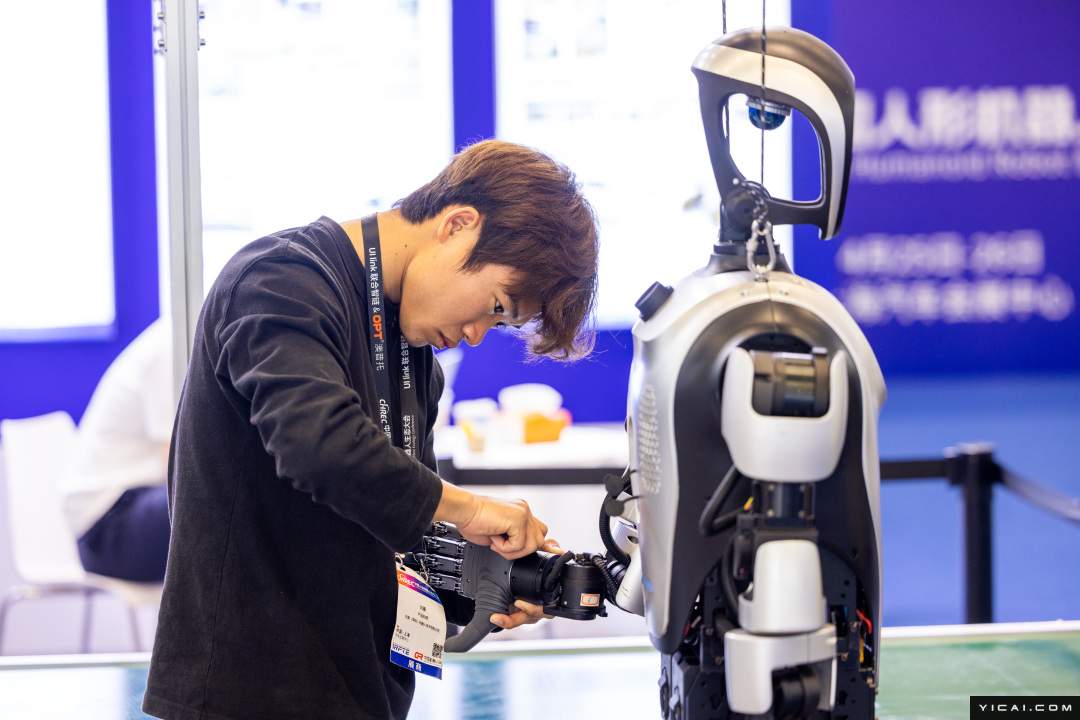
机器人租赁风口下,保险能否筑牢安全防线?
Cai Jing Wang· 2026-01-18 05:14
Core Insights - The article emphasizes that robot insurance is not only a risk transfer tool but also a "connector" and "stabilizer" for the robot industry ecosystem, supporting China's ambition to become a global leader in robotics through financial and technological innovation [1] Group 1: Market Dynamics - The rapid growth of the robot leasing market is driven by technological advancements and market demand, with the domestic robot leasing market expected to exceed 1 billion yuan by 2025 [2] - Shanghai has launched the first national robot leasing open platform, aiming to have over 10 manufacturers and 200 service providers by 2026, serving over 400,000 leasing customers [2] - The rental prices for robots have decreased significantly, making them more accessible to small and medium-sized enterprises [2] Group 2: Insurance Demand - The risks associated with robot operations, such as damage and third-party injuries, have led to a strong demand for insurance, with platforms requiring every robot to be insured [3][5] - Major insurance companies are actively developing robot insurance products, including comprehensive coverage for damage and third-party liability [4][5] Group 3: Industry Challenges - The robot insurance market faces challenges such as data barriers, difficulty in risk assessment, and complex liability definitions [7] - The unpredictable nature of robot behavior complicates traditional actuarial models, necessitating the development of dynamic pricing models using real-time data [7][8] Group 4: Future Outlook - The insurance industry is expected to evolve from simple risk compensation to comprehensive risk management, becoming a key infrastructure for connecting technological innovation with commercial applications [8] - Policy guidance and industry collaboration are crucial for addressing existing challenges, with suggestions for modular insurance policies and collaborative data collection to enhance risk assessment [8]

