
京投发展

Search documents
国资出手:上海黄金地段五星级酒店,被“0元”买走了
Xin Lang Cai Jing· 2026-01-09 09:00
Core Viewpoint - Beijing state-owned enterprise Jingtou Development acquired a 100% stake in Shanghai Lishi Hotel Co., Ltd., which operates the Andaz Hotel in Shanghai, through a "0 yuan purchase" strategy, indicating a significant shift in ownership and control of the asset [5][18][20]. Group 1: Acquisition Details - Jingtou Development announced the acquisition of a 45% stake in Shanghai Lishi for 0 yuan and the purchase of 350 million yuan in debt from another company, making Shanghai Lishi a wholly-owned subsidiary [5][18]. - The Andaz Hotel, located in Shanghai's Huangpu District, is a five-star hotel operated by Hyatt and was the first Andaz brand hotel in Asia [5][18]. - The acquisition reflects a combination of "0 yuan equity + discounted debt + interest-free loans" [7][22]. Group 2: Financial Performance - As of December 31, 2024, Shanghai Lishi had total assets of 860 million yuan, total liabilities of 2.512 billion yuan, and a net asset value of -165 million yuan, indicating significant financial distress [10][25]. - By August 31, 2025, total assets decreased to 815 million yuan, while total liabilities increased to 2.526 billion yuan, resulting in a net asset value of -171 million yuan [10][25]. - The hotel reported an operating income of 1.81 billion yuan in 2024, with a net loss of 103 million yuan, and for the first eight months of 2025, it generated 1.09 billion yuan in revenue with a net loss of 59 million yuan [10][25]. Group 3: Market Context and Implications - The acquisition is seen as part of a broader trend in the hotel asset market, where state-owned investors are more suited to manage high-leverage, long-term assets compared to traditional real estate firms [29][30]. - The current market environment presents a unique opportunity for state-owned enterprises to acquire quality real estate assets, but the focus will shift from merely acquiring to effectively managing these assets [30].


新天地安达仕酒店0元易主,上海全年已完成75笔大宗交易
Hua Xia Shi Bao· 2026-01-08 13:20
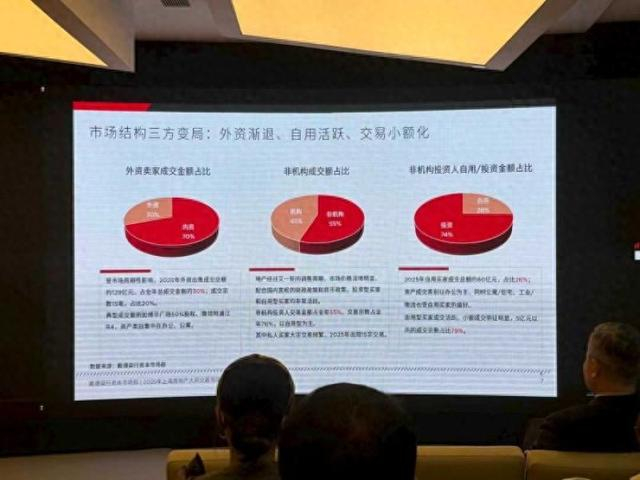
Core Viewpoint - The "0 yuan acquisition" of the Andaz Hotel in Shanghai by Hyatt Group highlights the increasing activity in the Shanghai real estate bulk transaction market, with expectations for further growth in 2026 due to favorable policies and liquidity from REITs expansion [2][5]. Group 1: Transaction Details - The Andaz Hotel's owner, Shanghai Lishi Hotel Co., has a net asset of -1.71 billion yuan and liabilities exceeding 2.52 billion yuan, which are key reasons for the 0 yuan equity transfer [2][3]. - In December 2025, Beijing-based Jingtou Development signed an agreement to acquire 100% of Shanghai Lishi, including a 0 yuan acquisition of 45% equity and a 35 million yuan purchase of debt [3][4]. - Shanghai Lishi was established in 2017 with a registered capital of over 580 million yuan and is located at the site of the Andaz Hotel, which has 307 luxury rooms [3][4]. Group 2: Market Overview - In 2025, the Shanghai real estate bulk transaction market recorded 75 transactions totaling 42.4 billion yuan, showing signs of stabilization after four years of decline [5][6]. - The average transaction price in the bulk market was approximately 560 million yuan, with small transactions (below 300 million yuan) making up over 50% of the total [5][6]. - Domestic buyers accounted for 97% of transaction value, while foreign buyers were active as sellers, completing transactions worth about 12.9 billion yuan [6]. Group 3: Future Outlook - The market is expected to benefit from continued fiscal and monetary policy easing, which will provide financing advantages to domestic investment entities [6][7]. - The expansion of public REITs is anticipated to enhance the exit and revitalization channels for existing assets, particularly in the hotel and premium office sectors [6][7]. - Transactions involving stable, small-scale assets under 300 million yuan are projected to dominate the market in 2026, reflecting a shift in investment logic towards deeper operational and value enhancement strategies [7].
董责险走热:1700多家上市公司投保,理赔有多少?
经济观察报· 2026-01-08 12:16
Core Viewpoint - The implementation of the new Securities Law and the increase in civil liability cases have heightened the awareness and necessity of Directors and Officers Liability Insurance (D&O Insurance) among A-share listed companies, with the insurance coverage rate expected to rise from 12% in 2020 to 32% by 2025 [1][2]. Group 1: D&O Insurance Market Trends - By the end of 2025, the number of listed companies that purchased D&O Insurance reached 1,753, with a market penetration rate increasing from 28% in 2024 to 32% [2]. - In 2025, 643 A-share listed companies announced plans to purchase D&O Insurance, a year-on-year increase of 19% [5]. - The average D&O Insurance premium rate has decreased to below 0.05% by the end of 2025, indicating a "rate trough" in the market [15][16]. Group 2: Industry and Company Insights - The highest D&O Insurance penetration rates are found in the real estate and electricity sectors, exceeding 60%, reflecting a correlation between industry risk and insurance demand [6]. - Companies with assets over 50 billion yuan have a D&O Insurance purchase rate of 68%, significantly higher than the 20% rate for companies with assets below 2 billion yuan [6]. - Private enterprises account for nearly 60% of new D&O Insurance purchases in 2025, but state-owned enterprises have the highest penetration rates [7]. Group 3: Legal and Regulatory Impact - The new Securities Law and Company Law have established a legal foundation for the proliferation of D&O Insurance, with high-profile cases like the Kangmei Pharmaceutical scandal driving increased awareness and adoption [11]. - The number of companies facing administrative investigations has risen significantly since 2020, with 366 companies having received warning letters after previously purchasing D&O Insurance [11][12]. - The long-tail effect of D&O Insurance claims means that while regulatory scrutiny and potential lawsuits are increasing, large-scale payouts have not yet fully materialized [16].


2025年上海大宗交易成交金额97%被内资包揽
Guan Cha Zhe Wang· 2026-01-08 08:29
Core Insights - The Shanghai bulk trading market has experienced a continuous decline in transaction value for four consecutive years, with a reported total of 424 billion yuan in 2025, reflecting a year-on-year decrease of approximately 40% [1] - The fourth quarter of 2025 saw a further decline, with only 67 billion yuan in transactions, marking a 63% year-on-year drop and a 57% quarter-on-quarter decrease [1] Market Performance - The average transaction price in the Shanghai bulk market fell to approximately 5.6 billion yuan, with the fourth quarter dropping to 4.8 billion yuan [1] - More than 50% of transactions in 2025 were below 3 billion yuan, indicating a shift towards lower-value deals [1] Property Type Analysis - Office and research office properties remained the most popular, accounting for 185 billion yuan or 43.6% of the total market [2] - The commercial sector held a 16.6% transaction share, slightly higher than the apartment and residential sectors at 16.5% [2] - The hotel sector accounted for 5% of transactions, with notable deals including the "zero-dollar acquisition" of the Andaz Hotel in Shanghai [2][3] Buyer Composition - Domestic buyers dominated the market, accounting for 97% of transaction value, while foreign buyers completed only three acquisitions but sold assets totaling approximately 129 billion yuan [3] - Self-use buyers emerged as a significant market force, contributing around 60 billion yuan or 26% of total transactions, primarily from sectors like finance, TMT, and consumer [7] Market Trends and Future Outlook - The market is witnessing an increase in judicial auction transactions, which accounted for a quarter of total deals, reflecting underlying debt pressures on certain assets [7] - There are currently 140 billion yuan in bulk transactions at the draft stage, expected to close in the first half of 2026, with a focus on stable, smaller-scale transactions [8] - The expansion of public REITs in sectors like hotels and quality office spaces is anticipated to enhance exit and revitalization channels for existing assets in 2026 [8]

从檀谷到城市理想 京投发展解锁新型社区可持续运营密码
Bei Jing Wan Bao· 2026-01-08 06:47
从"造房子"到"造生活" 檀谷Tanko坐落于西山脚下、潭柘寺旁,由京投发展整体开发运营。项目所在地拥有得天独厚的自然与 文化禀赋——西山层峦叠翠,潭柘寺千年古韵沉淀。然而在项目初期,即便拥有优越的自然与人文底 色,檀谷也曾面临行业转型的挑战——当"好房子"的内涵正从单一的物理空间,全面延伸至社区环境、 周边配套、个性服务等多方面的体验,如何满足用户对美好生活方式的深层期待? 当房地产市场供求关系发生重大变化,行业发展逻辑从"增量拉动"转向"存量带动"。人们对居住品质的 期待也愈发多元,不再局限于物理空间本身,更追求丰富的生活体验与情感归属。在这样的趋势下,京 投发展以京西潭柘寺旁的檀谷为实践载体,展开了一场关于社区开发与运营的深度探索。 通过构建"房地产开发+物业+商管"三方协同的创新模式,檀谷成功打通了社区从"建成"到"成长"的可持 续发展路径,为新型社区运营提供了鲜活样本。 从"建成"到"成长" 社群的生命力,藏在长期运营的细节里。檀谷的独特魅力,正源于三方协同模式下的"自我造血"与"自 我生长"能力。 檀谷一期商业总体量近2万平方米,现已引入近40家高品质商业,其中包括14家全国首店、12家北京首 店 ...
酒店资产,游走在“0元购”和“买方窗口期”之间
Xin Hua Cai Jing· 2026-01-07 12:12
Core Viewpoint - The acquisition of the Andaz Hotel in Shanghai by Beijing state-owned enterprise Jingtou Development through a "zero-cost purchase" reflects the changing dynamics of the Chinese hotel industry, highlighting the exit of foreign capital and the rise of domestic investors focusing on smaller, high-quality assets [1][7]. Group 1: Acquisition Details - The Andaz Hotel, which has changed ownership multiple times since its opening, was acquired by Jingtou Development in a deal that involved taking over 45% of the shares for zero cost and acquiring debt worth approximately 209 million yuan [2][3]. - Jingtou Development's acquisition strategy is characterized as a combination of "zero-cost equity, discounted debt, and interest-free loans," indicating a method of acquiring assets while assuming existing liabilities [3]. Group 2: Financial Performance - As of September 30, 2025, the Andaz Hotel's total assets were approximately 810 million yuan, with total liabilities reaching 2.528 billion yuan, resulting in a net asset value of -171.82 million yuan [6]. - The hotel's revenue for the first nine months of 2025 was approximately 127.21 million yuan, with a net loss of about 67.17 million yuan [4]. Group 3: Market Trends - The acquisition of the Andaz Hotel is indicative of a broader trend where foreign investors are exiting the hotel asset market, while domestic investors, particularly state-owned enterprises, are stepping in to stabilize the market [7][8]. - The focus of domestic investors has shifted towards stable returns rather than aggressive expansion, with a growing interest in smaller boutique hotels that offer better cash flow stability [8][9]. Group 4: Investment Opportunities - The trend towards "small and beautiful" hotel assets is gaining traction, with smaller transactions under 300 million yuan becoming the norm in the market, as these assets are perceived to have lower risk and higher liquidity [9][10]. - Investors are advised to target assets with unique competitive advantages, such as prime locations and strong brand influence, which can provide certainty in uncertain market conditions [10].
地产经纬丨酒店资产,游走在“0元购”和“买方窗口期”之间
Xin Hua Cai Jing· 2026-01-07 12:03
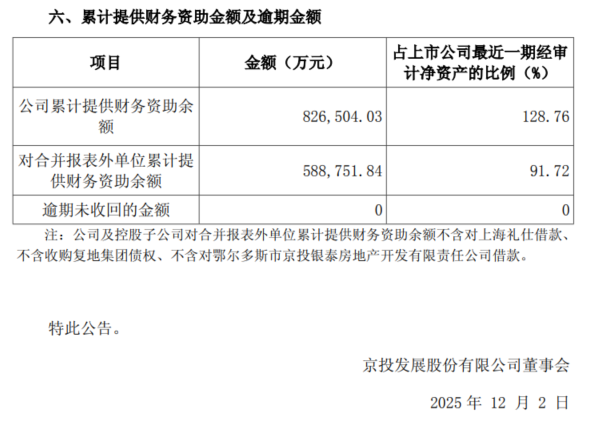
Core Viewpoint - The acquisition of the Andaz Hotel in Shanghai by Beijing state-owned enterprise Jingtou Development through a "0 yuan purchase" reflects a significant shift in the investment landscape of China's hotel industry, highlighting the exit of foreign capital and the rise of domestic investors focusing on smaller, high-quality assets [1][9]. Group 1: Acquisition Details - The Andaz Hotel, which has changed ownership multiple times since its opening, was initially developed under a plan by Chinese-American entrepreneur Liao Kaiyuan and later operated by Hyatt after being acquired by Hong Kong's Swire Properties [2][4]. - Jingtou Development acquired a 100% stake in Shanghai Lishi (the operating entity of the Andaz Hotel) through a combination of "0 yuan equity, discounted debt, and interest-free loans," effectively taking on the hotel's liabilities [4][10]. Group 2: Financial Situation - As of September 30, 2025, Shanghai Lishi reported total assets of 810 million yuan and total liabilities of 2.528 billion yuan, resulting in a net asset value of -171.82 million yuan, indicating severe financial distress [7][5]. - Jingtou Development has provided significant financial support to Shanghai Lishi, with cumulative financial assistance amounting to 826.50 million yuan, which is 128.76% of the company's latest audited net assets [5]. Group 3: Market Trends - The trend of foreign capital exiting the hotel asset market has been ongoing, with foreign hotel groups facing challenges such as slowing profit growth and increased competition in the high-end hotel sector [9][10]. - Domestic investors, particularly state-owned enterprises, are becoming the primary buyers in the hotel asset market, focusing on stable returns rather than aggressive expansion [10][11]. Group 4: Investment Preferences - The market is increasingly favoring "small and beautiful" hotel assets, which are typically boutique hotels with lower total prices, as they offer flexibility, lower investment costs, and quicker returns [11][12]. - Investors are advised to focus on assets with unique competitive advantages, such as prime locations and strong brand influence, to ensure value stability amid market uncertainties [12].

京投发展(600683) - 京投发展股份有限公司2026年第一次临时股东会(总第124次)会议资料
2026-01-07 11:30
京投发展股份有限公司 2026 年第一次临时股东会 (总第124 次) 会议资料 京投发展股份有限公司 2026 年第一次临时股东会 (总第 124 次)会议议程与议案表决办法 一、会议召集人:京投发展股份有限公司董事会 二、会议召开时间: (1)现场会议时间:2026年1月14日(星期三)下午14:00 中国 北京 二O二六年一月十四日 1 四、会议表决方式:会议采用现场投票和网络投票相结合的表决方式 (2)网络投票时间:采用上海证券交易所网络投票系统,通过交易系统投 票平台的投票时间为股东会召开当日的交易时间段,即9:15-9:25,9:30-11:30, 13:00-15:00;通过互联网投票平台的投票时间为股东会召开当日的9:15-15:00。 三、会议地点:北京市朝阳区建国门外大街2号银泰中心C座17层会议室 五、会议审议事项: 1、关于公司购买董责险的议案 2、关于修订公司《募集资金管理制度》的议案 3、关于修订公司《对外担保管理制度》的议案 六、表决办法: 1、现场投票表决办法 根据中国证监会《上市公司股东会规则》规定: (1)表决前由会议主持人宣布现场出席会议的股东和代理人人数及所持有 表决权 ...
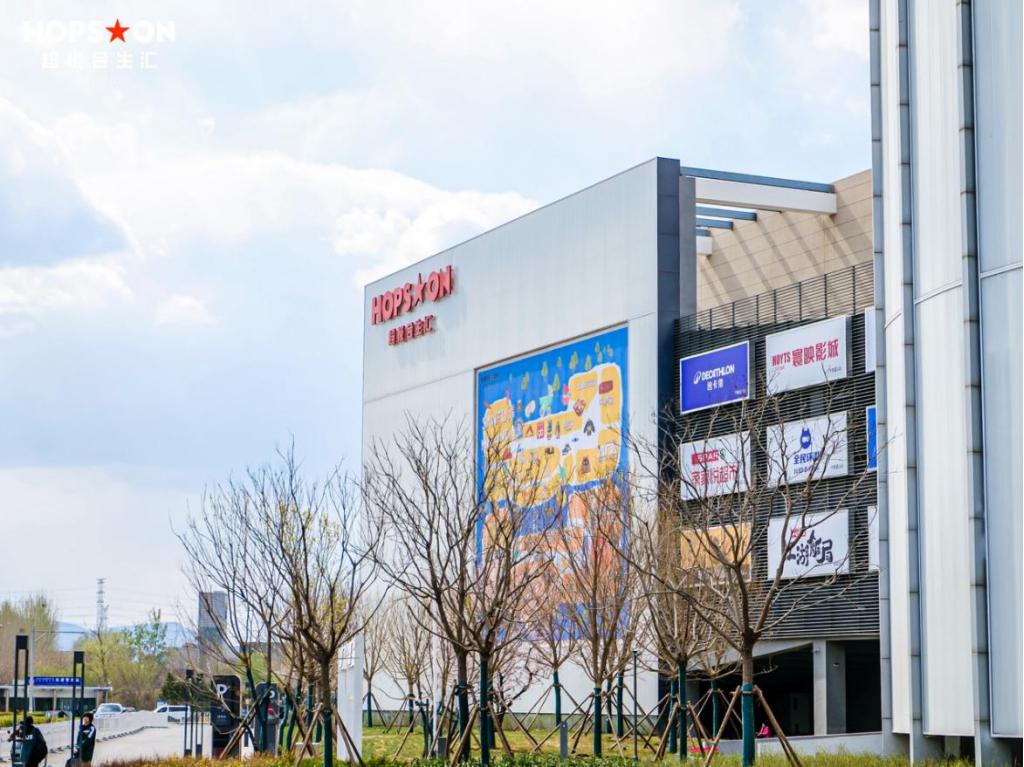
北京新开28家商场,谁最出圈?
3 6 Ke· 2026-01-07 02:50
Group 1 - The core viewpoint of the article highlights that Beijing's commercial landscape is transitioning from "incremental development" to "stock renewal and experience upgrade" driven by policies and market forces, with 28 new retail projects expected to open in 2025, totaling over 1.5 million square meters [1] - In 2025, Beijing's commercial market is experiencing a rapid reshuffle with new projects and renovations, supported by strong policy backing, leading to a vibrant commercial atmosphere [1][2] - The new projects entering the market include major operators such as China Overseas, Poly, and JD, alongside local enterprises, creating a synergistic effect [1] Group 2 - The distribution of new commercial projects in Beijing shows a trend towards smaller-scale developments, with two-thirds of new openings being under 50,000 square meters, which helps optimize regional consumption supply [2] - The article identifies three major trends in Beijing's commercial landscape for 2025: the unstoppable wave of urban renewal, the introduction of innovative new projects, and a strong local cultural identity embedded in the commercial offerings [3] - The transformation of existing commercial properties into vibrant spaces is gaining momentum, with significant renovations leading to successful new openings, such as the Super Extreme He Shenghui [4] Group 3 - The Beijing Friendship Store has undergone a significant renovation, blending historical architecture with modern commercial elements, becoming a new cultural landmark [5] - New commercial projects are emerging in previously underserved areas, enhancing the overall commercial supply and reducing regional disparities [8] - The "Bayli" international commercial entertainment complex, with an investment exceeding 10 billion yuan and a total development scale of nearly 500,000 square meters, is set to become a new consumption hub [11] Group 4 - The article emphasizes the importance of local culture in new commercial projects, with many developments integrating Beijing's cultural heritage into their design and offerings [14] - The second phase of the Longfu Temple Street project has expanded its offerings to include a diverse range of brands and experiences, enhancing the cultural experience of the area [16] - The second phase of Beijing Fang continues to focus on creating a "Chinese lifestyle experience area," catering to the preferences of younger consumers [18] Group 5 - In 2025, various favorable policies have been introduced to stimulate consumption and support the renewal and innovation of urban commercial spaces, including financial subsidies for quality improvement projects [20] - A series of promotional activities are planned for the New Year to enhance consumer engagement and showcase the unique cultural characteristics of Beijing [21] - The ongoing policy support is expected to drive quality upgrades in commercial spaces, injecting vitality into the urban commercial economy [21]
上海五星级酒店被“0元购”,是捡漏还是接盘?
Guan Cha Zhe Wang· 2026-01-05 11:51
Core Viewpoint - The acquisition of a 45% stake in Shanghai Lishi Hotel by Jingtou Development for 0 yuan reflects a significant shift in the high-end hotel market in China, highlighting the challenges faced by luxury hotels in maintaining profitability amidst structural market adjustments [1][6]. Company Summary - Jingtou Development has acquired the remaining 45% stake in Shanghai Lishi Hotel, making it a wholly-owned subsidiary, alongside taking over a debt of 209 million yuan from the previous owner [1]. - The core asset of Shanghai Lishi is the Andaz Hotel located in Shanghai's Huangpu District, which is operated by Hyatt Group and was the first Andaz hotel in Asia [1]. - Two years prior, Jingtou Development considered divesting its 55% stake in Shanghai Lishi, with a market valuation of 2.3 billion yuan, indicating a drastic change in valuation to a 0 yuan acquisition [3]. Financial Performance - As of December 31, 2024, Shanghai Lishi reported total assets of 860 million yuan, total liabilities of 2.512 billion yuan, and a net asset value of -1.651 billion yuan, with an annual revenue of 181 million yuan and a net loss of 103 million yuan [4]. - By August 31, 2025, the financial situation worsened, with total assets dropping to 815 million yuan, liabilities increasing to 2.526 billion yuan, and net assets further declining to -1.71 billion yuan, alongside a revenue of 109 million yuan and a net loss of 59 million yuan [4]. Industry Context - The high-end hotel market in mainland China is undergoing significant structural adjustments, with hotel transaction volumes dropping from approximately 15.179 billion yuan in 2024 to about 11.065 billion yuan in 2025, a decrease of 27.1% year-on-year [6]. - The decline in transaction volume is attributed to a reduction in high-profile investment opportunities and cash flow pressures faced by some owners, leading to lower asset prices and decreased transaction activity [6]. - Notable examples of distressed sales include the Chengdu Hilton International Hotel, which sold for about 500 million yuan after multiple failed auctions, and the Chongqing Beibei Banyan Tree, which sold for 81.81 million yuan after significant price reductions [6]. Market Implications - The "0 yuan acquisition" is characterized as a structural transaction where the seller offloads risk while the buyer assumes debt and restructuring responsibilities, indicating a shift in the perception of high-end hotel assets [7]. - Despite the overall market cooling, prime locations in major cities and certain resort hotels remain attractive to new investors and REITs, suggesting pockets of opportunity within the sector [7].
