大疆

Search documents
“扫地茅”石头科技去哪儿了
Xin Lang Cai Jing· 2026-02-11 11:13
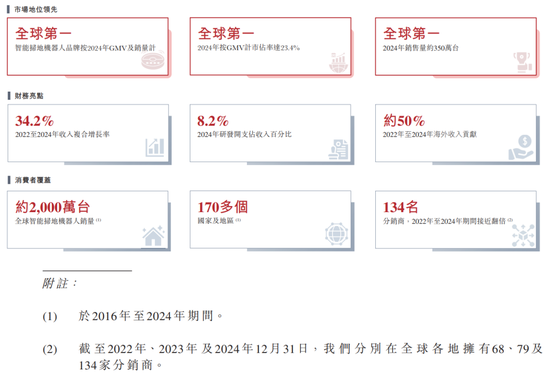
Core Viewpoint - The article discusses the challenges faced by Stone Technology, a leading player in the robotic vacuum market, as it attempts to regain its former glory while navigating increased competition and financial difficulties. Company Overview - Stone Technology, once valued at nearly 100 billion yuan with a peak stock price of 1494.99 yuan per share in 2021, has seen its market capitalization drop to 39.4 billion yuan, a decline of over 50% [3][4][26][27]. - The company is attempting to diversify its revenue streams by entering the washing machine market and exploring opportunities in the electric vehicle sector, but these efforts have not yet yielded significant results [5][28][39][40]. Market Position and Competition - In the global robotic vacuum market, Stone Technology is currently ranked second with a market share of 23.69%, closely trailing behind Ecovacs, which holds 24.8% [8][31]. - The competition is intensifying, with new entrants like DJI and traditional appliance giants such as Midea and Haier entering the market, leveraging their supply chain advantages [8][31]. Financial Performance - For the first three quarters of 2025, Stone Technology reported revenue exceeding 12 billion yuan, a year-on-year increase of 72%, but its net profit fell by nearly 30% [10][33]. - The company's cash flow from operating activities turned negative for the first time since 2020, with a net cash flow of -1.06 billion yuan [10][33]. Marketing and Brand Strategy - Stone Technology's high marketing expenses have been a significant burden, with sales costs reaching 3.18 billion yuan in the first three quarters of 2025, a 103% increase year-on-year [11][34]. - The company is considering high-profile marketing strategies, such as sponsoring the CCTV Spring Festival Gala, to enhance brand visibility and consumer recognition [14][37]. Future Prospects - The company is exploring advanced robotic technologies, as demonstrated at CES 2025, where it showcased a new robot capable of navigating complex environments [20][43]. - However, the transition to more advanced robotics presents challenges, including higher costs and increased competition, raising concerns about the company's ability to maintain its competitive edge [21][44].


深圳南山VS北京海淀:中国两大万亿强区,背后藏着“三位高人”
Qian Zhan Wang· 2026-02-11 10:47
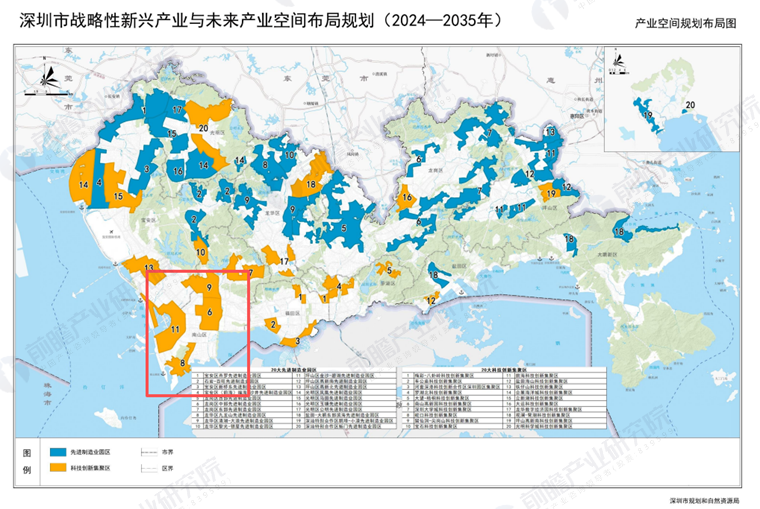
Core Insights - Shenzhen Nanshan District and Beijing Haidian District have both entered the "trillion GDP club," becoming leaders among county-level economies in China, with Nanshan expected to reach this milestone by 2025 [1] - The article analyzes the industrial structure evolution, planning orientation, and factor endowment of these two districts from 2021 to 2025, aiming to provide empirical decision-making references for local governments [1] Industrial Structure - Nanshan's industrial structure reflects a transition from a "world factory" to a "global innovation center," with the tertiary industry accounting for approximately 76% and secondary industry about 23% [2] - The high-tech manufacturing sector contributes over 60% to the industrial output value, showcasing a balanced structure of "high-tech manufacturing as the base, high-end services as the enabler" [2] - Haidian's industrial structure is characterized by a high degree of "softening," with the tertiary industry exceeding 92%, particularly in information transmission, software, and IT services, which constitute half of its GDP [5] Industrial Planning - Nanshan focuses on developing "14+7" strategic emerging industry clusters, including networks, semiconductors, and biomedicine, while also planning for future industries like synthetic biology and space technology [9] - Haidian aims to build a "1+X+1" modern industrial system led by artificial intelligence, empowering sectors like healthcare and integrated circuits, with a strong emphasis on technology service industries [10] Factor Endowment - Haidian boasts a robust "national team" of research institutions, including top universities and national laboratories, while Nanshan features a vibrant "market team" with over 90% of innovative enterprises being local [16] - Nanshan is recognized for its active venture capital environment, while Haidian benefits from strong government-led funding initiatives [18][19] - Nanshan has potential for spatial expansion through innovative land use strategies, whereas Haidian faces space constraints and focuses on urban renewal to optimize land use [20] Conclusion and Recommendations - The success of both districts stems from their ability to transform inherent advantages into institutional and ecological strengths, with Nanshan focusing on market-driven innovation and Haidian on knowledge-driven economic ecosystems [22] - Future competition will hinge on the ability to create comprehensive innovation ecosystems that integrate research, technology breakthroughs, and commercialization [22]
深度|投出爱芯、壁仞的耀途资本:中国AI芯片的胜算
Xin Lang Cai Jing· 2026-02-11 10:16
Core Insights - Aixin Yuan Zhi, a company specializing in edge AI inference chips, officially listed on the Hong Kong Stock Exchange on February 10, 2026, becoming the first Chinese edge AI chip stock [4][44]. - The investment journey of Yaotu Capital, which began in 2017, reflects a long-term belief in the potential of edge AI chips, driven by the intelligentization of hardware in consumer electronics and automotive sectors [54][45]. - The emergence of Aixin Yuan Zhi and other companies marks a significant shift in China's AI chip industry, transitioning from cloud computing to edge computing [4][47]. Company Development - Aixin Yuan Zhi successfully captured market share in visual terminal computing and quickly entered the smart automotive sector in 2021, securing multiple orders from car manufacturers, with a cumulative shipment of nearly one million units over four years [49][50]. - The company has attracted strategic investments from major players like Weihua Chuangxin, Meituan, Tencent, and government investment platforms from Ningbo and Chongqing, enabling substantial funding for high-end smart driving chip development [49][50]. - Aixin Yuan Zhi plans to release a significant chip supporting urban NOA (Navigation on Autopilot) in Q2 2026, aiming to penetrate the L2+ high-level autonomous driving market [49][50]. Investment Logic - The investment logic for edge AI chips is based on the belief that Chinese hardware manufacturers will become global players, thus creating a substantial market for domestic edge AI chips [54][54]. - The company’s success is attributed to three key strategies: building a team that integrates AI algorithms and chip design, early investment in the smart automotive market, and leveraging industry collaboration for funding [50][57]. Market Dynamics - The edge AI chip market in China benefits from rich application scenarios, a complete supply chain, and diverse customers, providing opportunities for world-class enterprises to emerge [53][70]. - The competitive landscape indicates that the moat for edge chips lies in ecosystem development rather than performance alone, necessitating collaboration with solution providers to penetrate fragmented markets [53][73]. - The rise of open-source models has significantly lowered adaptation barriers for domestic AI chips, enabling faster scene implementation and forming a "sovereign AI" ecosystem [53][39]. Future Trends - The year 2025 is anticipated to be a significant year for GPUs, while the future will see a rise in network interconnectivity and communication chips, with several companies expected to achieve valuations exceeding $10 billion [53][64]. - The evolution of AI models continuously defines new requirements for AI chips, creating opportunities for technological innovation [66][66]. - The demand for edge AI chips is driven by the need for low latency, strong privacy, and high energy efficiency, particularly in sensitive fields like autonomous driving and robotics [62][63].

钱、资源、工厂,深圳“草根”创业攻略
3 6 Ke· 2026-02-11 08:09
Core Insights - Shenzhen is facing competition from other cities like Hangzhou, which has emerged as an "innovation capital" with strong tech companies, prompting local government to initiate a "defense battle" for its innovation status [1][2] - The city has developed a highly efficient "entrepreneurial assembly line" that allows startups to quickly move from idea to product launch without needing extensive manufacturing knowledge [1][2][10] - The influx of capital from various sources, including professor funds and government-backed investments, has created a supportive environment for entrepreneurs, although challenges such as talent imbalance and increased competition are emerging [2][14][17] Government Support and Policies - Shenzhen's government has implemented numerous supportive policies, including low-interest loans and housing assistance, to alleviate the financial burdens on startups [5][12] - The "six ones" initiative in Nanshan district provides comprehensive support for early-stage entrepreneurs, addressing their needs from housing to funding [5][12] - Despite the generous policies, some entrepreneurs feel that the support is more of a bonus rather than a necessity for survival, emphasizing the importance of product viability over government assistance [7][12] Talent and Workforce - The talent pool in Shenzhen is strong in hardware but lacks sufficient software expertise, leading to a reliance on hiring from cities like Beijing and Shanghai for core algorithm development [7][8][12] - The city has a high density of young talent, particularly in AI hardware, but struggles to attract top-tier software engineers, resulting in higher salary premiums for such positions [7][8][12] Entrepreneurial Ecosystem - Shenzhen's entrepreneurial ecosystem is characterized by a network of hardware solution companies that facilitate the rapid development of prototypes and products for startups [9][10] - The city has a well-established supply chain that supports hardware development, allowing entrepreneurs to outsource various components of their projects efficiently [9][10] - Crowdfunding has become a significant avenue for startups to gain visibility and funding, with many successful projects emerging from Shenzhen [10][11] Investment Landscape - The investment landscape in Shenzhen is vibrant, with significant interest from venture capital firms, particularly in the "AI + hardware" sector, as traditional software investments face uncertainty [14][17] - A three-tiered funding structure has emerged, comprising venture capital, professor-led funds, and government investments, creating a comprehensive support network for entrepreneurs [17][18] - Entrepreneurs are under pressure to secure funding quickly, as the current capital influx is seen as a temporary opportunity that may not last beyond 2026 [18][19]

当“华米OV 耀”都不再满足于造手机
3 6 Ke· 2026-02-11 02:28
Core Viewpoint - The mobile phone manufacturers are shifting their focus towards the professional camera and handheld imaging device market, which was previously considered untouchable, indicating a significant transformation in the industry landscape [1]. Group 1: Market Dynamics - OPPO and vivo are the first to target the market dominated by DJI's Pocket series, which has become a standard for content creators and tourists seeking better image quality and stabilization than smartphones [2][4]. - vivo is developing a standalone Vlog camera aimed at competing directly with DJI's Pocket series, featuring a lightweight design and integration with its OriginOS for seamless editing and sharing [4][6]. - OPPO is also working on a new imaging product that may be part of its Find series, focusing on high-quality material collection while leveraging mobile processing power for editing and social sharing [8]. Group 2: Product Innovations - Xiaomi is pursuing a modular approach with a magnetic lens system that allows its smartphones to transform into high-quality cameras, potentially launching with the MIX 5 or 16 Ultra in 2026 [9][12]. - The magnetic lens module will enable users to attach a large optical module to their phones, enhancing photography capabilities while maintaining a lightweight design [13][15]. - Honor is taking a more radical approach by integrating a mechanical gimbal into its upcoming "Robot Phone," allowing for advanced stabilization and 360-degree tracking [17][19]. Group 3: Strategic Collaborations - Huawei is not developing a standalone Vlog camera but is collaborating with DJI for deeper integration of camera controls within its HarmonyOS, indicating a strategic focus on software rather than hardware [21][26]. - Huawei is also testing a square sensor for front cameras, aimed at optimizing social media content creation by allowing for maximum image capture regardless of phone orientation [23][24]. Group 4: Industry Trends - The year 2026 is seen as a pivotal moment for the smartphone industry, as manufacturers face diminishing returns on hardware improvements and are compelled to innovate through external devices or standalone products [27]. - The shift towards integrating advanced computational photography into traditional camera forms represents a significant challenge to established camera manufacturers, who have struggled to meet the demands of modern content creators [28][29].


抢占AI机遇 “深圳造”要升级“深圳设计”
Nan Fang Du Shi Bao· 2026-02-10 23:13
Core Viewpoint - The article highlights Shenzhen's transition from a manufacturing hub to a center for innovation and branding in the global market, particularly in the field of artificial intelligence and new energy vehicles. Group 1: AI and Technology Development - The first AI terminal exhibition in Shenzhen showcased a thousand new products and technologies, emphasizing the city's role in the global tech landscape [3] - Shenzhen's tech products are evolving from "Made in China" to "Created in Shenzhen," with a focus on brand leadership and design excellence [5] - The smart glasses market is identified as a key area for growth, with a competitive landscape described as a "hundred glasses battle," indicating a strategic focus on this sector [11] Group 2: New Energy Vehicles - Shenzhen's new energy vehicles account for 23% of the national production, leading the country, with the automotive manufacturing sector's output value rising from less than 1% to approximately 10% of the city's industrial output over five years [6] - The demand in the "Belt and Road" markets has surged, with related exports increasing by 76.2% year-on-year [6] Group 3: International Expansion Strategies - Recommendations include establishing a city-level internationalization promotion agency to coordinate resources across various sectors, enhancing support for businesses going global [7] - A one-stop international service platform is proposed to assist companies with entry guidance, standard certification, and customs facilitation, thereby reducing institutional costs [7] - The need for tailored investment and trade guidelines for key markets like Russia and South America is emphasized to help businesses navigate potential risks [7] Group 4: Compliance and Risk Management - As companies expand internationally, compliance with complex legal regulations is crucial, particularly for industries like medical devices facing significant barriers [8] - A recommendation is made to compile and publish reports on global market policies and standards to help businesses mitigate risks associated with international trade [8] Group 5: Brand and Design Leadership - The shift in Shenzhen's export model is highlighted, moving from low-cost manufacturing to a focus on brand leadership and innovative design [10] - Companies like DJI and others are cited as examples of Shenzhen brands that have successfully transitioned to become global trendsetters [10] Group 6: AI Innovation and Future Directions - The article discusses the need for Shenzhen to lead in AI technology, particularly in AI inference chips and hardware, to drive the next industrial revolution [12] - The establishment of an AI inference computing task force is suggested to lower computing costs and promote Shenzhen's technology and standards globally [12]

从“产品出海”到“文化出海” 双轮驱动“广货”全球启新程
2 1 Shi Ji Jing Ji Bao Dao· 2026-02-10 23:11
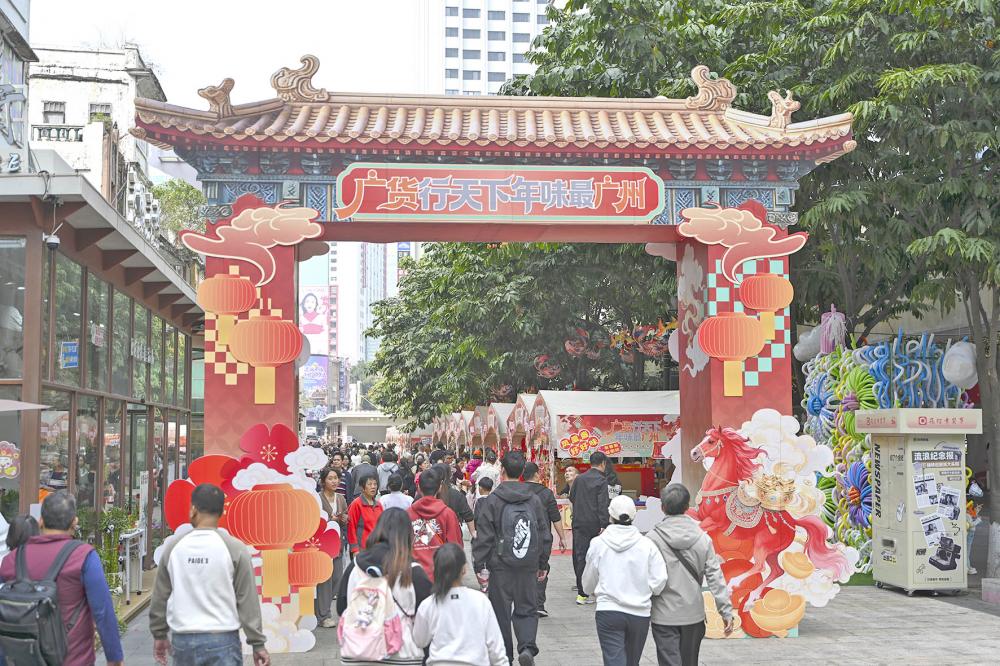
Core Viewpoint - The "Guanghuo" initiative represents Guangdong's commitment to high-quality development and industrial upgrading, facilitating a comprehensive global outreach that transcends traditional foreign trade practices [1][2]. Group 1: Overview of "Guanghuo" Initiative - The "Guanghuo" initiative has evolved into a significant platform for Guangdong's global trade, linking local industrial clusters with over 200 countries and regions [1]. - Guangdong has maintained its position as China's largest foreign trade province for over 30 years, accounting for approximately one-quarter of the national total [2]. Group 2: Industrial Foundation - The industrial advantages of "Guanghuo" are particularly evident in the consumer electronics and home appliance sectors, with Shenzhen being a global innovation hub [4]. - Major companies like Midea and Galanz are expanding their global presence, with Midea's high-end appliances ranking among the world's best and Galanz products being exported to over 190 countries [4]. Group 3: Challenges and Opportunities - Despite its achievements, "Guanghuo" faces challenges such as a lack of core technology and global brand recognition, with many SMEs relying on OEM models [4][5]. - The transition from low-end manufacturing to high-end creation is crucial for "Guanghuo" to enhance its global competitiveness [6]. Group 4: Policy and Support - Guangdong's government is implementing supportive policies, including export tax rebates and R&D subsidies, to alleviate financial and logistical pressures on enterprises [5][10]. - The Canton Fair serves as a national-level platform, facilitating connections with global buyers and enhancing the outreach of "Guanghuo" products [5]. Group 5: Cultural Empowerment - Cultural elements are being integrated into the "Guanghuo" initiative, enhancing the global appeal of products through cultural storytelling and branding [7][8]. - Companies are leveraging local cultural heritage to create unique brand identities, such as the promotion of Guangdong lychee as the "Eastern Love Fruit" [8]. Group 6: Strategic Collaboration - The dual-driven strategy of industrial foundation and cultural empowerment is essential for overcoming the "big but not strong" dilemma faced by "Guanghuo" [9][10]. - Successful examples from companies like Xiaopeng and DJI illustrate the effectiveness of this collaborative approach in enhancing brand and cultural outreach [9]. Group 7: Future Outlook - The 2026 "Guanghuo" Spring Action marks a new beginning for transforming "Guanghuo" into a global brand, emphasizing the importance of quality and innovation [11]. - By adhering to the dual-driven strategy and focusing on cultural confidence, "Guanghuo" aims to create more world-class national brands and contribute to the high-quality development of Chinese manufacturing [11].
年货越来越“聪明” 工厂实验室里藏着中国智造的密码
Yang Shi Wang· 2026-02-10 21:28
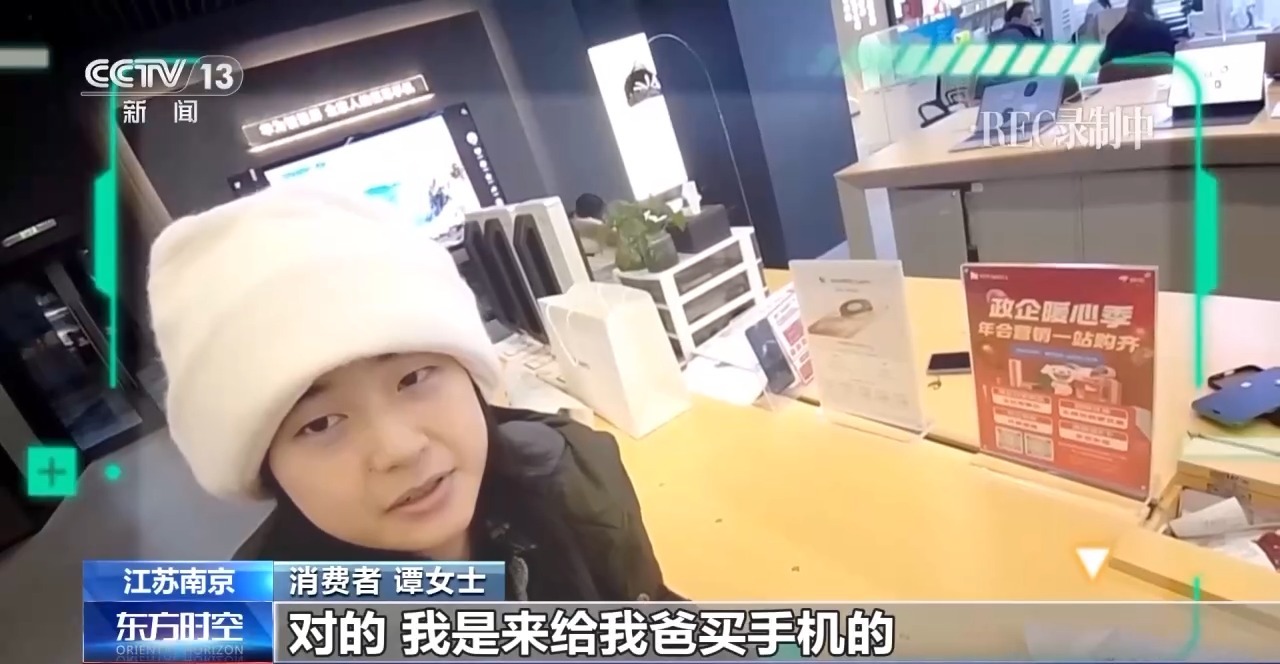
Core Insights - The upcoming Spring Festival is driving a surge in consumer spending on electronic products, particularly in home appliances, 3C products, and automobiles, with a notable increase in sales due to the "old-for-new" policy initiated in 2026 [1][3] - Smart home appliances are gaining popularity, with products like sweeping robots, refrigerators, and washing machines being highly sought after by consumers [9][11] - The rapid advancement in smart technology is evident, with significant improvements in product features and functionalities occurring within short timeframes [11][14] Consumer Behavior - Consumers are actively utilizing the "old-for-new" policy, with discounts of 500 yuan from national subsidies and 200 yuan from store promotions being reported [3] - There is a growing trend of consumers purchasing electronic gifts for family members, such as smartphones and AI hearing aids, reflecting a shift in purchasing dynamics within families [5][7] - The demand for smart kitchen appliances, like cooking machines, is increasing among working professionals [11] Industry Trends - The production of smart appliances is experiencing a significant uptick, with some companies reporting a doubling of production capacity compared to the previous year to meet the demand for the Spring Festival [14] - Young professionals are playing a crucial role in the research and development sectors of technology companies, contributing to innovation and product upgrades [14] - The integration of smart technology into daily life is transforming consumer experiences, with advancements in human-computer interaction making products more user-friendly [8][15] Technological Advancements - The development of smart products is characterized by rapid iterations, with companies implementing "small iterations" every six months and "large iterations" annually to enhance user experience [14] - Innovations in robotics and AI are being showcased, with robots now capable of performing complex tasks and enhancing efficiency in various sectors [17][19] - The emergence of smart city technologies is evident, with applications such as contactless public transport and drone deliveries becoming commonplace [15][19]
从概念投资到产业投资 低空经济加速落地
Shang Hai Zheng Quan Bao· 2026-02-10 18:09
◎记者 操子怡 自2024年写入政府工作报告以来,低空经济迅速成为资本市场关注的热点。近期两份重要文件接连出 台,让市场对低空经济的讨论逐渐增多。 2026年低空经济有哪些新趋势,AI又将给低空经济带来哪些新变化?近期,来自行业一线、金融机构 人士与上海证券报记者围绕这一话题展开探讨。 向产业投资过渡 《实施意见》提出,坚持集约复用、多元协同,在充分利用现有公众移动通信设施等基础上,综合采用 地面移动通信、卫星通信与其他通导监技术等多元化技术手段,支撑低空应用发展。 根据《实施意见》,到2027年,全国低空公共航路地面移动通信网络覆盖率不低于90%,多元融合感知 方案进一步完善成熟,低空导航服务水平持续提升,研制不少于10项信息类基础设施标准,面向城市治 理、物流运输、文旅等领域形成一批典型低空应用场景。 《建设指南》提出,到2027年,低空经济标准体系基本建立,基本满足低空经济安全健康发展需求。到 2030年,低空经济领域标准超过300项,为低空经济安全健康发展提供有力支撑。 国泰海通证券政策和产业研究院首席分析师周天乐表示,2024年资本市场对低空经济的理解仍主要停留 在无人机单一赛道。随着标准体系明确, ...
华强北,为什么能持续产生硬件创新?
虎嗅APP· 2026-02-10 14:12
Core Viewpoint - The article explores why Huaqiangbei, a district in Shenzhen, can continuously produce hardware innovations with minimal venture capital involvement, contrasting it with the Silicon Valley model that relies heavily on venture capital funding [4][6][18]. Group 1: System's Minimum Unit - Huaqiangbei is often referred to as "China's Electronics First Street," characterized by a vast network of trade, solution providers, and factories, functioning as a large API interface [10][12]. - The minimum unit in Huaqiangbei consists of sharp traders, solution companies, supporting factories, and a network of trust, allowing for a "Lego-style" survival philosophy where components can be easily assembled [13][14]. - This "physical open-source" approach lowers the hardware development barrier, enabling non-technical entrepreneurs to thrive [14][15]. Group 2: Why VC Fails Here - The business model in Huaqiangbei inherently rejects the venture capital logic due to different return cycles and exit mechanisms [18][22]. - Entrepreneurs in Huaqiangbei prioritize cash flow and quick returns, often completing product cycles in a matter of weeks or months, which does not align with the long-term investment horizon of VCs [22][24]. - A unique distributed financial system based on "familiar credit" allows entrepreneurs to leverage supplier credit and customer deposits to fund operations, bypassing traditional capital requirements [23][24]. Group 3: Innovation Funnel and Market Dynamics - Huaqiangbei's innovation logic is based on survival of the fittest, where low barriers to entry lead to a high volume of product experimentation [32][34]. - The market acts as the ultimate judge, with a rapid feedback loop that results in a high failure rate (95% of products) and a few successes that can become major hits [37][38]. - Unlike Silicon Valley, which reduces uncertainty through lab testing, Huaqiangbei eliminates it through market trials and rapid iteration [38]. Group 4: The Role of Chaos - Huaqiangbei's chaotic environment, often criticized for producing "high copies," is actually a source of its vitality, allowing for rapid innovation without stringent regulations [42][44]. - The lack of strict order fosters a low-cost environment for innovation, enabling entrepreneurs to test ideas quickly and adapt based on market response [45][46]. - This chaotic ecosystem has historically contributed to the development of a robust supply chain and skilled workforce in China, despite its controversial reputation [48]. Group 5: Future Challenges - Looking ahead to 2026, Huaqiangbei faces challenges from the hollowing out of hardware value due to the rise of AI and cloud computing, which may render traditional hardware innovation less relevant [56][57]. - The emergence of digital supply chain platforms could threaten Huaqiangbei's role as an intermediary, raising questions about the future of its business model [58][59]. - Despite these challenges, Huaqiangbei is evolving from a product-selling hub to a capability-selling entity, positioning itself as a global hardware innovation factory [60][61].