谷雨

Search documents
215个品牌GMV破亿!上半年美妆电商战事揭榜
Sou Hu Cai Jing· 2025-07-17 11:48
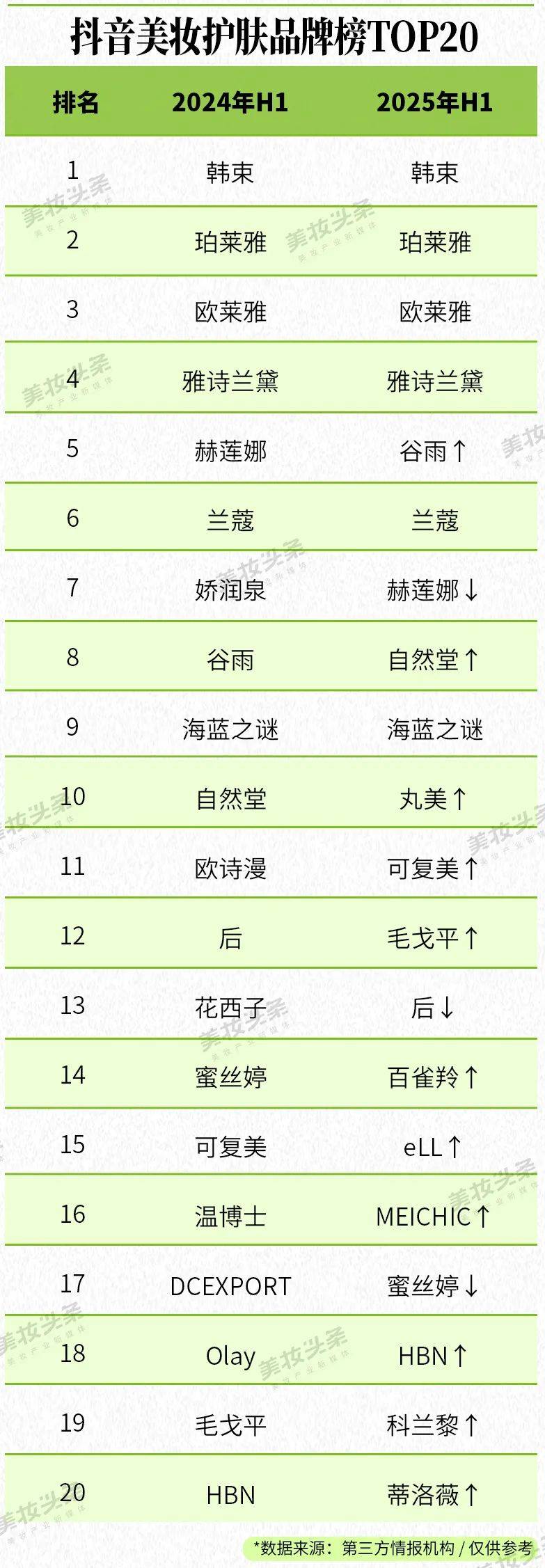
Core Insights - The beauty brand competition on various platforms has intensified, with brands needing to adapt to changing consumer preferences and marketing strategies to survive in the market [1][21][29] Group 1: Douyin Platform Insights - 215 beauty and skincare brands achieved a GMV of over 100 million yuan on Douyin in the first half of 2025 [1] - The top 10 brands in terms of sales include both domestic and international brands, with notable names like 韩束 (Hanshu), 珀莱雅 (Proya), and 欧莱雅 (L'Oreal) [1][5] - Domestic brands such as 谷雨 (Guyu), 自然堂 (Naturally), and 丸美 (Marubi) have shown steady sales growth due to precise product positioning and marketing strategies [5][15] Group 2: Tmall Platform Insights - The top 20 skincare brands on Tmall accounted for 46.2% of the total category GMV, while the top 20 makeup and perfume brands accounted for 39.53% [10] - The presence of domestic brands in the top 20 has decreased compared to the previous year, with brands like 珀莱雅 (Proya) and 自然堂 (Naturally) losing their positions [10][11] - International brands such as 欧莱雅 (L'Oreal), 兰蔻 (Lancôme), and 雅诗兰黛 (Estée Lauder) have maintained strong positions, with some showing upward trends in rankings [11][14] Group 3: JD Platform Insights - JD's beauty sales exceeded 13.32 billion yuan in the first four months of 2025, with a projected total sales of over 30 billion yuan for the first half of the year [21][27] - International beauty brands dominate the rankings on JD, with no domestic brands appearing in the top five during major promotional events [25][27] - The growth of beauty products on JD has been significant, with some categories seeing sales increases of over 500% during promotional events [27][28] Group 4: Market Trends and Strategies - The competition among beauty brands is characterized by the need for tailored strategies that align with the unique ecosystems and user preferences of each platform [29] - Brands like MEICHIC and 蒂洛薇 (Tilowei) have achieved explosive growth on Douyin through innovative marketing strategies involving influencers and live streaming [29] - The overall beauty market in 2025 is expected to continue evolving, with brands needing to understand platform-specific dynamics to thrive [29]




半年盘点| 上半年化妆品卖了2291亿元,市场面临洗牌
Di Yi Cai Jing· 2025-07-16 10:33
Group 1 - The beauty industry is experiencing intense competition, leading major beauty groups to streamline their brand portfolios [1][4] - In the first half of 2023, the retail sales of cosmetics reached 229.1 billion yuan, with a year-on-year growth of 2.9%, while overall retail sales increased by 5.0% [1] - Many beauty brands, including Sasa International and Amorepacific's brands, have closed stores or exited the Chinese market, indicating a challenging operating environment [2][3] Group 2 - The closure of brands like SHIHYO and TATCHA reflects the increasing operational costs and competitive pressures in the Chinese market [3][4] - Domestic beauty companies are increasingly attracted to the capital market, with several companies planning IPOs in 2023 [5][6] - The trend of seeking capital market support is seen as a strategic move for domestic beauty companies to enhance their growth prospects [7]
2025上半年美妆零售额创新高,韩束把兰蔻超了?
FBeauty未来迹· 2025-07-15 14:31
Core Viewpoint - The beauty market in the first half of 2025 shows a mixed performance, with a historical high in retail sales but a decline in certain segments, indicating a competitive and structurally adjusting market landscape [2][5][29]. Retail Performance - The retail sales of cosmetics in China reached 229.1 billion yuan in the first half of 2025, marking a year-on-year growth of 2.9%, which is lower than the overall retail growth of 5% [2][6]. - In June 2025, the retail sales of cosmetics experienced a 2.3% year-on-year decline, marking the first month of decline this year [2]. Online Sales Dynamics - Online beauty sales exceeded 300 billion yuan in the first half of 2025, with a year-on-year growth of 8.6% and a transaction volume increase of over 10% [5][9]. - The five major e-commerce platforms (Taobao, JD, Douyin, Kuaishou, Pinduoduo) achieved a total transaction amount of 3210.75 million yuan, with a year-on-year growth of 8.59% [9][10]. Category Performance - Skincare remains the largest category with a transaction amount of 1971.82 million yuan, accounting for 64.4% of total online beauty sales, showing growth of 8.17% in transaction value [12][13]. - Makeup sales increased by 15.26% to 551.81 million yuan, while hair care emerged as a strong performer with a 20.67% increase in sales [15][29]. - Oral care saw a slight increase of 2.49% in transaction value but a decline in transaction volume, indicating a trend towards premiumization [15][19]. Brand Landscape - The top three brands in the beauty sector are L'Oréal, Proya, and Han Shu, with domestic brands making significant inroads but still trailing behind international brands in market share [21][23]. - In the makeup category, domestic brands captured 11 out of the top 20 positions, with notable performances from brands like Mao Geping and Huaxizi [26]. Market Trends - The rise of men's beauty products and refined personal care categories indicates a shift in consumer preferences, with significant growth in men's skincare and hair care [20][29]. - The overall market is experiencing structural adjustments, with brands needing to adapt to changing consumer demands and competitive pressures [29].
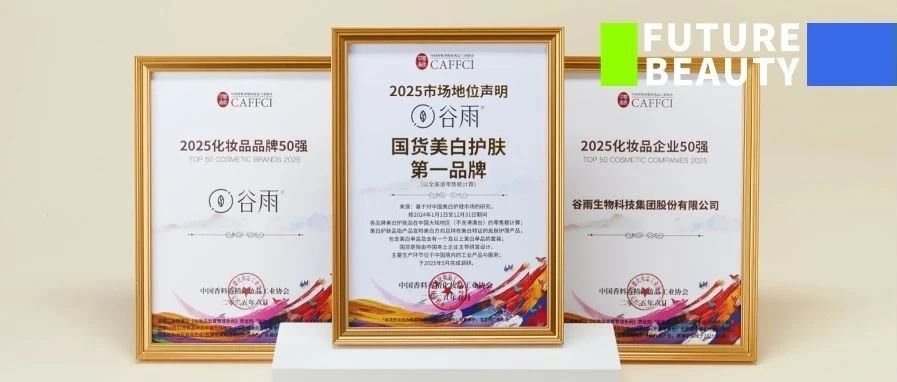
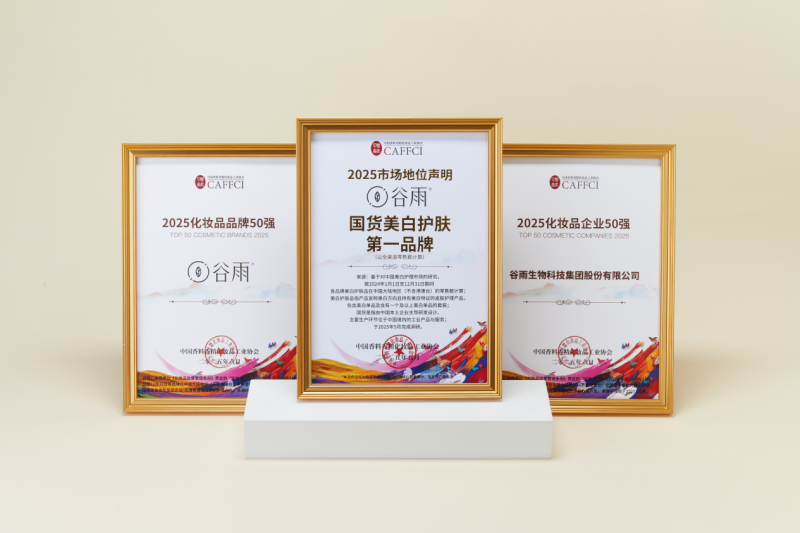
斩获“国货美白护肤第一”品牌,谷雨凭什么?
FBeauty未来迹· 2025-07-09 09:31
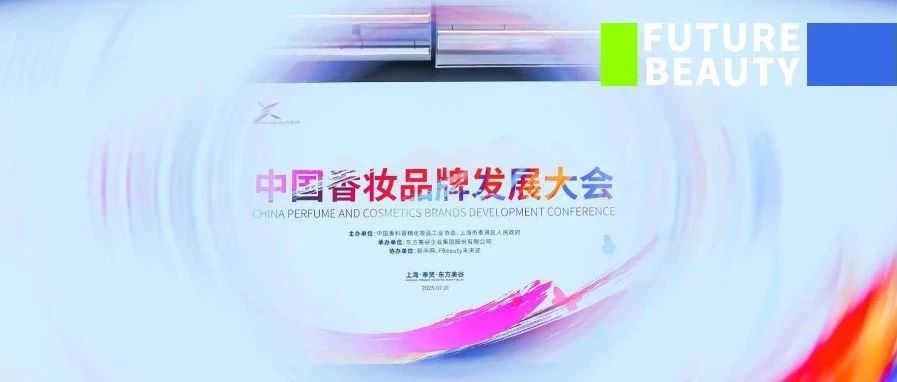
Core Viewpoint - The article highlights the significance of the "China Cosmetics Brand Development Conference" held in Shanghai, focusing on the high-quality development of the Chinese cosmetics industry and the introduction of three authoritative rankings for 2025, which will provide a scientific evaluation benchmark for brand development [2]. Group 1: Event Overview - The conference was co-hosted by the China Flavor and Fragrance Cosmetic Industry Association and the Shanghai Fengxian District People's Government, with the theme "Innovation Drives Brand Takeoff" [2]. - Three authoritative rankings were released: "2025 Top 50 Cosmetics Enterprises," "2025 Top 50 Cosmetics Brands," and "2025 Category Champions," aimed at enhancing the global competitiveness of Chinese cosmetics [2]. Group 2: Company Highlights - The domestic brand Gu Yu was recognized for its technological innovation and strong market performance, making it to both the "2025 Top 50 Cosmetics Enterprises" and "2025 Top 50 Cosmetics Brands," as well as being awarded the title of "2025 Category Champion - Domestic Whitening Skincare First Brand" [2]. - Gu Yu focuses on understanding the unique skin characteristics of Chinese consumers, identifying three core issues: "black, yellow, and red," and has developed a tailored whitening solution [4]. Group 3: Technological Innovations - Gu Yu has established a "Chinese Core" efficacy ingredient library, incorporating unique natural ingredients with clear molecular formulas, and has made significant advancements in the extraction and application of these ingredients [11]. - The brand has innovated the "Aurora Licorice" technology, achieving a 99% purity level of licorice extract, enhancing its whitening efficacy and consumer trust [8][7]. Group 4: Industry Standards and Contributions - Gu Yu has led the development of two significant industry standards aimed at improving the formulation of whitening skincare products suitable for Chinese skin [4]. - The company has participated in the establishment of 11 industry standards, promoting the scientific application of Chinese ingredients and the development of skincare products tailored to Chinese consumers [15].
2025年第27周:美妆行业周度市场观察
艾瑞咨询· 2025-07-09 08:11
Industry Environment - The beauty industry in China is expected to draw lessons from the success of collectible toys, focusing on emotional marketing and cultural influence to enhance user connection and differentiation [1] - The "healing economy" is emerging as a new trend, with the aromatherapy market growing rapidly, driven by increasing consumer demand for wellness services [2] - A potential IPO wave is anticipated in the domestic beauty sector, with several companies like Lin Qingxuan and Gu Yu moving towards public offerings, supported by favorable policies [3][4] Market Trends - The Chinese cosmetics market is undergoing a transformation, with a noticeable "K-shaped" differentiation where high-end international brands are expanding while mid-range and local brands are contracting [5] - The sports beauty segment is projected to reach $31.4 billion by 2028, with brands launching high-performance products to cater to women's needs in fitness scenarios [6] - Recent product launches from luxury brands like Louis Vuitton and Chanel reflect a trend towards innovative and sustainable beauty products [7] Celebrity Influence - The acquisition of Hailey Bieber's brand Rhode by E.l.f. Beauty highlights the importance of product strength and user engagement over mere celebrity endorsement in the beauty market [8][9] Sales Performance - Despite a general decline in consumer spending during the 618 shopping festival, the beauty sector saw a significant increase in sales, with a year-on-year growth of 63.35%, driven by domestic brands [10] Brand Dynamics - The beauty market is entering a "technology equity" era, where brand identity and consumer trust are becoming more critical than product differentiation [11] - During the 618 shopping festival, brands like Pechoin and Natural Hall achieved top rankings, showcasing the effectiveness of technological innovation and cross-industry collaboration [12] Corporate Developments - Estée Lauder's strategic appointment aims to revitalize its makeup brands in response to declining sales [13] - The unique business model of Mao Geping's cosmetics company, with a high repurchase rate, demonstrates the potential for non-standardized services to enhance brand loyalty [14] - L'Oréal's acquisition of Medik8 for approximately €1 billion underscores the growing importance of scientific skincare in the beauty industry [15] Market Entry - The successful IPO of Ying Tong Holdings marks a significant milestone for the Chinese fragrance market, with plans for further brand expansion and channel development [17] Industry Challenges - Major cosmetic companies like Coty and Procter & Gamble are restructuring and downsizing to cope with declining sales and market pressures [18] Strategic Moves - Anta's acquisition of the outdoor brand Jack Wolfskin aims to position it in the mid-range market, leveraging the brand's existing recognition in Europe [19] - The acquisition of the sensitive skin brand Bai Zhi Cui by Juyi Group reflects a trend towards integrating scientific research with skincare, enhancing the brand portfolio [20][21]

中国香妆品牌发展大会上海召开 谷雨斩获“2025国货美白护肤第一”
Cai Fu Zai Xian· 2025-07-08 08:33
Core Insights - The "China Cosmetics Brand Development Conference" was held in Shanghai, focusing on high-quality development in the cosmetics industry and introducing three authoritative rankings: "Top 50 Cosmetics Companies 2025," "Top 50 Cosmetics Brands 2025," and "2025 Category Champion" [1] - The domestic brand Gu Yu was recognized for its technological innovation, brand culture, and market performance, making it to both the "Top 50 Cosmetics Companies" and "Top 50 Cosmetics Brands," while also being awarded the title of "Top Domestic Whitening Skincare Brand" [1][4] Industry Developments - The conference emphasized the importance of innovation in driving brand growth and competitiveness within the cosmetics sector [1][8] - Gu Yu has established itself as a leader in the domestic skincare market by focusing on the unique skin characteristics of Chinese consumers and developing tailored whitening solutions [4][9] Technological Innovations - Gu Yu has made significant advancements in skincare technology, particularly with its proprietary "Aurora Licorice" product, which boasts a 99% purity level and enhanced transdermal absorption efficiency by 3.4 times [7][10] - The brand has also developed a high-efficiency transformation technology for rare ginsenoside CK, increasing its content by over 2000 times, which positions Gu Yu to compete with international anti-aging ingredients [10][11] Standards and Regulations - Gu Yu has played a pivotal role in establishing industry standards, including the recently published standard for measuring ginsenoside CK content, which aims to enhance the quality assessment of ginseng products [11][12] - The company has been involved in the formulation of 11 industry standards, promoting the scientific application of unique raw materials suitable for Chinese skin types [11][14] Future Directions - Gu Yu's focus on consumer-centric innovation and scientific advancements is expected to drive its future growth and maintain its competitive edge in the cosmetics market [14]
万亿规模再起跑,中国化妆品迎来“价值觉醒”时代
FBeauty未来迹· 2025-07-02 15:29
Core Viewpoint - The Chinese cosmetics market has reached unprecedented heights, prompting a fundamental question: how to transform from "big" to "strong" and build core competitiveness that transcends cycles [2][6]. Group 1: Industry Overview - The Chinese cosmetics industry has evolved from a "channel king" model to a "traffic supremacy" model over the past decade, but is now facing the end of traffic dividends and increasing competition [6]. - According to the China Cosmetics Association, 22 Chinese brands made it to the Top 50 list, with a total retail value of 93.54 billion yuan, accounting for 39.98% of the total retail scale of the Top 50 brands [6]. - The overall market share of Chinese brands reached 55.2%, indicating that their success is not solely driven by leading enterprises but also by home-field and quantity advantages [6]. Group 2: Key Challenges and Opportunities - The industry is undergoing profound transformation and challenges, necessitating a return to the core values of brand building to ensure long-term stability and growth [6]. - The arrival of the "brand era" in the Chinese cosmetics industry hinges on four dimensions: R&D innovation, cultural heritage, sustainable development, and brand building [6]. Group 3: Conference Highlights - The conference featured discussions on enhancing brand value, with notable speakers from L'Oréal, Procter & Gamble, and other leading companies sharing insights [7][9]. - L'Oréal's North Asia President emphasized three strategic pillars for brand value enhancement: consumer-centric brand building, innovation driven by science and technology, and collaborative future creation [9]. - The conference also addressed the issue of "involution" in the market, highlighting its characteristics and the need for a shift towards quality and innovation [18][19]. Group 4: Brand Value Enhancement Strategies - The brand value roundtable discussed whether premium capability or user scale is more critical to brand value, with varying opinions from industry leaders [12]. - Strategies for enhancing brand value include trust elevation, experiential enhancement, asset elevation, and operational elevation [10]. Group 5: Sustainable Growth Paths - A report analyzed high-growth brands and identified key growth paths for top, mid-tier, and emerging brands, emphasizing the importance of system capabilities for larger brands and niche focus for mid-tier brands [22]. - The conference proposed a new ecosystem for the industry, advocating for collaboration and shared growth to combat fierce competition [31]. Group 6: Regulatory Environment - Recent government measures aim to combat "involution" in the market, including the revision of the Anti-Unfair Competition Law to prohibit forced low-price sales and data abuse [17]. - The introduction of the "2025 Cosmetics Industry Data Statistical Standards" aims to address data fragmentation and enhance decision-making capabilities within the industry [36][39]. Group 7: Future Outlook - The industry is expected to transition from a phase of chaotic growth to a more structured and value-driven approach, focusing on R&D depth, cultural richness, and ecological health [44]. - The next few years will be crucial for the Chinese cosmetics industry to evolve into a period that nurtures great brands through solid groundwork and innovation [45].
深度 | 大宝SOD蜜没想到,“酶”类居然翻红了?
FBeauty未来迹· 2025-06-26 14:11
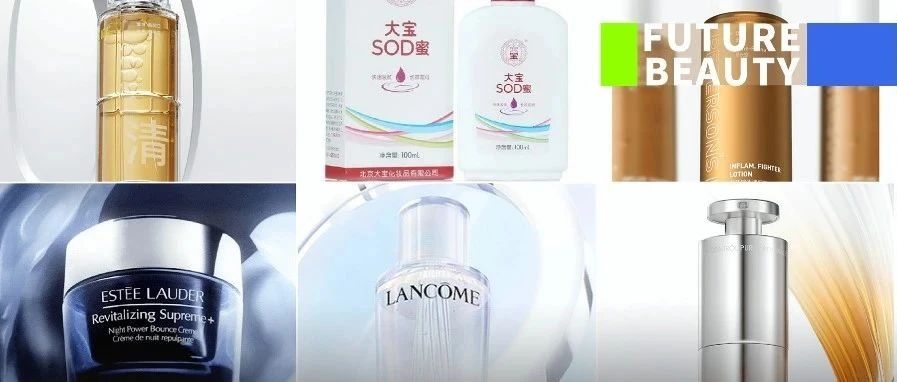
Core Viewpoint - The beauty industry is experiencing an "enzyme ingredient revolution" with domestic brands innovating and focusing on enzyme-based skincare products, indicating a shift in consumer preferences towards gentler and more effective solutions [4][14][25]. Group 1: Enzyme Ingredients in Skincare - Enzymes have been a "silent hero" in cosmetic formulations, with 31 types of enzyme ingredients already used in effective registered cosmetics, with superoxide dismutase (SOD) leading with 15,285 registrations [6][12]. - Major brands like Proya and Marubi are incorporating SOD and other enzymes like coenzyme Q10 and papain into their products, highlighting the growing trend of enzyme usage in skincare [11][21]. - The focus on composite enzymes, such as Proya's "3X Smart Enzyme," aims to provide a dual benefit of effective exfoliation and gentle repair, catering to consumer demands for non-irritating skincare solutions [15][23]. Group 2: Market Trends and Consumer Insights - The demand for enzyme-based products is driven by consumers seeking effective yet gentle solutions for skin concerns, particularly for oily skin types and sensitive skin [23][25]. - The global enzyme preparation market is projected to grow to $15 billion by 2035, with a compound annual growth rate (CAGR) of approximately 3.61% from 2025 to 2035, indicating a stable growth trajectory for enzyme-based products [39]. - The enzyme market is highly concentrated, with five companies, including Novozymes and DuPont, holding about 75% of the global market share, reflecting the competitive landscape [40]. Group 3: Technological Advancements and Challenges - Advances in biotechnology are enhancing the stability and efficacy of enzyme ingredients, with companies employing gene editing and nanotechnology to improve product performance [41][43]. - Despite the potential, challenges remain in enzyme application due to their large molecular size and sensitivity to environmental factors, which complicates their formulation in cosmetics [36][37]. - The industry is facing a dual bottleneck: insufficient technical conversion in production and a lack of consumer awareness regarding enzyme benefits, which hinders market penetration [44][45]. Group 4: Future Outlook - The trend of "using enzymes instead of acids" is emerging, suggesting a potential coexistence of enzyme and acid products in the market, each serving different consumer needs [46][47]. - The establishment of standards for enzyme-based skincare products is underway, which may enhance product credibility and consumer trust in enzyme efficacy [47].
六部门发文!国货美妆产业将掀IPO 热潮?
Sou Hu Cai Jing· 2025-06-25 15:21
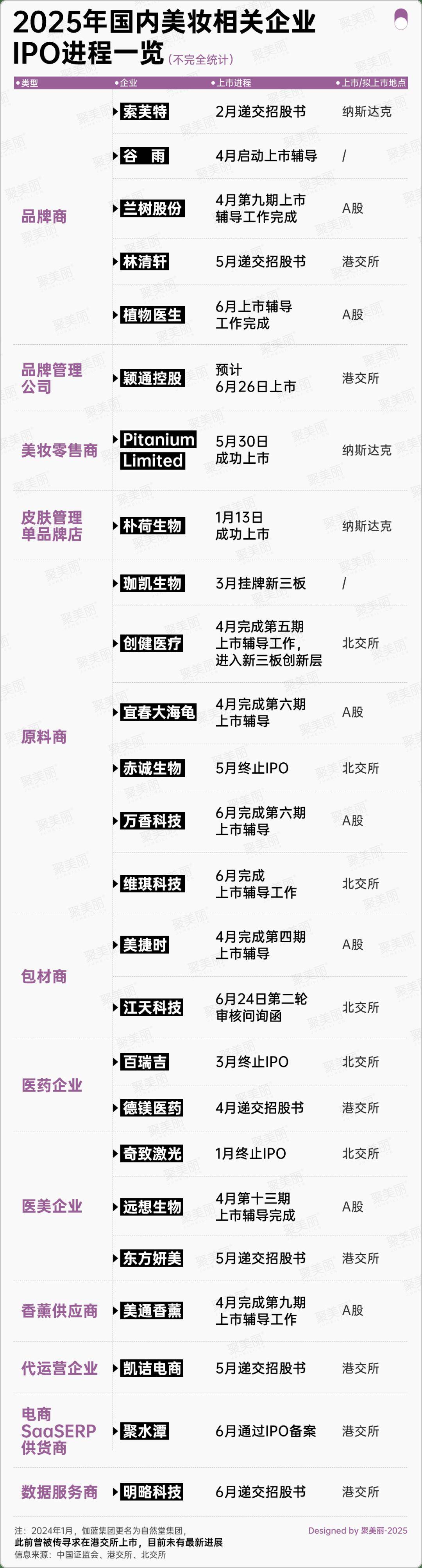
Core Viewpoint - The beauty industry in China is expected to experience a wave of IPOs, driven by recent supportive policies from the government aimed at encouraging quality consumer companies to go public [1][9]. Group 1: IPO Developments - A total of 25 domestic beauty-related companies have made progress in their IPOs this year, with 7 companies taking steps towards listing on the Hong Kong Stock Exchange [2][6]. - The Hong Kong Stock Exchange has become an ideal destination for beauty companies, with several firms, including Lin Qingxuan and Ying Tong Holdings, preparing for listings [6][7]. - The recent policy changes from six government departments are expected to accelerate the IPO processes for beauty companies that had previously faced stagnation [1][7]. Group 2: Market Trends - The emergence of "first stocks" in various segments of the beauty industry, such as "the first stock of hyaluronic acid" and "the first stock of Chinese perfume," indicates a rising competitive landscape and differentiation among companies [7][8]. - The current trend shows that while some companies are targeting Hong Kong for their IPOs, others are still in the advisory phase for A-share listings, reflecting a diverse approach to market entry [7][13]. Group 3: Policy Implications - The new guidelines from the government encourage equity financing for qualified consumer companies, which may lead to a more favorable environment for beauty brands to list [12][15]. - The shift from a restrictive IPO environment to one that supports consumer brands suggests a potential revitalization of the beauty sector, with expectations of increased activity in the capital markets [11][15].
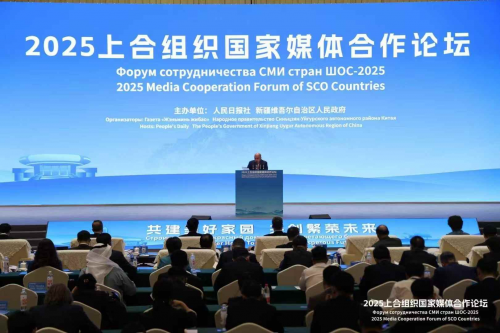
向世界展中国品牌文化与科技实力——谷雨亮相2025上合组织国家媒体合作论坛
Zhong Guo Chan Ye Jing Ji Xin Xi Wang· 2025-05-30 11:11
Group 1 - The 2025 Shanghai Cooperation Organization (SCO) Media Cooperation Forum was held in Urumqi, Xinjiang, with over 300 representatives from 26 countries discussing cooperation under the theme "Building a Better Home Together for a Prosperous Future" [1] - Since its establishment in 2001, the SCO has adhered to the "Shanghai Spirit" of mutual trust, mutual benefit, equality, consultation, respect for diverse civilizations, and seeking common development [1] - China will assume the rotating presidency of the SCO for 2024-2025, with expectations for China to lead new cooperation initiatives and strengthen the collective power of developing countries in global governance [1] Group 2 - The domestic skincare brand Gu Yu showcased its product "Four Seasons Boundless," which combines Chinese efficacy skincare technology with poetic aesthetics, attracting attention from international guests [3] - Gu Yu focuses on Chinese skin types and ingredients, exploring a path of scientific skincare centered on Chinese characteristics, reflecting the cultural depth and research strength of Chinese cosmetic brands [3][4] - The "Four Seasons Boundless" includes two products, "Boundless Electric Cream" and "Four Seasons Spiritual Dew," showcasing Gu Yu's research and innovation capabilities [4] Group 3 - "Boundless Electric Cream" utilizes three core technologies, including self-developed composite enzyme biomimetic transformation technology, plant stem cell culture technology, and synthetic biology technology, featuring key active ingredients like rare ginseng saponin CK and snow lotus stem cells [4] - "Four Seasons Spiritual Dew" is formulated with seasonal herbs such as ginseng and peony, aiming to provide revitalizing energy for consumers seeking a healthy complexion [4] - Gu Yu has established a library of "Chinese core" active ingredients, including aurora licorice and rare ginseng saponin CK, to meet diverse skincare needs across different consumer segments [4] Group 4 - Gu Yu has maintained its commitment to promoting Chinese culture through skincare products, with the "Four Seasons Boundless" adopting a unique design inspired by traditional Chinese aesthetics, winning multiple international design awards [6] - The brand aims to showcase its determination to empower "Chinese core" ingredients and efficacy to the world, while expressing cultural confidence and charm through its products [8]