
洋河股份

Search documents
透过双节酒市窥见行业的“三重变革”时代:价格带分化、区域重构与渠
Sou Hu Cai Jing· 2025-10-12 00:42
Core Insights - The dual festival period of National Day and Mid-Autumn Festival in 2025 did not yield the expected sales peak for the liquor industry, with retail and catering sales only growing by 3.3% year-on-year, indicating a significant slowdown compared to the May Day holiday [1][3] - The liquor market is experiencing a structural transformation driven by rational consumption, channel revolution, and brand resilience, highlighting both challenges and opportunities for the industry [3] Market Performance - High-end liquor brands showed stable sales during the dual festival period, benefiting from effective volume control and price maintenance strategies, which helped stabilize core product pricing [3][4] - In contrast, mid-range and lower mid-range liquors faced significant challenges, with many products seeing price drops from the 400 yuan range to 200-300 yuan, and sales volumes declining by over 30% for most brands [4][6] - Low-end liquor performed relatively well, with some star products experiencing over 20% year-on-year sales growth, reflecting a shift towards value-for-money consumption [6][8] Regional Variations - The overall liquor market in Sichuan saw a year-on-year sales decline of approximately 20%, with significant drops in the Chengdu market [9][11] - In Guangdong, liquor sales also fell by 20-30% year-on-year, with a notable reduction in corporate group orders and a shift towards lower-priced products [9][11] - The Anhui market saw an increase in banquet events, but the average spending per table decreased, indicating a shift in consumer behavior [11][12] - The Henan market displayed structural opportunities, with some brands achieving growth through product innovation and cultural marketing [12] - Northern provinces like Shandong and Hebei showed signs of recovery, benefiting from a faster rebound in banquet markets [12] Channel Evolution - The liquor industry is undergoing a digital transformation in its channel ecosystem, with major brands adopting instant retail strategies to enhance consumer access [13][15] - Instant retail channels saw significant growth during the dual festival period, with sales on platforms like Meituan increasing by 8 times year-on-year [13][15] - The rise of instant retail reflects a shift in consumer habits towards immediate satisfaction, with younger consumers (aged 25-35) making up over 45% of buyers on these platforms [15][16] Future Trends - The liquor industry's competition is shifting from traditional brand and channel advantages to a more comprehensive competition based on digital capabilities, including data insights and supply chain efficiency [16] - The future of liquor consumption is expected to be characterized by rational, diverse, and instant purchasing behaviors, necessitating a reevaluation of product positioning and marketing strategies by companies [16]








16年“贵酒”大战终落幕!上海贵酒不能再叫“贵酒”,存货还堆了4.86亿元
Guo Ji Jin Rong Bao· 2025-10-11 15:37
Core Viewpoint - The legal dispute over the name "Guizhou Wine" has reached a conclusion, with a court ruling requiring Shanghai Guizhou Co., Ltd. and Shanghai Guizhou Wine Sales Co., Ltd. to cease using the name "Guizhou Wine," which is associated with Guizhou Wine Group Co., Ltd. [1][2] Summary by Sections Dispute Background - The trademark dispute between *ST Rock and Guizhou Wine dates back six years, initiated by *ST Rock's name change to Shanghai Guizhou in 2019 amid the rising popularity of sauce-flavored liquor [4]. - Guizhou Wine filed a lawsuit against *ST Rock for trademark infringement and unfair competition, leading to a prolonged legal battle [4]. - The historical context shows that Guizhou Wine has a rich heritage dating back to 1950, while *ST Rock has frequently changed its business focus, earning the nickname "A-share name change king" [4]. Legal Proceedings - In July 2021, a court ruled in favor of Guizhou Wine, ordering *ST Rock to cease infringing on Guizhou Wine's trademarks and to pay damages of 1 million yuan [5]. - Following an appeal, the Jiangsu High Court increased the compensation to 1.5 million yuan and expanded the scope of infringement [6]. - The recent final ruling mandates that *ST Rock must stop using the name "Guizhou Wine" and pay a total of 4.1885 million yuan in damages and legal fees [6]. Financial Impact on *ST Rock - The ruling adds significant cash flow pressure on *ST Rock, which reported cash and cash equivalents of 4.7428 million yuan as of June 2025 [7]. - The company's financial troubles stem from the collapse of its affiliate, Haiyin Group, which faced a funding crisis and legal issues [7]. - In the first half of 2025, *ST Rock's revenue plummeted by 85.22% year-on-year to 28.2496 million yuan, with a net loss of 67.7668 million yuan [9]. - The company has struggled with inventory management, with a significant portion of its inventory being non-core products and nearing expiration [9][10].
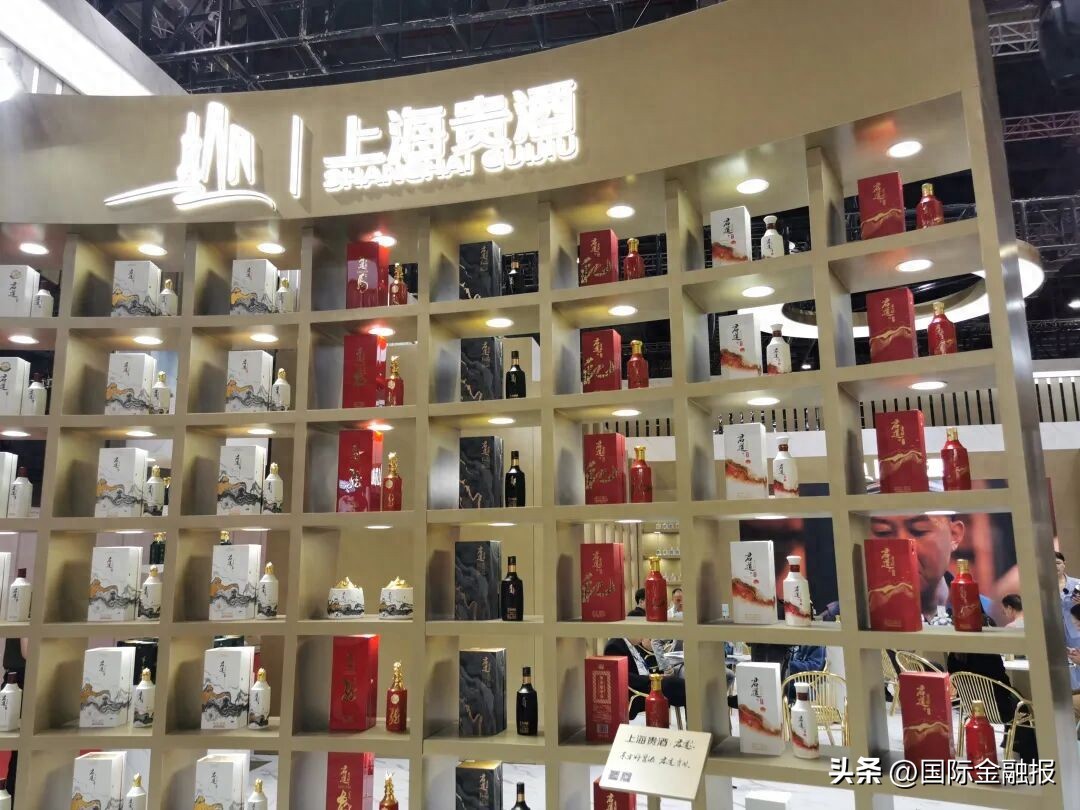
白酒“上车”即时零售,千亿风口下的狂欢与隐忧|行业风向标
Sou Hu Cai Jing· 2025-10-10 15:47
Core Viewpoint - The article highlights the contrasting performance of the liquor market, with offline sales remaining sluggish while online sales, particularly through instant retail platforms, are booming. This shift indicates a significant transformation in the retail landscape, driven by the rise of instant retail and the active participation of liquor companies in this new channel [2][3][5]. Group 1: Market Dynamics - Instant retail is evolving from a niche e-commerce model to a mainstream channel, with a projected penetration rate in the liquor sector expected to rise from 1% in 2023 to 6% by 2027, potentially reaching a market size of hundreds of billions [2][3]. - Major players in the instant retail space include comprehensive e-commerce platforms like Meituan and JD, which have significantly increased their market presence and sales volumes [3][4]. - Meituan's flash purchase service has seen explosive growth, with a reported 90-fold increase in liquor sales during the "618" shopping festival, and daily order peaks surpassing 1.5 billion [4]. Group 2: Company Strategies - Liquor companies are increasingly taking proactive roles in the instant retail space, with 34.9% of them prioritizing the expansion of this channel [5][7]. - Guizhou Moutai has initiated deep collaborations with platforms like Taobao Flash Purchase, offering rapid delivery services to enhance consumer access to their products [5][6]. - Other liquor brands, such as Guotai and various major Chinese liquor companies, are also forming strategic partnerships with instant retail platforms to establish a comprehensive authenticity assurance system [6][7]. Group 3: Consumer Behavior - The shift towards instant retail reflects changing consumer preferences, with a growing demand for immediate gratification in purchasing liquor, particularly for gifts and social occasions [7][8]. - Younger consumers, who are accustomed to instant delivery services, represent a key demographic for liquor brands looking to expand their market reach [9]. Group 4: Challenges and Concerns - The rise of instant retail poses risks to the traditional pricing structure of the liquor industry, with potential price wars threatening the profitability of distributors and manufacturers [10][11]. - Concerns about the role of traditional distributors evolving into mere delivery agents for platforms, along with the risk of counterfeit products, highlight the challenges facing the industry [11][12]. - The need for a balance between the efficiency of online sales and the experiential aspects of in-store purchases remains a critical issue for the industry [12][13].

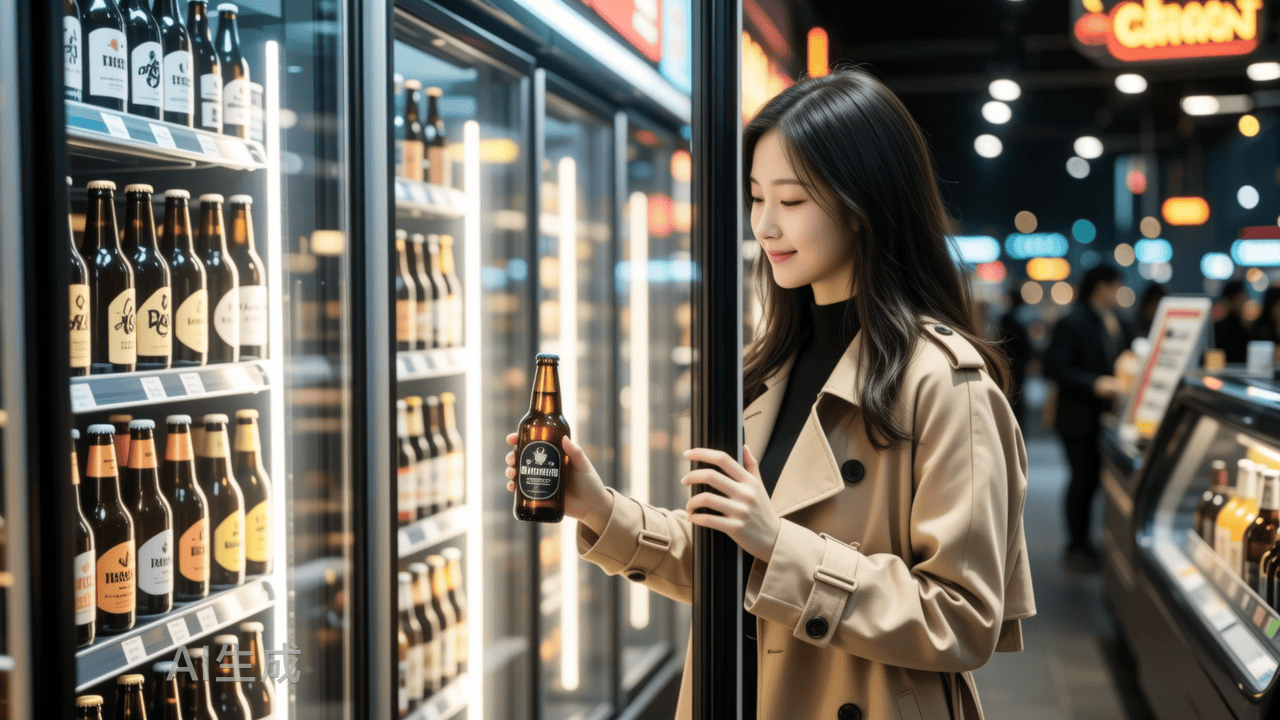
16年“贵酒”大战终落幕!上海贵酒不能再叫“贵酒”,存货还堆了4.86亿元11
Guo Ji Jin Rong Bao· 2025-10-10 14:52
Core Viewpoint - The legal dispute between *ST Yanshi and Guizhou Guijiu has reached a conclusion, with a court ruling prohibiting the use of the name "Guijiu" by Shanghai Guijiu, further complicating the already troubled situation for *ST Yanshi [1][5]. Summary by Sections Dispute Background - The trademark dispute dates back six years, initiated by Guizhou Guijiu in December 2019, claiming infringement of trademark rights against *ST Yanshi, which had rebranded itself as Shanghai Guijiu in 2019 [3][4]. - The rebranding was part of *ST Yanshi's strategy to enter the booming sauce liquor market, which had gained popularity since 2018 [3][4]. Legal Proceedings - A series of court rulings have occurred, with the initial judgment in July 2021 requiring *ST Yanshi to cease infringing activities and pay Guizhou Guijiu 1 million yuan in damages [4][5]. - Subsequent appeals led to increased compensation demands, culminating in a final ruling that requires *ST Yanshi to stop using the "Guijiu" name and pay a total of 4.1885 million yuan in damages [5][6]. Financial Impact - The recent ruling adds significant cash flow pressure on *ST Yanshi, which reported cash and cash equivalents of 4.7428 million yuan as of June 2025 [7]. - The company has faced declining performance, with a reported revenue of 28.2496 million yuan in the first half of 2025, a decrease of 85.22% year-on-year, and a net loss of 67.7668 million yuan [9]. - Inventory issues are severe, with a total inventory balance of 146 million yuan, primarily consisting of finished goods and semi-finished products, making up 99% of total inventory [10].

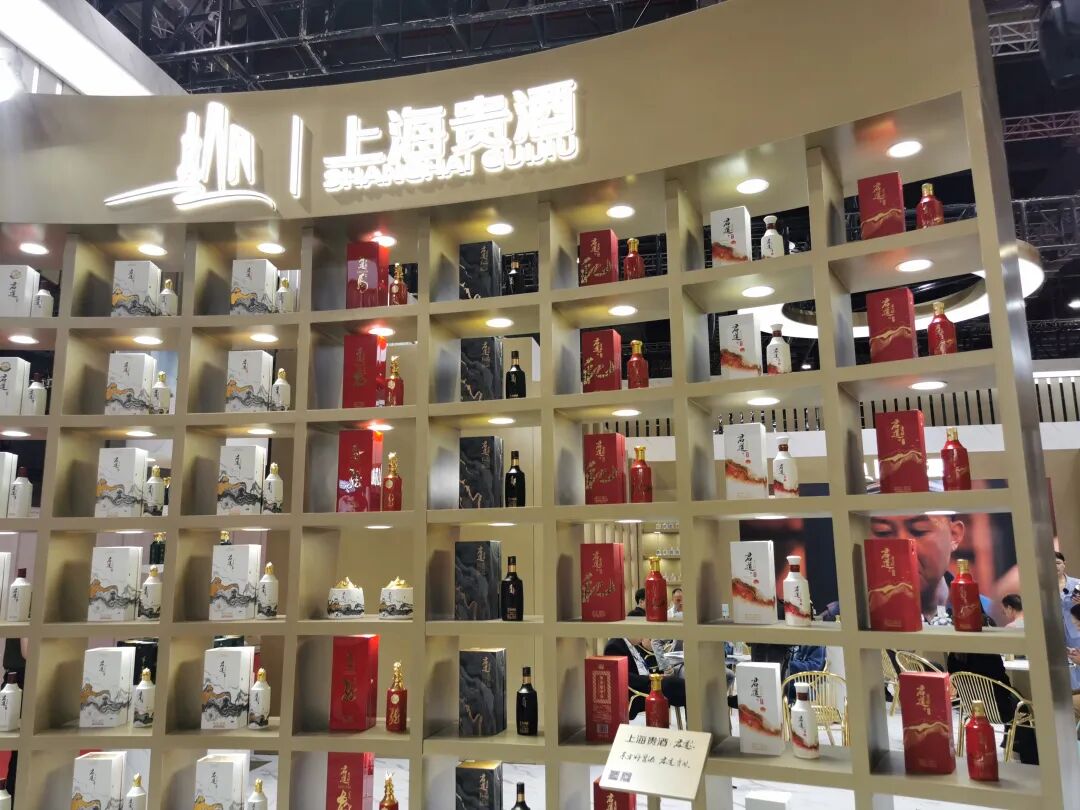
*ST岩石商标案败诉,被判赔超418万元且不得使用“贵酒”
2 1 Shi Ji Jing Ji Bao Dao· 2025-10-10 13:50
Core Viewpoint - Shanghai Gui Jiu Co., Ltd. (stock abbreviation "*ST Rock", stock code "600696.SH") has lost a trademark dispute with Guizhou Gui Jiu, resulting in a court ruling that prohibits the company from using the name "Gui Jiu" and requires compensation for economic losses [1][5]. Group 1 - The lawsuit involved Guizhou Gui Jiu Group Co., Ltd. suing multiple defendants, including Shanghai Gui Jiu and others, for trademark infringement [5]. - The Nanjing Intermediate People's Court initially ruled in favor of Shanghai Gui Jiu on July 13, 2021, but Guizhou Gui Jiu appealed, leading to a higher court's decision to overturn the initial ruling on May 17, 2022 [5][6]. - The Jiangsu High People's Court's recent ruling requires Shanghai Gui Jiu and associated companies to cease using the "Gui Jiu" name and pay a total of 4.18847 million yuan in damages and legal fees to Guizhou Gui Jiu [6]. Group 2 - The historical background of Guizhou Gui Jiu dates back to 1950 when it was established as a state-owned enterprise, later privatized in 2009 and fully acquired by Yanghe Brewery in 2016 [6]. - Shanghai Gui Jiu was formerly known as Shanghai Rock Enterprise Development Co., Ltd. and entered the liquor industry in December 2019, subsequently changing its name [6]. - The legal prohibition on using the "Shanghai Gui Jiu" name poses significant challenges for the company, which is already facing operational and debt crises, as indicated by its financial report showing a revenue decline of 85.22% year-on-year and a net loss of 67.7668 million yuan for the first half of 2025 [6].
食品饮料行业深度报告:食品饮料:存量时代的品牌突围路径
Capital Securities· 2025-10-10 13:12
Investment Rating - The report rates the food and beverage industry as "Positive" [1] Core Insights - The food and beverage sector is entering a "stock era" where consumption per capita has peaked, leading to dual pressure on volume and price. This shift necessitates a change in investment logic, with leading companies focusing on shareholder returns and high dividend yields to provide a safety margin [5][18] - Brands are adapting to the trend of consumption substitution by enhancing product cost-effectiveness or quality-price ratios, which may lead to a restructuring of the industry landscape [5] - There are localized opportunities benefiting from consumption upgrades, particularly in categories like juice and liquid milk, where consumers are willing to pay more for improved quality [5] - The emergence of niche products catering to specific consumer groups, particularly among Generation Z, is noted, with these products often having emotional attributes and social relevance [5] - Changes in traffic and channel dynamics present new opportunities for smaller and new brands, with the growth of discount supermarkets and high-end membership stores expected to drive industry growth [5] - Domestic food and beverage brands are increasingly looking to expand overseas, particularly in Southeast Asia, where the market for snacks is projected to exceed $20 billion in 2024, presenting significant growth potential [5] Summary by Sections 1. Characteristics of the Stock Era - The overall consumption market has shown moderate recovery, with retail sales in China reaching 32.39 trillion yuan from January to August 2025, a year-on-year increase of 4.6% [14] - The food and beverage industry shows internal differentiation, with some sub-sectors like fresh meat and edible oils experiencing growth, while others like liquor and beer face declines [15] 2. Brand Breakthrough Paths in Food and Beverage - The report emphasizes the importance of enhancing product value propositions to maintain competitive advantages amid rising consumption substitution trends [5] - It highlights the significance of localized consumption upgrades in specific product categories, which can drive higher consumer spending [5] 3. Sub-industry Analysis - The report provides detailed insights into various sub-industries, including liquor, beer, dairy products, condiments, snacks, and soft drinks, analyzing their performance and market dynamics [7] 4. Investment Recommendations - The report suggests that leading companies in the food and beverage sector are increasingly focusing on shareholder returns, with a notable rise in dividend rates, particularly in the liquor industry [33]
“贵酒”商标纠纷案迎终审,*ST岩石被判赔超418万元 停用“贵酒”名称
Feng Huang Wang· 2025-10-10 12:59
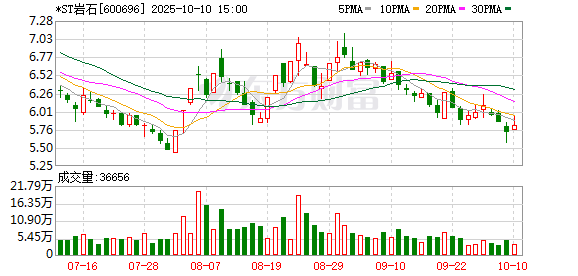
Core Viewpoint - The final ruling in the trademark dispute case has resulted in *ST Yanshi being ordered to pay over 4.18 million yuan and to cease using the name "Guijiu" [1][2]. Legal Proceedings - The case involves a trademark infringement dispute where the plaintiff, Guizhou Guijiu Group Co., Ltd., sued *ST Yanshi and other companies for violating trademark rights [2][3]. - The Jiangsu Provincial High People's Court issued a final judgment, ordering *ST Yanshi to compensate Guizhou Guijiu a total of 4.18847 million yuan for economic losses and reasonable legal fees [3]. Financial Impact - The ruling will lead to a reduction in *ST Yanshi's current profits as the company will account for the compensation [4]. - The company reported a significant decline in revenue, with a 85.22% year-on-year drop in the first half of 2025, amounting to 28.25 million yuan [8]. Company Background - *ST Yanshi, previously known as Shanghai Yanshi Co., Ltd., has undergone multiple name changes since its establishment in 1989 and has been involved in the liquor industry [6]. - The company has faced ongoing financial difficulties, including a risk of delisting due to failing to meet revenue and profit thresholds set by the Shanghai Stock Exchange [7]. Market Performance - As of October 10, *ST Yanshi's stock closed at 5.81 yuan per share, reflecting a year-to-date decline of 52.76% [9].
“贵酒”商标纠纷案迎终审判决,*ST岩石被判赔超418万元并停用“贵酒”名称
Xin Lang Cai Jing· 2025-10-10 12:49
Core Viewpoint - The final ruling in the trademark dispute case involving *ST Yanshi has resulted in the company being ordered to pay over 4.18 million yuan and to cease using the name "Guijiu" [1][2][3] Legal Proceedings - The case originated from a trademark infringement lawsuit filed by Guizhou Guijiu Group against multiple parties, including *ST Yanshi, with the initial ruling made by the Nanjing Intermediate People's Court in July 2021 [2][3] - The Jiangsu High Court overturned the initial ruling in May 2022, leading to a retrial, and ultimately issued a final judgment requiring *ST Yanshi to stop using the "Guijiu" name and pay damages [2][3] Financial Impact - The company has indicated that the ruling will lead to a reduction in its current profits due to the financial penalties imposed [4] - The total compensation amount ordered is 4.18847 million yuan, which includes economic losses and reasonable legal fees [3] Company Background - Guizhou Guijiu is a significant liquor producer in Guizhou Province, with a history dating back to the state-owned Guiyang Distillery, and has been under the ownership of Yanghe Brewery since 2016 [5] - *ST Yanshi, originally established in 1989, has undergone multiple name changes and was rebranded in December 2019 to incorporate "Guijiu" into its corporate identity, which led to the trademark dispute [6] Current Financial Situation - *ST Yanshi is facing significant financial challenges, with a reported revenue drop of over 85% in the first half of 2025, amounting to 28.25 million yuan [8] - The company has been under pressure to maintain its listing status, with potential delisting risks if financial performance does not improve [7][8] Stock Performance - As of October 10, *ST Yanshi's stock closed at 5.81 yuan per share, reflecting a year-to-date decline of 52.76% [9]
“贵酒”商标案终审判决!上海贵酒败诉 被判赔超418万元
Nan Fang Du Shi Bao· 2025-10-10 09:03
Core Viewpoint - The trademark dispute over "Guizhou Wine" has concluded, with Shanghai Guizhou losing the case and being ordered to cease using the name and compensate Guizhou Guizhou for economic losses [2][4][5]. Group 1: Legal Proceedings - The lawsuit initiated by Guizhou Guizhou Group against Shanghai Guizhou and its affiliates for trademark infringement began with a first-instance judgment on July 13, 2021, by the Nanjing Intermediate People's Court [4]. - Guizhou Guizhou appealed the first-instance ruling, leading to a higher court's decision on May 17, 2022, to revoke the initial judgment and remand the case for retrial [4][5]. - The final ruling from the Jiangsu High Court ordered Shanghai Guizhou and its affiliates to stop infringing on Guizhou Guizhou's trademark rights and to cease using the name "Guizhou" [5][6]. Group 2: Financial Implications - Shanghai Guizhou is required to compensate Guizhou Guizhou a total of 4.18847 million yuan for economic losses and reasonable legal fees within ten days of the ruling [5]. - Following the judgment, Shanghai Guizhou indicated that it would adjust its accounting practices, which would lead to a reduction in its current profits [6]. - In its recent semi-annual report, Shanghai Guizhou reported a revenue of 28.2496 million yuan, a year-on-year decline of 85.22%, and a net loss attributable to shareholders of 67.7668 million yuan [6]. Group 3: Company Background - Guizhou Guizhou, established in 1950 as "Guiyang Distillery," is a well-known brand in Guizhou and one of the earliest state-owned distilleries in the province [5]. - In 2016, Guizhou Guizhou was fully acquired by Yanghe Brewery, becoming a significant brand asset under Yanghe [5]. - Shanghai Guizhou, which transitioned into the liquor industry in December 2019, has a complex background and was previously known as "Shanghai Rock Enterprise Development Co., Ltd." [5].
中酒协宋书玉:白酒香型划分科学体系不够完整 个性化风味是酿造方向
Zhong Guo Jing Ying Bao· 2025-10-10 07:16
Core Viewpoint - The Chinese liquor industry is shifting towards a more personalized flavor expression, moving away from strict classification by aroma types, as emphasized by industry leaders [1][2][3]. Group 1: Industry Trends - The Chinese liquor industry is experiencing a transformation driven by changing consumer preferences, which now prioritize flavor, health, culture, and experience over traditional aroma classifications [2][3]. - The industry recognizes the need for a more diverse product offering, as consumers demand unique flavor profiles that reflect individual brands [1][2]. - The concept of "brand + flavor" is gaining traction, with successful examples like Yanghe Mianrou and Gujing Koumai showcasing this trend [1][2]. Group 2: Challenges and Opportunities - While aroma classification has historically played a significant role in the industry, it is now seen as a potential barrier to innovation and global competitiveness [2][3]. - Some industry experts argue that smaller liquor producers should leverage aroma types to establish their brand identity while developing unique flavor characteristics [3]. - The market is witnessing an increase in products that blend different aroma types, indicating a shift towards more innovative production methods [3][4]. Group 3: Consumer Expectations - Consumers are increasingly discerning, and the industry must adapt to their evolving lifestyles and preferences to remain relevant [3][4]. - There is a cautionary note regarding the potential for misleading marketing practices as companies explore personalized flavors, emphasizing the need for authenticity [4][5]. - The industry must ensure that flavor personalization is genuine and not merely a marketing gimmick, as this could lead to consumer distrust [4][5].