华润啤酒

Search documents
花旗:降百威亚太目标价至11.4港元 下调销售及利润预测
Zhi Tong Cai Jing· 2026-01-20 08:30
Group 1 - Citi has revised Budweiser APAC's (01876) sales forecasts for 2025 to 2027 down by 3%, 4%, and 4% respectively, reflecting a weaker outlook for the second half of 2025 in China [1] - Due to weakened operating leverage, the core net profit forecasts for Budweiser APAC for 2025 to 2027 have been reduced by 10%, 10%, and 9% respectively [1] - The target price for Budweiser APAC has been lowered from HKD 12.4 to HKD 11.4, while maintaining a "Buy" rating [1] Group 2 - The company anticipates that sales in the fourth quarter of last year will also be negatively impacted due to the later timing of the Lunar New Year in 2026 [1] - The preference order for the Chinese beer industry remains unchanged, with China Resources Beer (00291), Budweiser APAC, and Tsingtao Brewery (600600) (00168) ranked accordingly [1]

花旗:降百威亚太(01876)目标价至11.4港元 下调销售及利润预测
智通财经网· 2026-01-20 08:27
Group 1 - Citi has lowered Budweiser APAC's (01876) sales forecasts for 2025 to 2027 by 3%, 4%, and 4% respectively, reflecting a weaker outlook for the Chinese business in the second half of 2025 [1] - Due to weakened operating leverage, core net profit forecasts for Budweiser APAC for 2025 to 2027 have been reduced by 10%, 10%, and 9% respectively [1] - The target price for Budweiser APAC has been adjusted from HKD 12.4 to HKD 11.4, while maintaining a "Buy" rating [1] Group 2 - The sales in the fourth quarter of last year are expected to be negatively impacted due to the later timing of the Lunar New Year in 2026 [1] - The preference order for the Chinese beer industry remains unchanged, with China Resources Beer (00291), Budweiser APAC, and Tsingtao Brewery (00168) ranked accordingly [1]
大行评级|花旗:下调百威亚太目标价至11.4港元,维持“买入”评级
Ge Long Hui· 2026-01-20 08:00
Core Viewpoint - Citigroup has lowered Budweiser APAC's sales forecasts for 2025 to 2027 by 3%, 4%, and 4% respectively, reflecting a weaker-than-expected outlook for the second half of 2025 in China [1] - The sales in the fourth quarter of last year will also be negatively impacted due to the later timing of the Lunar New Year in 2026 [1] - Due to weakened operating leverage, Citigroup has reduced Budweiser APAC's core net profit forecasts for 2025 to 2027 by 10%, 10%, and 9% respectively [1] - The target price for Budweiser APAC has been adjusted from HKD 12.4 to HKD 11.4, while maintaining a "Buy" rating [1] - Citigroup's preference order for the domestic beer industry remains unchanged, ranking China Resources Beer, Budweiser APAC, and Tsingtao Brewery [1]
大行评级丨花旗:降百威亚太目标价至11.4港元 下调销售及利润预测
Ge Long Hui· 2026-01-20 07:19
花旗发表报告表示,将百威亚太(1876.HK)2025至2027年销售预测分别下调3%、4%及4%,以反映2025 年下半年中国业务前景较预期逊色。该行认为,去年第四季销售亦会因2026年农历新年时间较迟而受到 更大负面影响。由于经营杠杆转弱,该行将百威亚太2025至2027年核心净利润预测分别下调10%、10% 及9%,目标价由12.4港元下调至11.4港元,维持"买入"评级。花旗对中国啤酒行业的偏好次序保持不 变,依次为华润啤酒(0291.HK)、百威亚太及青岛啤酒(0168.HK)。 ...
啤酒行业2025年12月跟踪:淡季蓄力,复苏将至
Xiangcai Securities· 2026-01-20 07:05
Investment Rating - The industry investment rating is maintained as "Buy" [2] Core Insights - The macroeconomic and consumption environment shows signs of marginal improvement despite ongoing pressure in the consumer market. The restaurant sector continues to outperform overall retail sales, indicating structural growth opportunities for the beer industry [4][14] - The beer industry is experiencing a seasonal production decline due to the off-peak season, but overall production levels remain stable compared to previous years. The industry is expected to recover, with a focus on high-end and super high-end beer segments [5][36] - Cost pressures in the beer industry are manageable, with stable raw material costs and a neutral overall cost environment. Price stability in the terminal market supports profitability [6][50] Summary by Sections 1. Macroeconomic and Consumption Environment - In December 2025, the retail sales growth rate fell to 0.9% year-on-year, while the restaurant sector showed a 2.2% increase, indicating resilience in selected consumption categories. CPI rose to 0.8%, and PPI showed a narrowing decline at -1.9% [4][14] - Consumer confidence and income indicators are gradually improving, which is expected to enhance consumption potential in 2026 [15][16] 2. Overall Operation of the Beer Industry - December 2025 saw a seasonal decline in beer production, with a total production of 331.81 million hectoliters by the end of November. The industry is expected to maintain production levels close to historical highs despite short-term fluctuations [5][33] - The import and export dynamics show a weak import performance but stable export growth, with expectations for marginal improvement in imports in early 2026 [34][35] 3. Prices and Costs - Raw material costs remain stable, with domestic barley prices at 2205 CNY/ton and imported barley prices at 255 USD/ton. Packaging material costs are in a neutral state due to price fluctuations [6][49] - The terminal prices for canned and bottled beer have shown minimal fluctuations, maintaining a stable pricing structure [50][51] 4. Tracking of Listed Companies - The stock prices of key beer companies in the A-share and Hong Kong markets have shown slight declines, with most companies experiencing negative growth. Market sentiment appears cautious [58][61] 5. Investment Recommendations - Despite ongoing declines in retail sales data, the beer sector is positioned for potential valuation recovery due to low historical valuation levels. The expected improvement in consumer confidence and manageable cost pressures supports a positive outlook for the beer industry in 2026 [9][67]
海量财经丨利润两年增长24倍,上市前突击分红:金星啤酒IPO是“逆袭”还是“虚火”?
Sou Hu Cai Jing· 2026-01-20 05:52
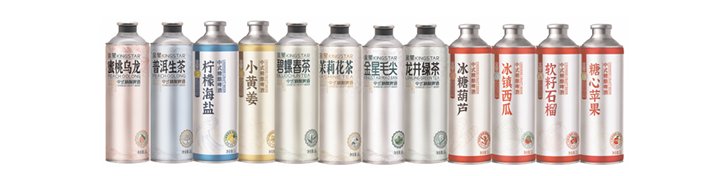
Core Viewpoint - The rapid growth of Jin Xing Beer, driven by its innovative product "Jin Xing Mao Jian" tea beer, has led to significant financial improvements, but the company's aggressive dividend policy and family-controlled ownership structure raise concerns about sustainability and governance risks [1][3][6]. Financial Performance - Jin Xing Beer reported a net profit increase from 12.2 million yuan in 2023 to 125 million yuan in 2024, representing a growth of approximately 925%. By the first nine months of 2025, net profit surged to 305 million yuan, marking a 24-fold increase compared to the entire year of 2023 [1]. - Revenue skyrocketed from 356 million yuan in 2023 to 1.11 billion yuan in the first three quarters of 2025, reflecting a growth rate of 191.34%. The gross margin improved from 27.3% to 47.0%, and net margin increased from 3.4% to 27.5% [3][10]. Product Innovation - The core driver of Jin Xing Beer's growth is the launch of its tea beer product "Jin Xing Mao Jian" in August 2024, which combines Xinyang Maojian tea with beer brewing techniques. The product achieved sales of 6 tons on its first day and surpassed 100 million cans within 10 months, contributing nearly 80% of the company's revenue [3][10]. - In the first three quarters of 2025, this product generated 867 million yuan in revenue, accounting for 78.1% of total sales, significantly altering the company's revenue structure [3]. Market Context - Jin Xing Beer's growth is notable against the backdrop of a declining traditional beer market in China, where major players like China Resources and Qingdao are experiencing sales drops. The overall beer industry saw a 5.7% revenue decline [10]. - The craft beer market in China has grown significantly, with a market size exceeding 80 billion yuan in 2024 and a year-on-year growth rate of over 30%. Products incorporating Chinese elements, such as tea beer, have seen a substantial increase in market share [11]. Governance and Risks - The ownership structure of Jin Xing Beer is characterized by a "family fortress," with the Zhang family controlling 100% of the company. This raises concerns about governance and potential conflicts of interest [6][8]. - The company has engaged in aggressive dividend payouts, distributing 2.29 billion yuan before its IPO, which is 182.6% of the projected net profit for 2024. Such practices are rare and may indicate a focus on maximizing family interests [7][8]. - There are compliance issues regarding social insurance and housing fund contributions, with significant amounts owed in these areas, which could lead to legal risks [8]. Competitive Landscape - Despite its current leading position in the niche market of Chinese craft beer, Jin Xing Beer faces increasing competition from established brands like Qingdao and Budweiser, which are also entering the tea beer segment [11]. - The company holds only a 0.3% market share in the overall beer market, while its market share in the craft beer segment is 14.6%, highlighting a disparity in its competitive positioning [11].

消费论坛交流反馈——食品饮料行业周报(20260112-20260118):传统消费龙头探寻新路,成效初显
Huachuang Securities· 2026-01-19 07:25
Investment Rating - The report maintains a "Recommendation" rating for the food and beverage industry, indicating an expected increase in the industry index exceeding the benchmark index by more than 5% in the next 3-6 months [26]. Core Insights - The traditional consumer leaders in the food and beverage sector are exploring new paths, with initial positive results observed. The report highlights the acceleration of white liquor clearance and the catalyzing effect of the peak season for mass-market products [1][13]. - The liquor industry is currently at the bottom of its cycle, with expectations for sales to stabilize over the next three years. The report notes a significant price drop in high-end whiskey (approximately 50%) and a smaller decline in brandy (10-20%) due to decreased demand and a return to reasonable pricing [10]. - In the mass-market segment, companies are actively adjusting strategies, leading to improved performance. Notable companies include Xianle Health, which is leveraging overseas expansion and AI to drive growth, and West Wheat, which is enhancing its competitive advantage through channel expansion [11][12]. Summary by Sections 1. Meeting Feedback: Liquor at Cycle Bottom, Mass-Market Highlights - Liquor is at a cyclical low, with future sales expected to stabilize. The domestic brandy market remains stable, dominated by three major brands [10]. - The mass-market segment shows a divergence in demand, with companies like Xianle and West Wheat continuing to grow, while traditional companies are adjusting to improve performance [11]. 2. Investment Recommendations: Strengthening White Liquor Bottom, Catalyzing Mass-Market Peak Season - The report recommends Moutai and emphasizes the importance of Gujing, anticipating a recovery in demand as the Spring Festival approaches. The report suggests that companies are transitioning from passive responses to proactive adjustments [13]. - In the mass-market segment, the report highlights Anqi as a key recommendation, along with opportunities in restaurant supply chains and snack sectors as the Spring Festival approaches [13].
休闲旅游需求持续释放叠加体验式消费需求兴起,聚焦消费板块布局机遇
Mei Ri Jing Ji Xin Wen· 2026-01-19 06:39
Group 1 - The Hong Kong consumer sector is experiencing slight fluctuations, with the Hong Kong Stock Connect Consumer ETF (Hua Xia, 513230) rising approximately 0.2% [1] - Notable gainers in the holdings include TCL Electronics, KANAT Optical, Lao Pu Gold, Mengniu Dairy, and Li Ning, while major decliners include China Resources Beer, Jiuxing Holdings, Giant Bio, Yum China, and Blucor [1] - According to the National Bureau of Statistics, service retail sales are projected to grow by 5.5% in 2025, outpacing goods retail sales growth by 1.7 percentage points, indicating an increasing share of service retail in overall retail [1] Group 2 - The tourism market is expected to grow by over 10% in 2025, driven by sustained demand for leisure travel and experiential consumption, supported by government initiatives to boost domestic demand and service consumption [2] - The fourth quarter of 2025 is anticipated to see continued high growth rates of 15% to 20% for brands like Guming and Shanghai Auntie, despite a slight decrease in delivery subsidies [2] - The travel sector, including OTA, hotels, and scenic spots, is likely to benefit from favorable policies aimed at enhancing service consumption [2] Group 3 - Relevant ETFs include the Tourism ETF (562510) benefiting from holiday catalysts and the ice and snow economy, and the Food and Beverage ETF (515170) focusing on boosting domestic demand in undervalued sectors [3] - The Hong Kong Stock Connect Consumer ETF (Hua Xia, 513230) is highlighted for its focus on e-commerce leaders and new consumption trends [3]
消费论坛交流反馈——食品饮料行业周报(20260112-20260118):传统消费龙头探寻新路,成效初显-20260119
Huachuang Securities· 2026-01-19 05:43
Investment Rating - The report maintains a "Recommendation" rating for the food and beverage industry, indicating an expected increase in the industry index exceeding the benchmark index by more than 5% in the next 3-6 months [26]. Core Insights - The traditional consumer leaders in the food and beverage sector are exploring new paths, with initial positive results observed. The report highlights the acceleration of white liquor clearance and the catalyzing effect of the peak season for mass-market products [1][13]. - The report discusses the current state of the liquor market, indicating that the洋酒 (foreign liquor) sector is at the bottom of its cycle, with expectations for sales to stabilize over the next three years. The decline in high-end whiskey prices has been approximately 50%, while brandy prices have decreased by 10-20% [10]. - In the mass-market segment, companies are actively adjusting their strategies, leading to improved performance. Notable companies include仙乐健康 (Xianle Health),西麦 (Ximai), and妙可蓝多 (Miaokelando), which are leveraging new channels and product innovations to drive growth [11][12]. Summary by Sections 1. Meeting Feedback -洋酒 is currently at the bottom of its cycle, with future sales expected to stabilize. The decline in sales is attributed to decreased demand and a return to reasonable pricing after previous high valuations [10]. - In the mass-market segment, there is a divergence in demand, with companies making adjustments that are starting to yield results. Growth is seen in functional foods and cheese products, while traditional sectors are still facing challenges [11]. 2. Investment Recommendations - For white liquor, the report recommends focusing on茅台 (Moutai) and古井 (Gu Jing), anticipating a recovery in demand as the Spring Festival approaches. The report suggests that the market is transitioning from passive responses to proactive adjustments, with a clearer outlook as the year progresses [13]. - In the mass-market segment,重点推荐安琪 (Anqi) and selected opportunities in餐供 (restaurant supply) such as安井 (Anjing) and巴比 (Babi). The report emphasizes the potential for growth in overseas markets and the importance of cost management [13].
金星啤酒冲刺中式精酿第一股:高增长VS依赖症,“单腿狂奔”能走多久?
Zhi Tong Cai Jing· 2026-01-19 02:31
Core Insights - The Chinese craft beer market is experiencing significant growth, with retail sales expected to rise from 12.5 billion yuan in 2019 to 63.2 billion yuan by 2024, representing a compound annual growth rate (CAGR) of 38.4% [1] - The market is projected to continue expanding rapidly, with an estimated CAGR of 23.6% from 2024 to 2029, potentially reaching 182.1 billion yuan by 2029 [1] Industry Overview - The Chinese beer market is categorized into industrial and craft beer, with craft beer facing broader growth opportunities [1] - The overall beer consumption in China has been declining since peaking in 2013, leading to a focus on high-end, quality, and diverse products [3] - Craft beer has become one of the fastest-growing segments in the beverage alcohol category, with a market size CAGR exceeding 30% in recent years [3] Company Performance - Jinxing Beer has positioned itself as a leader in the craft beer segment by focusing on "Chinese craft beer," utilizing unique ingredients like tea, local fruits, and traditional medicinal foods [3] - The company has seen explosive growth in revenue and net profit, with revenues of 356 million yuan, 730 million yuan (105% YoY growth), and 1.11 billion yuan (191% YoY growth) from 2023 to the first three quarters of 2025 [4] - Net profits for the same period were 12 million yuan, 125 million yuan (941% YoY growth), and 305 million yuan (144% YoY growth) [4] Product Innovation - Jinxing Beer has developed a diverse product matrix with 166 SKUs, including 50 craft beer SKUs that contributed 78.1% of revenue in the first nine months of 2025 [3] - The company's focus on product differentiation has led to higher gross margins, with gross margins of 27.3%, 37.8%, and 47% for 2023, 2024, and the first nine months of 2025, respectively [5] Competitive Landscape - Despite its growth, Jinxing Beer faces significant competition in the craft beer market, with traditional beer giants and new entrants adopting low-price strategies [6] - The company ranks fifth in the craft beer industry by retail sales in 2024 and is the third-largest craft beer company as of the first nine months of 2025 [6] Risks and Challenges - Jinxing Beer heavily relies on its craft beer segment, with nearly 80% of its revenue coming from this category, which poses risks if market interest wanes or competition intensifies [7] - The company's growth and risk management are closely tied to the performance of its craft beer products, highlighting the need for diversification to mitigate potential downturns [7]