山姆会员店

Search documents
盒马X会员店关闭,可能对盒马是好事
3 6 Ke· 2025-08-08 07:44
Core Viewpoint - Hema has decided to close all of its Hema X membership stores, marking a strategic shift away from its warehouse-style membership model, which was intended to compete with Costco. The closure signifies the end of a business experiment that began in 2020, while Hema Fresh and community discount stores continue to operate and expand [1][3][15]. Group 1: Business Strategy and Performance - Hema X membership stores were launched in October 2020, with membership fees set at 258 yuan/year for gold members and 658 yuan/year for diamond members, targeting middle-class and high-end consumers [3][5]. - At its peak, Hema X had 10 stores nationwide and claimed over 3 million paid members, generating nearly 600 million yuan in annual revenue [7]. - The closure of Hema X is seen as a necessary move to refocus on core businesses, with Hema Fresh operating over 420 stores and planning to open nearly 100 more in 2025, aiming for profitability with a GMV exceeding 75 billion yuan [15][29]. Group 2: Challenges Faced by Hema X - Hema X faced a dual identity crisis, trying to replicate the warehouse model of Sam's Club and Costco while also maintaining its fresh supermarket roots, leading to a confusing product structure with over 5,000 SKUs [8][10]. - The membership store's pricing strategy did not offer significant advantages, with self-branded products making up only 20%-40% of offerings, and many items being priced higher than in regular stores, causing consumer dissatisfaction [11][12]. - Hema's supply chain challenges included high cold chain costs and weak bargaining power, with only 35% of products sourced globally, limiting its ability to compete on price [12][13]. Group 3: Market Context and Competitors - The closure of Hema X highlights the competitive landscape of China's membership retail market, where Sam's Club and local players like Fudi are expanding successfully by focusing on product differentiation and understanding local consumer preferences [17][18]. - Sam's Club has effectively targeted middle-class families with a clear membership structure and a focus on high-demand products, while Fudi has adopted a more flexible membership model and established a strong supply chain [22][24]. - The failure of Hema X serves as a reminder that success in the retail sector requires a deep understanding of product quality, supply chain efficiency, and respect for local consumer habits [25][28].

盒马X会员店关闭,可能对盒马是好事
首席商业评论· 2025-08-08 04:10
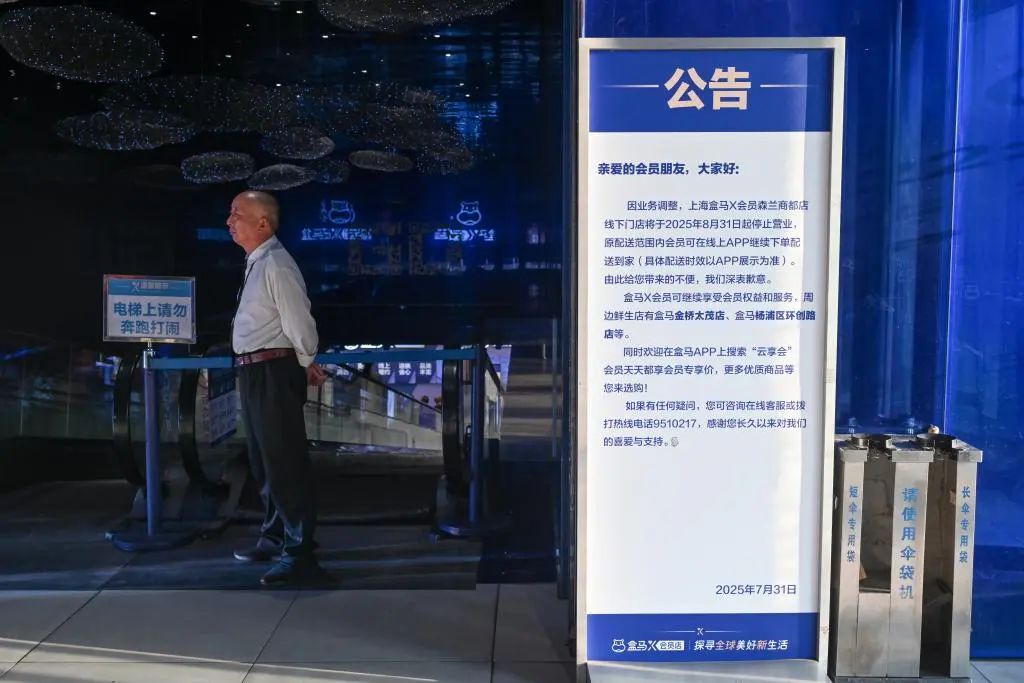
Core Viewpoint - Hema's closure of its X membership stores marks a strategic shift rather than a failure, as Hema Fresh and community discount stores continue to operate and expand [4][16] Group 1: Closure of Hema X Membership Stores - Hema has closed all its X membership stores by the end of July 2025, including locations in Beijing, Suzhou, Nanjing, and Shanghai [1][2] - The closure signifies the end of Hema's attempt to establish a warehouse-style membership store model, which was intended to compete with Costco [5][7] - Hema X membership stores had reached a peak of 10 locations and claimed over 3 million paid members, generating nearly 600 million yuan in annual revenue [9] Group 2: Reasons for Closure - Hema X membership stores faced a dual identity crisis, trying to replicate the warehouse model while retaining the characteristics of traditional Hema Fresh stores, leading to a confusing product mix [10][11] - The product offerings did not align with the trend of smaller household sizes in China, resulting in mismatched inventory and poor sales performance [11][12] - Hema's membership model lacked innovation in product differentiation and value, with a low percentage of self-branded products compared to competitors like Sam's Club [12][14] Group 3: Strategic Shift - Hema's decision to close X membership stores allows it to focus on its core businesses, Hema Fresh and community discount stores, aiming for operational efficiency and user segmentation [16][18] - Hema Fresh plans to open nearly 100 new stores in 2025, expanding its reach to over 500 locations [16][18] - The company is also collaborating with Taobao's 88VIP membership to broaden its member base [16][18] Group 4: Insights on Membership Retail Market - The failure of Hema X membership stores highlights the competitive landscape of China's membership retail market, contrasting with the successful expansion of Sam's Club and local players like Fudi [19][21] - Sam's Club has effectively targeted middle-class families with a clear membership pricing strategy and a focus on high-demand products, while Fudi has leveraged its supply chain to offer unique products [21][22] - The experience of Hema underscores the importance of product differentiation, understanding local consumer preferences, and the need for patience in building a sustainable retail model [27][28]
会员制零售在中国:挑战重重,谁将破局?
Sou Hu Cai Jing· 2025-08-07 23:20
Core Insights - The membership model in China's retail market is undergoing significant changes, highlighted by the announcement of Hema X membership stores closing by the end of August 2025, which has garnered widespread attention in the industry [1] - Hema X membership stores, launched in October 2020, aimed to compete with international giants like Sam's Club and Costco, but have faced challenges leading to their impending closure [3] Group 1: Hema X Membership Store Developments - Hema X membership stores were ambitious in their launch, with the first store covering 6,000 square meters and offering 1,800 products, 30% of which were exclusive, leading to a peak membership of nearly 3 million and annual membership revenue exceeding 500 million yuan [1] - The decision to close Hema X stores is part of a strategic shift under new CEO Yan Xiaolei, who prioritizes profitability and focuses on Hema Fresh and neighborhood businesses, deeming the high investment in X membership stores misaligned with the new strategy [3] - Consumer feedback indicated that Hema X stores offered many of the same products as regular Hema Fresh stores but at higher prices, undermining the perceived value of the 258 yuan annual membership fee [3] Group 2: Competitive Landscape - Sam's Club continues to grow despite facing quality controversies, with membership numbers exceeding 5 million and annual membership revenue surpassing 1.3 billion yuan, although it has encountered issues such as food safety problems [3] - Costco's cautious expansion in China contrasts with its global revenue growth, facing a low membership renewal rate of 62% in China compared to the global average of 90%, indicating localization challenges [5] - The membership model in China faces several challenges, including the perception of membership value, as evidenced by Hema's failure to convey unique value and the homogenization of products, while Sam's Club's quality issues threaten its competitive edge [5] Group 3: Operational and Market Challenges - The operational efficiency of membership retail is critical, relying on supply chain efficiency and cost control, which requires long-term investment, a challenge for Hema attempting to replicate Sam's decades of supply chain expertise [6] - The rise of instant retail poses a challenge to traditional membership models, as consumer habits favor immediate delivery over bulk purchasing, necessitating membership retailers to enhance their online and instant delivery capabilities [6]
会员制零售中国路:盒马谢幕,山姆争议,Costco本土化难题待解
Sou Hu Cai Jing· 2025-08-07 21:51
Core Insights - The membership model in China's retail market has faced significant challenges, highlighted by the impending closure of Hema X membership stores, which were launched with high expectations but are now set to end within five years [1][3] - Hema X aimed to create a Chinese version of warehouse membership stores, competing directly with Sam's Club and Costco, but has struggled with operational issues and consumer perception of value [1][5] Group 1: Hema X Membership Store - Hema X membership stores were launched in October 2020 with ambitious plans, including a 6,000 square meter store featuring 1,800 selected products, 30% of which were exclusive [1] - The membership store quickly expanded, amassing nearly 3 million members and generating over 500 million yuan in annual membership fees, putting pressure on competitors like Sam's Club [1] - However, by early 2024, Hema X began closing stores, with the last one set to close by August 31, 2025, as the new CEO prioritized profitability and shifted focus to Hema Fresh and neighborhood businesses [3] Group 2: Consumer Perception and Market Challenges - Consumers reported that Hema X offered many of the same products as regular Hema Fresh stores but at higher prices, undermining the perceived value of the 258 yuan annual membership fee [3] - Hema attempted to address declining customer traffic with permanent price reductions, but this conflicted with the high-end positioning of the membership store [3] - In contrast, Sam's Club continues to grow despite facing quality issues, with membership numbers exceeding 5 million and annual membership revenue surpassing 1.3 billion yuan [3] Group 3: Costco's Cautious Expansion - Costco's cautious approach in China contrasts with Sam's Club's growth, as it faces localization challenges, reflected in a low membership renewal rate of 62% compared to the global average of 90% [5] - High logistics costs and poor product adaptability are significant hurdles for Costco in the Chinese market [5] Group 4: Broader Industry Insights - The membership model in China is not without its challenges, including issues with perceived membership value and the need for better localization [5][6] - Hema's failure highlights the importance of unique value perception, as consumers found little differentiation between Hema X and regular stores [5] - The rise of instant retail poses a challenge to traditional membership models, necessitating a shift towards online capabilities and instant delivery [6] - Future success in the membership retail sector in China will require a balance between quality and cost, standardization and localization, as well as innovative membership services and market segmentation [6]

经济大省新亮点|零售“焕新升级”激发新需求——河南提振消费一线观察
Sou Hu Cai Jing· 2025-08-07 20:51
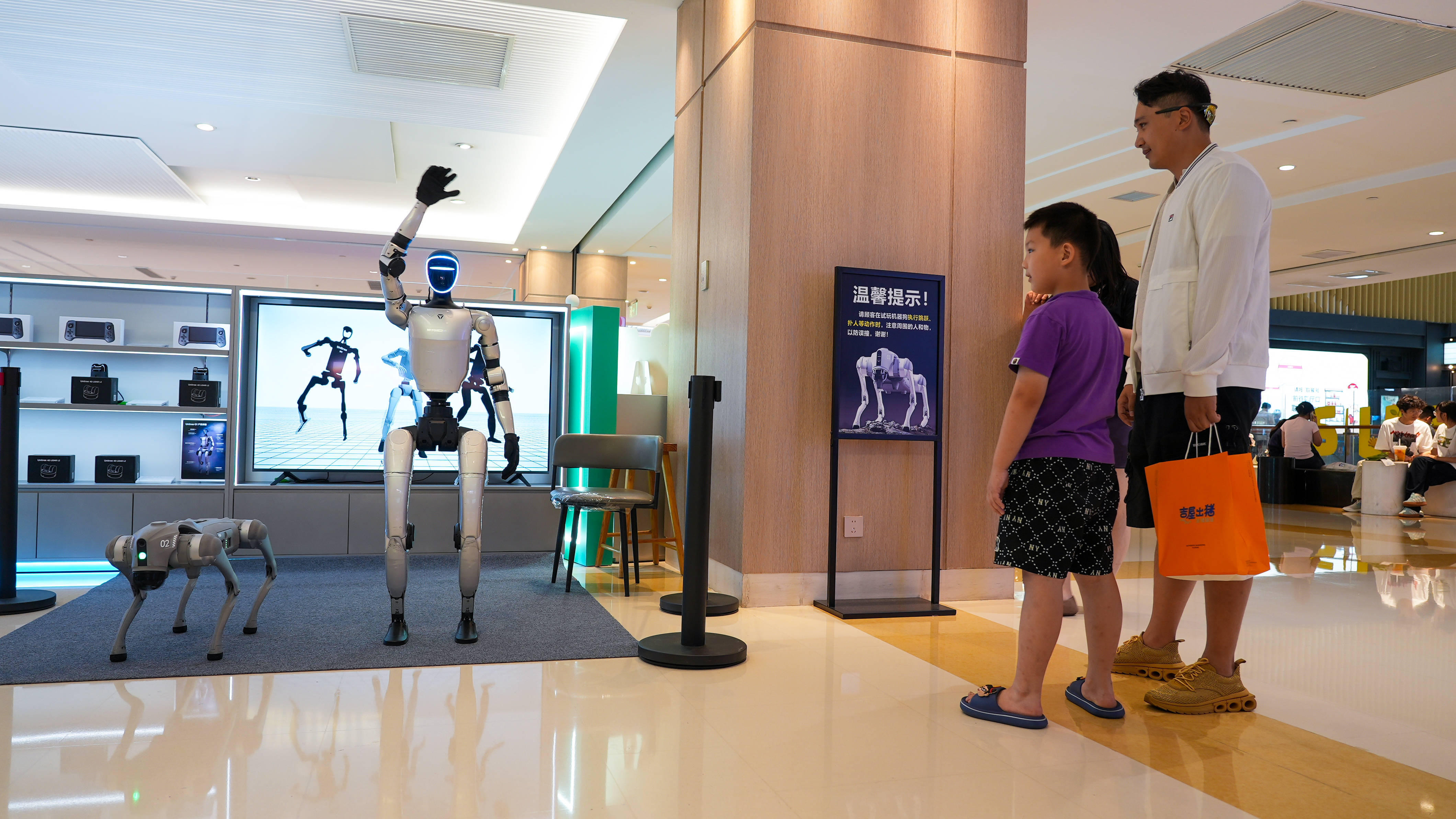
Group 1 - The core viewpoint of the articles highlights the emergence of "first stores" and "first launches" in Henan as a strategy to boost consumption, with a focus on creating unique shopping experiences [1][2][8] - In the first half of the year, Henan's total retail sales of consumer goods reached 1.42 trillion yuan, a year-on-year increase of 7.2%, surpassing the national average by 2.2 percentage points [1] - The government of Henan has prioritized "boosting consumption" as a key focus for 2025, emphasizing the development of first-store economies and supporting cities like Zhengzhou and Luoyang to become international consumption centers [2][8] Group 2 - The "first store" concept has attracted significant foot traffic, with a notable example being the "Red Star Forward Bakery" in Zhengzhou, which sees daily customer traffic of 1,500 [2] - Large commercial complexes like Zhengdong Vientiane City have become popular destinations, housing over 540 brands, including more than 100 first stores and nearly 50 flagship stores [2][3] - The retail landscape in Henan is shifting from price competition to quality competition, with a focus on creating comprehensive shopping experiences that integrate art, culture, and commerce [8][12] Group 3 - The development of first-store economies in Henan has effectively tapped into consumer potential, as seen in the performance of Dennis David City, which recorded a foot traffic of 13.9 million and sales exceeding 5.5 billion yuan in the first half of the year [7] - The introduction of new retail formats, such as the "IP image flagship store" by Huayu Baijia Supermarket, has successfully combined shopping with social experiences, achieving a customer flow of 17,100 and sales of 1.98 million yuan on its opening day [15] - Henan's retail sector is experiencing a transformation, with a focus on safety and quality, supported by a robust supply chain and logistics network, which is crucial for high-quality development [12][15]
经济大省新亮点丨零售“焕新升级”激发新需求——河南提振消费一线观察
Xin Hua Wang· 2025-08-07 13:46
Group 1 - The core viewpoint of the article highlights the revitalization of consumption in Henan through the promotion of "first store" economies and tailored consumption scenarios, leading to a significant increase in retail sales [1][2][4] - In the first half of the year, Henan's total retail sales reached 1.42 trillion yuan, a year-on-year increase of 7.2%, surpassing the national average by 2.2 percentage points [1] - The government of Henan has prioritized "boosting consumption" as a key focus for 2025, emphasizing the development of first-store economies and supporting cities like Zhengzhou and Luoyang to become international consumption centers [2][4] Group 2 - The emergence of first stores has attracted significant consumer traffic, with some stores reporting daily foot traffic of up to 1,500 visitors [2] - Large commercial complexes in Henan, such as Zhengdong Vientiane City, have become popular destinations for young consumers, featuring over 540 brands, including more than 100 city-first stores [2][3] - The retail landscape in Henan has shifted from price competition to quality competition, with a focus on creating comprehensive shopping experiences that integrate art, culture, and commerce [4] Group 3 - Henan is implementing a three-year action plan to optimize the consumer environment, aiming to create a safe and reliable shopping atmosphere [5] - The success of brands in Henan is attributed to their focus on safety and quality, supported by efficient logistics and digital supply chain networks [6] - The opening of flagship stores, such as the Hua Yu Bai Jia supermarket, has demonstrated strong initial performance, with first-day foot traffic reaching 17,100 and sales exceeding 1.98 million yuan [6]
零售“焕新升级”激发新需求——河南提振消费一线观察
Xin Hua She· 2025-08-07 13:13
Group 1 - The core viewpoint of the articles highlights the emergence of "first stores" and "first launches" in Henan as a strategy to boost consumption, with a reported retail sales total of 1.42 trillion yuan in the first half of the year, reflecting a year-on-year growth of 7.2%, surpassing the national average by 2.2 percentage points [1] - The government of Henan has prioritized "boosting consumption" as a key focus for 2025, actively promoting the development of first-store economies and supporting cities like Zhengzhou and Luoyang to become international consumption centers [2] - The opening of new flagship stores and brands, such as the Honey Snow Ice City headquarters and the Dong Mingzhu Health Home in Zhengzhou, indicates a strong push towards attracting younger consumers, with first stores playing a significant role in driving consumption [2] Group 2 - The retail landscape in Henan is evolving from price competition to quality competition, with a focus on creating integrated spaces that combine art, culture, and commerce, reflecting a shift in consumer demand towards service-oriented consumption [4] - The establishment of a safe and reliable consumption environment is crucial for boosting consumer confidence, with initiatives to create trustworthy stores and markets, supported by a robust supply chain network [5] - The opening of the Huayu Baijia supermarket's flagship store, which combines shopping and social interaction, achieved impressive initial results with a customer flow of 17,100 and sales exceeding 1.98 million yuan on its opening day [6]
创新是比竞争对手更好地洞悉用户需求
Bei Jing Shang Bao· 2025-08-07 12:27
Core Insights - Marketing innovation is crucial for driving consumer power and should not be limited to short-term trends or imitation of successful models like LABUBU [3][4] - The essence of innovation lies in developing products that meet customer needs and maintaining high quality and service standards over time [4][5] - Companies must adapt their strategies based on their unique strengths and market demands, especially for small and medium enterprises [5][6] Group 1: Marketing Innovation - Successful marketing innovation examples include the IP consumer market of LABUBU, but such models are not easily replicable and require time to assess their true success [3] - Innovation in marketing is not just about following trends but also involves improving product quality, service, and customer management [3][4] - Companies like Sam's Club and Anaya community exemplify successful marketing through clear positioning and a focus on customer experience rather than chasing fads [4] Group 2: Role of Technology - Digital tools like big data and AI can enhance marketing innovation but cannot replace the need for deep communication and understanding of customer needs [6][7] - AI can assist in specific marketing tasks but lacks the capability to fully replace human strategic thinking in marketing [6] Group 3: Traditional Brands and Innovation - Traditional brands face challenges in innovation due to rigid management structures and must balance innovation with maintaining core brand strengths [7] - The key to innovation is not just technology but a shift in mindset, requiring new talent and approaches to connect with younger consumers [7][9] Group 4: Effective Innovation Strategies - Companies should avoid "innovation for innovation's sake" and focus on genuinely understanding and addressing customer pain points [9][10] - Effective innovation should align with real market demands rather than merely responding to government policies or trends [10]

盒马会员店将全部关闭!
Sou Hu Cai Jing· 2025-08-06 22:01
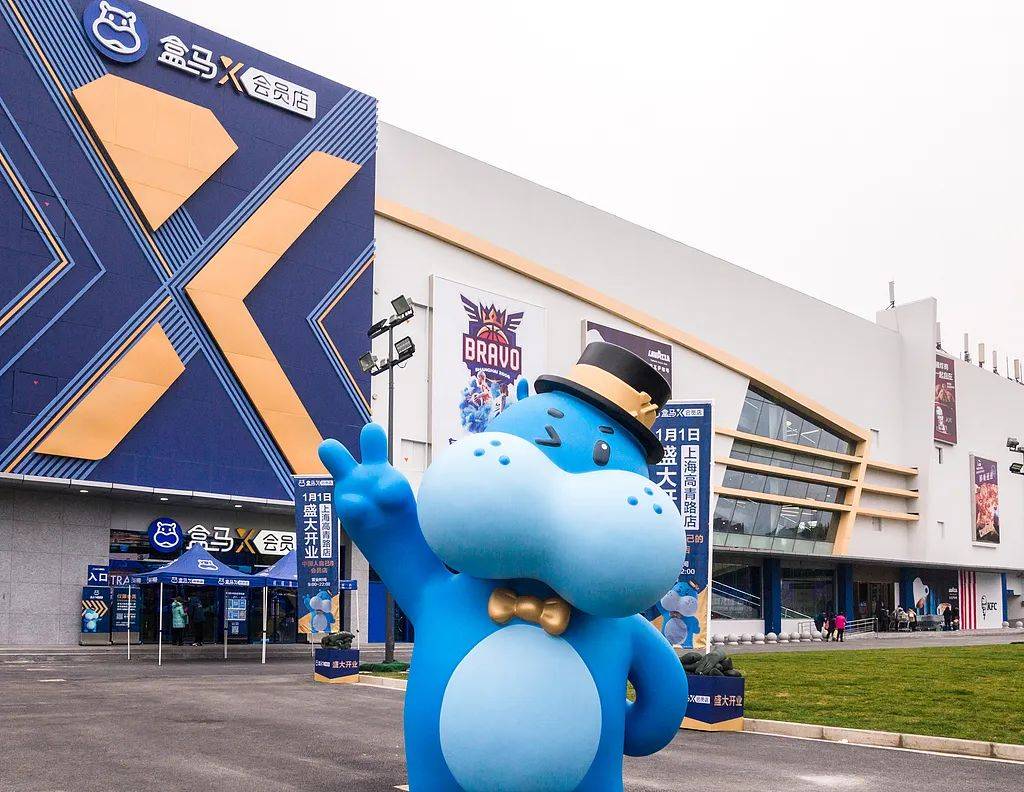
Core Viewpoint - Hema's X membership stores are closing down nationwide, marking the end of this business model for the company [3][10][21]. Group 1: Store Closures - Multiple Hema X membership stores, including locations in Beijing, Suzhou, and Nanjing, have ceased operations as of July 31 [3]. - The last remaining store, Hema X membership store in Shanghai, will close on August 31, 2025, leaving no operational X membership stores [10][12]. - The closures are part of a strategic business adjustment by Hema, which has decided to eliminate the X membership store format [15][23]. Group 2: Business Model and Strategy - Hema X membership stores were launched in October 2020 in Shanghai and were seen as a potential "second growth curve" for the company, aiming to compete with Costco [13][15]. - The membership model included annual fees of 258 yuan for gold members and 658 yuan for diamond members, targeting middle-class and high-end consumers [15]. - Hema's strategy is shifting focus towards its core businesses, Hema Fresh and Hema NB, which are seen as more sustainable and competitive in the current market [22][23]. Group 3: Market Context - The closure of Hema X membership stores comes amid a broader trend of domestic retailers entering the warehouse membership store market, following the successful launch of Costco in China [17][20]. - Hema's decision reflects a response to market dynamics and a need to concentrate resources on more promising business models [23].
盒马X会员店谢幕:会员制探索未果,未来战略转向何方?
Sou Hu Cai Jing· 2025-08-06 12:28
Core Insights - Hema X membership stores, once seen as a key growth initiative, are set to close all locations by the end of the month after less than five years of operation [1][3] Group 1: Business Performance - Hema X membership stores aimed to emulate Costco and rapidly expanded, opening ten stores across major cities like Shanghai and Beijing by October last year [3] - Despite rapid expansion, Hema X membership stores failed to establish a competitive advantage in supply chain and product selection, leading to a lack of differentiation [3] - The pricing strategy of Hema X membership stores has been criticized, with some products priced higher than those in Hema Fresh, contradicting the value proposition of membership stores [3][5] Group 2: Market Position and Strategy - Hema X membership stores have not built a substantial user base, with their contribution to overall sales remaining below 10% [5] - In contrast, Sam's Club has seen significant success in China, growing its membership from 2 million in 2019 to nearly 9 million by 2024, generating annual membership revenue of 2.3 billion yuan [5] - Following the closure of Hema X membership stores, Hema is shifting focus to expanding Hema Fresh and Hema NB formats, planning to open nearly 100 new Hema Fresh stores by 2025 and aiming for 300 Hema NB stores in three years [6] Group 3: Customer Engagement - To retain customer loyalty, Hema is collaborating with Taobao 88VIP to offer a limited-time promotion for 90 days of free X membership rights [6] - The upgraded "Cloud Enjoyment Club" will continue to offer over 800 MAX products and exclusive member prices, providing consumers with more choices and discounts [6]