海尔智家

Search documents
跨越140万亿大关!这就是咱们的底气
Sou Hu Cai Jing· 2026-02-18 00:59
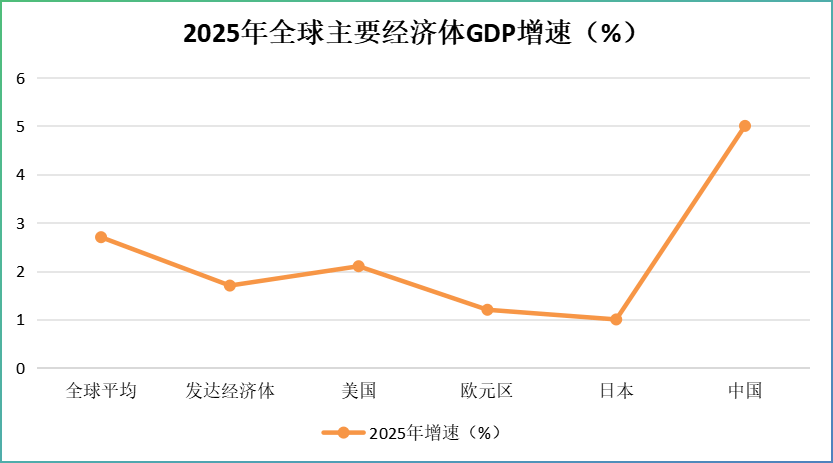
Core Viewpoint - In 2025, China's GDP surpassed 140 trillion yuan for the first time, achieving a year-on-year growth of 5.0% at constant prices, maintaining a leading growth rate among major global economies [1][4]. Economic Growth and Resilience - China's economy has shown remarkable resilience, achieving a historic total increase during the "14th Five-Year Plan" period, with GDP rising from 110 trillion yuan to 140 trillion yuan, averaging over 5% growth [5]. - The manufacturing sector has maintained its position as the world's largest for 16 consecutive years, contributing significantly to economic stability and technological innovation [5]. - Grain production has stabilized at 1.4 trillion jin for two consecutive years, ensuring food security for over 1.4 billion people amidst global price fluctuations and extreme weather [5]. Risk Resistance and Stability - China's large economic scale has translated into strong risk resistance, maintaining stability in the face of global debt challenges and protectionist measures [7]. - The average urban unemployment rate during the "14th Five-Year Plan" was 5.2%, with real per capita disposable income growing by 5.0%, reflecting synchronized economic growth and improved living standards [7]. Domestic and International Demand - The domestic market has shown robust vitality, with significant consumer activity during holidays and a notable contribution of 52.0% from final consumption expenditure to economic growth [8]. - Despite global trade slowdowns, China's total import and export volume increased by 3.8%, with high-tech product exports rising by 13.2% [8]. Structural Optimization - The service sector's contribution to GDP reached 57.7%, becoming the largest industry, while new business models in cultural tourism and heritage revitalization are driving consumption upgrades [12]. - Strategic emerging industries such as high-end equipment manufacturing and biomedicine are rapidly developing, while traditional manufacturing is improving through technological upgrades [12]. Foreign Trade and Open Economy - High-level foreign trade initiatives, such as the Hainan Free Trade Port, have facilitated cross-border movement and increased imports, with a 37% rise in inbound tourists [14]. - The "Belt and Road" initiative has strengthened trade relationships with over 150 countries, enhancing China's integration into the global economy [14]. Innovation and New Productivity - China's R&D expenditure as a percentage of GDP has reached 2.8%, surpassing the OECD average, indicating a new phase of stable growth and quality improvement in technological innovation [16]. - The innovation index has ranked China among the top ten globally, with significant breakthroughs in key technologies supporting the development of emerging industries [16]. Conclusion - Overall, China's economy in 2025 illustrates resilience under pressure and the emergence of new opportunities during transformation, with a clear direction for high-quality development in the future [18].

春晚广告位争夺战:四十年国民记忆与商业暗流
创业邦· 2026-02-17 10:32
Core Viewpoint - The evolution of the Spring Festival Gala sponsorship reflects the changing landscape of China's economy and consumer behavior over the past 40 years, showcasing the transition from material scarcity to technological innovation and brand storytelling [4][24]. Group 1: 1980s to Early 1990s - The 1980s marked a period of material scarcity, where items like watches and radios were symbols of wealth and status, leading to the first brand sponsorship by 康巴丝 (Kangbasi) at the Spring Festival Gala [5][7]. - 康巴丝 sponsored the gala by trading 3,000 quartz watches for advertising, which significantly boosted its brand recognition and sales, reaching an annual production of 1.26 million watches by 1987 [8]. - The sponsorship model evolved, with 中华自行车 (Zhonghua Bicycle) taking over the sponsorship in 1995, reflecting the changing consumer demands and economic conditions [9][14]. Group 2: Mid-1990s to Early 2000s - The mid-1990s saw a surge in consumer spending, with the emergence of "标王" (advertising king) sponsorships, particularly in the liquor industry, exemplified by 山东孔府宴酒 (Shandong Confucius Feast Wine) and 秦池酒 (Qinchijiu) [11][12]. - 秦池酒's sponsorship led to a dramatic increase in sales from 1.8 billion yuan in 1995 to 9.5 billion yuan in 1996, highlighting the impact of gala sponsorship on brand visibility and sales [16]. - The era was characterized by a shift towards consumerism, with brands leveraging the gala to enhance their market presence, although some faced backlash due to quality issues [16]. Group 3: 2000s to Early 2010s - The early 2000s marked the rise of home appliance brands, with 美的 (Midea) becoming a prominent sponsor, securing 11 sponsorships from 2003 to 2014, reflecting the growing importance of brand trust [17][19]. - The cost of advertising skyrocketed, with Midea's sponsorship fee increasing from 6.8 million yuan in 2005 to 57.2 million yuan in 2011, indicating the gala's significant viewership and advertising value [21]. - Brands began to focus on storytelling and emotional connections with consumers, moving beyond mere product promotion to build brand loyalty [23]. Group 4: Mid-2010s to Present - The 2010s saw the rise of internet companies as key players in the advertising space, with platforms like WeChat revolutionizing audience engagement through interactive features like the "red envelope battle" during the gala [25][26]. - The digital transformation of the gala allowed for unprecedented levels of interaction, with WeChat reporting 10.1 billion red envelope transactions on New Year's Eve, significantly enhancing its user base [26]. - The emergence of technology companies in the gala sponsorship landscape reflects a broader shift towards innovation and digital engagement, with brands like Xiaomi and AI robotics showcasing advancements in technology [32].






海尔智家(06690.HK)2月13日耗资9.2万殴元回购股份
Ge Long Hui· 2026-02-16 10:54
Group 1 - The company Haier Smart Home (06690.HK) announced a share buyback on February 13, spending €92,000 to repurchase 45,000 D-shares at a price range of €2.0305 to €2.0405 per share [1]
海尔智家2月13日斥资9.17万欧元回购4.5万股
Zhi Tong Cai Jing· 2026-02-16 04:52
Group 1 - The company Haier Smart Home (600690)(06690) announced a share buyback plan on February 13, 2026, involving an expenditure of €91.7 million to repurchase 45,000 shares [1] - The buyback price per share is set between €2.0305 and €2.0405 [1]
海尔智家(06690)2月13日斥资9.17万欧元回购4.5万股
智通财经网· 2026-02-16 04:49
Group 1 - The company Haier Smart Home (06690) announced a share buyback plan, committing to repurchase 45,000 shares at a total cost of €91,700 [1] - The buyback price per share is set between €2.0305 and €2.0405 [1]
海尔智家(06690) - 翌日披露报表
2026-02-16 04:41
FF305 翌日披露報表 (股份發行人 ── 已發行股份或庫存股份變動、股份購回及/或在場内出售庫存股份) 表格類別: 股票 狀態: 新提交 公司名稱: 海爾智家股份有限公司 呈交日期: 2026年2月16日 如上市發行人的已發行股份或庫存股份出現變動而須根據《香港聯合交易所有限公司(「香港聯交所」)證券上市規則》(「《主板上市規則》」)第13.25A條 / 《香港聯合交易所有限公司GEM證券 上市規則》(「《GEM上市規則》」)第17.27A條作出披露,必須填妥第一章節 。 | 第一章節 | | | | | | | | | --- | --- | --- | --- | --- | --- | --- | --- | | 1. 股份分類 | 普通股 | 股份類別 | 其他類別 (請註明) | | 於香港聯交所上市 | 否 | | | 證券代號 (如上市) | 690D | 說明 | | 普通股- D股面值每股人民幣1元 (於法蘭克福證劵交易所上市) | | | | | A. 已發行股份或庫存股份變動 | | | | | | | | | | | 已發行股份(不包括庫存股份)變動 | | | 庫存股份變動 | ...
出海2035:接下来是最有希望的十年,可能也是最难的十年 || 大视野
Sou Hu Cai Jing· 2026-02-16 00:45
Core Insights - The article emphasizes the importance of understanding the impact of national security and geopolitical factors on Chinese companies' overseas expansion, which may exceed the companies' capabilities to address [3][4][10]. Group 1: Future Predictions for Chinese Companies Going Abroad - Chinese companies are expected to succeed in localizing products and services, creating consumer welfare in host countries, and some have already reached the stage of creating globally competitive products [5]. - Compliance with local laws and regulations, as well as building good relationships with stakeholders, will also lead to positive outcomes for Chinese companies [5][6]. - The article highlights the need for deep localization and community engagement, as demonstrated by Zijin Mining's proactive approach in Serbia and China Minmetals' efforts in Peru [6][9]. Group 2: Challenges from Geopolitical Factors - Geopolitical issues and national security concerns pose significant challenges for Chinese companies, especially in sensitive markets, which could threaten their operational existence [10][11]. - Companies may seek assistance from government institutions and industry associations when facing geopolitical pressures, but it is difficult for a single company to withstand national and international pressures alone [11][12]. Group 3: Structural Changes in International Business Environment - The article discusses the structural changes in the international business environment, where national security and geopolitical factors have become a standard consideration for many countries, leading to increased intervention in markets [28][29]. - The U.S. and EU have adopted policies that prioritize economic security, viewing China as a significant threat, which has resulted in a shift towards protectionism and increased regulatory scrutiny [29][30][31]. Group 4: Recommendations for Chinese Companies - Companies are advised to enhance their awareness of controllability, especially in mergers and acquisitions, and to consider alternative strategies such as technology or service collaborations to mitigate risks [40][41]. - There is a strong emphasis on compliance with local laws and understanding local cultures to avoid conflicts and ensure sustainable operations [42][43]. - A dynamic balance between exports and overseas expansion is crucial, leveraging China's advantages while responding to global changes [43][44]. Group 5: National-Level Strategies - The article suggests that the government should integrate overseas expansion into national development strategies, fostering communication with companies to create a comprehensive roadmap for internationalization [45]. - It is essential to recognize the disruptive impact of national security and geopolitical factors and to deploy systematic support measures for companies venturing abroad [46].
美国犹太人资本巨头贝莱德,已经全方位渗透了中国市场?
Sou Hu Cai Jing· 2026-02-15 05:55
Core Viewpoint - BlackRock is aggressively increasing its holdings in Chinese stocks, such as Haier Smart Home and WuXi Biologics, indicating a strategic move to capitalize on undervalued assets in China's technology and industrial digitalization sectors [1][3][5]. Group 1: Investment Strategy - BlackRock's recent actions include reducing its stakes in companies like Midea and BYD while simultaneously increasing its holdings in firms like WuXi Biologics and Bank of China, reflecting a focus on "low valuation" opportunities [3][5]. - The performance of BlackRock's funds, such as the Advanced Manufacturing Mixed A fund, which achieved a 63.34% annual increase in 2025, suggests a successful investment strategy despite some fourth-quarter pullbacks [3][5]. Group 2: Market Influence - BlackRock manages assets exceeding $14 trillion, making it one of the largest financial entities globally, comparable to the economies of major countries [5][12]. - The firm has strategically invested in key sectors, including renewable energy and biotechnology, and has stakes in major Chinese companies like CATL, BYD, Tencent, and state-owned enterprises [19][21]. Group 3: Regulatory Environment - China is adopting a balanced approach to foreign investment, welcoming capital while ensuring regulatory oversight to prevent potential disruptions to its market [23][25]. - Recent regulatory changes, such as the reduction of the foreign investment negative list and the establishment of the National Financial Supervision Administration, aim to manage foreign capital while maintaining national security [25][27]. Group 4: Long-term Perspective - BlackRock's entry into the Chinese market is viewed as a strategic move for both parties, with China benefiting from foreign capital and technology while BlackRock seeks to leverage China's growth potential [27][29]. - The relationship between BlackRock and the Chinese market is characterized as a fair exchange of interests, emphasizing the importance of maintaining regulatory frameworks to ensure mutual benefits [27][29].


2026年货消费观察 |“焕新式年货”,这些上市公司正占领市场
Xin Lang Cai Jing· 2026-02-15 00:02
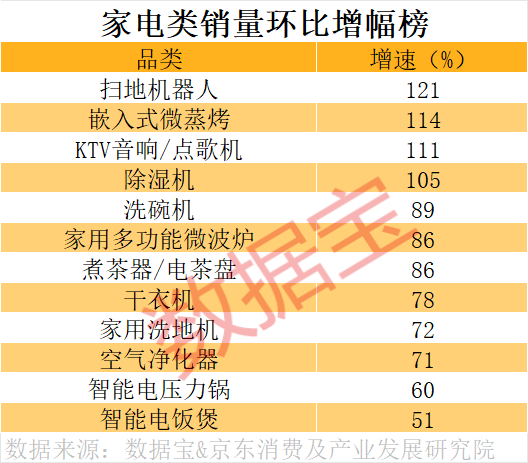
Core Insights - The definition of "New Year goods" is evolving, with traditional items being replaced by more technologically advanced and practical "smart goods" as consumer preferences shift towards enhancing the quality of life for parents [1][10] - The rise of "smart New Year goods" is particularly notable in rural markets, where products like smart home appliances are becoming popular choices among younger consumers [1][11] Consumer Trends - Young consumers are increasingly opting for gifts that improve their parents' quality of life, such as dishwashers and robotic vacuum cleaners, rather than traditional gifts like alcohol and grains [2][11] - The sales of smart appliances have seen significant growth, with robotic vacuum cleaners increasing by 121% and embedded micro-steaming ovens by 114% during the festive season [3][11] Market Dynamics - The improvement of logistics, 5G network coverage, and payment environments in rural areas has made online shopping for smart appliances more accessible [6][16] - Government subsidies ranging from 10% to 15% for green smart appliances have further lowered the consumption threshold for rural residents [6][16] Industry Response - Home appliance companies are adapting their product strategies to meet the needs of rural consumers, offering customizable and easy-to-install devices [7][17] - Brands are launching special promotional packages for the New Year, combining multiple smart appliances with discounts and installment payment options to stimulate demand [7][17] Investment Opportunities - High dividend-yielding companies in the home appliance sector are attracting attention, with companies like Gree Electric, Supor, and Hisense showing dividend yields above 3% [8][18] - Supor is noted for its nearly 100% dividend payout ratio for 2024, indicating strong financial health and investor interest [8][18]

9571.64万美元!这张“黄金卡”如何助力黄石企业“跑”出加速度?
Sou Hu Cai Jing· 2026-02-14 12:16
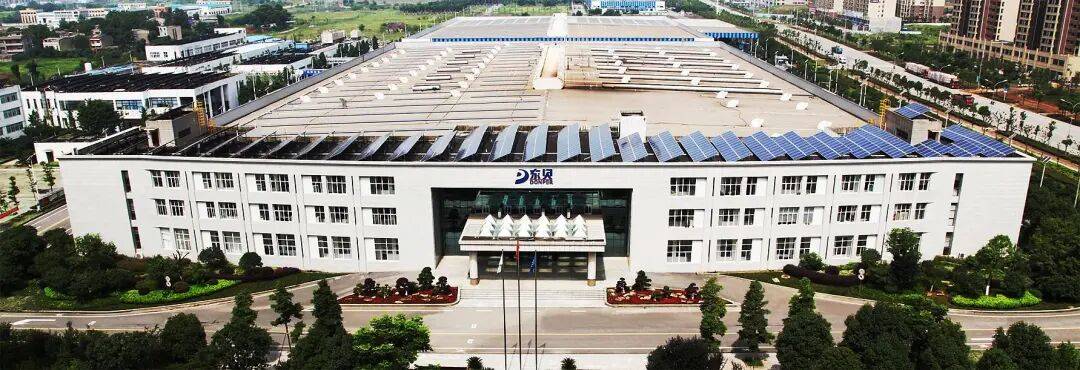
Core Insights - The APEC Business Travel Card has significantly enhanced the international business operations of Dongbei Group, facilitating efficient cross-border travel and collaboration with global partners [1][3][5] Group 1: Business Expansion and Performance - In 2025, Dongbei Group achieved impressive sales performance in APEC economies, with total sales exceeding $9.5764 million, driven by the growth in compressors, motors, and refrigeration sectors [3] - The card has enabled Dongbei Group's executives to engage in overseas investment and deepen strategic collaborations with well-known companies like Mixue Ice City and Haier, resulting in a substantial increase in compressor sales from zero in 2023 to 820,000 units in 2025 [3][5] Group 2: Efficiency Gains - The APEC Business Travel Card has revolutionized the efficiency of Dongbei Group's operations, saving an average of 7-10 working days per trip for visa processing, totaling over 1,500 working days saved for 50 core employees in the past two years [5] - The card has also facilitated 170 trips, saving over 200 hours in queue verification time, enhancing the company's responsiveness in urgent situations [5] Group 3: Cost Savings - The card's visa exemption across 16 economies has allowed Dongbei Group to save approximately 200,000 yuan in visa and agency fees over the past two years, enabling better allocation of funds towards critical business activities [7] - These savings have been reinvested into essential areas such as business travel, market research, and technical exchanges, optimizing the company's financial resources for market expansion [7] Group 4: Future Initiatives - The municipal foreign affairs office plans to continue supporting Dongbei Group's international business expansion by enhancing policy implementation and assisting more eligible core employees in obtaining the APEC Business Travel Card [10]