
软银集团

Search documents
被英媒说中了!美国这次够狠,日本毫无招架之力,被拿捏也只能忍
Sou Hu Cai Jing· 2026-02-23 11:21
Group 1 - Japan's investment of $550 billion in the U.S. is a result of pressure from the U.S. to lower tariffs, leading to a situation where Japan has limited options [1][3][9] - The U.S. controls the allocation of funds through a special entity, and Japanese companies must respond quickly to avoid tariff reinstatement [1][3][11] - The negotiations are complex, with Japan's Minister of Economy, Trade and Industry acknowledging the difficulty in reaching a final agreement [3][9][11] Group 2 - Japanese companies face high risks and profit-sharing arrangements that favor the U.S., with initial profits split 50/50 and later shifts to 90% for the U.S. [3][6][13] - The first projects include significant investments in energy and mineral sectors, but Japanese firms must navigate U.S. investment reviews [4][11][14] - The political dynamics between Japan and the U.S. are intertwined with the investment agreement, as U.S. President Trump publicly supports Japanese Prime Minister Kishida [9][13] Group 3 - The investment is seen as a strategic retreat for Japan, with concerns about long-term impacts on domestic competitiveness [6][14] - Japanese firms like SoftBank are involved in large-scale projects, but must weigh the risks of U.S. economic security requirements [4][11][13] - The agreement is positioned as a win-win, but the reality may lead to significant costs for Japan in the long run [6][14]

白宫发布会一年后仍未实质启动,OpenAI的5000亿美元"星际之门"计划陷入僵局
Hua Er Jie Jian Wen· 2026-02-23 10:37
这一挫折对OpenAI的财务状况造成压力。去年该公司毛利率低于预期,因其不得不在最后关头购买昂 贵算力。OpenAI还将2030年前的算力支出预测从4500亿美元上调至6650亿美元。与此同时,谷歌和 Anthropic在过去一年成长为更具威胁的竞争对手。 三方分歧致项目停滞 特朗普在白宫高调宣布的5000亿美元"星际之门"AI数据中心计划在启动一年多后陷入僵局,OpenAI被 迫放弃自建数据中心的雄心,转而依赖与云服务商的合作来满足其紧迫的算力需求。 据知情人士透露,这个由OpenAI、Oracle和软银三方组建的合资企业至今未配备人员,也没有开发任 何OpenAI的数据中心。项目宣布后的数周内,三方在领导权、职责分工和合作结构等关键问题上陷入 分歧,导致"星际之门"计划迟迟无法推进。 面对算力短缺的困境,OpenAI一度计划大规模自建并拥有数据中心园区,以减少对云服务商的依赖。 但当贷款机构拒绝为这家商业模式未经验证、每年烧钱数十亿美元的公司提供数十亿美元融资时,该计 划最终搁浅。直到数月后面对财务现实,OpenAI才重新转向"星际之门"合作伙伴寻求推进项目。 但当OpenAI评估场址并计算成本时,高管们 ...
【华创策略姚佩】春节海内外全扫描——策略周聚焦
Sou Hu Cai Jing· 2026-02-23 07:43
Group 1 - The core viewpoint of the report highlights the continuous release of catalysts in the domestic and international technology industries during the Spring Festival, including the showcase of humanoid robots and breakthroughs in domestic AI models [1][3] - The first Tesla Cybercab, designed for autonomous taxi services, has officially rolled off the production line, and OpenAI is nearing completion of a funding round expected to raise over $100 billion, potentially valuing the company at over $850 billion [4][21] - Domestic financial data shows a significant narrowing of the PPI decline in January, with expectations for a positive year-on-year change by the third quarter, while M1 and M2 growth rates have rebounded [7][8] Group 2 - Domestic consumption during the Spring Festival saw strong travel demand and high growth in retail and catering, although box office recovery was relatively weak [9][10] - The article emphasizes the importance of service consumption and technological innovation in the economic work meeting speech by President Xi Jinping, with a focus on supporting sectors like tourism, dining, and healthcare [10] - The report indicates that the market may have entered a configuration phase after short-term volatility, with technology and cyclical sectors expected to be the main investment themes moving forward [30][31]

Trump-Backed Ohio Gas Plant Could Become Biggest US Power Polluter
Insurance Journal· 2026-02-23 06:00
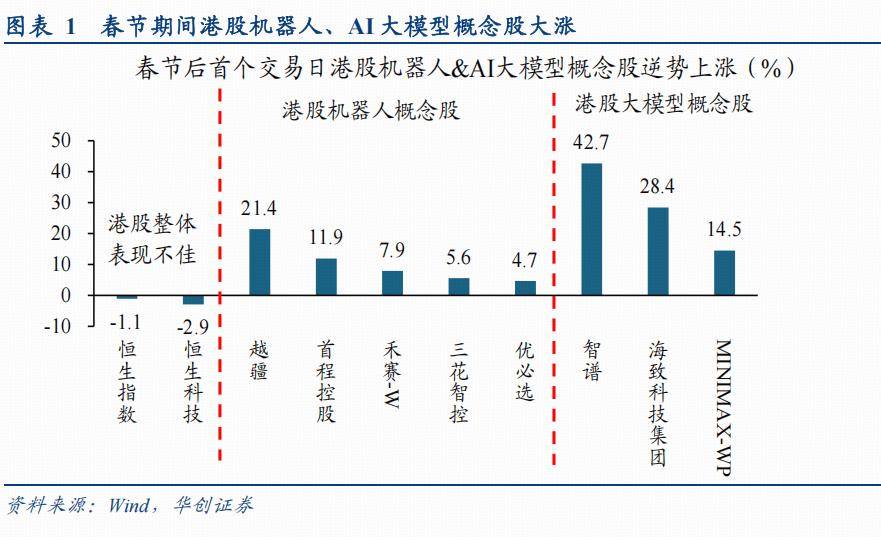
President Donald Trump’s proposal for a massive gas-fired power plant in Ohio would likely create one of the nation’s largest sources of carbon dioxide emissions from electricity generation.While details of the potential $33 billion development are scarce so far, it’s intended to be led by SoftBank Group Corp. and is envisaged as having capacity of 9.2 gigawatts, according to a fact sheet from the U.S. Department of Commerce. That would make the project the biggest U.S. power plant, according to BloombergNE ...
被英媒说中了,美国这次够狠,日本毫无招架之力,被拿捏也只能忍
Sou Hu Cai Jing· 2026-02-23 04:20
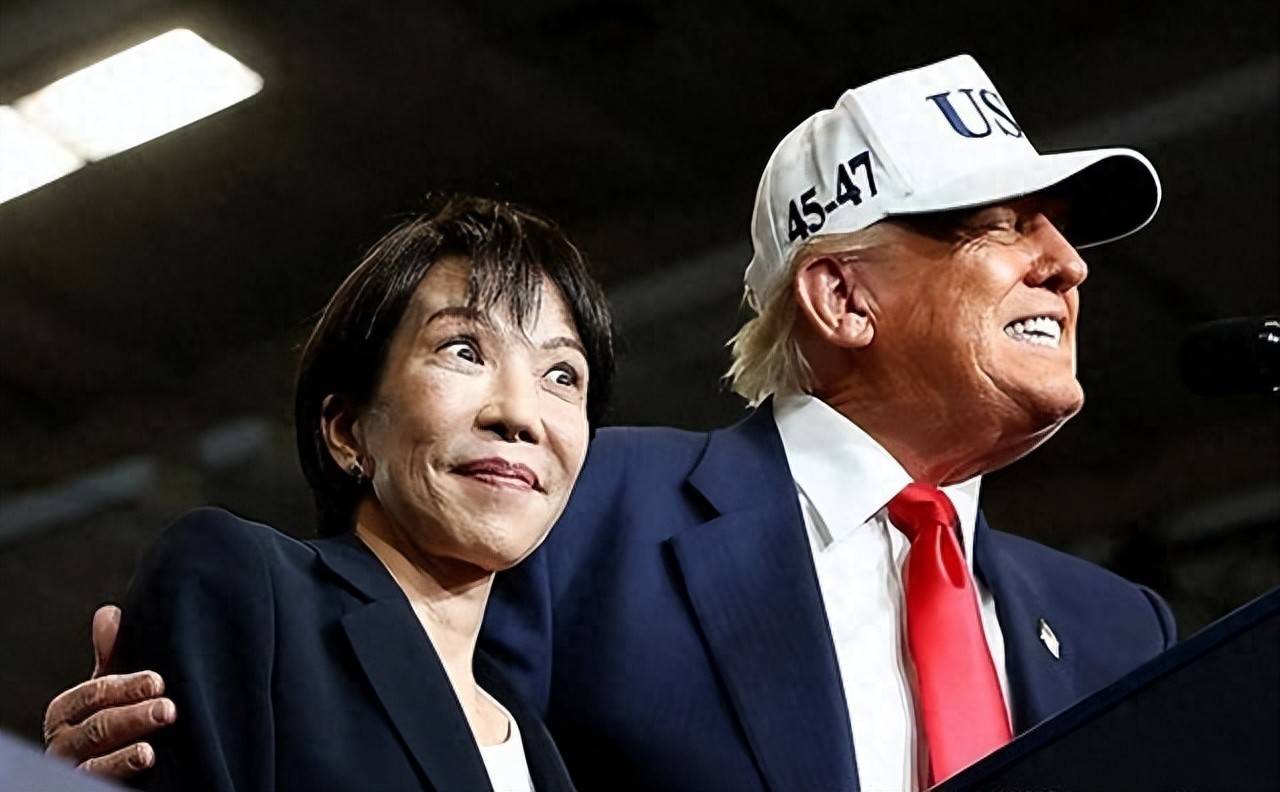
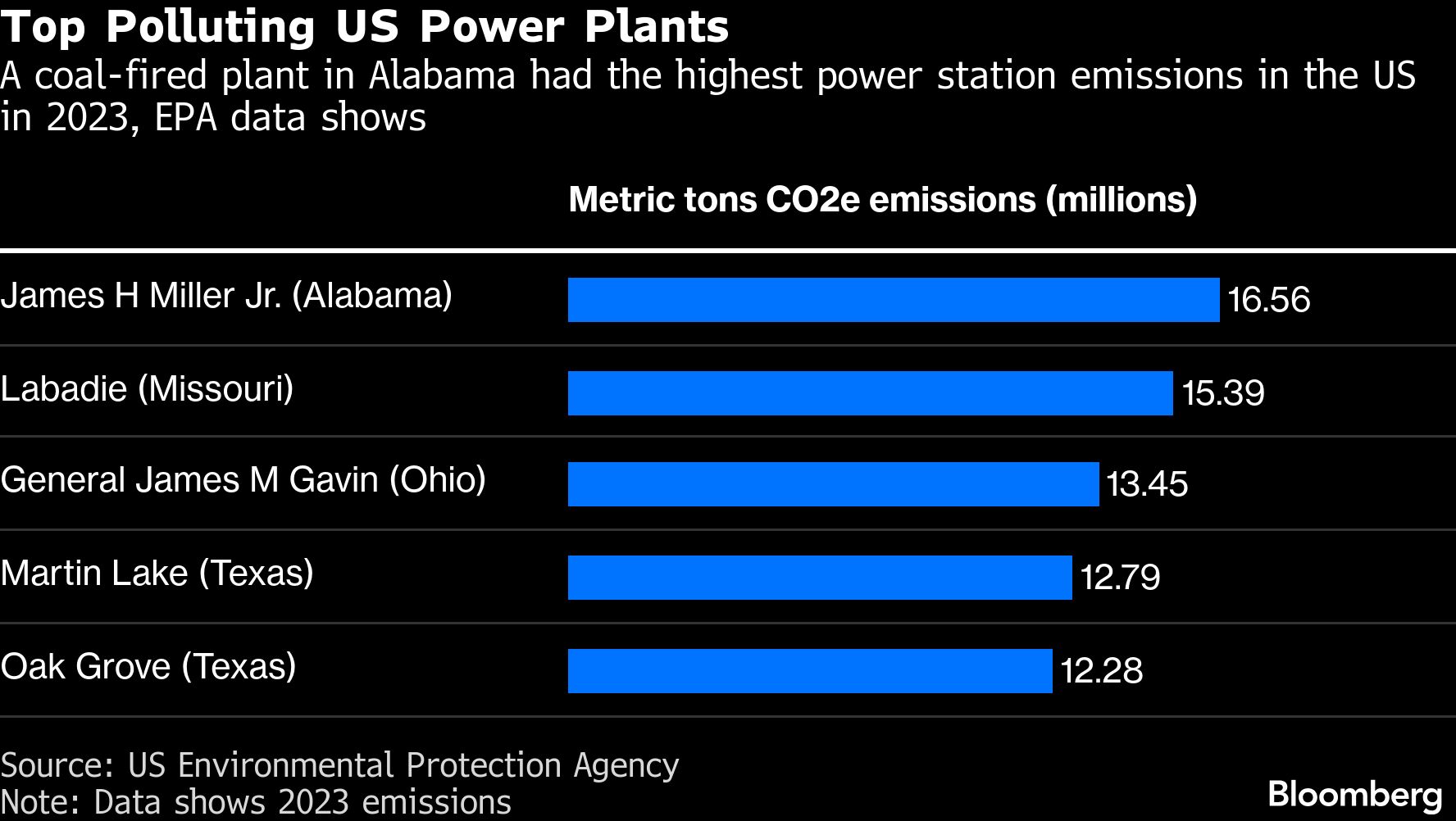
2025年7月22日,在白宫举行的签约仪式上,美国总统特朗普与日本首相高市早苗共同宣布了一项具有重大意义的贸易框架协议。根据协议内容,日本承 诺到2029年之前,向美国注入5500亿美元资金,重点支持能源、半导体和关键矿产等领域的开发。作为交换,特朗普决定将最初威胁的25%进口关税降至 15%。这项协议的背后,实际上早在特朗普重返白宫后就已经开始酝酿。当时,全球的贸易格局因美国单边的关税政策变得异常紧张,而作为美国在亚太 地区的重要盟友,日本本以为通过长期的军事合作能够获得豁免,没想到却成为了第一个被施压的对象。 从目前的情况来看,美国的策略已逐渐显露出来。在2026年2月17日,美国商务部公布了首批三项投资项目,总金额达到360亿美元,涵盖俄亥俄州的天 然气发电厂、德克萨斯州的原油出口终端以及佐治亚州的合成钻石工厂。这些项目的投资远不止简单的资金注入,它们还要求日本提供技术支持和运营 承诺,与以往的合作方式有所不同,这次更加注重供应链的本地化。俄亥俄的天然气发电厂由日本软银集团子公司SB Energy负责运营,投资额为330亿美 元,产能达到9.2吉瓦,能够满足整个州家庭的用电需求,还能支持数据中心的扩展, ...
算力大利空?OpenAI算力支出被爆腰斩!背后发生了什么?
Xin Lang Cai Jing· 2026-02-22 08:50
来源:投行圈子 6000亿美元的"妥协背后":OpenAI突然砍掉一半算力预算,这场AI军备竞赛要转向了? 这两天科技圈却被一条消息炸得人仰马翻。 OpenAI告诉投资者,到2030年,它的总算力支出"仅"为6000亿美元。 等等,几个月前奥特曼不还在嚷嚷着要砸1.4万亿美元搞基建吗?这砍掉的可不是小数目——8000亿美 元,相当于少建了3个特斯拉或者5个宁德时代。 消息一出,评论区立刻分成两派。一派高呼"AI泡沫要破了",另一派则忙着解释"这是两个口径,不能 简单对比"。 但无论怎么解读,有一点是确定的:那个曾经喊着"给我钱,别的甭管"的OpenAI,终于开始算账了。 从1.4万亿到6000亿,这不仅仅是数字的变化。它可能意味着整个AI行业的游戏规则,正在发生一次根 本性的转向。 今天,我们就来聊聊这6000亿美元背后,到底藏着什么信号。 01 奥特曼的"妥协" 先说清楚这6000亿到底怎么回事。 去年11月,奥特曼公开画了一张大饼:未来8年投入约1.4万亿美元,用于AI基础设施建设,主要砸向数 据中心和计算资源。这个数字有多大?相当于再造一个苹果的市值。 当时整个硅谷都倒吸一口凉气。1.4万亿,这已经不是 ...

360亿美元!日本承诺特朗普的首笔投资,砸向了美国能源
Hua Er Jie Jian Wen· 2026-02-22 08:20
美国商务部长Howard Lutnick称这座位于俄亥俄州的设施为"史上最大的天然气发电厂"。该项目将由日 本软银旗下子公司SB Energy运营,旨在增强电网可靠性、扩大基荷电力供应,并以可负担的能源支持 美国制造业。 剩余资金将用于建设一座合成钻石工厂和德克萨斯州的Texas GulfLink深水石油出口码头。后者预计每 年将产生200亿至300亿美元的美国原油出口额,日出口能力达100万桶。 日本已兑现其对美5500亿美元投资承诺的首笔资金,总额达360亿美元,其中最引人注目的是一座装机 容量9.2吉瓦的天然气发电厂项目。这是去年日美贸易协议的核心内容之一。 这笔投资反映出美国电力需求激增的现实,尤其是人工智能驱动的数据中心需求。国际能源署本周表 示,全球电力需求正以15年来最快速度增长,而天然气已成为提供全天候不间断电力的首选能源。 商务部在关于日本协议的情况说明书中表示,该深水设施将在20年内产生4000亿至6000亿美元收入,并 推进特朗普总统的能源主导议程。 贸易协议下的能源承诺 去年与特朗普达成贸易协议以避免对美出口遭受大规模关税的大多数国家都做出了能源进口承诺,关税 威胁被证明是追求能源主导 ...

被英媒说中了!日本砸5500亿换关税豁免,却被美国连骨头都嚼碎
Sou Hu Cai Jing· 2026-02-22 08:18
Group 1 - The core issue revolves around Japan's $550 billion investment commitment to the U.S., which is seen as a form of economic coercion rather than a mutually beneficial agreement [1][3] - Japan's Prime Minister's team was caught off guard by the U.S. tariffs, leading to a humiliating agreement that required Japan to invest heavily in key sectors like energy and semiconductors [1][3] - The control over the investment funds lies with a U.S. entity, limiting Japan's ability to influence project selection and funding distribution [1][3] Group 2 - The profit-sharing model is heavily skewed, with initial profits split 50-50, but later U.S. entities taking 90% of the profits, leaving Japanese companies with minimal returns [3][5] - Japanese companies face stringent risk assessments and must navigate complex geopolitical risks, often feeling pressured to comply with U.S. demands [3][5] - The political dynamics, particularly Trump's support for Japan's leadership, intertwine economic investments with political backing, further complicating Japan's negotiating position [5][7] Group 3 - Japanese firms are caught in a dilemma: they must invest in U.S. projects for economic security while facing long payback periods and low profit shares [5][7] - The urgency to complete projects during Trump's term adds pressure on Japanese companies, potentially undermining their domestic capital competitiveness [5][7] - The overall sentiment is that Japan's $550 billion investment will not yield equal respect or long-term stability, but rather a temporary reprieve in a challenging international landscape [7]
超4万亿元!巨头突然宣布:下调
Xin Lang Cai Jing· 2026-02-22 03:30
Core Insights - OpenAI plans to spend approximately $600 billion on total computing power by 2030, down from an earlier projection of $1.4 trillion for infrastructure development [1] - The company is finalizing a funding round that could exceed $100 billion, with about 90% of the funds coming from strategic investors [1] - Nvidia is in discussions to invest up to $30 billion in OpenAI, which is expected to have a pre-money valuation of $730 billion [1] Financial Projections - OpenAI anticipates revenue of $13.1 billion in 2025, surpassing its original target of $10 billion [1] - The company's total expenditures for the year are projected to be $8 billion, lower than the previously expected $9 billion [1] - By 2030, OpenAI expects total revenue to exceed $280 billion, with consumer and enterprise business contributions being roughly equal [1]

OpenAI 踩刹车了!大幅下调算力支出目标
Sou Hu Cai Jing· 2026-02-22 01:48
OpenAI下调算力支出目标 据最新消息, OpenAI已大幅下调算力建设支出目标至6000亿美元,该金额较此前宣称的1.4万亿美元基 础设施承诺大幅缩水。 另外,数据显示,2025年OpenAI的营收为131亿美元。OpenAI最新预计,其2030年总收入将超过2800亿 美元。 OpenAI正在敲定一轮总额可能超过1000亿美元的巨额融资,其中约90%来自战略投资者,包括英伟 达、软银集团、亚马逊等。这笔交易,可能使OpenAI的整体估值超过8500亿美元。 据悉,OpenAI计划将相当比例的新资金投入算力相关硬件采购,包括来自英伟达的芯片产品,用于数 据中心和基础设施建设。 据外媒报道,作为OpenAI酝酿已久的融资轮的一部分,英伟达向OpenAI投资接近300亿美元。报道称, 这项投资实际上将取代两家公司之前计划的1000亿美元投资合作协议。 据CNBC报道,数月前,OpenAI的创始人兼CEO萨姆·奥尔特曼曾吹嘘1.4万亿美元的基础设施投入承 诺。如今,OpenAI正告知投资者,其2030年总算力投入目标约为6000亿美元。 据报道,消息人士透露,由于外界普遍担忧其扩张野心远超潜在收入,这家AI巨头 ...