OPPO

Search documents
库克尴尬了:印度的镰刀,挥向苹果,要向苹果收300亿的税?
Sou Hu Cai Jing· 2025-10-29 07:18
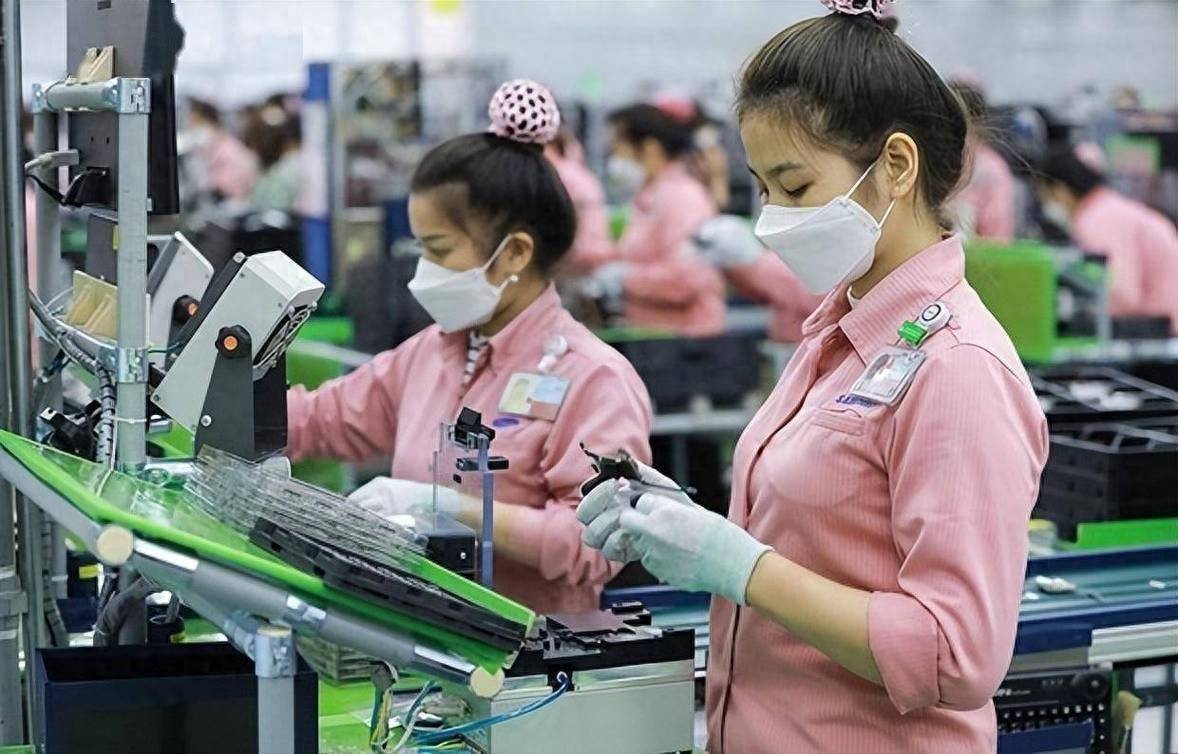
最近这几年,大家都说印度是外资坟场,因为印度对大量的来印度的外资,挥舞起了收割的镰刀,通过各种办法,对这些外资进行罚款。 比如小米、OPPO、VIVO等中国企业,还包括英特尔、谷歌、微软、亚马逊等美国企业,以及奔驰、大众等,还包括起亚、沃达丰,绝大部分到印度去发 展跨国性大企业,都被收割过。 但让人想不通的是,这么恶劣的情况之下,苹果居然押注印度了。 这几年,苹果跑到印度去建厂,将大量的iPhone制造,从中国搬到印度,为此苹果不惜砸了上百亿美元,还鼓动富士康,在印度也投了上百亿美元。 本以为靠着印度政府的补贴,以及当地的低成本,苹果可以分散风险,降低成本。 但让人没有想到的,印度政府还蛮讲究公平的,既然罚了小米、OPPO、VIVO,以及奔驰、谷歌、英特尔、起亚等外资,那苹果也不能错过。 近日,有媒体报道称,印度税务部门突然翻出了一条1961年颁布的旧税法,要求苹果按照"全球营业额"来交税,据称算出来苹果要将41亿美元,近300亿人 民币的税给印度。 印度收税的依据是什么呢?是印度在1961的颁布的法律,当时印度为了限制外资在印度的逃避进口税,出台了一个政策。 称如果外国公司在印度有生产设备,那么印度就可以对 ...


印度市场遭遇资本寒冬:全球投资者加速撤离的深层逻辑
Sou Hu Cai Jing· 2025-10-29 06:37
Core Insights - The Indian capital market is experiencing an unprecedented wave of foreign capital outflow, with net outflows exceeding $22 billion in the past three months, marking a historical high. This trend reflects systemic risks facing the Indian economy and a strategic shift in global capital allocation [2][3]. Group 1: Triggers of the Outflow - Deteriorating policy environment: Frequent modifications to foreign investment regulations by the Modi government, including localization requirements and retrospective taxation, have severely undermined investor confidence [3]. - Accumulation of valuation bubble risks: The Sensex index has maintained a price-to-earnings ratio above 25, with some tech unicorns valued at 3-4 times the industry average, prompting institutions like BlackRock and Vanguard to adopt profit-taking strategies [3]. - Disappearance of geopolitical premiums: With a temporary easing of US-China relations, capital is reassessing the value of the "China+1" strategy, revealing significant shortcomings in India's supply chain completeness and business efficiency [3]. Group 2: Key Areas of Capital Withdrawal - Financial technology sector: Companies like Paytm have seen their stock prices halve, with foreign ownership dropping by 40% [3]. - Renewable energy: Import restrictions on solar components have stalled multiple large-scale projects [3]. - Consumer electronics: Companies like Xiaomi and OPPO face compliance scrutiny, leading to a 28% reduction in foreign ownership among supply chain firms [3]. - Infrastructure REITs: Significant redemptions have occurred in highway and power asset securitization products [3]. Group 3: Structural Deficiencies - Infrastructure bottlenecks: Logistics costs account for 14% of GDP, significantly higher than the Southeast Asian average [3]. - Labor quality trap: Only 5% of the eligible workforce has received systematic vocational training [3]. - Financial system vulnerabilities: The non-performing loan ratio remains above the 8% warning threshold [3]. - Local protectionism: Inconsistent tax policies across states have led to increased cross-regional operational costs [3].
“电饭煲邪修”,手机传数据更快?
Guan Cha Zhe Wang· 2025-10-29 06:33
Core Viewpoint - The article discusses the challenges consumers face during data migration when switching to new smartphones, highlighting a viral method involving placing phones in a rice cooker to enhance data transfer speed, which has sparked significant online discussion [1][3]. Group 1: Data Migration Challenges - Consumers are experiencing difficulties with data migration, often taking hours to transfer large amounts of data, such as photos and chat records [1]. - Celebrities and users have shared their frustrations on social media, with some claiming that transferring data between old and new Apple phones can take an entire day [1]. Group 2: Viral Method Explanation - A viral suggestion involves placing both old and new phones in a rice cooker, which is said to create a "shielding box" that reduces external signal interference, thus improving Wi-Fi signal concentration [3]. - This method is based on the principle of a Faraday cage, which effectively blocks external electromagnetic waves, creating a "clean" electromagnetic environment for data transfer [3]. Group 3: Technical Insights - Apple customer service clarified that data transfer between Apple devices uses a virtual network, not Wi-Fi or Bluetooth, meaning external interference is not a factor [4]. - For Android devices, data transfer methods like "phone clone" or "switch assistant" are more susceptible to environmental interference due to their reliance on Wi-Fi Direct or local Wi-Fi networks [4]. Group 4: Industry Innovations - OPPO has introduced a device called "O Flash Move," which utilizes a closed metal box to enhance data transfer speed, similar to the Faraday cage principle [7]. - Xiaomi has also been mentioned as a brand that sells rice cookers, which has led to users creatively using their products to facilitate data transfer [8].

铂力特(688333):看好3D打印产品在民用领域开拓
Xin Lang Cai Jing· 2025-10-29 06:33
Core Viewpoint - The company reported significant growth in Q3 2025, with revenue reaching 494 million yuan, a year-over-year increase of 120.94%, and a net profit of 79.44 million yuan, reflecting a year-over-year increase of 447.30% [1][2]. Financial Performance - In Q3 2025, the company's revenue grew by 120.94% year-over-year, while net profit increased by 447.30%. This growth is attributed to the expansion into new application areas and increased efforts in the civilian market, particularly in 3D printing customized products [2]. - For the first three quarters of 2025, the company achieved revenue of 1.16 billion yuan, a year-over-year increase of 46.47%, and a net profit of 156 million yuan, reflecting a year-over-year increase of 234.83% [1]. Profitability Improvement - The gross margin for Q3 2025 was 45.24%, up by 12.15 percentage points year-over-year, and the net profit margin was 16.09%, an increase of 26.32 percentage points year-over-year [2]. - The company is experiencing scale effects as military and civilian products gradually enter mass production [2]. Inventory and Capacity Expansion - As of Q3 2025, the company's inventory, prepayments, and contract liabilities were 1.45 billion yuan, 88 million yuan, and 153 million yuan, respectively, representing increases of 75.30%, 94.76%, and 125.30% compared to the beginning of the year. This indicates strong downstream demand and proactive inventory buildup [2]. - The company is actively expanding production capacity, with a new facility expected to be completed by December 2024, which will enhance its mass production capabilities in aerospace and industrial applications [2]. New Market Developments - The company has made significant breakthroughs in emerging fields, including humanoid robots, 3C products, and commercial aerospace. Notable developments include the introduction of advanced sensors at the World Robot Conference and participation in the development of a liquid oxygen-methane engine [3]. Profit Forecast and Valuation - The company maintains its profit forecast, expecting net profits of 281 million yuan, 374 million yuan, and 506 million yuan for 2025-2027, with a compound annual growth rate of 69.25%. Corresponding EPS is projected at 1.02 yuan, 1.36 yuan, and 1.85 yuan [4]. - The company is assigned a valuation of 65 times PE for 2026, with a target price adjusted to 88.40 yuan, reflecting a discount compared to comparable companies due to its established position in the military 3D printing sector [4].

中国移动终端快充方案在国际电信联盟发布 成为全球标准
Xin Lang Cai Jing· 2025-10-29 05:13
Core Viewpoint - The International Telecommunication Union (ITU) has officially released the global universal fast-charging standard L.1004, led by the China Academy of Information and Communications Technology (CAICT) in collaboration with Huawei, OPPO, and vivo, marking a significant milestone in mobile terminal charging solutions [1] Group 1 - The standard L.1004 is the first global universal fast-charging standard established by ITU [1] - China's independently developed fast-charging solution is the only case recommended in the "best practices" section of the standard [1]

中国主导的全球首个快充标准发布,华为、OPPO、vivo参与制定
Feng Huang Wang· 2025-10-29 04:57
Core Points - The International Telecommunication Union (ITU) has officially released the first global universal fast charging standard for mobile terminals, developed by the China Academy of Information and Communications Technology (CAICT) in collaboration with Huawei, OPPO, and vivo [1][2] - The new standard aims to address the long-standing issue of incompatible charging protocols and chargers across different brands, which has caused inconvenience for users and contributed to electronic waste [1] - The standard promotes a unified fast charging solution, allowing consumers to use a single charger for various devices from different manufacturers, enhancing user experience and aligning with global environmental trends [1] Industry Impact - China's innovative fast charging technology was recommended as the only global case in the "best practices" section of the international standard, highlighting China's technological accumulation and influence in the mobile charging sector [2] - The approval of this international standard, led by Chinese institutions and companies, signifies a critical shift for China from technology follower to standard leader in consumer electronics charging technology [2] - The global promotion of this standard is expected to effectively regulate the global charging market, reduce production and R&D costs across the industry chain, and lay the foundation for a unified and efficient global charging ecosystem across brands and devices [2]
黄仁勋口中的“中国硅谷”,正在批量生产AI独角兽
创业邦· 2025-10-29 03:27
Core Viewpoint - Hangzhou is emerging as a competitive technology innovation hub in China, often referred to as "China's Silicon Valley," driven by AI and supported by a robust ecosystem of companies, policies, and talent [6][51]. Group 1: Overview of Hangzhou's Tech Ecosystem - Recent stock price surges of Alibaba and the IPO launches of local companies like Yushutech and Qunhe Technology highlight the city's growing prominence in the tech sector [6]. - Hangzhou's tech ecosystem is characterized by top universities, a vibrant entrepreneurial culture, active private capital, and a complete technology enterprise hierarchy from giants to startups [7]. Group 2: Key Companies and Innovations - Alibaba's global headquarters in Hangzhou serves as a core hub for AI talent and innovation, with plans for a 380 billion yuan investment in AI infrastructure over three years [11]. - Numerous "Alibaba-affiliated" AI startups are emerging, such as: - BetterYeah AI, focusing on enterprise-level AI agents, has raised over 100 million yuan in its latest funding round [15]. - Half Universe, aiming to create a personal AI computer, is led by former Alibaba Cloud chief security scientist [15]. - Rokid, specializing in AR technology, has gained international recognition for its smart glasses [15]. - The establishment of the Zhijiang Laboratory, focusing on intelligent perception and AI, showcases the city's commitment to cutting-edge research [17]. Group 3: Policy Support and Talent Attraction - The "Future Science City" in Yuhang District has implemented generous talent policies, including up to 12 million yuan in research subsidies and 3 million yuan in housing subsidies to attract high-level talent [22]. - The city government has set ambitious goals for the AI industry, aiming for over 390 billion yuan in core AI industry revenue and more than 700 AI enterprises by the end of 2025 [52]. Group 4: Competitive Landscape - Hangzhou faces competition from other major cities like Beijing, Shenzhen, and Shanghai, but it is carving out a niche in AI application transformation [51]. - The city is developing a unique "Silicon Alley" model, with tech companies like DeepSeek and Qunhe Technology establishing themselves in urban centers rather than traditional tech parks [36]. Group 5: Future Prospects - The integration of Alibaba's ecosystem, Zhejiang University's talent pool, and the capital from Ant Group positions Hangzhou favorably for future growth in the AI sector [51]. - The city's cultural inclusivity and willingness to embrace new talent contribute to its attractiveness as a tech hub, fostering a diverse and innovative environment [53].





OpenAI完成重组;英伟达入股诺基亚丨新鲜早科技
2 1 Shi Ji Jing Ji Bao Dao· 2025-10-29 01:51
Group 1: OpenAI and Microsoft Partnership - Microsoft and OpenAI have signed a new agreement to support the formation and capital restructuring of OpenAI Group PBC, with Microsoft holding approximately $135 billion in investment rights, equating to about 27% ownership in the profit-making entity [2] - OpenAI's non-profit foundation will continue to control the profit-making organization, with an estimated valuation of $130 billion [2] - OpenAI plans to purchase $250 billion worth of Microsoft Azure cloud services, resulting in Microsoft losing its preferential rights to provide computing services to OpenAI [2] Group 2: Nvidia's Investment in Nokia - Nvidia announced a $1 billion investment in Nokia at a subscription price of $6.01 per share, which will give Nvidia a 2.9% stake in Nokia [3] - The investment aims to accelerate AI-RAN innovation and facilitate the transition from 5G to 6G [3] - Both companies will collaborate on developing next-generation 6G mobile communication technology, with Nokia adapting its software for Nvidia's chips [3] Group 3: Xiaomi's Smart Appliance Factory - Xiaomi's smart appliance factory officially commenced production in Wuhan, marking the company's third large-scale smart factory [6] - The factory can produce a high-end air conditioner every 6.5 seconds, with 100% AI visual inspection for key components [6] - Xiaomi's "Panghuai Smart Manufacturing Platform" enables intelligent control of manufacturing equipment, achieving industry-leading efficiency and quality [6] Group 4: Strategic Developments in the Tech Sector - Xiaopeng Huitian signed a strategic cooperation agreement with the Dunhuang Municipal Government to launch the first low-altitude self-driving tourism route in Northwest China [7] - Baidu's AI glasses will begin pre-sales on November 1, featuring various AI capabilities and stylish designs [8] - Shanghai Xinyang has started construction on a project to produce 50,000 tons of key materials for integrated circuits, with an investment of 1.85 billion yuan [13] Group 5: Mergers and Acquisitions - Skyworks plans to merge with competitor Qorvo in a cash and stock transaction, with a combined valuation of approximately $22 billion [10] - The merger aims to enhance capabilities in high-performance RF, analog, and mixed-signal semiconductor sectors [11] - ChipLink Integration revealed progress in its SiC business, with samples sent to AI companies in Europe and the US, indicating a strong market presence [14]




一加只想把游戏用户“哄”好
Jing Ji Guan Cha Wang· 2025-10-29 01:31
Core Viewpoint - OnePlus is focusing on performance and gaming experience with the launch of OnePlus 15, differentiating itself from competitors by not following trends of higher-end models or diversifying its product line [1][2]. Product Features - OnePlus 15 features a 165Hz high refresh rate, which is 40 frames more than 120Hz, enhancing gaming performance by allowing quicker enemy detection and response [1]. - The device includes a gyroscope equivalent to that of the PS5 controller, improving stability during intense gaming scenarios [1]. - The phone's cooling system utilizes lightweight materials like ultra-thin steel and aerospace-grade aerogel to maintain performance without adding excessive weight [3]. Design and Technical Choices - OnePlus 15 opts for a 1.5K resolution screen to support the 165Hz refresh rate, as current technology does not allow for a 2K+165Hz combination [4]. - The decision to use a 1.5K screen is based on user data showing that most users prefer battery efficiency over higher resolution, with only about 20% opting for 2K resolution in previous models [4]. - The camera system has shifted from a partnership with Hasselblad to using OPPO's Lomo imaging system, which has raised concerns about image quality among some users [5]. Market Dynamics - The smartphone market is increasingly segmented, with a growing preference for performance-oriented devices over traditional imaging-focused models [6]. - IDC forecasts that China's smartphone market will see shipments of approximately 271 million units in 2023 and 286.2 million in 2024, indicating a substantial but maturing market [6]. - Competition is intensifying in the online market, where brands like OnePlus and iQOO target young consumers, particularly students, who prioritize performance and affordability [7].
佰维存储递表港交所 华泰国际为独家保荐人
Zheng Quan Shi Bao Wang· 2025-10-29 00:40
Core Viewpoint - Baiwei Storage has submitted a listing application to the Hong Kong Stock Exchange, with Huatai International as the sole sponsor [1] Group 1: Company Overview - Baiwei Storage is an independent semiconductor storage solution provider tailored for the AI era, possessing full-stack technical capabilities including main control chips, innovative storage solution design, and advanced packaging and testing [1] - The company operates an integrated R&D and packaging model, offering high-performance, customized semiconductor storage solutions to meet the needs of various sectors such as smart mobility, AI emerging endpoints, PCs, enterprise storage, smart vehicles, and other industries [1] - Baiwei Storage has established partnerships with numerous globally recognized clients, including Meta, Google, Xiaomi, OPPO, BYD, and Changan [1] Group 2: Market Position - Baiwei Storage is the only independent storage solution provider globally with wafer-level packaging capabilities [1] - According to Frost & Sullivan, in 2024, the company is projected to be the largest independent storage manufacturer with proprietary packaging manufacturing based on relevant revenue, as well as the largest supplier of semiconductor storage solutions for AI emerging endpoints globally [1]