中国人民银行

Search documents
1.1万亿买断式逆回购节后落地,10月仍有望加量续作
Di Yi Cai Jing· 2025-09-30 10:37
Group 1 - The People's Bank of China (PBOC) is set to conduct a 1.1 trillion yuan reverse repo operation on October 9, with a term of 3 months, to maintain liquidity in the banking system [2] - In October, there will be 8 billion yuan of 3-month reverse repos maturing, and the PBOC's operation indicates an increase of 300 billion yuan in this category [2] - The market anticipates another 6-month reverse repo operation due to 500 billion yuan of 6-month reverse repos maturing in October [2] Group 2 - The PBOC's actions are influenced by the large-scale issuance of government bonds and the acceleration of 500 billion yuan in new policy financial tools, which are expected to significantly boost loan disbursements [3] - Seasonal cash demand and increased fiscal deposits are expected to create a liquidity gap, prompting the PBOC to signal a supportive monetary policy through reverse repo operations [3][4] - The PBOC is likely to continue using both reverse repos and Medium-term Lending Facility (MLF) tools to inject medium-term liquidity into the market [4]
央行开展11000亿元买断式逆回购操作 期限为3个月
Shang Hai Zheng Quan Bao· 2025-09-30 10:31
Core Viewpoint - The People's Bank of China (PBOC) is implementing a 1.1 trillion yuan reverse repurchase operation to maintain ample liquidity in the banking system, scheduled for October 9, 2025, with a term of 91 days [1] Group 1 - The operation will be conducted using a fixed quantity, interest rate bidding, and multiple price level bidding methods [1] - The total amount for the reverse repurchase operation is set at 1.1 trillion yuan, which is approximately 154 billion USD [1]
11000亿元!央行出手
券商中国· 2025-09-30 09:46
Group 1 - The People's Bank of China announced a buyout reverse repurchase operation of 1.1 trillion yuan, set to take place on October 9, 2025, with a term of 3 months (91 days) to maintain ample liquidity in the banking system [1] - The operation will be conducted through a fixed quantity, interest rate bidding, and multiple price level bidding method [1] Group 2 - The announcement is part of the central bank's strategy to ensure sufficient liquidity in the financial system [1] - The operation reflects ongoing efforts to manage monetary policy effectively amid changing economic conditions [1]

中国央行与欧洲央行货币供应与创造的比较分析|政策与监管
清华金融评论· 2025-09-30 09:41
Core Viewpoint - The article emphasizes the significance of comparing the monetary supply and creation between the People's Bank of China (PBOC) and the European Central Bank (ECB) to provide insights for China's monetary policy, especially in the context of the unique characteristics of the Chinese economy [1][3]. Group 1: Importance of Banking Systems - Both China and the Eurozone have relatively high importance in their banking systems, making the comparison of their monetary policies meaningful [3]. - The analysis focuses on the ability to control interest rates by maintaining net liquidity close to the balance level of the banking system [3]. Group 2: Changes in China's Central Bank - The PBOC has undergone significant transformation, with foreign exchange reserves dropping from over 80% of total assets in 2014-2016 to below 50% by early 2025, indicating a qualitative change in operational strategies [5]. - During the global financial crisis, liquidity surplus reached nearly 8% of GDP, which gradually decreased from 2010 to 2021, attributed to the accumulation of foreign exchange reserves [5]. Group 3: Financing Structure Comparison - China's financing structure is primarily based on indirect financing, mainly through credit loans, with deposit financial institutions holding over 60% of the financial sector's assets as of 2022, significantly higher than in developed countries [7]. - The broad money supply (M2) in China has been largely driven by asset expansion in indirect financing since 2022, with a relatively high growth rate due to market volatility [7][10]. Group 4: Monetary Supply and GDP Relationship - The role of money in the Chinese economy is significantly larger than in the Eurozone, with the money creation ratio to GDP increasing from slightly above 150% to nearly 220% from 2002 to 2024 [10][11]. - The growth rate of China's money supply has never been below 12%, with M2 growth nearing 30% during the global financial crisis [10]. Group 5: Central Bank's Role in Money Creation - The PBOC's share of money creation relative to GDP increased from 20% to nearly 50% after 2010, then steadily declined to below 15% by the end of the analysis period, indicating minimal inflationary pressure from the pandemic [13]. - In contrast, the ECB's influence on money creation was negligible before the global financial crisis, but it surged to over 25% of GDP during the pandemic, leading to significant inflation [14].
央行:将开展11000亿元买断式逆回购操作 期限3个月
智通财经网· 2025-09-30 09:13
Group 1 - The People's Bank of China announced a reverse repurchase operation of 1.1 trillion yuan to maintain ample liquidity in the banking system [1] - The operation will be conducted on October 9, 2025, with a term of 3 months (91 days) [1] - The reverse repurchase will be executed through a fixed quantity, interest rate bidding, and multiple price winning method [1]
央行10月9日将开展11000亿元买断式逆回购操作
Zheng Quan Shi Bao Wang· 2025-09-30 09:11
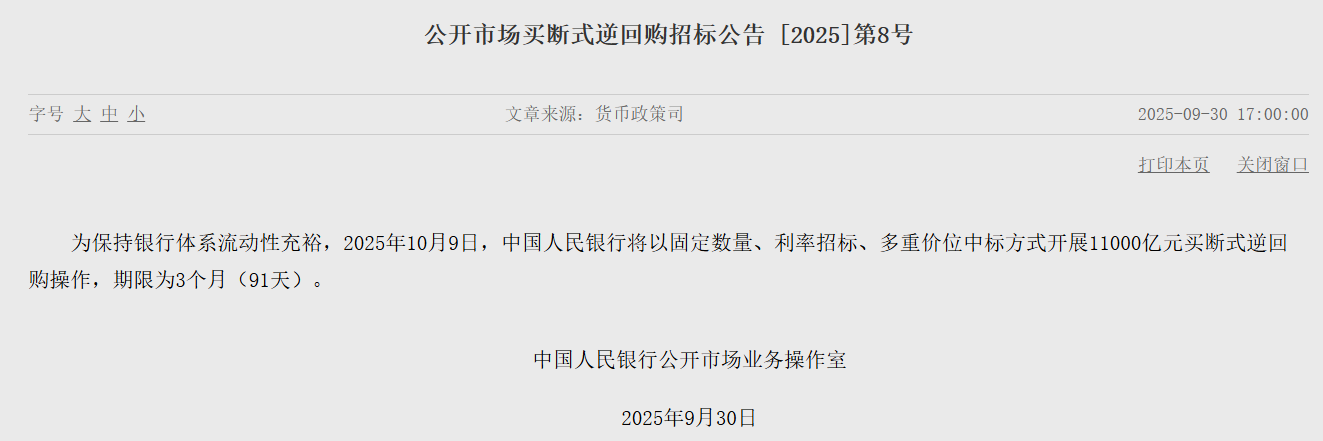
Core Viewpoint - To maintain ample liquidity in the banking system, the People's Bank of China will conduct a 1.1 trillion yuan (approximately 110 billion) reverse repurchase operation on October 9, 2025, with a term of 3 months (91 days) using a fixed quantity, interest rate bidding, and multiple price bidding method [1] Group 1 - The People's Bank of China aims to ensure sufficient liquidity in the banking system [1] - The reverse repurchase operation will amount to 1.1 trillion yuan [1] - The operation will have a duration of 3 months (91 days) [1]
2025年9月30日国债期货行情异动原因分析
Sou Hu Cai Jing· 2025-09-30 04:24
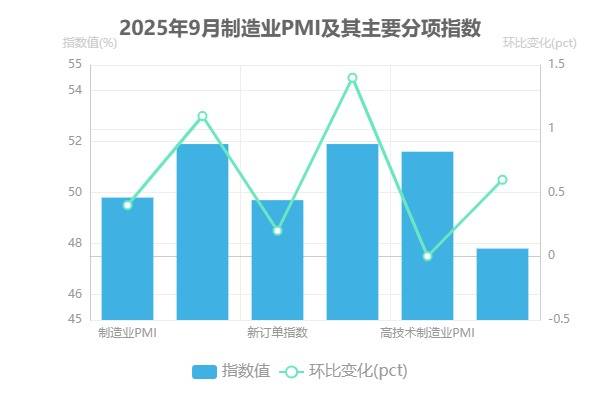
Market Overview - On September 30, 2025, significant intraday fluctuations were observed in the government bond futures market, with all contract maturities rebounding sharply by midday after a cautious opening [1][3] - The 30-year main contract experienced notable volatility, initially dropping by 0.30% before closing up 0.07%, indicating intense long-short competition in the long-end segment [3] Policy Drivers - The fluctuations in government bond futures were primarily driven by multiple positive signals from the policy front, with the People's Bank of China (PBOC) injecting stability into market expectations through precise liquidity provision [4] - On September 30, the PBOC conducted a 7-day reverse repurchase operation at a fixed rate of 1.40%, injecting 242.2 billion yuan into the market, which alleviated seasonal funding pressures [4][5] - The PBOC's third-quarter monetary policy meeting emphasized "promoting stable economic growth" and maintaining ample liquidity, indicating a shift in policy tone from "maintaining" to "promoting" [5][7] Economic Data Impact - The release of the manufacturing PMI data for September, which rose to 49.8%, played a crucial role in influencing market sentiment, reflecting a "weak recovery" in the economy [9][11] - The production index increased to 51.9%, indicating expansion, while the new orders index remained below the threshold, highlighting persistent demand weakness [12][13] Fund Allocation Demand - The concentrated entry of allocation-type funds, particularly from insurance capital, was a key driver behind the price increase in government bonds [14][15] - The 30-year government bond ETF saw significant inflows, with its scale reaching 18.608 billion yuan, reflecting strong demand for long-duration assets [16][19] International Market Transmission Effects - The Federal Reserve's decision to lower interest rates by 25 basis points on September 17, 2025, has influenced global financial markets, leading to a narrowing of the interest rate differential between China and the U.S. [18][20] - The weakening of the U.S. dollar and stabilization of the Chinese yuan have created a favorable environment for foreign capital to flow back into Chinese assets [20][21] Future Outlook and Investment Strategy - The current government bond futures market is in a balancing phase, with a likelihood of 10-year bond yields remaining within the 1.7%-1.9% range, supported by weak economic fundamentals and expectations of liquidity easing [24][26] - Investors are advised to adopt a defensive and diversified strategy, closely monitoring signals from the Federal Reserve and domestic government bond issuance [27][28]
推动货币政策措施落实落细,充分释放政策效应
2 1 Shi Ji Jing Ji Bao Dao· 2025-09-29 23:45
Group 1 - The Central Committee of the Communist Party of China is preparing for the 15th Five-Year Plan, with a meeting scheduled from October 20 to 23 [1] - The People's Bank of China (PBOC) has shifted its monetary policy focus from "implementing appropriate monetary easing" to "detailed implementation," indicating a shift towards execution rather than broad policy changes [1][2] - Economic indicators show that industrial added value increased by 6.2% year-on-year in the first eight months, while the service production index grew by 5.9%, suggesting that the economy is performing above the target growth rate of 5.0% [1] Group 2 - The narrowing net interest margin of commercial banks, which fell to a historical low of 1.42% in Q2, poses challenges for monetary easing as it may further compress banks' margins and increase operational pressures [2] - The PBOC emphasized the need to balance financial support for the real economy with maintaining the health of financial institutions, reflecting a cautious approach to monetary policy [2] - Recent adjustments in policy language indicate a focus on maintaining stability and predictability in monetary policy, with an emphasis on executing existing measures effectively [2][3] Group 3 - The PBOC is concentrating on maintaining ample liquidity in the market through various tools, including reverse repos and medium-term lending facilities [3] - Structural monetary policy tools are being utilized to support sectors such as technology innovation, consumption, small and micro enterprises, and foreign trade [3] - Coordination between fiscal and monetary policies is being strengthened, with discussions on government bond issuance and offshore RMB bond mechanisms, indicating a collaborative approach to economic management [3][4]
一周流动性观察 | 央行维持呵护投放 跨季窗口下资金利率跳升的概率不大
Xin Hua Cai Jing· 2025-09-29 07:22
Group 1 - The People's Bank of China (PBOC) conducted a 7-day reverse repurchase operation of 288.6 billion yuan at an interest rate of 1.40%, maintaining the previous rate, resulting in a net injection of 48.1 billion yuan after 240.5 billion yuan of reverse repos matured on the same day [1] - Last week, the PBOC's net injection in the open market was 640.6 billion yuan, with a net injection of 300 billion yuan through Medium-term Lending Facility (MLF) [1] - The liquidity situation shifted from loose to tight, with overnight funding rates rising from 1.46% to 1.52% and 7-day funding rates increasing significantly from 1.52% to 1.80% [1] Group 2 - The upcoming week will see a decrease in the scale of reverse repos maturing to 516.6 billion yuan, while government bond net payments will rise to 192.7 billion yuan, primarily concentrated on Monday [2] - Despite the approaching quarter-end, the current pace of institutions in crossing the quarter is relatively fast, and the limited scale of government bond payments and reverse repos maturing suggests that liquidity fluctuations will likely be limited [2] - Analysts expect that the funding environment will likely return to a loose state after the "Double Festival" holiday, supported by high fiscal spending levels typically seen at quarter-end [2] Group 3 - The PBOC's monetary policy committee recently shifted its focus from "implementing a moderately loose monetary policy" to "refining the implementation of a moderately loose monetary policy," emphasizing the execution of monetary policy measures [3] - The new policy direction includes support for small and micro enterprises and stabilizing foreign trade, while maintaining support for technology innovation and consumption [3] - Although there was no mention of interest rate cuts or reserve requirement ratio reductions, the monetary policy stance remains "moderately loose," with expectations for potential fiscal stimulus in the fourth quarter [3] Group 4 - Analysts predict that the PBOC will enhance liquidity in the interbank market through measures such as reserve requirement ratio cuts or increasing the volume of monetary policy tools [4] - Following the capital increase of four major state-owned banks, other types of banks are also expected to focus on capital replenishment [4]
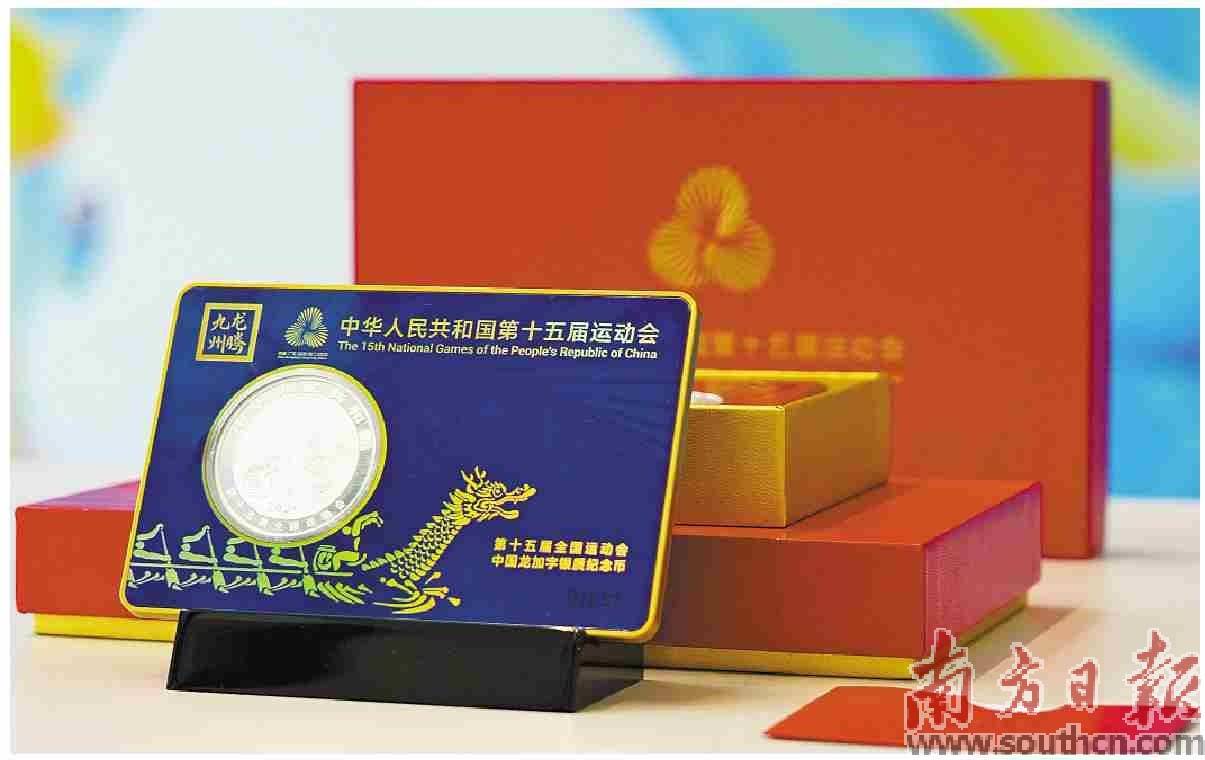
全运会首次发行 贵金属纪念币
Sou Hu Cai Jing· 2025-09-29 02:19
Core Points - The issuance ceremony of the 15th National Games China Dragon Silver Commemorative Coin took place on September 28, marking the first time precious metal commemorative coins have been issued in the history of the National Games [2] - The People's Bank of China officially released a set of two silver commemorative coins on September 25, which are legal tender in the People's Republic of China [2] - The coins feature a design of the Great Wall on the front and a dragon with auspicious clouds on the back, symbolizing the spirit of self-improvement of the Chinese people [2] Summary by Category Coin Specifications - Each coin weighs 31.104 grams, contains 31.104 grams of pure silver, has a diameter of 38 millimeters, and a face value of 10 yuan with a purity of 99.9% [2] - The maximum issuance volume is 500,000 pieces for the "15th National Games" coin and 10,000 pieces for the "12th National Paralympic Games and 9th Special Olympics" coin [2] Cultural Significance - The China Dragon Silver Coin is designed to highlight Chinese characteristics and cultural connotations, serving as a unique collectible that commemorates the sports event [2] - The coin's design elements, such as the Great Wall and the dragon, reflect deep cultural symbolism and the significance of the event [2] Sales Channels - Related licensed products for the commemorative coin will be available for public sale starting in October through various channels, including the official partners of the National Games and the Paralympic Games [3]