
中国重工

Search documents
投融资改革持续深化 资本市场回稳向好势头巩固
Shang Hai Zheng Quan Bao· 2025-09-21 17:55
Core Viewpoint - The Chinese capital market has implemented a series of policies to enhance long-term capital inflow, support technological innovation, and improve resource allocation efficiency, leading to a more resilient and stable market environment [1][2][3]. Group 1: Policy Implementation and Market Response - A package of incremental policies was launched by the Central Political Bureau meeting on September 26 last year, resulting in significant reforms in the capital market, including public fund reforms and the introduction of new listing standards [1]. - The capital market has shown resilience against unexpected external shocks, with improved market expectations and a steady recovery trend [1]. - The reactivation of the Sci-Tech Innovation Board and the introduction of new listing standards for the Growth Enterprise Market have facilitated the listing of innovative companies, indicating a shift towards supporting emerging industries [1]. Group 2: Mergers and Acquisitions - The mergers and acquisitions (M&A) sector is experiencing growth, with notable transactions such as BGI's acquisition of Chip Semiconductor and Lixun Precision's acquisition of a subsidiary of Wenta Technology [2]. - The increase in M&A activities reflects the capital market's financing reforms and the policy direction favoring emerging industries, with a focus on high-tech and high-value-added sectors [2]. Group 3: Long-term Capital Inflow - Long-term capital, represented by social security funds, insurance funds, and public funds, is increasingly entering the market, aiming to stabilize market operations and foster new productive capacities [3]. - The National Team, including Central Huijin Investment, has been actively increasing its holdings in ETFs, signaling confidence in the capital market's future [3]. - Insurance funds are shifting towards long-term stock investments, with a total investment scale reaching 222 billion yuan, reflecting a significant increase in stock asset holdings among listed insurance companies [3][4]. Group 4: Public Fund Reforms - The ongoing reforms in public funds have introduced new management fee models, allowing investors to benefit directly from fund performance, with an estimated annual savings of around 30 billion yuan for investors [5]. - The net subscription of equity funds reached 2.373 billion yuan in the first half of 2025, marking a year-on-year increase of 76.04% [5]. Group 5: Market Stability and Growth Potential - As of June 2024, the total market value of A-shares surpassed 100 trillion yuan, with strategic emerging industries accounting for over 40% of the market capitalization [6]. - The average daily trading volume in the A-share market has significantly increased, indicating a robust market activity and resilience against international volatility [6]. - Foreign investment in domestic stocks and funds has reversed a two-year trend of net selling, with a net increase of 10.1 billion USD in the first half of the year, reflecting a growing willingness to allocate capital to Chinese assets [6][7].
中国船舶工业股份有限公司关于参加2025年上海辖区上市公司集体接待日暨公司2025年半年度业绩说明会召开情况的公告
Shang Hai Zheng Quan Bao· 2025-09-19 19:36
Group 1 - The company held a performance briefing on September 19, 2025, to discuss its half-year results, development strategies, and financial indicators with investors [1] - Key executives, including the General Manager and independent directors, participated in the meeting to address investor concerns within the scope of information disclosure [1] Group 2 - The company plans to integrate its research and development efforts post-merger with China Shipbuilding Industry Corporation, aiming to enhance technological capabilities and reduce operational costs [2][3] - The "Quality Improvement and Efficiency Enhancement Return Action Plan" has been developed for 2024 and 2025, focusing on increasing shareholder returns and market value management [3] Group 3 - Following the merger with China Shipbuilding Industry Corporation, the company aims to strengthen its high-end ship manufacturing capabilities and enhance overall operational performance [4] - The company is actively developing the domestic luxury cruise market, with the second large cruise ship, "Aida Huacheng," currently under construction [4] Group 4 - As of June 30, 2025, the company held a total of 333 civil ship orders, amounting to 26.49 million deadweight tons and 233.49 billion yuan [5] - The company reported a gross profit margin of 12.21% for the first half of 2025, showing an upward trend from previous years [5] Group 5 - The company is focusing on the LNG ship market, with a market share of 46% for LNG transport ship orders in 2024, indicating a competitive position against South Korean shipbuilders [6] - The company is committed to enhancing its market competitiveness through resource integration and collaborative synergies post-merger [6]

中国船舶:重组促科研融合,助力高端绿色转型,提升全链技术与盈利
Quan Jing Wang· 2025-09-19 13:05
Core Viewpoint - China Shipbuilding participated in the "Communicating Value and Building Confidence for the Future" event, highlighting the integration of research and development capabilities post-restructuring with China Shipbuilding Industry Corporation [1] Group 1 - The company indicated that prior to the restructuring, there was significant overlap in ship types among its shipyards [1] - Important technological breakthroughs have been achieved in various fields such as container ships, LNG ships, bulk carriers, and government vessels in recent years [1] - Post-restructuring, the integration of research systems will enhance efficiency, reduce costs, and improve profitability through technology sharing and collaborative efforts [1]
全球新船王!半年拿下全球30%新船订单,生产计划排期至2029年
市值风云· 2025-09-19 10:11
Group 1 - The core viewpoint of the article highlights the significant merger in the Chinese shipbuilding industry, where China Shipbuilding (600150.SH) announced a stock swap to absorb China State Shipbuilding Corporation (601989.SH) with a total restructuring amount of 115.15 billion yuan, marking the largest absorption merger in A-share history [3][4] - The merger is seen as a continuation of the 2019 "South-North Shipbuilding" consolidation, positioning China Shipbuilding as the sole listed platform under the new China Shipbuilding Group [4] - The value of the new shipbuilding leader extends beyond the merger itself, as both the company's inherent strength and the cyclical trends of the industry are viewed as highly competitive at this juncture [4]



研判2025!全球及中国绿色船舶行业发展背景、订单规模、市场结构及未来发展展望:替代燃料船舶正成为全球造船市场的主角,中国船企具备较大竞争优势[图]
Chan Ye Xin Xi Wang· 2025-09-19 01:17
Core Viewpoint - The development of green ships is crucial for reducing emissions in the shipping industry, which is a significant source of global carbon emissions. The shift towards alternative fuel vessels is becoming a central consideration for shipowners in new ship investments due to carbon neutrality pressures and environmental regulations [1][4][5]. Group 1: Overview of Green Ship Industry Development - Green ships are defined as those that utilize advanced technologies to safely meet their intended functions while improving energy efficiency, reducing greenhouse gas emissions, and minimizing harm to human health and the environment [1][2]. - The classification of green ships includes three levels of environmental performance: Green Ship-1, Green Ship-2, and Green Ship-3, based on energy efficiency, environmental protection, clean energy application, comfort, and harmful substance control [2]. Group 2: Background of Green Ship Industry Development - The shipping industry is responsible for over 90% of international trade and is a major contributor to global carbon emissions, with container shipping emissions projected to increase significantly in 2024 [4][5]. - International regulations are becoming stricter, with the International Maritime Organization (IMO) setting ambitious targets for reducing greenhouse gas emissions from shipping by 2030 and 2040 [4][5]. Group 3: Current Status of Green Ship Industry - In 2024, a total of 2,412 new ship orders amounting to 124 million gross tons were placed globally, with 820 of those being alternative fuel vessels [1][7]. - The investment in new ships is substantial, with alternative fuel ship orders valued at $10.79 billion in 2024, marking a 67% increase year-on-year [7]. - As of July 2025, there are 2,453 operational alternative fuel vessels globally, with significant increases in LNG, methanol, LPG, and battery/hybrid-powered ships [8][9]. Group 4: Future Development Outlook of Green Ship Industry - The trend towards green and low-carbon shipping is expected to continue, with advancements in technology focusing on optimizing ship design, low-carbon fuels, and green operational practices [10]. - China is emerging as a key player in the green ship market, with significant orders for alternative fuel vessels and a strong competitive position in LNG and methanol dual-fuel ships [9][10]. - Future developments will likely include broader applications of LNG, methanol, hydrogen, and ammonia as zero-carbon fuels, alongside the establishment of efficient digital operation systems and a complete supply chain for green ships [10].


东北证券:2025年1-7月上市公司并购重组市场分析报告
Sou Hu Cai Jing· 2025-09-19 01:15
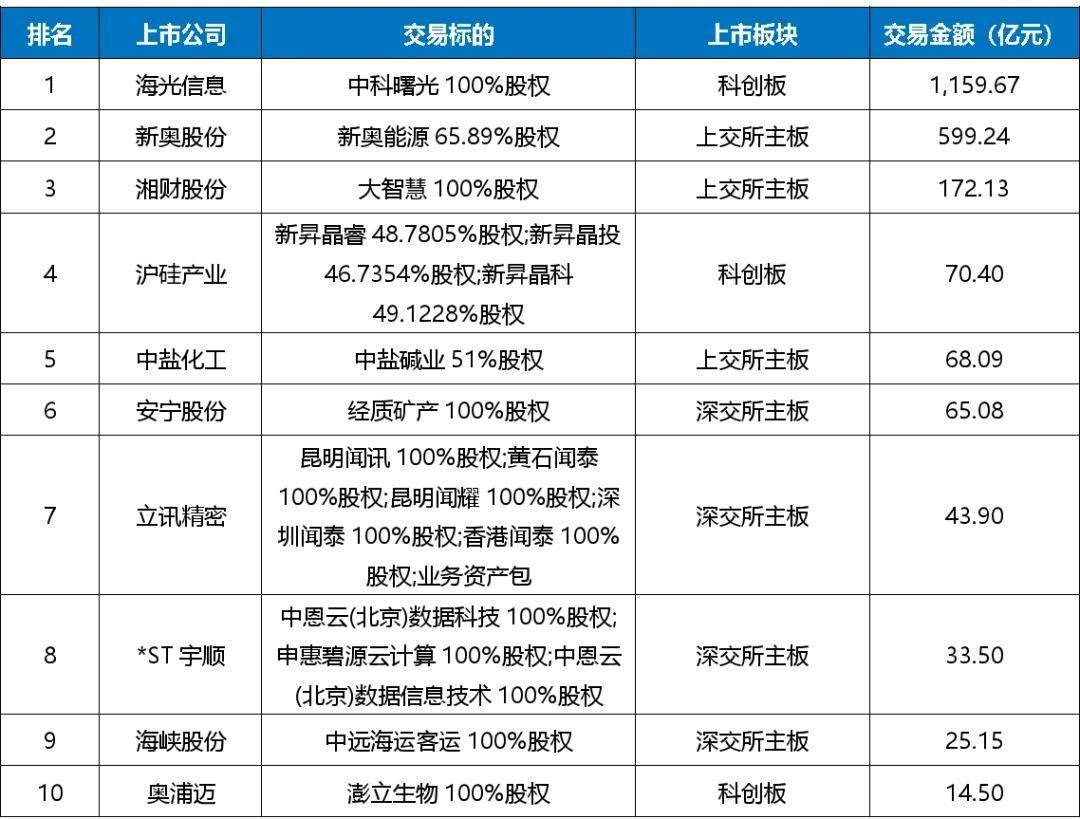
Group 1 - The core viewpoint of the report indicates that the A-share merger and acquisition market is active due to continuous policy benefits and increasing attention from various sectors [1] - In the first seven months of 2025, 112 major asset restructuring projects were disclosed, with 87 involving acquirers [2][3] - The number of projects with acquirers increased by 248% compared to the same period in 2024, with a total of 87 projects disclosed [3] Group 2 - The total disclosed transaction amount for the 21 companies was 232.39 billion yuan, a 289% increase from 59.74 billion yuan in 2024 [3] - The highest transaction amount was 115.97 billion yuan for Haiguang Information's acquisition of 100% equity in Zhongke Shuguang [3] - The distribution of transaction amounts shows that 42.86% of the disclosed companies had transaction amounts below 1 billion yuan [4] Group 3 - The majority of disclosed restructuring projects were from the Shanghai Stock Exchange Main Board and the Growth Enterprise Market, each with 24 companies [5] - The Science and Technology Innovation Board had the highest disclosed transaction amount of 124.46 billion yuan [5] - The most common restructuring form was issuing shares to purchase assets, with 47 companies involved [5] Group 4 - The majority of transactions involved full acquisitions (100% equity) and control acquisitions (50%-100% equity), accounting for 91.43% of the projects [6] - The primary payment methods were "equity," "equity + cash," and "cash," which together accounted for 92.86% of the transactions [7] Group 5 - The disclosed restructuring projects involved companies from 25 provincial-level administrative regions, with Guangdong having the highest number of companies at 14 [9] - The industry distribution showed that the computer, communication, and other electronic equipment manufacturing industry had the highest number of companies involved, totaling 16 [10][11] Group 6 - Among the 87 companies involved in disclosed restructuring, 63.22% were private enterprises [13] - By July 31, 2025, 13 companies had announced transaction failures within the same year [14] Group 7 - By July 31, 2025, 44 asset restructuring projects had been accepted by the exchanges, with a total transaction scale of 367.64 billion yuan [16] - The highest transaction amount among accepted projects was 115.15 billion yuan for China Shipbuilding's acquisition of China Shipbuilding Industry [15] Group 8 - The average time from initial suspension to acceptance was approximately 6-7 months across different boards [18] - The majority of accepted projects involved full acquisitions (100% equity) and control acquisitions (50%-100% equity), accounting for 82.35% of the total [19] Group 9 - The accepted projects involved companies from 14 provincial-level administrative regions, with Guangdong having the highest transaction amount of 36.49 billion yuan [22] - The industry distribution for accepted projects indicated that the computer, communication, and other electronic equipment manufacturing industry had the highest representation [9] Group 10 - By July 31, 2025, 23 major asset restructuring projects had been completed, with a total transaction amount of 189.61 billion yuan [33] - The highest transaction amount among completed projects was 97.61 billion yuan for Guotai Junan's acquisition of 100% equity in Haitong Securities [36]

中国船舶吸并中国重工新增股份上市!
Sou Hu Cai Jing· 2025-09-18 03:49
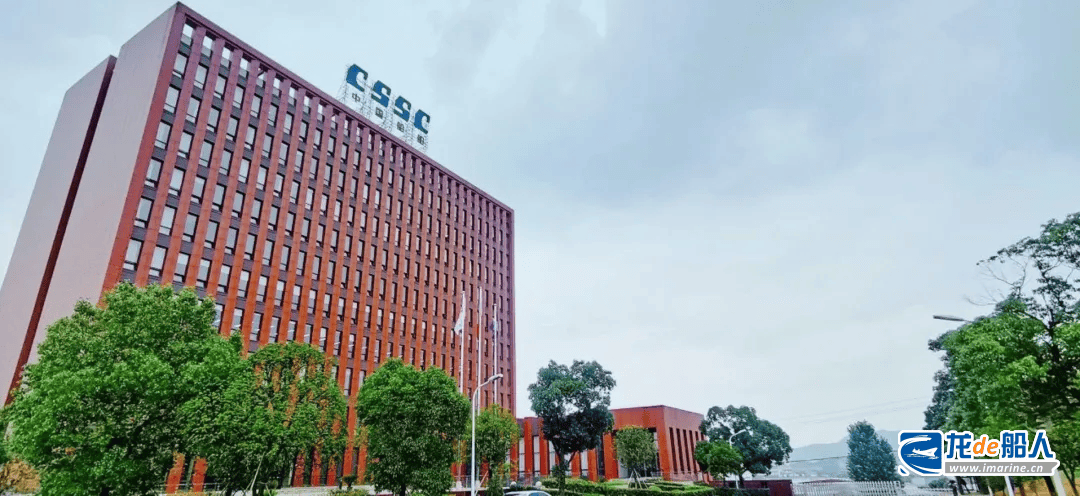
Group 1 - The core point of the news is that China Shipbuilding Industry Co., Ltd. has completed the absorption and merger of China Shipbuilding Industry Group, marking a significant consolidation in the shipbuilding industry [1][3] - The share exchange ratio for the merger was set at 1:0.1339, meaning each share of China Shipbuilding Group could be exchanged for 0.1339 shares of China Shipbuilding, with the exchange prices being 37.59 yuan per share for China Shipbuilding and 5.032 yuan per share for China Shipbuilding Group [3] - Following the merger, China Shipbuilding Group will be delisted and its legal entity will be canceled, while China Shipbuilding will inherit all assets, liabilities, businesses, personnel, contracts, and other rights and obligations of China Shipbuilding Group [3] Group 2 - The merger is part of a strategic restructuring that began in 1999 when the original China Shipbuilding Industry Corporation was split into two entities: China Shipbuilding (South Ship) and China Shipbuilding Group (North Ship) [3] - After the merger, China Shipbuilding's asset scale is expected to exceed 400 billion yuan, positioning it as the largest and most comprehensive listed shipbuilding enterprise globally [4] - The merger was approved by the Shanghai Stock Exchange on July 4, 2025, and is seen as a significant step in enhancing the competitiveness of the company in the global shipbuilding market [4]
上市公司期货套期保值已从价格风险管理转向全面市值管理
Qi Huo Ri Bao Wang· 2025-09-16 08:13
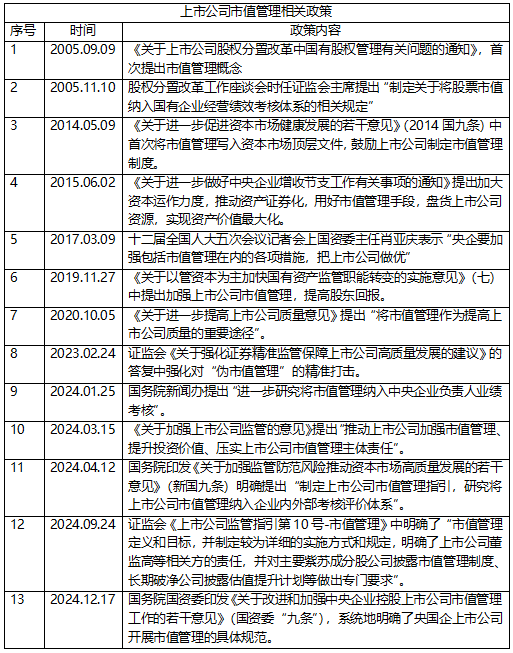
Group 1: Futures Hedging Business Status - In 2024, 1,503 non-financial A-share listed companies have announced futures hedging business, an increase of 192 companies compared to 2023, with an overall participation rate of 28.6% [3] - The participation in futures and derivatives markets shows stronger hedging orientation, increased demand for exchange rate risk hedging, and a rise in the use of swap and option tools [3] - 189 companies have newly entered or plan to enter the hedging business to mitigate risks such as raw material price risk, product sales price risk, inventory risk, and exchange rate risk [3] Group 2: Types of Futures Hedging Business - Companies engaged in hedging are primarily concentrated in the basic chemical, electronics, machinery, and new energy sectors, closely related to the diversification of chemical and new energy products in domestic futures exchanges [4] Group 3: Effectiveness of Futures Hedging Business - According to the "China Listed Companies Hedging Annual White Paper (2024)," 1,853 listed companies disclosed their hedging business and profitability in 2023, an increase of 241 companies from the previous year [5] - The top ten companies in terms of hedging profitability include Jinlongyu, Xin'ao Co., Wuchan Zhongda, Xiamen Guomao, Jianfa Co., Luxshare Precision, Daodaoquan, Jingliang Holdings, China Resources Materials, and Poly Development [5] Group 4: New Demands for Futures Hedging Business - Market participants believe that futures companies should enhance their professional capabilities and service levels to meet the diverse needs of listed companies, including customized risk management solutions and comprehensive financial services [6] Group 5: Progress in Value Management - The concept of value management has evolved over nearly 20 years since its introduction in 2005, with increasing regulation and standardization in practice [7] - Recent policies emphasize the integration of value management into the performance assessment of central enterprise leaders [7][8] Group 6: Value Management Goals and Tools - Central enterprises aim to enhance the quality of listed companies and improve core competitiveness through value management [9] - Tools for value management include mergers and acquisitions, market reforms, information disclosure, investor relations management, and stock buybacks [10] Group 7: Innovations in Value Management Practice - The release of the "Listed Company Supervision Guideline No. 10 - Value Management" has made value management a mandatory practice for listed companies [13] - By February 2025, over 180 listed companies had established institutional frameworks for value management [13] Group 8: Case Studies in Value Management - The merger of China Shipbuilding and China Shipbuilding Industry Corporation is a notable example of value management through mergers and acquisitions, resulting in significant increases in market capitalization [19][21] - Industrial and Commercial Bank of China has consistently increased its market value through share buybacks and dividends, reflecting strong investor confidence [22][23] Group 9: Future Challenges and Opportunities - There is a growing need for customized risk management solutions and comprehensive financial services in futures hedging, particularly for central enterprises [32] - The recognition of futures tools' functions is evolving, with an emphasis on resource allocation and risk management in value management practices [30][31]
新造船价格指数维持高位,南北船合并步入收官 | 投研报告
Zhong Guo Neng Yuan Wang· 2025-09-16 07:26
Group 1 - The shipbuilding industry experienced a significant decline in new orders in August 2025, with new orders totaling 4.22 million deadweight tons, down 77.5% year-on-year and 57.9% month-on-month. Cumulative new orders from January to August reached 66.92 million deadweight tons, a decrease of 52.8% year-on-year. Despite this decline, the total investment amount remains substantial, exceeding the average level of the past decade by 27.2% [1][2] - The newbuilding price index as of the end of August 2025 was 186.3, reflecting a year-on-year decrease of 1.6%. The price indices for different ship types were as follows: bulk carriers at 168.7 (-2.5%), tankers at 212.5 (-4.7%), container ships at 116.4 (-1.9%), and gas carriers at 200.7 (-2.5%) [2] - The global shipyard order backlog stands at 397 million deadweight tons, with a year-on-year increase of 11.7%, indicating a high demand for shipbuilding. Chinese shipyards hold 271 million deadweight tons of orders, accounting for 68.3% of the global market share [3] Group 2 - In the first half of 2025, the Chinese shipbuilding industry achieved revenue of 40.3 billion yuan, a year-on-year increase of 12%, and a net profit of 2.9 billion yuan, up 109% year-on-year. The company has a strong order backlog of 26.49 million deadweight tons, valued at 233.5 billion yuan, indicating robust growth momentum [5] - The merger between China State Shipbuilding Corporation and China Shipbuilding Industry Corporation is nearing completion, which is expected to enhance the overall strength and competitive position of the combined entity in the global shipbuilding market [5]
东吴证券:新造船价格指数维持高位 南北船合并步入收官
智通财经网· 2025-09-16 06:01
Core Viewpoint - The shipbuilding industry is experiencing a supply constraint that supports high global ship prices, despite a decline in new ship order volumes due to various factors [1][2][3] Group 1: Ship Price Index and Orders - As of the end of August 2025, the new ship price index stands at 186.3, reflecting a year-on-year decrease of 1.6% and a month-on-month decrease of 0.2% [2] - New ship orders in August 2025 totaled 422,000 deadweight tons, a significant year-on-year decline of 77.5% and a month-on-month decline of 57.9% [1][2] - Cumulative new ship orders from January to August 2025 reached 66.92 million deadweight tons, down 52.8% year-on-year, but still above the average investment level of the past decade by 27.2% [1][2] Group 2: Market Position and Competitive Landscape - As of August 2025, global shipyards hold orders totaling 397 million deadweight tons, with a year-on-year increase of 11.7%, indicating a strong backlog [3] - Chinese shipyards account for 68.3% of global orders, with 271 million deadweight tons in hand, maintaining a leading position despite a slight decline in market share due to external factors [3] - The modern shipbuilding industry is capital, technology, and labor-intensive, and China's advantages in supply chain completeness and cost are expected to stabilize its market share above 50% [3] Group 3: Company Performance and Mergers - In the first half of 2025, the company achieved revenue of 40.3 billion yuan, a year-on-year increase of 12%, and a net profit of 2.9 billion yuan, up 109% year-on-year [4] - The company has a backlog of 26.49 million deadweight tons in civil ship orders, valued at 233.5 billion yuan, indicating strong growth momentum [4] - The merger between China Shipbuilding and China Heavy Industry is nearing completion, which is expected to enhance the competitive landscape and operational quality of the industry [4] Group 4: Investment Recommendations - The company recommends focusing on China Shipbuilding (600150.SH) and China Power (600482.SH) as key investment targets in the shipbuilding sector [5]
