
娃哈哈

Search documents
娃哈哈2025年实现了5亿收入增长,但全年收入并未公开
Di Yi Cai Jing· 2025-11-18 10:56
Core Insights - Wahaha brand achieved a revenue growth of 500 million in 2025, with water products continuing to play a crucial role in sales [3] - The company held a national sales summary and award ceremony, recognizing 25 "National Excellent Dealers" who shared 1,000 grams of gold medals and 1.5 million in incentives [3] - The company plans to continue using the "Wahaha" brand in 2026 despite the previous chairman's resignation [3] Group 1 - In the award ceremony, 73 "Provincial Excellent Dealers" were recognized for their performance in regional markets, receiving a total of 1.46 million in rewards [3] - A total of 147 sales personnel were awarded, with 2.23 million in cash and 280 grams of gold medals distributed [3] - The highest honor, "National Excellent Provincial Manager," received 100,000 in cash and 100 grams of gold [3] Group 2 - The previous chairman, Zong Fuli, has stepped down and is now the president of Hongsheng Group, although she did not attend the award ceremony [3] - A recent meeting at Hongsheng Group reviewed the progress made in production, technology innovation, and safety management in 2025 [4] - The meeting also analyzed the current development situation and planned key tasks for the next phase [4]

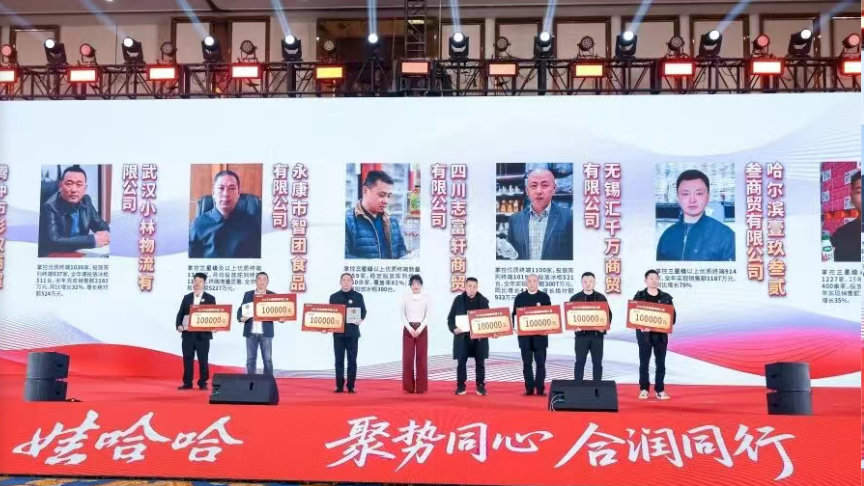
娃哈哈2025年实现5亿收入增长,宗馥莉奖励员工金牌
第一财经· 2025-11-18 10:28
11月18日,娃哈哈品牌2025年全国销售工作总结表彰大会在浙江绍兴举行。根据娃哈哈披露的数据,2025年,娃哈哈实现了5亿的 收入增长。在经销商奖项中,25家"全国优秀经销商"共享1000g金牌与150万元激励。73家"省级优秀经销商" 累计收到奖励146万 元。 编辑 | 钉钉 记者| 揭书宜 ...

宗馥莉缺席娃哈哈经销商大会:许思敏首次以娃哈哈集团总经理身份公开亮相,称娃哈哈实现了稳健增长
Mei Ri Jing Ji Xin Wen· 2025-11-18 08:50
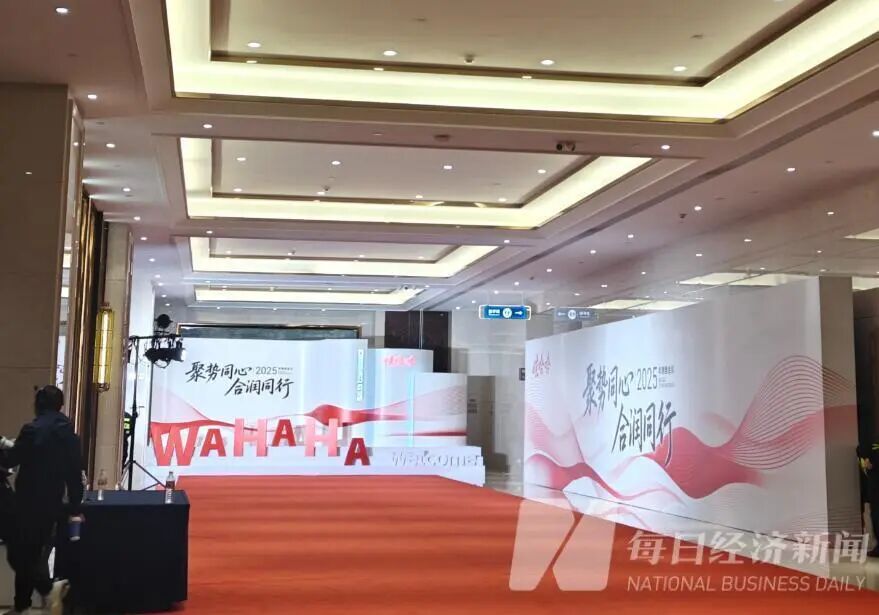
每经记者|叶晓丹 每经编辑|金冥羽 文多 近日,有接近娃哈哈的人士向《每日经济新闻》记者提供了一份宏胜集团召开"2025年度销售会议"的通知。参会者为2025年累计销售额1500万元以上、全 年业绩增长、保证金按时足额到位并完成2026年联销体协议签订的经销商。 销售会议场外 图片来源:每经记者 叶晓丹 摄 11月18日,《每日经济新闻》记者了解到,该会议实际为娃哈哈的2025年度销售会议。11月18日上午,全国各地的经销商陆续抵达绍兴富悦温德姆酒店参 会。记者注意到,也有并未达到1500万元销售额的娃哈哈经销商从外地赶来了解情况。其中有经销商透露,往年相关会议对参会经销商的要求"没有这么 高"。 未经许可禁止转载、摘编、复制及镜像等使用 记者|叶晓丹 编辑|金冥羽 文多 杜恒峰 校对|程鹏 封面图片:视觉中国 |每日经济新闻 nbdnews 原创文章| 《每日经济新闻》记者独家获悉,娃哈哈集团总经理许思敏亮相此次销售会议,在致辞环节,许思敏透露:"过去一年,市场环境复杂,消费市场迭代加 速,行业竞争愈发激烈……在大家鼎力支持下,娃哈哈牢牢'站'稳了近十年业绩巅峰的坚实根基,实现了稳健的增长。" 此外,据智通 ...
前福建首富交棒80后女儿,宗馥莉该羡慕了
3 6 Ke· 2025-11-14 03:57
Core Insights - Dali Food Group has successfully transitioned leadership to the second generation, with Xu Yangyang, daughter of founder Xu Shihui, officially taking over as president [1][7] - The company, founded in 1989, has established itself as a major player in the Chinese snack food industry, with annual revenues exceeding 20 billion yuan from 2018 to 2021 [1][6] - Xu Yangyang's leadership journey mirrors that of other second-generation heirs in the industry, particularly in her gradual rise through various roles within the company [7][8] Company Background - Dali Food Group originated from Xu Shihui's establishment of Meili Food Factory in 1989, focusing on high-quality packaged biscuits during a time of limited snack options [2][4] - The company gained significant market share by launching competitive products, such as Dali Garden's egg yolk pie, which was priced lower than its Korean competitor [4][5] - By 2012, Dali Food had entered the 10 billion yuan revenue club, with a notable market share in various snack categories [5][6] Financial Performance - From 2016 to 2019, Dali Food's revenue grew from 17.84 billion yuan to 21.37 billion yuan, with the Xu family being recognized as the richest in Fujian province during this period [6] - However, the company faced challenges post-2020, with revenues declining to 19.96 billion yuan in 2022 due to reliance on offline distribution and brand aging [6][9] - In June 2023, Dali Food announced plans for privatization after a significant drop in stock price, leading to its delisting from the Hong Kong Stock Exchange [6][9] Leadership Transition - Xu Yangyang, born in 1983, has been with Dali Food since 2008, working her way up through various positions before becoming president [1][7] - Her leadership style and approach to business development are seen as more stable compared to other industry counterparts, such as Zong Fuli of Wahaha [8][9] - Under Xu Yangyang's guidance, Dali Food is expected to focus on international expansion and revitalizing its core brands to address market challenges [9]

烧光48亿的“无人”超市,被同行打回原形
3 6 Ke· 2025-11-13 08:44
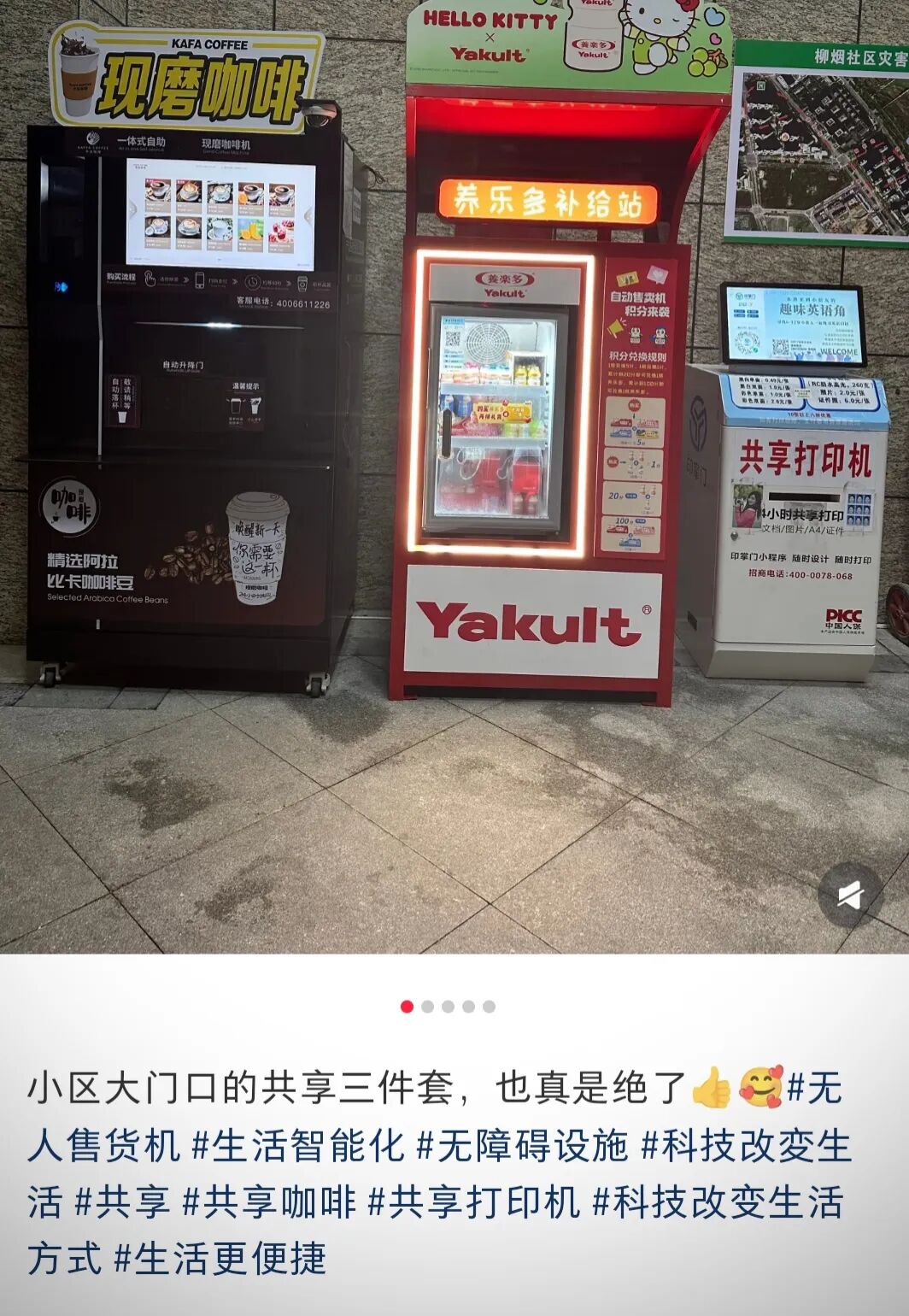
Core Insights - The rise of "unmanned" businesses, including unmanned coffee shops, printing services, and vending machines, reflects a growing trend in the retail sector [1][3] - Despite the initial excitement around unmanned retail, major players like Amazon have faced significant challenges, leading to the closure of their unmanned stores [5][10] - The rapid expansion of unmanned retail has resulted in many companies, including domestic brands, facing bankruptcy due to operational difficulties and market saturation [7][21] Industry Trends - The concept of unmanned retail was initially seen as a revolutionary idea, attracting significant investment and interest from both large corporations and startups [12][15] - The market for unmanned retail experienced a boom, with over 57 companies in China receiving more than 4.8 billion in funding in 2017, but this enthusiasm quickly waned [21][24] - The operational model of unmanned stores has proven to be more complex than anticipated, with high technology costs and management challenges leading to financial losses [24][25] Challenges Faced - Technical issues, such as system failures and product spoilage, have highlighted the vulnerabilities of unmanned retail operations [17][28] - The lack of human staff has resulted in poor customer service experiences, with consumers facing difficulties in resolving issues and product theft becoming a significant problem [25][28] - Many companies entering the unmanned retail space lacked the necessary experience in retail management, leading to operational inefficiencies [25][30] Future Directions - The future of unmanned retail may involve a hybrid model that combines human staff with automated systems to enhance customer service and operational efficiency [31][35] - Advances in technology, such as data analytics and smart inventory management, are expected to play a crucial role in the evolution of unmanned retail [38][40] - The focus should shift from merely achieving "unmanned" status to improving customer experience and addressing real consumer needs [40]

食品饮料行业周度市场观察-20251113
Ai Rui Zi Xun· 2025-11-13 07:14
Investment Rating - The report does not explicitly provide an investment rating for the food and beverage industry Core Insights - The food and beverage industry is experiencing significant innovation and market shifts, particularly in health-oriented products and consumer preferences for low-sugar and functional beverages Industry Trends - Japanese market innovation in products like liquid ice cream and gout-relief yogurt highlights the importance of consumer-driven product development and emotional marketing, which can serve as a model for the Chinese market [2] - The Chinese medicinal food industry has surpassed 370 billion yuan, with a total industry valuation exceeding 2 trillion yuan, driven by health awareness and innovative product offerings [2] - The plant-based protein beverage market is seeing improved performance among leading companies, with notable revenue growth reported by Yangyuan Beverage and Chengde Lulu [4] - The emergence of HPP cold brew tea products is gaining traction among young consumers, despite high costs and niche market positioning [4] - A resurgence of sugary beverages is noted, with brands like Yuanqi Forest and Wahaha reintroducing sugar in their products, reflecting consumer preferences for taste alongside health [5] - The bottled water market is shifting from price competition to value competition, with brands like Nongfu Spring leveraging product innovation and channel expansion [6][7] - The market for sugar-free tea is evolving, with a growing demand for flavored and quality products among younger consumers [7] - The pet food market is expanding, with new brands entering the space and established companies diversifying their offerings to include fresh food options [8] - The plant milk market is projected to exceed 100 billion yuan, with B2B channels becoming crucial for growth [9] - New retail strategies are driving beverage innovation, with companies focusing on health, functionality, and emotional engagement [10] Brand Dynamics - Mondelez International reported a 5.9% revenue increase, but faced challenges in the Chinese market due to consumer confidence issues [14] - Xu Fu Ji's sports scene marketing has led to the success of its Meilu energy biscuits, tapping into the growing demand for sports nutrition [15] - Coca-Cola's third-quarter results showed a 5% revenue increase, driven by the popularity of sugar-free products [16] - Yangyuan Beverage is enhancing its leadership in the plant-based protein beverage sector through product innovation and channel restructuring [17] - The introduction of low-sugar snacks by brands like Holley has responded to rising health consciousness among consumers [18] - Mengniu's milk powder business has achieved double-digit growth by addressing diverse consumer needs across different age groups [19] - Chengde Lulu is pivoting towards herbal water products to counteract declining revenues in the plant-based beverage market [20] - New麦食品 is leveraging digital transformation to become a benchmark in the baking industry, focusing on fresh, preservative-free products [21] - The entry of brands like Guozi Shule into the craft beer market reflects a trend of category fusion in the beverage industry [22] - Dongpeng's electrolyte drink brand "Buhua" is rapidly growing, posing competition to established brands like Yuanqi Forest [23]



2025年第45周:食品饮料行业周度市场观察
艾瑞咨询· 2025-11-13 00:05
Industry Environment - Japan's consumer market thrives on high-frequency innovation, evolving from imitation to user-driven innovation since the 1980s, with companies establishing consumer research centers to deeply explore needs [3][4] - The "medicinal food" industry in China has surpassed 370 billion yuan, with a total industry valuation exceeding 2 trillion yuan, driven by health awareness and policy support [5] - The plant-based protein beverage market is facing pressure, but leading companies are preparing for peak seasons with channel expansion and new product promotions [6] Beverage Market Trends - HPP cold brew tea, combining high-pressure cold sterilization with cold brewing, is gaining popularity among young consumers, despite its higher cost and niche market status [7] - The beverage market is witnessing a return of sugary drinks, with brands like Yuanqi Forest and Wahaha launching new sugary products, reflecting consumer preferences for taste and pleasure [8] - The bottled water market is shifting from price competition to value competition, with companies like Nongfu Spring and China Resources leading through product innovation and channel transformation [9][10] Brand Dynamics - Mondelez International reported a 5.9% revenue growth in Q3 2025, but faced profit margin pressures due to rising costs and declining consumer confidence in emerging markets like China [20] - Xu Fu Ji's Meilu energy biscuits have rapidly gained popularity in the sports nutrition market, leveraging event sponsorships and targeted marketing strategies [21] - Coca-Cola's Q3 2025 revenue reached $12.455 billion, driven by price increases and strong sales of sugar-free products, despite a slight decline in the Chinese market [22] Plant-Based and Health Trends - Yangyuan Beverage is enhancing its leadership in the plant-based protein beverage sector through product innovation and channel restructuring [23] - The low-sugar trend is becoming mainstream, with brands like Holleyou launching new products that balance health and taste [25] - Mengniu's milk powder business has achieved double-digit growth by focusing on emotional marketing and channel optimization to meet diverse consumer needs [26] Emerging Opportunities - The plant milk market is projected to exceed 100 billion yuan by 2025, with B2B channels becoming crucial for growth [14] - The sports drink segment is rapidly growing, with brands like Magic leveraging product upgrades and sports marketing to strengthen their market position [33] - The electrolyte drink market is dominated by brands like Dongpeng and Alien, with both focusing on channel strategies and product diversification to capture market share [31][32]

【数字营销】怀旧消费,为何能够爆火?
Sou Hu Cai Jing· 2025-11-12 06:08
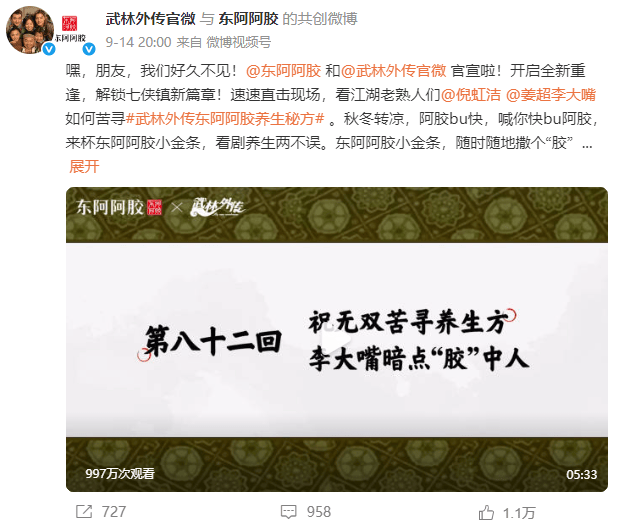
Core Insights - Nostalgia consumption is experiencing a resurgence, with various nostalgic elements becoming popular among consumers, indicating a strong return of the nostalgia economy [1][2] Group 1: Nostalgia Marketing - Brands are increasingly leveraging nostalgic elements in their marketing strategies to resonate with younger consumers [2][3] - The core of nostalgia marketing is to trigger emotional resonance through collective memory, transforming product information into engaging narratives that evoke nostalgia [4][12] - Successful examples include brands like Dong'e Ejiao, which integrates familiar scenes from popular culture into their advertising to create emotional connections [5][6][8] Group 2: Case Studies - Dong'e Ejiao collaborated with the 20th anniversary of "Wulin Waizhuan," using storytelling to embed brand information within nostalgic narratives, enhancing emotional engagement [6][8] - Vivo's "Reply 1995" focuses on realistic portrayals of family life across generations, effectively capturing collective memories and emotions tied to technological advancements [9][11] - Other brands, such as Wallace, utilize familiar flavors to evoke childhood memories, successfully engaging consumers and enhancing brand value [11][13] Group 3: Consumer Behavior - Nostalgia marketing serves as a psychological compensation mechanism for consumers facing stress and competition, providing emotional refuge [12][14] - For millennials, nostalgic elements represent fashion and social sharing opportunities, while for young parents, they serve as a bridge to share childhood experiences with their children [12] - Brands can effectively activate forgotten assets through nostalgia, fostering emotional connections that lead to long-term brand loyalty [12][14]
快手商业化变动:大一统的开始,大扩张的终结 | 「钛度号」作品月榜第132期
Tai Mei Ti A P P· 2025-11-12 01:26
Core Insights - The article highlights the launch of the "Titanium Praise" ranking list by Titanium Media APP, which evaluates outstanding works based on popularity, content quality, and editorial recommendations [2][3]. Group 1: Rankings and Notable Works - The top-ranked work is by @刀客Doc, discussing Kuaishou's commercialization changes, indicating a shift towards a more focused advertising strategy [2][3]. - @沈素明's work on the concept of "country" explores historical transitions and their implications for understanding current global political dynamics [2][3]. - @镜相工作室 analyzes the implications of宗馥莉's resignation from Wahaha, questioning the future of the brand and its leadership succession [3][4]. - @娱乐资本论 examines TOP TOY's market strategies, including store expansion and celebrity marketing, to determine its potential as a leading brand in the toy industry [4][5]. - @财经故事荟 discusses the competitive landscape in the home delivery sector, highlighting the rivalry between Alibaba, Meituan, and Douyin [5][6]. Group 2: Investment and Market Trends - @AlphaEngineer presents insights on copper as a cyclical commodity, emphasizing the mismatch between supply rigidity and demand elasticity [6][7]. - @象先志 addresses the evolving narratives in the e-commerce sector during the Double Eleven shopping festival, advocating for a shift away from data-centric approaches [7][8]. - @定焦One reflects on the changing nature of weddings among young people, suggesting a move towards personalized celebrations [8][9]. - @霞光社 discusses the international perception of mooncakes, advocating for a blend of cultural storytelling and traditional craftsmanship to enhance global appeal [9][10].


云南临沧茶的崛起之路
Zhong Guo Xin Wen Wang· 2025-11-11 00:12
Core Insights - The rise of tea from Lincang, Yunnan, is highlighted, with Lincang contributing significantly to China's tea production, particularly in Pu'er and black tea [1][2] - Lincang is recognized as a historical and cultural center for tea, with ancient tea trees and a rich heritage linked to the Tea Horse Road [1] - The tea industry remains a vital economic pillar for Lincang, with substantial production figures and a growing number of tea farmers [2][3] Group 1: Historical Significance - Lincang is acknowledged as a major origin of tea, with a unique natural environment and cultural history that has fostered renowned tea varieties [1] - The historical role of Lincang in the Tea Horse Road is emphasized, showcasing its importance in trade and cultural exchange [1] Group 2: Economic Impact - In 2024, Lincang's tea garden area is projected to reach 2.093 million acres, with an annual tea production of 180,500 tons and 1.336 million tea farmers [2] - The comprehensive industrial output value of the tea sector is expected to reach 35.359 billion yuan [2] Group 3: Future Development - Lincang aims to enhance its tea industry by fostering key enterprises, expanding market reach, and promoting technological advancements [3] - The goal is to increase tea production to 200,000 tons and achieve an industrial chain output value exceeding 100 billion yuan by 2030 [3]