
大疆

Search documents
每月约5000人“扎堆”考证 四川掀起“学飞热”
Zhong Guo Xin Wen Wang· 2025-09-12 11:43
作为从业11年的低空经济人,四川成都昂鸽无人机学院负责人王成向中新网记者表示,2019年到2023 年,行业进入快速发展期,无人机已经从"会飞的相机"发展成为深入田间地头、电力线路、建筑工地和 物流场景的真实生产力工具。"我们明显感受到,以前一年的培训量,如今只是一个季度的量,培训节 奏和行业需求同步提速。" 王成表示,四川的"学飞热"是由需求催生的。 每月约5000人"扎堆"考证 四川掀起"学飞热" 中新网甘孜9月12日电 (记者 陈溯)蜀道难,难于上青天。四川山多,颇多复杂山路,因此,这里也造就 了运载无人机极其广阔的应用场景。近年来,伴随着我国低空经济蓬勃发展,四川掀起"学飞热"。 低空经济掀起"学飞热" 官方统计显示,截至今年6月,我国实名登记的无人机已超过272.6万架,但持证"飞手"只有不到30万 人。顺应低空经济发展趋势,2023年,《无人驾驶航空器飞行管理暂行条例》颁布,无人机培训随 之"爆火"。由于较强的应用需求和广泛的应用场景,四川的无人机培训更是遍地开花。 统计显示,2025年,四川每月无人机考证人数约5000人,远高于此前每月小于1000人的规模,这一水平 仅次于东部地区的山东和广东。 ...


常友科技(301557) - 301557常友科技投资者关系管理信息20250912
2025-09-12 10:29
Group 1: Company Strategy and Market Position - The company is focusing on strategic directions such as the application of composite materials in the drone and humanoid robot sectors, recognizing the broad application prospects in logistics, agriculture, security, and surveying [2][3] - The company is actively exploring market opportunities for composite materials across various sectors, including wind power and rail transportation, to enhance investor value [3][4] Group 2: Financial Performance and Management - The company emphasizes value management by enhancing intrinsic value, seizing industry opportunities, and improving operational quality and performance [4][5] - A significant decline in gross profit is attributed to strategic investments in capacity expansion, team building, and market development, which have increased expenses [4][6] - The company plans to improve profitability through cost control, internal management enhancement, and technology upgrades [6][7] Group 3: Future Plans and Collaborations - Currently, there are no specific plans for a directed issuance or expansion of share capital, as the company considers various factors for long-term development [4][5] - The company has not yet generated revenue from commercial aerospace and related fields but is planning to incorporate relevant material research into its long-term strategy [6][7] - The company is open to future collaborations in the drone sector, aiming for resource sharing and mutual benefits with industry leaders [7][8]
死磕技术的自动驾驶黄埔军校,三年了!
自动驾驶之心· 2025-09-12 10:28
Core Viewpoint - The article emphasizes the importance of creating an engaging learning environment in the field of autonomous driving, aiming to bridge the gap between industry and academia while providing resources for students and professionals [1][15]. Group 1: Community and Resources - The "Autonomous Driving Heart Knowledge Planet" has created a comprehensive community that integrates video, text, learning paths, Q&A, and job exchange, currently hosting over 4,000 members with a goal to reach nearly 10,000 in the next two years [4][15]. - The community offers nearly 40 technical routes, catering to various needs such as consulting industry applications and the latest VLA benchmarks, significantly reducing search time for users [4][16]. - Members can access a wealth of resources, including academic content, industry roundtables, open-source code solutions, and timely job information [1][4]. Group 2: Learning and Development - The community provides structured learning paths for beginners and advanced learners, covering topics like end-to-end autonomous driving, multi-modal large models, and practical engineering practices [4][16]. - Regular discussions with industry and academic leaders are held to explore trends in autonomous driving technology and production challenges [5][15]. - The platform includes a variety of learning materials, including video tutorials on topics such as sensor calibration, SLAM, and decision-making algorithms [8][16]. Group 3: Job Opportunities and Networking - The community facilitates job opportunities by connecting members with positions in leading autonomous driving companies, offering resume forwarding services [9][23]. - Members can engage in discussions about career choices and research directions, receiving guidance from experienced professionals in the field [88][91]. - The platform aims to foster networking among peers and industry leaders, enhancing collaboration and knowledge sharing [23][96].

京东MALL深圳南山店开业,打造湾区消费新场景
Sou Hu Cai Jing· 2025-09-12 10:14
Core Insights - JD MALL Shenzhen Nanshan Store officially opened on September 12, showcasing over 200,000 trendy products and aiming to become a key destination for home appliances, home decor, and 3C products in the Shenzhen area, while also serving the Greater Bay Area [1][5] Group 1: Store Features - The store covers an area of 30,000 square meters and includes products from over 200 core brands such as Huawei, Apple, and DJI, emphasizing a comprehensive shopping experience [1][3] - JD MALL innovatively creates a "scene as a marketplace" model with over 30 immersive themed experience zones, including coffee workshops and DIY e-sports areas, promoting an integrated shopping experience of "browse, buy, and play" [3] Group 2: Consumer Services - The store provides tax refund services for international travelers and residents from Hong Kong, Macau, and Taiwan, enhancing shopping convenience and reinforcing the Greater Bay Area's status as an international consumption hub [5]


中产「电子三件套」,没有 iPhone
3 6 Ke· 2025-09-12 02:39
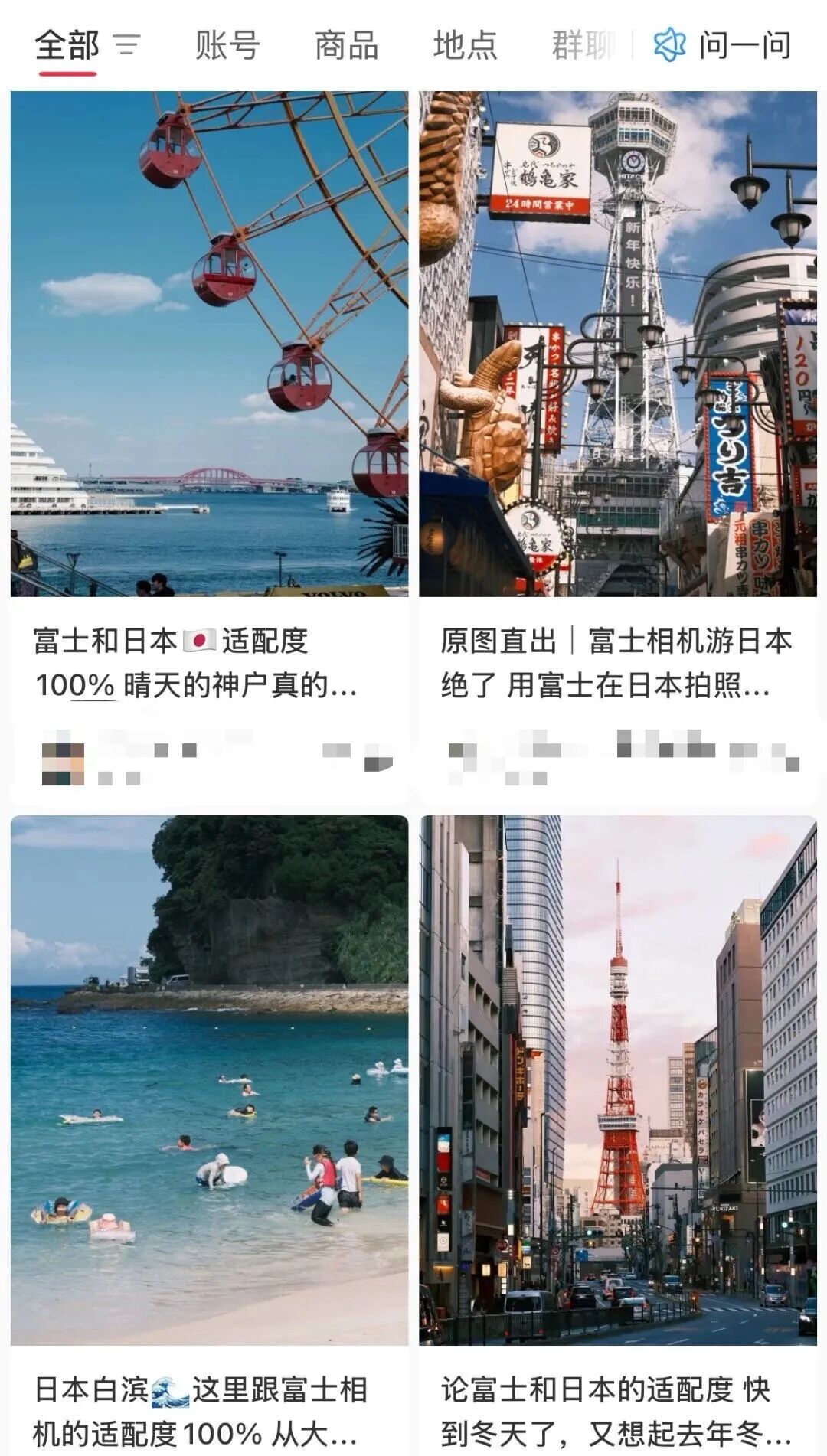
Core Insights - The article discusses the rising trend of "electronic three-piece sets" in photography, particularly among young consumers, highlighting the shift from smartphones to specialized cameras for social media sharing [14][75][80] - The demand for compact, high-quality cameras like Ricoh GR4 and Fujifilm models is driven by their unique aesthetic qualities and the emotional value they provide to users [14][54][80] Group 1: Market Trends - The popularity of compact cameras has surged, with models like the Ricoh GR4 priced at 8999 yuan, reflecting a 45% increase from its predecessor GR3, which was priced at 6199 yuan [17][19] - Fujifilm's XE5 model, released at 9999 yuan, shows a 75% price increase compared to its previous model XE4, which was priced at 5699 yuan [28] - The article notes that the "electronic three-piece set" has become a status symbol among young consumers, emphasizing the emotional value associated with these products [14][32][80] Group 2: Consumer Behavior - Consumers are increasingly willing to pay premium prices for cameras that offer unique features and aesthetic appeal, as seen with Ricoh and Fujifilm products [14][54][80] - The phenomenon of "flipping" cameras for profit in the second-hand market is prevalent, with many buyers purchasing popular models only to resell them at a higher price [44][45] - The article highlights the competitive nature of the market, with brands like DJI also experiencing high demand for their products, such as the DJI Pocket 3 [40][73] Group 3: Brand Strategies - Ricoh and Fujifilm employ strict inventory control and pricing strategies to maintain product exclusivity, often leading to shortages and high resale values [22][35][47] - Fujifilm's unique selling proposition lies in its film simulation features, which attract consumers looking for a nostalgic photography experience [54][59] - The article suggests that the success of these brands is not solely due to consumer demand but also their strategic marketing and product positioning [14][47][80]
消费级3D打印专题
2025-09-11 14:33
Summary of the Conference Call on Consumer-Level 3D Printing Industry Overview - The consumer-level 3D printing industry in China is experiencing strong export growth, with exports to the US accounting for 37% and Germany for 20% in the first half of 2024. The total export volume for the year is projected to reach 3.77 million units, generating revenue of 8.2 billion RMB, a year-on-year increase of 33% [1][5]. - The global market size for consumer-level 3D printing reached $19.8 billion in 2024, with an expected annual growth rate of 18.6% over the next 5 to 6 years [2]. Key Players - **拓竹科技 (Tao Zhu Technology)**: - Became the industry leader within three years by continuously iterating new models, building overseas brand presence, and creating a user co-creation community called Make World, which has over 1 million registered users [1][6]. - Reported revenue of 2.7 billion RMB in 2023, with a projected revenue exceeding 5.5 billion RMB and a net profit nearing 2 billion RMB in 2024 [3][9]. - **创想 3D (Chuangxiang 3D)**: - The second-largest consumer-level printer supplier globally and the largest consumer-level scanner supplier, currently pursuing an IPO in Hong Kong to expand market share [7]. Market Dynamics - The consumer-level 3D printing market is characterized by a shift towards professional applications, with B-end demand accounting for 60% and C-end demand for 40% [1][2]. - The industry benefits from improvements in equipment usability, speed, precision, yield, and cost reductions. For instance, the entry-level product price of Tao Zhu Technology dropped from 3,700 RMB in 2022 to 1,500 RMB in 2024 [4]. Growth Factors - Internal factors driving growth include advancements in technology (AI applications for real-time diagnostics and model generation) and significant cost reductions in both equipment and materials [4]. - External factors include the diversification of application scenarios, such as dental crowns in healthcare, small-batch figurines in cultural creativity, and jewelry supports in the jewelry industry [4]. Competitive Landscape - Domestic brands like Tao Zhu Technology and Chuangxiang 3D are rapidly increasing their global influence, surpassing established brands like Prusa in search volume on platforms like Google and Amazon [3][8]. - Tao Zhu Technology has maintained a market share exceeding 50% for five consecutive quarters, with a projected sales growth of 627% for the 2025 618 sales event [9]. Investment Opportunities - The upstream supply chain presents opportunities in consumables, particularly PLA materials, which are widely used and have strong repurchase attributes [13]. - Key components in the midstream supply chain include laser modules, motors, and scanners, with companies like 海正生材 (Haizheng Biomaterials) and 嘉联科技 (Jialian Technology) showing potential in PLA production [14][15][16]. Conclusion - The consumer-level 3D printing industry is poised for significant growth, driven by technological advancements, cost reductions, and expanding application scenarios. Domestic players are increasingly competitive on a global scale, presenting various investment opportunities across the supply chain.
首战即决战——大疆和影石在全景无人机的狭路相逢
3 6 Ke· 2025-09-11 10:33
Group 1 - DJI is reportedly set to launch its first panoramic drone, currently in the final stages before release, with leaked images suggesting imminent production and market entry [1][3] - The new drone is expected to feature the same lens as the recently released Osmo 360, along with a rotatable gimbal and a 1-inch image CMOS sensor, showcasing DJI's technological capabilities in panoramic imaging [3][6] - The upcoming competition between DJI and Insta360 in the "panoramic drone" market is anticipated, with both companies expected to launch their products around the same time, vying for market definition [3][5] Group 2 - DJI has established a global ecosystem since its founding in 2006, dominating the consumer aerial photography market while also expanding into civil and industrial sectors [5] - Insta360, a newer player, has focused on the panoramic camera market and recently announced its entry into the drone industry, indicating a strategic shift [5][6] - The competition will hinge on technological depth and system collaboration, with DJI leveraging its extensive experience and technological advancements to maintain its leadership position [8][9] Group 3 - The launch of DJI's Osmo 360 has already seen significant sales, with over 20,000 units sold within a month, indicating strong market demand and competitive pricing strategies [8][10] - DJI's comprehensive technological capabilities, including flight control systems and image stabilization, provide a significant advantage over Insta360, which is still developing its drone technology [9][10] - The upcoming product launches will ultimately be judged by user experience and market acceptance, with DJI's established supply chain and R&D investment likely giving it a competitive edge [10][11]

精彩纷呈!2025瑞银证券中国A股研讨会精华速览
2 1 Shi Ji Jing Ji Bao Dao· 2025-09-11 10:16
Group 1: Economic Outlook and Policy - The 22nd UBS Securities China A-Share Seminar focused on the theme of "Winning in Change" and discussed the transformation and development trends of the Chinese economy, highlighting the long-term investment potential of the Chinese stock market [1] - Experts noted that China's fiscal policy is currently quite proactive, with a high broad deficit ratio, indicating limited room for significant further expansion. Monetary policy measures have been introduced, but the effectiveness will require time to observe [1] - The "14th Five-Year Plan" is seen as the beginning of a new economic development cycle, emphasizing the cultivation of "new quality productivity" centered on technological innovation and emerging industries [1] Group 2: Stock Market Trends - The Chinese stock market has shown strong performance, with increasing confidence from investors, particularly overseas, in diversifying their asset allocations towards non-USD assets [2] - Both A-shares and Hong Kong stocks are entering a profit recovery cycle, with expectations that growth styles will lead, while value styles will rotate in phases [2] - Institutional positions in the A-share market remain low, indicating significant potential for incremental capital inflow as mainstream institutional funds enter the market [2] Group 3: ETF Market Growth - China's ETF market has seen continuous growth, surpassing 5 trillion yuan in size as of August 25, driven by policy support, improved market sentiment, product innovation, and rising investment demand [3] - By 2035, the ETF market in China is projected to reach 50 trillion yuan, potentially becoming the second-largest market globally [3] - A significant portion of Chinese entrepreneurs are beginning to utilize AI technology, indicating substantial market opportunities within the AI industry [3] Group 4: Consumer Trends and Opportunities - The Z generation has emerged as the new consumer force, with preferences for personalized and interactive services, prompting brands to innovate in product offerings [6] - Despite low economic sentiment, there are structural opportunities driven by emotional consumption and supply innovation, particularly in sectors like IP toys and beauty products [6] - The retail sales of consumer goods in China grew by 4.8% year-on-year from January to July, with certain segments like IP toys expected to reach a market size of 200 billion yuan by 2025 [5][6]
行业首届户储及便携式储能电池技术论坛9月26号深圳举办!500+嘉宾论道行业发展!
起点锂电· 2025-09-11 10:11
Core Viewpoint - The article discusses the growth and competitive landscape of the home energy storage and portable energy storage markets, highlighting significant trends, forecasts, and the upcoming 2025 forum focused on battery technology and safety [3][4][6]. Home Energy Storage - In 2024, the global home energy storage shipment is projected to reach 27.8 GWh, marking a 19% year-on-year increase, with Chinese companies accounting for 75% of the shipments [3]. - The leading regions for home energy storage consumption include Europe, the USA, Ukraine, Japan, Australia, Africa, the Middle East, ASEAN, and Russia, with Europe being the largest and most mature market [3]. - The USA, Ukraine, Australia, South Africa, Nigeria, and Brazil are expected to see rapid growth in 2024 due to various factors, including declining electricity prices in Europe [3]. - SPIR forecasts that the global home energy storage market will reach 180 GWh by 2030, representing a 547% increase from 2024 [3]. - The top 10 companies in global home energy storage shipments include Huawei, BYD, Airo Energy, and others [3]. Portable Energy Storage - The global portable energy storage shipment is expected to reach 11 million units in 2024, reflecting a 90% year-on-year growth [4]. - The USA is identified as the largest and most mature market for portable energy storage, driven by outdoor activities and a developed RV market [4]. - Ukraine is projected to experience the fastest growth in 2024 due to energy shortages caused by the Russia-Ukraine conflict [4]. - By 2030, the global portable energy storage market is anticipated to reach 28 million units, a 156% increase from 2024, fueled by outdoor economy growth and emergency power needs [4]. - The top 10 companies in global portable energy storage shipments include EcoFlow, BLUETTI, Jackery, and others [5]. Industry Trends and Challenges - The article notes the emergence of new technologies and materials in battery development, such as fast charging, solid-state, sodium batteries, and full-tab designs, while also highlighting ongoing safety challenges [5]. - The upcoming forum will focus on high safety standards and collaborative innovation within the industry, gathering key stakeholders to discuss technical pain points and share innovative results [6][11]. Forum Details - The 2025 forum will take place on September 26, 2025, in Shenzhen, focusing on high safety and building a new ecosystem for home and portable energy storage [6][11]. - The agenda includes discussions on safety standards, battery technology trends, and market strategies for Southeast Asia and the Middle East [8][9].

大疆,落子即定局
3 6 Ke· 2025-09-11 10:04
Core Insights - DJI dominates the global consumer drone market with a 70% market share, making it a benchmark for competitors [1][2] - The company has been recognized for its innovation, being listed among the top tech products and most innovative companies globally [1] - DJI's strategy involves maintaining a low profile while focusing on product development and market leadership, rather than engaging in public disputes with competitors [14][20] Market Position - DJI's revenue is projected to reach 80 billion yuan in 2024, supported by a robust patent portfolio of 38,000 patents [4] - The company has a significant advantage in supply chain management, with over 470 offline stores, allowing it to maintain competitive pricing [5] - DJI's products, such as the OSMO Action series, are priced lower than competitors, enhancing its market appeal [5][11] Competitive Landscape - Despite the influx of competitors attempting to enter the drone market, none have successfully challenged DJI's dominance [3][8] - New entrants often cite DJI as a benchmark, indicating the company's role as a guiding light in the industry [3][14] - DJI's approach to product development emphasizes innovation and quality, making it difficult for competitors to replicate its success [18][19] Product Development - DJI has launched several successful products, including the OSMO Action 2 and the upcoming OSMO 360, which have quickly gained market share [8][11] - The company is set to release a lightweight panoramic drone by the end of 2026, featuring advanced imaging technology and competitive pricing [13] - DJI's commitment to R&D is evident in its planned investment of 30 billion yuan over the next seven years, significantly outpacing competitors [4][19] Industry Influence - DJI's success story reflects the strength of China's industrial ecosystem and its ability to innovate in the face of competition and regulatory challenges [19] - The company has established itself as a standard-bearer in the drone industry, influencing both market dynamics and consumer expectations [20] - DJI's focus on product excellence and technological advancement positions it as a leader in defining industry standards [19][20]
