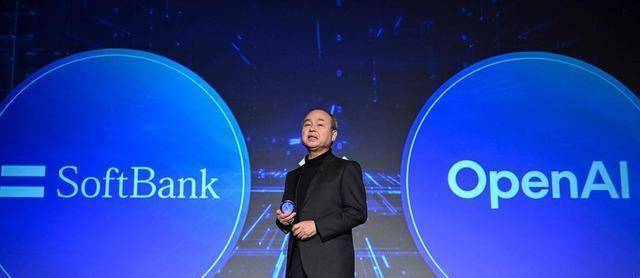
软银集团

Search documents
谁来挑战OpenAI?
虎嗅APP· 2025-11-14 12:04
Core Viewpoint - The article discusses the evolving dynamics in the AI sector, particularly focusing on the recent actions of SoftBank in relation to Nvidia and OpenAI, highlighting a shift in investment strategies and the valuation challenges faced by American AI companies compared to their Chinese counterparts [2][10][11]. Group 1: SoftBank's Actions and Market Impact - SoftBank sold its Nvidia shares for $5.8 billion shortly after Nvidia's market cap reached $5 trillion, indicating a strategic move to cash out at a high point [2][10]. - The sale is interpreted as SoftBank repositioning itself within the AI value chain, suggesting a lack of confidence in Nvidia's future growth potential [10][11]. - This transaction coincided with significant market fluctuations, with the Nasdaq Composite and S&P 500 experiencing their largest single-day declines in nearly a month, reflecting investor concerns about AI valuations [6]. Group 2: Challenges in American AI Valuations - American AI companies face a high valuation dilemma, characterized by rapid technological advancement and revenue growth but slow profit realization [8][9]. - The cost structure in the U.S. AI sector is becoming increasingly unsustainable, with high salaries for AI talent and exorbitant training costs for models like GPT-4, which is estimated to cost between $700 million and $1.4 billion to train [9][12]. - Companies like OpenAI and Anthropic are under pressure to continuously leverage capital to maintain their technological edge, raising concerns about long-term viability [9][10]. Group 3: Comparison with Chinese AI Companies - Chinese AI companies are reportedly operating under a different valuation structure, with significantly lower capital expenditures compared to their American counterparts, estimated to be 82% lower [12]. - The return on investment (ROI) for Chinese AI firms is perceived to be superior, with some domestic teams achieving faster commercialization of their products [13][15]. - Chinese AI firms, such as MiniMax, focus on practical applications and cost efficiency, contrasting with the high-risk, high-reward strategies of American firms [15][16]. Group 4: MiniMax's Competitive Edge - MiniMax has emerged as a strong competitor to OpenAI, leveraging a dual revenue model of subscription and API calls, with an annual recurring revenue (ARR) reaching $100 million [24]. - The company emphasizes a pragmatic approach, prioritizing immediate market needs and user feedback over long-term speculative models [20][26]. - MiniMax's innovative architecture allows it to achieve competitive performance at a lower cost, positioning it favorably in the global AI landscape [28][34].


5 Things To Know: November 14, 2025
Youtube· 2025-11-14 11:56
Group 1 - The U.S. Department of Homeland Security announced $10,000 bonus checks for TSA officers who worked without pay during the six-week government shutdown, recognizing their exemplary service under strain [1] - Boeing defense workers approved a new contract ending a three-month strike, which included a 24% wage increase over five years, allowing workers to return to factories soon [2] - Verizon plans to cut approximately 15,000 jobs due to intense competition in the wireless service and home internet markets, with cuts expected to occur within the next week [2] Group 2 - SoftBank's shares have fallen for the third consecutive day after the company disclosed the sale of its entire stake in Nvidia for $5.8 billion, contributing to a stock decline of over 25% since November 1st [3] - Blue Origin successfully launched its orbital rocket for the first time, deploying two NASA science satellites aimed at studying Mars' atmosphere, marking a significant milestone in the space industry [4][5] - The successful launch and landing of Blue Origin's rocket booster on a barge in the Atlantic Ocean signifies the emergence of a new competitor in the space race, a long-term goal for the company [4][5]

板块异动 | 美股科技股遭猛烈抛售 AI算力相关板块领跌A股
Shang Hai Zheng Quan Bao· 2025-11-14 11:39
近日,软银清仓英伟达套现超58亿美元等事件引发AI泡沫恐慌。美东时间周四,美股三大股指全线下 挫。科技股遭遇猛烈抛售,大型科技股大多下跌。截至收盘,特斯拉跌6.64%,英特尔跌5.23%,博 通、甲骨文跌超4%,英伟达跌3.58%,谷歌-A跌2.84%,亚马逊跌2.71%,微软跌1.54%,苹果跌 0.19%,仅Meta微涨0.14%。 上证报中国证券网讯(记者 刘怡鹤)11月14日上午,存储芯片、光通信模块等AI算力相关板块领跌A 股。截至10时33分,佰维存储、聚辰股份跌近10%,康强电子、同有科技跌超8%,普冉股份跌近8%, 华懋科技跌超6%,可川科技跌超5%,源杰科技跌超4%。 来源:上海证券报·中国证券网 ...
孙正义撤了,上次这么干,抱着黄仁勋痛哭
创业家· 2025-11-14 10:20
Group 1 - The article highlights Masayoshi Son's extreme investment style, emphasizing his recent decision to sell all of SoftBank's $5.8 billion Nvidia shares to invest in AI, including a planned $30 billion investment in OpenAI and participation in a $1 trillion AI manufacturing center project in Arizona [3][18]. - SoftBank sold all 32.1 million shares of Nvidia at an exit price of approximately $181.58 per share, which is only 14% lower than Nvidia's historical peak of $212.19 [3][18]. - This marks SoftBank's second complete exit from Nvidia, with the first exit in 2019 resulting in significant losses, as the shares sold then are now worth over $150 billion [3][19]. Group 2 - Son's career has been characterized by extreme bets, from losing $70 billion during the dot-com bubble to the legendary investment in Alibaba, which turned $20 million into $150 billion by 2020 [9][10]. - The article discusses the painful lessons from the WeWork investment, where Son ignored internal opposition and set a valuation of $47 billion, leading to a loss of $11.5 billion in equity and an additional $2.2 billion in debt [14][15][16]. - The recent Nvidia exit raises questions about whether Son sees risks that others do not, reflecting the uncertainty that investors currently face [19].

Asian Shares Follow Wall Street Lower Amid Tech Valuation Concerns
RTTNews· 2025-11-14 08:39
Market Overview - Asian stocks declined, influenced by Wall Street's downturn, with concerns over high tech valuations and the U.S. economic outlook [1] - The Shanghai Composite index fell 0.97% to 3,990.49, while Hong Kong's Hang Seng index dropped 1.85% to 26,572.46, indicating a loss of momentum in China [3] - Japanese markets experienced a sharp decline, with the Nikkei average tumbling 1.77% to 50,376.53, driven by profit-taking in tech stocks [5] - The Kospi average in Seoul plummeted 3.81% to 4,011.57, amid foreign selling and reduced hopes for rate cuts [6] - Australian markets hit a four-month low, with the S&P/ASX 200 falling 1.36% to 8,634.50, affected by Fed rate uncertainty and slowing Chinese growth [7] Economic Indicators - China's industrial production rose 4.9% year-on-year in October, below expectations of 5.5% and down from 6.5% in September [3] - Retail sales in China increased by 2.9%, surpassing expectations of 2.7%, while fixed asset investment fell 1.7%, missing forecasts [4] - The jobless rate in China was reported at 5.1%, slightly better than the expected 5.2% [4] - U.S. stocks faced their weakest session in a month, with the Nasdaq Composite plummeting 2.3% and the S&P 500 and Dow both falling around 1.7% [10] Geopolitical Events - Oil prices rose over 1% following a Ukrainian drone attack that damaged infrastructure in the Russian Black Sea port of Novorossiysk, escalating the conflict in Ukraine [2]

【环球财经】日经225指数下跌1.77%
Xin Hua Cai Jing· 2025-11-14 08:07
至收盘时,日经指数下跌905.30点,收于50376.53点;东证指数下跌21.91点,收于3359.81点。 新华财经东京11月14日电(记者刘春燕)日本东京股市两大股指14日显著下跌。日经225种股票平均价 格指数收盘下跌1.77%;东京证券交易所股票价格指数下跌0.65%。 由于投资者对美联储下月继续降息的预期减弱,隔夜纽约股市三大股指均大幅下跌,受其影响东京股市 两大股指14日早盘承压低开。日经股指跳空低开500多点,早盘期间一度下跌逾1000点。大盘全天低位 徘徊。当天大盘科技股软银集团及东京电子跌幅超过6%、爱德万测试下跌超过5%,拖累日经股指跌幅 扩大。 (文章来源:新华财经) 从板块来看,东京证券交易所33个行业板块涨跌互现,矿业、纤维制品、房地产业等板块涨幅靠前,有 色金属、电气产品、机械等板块领跌。 ...
软银集团押注AI,对OpenAI出资比例将达11%
日经中文网· 2025-11-14 08:00
Core Viewpoint - SoftBank Group is increasing its investment in OpenAI, aiming to become a "platform provider" that generates revenue through AI infrastructure, despite the lack of a clear path to profitability in AI-related businesses [2][4]. Investment Strategy - SoftBank Group plans to invest an additional $22.5 billion in OpenAI in December, bringing its total investment to $34.7 billion, making it the largest shareholder with an approximate 11% stake [5]. - The investment has already yielded significant returns, with SoftBank reporting an investment gain of 21.567 trillion yen from its investments in OpenAI during the April to September period [4]. Collaboration and Future Plans - SoftBank is collaborating with OpenAI on the "Stargate" project, which involves building large data centers across the U.S., and is also supporting OpenAI in semiconductor and energy supply [4][7]. - The company is also planning to acquire semiconductor firms and establish its own power supply system to support AI development [7]. Market Position and Competition - OpenAI is preparing for an IPO, with its valuation potentially reaching $1 trillion, which could further increase the value of SoftBank's holdings [5]. - Despite the optimistic outlook, there are concerns about OpenAI's ability to maintain its leading position in the face of competition from companies like Google, Amazon, and emerging Chinese firms [9]. Leadership Vision - SoftBank's CEO Masayoshi Son believes that the global AI market, estimated at around 600 trillion yen, will be shared among a few key players, with SoftBank and OpenAI positioned at the core [7]. - The company is also investing in robotics, having announced an 800 billion yen acquisition of ABB's robotics business, which is seen as a strategic move to enhance its capabilities in AI and robotics integration [7].
美国科技股全线大跌,中国AI有泡沫吗?
3 6 Ke· 2025-11-14 07:14
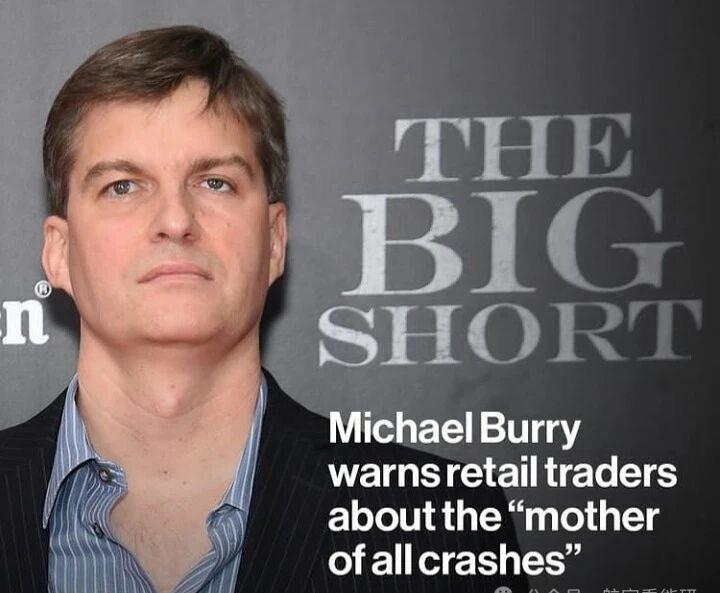
全球AI发展,正在繁荣与泡沫的十字路口。 据统计,亚马逊、微软、谷歌和Meta在2025年的合计投入或将超过3500亿美元。到2026年这一数字将突破4000亿美元。更激进的要属OpenAI,2025年上 半年的营收仅43亿美元,但它却已承诺未来三四年支出万亿美元左右。 不久前,英伟达市值一度冲破5万亿美元大关。同时,英伟达、AMD、甲骨文与OpenAI等巨头之间,形成了一种"你投我、我买你"的封闭资本循环,将估 值层层推高,营造出一场看似永不停歇的AI盛宴。 如此激进的豪赌,不禁让人联想到当年的互联网泡沫。在科技巨头用金融杠杆撬动动辄万亿美元规模的资本投入时,是否会引发产能过剩,加剧能源紧 张,并催生新一轮资产泡沫? 这场AI狂欢,席卷了海量的资源,也引发了市场对泡沫风险的普遍担忧。 因电影《大空头》闻名于世的传奇投资者Michael Burry,突然做空英伟达和Palantir 最近几周,美国科技巨头发行的债券组合,遭到投资者抛售,持续面临承压。软银集团清仓了"AI芯片霸主"英伟达的股票,进一步加深了外界的忧虑。 当太平洋对岸的泡沫被激进吹起时,一个关键问题浮出水面:中国AI是否也陷入了同样的狂热? 合纵 ...
资讯日报:市场对美联储12月降息预期降温-20251114
Guoxin Securities Hongkong· 2025-11-14 06:54
Market Overview - The Hang Seng Index closed at 27,073, up 0.56% for the day and 34.96% year-to-date[3] - The Hang Seng Technology Index rose by 0.80% to 5,981, with a year-to-date increase of 33.87%[3] - The Hang Seng China Enterprises Index increased by 0.68% to 9,599, showing a year-to-date growth of 31.68%[3] Sector Performance - Major technology stocks showed mixed results; Alibaba rose over 3% following news of a rebranding to enhance AI recognition[9] - The paper industry saw significant gains, with Nine Dragons Paper up over 10% due to a price increase of 30-100 RMB per ton[9] - The innovative drug sector was active, with 3SBio rising over 10% and BeiGene up over 7% after reporting a net profit of 1.139 billion RMB for Q3[9] Commodity and Energy Markets - Lithium battery stocks surged, with Ganfeng Lithium increasing over 12% as lithium carbonate futures rose 20% since mid-October[9] - Gold stocks collectively strengthened, with China Silver Group up over 12% as spot gold prices surpassed $4,220 per ounce[9] - OPEC warned of a "structural surplus" in the global oil market, leading to a decline in international oil prices[9] U.S. Market Trends - U.S. major indices closed lower, with the S&P 500 down 1.65% and the Nasdaq down 2.29% amid concerns over interest rate cuts[9] - Large tech stocks mostly fell, with Nvidia down 3.58% and Amazon down 2.71%[12] - The market's sentiment was pressured by Fed officials expressing hesitance on further rate cuts, reducing the probability of a December cut to nearly 50%[9] Japanese Market Insights - The Nikkei 225 index rose 0.43%, supported by a rebound in investor sentiment following the end of the U.S. government shutdown[12] - The Producer Price Index (PPI) in Japan increased by 2.7% year-on-year, exceeding market expectations[12] - Bank stocks in Japan generally strengthened, with Mitsubishi UFJ Financial Group up 2%[12]
软银清仓英伟达,套现58亿美元,孙正义AI战略调整
Sou Hu Cai Jing· 2025-11-14 05:30
Core Insights - SoftBank sold its last shares of Nvidia in October 2024 for $5.83 billion, indicating a strategic shift rather than a simple cash-out [1][3] - The company reported a net profit of 2.502 trillion yen for Q2 2024, significantly exceeding market expectations [1] Financial Performance - The Vision Fund generated 2.755 trillion yen in profits during the same quarter, becoming a key contributor to SoftBank's financial success [3] - The sale of Nvidia shares involved offloading 32.1 million shares, with the cash proceeds earmarked for larger investments [3] Strategic Moves - SoftBank plans to invest $22.5 billion in OpenAI through its second Vision Fund, part of a broader goal to invest approximately $30 billion in the AI sector [3][5] - The company has already seen returns of 2.157 trillion yen from its early investments in OpenAI, highlighting the success of this strategy [5] Future Projects - Plans include building a $1 trillion AI manufacturing center in Arizona, showcasing ambitious growth targets [5] - There are rumors of a potential acquisition of chip design company Ampere Computing for around $6.5 billion, which would contrast with the Nvidia sale [5] Technological Initiatives - SoftBank aims to deploy 1 billion AIAgents across its operations, which are expected to enhance efficiency through automation [6] - These AIAgents will possess self-learning capabilities, potentially transforming customer service, data analysis, and operational optimization [6] Market Reaction - SoftBank's stock surged 78% in the three months ending September 2024, marking its best quarterly performance since December 2005 [6] - There are mixed sentiments on Wall Street regarding SoftBank's valuation, with concerns about transitioning from a low-cost AI exposure to a high-risk valuation model [6] Long-term Outlook - The sale of Nvidia shares is viewed as a strategic move to consolidate liquidity for future investments in AI infrastructure and projects [7][9] - The success of SoftBank's ambitious plans will depend on effective execution and overcoming challenges related to funding, technology implementation, and regulatory compliance [9][10]