
卡游

Search documents
美国降息落地、需求改善可期,智能眼镜、新型烟草产业密集催化
Xinda Securities· 2025-09-21 05:09
Investment Rating - The industry investment rating is "Positive" [2] Core Views - The report highlights that the recent interest rate cut in the US and expected demand improvement could catalyze growth in sectors such as smart glasses and new tobacco products [2][3] - The report emphasizes the potential for export recovery due to the interest rate cut, which is expected to benefit companies with strong overseas production capabilities [2][4] - The smart glasses sector is seeing product improvements and optimization of industry pain points, which may lead to high growth in sales [3][4] Summary by Sections Pulp and Paper - Supply disruptions in pulp continue, with UPM extending maintenance at its Kaukas pulp mill until October 11, 2025, impacting production [2] - Price adjustments for various types of pulp are noted, with expectations of price increases from paper companies in Q4 [2] Exports - The recent interest rate cut by the Federal Reserve is expected to lead to a gradual recovery in interest-sensitive sectors like real estate and home consumption [2] - Companies with robust overseas production are anticipated to show greater resilience and improved export orders [2][4] New Tobacco - Increased competition in Japan's heated tobacco market is noted, with major players reducing prices to enhance market share [2][3] - The report anticipates growth in sales of new tobacco products, particularly in Europe and North America [3] Smart Glasses - Meta's launch of new AI smart glasses with improved features is expected to enhance market appeal and sales [3] - The report suggests that the industry may see high growth in sales due to these advancements [3] Packaging - The report discusses the strong overseas expansion of packaging leaders, with expectations of increased profitability [2] - Companies are focusing on high-margin clients and expanding their overseas production capabilities [2] Gold and Jewelry - The report notes a positive outlook for traditional jewelry brands despite challenges from rising gold prices [2] - Companies are expected to adapt their strategies to maintain sales growth [2] Two-Wheel Vehicles - The electric three-wheeler market is seen as having growth potential, with new product launches from leading companies [2] - The report highlights strategic partnerships aimed at enhancing performance in the electric motorcycle segment [2] E-commerce - The report indicates that cross-border e-commerce sellers are expected to maintain stable performance, with a focus on optimizing operations [2] - The upcoming holiday season is anticipated to drive sales growth [4] Pet Products - The pet industry is expected to maintain a positive trend, with new high-end products being introduced [2] - Companies are focusing on brand development to enhance market presence [4] IP Retail - The report highlights the strong performance of brands like Pop Mart in the global market, with plans for further expansion [2] - New product launches are expected to drive sales during the upcoming holiday season [4] Maternal and Child Products - Recent government policies aimed at boosting birth rates are expected to benefit the maternal and child retail sector [5] - Leading companies are positioned to capitalize on these policy changes [5]
高瓴领投、姚记站台:闪魂能否成为下一个“卡游”?
Hua Er Jie Jian Wen· 2025-09-18 16:31
Core Viewpoint - The card market has cooled significantly compared to 2024, with a decline in both transaction volume and consumer interest, largely due to the lack of leading IPs to drive the market [1] Group 1: Market Dynamics - The interest in card games has waned as consumer attention shifts towards other trends, such as the vinyl and plush toy craze led by Pop Mart [1] - The competitive narrative in the domestic card game market is diversifying, moving away from the dominance of a single leading player [1] - Despite the cooling market, various capital sources are accelerating their entry into the card game sector [1] Group 2: Company Developments - Flash Soul, a new entrant in the card game market, completed a significant financing round of several hundred million RMB, marking the largest disclosed financing in the card sector in the past year [2] - Founded in 2023, Flash Soul has a strong founding team, including the chairman of Yaoji Technology and a former market director from Card Game [2][3] - Flash Soul's rapid rise has led it to be referred to as a "dark horse" in the card industry [5] Group 3: Product Strategy - Flash Soul's collaboration with NetEase on the game "Identity V" quickly gained market traction, with its second product selling out within a month of launch [6][7] - Unlike competitors focusing on younger audiences, Flash Soul targets game IPs, establishing a clear competitive strategy [10] - The company is investing heavily in trading card games (TCG), which emphasize community interaction among players, as opposed to collectible card games (CCG) that rely on rarity [12] Group 4: Strategic Partnerships - Flash Soul has partnered with major gaming franchises, including a TCG series based on "Genshin Impact" and a collaboration with Riot Games for a TCG set in the League of Legends universe [11] - The company is committed to significant annual investments in marketing and support for core stores [11] Group 5: Industry Context - The TCG market is more mainstream in mature overseas markets, offering better customer retention and predictable demand [13] - However, the TCG sector in China faces challenges, including high operational costs and a lack of professional talent [14] - The Yaoji system, which includes Flash Soul and Yaoji Toys, has a broad influence across the card industry, leveraging extensive resources and established operational frameworks [15][16] Group 6: Corporate Structure - The Yaoji system has deep and extensive industry layouts, impacting various segments of the card market [15] - Although Yaoji Toys and Flash Soul are no longer directly linked to Yaoji Technology, they share a common control structure and historical ties [17][18] - Concerns have been raised about the potential risks of operational overlap and governance transparency between the entities within the Yaoji system [19]

从孤儿到30亿美元CEO,一位90后富豪的爽文逆袭路
36氪· 2025-09-18 13:35
Core Viewpoint - The article highlights the remarkable journey of Li Fashun, the founder of Flash Express, showcasing his rise from a challenging childhood to building a billion-dollar logistics company in Thailand, emphasizing the importance of understanding local markets and the integration of Chinese efficiency with local flexibility [5][6][8]. Group 1: Company Overview - Flash Express was founded in 2017 and has quickly become Thailand's first unicorn with a valuation of $2.1 billion, delivering 700 million packages annually and employing 100,000 staff [7][8]. - The company disrupted the traditional logistics market in Thailand by offering free pick-up services and operating 365 days a year, which helped it capture the largest market share [18][19]. Group 2: Growth and Expansion - In recent years, Flash Express has expanded its business model beyond logistics into marketing and financial services, collaborating with Chinese brands to penetrate the Thai market [8][26]. - The company has invested approximately 300 to 400 million USD annually in technology to enhance operational efficiency and standardization [16]. Group 3: Challenges and Resilience - During the COVID-19 pandemic, Flash Express faced significant operational challenges, including high costs for health and safety measures and a workforce crisis due to infections, leading to a temporary shutdown of a major distribution center [21][22]. - Despite these challenges, the company managed to rebound, achieving a revenue of 17 billion Thai Baht in 2021, with a significant increase in business volume post-recovery [23]. Group 4: Strategic Insights - Li Fashun emphasizes the importance of local understanding in business operations, advocating for a hybrid management approach that combines local talent with Chinese operational efficiency [12][15]. - The company aims to serve as a bridge for Chinese brands entering Southeast Asia, leveraging its established local networks and expertise [26][27]. Group 5: Future Outlook - The company is focused on expanding its ecosystem beyond logistics, including warehousing and financial services, to create a comprehensive supply chain solution across Southeast Asia [30]. - Li Fashun believes that the next decade will be crucial for Chinese brands entering Southeast Asia, with a vision to incubate 100 successful Chinese brands in the region [26][27].


股价一日涨160%!宝可梦卡牌为啥能让资本疯狂?
Mei Ri Jing Ji Xin Wen· 2025-09-18 03:09
Core Insights - The opening of Beijing's first official Pokémon trading card dojo has attracted significant attention, with players queuing from the second floor to the first, indicating a strong demand for the experience [1] - The popularity of trading cards has surged, with the "Charizard EX" special card quickly selling out and fetching prices up to 650 yuan on secondary markets, showcasing the lucrative nature of collectible cards [1] - The capital market reacted positively to the collaboration between Kaizhile International and Pokémon, resulting in a stock price increase of 160.68% in one day, highlighting investor interest in the trading card sector [1] Industry Overview - The collectible card game industry has evolved from a niche hobby to a mainstream phenomenon, with Card Game's revenue exceeding 10 billion yuan last year, indicating robust growth [1] - The market for trading cards encompasses a wide range of products, from affordable accessories priced at 19.9 yuan to high-end collectibles priced at 789 yuan, reflecting diverse consumer interests [1] - The integration of social interaction, collection, and investment within the trading card space appeals to all age groups, contributing to its widespread popularity [1]
对话泰国首家独角兽创始人:从孤儿到30亿美元CEO的逆天改命
3 6 Ke· 2025-09-18 01:44
Group 1 - The core story revolves around the life and entrepreneurial journey of Li Fashun, the founder of Flash Express, highlighting his rise from a challenging childhood to becoming a successful entrepreneur in Thailand's logistics industry [1][2][3] - Flash Express was established in 2017 with the aim of revolutionizing the Thai logistics market by offering free pick-up services and operating 365 days a year, quickly capturing the market share [11][12] - Within four years, Flash Express achieved a valuation of $2.1 billion, delivering 700 million packages annually and employing 100,000 staff, making it Thailand's first unicorn [2][3] Group 2 - The company has expanded its business model beyond logistics to include marketing and financial services, collaborating with Chinese brands to facilitate their entry into the Thai market [3][18] - During the COVID-19 pandemic, Flash Express faced significant operational challenges, including high costs for safety measures and employee absences, leading to a temporary shutdown of a major distribution center [13][15] - After the pandemic, the company rebounded, achieving a revenue of 17 billion Thai Baht in 2021 and doubling its business volume, emphasizing the importance of corporate values and respect for employees [15][16] Group 3 - The company has adopted a unique organizational structure that maximizes cultural strengths, employing Thai nationals in local roles while utilizing Chinese expertise in technology and operations [16][17] - Flash Express has developed a comprehensive ecosystem that includes logistics, warehousing, and financial services across multiple Southeast Asian countries, positioning itself as a key player in the region [21][22] - The founder believes that the next decade will be crucial for Chinese brands expanding into Southeast Asia, aiming to incubate 100 successful brands in the region [18][19]
卡游携超级IP进入美国 线上线下渠道并行
Xin Lang Cai Jing· 2025-09-17 13:58
Core Insights - KAYOU, a leading company in China's pan-entertainment and cultural innovation sector, is entering the U.S. market, which is crucial for its global strategy [1] Group 1: Market Entry - The U.S. is the largest collectible card market globally, making it a key component of KAYOU's international expansion [1] - KAYOU plans to launch three major IP card series, including "My Little Pony," "Naruto," and "tokidoki," at the New York Comic Con in October [1] Group 2: Competitive Advantages - KAYOU's competitive edge stems from its comprehensive industry chain layout, covering R&D and manufacturing, which ensures product innovation and quality [1] - The company has a mature IP operation system, successfully managing over 70 well-known IPs in China, including global collaborations and original developments [1] - KAYOU excels in content re-creation to enrich the IP's connotation [1] Group 3: Sales Channels - The company plans to sell its products through multiple online and offline channels, including Walmart, Amazon, Target, Gamestop, Barnes & Noble, TikTok Shop, and live e-commerce brand Crossing [1]

卡游出海,“卡”在没有自己的Labubu
创业邦· 2025-09-17 03:56
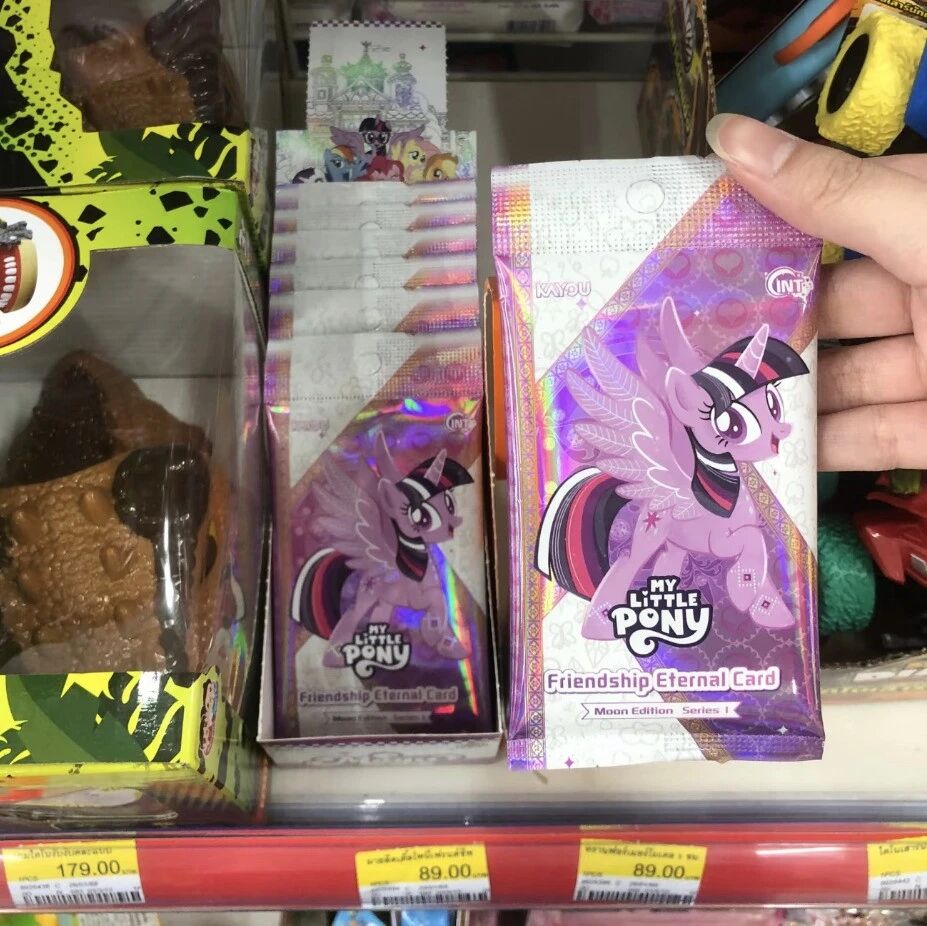
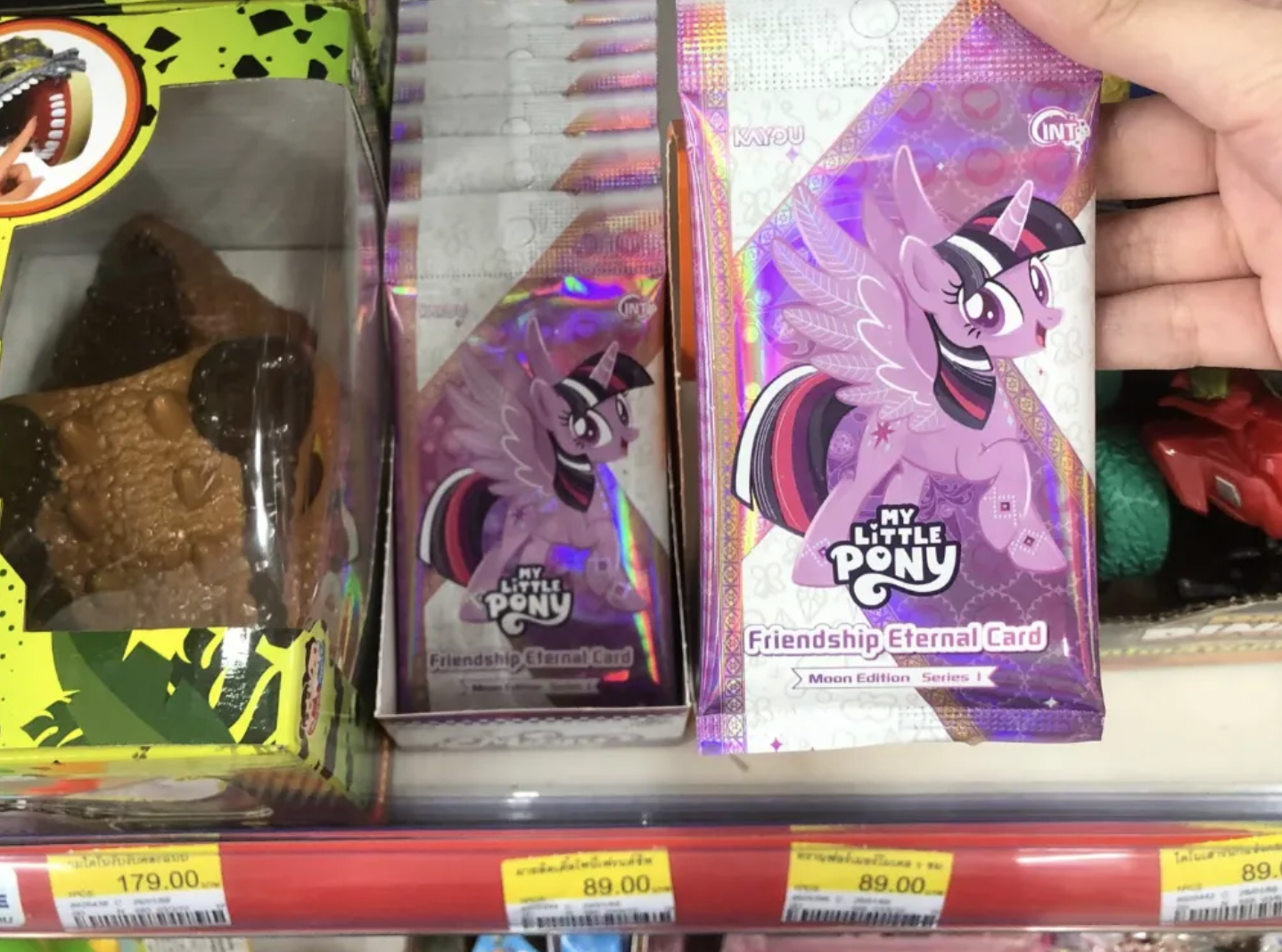
Core Viewpoint - The article discusses the expansion strategy of Kayou, a card game company, into Southeast Asia, particularly Thailand, and compares its approach to that of Pop Mart, highlighting the challenges and opportunities in replicating success in international markets [5][7][26]. Group 1: Market Entry Strategy - Kayou is attempting to replicate Pop Mart's success by introducing familiar products, such as My Little Pony cards, in Thailand, with packaging adapted to local language [5][7]. - The company has identified four main retail strategies for overseas expansion: becoming regional agents, opening franchise stores, collaborating with local supermarkets, and partnering with e-commerce platforms [11][14]. - Kayou's first overseas store opened in Hong Kong's K11 shopping art museum, with plans for further expansion in Macau and Malaysia, indicating a shift towards high-end retail environments [14][16]. Group 2: IP and Content Strategy - Kayou has secured licenses for globally recognized IPs like Harry Potter and DC Comics, positioning itself as a leader in the domestic IP sector [18][22]. - The company lacks a standout product akin to Pop Mart's Labubu, which has limited its ability to drive sales and brand recognition [22][24]. - Kayou's recent IP offerings are heavily influenced by Chinese culture, which may pose challenges in gaining acceptance in overseas markets due to cultural barriers [24][25]. Group 3: Competitive Landscape - The article draws parallels between Kayou and American trading card companies like Panini and Topps, which have successfully penetrated Asian markets by leveraging established sports IPs [29][31]. - American companies have developed a robust ecosystem around trading cards, utilizing various marketing channels and community engagement strategies that Kayou could learn from [31][32]. - Kayou's reliance on culturally specific IPs may hinder its ability to compete effectively against established American brands that have a broader global appeal [33]. Group 4: IPO and Future Prospects - Kayou has submitted its IPO application, which could enhance its credibility and support its international expansion efforts [34][35]. - The company faces challenges related to compliance and market readiness, which may affect its IPO timeline and overall strategy [34][35]. - Successful international expansion could bolster Kayou's market position and facilitate its IPO, potentially increasing its influence in the global card game market [35].

卡游出海,“卡”在没有自己的Labubu
凤凰网财经· 2025-09-16 12:59
Core Viewpoint - The article discusses the international expansion strategy of Kayou, a card game company, highlighting its efforts to replicate the success of brands like Pop Mart in Southeast Asia through various retail models and partnerships [4][10][23]. Group 1: Expansion Strategy - Kayou is attempting to enter the Southeast Asian market by utilizing local distributors and establishing retail channels, similar to the approach taken by Pop Mart [4][5]. - The company has identified four main retail models for overseas expansion: regional agency partnerships, single-store franchises, collaborations with chain supermarkets, and e-commerce platforms [6][8]. - Kayou's first overseas store opened in Hong Kong's K11 shopping art museum, with plans for further expansion in Macau and Malaysia [9][10]. Group 2: IP and Content Strategy - Kayou has launched overseas versions of popular IPs such as My Little Pony, Harry Potter, and DC Comics, aiming to leverage globally recognized brands for market penetration [10][12]. - The company lacks a standout IP like Pop Mart's Labubu, which has significantly driven sales and brand recognition, posing a challenge for Kayou's growth [12][18]. - Kayou's self-developed IPs are heavily influenced by Chinese culture, which may limit their appeal in international markets due to cultural barriers [14][15]. Group 3: Competitive Landscape - The article draws parallels between Kayou and American trading card companies like Panini and Topps, which have successfully expanded into Asian markets by leveraging established sports IPs [19][20]. - American companies have developed diverse marketing strategies, including social media engagement and community-building events, which Kayou could adopt to enhance its market presence [21][22]. - Kayou's reliance on culturally specific IPs may hinder its ability to achieve the same level of market penetration as its American counterparts, necessitating a long-term strategy to build brand recognition and user engagement [22][24]. Group 4: IPO and Future Prospects - Kayou submitted its IPO application in April 2025, but progress appears stalled, potentially due to compliance issues or challenges related to its IP portfolio [23][24]. - The company's international expansion could enhance its IP potential and provide a positive narrative for its IPO, which is crucial for establishing trust in overseas markets [23][24].
卡游出海,“卡”在没有自己的Labubu
Hu Xiu· 2025-09-16 00:13
Group 1 - The article discusses the expansion of Kayou, a card game company, into the Southeast Asian market, particularly Thailand, with the introduction of My Little Pony cards in local language packaging [1][3][4] - Kayou aims to replicate the success of Pop Mart by leveraging local distributors and marketing strategies to enhance brand visibility and sales in foreign markets [5][6][9] - The company has established various retail models for overseas operations, including regional agency partnerships, single-store franchises, collaborations with supermarkets, and e-commerce platforms [8][10][11] Group 2 - Kayou's strategy includes opening high-end stores in locations like Hong Kong and Macau, contrasting with its domestic focus on more affordable shopping environments [10][11] - The company is also exploring non-traditional channels, such as partnerships with cinema chains to promote limited edition cards tied to popular films [12] - Kayou has secured licensing agreements with major global IP holders, positioning itself among the top tier of domestic IP companies [16][18] Group 3 - The article highlights the challenge Kayou faces in finding a breakout product similar to Pop Mart's Labubu, as its current IPs lack the same level of global appeal [18][20] - Kayou's reliance on culturally specific IPs may hinder its ability to penetrate broader international markets, particularly in Southeast Asia where card culture is less established [21][30] - The company is compared to American trading card companies, which have successfully built a market presence through established sports IPs and diverse marketing strategies [23][24][25] Group 4 - Kayou's IPO process has faced delays, potentially due to compliance issues and the need for a stronger IP portfolio [31][32][35] - The company believes that international expansion could enhance its IP potential and support its IPO efforts by promoting Chinese cultural elements [33][35] - The future of Kayou's IPO and its impact on international growth remains uncertain, with developments expected in the coming months [35]
一次自救,“奥特曼”竟埋下百亿元损失的“时间炸弹”
Mei Ri Jing Ji Xin Wen· 2025-09-14 13:39
Core Insights - The article highlights the dissatisfaction of parents regarding the quality and pricing of the "Ultraman" children's theater performances, which are significantly more expensive than movie tickets, leading to complaints about misleading advertising and poor execution [1][2][3] Group 1: Performance Quality and Consumer Experience - Parents reported that the performances, priced at six times that of movie tickets, failed to deliver promised experiences, such as VIP packages and quality production values, resulting in disappointment for both children and parents [2][3] - The performances were criticized for lacking professional production elements, with costumes that did not adequately conceal performers and overall poor audio-visual quality [2][3] - Legal experts indicated that consumers could claim refunds based on misleading advertising and unmet contractual obligations, emphasizing the need for higher quality standards in children's cultural products [3] Group 2: Licensing and Authorization Issues - The article discusses the confusion surrounding the licensing of "Ultraman" performances, noting that multiple companies hold different rights to the IP, leading to inconsistencies in quality and pricing [6][7] - The authorization fees for performances can be as low as 3,000 yuan per show, raising concerns about the quality of productions that can be offered at such low costs [5][6] - The original rights holder, New Chuanghua, has not authorized cinema performances, indicating potential unauthorized use of the IP by other companies [5][6] Group 3: Market Dynamics and Financial Implications - The article outlines the significant financial potential of the "Ultraman" IP, with estimates suggesting that the licensing and derivative product market could be worth tens of billions, highlighting the long-term financial impact of historical licensing decisions [7][9] - Companies leveraging the "Ultraman" IP have seen substantial revenue growth, with examples of firms achieving over 100 billion yuan in revenue due to successful product lines based on the IP [9][10] - The fragmented licensing landscape has led to market confusion and varying product quality, which could harm the brand's reputation and consumer trust [8][10]