
银河航天

Search documents
朱雀三号可复用火箭首飞成功入轨 万亿商业航天赛道迈入新阶段
2 1 Shi Ji Jing Ji Bao Dao· 2025-12-03 12:30
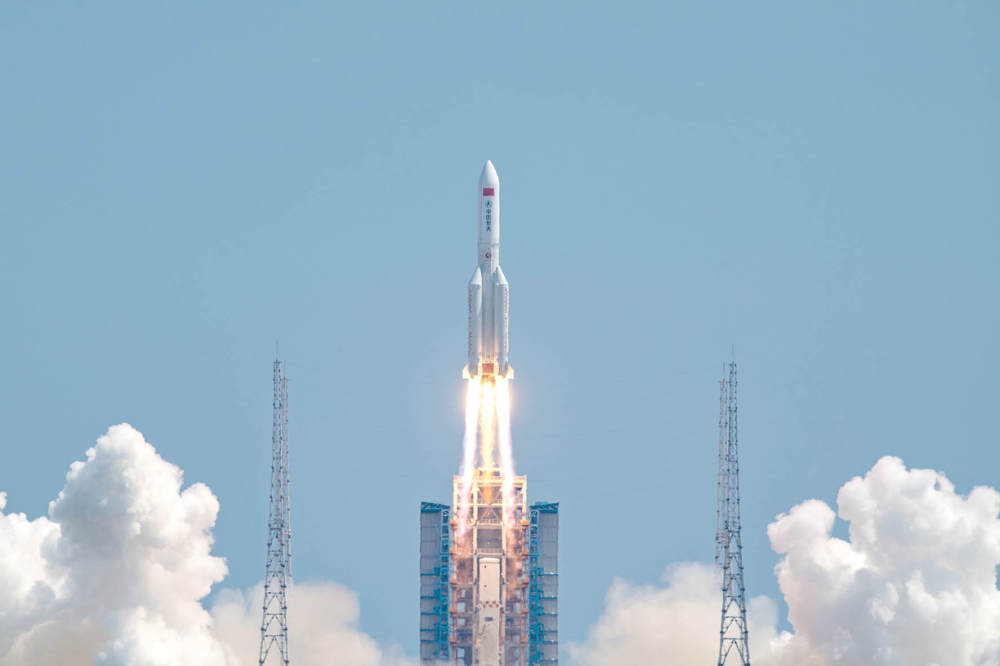
Core Insights - The successful launch of the ZQ-3 rocket marks a significant step for China's commercial space sector towards reusable rocket technology, indicating a shift in market perception and investment opportunities in the industry [1][3][4] Group 1: Launch and Market Reaction - The ZQ-3 rocket, developed by Blue Arrow Aerospace, completed its maiden flight on December 3, 2023, successfully entering the designated orbit [1] - Following the launch, the A-share commercial space sector saw a surge, with companies like Zhonghuan Hailu rising over 10%, and several others reaching their daily price limits [1] - The commercial space concept has gained traction in the capital market, becoming a major focus area since the establishment of the National Commercial Space Administration and the introduction of related action plans [1][4] Group 2: Industry and Policy Developments - The ZQ-3 launch represents a transition from isolated breakthroughs to a more systematic capability in China's commercial space industry [3] - The National Space Administration has established a dedicated Commercial Space Administration, which is expected to enhance the regulatory environment and promote high-quality development in the sector [4][5] - The recently issued action plan aims for significant growth in the commercial space industry by 2027, focusing on efficient collaboration, safety, and innovation [5] Group 3: Technological and Investment Trends - The successful implementation of the liquid oxygen-methane technology is seen as a pathway to achieving low-cost and high-frequency launch capabilities, comparable to SpaceX [3] - The investment paradigm is shifting from a traditional "zero-risk" approach to a more tolerant attitude towards failure, encouraging rapid iteration and innovation in commercial space ventures [6][7] - The emphasis on "zeroing" experience in talent evaluation highlights the importance of practical engineering capabilities in mitigating technical risks and avoiding price wars in the competitive landscape [7]

破局科创融资难!多方合议 “轻资产” 企业成长密码
2 1 Shi Ji Jing Ji Bao Dao· 2025-12-03 07:04
Group 1 - The strategic importance of technology finance is increasingly highlighted, with the central financial work conference in 2023 emphasizing it as a key driver for high-level technological self-reliance and strength [1] - Experts agree that technology finance has evolved beyond simple capital supply to become a core hub for resource integration, risk diversification, and the transformation of technological achievements [2] - The characteristics of technology enterprises, such as being "light asset, lack of collateral, and high risk," present challenges to traditional credit evaluation systems, necessitating the development of financial service models tailored to their needs [3] Group 2 - Financial institutions need to adapt to the development patterns of technology industries to achieve a win-win situation between financial value and industrial value [2] - The discussion highlighted the need for a full-cycle, accompanying financial service ecosystem to address the significant differences in funding and resource demands at various stages of technology enterprise development [3][4] - The concept of "patient capital" is becoming an essential part of the full-cycle service ecosystem, with financial institutions expected to deeply engage in industry scenarios to match the evolving needs of enterprises [4] Group 3 - The integration of financial and technological innovation is driven by the high investment, long cycle, and high-risk characteristics of hard technology industries, necessitating collaborative support from various types of capital [4] - The financing paths for hard technology enterprises often begin with venture capital in the initial stages and evolve to include diversified financial tools, with equity financing remaining a crucial support [5] - Continuous funding, particularly from patient capital, is essential for strategic emerging industries like commercial aerospace and satellite internet, which require sustained investment due to high technical barriers and long infrastructure development cycles [5]
中科创星米磊:商业航天步入“1到N”爆发前夜,运力是核心掣肘
2 1 Shi Ji Jing Ji Bao Dao· 2025-12-01 12:27
Core Insights - China's commercial aerospace industry is at a critical turning point, transitioning from the early nurturing phase to an accelerated growth phase, with a significant increase in the number of commercial aerospace companies exceeding 600 [1][2] - The industry has achieved a historic leap due to policy support, technological breakthroughs, and market-driven forces, with a record high of 138 financing events in 2024 amounting to 20.239 billion yuan [2] - Key challenges include insufficient launch capacity and high costs, which hinder the efficiency of satellite constellation deployment [3][4] Industry Development - The commercial aerospace sector in China began its development in 2015, driven by strong national policy support and an influx of private capital [2] - The industry is focusing on breakthroughs in key technologies such as batch manufacturing of satellites and the development of reusable rockets to reduce costs [3][4] - The first intelligent production line for satellites in China aims to achieve an annual production capacity of over 240 small satellites [3] Technological Trends - The integration of artificial intelligence with aerospace technology is expected to be a significant trend, leading to the development of "smart satellites" capable of processing data independently in orbit [4] - Recent advancements include the successful launch of 26 satellites in a single mission, setting a new record for commercial rockets in China [4] Investment Landscape - The commercial aerospace industry is viewed as a strategic emerging industry, with a long-term positive outlook despite external uncertainties [4] - The emphasis on low-cost and high-reliability rockets is crucial for the industry's growth and the establishment of satellite internet infrastructure [3]
银河航天徐鸣:太空基建呈“新四化” 特征
2 1 Shi Ji Jing Ji Bao Dao· 2025-11-29 09:05
Core Insights - The number of operational satellites has rapidly increased from 5,000 to 12,000 in less than five years, indicating a significant acceleration in space infrastructure development [1] - The space industry is experiencing a technological revolution driven by advancements in aerospace technology and artificial intelligence, characterized by low-cost, large-scale, and constellation-based satellite deployment [1][3] - The global space economy is projected to grow from $630 billion in 2023 to $1.8 trillion by 2035, with a compound annual growth rate of approximately 9% [3] Industry Developments - The concept of "Moore's Law in Space" suggests that satellite manufacturing is becoming faster, more powerful, and cheaper, similar to advancements in computer chips [1] - The demand for satellite broadband is expected to surge, particularly with the advent of direct satellite-to-mobile communication, marking a critical step towards mainstream adoption of satellite communication [3][4] - New application scenarios are emerging, including space supercomputing, space sensing, and space logistics, driven by the increasing capabilities of satellite infrastructure [4] Company Progress - The company has successfully launched 35 self-developed satellites, including the world's first high-frequency low-orbit millimeter-wave satellite [4] - The company is expanding internationally, collaborating with local operators in countries like Thailand and engaging in partnerships in the UAE, Saudi Arabia, and Indonesia to promote low-orbit satellite communication technologies [4] - The capital market has shown strong support for the commercial space industry, with approximately 2,200 space companies raising a total of $357.8 billion from 2009 to Q2 2025 [5]
卫星物联网商用试验启动 我国卫星通信产业化提速
Zhong Guo Jing Ying Bao· 2025-11-28 20:13
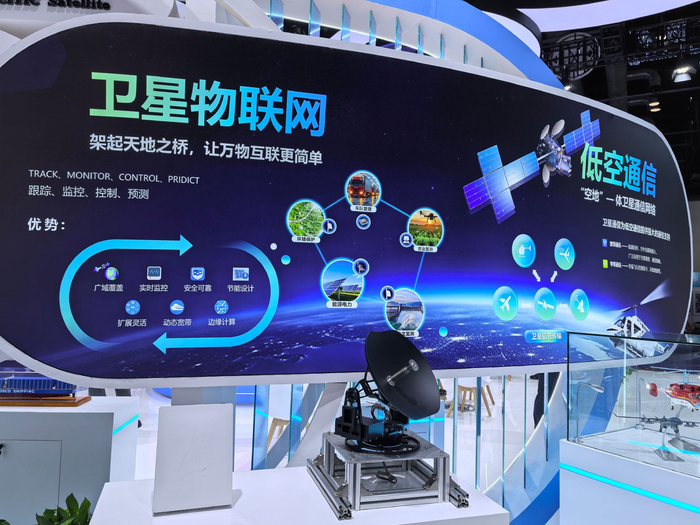
Core Viewpoint - The industrialization process of China's satellite communication is accelerating with the launch of a two-year commercial trial for satellite IoT services, aimed at enhancing market supply and supporting emerging industries like commercial space and low-altitude economy [3][5][8]. Policy and Regulatory Framework - The Ministry of Industry and Information Technology (MIIT) has issued a notice to initiate commercial trials for satellite IoT, requiring companies to establish satellite IoT systems and support systems to operate nationwide [3][5]. - The recent policy developments provide a clearer roadmap for satellite communication in China, with a focus on meeting the connection needs of IoT devices as a foundation for future high-speed satellite communication [4][5]. Market Dynamics and Growth Potential - The satellite IoT commercial trial marks a new era for China's satellite communication industry, transitioning from specialized applications to large-scale commercial use [5][6]. - The market for satellite IoT is projected to grow significantly, with an expected compound annual growth rate (CAGR) exceeding 40% from 2024 to 2028, potentially reaching a market size of nearly 10 billion yuan by 2028 [6][9]. Technological Advancements - The development of low-cost, rapid-response launch capabilities has lowered the barriers for satellite network deployment, facilitating the transition to commercial applications [5][8]. - The integration of satellite communication modules into various devices, including heavy machinery and wearable technology, is being pursued by both state-owned and private enterprises [6][8]. Industry Structure and Investment Trends - The commercial space sector is entering a phase of standardization, with the establishment of a dedicated Commercial Space Office by the National Defense Science and Technology Industry Bureau [8][9]. - The commercial space market in China is expected to reach approximately 2.3 trillion yuan by 2024, indicating strong growth potential driven by over 70,000 related enterprises [9]. Challenges and Considerations - The satellite communication industry faces challenges related to spectrum allocation and cost, with the cost of satellite communication bandwidth being 5 to 8 times higher than terrestrial communication [10][11]. - The need for a balanced pricing strategy that covers costs while attracting users remains a critical challenge for midstream operators [11].
银河航天公共事务总经理徐颖:技术创新与金融创新需深度结合
2 1 Shi Ji Jing Ji Bao Dao· 2025-11-26 07:15
Core Viewpoint - The development of the commercial aerospace industry heavily relies on financial support, which is crucial for the construction of new space infrastructure and requires continuous investment, particularly patient capital [2][3]. Group 1: Industry Insights - The commercial aerospace and satellite internet sectors are characterized as strategic emerging industries with high technical barriers, necessitating sustained financial investment [2]. - The Chinese government has encouraged private capital participation in national civil space infrastructure since 2014, marking the beginning of commercial aerospace development in China [2]. - The overall industry development is positive, supported by increasing financial institution participation and collaboration, creating a favorable environment for technological enterprises [3]. Group 2: Company Development - Galaxy Aerospace has successfully launched 35 advanced satellites, covering various types such as communication and remote sensing, and has validated satellite internet applications both domestically and internationally [1]. - The company has evolved from relying on venture capital in its early stages to utilizing diversified financial tools, including equity financing and local industry funds, as it matures [2]. - The introduction of the Nantong Development Zone Intelligent Manufacturing Industry Investment Fund has provided financial support for capacity enhancement and optimization of satellite mass production technology [3]. Group 3: Technological and Financial Innovation - There is a significant need for deep integration of technological and financial innovation, especially as new asset forms emerge in the satellite sector, with the global satellite count increasing from over 1,000 a decade ago to more than 10,000 today [3]. - The development of financial instruments backed by satellite assets and the promotion of space asset securitization require active participation from financial institutions and policy support [3]. - The company has implemented AI and automation in satellite monitoring, significantly reducing labor costs and enhancing production efficiency [3][4]. Group 4: Cost Management Strategies - The company emphasizes careful assessment of financial conditions when planning capacity expansion to ensure that funding capabilities align with growth rates [5]. - Continuous communication with financial institutions and awareness of national policies are crucial for effectively utilizing diverse financing tools [5].
海南民营经济澎湃新质生产力
Sou Hu Cai Jing· 2025-11-26 00:32
Core Insights - The private economy in Hainan is a vital force driving high-quality development and innovation, contributing significantly to the province's GDP and employment [2][4][5] Group 1: Private Sector Contributions - Hainan has 3.6241 million business entities, with 97.44% being privately owned, highlighting the dominance of the private sector [2][4] - The private economy contributes nearly 60% of the province's GDP, over 90% of employment, and more than 90% of high-tech enterprises [4] - In the first three quarters of 2025, the private economy achieved an added value of 338.63 billion yuan, a year-on-year increase of 4.2% [4] Group 2: Policy Support and Innovation - The introduction of policies such as "zero tariff" for self-used production equipment has enhanced the international competitiveness of local companies like Hainan Xiangtai Fisheries [3][6] - The "Hainan Free Trade Port Promotion of Private Economy Development Regulations" ensures equal rights and opportunities for private enterprises, fostering a fair competitive environment [6] - Companies like Qilu Pharmaceutical have leveraged policy advantages to drive innovation, resulting in significant growth in production value from 1.961 billion yuan in 2018 to 4.023 billion yuan in 2024 [9] Group 3: Investment and Economic Environment - Hainan is actively attracting investment from major industry players, with 42 cooperative projects signed at a recent policy promotion event [10] - The province has established a comprehensive support system for small and micro enterprises, addressing financing challenges and enhancing the business environment [12][13] - The upcoming full closure of the Hainan Free Trade Port is expected to strengthen connections with global markets, expanding opportunities for the private economy [11][14]
商业航天迎重磅利好
2 1 Shi Ji Jing Ji Bao Dao· 2025-11-25 03:24
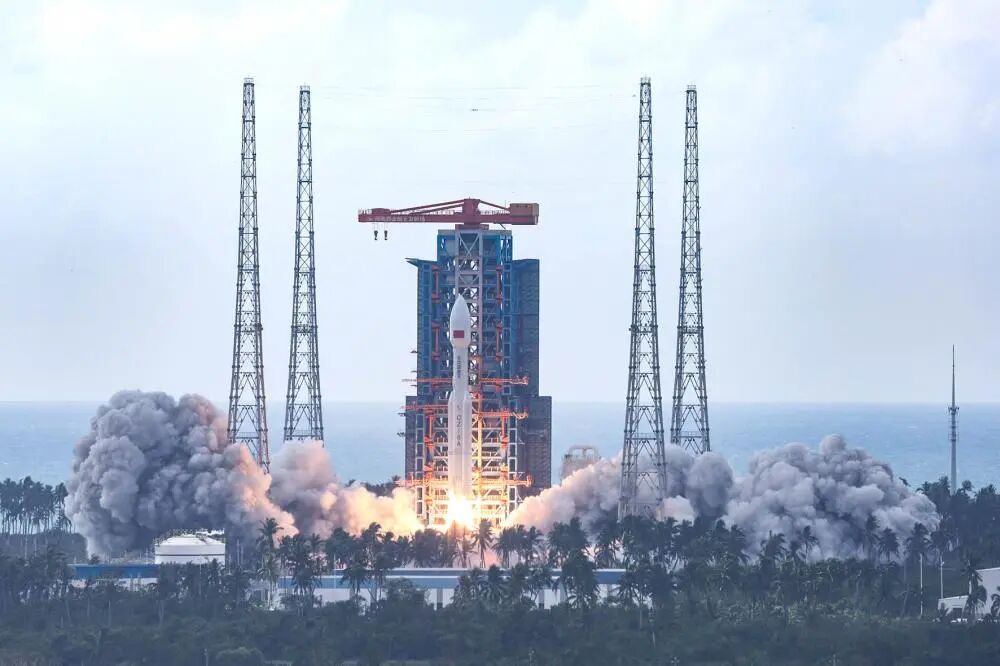
Core Insights - The establishment of the Commercial Aerospace Department by the National Defense Science and Technology Industry Administration is a significant move towards streamlining the regulatory framework in China's commercial aerospace sector [1][3][4] - This new department aims to address the fragmented regulatory landscape and improve the efficiency of approval processes for satellite launches and operations [3][4] Group 1: Regulatory Changes - The Commercial Aerospace Department will consolidate various regulatory functions that were previously scattered across multiple agencies, including the National Defense Science and Technology Industry Administration and the National Space Administration [3][4] - The new department is expected to enhance communication and coordination between commercial aerospace companies and regulatory bodies, moving from a "shared management" to a "dedicated management" approach [3][4] Group 2: Industry Development - China's commercial aerospace sector is transitioning from technology validation to large-scale deployment and application, with significant satellite constellations already in orbit [5] - The successful launch of satellites for the GW and Qianfan constellations marks a critical phase in the development of China's satellite internet infrastructure [5] - The demand for reduced launch costs and increased launch frequency is driving private rocket companies to focus on developing medium-sized, reusable launch vehicles [5] Group 3: Market Expansion - The approval and promotion of commercial satellite applications are accelerating, with major telecommunications companies entering the satellite communication market [6] - The introduction of satellite direct connection capabilities in consumer devices, such as smartphones and vehicles, is becoming a competitive advantage for manufacturers [6]
商业航天迎重磅利好
21世纪经济报道· 2025-11-25 02:42
Core Viewpoint - The establishment of the Commercial Space Administration by the National Defense Science and Technology Industry Bureau is a significant step towards streamlining the regulatory framework for China's commercial space industry, aiming to enhance efficiency and promote standardized, large-scale development [1][5]. Group 1: Regulatory Changes - The new Commercial Space Administration will consolidate various regulatory functions that were previously scattered across multiple departments, including the National Defense Science and Technology Industry Bureau, the National Space Administration, and the Ministry of Industry and Information Technology [3][5]. - The fragmented regulatory landscape has led to cumbersome approval processes and inconsistent standards, which have become increasingly problematic as the number of commercial space enterprises and launch frequencies have grown [3][4]. Group 2: Industry Impact - The creation of a dedicated administration for commercial space is expected to clarify the supervisory structure, transitioning from a shared management model to a specialized one, which will facilitate smoother communication and coordination for companies in the sector [4][5]. - The establishment of the Commercial Space Administration is anticipated to enhance the efficiency of critical processes such as launch approvals and satellite operation licensing, thereby fostering a healthier and more orderly development of the industry [5]. Group 3: Technological Advancements - China is at a pivotal moment in its commercial space sector, transitioning from technology validation to large-scale deployment and application, with significant satellite constellations already in orbit [7]. - The demand for reduced launch costs and increased launch frequency is driving private rocket companies to focus on developing medium-sized, reusable launch vehicles, which are expected to play a crucial role in the upcoming key period for commercial rocket technology breakthroughs [7]. Group 4: Market Expansion - The promotion and entry of commercial space applications into consumer markets are accelerating, with major telecommunications operators like China Unicom, China Mobile, and China Telecom now competing in the satellite communication business [8]. - The emergence of satellite-direct mobile phones and their integration into automotive features is becoming a selling point for car manufacturers, indicating a growing consumer interest in satellite connectivity [8].
中国商业航天爆发前夜,商业航天司来了
2 1 Shi Ji Jing Ji Bao Dao· 2025-11-24 10:35
Core Insights - The establishment of the Commercial Space Administration signals a significant move by the Chinese government to streamline the regulatory framework for the commercial space industry, addressing the complexities of oversight and promoting standardized and scaled development [1][2][3] Group 1: Regulatory Changes - The new Commercial Space Administration will focus on policy research, project management, and safety supervision within the commercial space sector, marking a shift from a fragmented regulatory approach to a more centralized one [1][2] - Previously, regulatory functions were dispersed among multiple agencies, leading to inefficiencies and challenges in communication for commercial space companies [2][3] - The establishment of a dedicated administration is expected to enhance the efficiency of approval processes and resource allocation, benefiting the overall industry [2][3] Group 2: Industry Development - China’s commercial space sector is transitioning from technology validation to large-scale networking and application, indicating a critical phase for growth [4] - Major satellite constellations, such as GW and Qianfan, have begun to take shape, with over 100 satellites in orbit, marking the start of an accelerated networking phase for China's satellite internet [5] - The demand for reduced launch costs and increased launch frequency is driving private rocket companies to develop medium-sized, reusable launch vehicles [5] Group 3: Market Expansion - The approval and promotion of commercial space applications are advancing, with major telecommunications companies entering the satellite communication market [6] - The emergence of satellite-direct mobile phones and automotive applications is gaining traction, with over 30 models of phones supporting direct satellite connectivity [6]