华为

Search documents
江苏等15省国补上线京东秒送,春节换新机立享15%国补优惠
Yang Zi Wan Bao Wang· 2026-01-27 06:24
在京东秒送上,参与本次国补活动的商品覆盖电脑、手机、平板、智能手表、手环等3C数码产品,苹 果、小米、华为、OPPO、vivo、小天才、联想等主流品牌多款指定热销机型均可选购。 在补贴力度方面,消费者使用国补可按产品销售价格的15%享受补贴,其中电脑类产品单件补贴至高 1500元;手机、平板、智能穿戴等产品单件补贴至高500元。除国补直降外,消费者在京东秒送换新 机,还能叠加平台券和京东白条分期免息,进一步降低购机成本。比如消费者在京东秒送上购买原价 5999元的iPhone17手机,使用国补能够立减500元,并由秒送专业骑手提供送货上门服务;联想热卖的 拯救者系列电脑,使用国补下单最高能立减1500元。 此外,在京东秒送购买国补产品的消费者,将由经过专项培训的秒送骑手送货上门,并可享受现场签 收、协助激活等一站式服务。目前全国已有上万家品牌专卖店接入该服务体系,共同助力消费体验升 级。 自2024年国家"两新"政策实施以来,京东在商务部等相关部委指导下,持续投入资源保障补贴高效落 地。2025年,京东已累计投入近300亿元支持国补进乡村,有效促进县域消费增长。 扬子晚报/紫牛新闻记者 徐晓风 校对 王菲 近 ...




QuestMobile 2025-2026年度核心趋势报告(精华版):智变重构用户价值,流量红利跃迁为服务红利,“产业红海”中新机涌动
3 6 Ke· 2026-01-27 05:23
今天给大家分享一下中国移动互联网2025-2026年度核心趋势。QuestMobile数据显示,2025年是中国数字经济从"量变"转向"质变"的关键 分水岭,预计全年数字经济规模将超65万亿元,占GDP比重突破50%,正式成为国民经济的核心引擎。 随着数字经济底座成为"标准化服务",用户争夺进入精细化阶段,无论是硬件(终端、操作系统)还是互联网平台,都从原来"卖设 备"、"抓流量"的粗放经营模式,走进到了"以用户为中心"的价值深耕模式。这种改变,意味着此前十余年间移动互联网"流量为王"的模 式画上了句号,也将开启接下来十余年的全新竞争格局。 互联网平台领域表现的非常清晰。面对流量大盘见顶的现实,互联网巨头们在2025年一致选择了"降本增效",将战略重心从"流量掠 夺"、"拼抢用户规模"转向"用户价值深耕",纷纷打破边界,尝试以"数据-技术-场景"全生态协同模式服务好用户。 突破边界,最直接两大关键举措就是"会员体系融合"与"线下场景深化"。例如,阿里通过淘宝大会员、京东通过PLUS生活服务包,以整 合权益提升高净值用户粘性。同时,巨头们涌入"硬折扣"赛道,深耕线下社区(如美团"快乐猴"、京东折扣超市),将数字 ...

北上广等15省国补上线京东秒送,春节换新机立享15%国补优惠
Jin Rong Jie· 2026-01-27 04:48
Core Insights - JD's instant retail platform, JD Seconds, has fully adopted the national subsidy program for 2026, launching in 15 provinces and cities including Beijing, Shanghai, and Guangdong, allowing consumers to access a dedicated subsidy section for 3C digital products [1][2] Group 1: Subsidy Program Details - Consumers can enjoy a subsidy of 15% off the product sales price, with a maximum subsidy of 1500 yuan for computers and 500 yuan for mobile phones, tablets, and wearable devices [1][2] - Popular brands such as Apple, Xiaomi, Huawei, OPPO, and Lenovo are included in the subsidy program, with specific hot-selling models available for purchase [1] Group 2: Delivery and Service Enhancements - Trained JD Seconds couriers will deliver the subsidized products to consumers' homes, providing on-site signing and activation assistance as part of a comprehensive service experience [2] - Over 10,000 brand specialty stores have integrated into this service system to enhance consumer experience [2] Group 3: Investment and Future Plans - Since the implementation of the national "Two New" policy in 2024, JD has invested nearly 30 billion yuan to support the subsidy program in rural areas, effectively boosting county-level consumption [2] - JD plans to leverage its supply chain and instant retail network to further promote the subsidy policy, contributing to consumer stimulation and high-quality economic development [2]

广货蝶变照见开放中国的发展钥匙
21世纪经济报道· 2026-01-27 04:43
Core Viewpoint - The article highlights the evolution of "Guangdong goods" (广货) as a reflection of China's modernization and reform process, showcasing its transformation from traditional manufacturing to intelligent manufacturing and standard output, driven by innovation and strategic investments in emerging industries [1][4]. Group 1: Historical Context and Development - In 1978, Guangdong began its journey in processing and manufacturing, marking the start of "Guangdong goods" as a significant player in the national market [1]. - The "Three Comes and One Supplement" trade model in the 1980s allowed Guangdong to leverage foreign investment and technology, laying a solid foundation for brands like Diamond Fan and Wanbao Refrigerator to expand globally [1][2]. - China's accession to the WTO in 2001 marked a turning point, enabling Guangdong to capitalize on globalization and significantly boost the development of "Guangdong goods" [2]. Group 2: Transition to Intelligent Manufacturing - The evolution of "Guangdong goods" represents a shift from labor-intensive manufacturing to a focus on value chain elevation and intelligent manufacturing [3]. - By 2015, initiatives like "Internet + Intelligent Manufacturing" in cities like Foshan and the integration of robotics in factories exemplified this transition [3]. - The establishment of a robust innovation chain in the Guangdong-Hong Kong-Macao Greater Bay Area has facilitated the transformation of research into commercial products, enhancing Guangdong's competitive edge [3][4]. Group 3: Current Landscape and Future Outlook - Guangdong has increased R&D investments, leading to the emergence of globally competitive enterprises in sectors such as 5G, electric vehicles, and drones, which support the standard output of "Guangdong goods" [4]. - The province's dual advantage in "digital intelligence + mechanical engineering" allows it to meet diverse global demands and market fluctuations effectively [4]. - The ongoing evolution of "Guangdong goods" is characterized by a spirit of innovation and openness, positioning it as a key player in the global market [4].
智能驾驶,没有中场战事只有无限战争
3 6 Ke· 2026-01-27 04:40
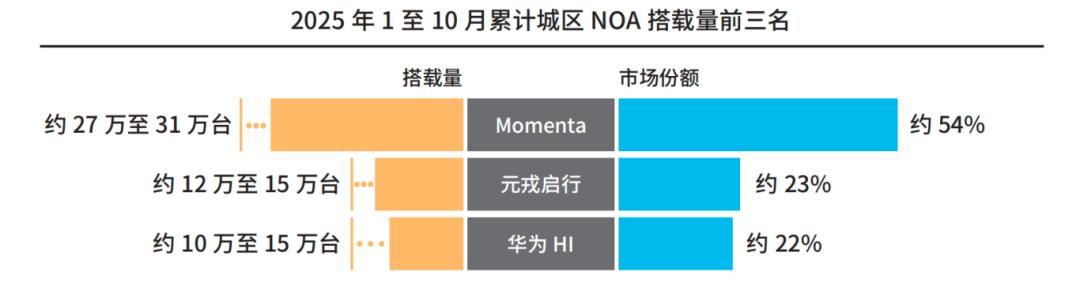
Core Insights - The article discusses the significant reshuffling in the Chinese advanced driving assistance market, particularly focusing on urban NOA (Navigation on Autopilot) as it approaches a critical penetration rate of over 10% by 2025, with expectations to reach 22% by 2026, leading to a market scale targeting millions of units [6][14]. Group 1: Market Dynamics - A number of players, including Maimo Zhixing and Dazhuo Intelligent, have exited the market, while Huawei, Yuanrong Qixing, and Momenta have emerged as the dominant trio, collectively holding 99% of the urban NOA market share from January to October 2025 [2][8]. - In October 2025, Yuanrong Qixing achieved the highest urban NOA installation rate, with a significant growth rate of 2.7 times compared to the average monthly installation from January to October 2025 [8][10]. Group 2: Competitive Strategies - The three leading companies have adopted different market strategies: Huawei focuses on high-end models, Momenta has a broad brand coverage, and Yuanrong Qixing targets mass-market models for data accumulation [9][10]. - Yuanrong Qixing's strategy emphasizes deep collaboration with a few key models to create "explosive" sales, resulting in significant sales increases for models like the Blue Mountain and Galaxy M9 [9][10]. Group 3: Future Projections - The competition is expected to intensify as the industry moves towards "million-unit production," with a projected annual output of 5 million high-level autonomous vehicles by 2026 [14][15]. - The article highlights the importance of data efficiency and closed-loop systems as critical competitive advantages in the evolving landscape of intelligent driving [14][15]. Group 4: Investment Trends - The investment landscape for autonomous driving has seen a significant rebound in 2025, with nearly 60 billion yuan raised, indicating a strong focus on leading and commercially viable projects [14][15].
“十五五”贵州:发展新质生产力 瞄准数字经济核心产业
Zhong Guo Xin Wen Wang· 2026-01-27 04:28
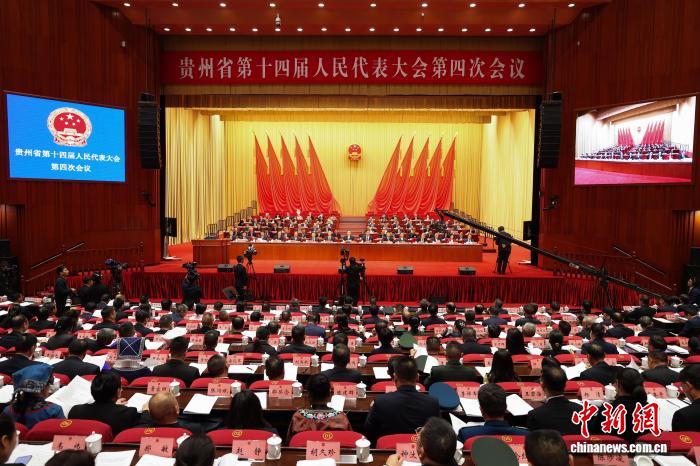
1月27日,贵州省十四届人大四次会议第一次全体会议(开幕会)现场。 中新网记者瞿宏伦 摄 "十五五"贵州:发展新质生产力 瞄准数字经济核心产业 中新网贵阳1月27日电 (记者 张伟 杨茜)贵州省第十四届人民代表大会第四次会议27日在贵阳开幕,贵州 省省长李炳军作政府工作报告。记者会上获悉,"十五五"时期,中国首个国家大数据试验区——贵州预 期发展新质生产力取得重大进展,数字经济核心产业增加值占地区生产总值比重达8%。 为实现上述目标,贵州在政府工作报告中首次明确提出,加快发展算力、数据、人工智能、电子信 息"四大产业"。 截至目前,贵州全省算力规模突破160Eflops(每秒百亿亿次浮点运算),成为中国智算资源最多、能力最 强的地区之一。登顶全球动画票房榜首、创下全球影史单一市场票房第一佳绩的《哪吒2》是贵州算力 应用的案例之一。为《哪吒2》提供超过40%的特效镜头算力保障的贵安超算中心,凭借强大算力,将 渲染任务缩短至几个月,极大提升了影片制作的效率与质量。 本文为转载内容,授权事宜请联系原著作权人 中新经纬版权所有,未经书面授权,任何单位及个人不得转载、摘编或以其它方式使用。 关注中新经纬微信公众号(微信 ...
大模型厂商为何越来越需要证明自己?
3 6 Ke· 2026-01-27 04:04
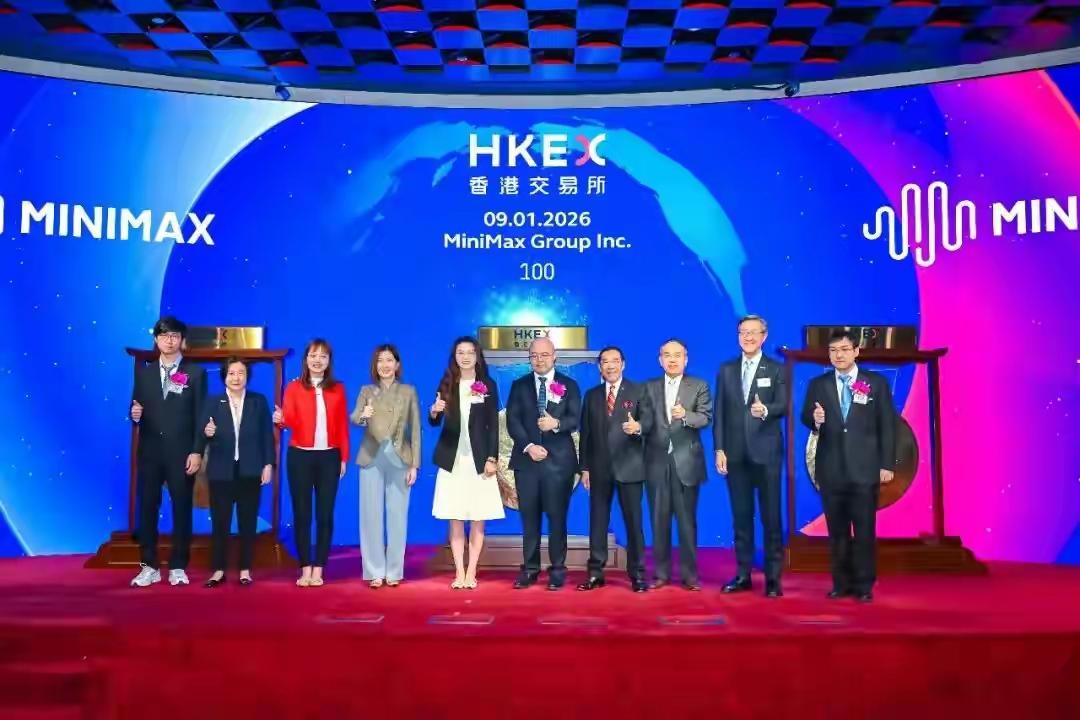
Core Insights - The AI industry is entering a phase where proving commercial value is crucial for players in the market, with significant capital expenditures expected in the coming years [1] - The competition is shifting from merely having advanced models to integrating chips, cloud services, models, and real applications into a cohesive ecosystem [1] - The trend of monetization in the large model sector is driven by technological maturity and capital cycles, with companies now focusing on profitability [2][3] Industry Trends - The AI sector is witnessing a transformation from "burning money for growth" to a focus on revenue and profit, as evidenced by the successful IPOs of companies like Zhizhu and Minimax [5][8] - Major companies are enhancing their AI monetization capabilities, with Baidu reporting over 50% year-on-year growth in its AI business revenue [6][5] - The market is becoming more discerning, with a decline in funding for AI startups, particularly in the large model sector, indicating a shift towards companies with clear commercialization paths [8][12] Competitive Landscape - The competitive dynamics are evolving, with a clear distinction emerging between companies that can deliver practical solutions and those that cannot [12][14] - The industry is expected to undergo a significant restructuring by 2026, with three tiers of companies emerging: ecosystem giants, vertical leaders, and technology specialists [13][14] - Companies lacking core competencies are likely to be eliminated, while those with technological barriers and commercial capabilities will gain more resources [14] Market Opportunities - The future of the large model industry will focus on practical applications, with AI becoming an essential part of production and daily life [14][16] - Key attractive sectors include AI hardware, digital services, and commercial aerospace, which are expected to see renewed growth and opportunities [16]



南极光:公司不直接与华为开展业务
Zheng Quan Ri Bao Wang· 2026-01-27 03:47
证券日报网讯1月26日,南极光(300940)在互动平台回答投资者提问时表示,公司产品服务于华为等 终端客户,但合作方式为间接关系,公司不直接与华为开展业务。 ...

全国首个区县级万亿行政区在广东诞生
Xin Lang Cai Jing· 2026-01-27 03:23
全国首个区县级万亿行政区在广东诞生。1月27日,记者从深圳市南山区了解到,2025年该区地区生产 总值突破一万亿元、增速超6%,地均GDP达54亿元/平方公里,人均GDP超54万元,成为中国第一个经 济总量破万亿元的区县级行政区、继上海市浦东新区和北京市海淀区后第三个破万亿元的市辖区。 习近平总书记指出,要牢牢把握高质量发展这个首要任务,因地制宜加快发展新质生产力。2022年12月 以来,广东创新实施"百县千镇万村高质量发展工程",全省122个县(市、区)成为高质量发展的重要 引擎。 "南山要成为生产上的'金山银山',生态上的'绿水青山',生活上的'寿比南山'。"南山区委书记黄湘岳表 示,南山区致力于构建"有为政府"与"有效市场"良性互动的生态,政府专注搭建平台、优化服务,让市 场活力充分涌流。 "一座区县级行政区经济体量突破万亿,具有风向标意义。"综合开发研究院(中国·深圳)常务副院长 郭万达认为,这标志着广东区域发展正在全面转向创新驱动和生态驱动,以南山区为代表的区县正在探 索一条打破传统要素约束的可持续发展路径。 就在深圳科创学院不远处,一座机器人谷正在快速崛起。以西丽湖国际科教城为核心、沿留仙大道布局 ...
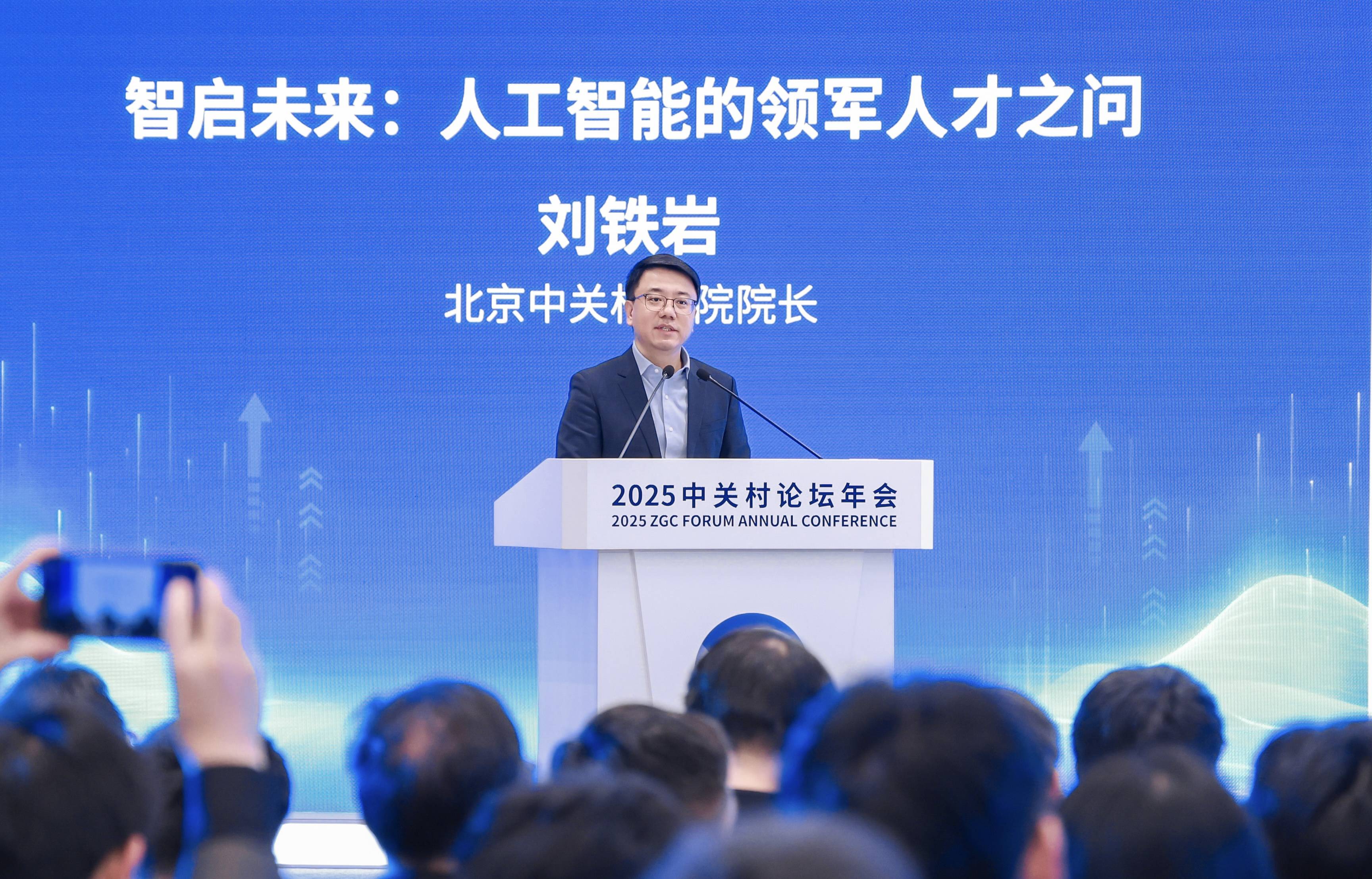
【专访】刘铁岩:投身AI浪潮,中国如何成为引领者?
Sou Hu Cai Jing· 2026-01-27 03:13
Core Viewpoint - The ongoing AI investment boom may evolve into a bubble if it fails to deliver on productivity promises, with 2026 being a critical year for validation or refutation of AI's potential [1][6] Group 1: AI Investment and Market Dynamics - Historical trends show that every major tech wave, including the internet and cloud computing, has been accompanied by bubbles, and AI is no exception [1][6] - Investors and entrepreneurs should approach AI with caution, as the high barriers to entry in foundational technology development make blind investments risky [1][6] - The AI sector is transitioning from a scale-driven "infrastructure race" to a research-driven "innovation marathon," emphasizing the need for sustainable industrial capabilities rather than just rapid growth [6][7] Group 2: Regional Development and Innovation - Different regions should focus on their unique industrial foundations and application scenarios to avoid homogenized competition in AI [2][13] - The emphasis should be on application innovation driven by real-world needs, rather than merely increasing computational power or building platforms [2][13] Group 3: Talent and Research Environment - To lead in the new technological wave, a supportive research environment, high-end talent, and original innovative outcomes are essential [5][9] - China has made significant contributions to AI, with a leading number of researchers and publications, and is moving from a "follower" to a "runner" in AI technology [8][9] Group 4: AI's Impact on Industries - AI is expected to revolutionize various sectors, significantly enhancing efficiency; for instance, AI can improve manufacturing efficiency by 15-20% and logistics procurement efficiency by over 30% [14][15] - The transformative potential of AI extends to redefining scientific discovery processes, drastically reducing timelines in fields like energy and materials science [15][16] Group 5: Employment and Workforce Dynamics - The rise of AI may lead to job displacement but will also create new opportunities and roles, similar to past industrial revolutions [17][18] - Workers must adapt by updating their skills and knowledge to remain competitive in an evolving job market shaped by AI [18][19]