
中国石油

Search documents
2025年1-10月中国天然气产量为2170.5亿立方米 累计增长6.3%
Chan Ye Xin Xi Wang· 2025-12-13 02:42
上市企业:中国石油(601857),中国石化(600028),广汇能源(600256),新天然气(603393),首华燃 气(300483),蓝焰控股(000968),新潮能源(600777) 知前沿,问智研。智研咨询是中国一流产业咨询机构,十数年持续深耕产业研究领域,提供深度产业研 究报告、商业计划书、可行性研究报告及定制服务等一站式产业咨询服务。专业的角度、品质化的服 务、敏锐的市场洞察力,专注于提供完善的产业解决方案,为您的投资决策赋能。 2020-2025年1-10月中国天然气产量统计图 数据来源:国家统计局,智研咨询整理 相关报告:智研咨询发布的《中国天然气市场运行态势及发展潜力研判报告(2026版)》 根据国家统计局数据显示:2025年10月中国天然气产量为221亿立方米,同比增长5.9%;2025年1-10月 中国天然气累计产量为2170.5亿立方米,累计增长6.3%。 ...


2025年1-10月中国燃料油产量为3517.6万吨 累计下降2.6%
Chan Ye Xin Xi Wang· 2025-12-13 02:42
2020-2025年1-10月中国燃料油产量统计图 数据来源:国家统计局,智研咨询整理 知前沿,问智研。智研咨询是中国一流产业咨询机构,十数年持续深耕产业研究领域,提供深度产业研 究报告、商业计划书、可行性研究报告及定制服务等一站式产业咨询服务。专业的角度、品质化的服 务、敏锐的市场洞察力,专注于提供完善的产业解决方案,为您的投资决策赋能。 上市企业:中国石化(600028),中国石油(601857),上海石化(600688),恒逸石化(000703),荣盛石 化(002493),华锦股份(000059),龙宇股份(603003),泰山石油(000554),国际实业(000159),广 聚能源(000096) 相关报告:智研咨询发布的《2026-2032年中国燃料油行业市场全景调研及投资前景研判报告》 根据国家统计局数据显示:2025年10月中国燃料油产量为320万吨,同比下降3.5%;2025年1-10月中国 燃料油累计产量为3517.6万吨,累计下降2.6%。 ...

2025年1-10月中国石油焦产量为2617.4万吨 累计下降4%
Chan Ye Xin Xi Wang· 2025-12-13 02:42
根据国家统计局数据显示:2025年10月中国石油焦产量为268万吨,同比下降0.5%;2025年1-10月中国 石油焦累计产量为2617.4万吨,累计下降4%。 2020-2025年1-10月中国石油焦产量统计图 上市企业:华锦股份(000059),远兴能源(000683),上海石化(600688),华西能源(002630),万华化 学(600309),恒力石化(600346),荣盛石化(002493),新奥股份(600803),中油资本(000617) 相关报告:智研咨询发布的《2026-2032年中国石油焦行业发展形势分析及投资潜力研究报告》 数据来源:国家统计局,智研咨询整理 知前沿,问智研。智研咨询是中国一流产业咨询机构,十数年持续深耕产业研究领域,提供深度产业研 究报告、商业计划书、可行性研究报告及定制服务等一站式产业咨询服务。专业的角度、品质化的服 务、敏锐的市场洞察力,专注于提供完善的产业解决方案,为您的投资决策赋能。 ...


【中油工程(600339.SH)】总承包建设新材料装置投产,积极拓展新兴业务版图——事件点评(赵乃迪/蔡嘉豪/王礼沫)
光大证券研究· 2025-12-13 00:06
Core Viewpoint - The successful commissioning of the Daqing Petrochemical 1000 tons/year ultra-fine acrylic fiber special filament project marks a significant technological breakthrough, breaking foreign monopolies and filling a domestic industrial gap [4][5]. Group 1: Project Overview - The project has a total investment of 110 million yuan and utilizes advanced domestic spinning technology to establish an internationally leading production line, achieving localization of key equipment [5]. - The project team developed a "bidirectional cutting line feeding + vacuum negative pressure" composite degassing process, addressing traditional technology issues such as high energy consumption and bubble aggregation [5]. Group 2: Project Management and Speed - The project achieved rapid construction milestones, with research approval in June 2024, design approval in July, and successful commissioning on December 1, 2025 [6]. - The company implemented meticulous management throughout the design, procurement, and construction phases, optimizing resource allocation and enhancing coordination among various specialties [6]. Group 3: Business Growth and Future Prospects - The company is accelerating the development of unconventional oil and gas, associated mineral resources, new energy, new materials, and green technology, among other emerging business services [7]. - In the first half of 2025, new contracts for emerging businesses reached 20.596 billion yuan, accounting for 28.06% of the company's total new contracts, reflecting a year-on-year growth of 16.56% [8].

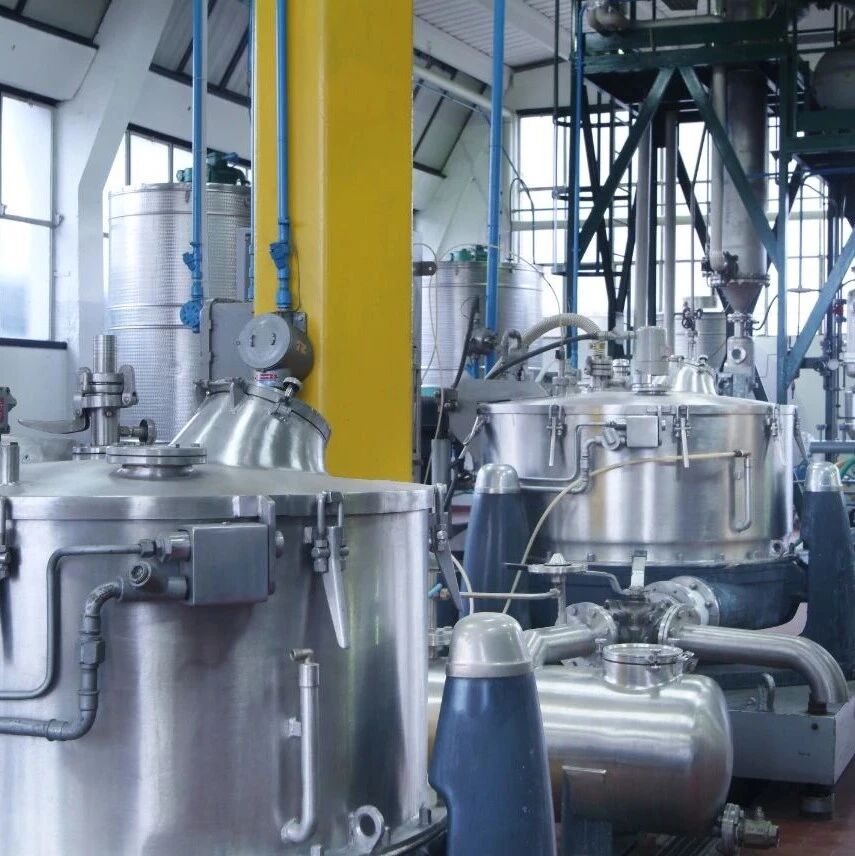
衍生品助力石化产业链高质量发展 龙头贸易商携手上下游企业共筑风险“防火墙”
Zhong Guo Zheng Quan Bao· 2025-12-12 20:29
Core Viewpoint - The increasing adoption of futures tools by petrochemical companies in China is enhancing price risk management across the industry chain, leading to cost reduction and improved competitiveness for both upstream and downstream partners [1][2]. Group 1: Industry Adoption of Futures Tools - The petrochemical industry is increasingly utilizing futures tools to manage price risks amid volatile raw material prices, creating a collaborative risk defense system across the supply chain [2][3]. - Long-established companies like Longchang Group have developed a mature futures and spot trading model, which effectively manages operational risks and supports downstream partners in optimizing procurement costs [2][4]. Group 2: Risk Management Strategies - Longchang Group employs hedging strategies to reduce inventory exposure risks and mitigate operational risks from raw material price fluctuations [2][5]. - The company dynamically manages exposure through a "rolling inventory" concept, continuously switching different inventory resources to lower costs and enhance profitability without increasing exposure [2][5]. Group 3: Downstream Support and Cost Optimization - Futures and options tools are helping downstream companies optimize costs and improve efficiency, allowing them to better serve their end customers [3][6]. - Longchang Group's unique combination of futures and spot trading provides differentiated risk management services throughout the entire business chain, enhancing customer relationships and loyalty [5][8]. Group 4: Regional Economic Development - The use of futures tools is significantly contributing to the collaborative development of the petrochemical industry and supporting the economic transformation of the northwest region of China [9][11]. - The futures market provides essential price information and risk management capabilities, enabling companies in the northwest to stabilize their operations and improve their competitive edge [11][12]. Group 5: Training and Knowledge Enhancement - Longchang Group is actively involved in training initiatives to enhance the understanding and application of futures tools among regional enterprises, addressing the knowledge gap compared to coastal regions [10][11]. - The company aims to promote practical experiences in financial derivatives usage, helping businesses develop tailored risk management models that align with their operational realities [12].
龙头贸易商携手上下游企业共筑风险“防火墙”
Zhong Guo Zheng Quan Bao· 2025-12-12 20:17
Core Insights - The article highlights the increasing adoption of futures tools by petrochemical companies in China to manage price risks and enhance competitiveness within the industry [1][2][3] Group 1: Industry Trends - The development of the futures market in China is maturing, leading to a higher participation rate from industry clients [1] - Futures tools are becoming essential for petrochemical companies to mitigate risks associated with volatile raw material prices [1][3] - The collaboration between upstream and downstream enterprises is being reshaped through the use of futures tools, creating a risk defense system across the supply chain [1][3] Group 2: Company Case Study - Longchang Group has established a comprehensive futures and spot trading model, which effectively manages its operational risks while assisting downstream partners in optimizing procurement costs [1][2] - The company has set up a dedicated futures management department to oversee trading processes and risk management [1][2] - Longchang Group's approach includes dynamic management of inventory exposure and the use of financial instruments to hedge against price fluctuations [2][3] Group 3: Downstream Impact - Downstream clients, such as Jiyang Plastic Co., have benefited from risk management tools like options and basis trading, which help stabilize production costs amid price volatility [4][5] - The introduction of "option trading" has allowed smaller enterprises to manage costs more effectively, reducing the financial burden associated with traditional futures contracts [5][6] - The use of futures tools has transformed the procurement strategy of companies from a passive to an active cost management approach, enhancing overall operational stability [7] Group 4: Regional Economic Development - The application of futures tools is significantly contributing to the economic transformation of the Northwest region of China, which is characterized by its reliance on energy, chemicals, and agricultural products [9][10] - Longchang Group is actively involved in training and supporting local enterprises to better utilize futures tools, thereby enhancing their competitiveness and market participation [8][9] - The futures market provides a transparent pricing mechanism that aids in fair trade practices and improves operational efficiency for regional businesses [9][10]
“增储上产”构筑中国石油高质量发展底气
Zheng Quan Ri Bao· 2025-12-12 16:40
Core Insights - The breakthrough at the ZI201 well in Sichuan marks China's first successful extraction of high-yield commercial gas flow from Cambrian shale, indicating significant advancements in deep shale gas exploration [1][2] - China National Petroleum Corporation (CNPC) is enhancing its traditional oil and gas reserves while actively investing in renewable energy, aiming for sustainable growth through innovative technologies [1][3] Natural Gas Production Growth - Following the success of the ZI201 well, CNPC is accelerating exploration and evaluation in the area, with the establishment of the ZI201H2 platform for pilot testing development techniques [2] - The pilot tests achieved four significant milestones, including reducing drilling cycles to under 100 days and implementing advanced monitoring systems in deep shale gas wells [2] Industry Development and Trends - Sichuan Basin is recognized as China's most promising area for natural gas exploration, with the highest total resource volume, particularly in shale gas [3] - Natural gas is expected to play a crucial role in China's energy transition, with medium to long-term consumption projected to grow at a moderate to high rate, enhancing CNPC's profitability in this sector [3] Enhancing Industry Resilience - The Xiangguosi gas storage facility in Chongqing is part of a strategy to create a "Southwest 10 billion gas storage center," contributing significantly to national gas supply stability [4] - The facility has achieved a 15% actual peak shaving task against its design capacity, showcasing its operational efficiency and technological advantages [4] Digital Transformation and Efficiency - The gas storage facility has implemented digital operations, reducing inspection cycles by 60% and increasing efficiency by 200% through the use of automated systems and intelligent robots [5] - CNPC's Suining gas purification plant has become the largest in China, achieving rapid production milestones and adopting a smart management model for enhanced operational efficiency [5] Transition to Comprehensive Energy Stations - CNPC is transforming traditional gas stations into comprehensive energy stations, integrating various services such as refueling, charging, and retail [6] - The Yongquan comprehensive energy station in Chengdu exemplifies this transition, featuring advanced charging infrastructure and a diverse range of services [6][7] Future Outlook - CNPC aims to maintain its core oil and gas business while innovating in comprehensive energy services, focusing on long-term growth and value creation for shareholders [7]
中石油经研院张秀玲答21:全球南方在全球能源治理面临四重挑战
2 1 Shi Ji Jing Ji Bao Dao· 2025-12-12 14:51
Group 1 - The core viewpoint of the article emphasizes the increasing weight of the Global South in the global energy system, while facing challenges in global energy governance [1][2] - The Global South faces four main challenges in energy governance: lack of discourse and rule-making power, pressure for energy structure transformation and development, ideological differences with developed countries, and external shocks from geopolitical conflicts [1] - The report suggests that the Global South should adopt robust energy policies to gain discourse power, reflect energy development needs through data reports, unleash governance potential through renewable energy development, and address talent shortages with specialized plans [1] Group 2 - The Belt and Road Initiative is highlighted as a significant platform for enhancing energy security, infrastructure development, and green transition capabilities in the Global South [2] - Chinese enterprises are involved in traditional energy cooperation to ensure stable supply in partner countries, while also expanding renewable energy and interconnecting power grids to diversify energy supply systems [2] - The report emphasizes China's role as the largest energy producer and consumer, advocating for deep participation in international energy governance reform to establish a fair and inclusive global energy governance system [3]
面对不确定外部环境,如何扩大内需因地制宜发展新质生产力?
Nan Fang Du Shi Bao· 2025-12-12 12:51
中央经济工作会议明确指出,要引导金融机构加力支持科技创新、中小微企业等重点领域,创新科技金 融服务。 面对不确定的外部环境,中央经济工作会议提出,持续扩大内需、优化供给,做优增量、盘活存量,因 地制宜发展新质生产力,纵深推进全国统一大市场建设,持续防范化解重点领域风险,着力稳就业、稳 企业、稳市场、稳预期,推动经济实现质的有效提升和量的合理增长,保持社会和谐稳定。 关于中央经济工作会议提到的发展新质生产力,需关注的是,在当前各国竞相争夺人工智能、新能源、 量子信息等高新技术领域的背景下,与发达国家相比,我国在技术创新能力、科研成果转化率方面仍显 不足。 前不久,在受尊敬企业年会上,清华大学国家金融研究院院长田轩公布了一项统计结果:截至2025年10 月31日,中国A股市场排名前十的企业依次为农业银行、工商银行、贵州茅台、宁德时代、中国石油、 工业富联、中国银行、中国人寿、招商银行和中国神华;美股市场排名前十的企业依次为英伟达、苹 果、微软、谷歌、亚马逊、博通、美塔、台积电、特斯拉、伯克希尔·哈撒韦。 这项研究成果意味着,我国科技产业的发展还有很大空间。 中央经济工作会议12月10日至11日在京举行,其中指出, ...
2025年中国油气产量有望再创新高,专家:三大因素保障能源安全
Huan Qiu Wang· 2025-12-12 12:46
Core Viewpoint - China aims to enhance its energy security by increasing domestic oil and gas production, with projections indicating record-high outputs by 2025 [1][2]. Group 1: Oil and Gas Production Projections - By 2025, China's oil production is expected to reach 215 million tons, marking the highest level in history, while natural gas production could hit 260 billion cubic meters, solidifying its position as the fourth-largest natural gas producer globally [1][2]. - The average annual investment in oil and gas upstream exploration and development during the 14th Five-Year Plan period is projected to increase by approximately 48% compared to the 13th Five-Year Plan [2]. Group 2: Factors Driving Production Growth - The increase in oil and gas production is attributed to three main factors: enhanced exploration and development efforts, breakthroughs in deep and unconventional oil and gas fields, and technological innovations that expand exploration capabilities [2]. - Significant advancements include the completion of wells exceeding 10,000 meters in depth and the establishment of China's first self-operated ultra-deepwater gas field, "Deep Sea No. 1," marking the entry into the ultra-deepwater oil and gas era [2]. Group 3: International Cooperation - Chinese oil companies have deepened international cooperation, operating over 200 oil and gas investment projects across more than 60 countries and regions, which enhances the scale and quality of China's oil and gas supply [3]. - The estimated overseas oil and gas equity production equivalent for Chinese oil companies is projected to reach 196 million tons this year, providing a solid foundation for national energy security [3].