北京文化

Search documents
“大戏看北京”2025展演季启幕,百部大戏齐聚京城
Xin Jing Bao· 2025-09-30 15:08
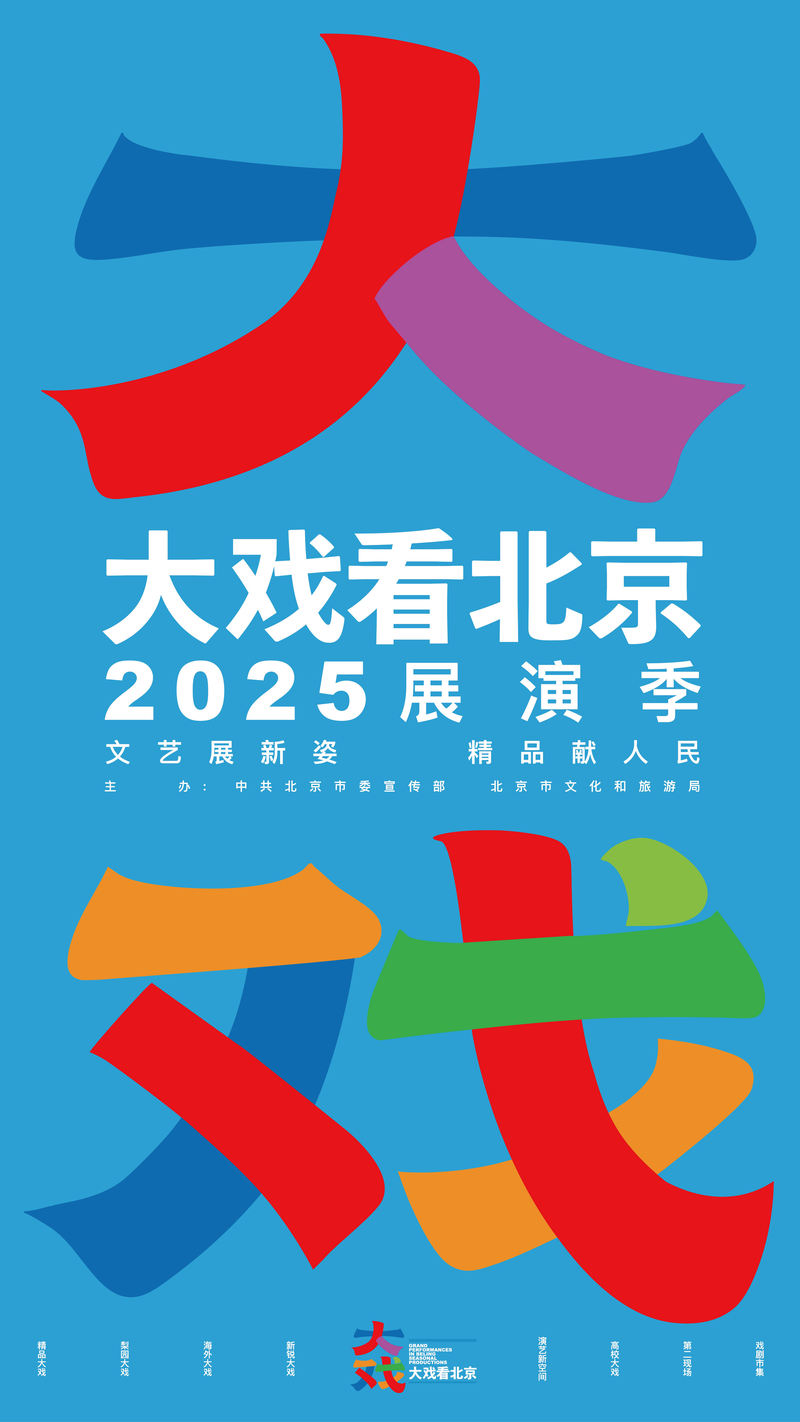
Core Insights - The "Big Drama in Beijing" 2025 performance season officially launched at the National Grand Theatre, featuring the opera "Red Sorghum" as the opening act [4] - Beijing's cultural sector has seen significant growth in 2023, with various events and initiatives enhancing cultural consumption and engagement [4][5] - The performance season aims to promote the construction of Beijing as a "Performing Arts Capital" and to meet diverse cultural needs of the public [5] Cultural Events and Economic Impact - The 15th Beijing International Film Festival introduced the "Beijing Film Life Festival," tapping into the "ticket root economy" and showcasing the potential of cultural tourism consumption [4] - The "I and the Temple of Earth" book fair generated over 100 million yuan in book sales, indicating a strong market for literature [4] - The capital's performance market is thriving, with over 29,000 commercial performances and ticket revenue exceeding 2.3 billion yuan in the first half of 2025, marking year-on-year increases of 10% and 17.8% respectively [4] Performance Season Structure - The 2025 performance season features six major units, including premium dramas, overseas performances, and innovative performances in educational institutions, promoting deep integration of drama with various sectors [6] - A total of 117 premium productions will be showcased over three months, highlighting the top standards and innovative vitality of domestic and international theatrical arts [6] Diverse Programming - The season includes a rich array of performances across more than 10 genres, featuring 36 domestic premium dramas and 20 outstanding foreign productions, enhancing Beijing's role as a national cultural center [7] - 28 productions will have their premieres in Beijing, including both domestic and international works, showcasing new artistic expressions [8] New Performance Spaces - The season promotes 23 new performance spaces located in key commercial areas and cultural parks, each offering unique viewing experiences [9][10] - These spaces aim to integrate traditional and contemporary performances, enhancing community engagement and cultural accessibility [10] Technological Integration - The season incorporates advanced technologies such as VR and AI to enhance audience experience, allowing for broader access to performances [12] - A drama market will be established, featuring interactive activities and merchandise, creating a vibrant cultural carnival [12] Audience Engagement and Subsidies - The season includes a significant audience subsidy program, distributing 20 million yuan to encourage attendance and participation in cultural events [13] - Special travel routes will connect major theaters and cultural sites, promoting a holistic cultural tourism experience [13]

2025年北京国际设计周主宾城市展开幕
Xin Jing Bao· 2025-09-29 12:20
Core Insights - The 2025 Beijing International Design Week features the "Light Lines" Spanish Lighting Exhibition, showcasing over 70 works from 34 renowned Spanish designers, including several national design award winners [1][2] - The exhibition is organized around the theme of "light" and is divided into five main units: In Praise of Penumbra, Light, Form and Matter, Light in the Landscape, Sustainable Light, and the Image Unit [1] - The venue for the exhibition is the Qihua Art Museum, designed by Pritzker Prize winner Tadao Ando, known for its use of exposed concrete and geometric structures, enhancing the interplay of natural and artificial light [1] Industry Context - The Beijing International Design Week is set to peak from late September to the National Day holiday, featuring nearly 100 events including themed exhibitions, academic forums, and creative markets [2] - The event aims to stimulate cultural consumption in Beijing by focusing on three main themes: cultural consumption, industry empowerment, and international collaboration [2]
东西问·北京文化论坛|邱章红:新技术浪潮如何重塑全球电影行业?
Zhong Guo Xin Wen Wang· 2025-09-28 13:32
Core Insights - The film industry is undergoing profound changes driven by new technologies such as artificial intelligence (AI) and virtual production, which are reshaping the global industry chain [3][4] - The historical relationship between technology and film is highlighted, indicating that every major technological breakthrough has significantly altered the film's form, language, and audience experience [4][5] Group 1: Impact of New Technologies - New technologies have led to five significant impacts on the film industry: 1. Enhanced production efficiency and cost optimization through AI tools and virtual production [5] 2. Democratization of creativity, allowing more creators to realize their ideas due to lower barriers for high-quality content production [5] 3. Innovation in IP operation and business models, enabling original IPs to generate diverse content rapidly [5] 4. Human-machine collaboration becoming the new norm, combining human creativity with AI's execution efficiency [5] 5. Restructuring of industry competition, where companies that effectively leverage "AI + IP" are likely to gain substantial advantages [5] Group 2: Human Uniqueness in Film - The irreplaceability of humans in the film industry is defined by their reflective, aesthetic, imaginative, and leadership capabilities, which AI cannot replicate [7][8] - Human creativity is rooted in deep questions of "why" and "how," while AI excels in "combination innovation" based on existing data [7][8] Group 3: Ethical Frameworks - The rapid advancement of technologies like generative AI and virtual production necessitates the establishment of new ethical frameworks across four dimensions: 1. Creative ethics regarding authorship and copyright of AI-generated content [10] 2. Economic ethics concerning profit distribution from increased production efficiency [10] 3. Social ethics related to the trustworthiness of images as historical records [10] 4. Ecological ethics focused on the sustainability of AI model training and its environmental impact [10] Group 4: Cultural Barriers and Education - New technologies can help overcome cultural barriers in film, particularly in international markets, by addressing narrative and ethical adaptation challenges [13] - The film industry must reform art education to prepare creators who are technically proficient and ethically aware, moving beyond traditional teaching methods [11]


东西问·北京文化论坛丨于克凌:香港出版界如何拥抱人工智能?
Zhong Guo Xin Wen Wang· 2025-09-27 10:14
2025北京文化论坛日前在北京举办,以"文化和科技融合发展"为年度主题。这令三联书店(香港)有限公 司总编辑于克凌打开了话匣子,近日在香港接受中新社"东西问"专访时,他谈起近年来香港出版界在应 用创新科技方面的诸多尝试与累累硕果。面向电子时代,香港出版界选择拥抱人工智能(AI),将冲击转 化为助力,也继续肩负着促进中外文化出版交流的重任。 现将访谈实录摘要如下: 中新社香港9月27日电 题:香港出版界如何拥抱人工智能? ——专访三联书店(香港)有限公司总编辑于克凌 中新社记者 韩星童 中新社记者:您如何看当今香港市民的阅读习惯?电子时代的到来对实体书店带来了哪些冲击? 于克凌:香港出版学会连续几年进行香港全民阅读调查,报告中可以看到一个趋势——纸质书阅读量逐 年渐趋下跌。2022年至2025年间,纸本书年均阅读量中位数从8本下降至5本。同时,电子阅读时间显著 增长。 但有趣的是,大部分受访者表示,平时使用电子阅读只是因为携带方便,可以利用碎片化时间阅读;当 遇到比较严肃或自己喜欢的内容,即便已阅读了电子书,也会再去买实体书。这对我们来说是一个可喜 的现象,说明香港读者没有抛弃实体书。 至于冲击,从销售层面而言 ...
东西问·北京文化论坛丨法国著名导演让·雅克·阿诺:真正动人的故事,无关国界,只关人心
Zhong Guo Xin Wen Wang· 2025-09-25 14:55
Core Viewpoint - The interview with renowned French director Jean-Jacques Annaud emphasizes the power of film as a medium that transcends cultural barriers and connects human emotions, highlighting the importance of respect and resonance in cross-cultural storytelling [3][4][6]. Group 1: Cultural Exploration - Annaud's fascination with Chinese culture began in childhood, driven by a personal desire to deeply explore the country rather than just visiting as a tourist [4]. - His experience in China, particularly during the filming of "Wolf Totem," allowed him to appreciate the integration of various cultural elements, including Han and Mongolian cultures, while emphasizing the importance of understanding and protecting nature [4][6]. Group 2: Cross-Cultural Collaboration - Annaud does not identify strictly as a "French director," having worked in multiple countries, which allows him to approach filmmaking with a unique perspective and curiosity [6]. - He believes that the essence of cross-cultural creation lies in respecting and appreciating each other's cultures, with emotional resonance being the core of storytelling that can appeal to audiences from different backgrounds [6][10]. Group 3: Technology in Film - Annaud has utilized advanced technologies like 3D IMAX in his films and acknowledges the potential of AI in enhancing creativity, while cautioning against its misuse that could lead to soulless productions [8]. - He stresses that AI should be a tool to support creativity rather than replace the essence of storytelling, as audiences can sense when authenticity is lacking [8]. Group 4: International Film Market - The current challenges for Chinese films in Western markets include cultural misunderstandings and the perception that they often revolve around similar themes, which can limit their appeal [9]. - Annaud suggests that more French directors should engage with Chinese cinema to foster mutual understanding and collaboration, which could enhance the global reach of both cultures [9][10]. Group 5: Future of Sino-French Cooperation - Annaud expresses hope for increased collaboration between China and France in the film industry, emphasizing that film can serve as a bridge to foster cultural exchange and understanding [12]. - He believes that the current global landscape presents a unique opportunity for strengthening ties through film, which can help convey the essence of both cultures to a wider audience [12].
2025北京文化论坛圆满落幕,用中国经验回答时代之问
Bei Jing Ri Bao Ke Hu Duan· 2025-09-25 11:52
Core Insights - The 2025 Beijing Cultural Forum successfully convened nearly 800 guests, featuring six parallel forums and over 20 professional salons, focusing on the integration of culture and technology [1][3] Group 1: Cultural and Technological Integration - The forum emphasized the opportunities and challenges presented by the integration of culture and technology, with notable discussions on the impact of disruptive technologies like artificial intelligence on cultural transformation [5][6] - Former French Prime Minister Jean-Pierre Raffarin highlighted the necessity of promoting culture within a multilateral framework, asserting that both France and China recognize the profound changes AI could bring to the cultural sector [5][6] Group 2: Digital Technology in Cultural Heritage - The importance of digital technology in preserving and sharing cultural heritage was underscored, with examples such as the Palace Museum's AI knowledge graph and the Dunhuang Research Academy's digital resources reaching over 20 million global visitors [6][8] - The National Library of China has digitized over 120,000 ancient texts, supporting academic research and public learning, while the "Cloud Central Axis" project has engaged over 1.09 million participants in heritage protection [6][8] Group 3: Cultural Industry Growth - The forum showcased the potential of cultural industries, with popular cultural products like the National Museum's refrigerator magnets achieving sales exceeding 1 million units, and the game "Black Myth: Wukong" generating over 10 billion yuan in sales [8][10] - The cultural industry is seen as a vital source of happiness and social cohesion, with favorable conditions for development highlighted during the Cultural Industry Investors Conference [10] Group 4: Challenges in the Digital Age - The rapid advancement of AI technology poses challenges for copyright management in creative industries, necessitating new frameworks for data usage and content creation [12] - Experts emphasized the need for a new ecosystem to adapt to the evolving landscape of AI-generated content, focusing on the balance between technology and cultural originality [12][13]
东西问·北京文化论坛丨章嘉禾:当代戏剧传播关键在“移情”
Zhong Guo Xin Wen Wang· 2025-09-25 11:14
Core Viewpoint - The key to contemporary drama dissemination lies in "empathy," emphasizing the importance of emotional connection in theatrical performances and cross-cultural understanding [3][9]. Group 1: Differences Between Eastern and Western Drama - Eastern and Western dramas exhibit significant differences in values and performance systems, rooted in philosophical foundations: the West emphasizes "individual conflict and social critique," while the East focuses on "overall harmony and expressive representation" [5][6]. - The "mask theory" training method proposed for East Asian actors suggests that Eastern performers tend to maintain a level of concealment in their expressions, while Western performances are characterized by emotional openness [5][6]. Group 2: Cultural Exchange and Collaboration - There is a deep cultural foundation shared between Chinese and Korean dramas, yet they also display notable differences in teaching methods and thematic expressions [6][11]. - Recommendations for enhancing collaboration between China and Korea in drama and arts education include strengthening cultural exchanges between universities and participating in international drama festivals [11][14]. Group 3: The Role of Technology in Drama - The digital age presents more opportunities than challenges for the drama field, as students increasingly view drama as a means of emotional expression despite the prevalence of digital screens [13][14]. - Concerns about artificial intelligence replacing human actors have been addressed, with a consensus that the core of drama remains the emotional expression of "human" experiences [14].
2025北京文化论坛专业沙龙在劳动人民文化宫举办
Bei Jing Wan Bao· 2025-09-25 10:31
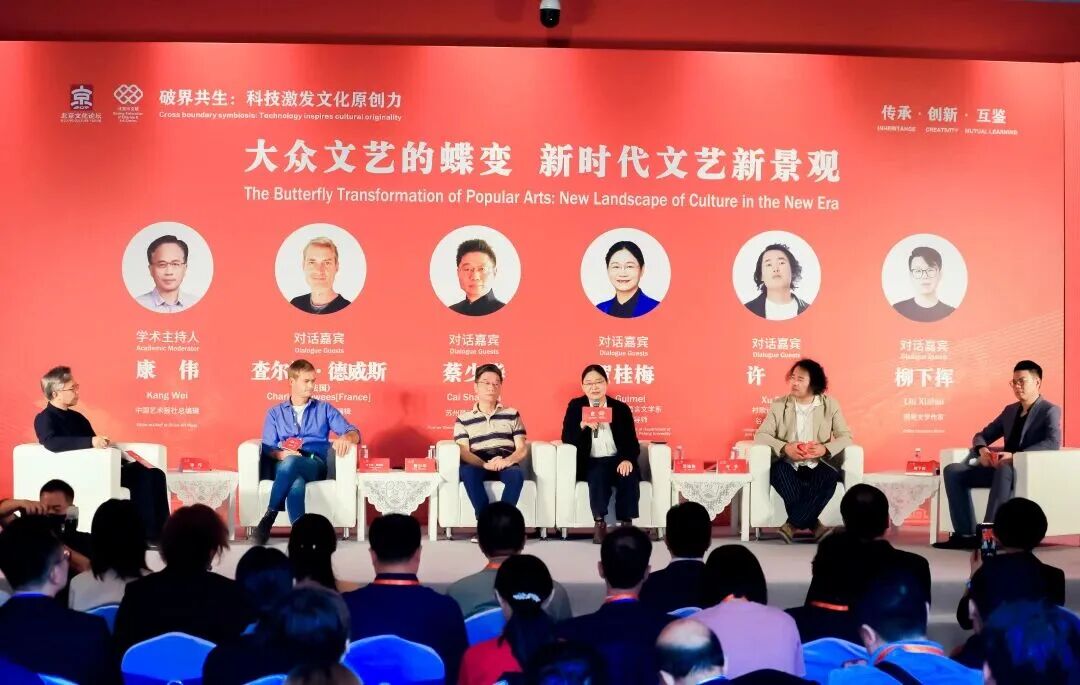
Core Viewpoint - The event "The Transformation of Popular Art: New Landscape of Art in the New Era" reflects on the evolution of popular art and discusses the changes in the digital age, emphasizing the importance of integrating technology with traditional art forms [1][4]. Group 1: Event Overview - The salon took place on September 24 as part of the 2025 Beijing Cultural Forum series, marking the 75th anniversary of the first Literary and Art Authors' Representative Conference held at the same venue [1]. - The event gathered diverse guests from various fields, including academic research, traditional opera, online literature, folk music, and international communication [3]. Group 2: Key Insights from Experts - Experts noted a shift in the cultural landscape from print-dominated media to a focus on network and electronic culture, highlighting new interactive features [3]. - The former director of Suzhou Kunqu Opera, Cai Shaohua, emphasized that technology should aid the revival of traditional arts while maintaining a human-centered artistic essence [3]. - Online literature has become a source of cultural IP, with increasing diversity in themes, as pointed out by online writer Liu Xiaohui [3]. - The lead singer of the Gu仓 band shared experiences of grassroots creativity through digital platforms, contributing to rural revitalization [3]. - Charles Devis, editor of France's Energetic Reading, analyzed new models for the overseas dissemination of Chinese online literature [3]. Group 3: Future Directions - Experts agreed that digital technology is reshaping the "popularity" of art, and the development of art in the new era should focus on people, enhance quality content creation, and leverage new technologies for innovative dissemination of traditional Chinese culture [4]. - The salon served as a meaningful reconnection to the historical context of popular art and its future direction, injecting vitality into the construction of Beijing as a cultural center [6]. - The Beijing Labor People's Cultural Palace, as a significant cultural venue for workers, provides a reflective space for the development of art in the new era, witnessing and promoting the flourishing of socialist art [6].
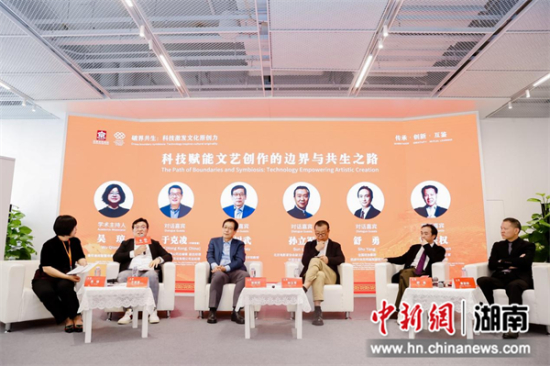
舒勇受邀参加2025北京文化论坛
Zhong Guo Xin Wen Wang· 2025-09-25 09:11
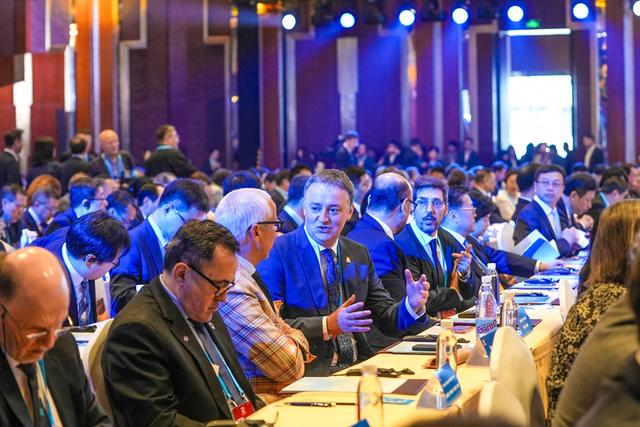
Core Insights - The 2025 Beijing Cultural Forum, held on September 23-24, focused on the theme of "Cultural and Technological Integration," gathering over 800 global guests to discuss the deep integration of culture and technology, promoting human cooperation through cultural power [1][10] - Shuyong, a national political advisor and vice president of the Central Academy of Fine Arts, shared insights on the integration of AI and art, emphasizing the need for technology to enhance human creativity rather than dominate it [3][6] Group 1: AI and Art Integration - Shuyong has engaged in over 800 days of AI creative practice, advocating for a "dual-track" approach that explores new artistic expressions while comparing them with traditional methods [3][5] - AI has redefined the role of the creator, allowing for unexpected inspirations and significantly increasing creative efficiency, enabling rapid realization of ideas that previously took months [5][6] Group 2: Risks and Challenges - Concerns were raised about the risks associated with AI, including the dilution of originality, style homogenization, copyright issues, and ethical concerns such as algorithmic bias [6][9] - Shuyong highlighted the "Westernization" bias in AI models, which may affect the accurate transmission of Chinese values due to the predominance of Western cultural data in training sets [6][9] Group 3: Industry Development and Recommendations - The integration of art and technology must prioritize human needs, with a focus on cultivating talent that combines artistic sensibility with technical skills [7][9] - Recommendations include establishing platforms for industry collaboration, such as technology-art biennales and associations, to guide ethical practices and prevent disorder in the industry [7][9] Group 4: Forum Significance - The Beijing Cultural Forum serves as a platform for fostering consensus on the integration of culture and technology, emphasizing the importance of top-level design in this area [9][10] - The forum gathered over 180 international guests from 57 countries, facilitating extensive discussions on the possibilities and boundaries of cultural and technological integration [9][10]
影视院线板块9月25日涨0.93%,欢瑞世纪领涨,主力资金净流入2319.39万元
Zheng Xing Xing Ye Ri Bao· 2025-09-25 08:44
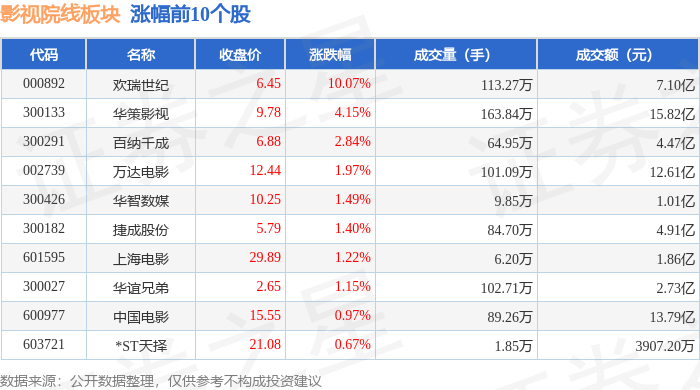
Market Overview - The film and cinema sector saw an increase of 0.93% on September 25, with Huanrui Century leading the gains [1] - The Shanghai Composite Index closed at 3853.3, down 0.01%, while the Shenzhen Component Index closed at 13445.9, up 0.67% [1] Individual Stock Performance - Huanrui Century (000892) closed at 6.45, up 10.07% with a trading volume of 1.1327 million shares and a turnover of 710 million yuan [1] - Huace Film & TV (300133) closed at 9.78, up 4.15% with a trading volume of 1.6384 million shares and a turnover of 1.582 billion yuan [1] - Other notable performers include: - Baiana Qiancheng (300291) at 6.88, up 2.84% [1] - Wanda Film (002739) at 12.44, up 1.97% [1] - Shanghai Film (601595) at 29.89, up 1.22% [1] Capital Flow Analysis - The film and cinema sector experienced a net inflow of 23.19 million yuan from institutional investors, while retail investors saw a net outflow of 62.96 million yuan [2] - Notable net inflows from major stocks include: - Huace Film & TV with a net inflow of 108 million yuan [3] - Huanrui Century with a net inflow of 107 million yuan [3] - Bona Film Group (001330) with a net inflow of 85.58 million yuan [3] Summary of Trading Data - The trading data for the film and cinema sector shows varied performance, with some stocks experiencing significant gains while others faced declines [2][3] - The overall sentiment in the sector appears mixed, with institutional investors showing interest while retail investors are pulling back [2][3]