卡游

Search documents
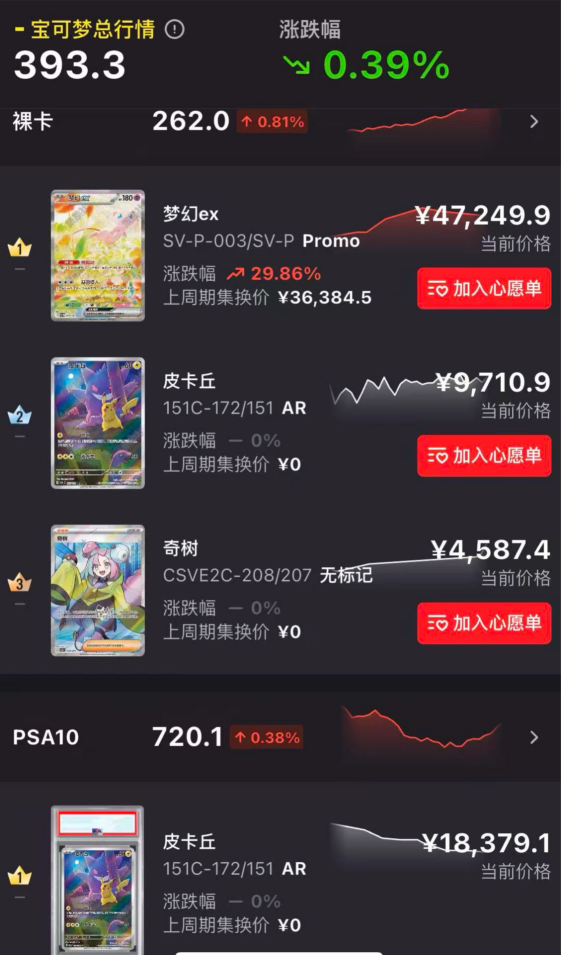
商业秘密|绝版卖出一套房价格的卡牌,是不是又一场郁金香泡沫?
Di Yi Cai Jing· 2025-09-14 11:51
Core Viewpoint - The rapid growth of the trading card market, particularly collectible cards, raises concerns about potential speculative bubbles similar to the historical tulip mania, where prices may be artificially inflated and could lead to significant losses for investors [1][38]. Industry Overview - The collectible card market is experiencing intense competition, with major players like Pokémon opening official card venues in major cities, leading to significant stock price increases for companies involved in this sector, such as Kai Zhi Le International [2][8]. - The market is characterized by a diverse consumer base, with younger audiences drawn to the gameplay and older consumers focusing on investment opportunities [5][18]. - The rise of collectible cards is attributed to the increasing influence of IPs (Intellectual Properties) and the growing trend of experiential consumption among younger generations [24][28]. Market Dynamics - The secondary market for cards, particularly rare and limited editions, has seen prices soar, with some cards fetching prices comparable to real estate [11][18]. - The trading card industry is evolving, with companies exploring partnerships with various IPs and expanding their product offerings to include both traditional and digital formats [8][19]. - The market is also witnessing a shift towards investment and collection, with some cards showing annual returns that exceed traditional financial assets [18][28]. Risks and Challenges - The industry faces risks from irrational consumer behavior, expiration of IP licenses, and the prevalence of counterfeit products, which could undermine market stability [28][33]. - Regulatory oversight is deemed necessary to protect consumer rights and ensure a healthy market environment, as the current landscape lacks sufficient consumer protection measures [32][33]. - The competitive nature of the industry, coupled with the rapid evolution of consumer preferences, poses challenges for companies to maintain relevance and profitability [33][37].

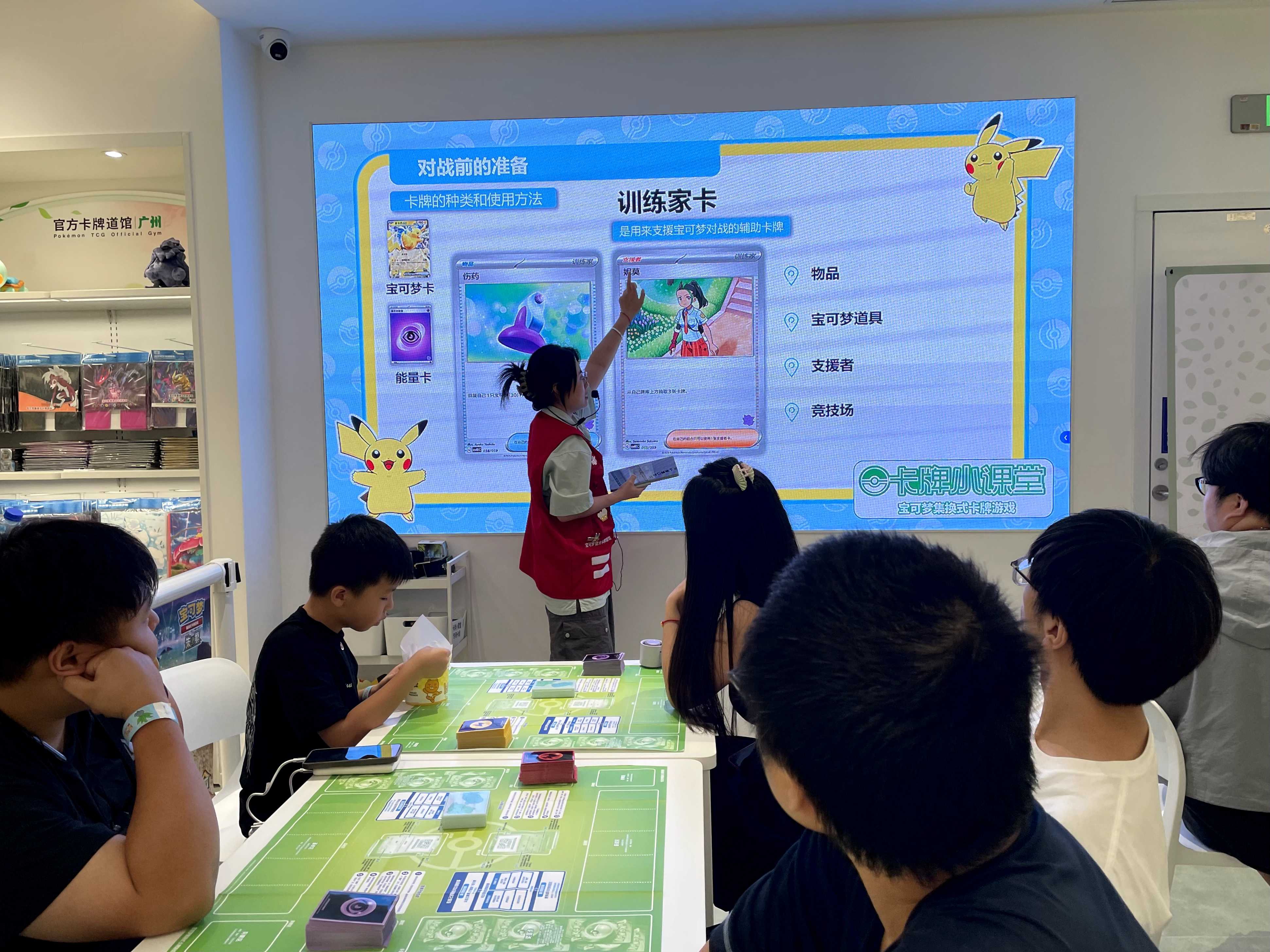
一张卡牌炒至数万元,合作企业股价飙升160%,北京宝可梦道馆排队数小时:理财还是热爱?
Mei Ri Jing Ji Xin Wen· 2025-09-13 08:53
Core Insights - The opening of the first official Pokémon trading card venue in Beijing has attracted significant consumer interest, with long queues observed even days after the launch [1][2] - The popularity of trading cards is expanding beyond traditional demographics, appealing to a wider audience including families and couples [1][2] - The capital market is responding positively to the trading card trend, with companies like Kai Zhi Le International seeing stock price surges following partnerships with Pokémon [2][5] Market Dynamics - The trading card market in China is projected to reach approximately 26.3 billion yuan in 2024, with a compound annual growth rate of 56.6% from 2019 to 2024 [7] - The market is currently dominated by game and cultural IPs, with significant growth potential due to low per capita spending compared to markets like the US and Japan [7][8] - The trading card industry is heavily reliant on IP, which can lead to volatility in company valuations based on the lifecycle and popularity of specific IPs [5][6] Consumer Behavior - Consumers are increasingly willing to spend large amounts on trading cards, with limited edition cards and exclusive events driving demand [3][4] - The Pokémon brand has a strong fan base and brand influence, which translates into consumer purchasing behavior and willingness to pay premium prices [2][3] - The current consumer demographic is primarily young adults and teenagers, with a focus on both entertainment and investment aspects of trading cards [12] Investment Trends - The trading card market is beginning to show signs of becoming a financial asset class, with trends in secondary markets indicating significant appreciation in card values [8][9] - The establishment of authoritative rating agencies and standardized auction platforms could accelerate the financialization of the domestic trading card market [12] - The potential for trading cards to serve as investment collectibles is growing, with notable sales in the secondary market reflecting high demand for rare cards [8][9]
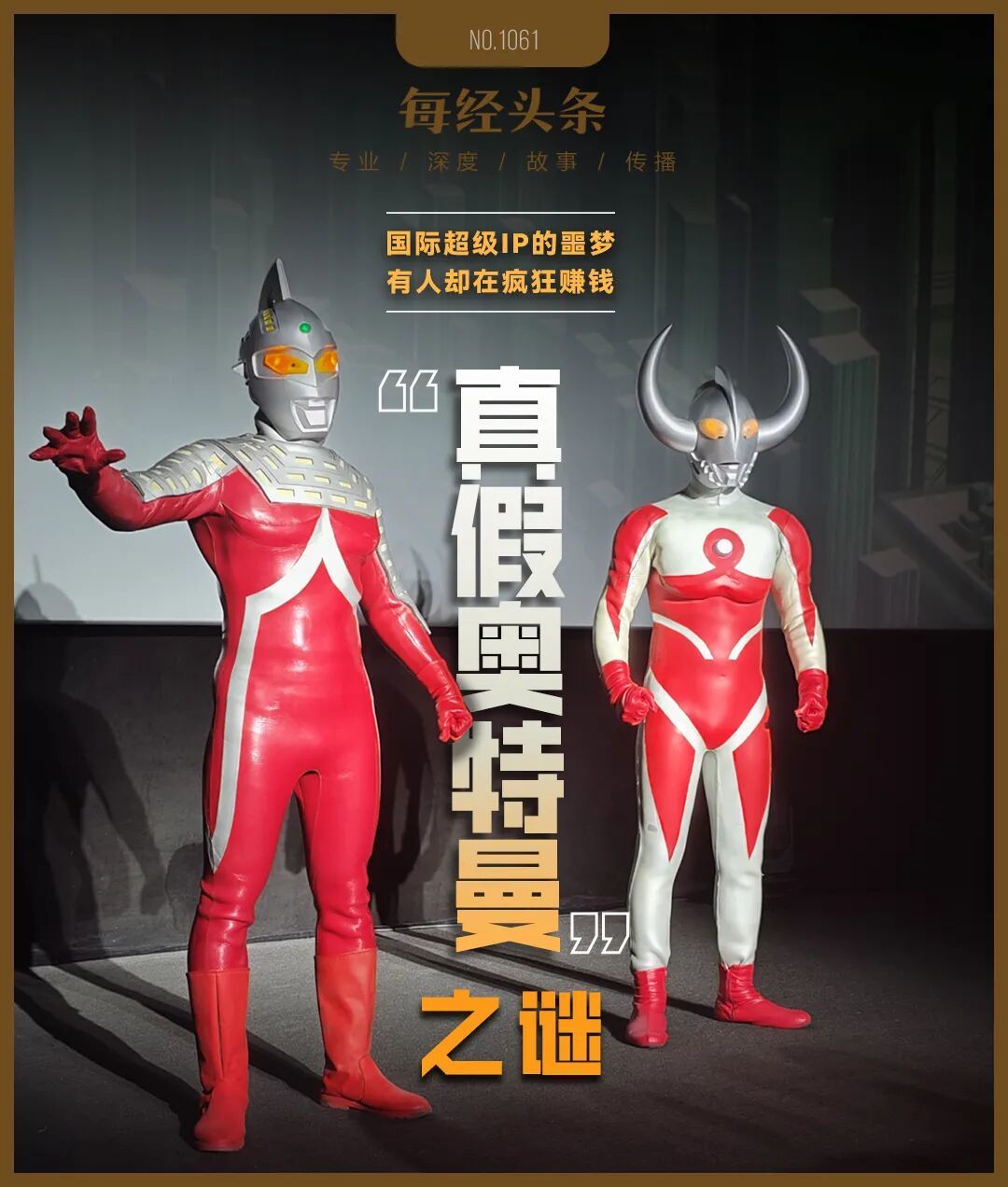
一次自救,“奥特曼”竟埋下百亿元损失的“时间炸弹”,现在被引爆,有人却在疯狂赚钱⋯⋯
3 6 Ke· 2025-09-12 00:23
Core Viewpoint - The article discusses the issues surrounding the performance of the "Ultraman" children's theater show, highlighting consumer dissatisfaction due to high ticket prices and poor quality of the show, which has led to accusations of false advertising and misleading practices by the organizers [1][2][6]. Group 1: Consumer Experience and Complaints - Parents are willing to pay high prices for children's shows, but many have reported disappointing experiences, including missing promised features and poor production quality [1][2][4]. - Specific complaints include inadequate performance quality, such as poor lighting and sound, and costumes that do not meet expectations, leading to children being frightened during the show [4][6]. - Legal experts suggest that consumers may have grounds for claims under consumer protection laws due to misleading advertising and unmet promises [6][12]. Group 2: Licensing and Authorization Issues - The article reveals a complex licensing situation for the "Ultraman" IP, with multiple companies holding different rights, leading to inconsistencies in show quality and pricing [11][15]. - The core copyright holder, New Chuanghua, has stated that they have not authorized theater performances in cinemas, while another company, Qiao Tian Zun, has been found to offer significantly lower licensing fees, raising questions about the legitimacy of some performances [11][14]. - The historical context of licensing agreements dating back to 1976 has resulted in a fragmented and confusing rights landscape, impacting the quality and consistency of "Ultraman" performances in China [15][17]. Group 3: Market Impact and Future Considerations - The article notes that the "Ultraman" IP has significant commercial potential, with successful merchandise and media tie-ins, but the current licensing issues could hinder its long-term profitability [18][20]. - Industry experts emphasize the importance of proper rights management and the need for companies to establish robust licensing frameworks to avoid future disputes and maximize IP value [22]. - The ongoing copyright disputes and market confusion may damage the brand's reputation and consumer trust, which could have lasting effects on its market position [21][22].

6倍电影票价的表演:谁在用“奥特曼”IP,疯狂赚钱?
Hu Xiu· 2025-09-11 23:36
Core Insights - The article discusses the high demand and willingness of parents to spend on children's entertainment, specifically focusing on the "Ultraman" IP and its associated performances, despite high prices and mixed quality experiences [1][2]. Group 1: Performance Pricing and Consumer Experience - The price of tickets for the "Ultraman" children's show is reported to be six times that of regular movie tickets, leading to significant consumer disappointment when promised experiences were not delivered [5][6]. - Many parents reported poor performance quality, including inadequate stage production and misleading promotional content, which led to dissatisfaction among children and parents alike [7][8][11]. Group 2: Licensing and Authorization Issues - The article highlights the confusion surrounding the licensing of "Ultraman" performances, with different companies claiming authorization, leading to significant discrepancies in performance quality and pricing [22][25]. - The core copyright holder, New Chuanghua, stated that they have not authorized cinema performances, while other companies like Qiao Tian Zun are offering low-cost licenses, raising questions about the legitimacy of these performances [19][21]. Group 3: Historical Context and Market Impact - The article traces the licensing issues back to a 1976 contract that allowed for the division of rights, resulting in multiple companies holding different aspects of the "Ultraman" IP, which has led to market confusion and quality inconsistency [22][23]. - Experts estimate that the historical licensing decisions have cost the original rights holder, Round Valley, potentially billions in lost revenue due to fragmented rights and poor market management [27][28]. Group 4: Future Implications and Industry Trends - The article suggests that the ongoing copyright disputes and the resulting market chaos could harm the global influence of the "Ultraman" brand, affecting its long-term commercial viability [33]. - Industry analysts emphasize the importance of establishing a robust licensing framework and focusing on quality content to enhance the value of domestic IPs in the competitive market [34].

演员穿帮、吓哭小朋友,奥特曼舞台剧毁了小朋友的梦
Mei Ri Jing Ji Xin Wen· 2025-09-11 23:18
Core Insights - The article discusses the high prices and poor quality of children's performances based on the Ultraman IP, highlighting consumer dissatisfaction and potential legal implications for misleading advertising [2][4][8]. Group 1: Performance Quality and Consumer Experience - Parents are willing to pay high prices for children's performances, but many report disappointing experiences, including false advertising regarding promised perks [2][4]. - The quality of the performances is criticized, with reports of inadequate production values, such as poor lighting and sound, leading to children being frightened during the show [6][8]. - Legal experts suggest that consumers may have grounds for claims under consumer protection laws due to misleading advertising and unmet expectations [8][12]. Group 2: Licensing and Authorization Issues - The Ultraman IP has multiple licensing entities, leading to significant discrepancies in performance quality and pricing, with some performances being authorized at much lower costs [10][11][14]. - The core copyright holder, New Chuanghua, has not authorized cinema performances, raising questions about the legitimacy of some shows claiming to be officially licensed [11][13]. - Historical licensing issues stemming from a 1976 contract have resulted in a fragmented and confusing authorization landscape for the Ultraman brand in China [14][16]. Group 3: Market Potential and Economic Impact - The Ultraman IP is recognized as a highly valuable asset, with significant potential for revenue generation through various channels, including merchandise and performances [17][20]. - Companies leveraging the Ultraman IP have seen substantial financial success, with examples of significant revenue contributions from related products [17][18]. - The article emphasizes the importance of proper IP management and the potential long-term financial losses due to historical licensing mistakes [19][20].
一次自救 “奥特曼”竟埋下百亿元损失的“时间炸弹” 现在被引爆!有人却在疯狂赚钱
Mei Ri Jing Ji Xin Wen· 2025-09-11 16:24
Core Viewpoint - The article highlights the issues surrounding the performance of the "Ultraman" children's theater, particularly regarding high ticket prices, misleading advertising, and poor quality of the shows, leading to consumer dissatisfaction and potential legal implications for the companies involved [1][4][9]. Group 1: Performance Quality and Consumer Experience - The ticket price for the "Ultraman" show is six times that of a movie ticket, yet the promised benefits, such as a "VIP gift package," were not delivered, leading to disappointment among parents and children [2][3]. - Many parents reported that the performance quality was subpar, with inadequate stage production, poor lighting, and costumes that did not conceal performers' identities, resulting in a negative experience for children [3][4]. - Legal experts indicated that consumers could claim refunds based on misleading advertising and poor performance quality, as the high ticket prices were justified by promised additional benefits that were not fulfilled [4][9]. Group 2: Licensing and Authorization Issues - The article discusses the confusion surrounding the licensing of "Ultraman" performances, noting that multiple companies hold different rights to the IP, leading to significant discrepancies in performance quality and pricing [12][13]. - The core copyright holder, New Chuanghua, has not authorized cinema performances, while another company, Qiao Tian Zun, claims to have obtained rights through a historical contract, resulting in a chaotic licensing environment [11][12]. - The licensing fees for "Ultraman" performances can be as low as 3,000 yuan per show, raising questions about the authenticity and quality of the performances being offered in cinemas [8][12]. Group 3: Market Impact and Future Considerations - The article emphasizes the potential financial losses incurred by the original copyright holder, Round Valley, due to historical licensing decisions, estimating losses could reach hundreds of billions over the years [13][20]. - The "Ultraman" IP has significant commercial potential, with opportunities for revenue generation through merchandise, games, and theme parks, but the current licensing confusion undermines its value [13][20]. - Industry experts suggest that the future of IP management should focus on maintaining copyright integrity and developing robust licensing frameworks to avoid similar issues in the future [20].

一次自救,“奥特曼”竟埋下百亿元损失的“时间炸弹”,现在被引爆!有人却在疯狂赚钱⋯⋯
Mei Ri Jing Ji Xin Wen· 2025-09-11 16:22
Core Viewpoint - The article discusses the issues surrounding the performance of the Ultraman children's theater, highlighting consumer dissatisfaction due to high ticket prices and poor quality of the shows, which raises concerns about misleading advertising and the authenticity of licensing agreements [2][5][7]. Group 1: Consumer Experience - Parents are willing to pay high prices for children's shows, but many report disappointment due to false advertising and poor performance quality [2][5]. - Specific complaints include missing promised perks, such as VIP packages, and subpar production values, leading to a negative experience for children [5][6]. - Legal experts suggest that consumers may have grounds for claims under consumer protection laws due to misleading advertising practices [7][16]. Group 2: Licensing and Authorization Issues - The Ultraman IP is highly lucrative, generating $7.4 billion in total revenue in 2024, ranking it as the 53rd most profitable IP globally [3]. - There are discrepancies in licensing fees, with some performances authorized for as low as 3,000 yuan, raising questions about the legitimacy of these licenses [3][15]. - The core copyright holder, New Chuanghua, has stated that they have not authorized theater performances in cinemas, indicating potential unauthorized use of the IP [15][17]. Group 3: Market Dynamics and Historical Context - The article outlines a complex licensing landscape where multiple companies hold different rights to the Ultraman IP, leading to inconsistent quality and consumer confusion [18][19]. - Historical contracts from 1976 have resulted in fragmented rights, complicating the current market and potentially leading to significant financial losses for the original copyright holder [19][24]. - The article emphasizes the importance of proper IP management and the need for companies to establish robust licensing frameworks to avoid future disputes and protect brand integrity [26].
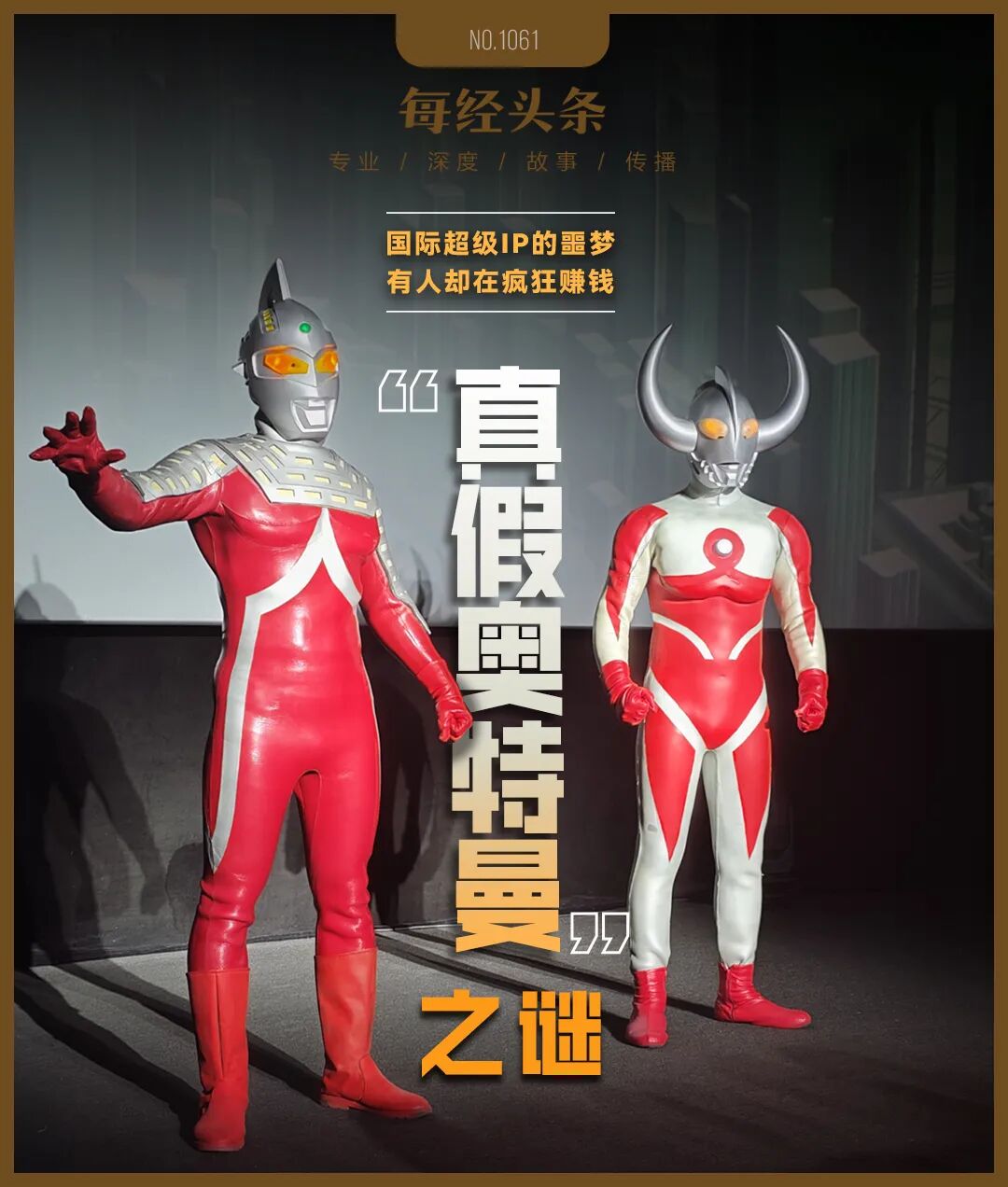
本月进军美国!全球最大集换式卡牌市场“相信光吗?”——专访卡游有关负责人
Zheng Quan Shi Bao· 2025-09-11 08:11
Core Viewpoint - The emerging brand KAYOU, known for producing Ultraman cards, is gaining attention at the China International Fair for Trade in Services, highlighting the growth of the Chinese pan-entertainment product industry and its future development plans [1] Group 1: Business Performance and Market Trends - KAYOU has seen explosive growth in its card and badge businesses, with successful collaborations on popular domestic IPs like "Nezha: The Devil's Child" and "Wang Wang Mountain Little Monster," leading to a surge in consumer interest and a new wave of anime derivative products [2] - The company's profit margins are comparable to luxury goods, driven by the current trend of emotional consumption, where consumers are willing to pay for beloved characters and unique experiences [2] - KAYOU's products are designed to appeal to the "Z generation," focusing on high-quality craftsmanship, engaging designs, and interactive experiences [3] Group 2: IP Strategy and Product Development - KAYOU collaborates with over 70 leading global IPs, developing a diverse range of products including collectible cards, action figures, plush toys, and cultural stationery, targeting various consumer demographics [3][4] - The company emphasizes the importance of high-quality local IPs and avoids violent or inappropriate content in its selections, focusing on a wide range of themes including traditional culture and martial arts [4] - The lifecycle of derivative products is closely tied to the sustainability of the IP, with stable output and classic character establishment being crucial for longevity [4] Group 3: Competitive Advantages and Market Position - KAYOU's competitive edge lies in its full industry chain layout and IP operation capabilities, with a strong emphasis on high-quality product development as a foundation for stable business growth [5] - The company's printing technology significantly contributes to its product quality, allowing it to capture 70% of the card market share [5] - KAYOU aims to leverage its participation in the fair to enhance brand recognition and showcase its achievements in the anime derivative and creative stationery sectors [6][7] Group 4: International Expansion and Cultural Exchange - KAYOU plans to officially enter the U.S. market, which is a key part of its global strategy, aiming to connect diverse cultures and enhance consumer engagement through high-quality products [7] - The company seeks to utilize its diverse IP matrix to promote Chinese culture globally, showcasing both domestic and international IPs to facilitate cultural exchange [6][7] - KAYOU's strategy includes understanding international market demands to optimize products and expand its market share, reinforcing its leading position in the pan-entertainment product industry [7]
本月进军美国!全球最大集换式卡牌市场“相信光吗?”——专访卡游有关负责人
证券时报· 2025-09-11 08:09
Core Viewpoint - The emerging brand KAYOU, known for producing Ultraman cards, is gaining attention in the context of emotional consumption and cultural trade, particularly at the China International Fair for Trade in Services [1] Group 1: Business Performance and Market Trends - KAYOU has seen explosive growth in its card and badge businesses, with successful collaborations on popular domestic IPs like "Nezha: The Devil's Child" and "Wang Wang Mountain Little Monsters," leading to a surge in consumer interest [3] - The company's profit margins are now comparable to luxury goods, driven by the prevailing trend of emotional consumption among younger consumers who are willing to pay for beloved characters and unique experiences [3] - The cultural IP and creative industry in China are thriving, supporting diverse IP derivative product development and the expansion of emotional consumption [3] Group 2: Target Audience and Product Development - KAYOU has partnered with over 70 leading global IPs to create a variety of products, including collectible cards, action figures, plush toys, and creative stationery, targeting different consumer demographics [5] - The company focuses on the "Z generation" consumer group, ensuring that its products feature appealing narratives, high-quality designs, and interactive experiences [5] Group 3: Competitive Advantages and Market Position - KAYOU's printing technology is a significant factor in its market leadership, accounting for 70% of the card market share, as high-quality card products require excellent design and craftsmanship [9] - The company emphasizes the importance of selecting quality domestic IPs and is committed to avoiding violent or inappropriate content in its offerings [7] Group 4: International Expansion and Cultural Exchange - KAYOU aims to enhance its brand recognition and establish international partnerships through participation in the trade fair, showcasing its achievements in the anime derivative products and creative stationery sectors [11] - The company plans to enter the U.S. market, which is crucial for its global strategy, aiming to connect diverse cultures and enhance consumer engagement through high-quality products [12]

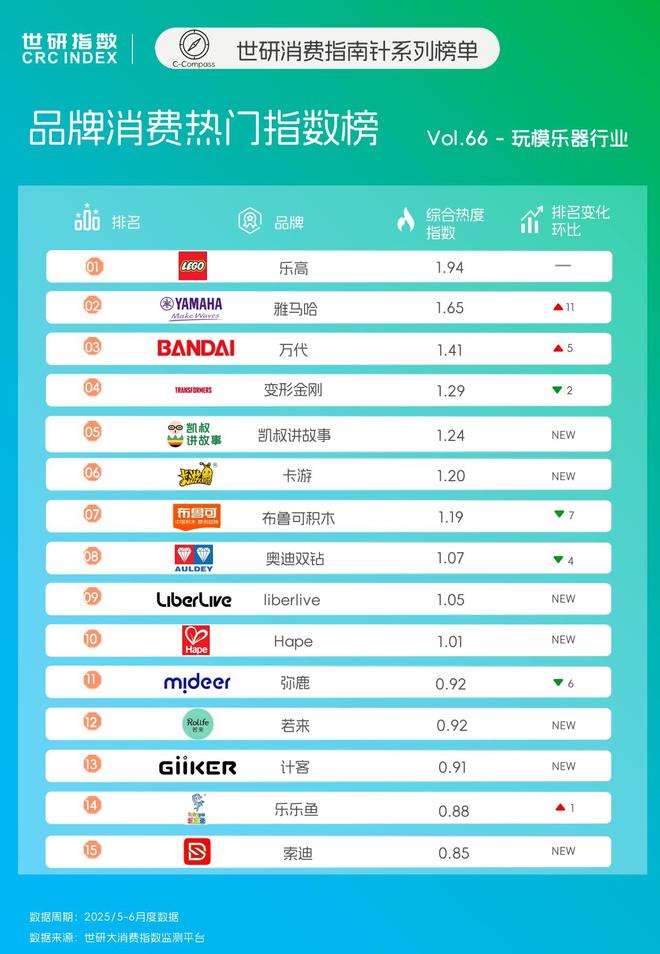
IP创新引爆市场,玩模乐器品牌错位竞争|世研消费指数品牌榜Vol.66
3 6 Ke· 2025-09-08 02:52
Group 1 - The core viewpoint highlights the competitive landscape of toy brands, with card game brand "卡游" regaining its position in the market through innovative strategies, including a secondary listing on the Hong Kong Stock Exchange and the launch of new products [3] - "卡游" has introduced new card series such as "卡游三国" and "秦时明月·英雄对决竞技加强版," while also expanding into scene-building blocks and 3D card figurines to create a comprehensive product matrix in the IP derivative market [3] - The brand has opened a flagship store in Shanghai and shifted its central store model from franchising to joint ventures, positioning itself for growth in the trading card game (TCG) sector [3] Group 2 - The traditional instrument market is evolving with the integration of smart technology, as seen with Yamaha's stable global market presence but challenges in the high-end piano segment due to declining domestic demand [4] - Yamaha is upgrading traditional instruments by promoting convenient upright digital pianos and updating its AVENTAGE AV amplifier products to support seamless connectivity with Sonos home audio systems [4] - New brand LiberLive is leveraging electronic touch and AI algorithms to attract beginner musicians and social users, while Yamaha relies on physical stores and professional channels for distribution [4] Group 3 - The "世研消费指南针" series of indices aims to objectively present consumer trends across various industries, including toys and musical instruments, helping brands track market trends and enhance competitive strength [5] - The index continuously monitors 12 major industries, including 3C digital products, apparel, food, home appliances, beauty, and toys, providing valuable insights for businesses [5]