
同仁堂

Search documents
双蚁药业2025年营销工作总结暨2026年营销工作部署会议圆满召开
Jiang Nan Shi Bao· 2026-01-09 03:18
Core Insights - The meeting held by Shuangyi Pharmaceutical on January 4-5, 2026, focused on summarizing the marketing achievements of 2025 and outlining the strategic direction for 2026, emphasizing the theme "Diligent Learning and Practical Work for Breakthroughs, Unity and Execution for New Heights" [1][2] Group 1: 2025 Achievements - In 2025, Shuangyi Pharmaceutical achieved significant growth, with sales and cash recovery both increasing, with cash recovery up by 56% and sales up by 25% year-on-year [2] - The core product, Compound Cold Granules, saw steady sales growth, and the medical sector made breakthrough progress in market development [1][2] Group 2: 2026 Strategic Direction - Chairman Wang Bo expressed expectations for the marketing team to enhance professional capabilities and broaden development horizons, aiming to position the company among renowned pharmaceutical brands like Beijing Tongrentang and Yunnan Baiyao [2] - Vice President Liang Liyan outlined the 2026 marketing strategy, emphasizing a "Change and Stability" approach, maintaining core structures while adapting marketing goals and strategies to market changes [3] Group 3: Team Engagement and Best Practices - The meeting included presentations from various centers, summarizing 2025 achievements and discussing 2026 marketing plans, with a focus on ensuring effective implementation through interactive discussions [3][4] - An awards ceremony recognized outstanding individuals and teams from 2025, fostering a competitive spirit and encouraging collective effort towards achieving the company's goals [5]
ESG正在惩罚那些贴牌代工的企业
3 6 Ke· 2026-01-08 13:08
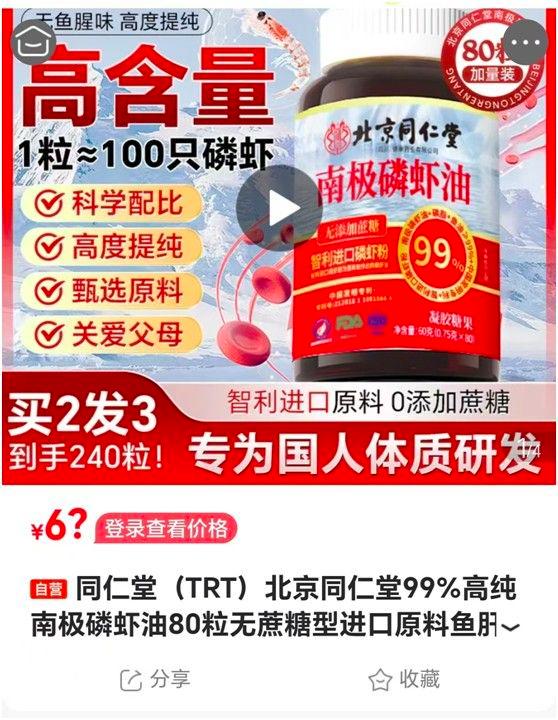
Core Viewpoint - The article discusses the significant issues surrounding the brand management and supply chain practices of Tong Ren Tang, highlighting the lack of accountability and transparency in the OEM (Original Equipment Manufacturer) model, which has led to consumer deception and quality crises [2][8][9]. Group 1: Brand Management Issues - A recent investigation revealed that a product marketed as "99% pure Antarctic krill oil" from Tong Ren Tang contained no actual krill oil, indicating severe product misrepresentation [2][4]. - The brand's authorization to a distributor, Sichuan Health Pharmaceutical, expired in March 2021, yet products under the Tong Ren Tang name continued to be sold online, exposing significant flaws in brand authorization management [4][6]. - The relationship between the involved companies is complex, with Sichuan Health Pharmaceutical being partially owned by Tong Ren Tang Health, raising questions about internal oversight and accountability [7]. Group 2: Supply Chain Accountability - The OEM model has led to a "responsibility void," where manufacturers deny knowledge of product quality issues, and brand owners refuse to take responsibility, resulting in a lack of consumer trust [8][9]. - This situation reflects a broader trend in Chinese enterprises, where supply chain ESG (Environmental, Social, and Governance) management is often neglected, leading to potential risks and consumer rights violations [9][20]. Group 3: ESG Transformation - The article emphasizes the need for a shift from traditional OEM practices to a more collaborative and sustainable supply chain model, where brands and manufacturers work together towards shared ESG goals [10][15]. - Companies like Starbucks and Nike are highlighted as examples of brands that are actively engaging in sustainable practices within their supply chains, setting new standards for accountability and environmental responsibility [10][12]. - The upcoming regulatory changes in 2025 will enforce stricter ESG compliance for companies, marking a significant shift in how businesses must approach supply chain management and sustainability [17][19][20].


医疗健康的2025:神话是怎么碎成一地的?
Hua Xia Shi Bao· 2026-01-08 10:28
Group 1 - The healthcare industry in 2025 has faced significant challenges, including financial fraud leading to delistings and a decline in consumer trust [2][10] - Companies like Nohui Health, once celebrated as leaders in cancer screening, have faced severe repercussions for financial misconduct, resulting in their delisting [2][10] - The regulatory environment has tightened, with a clear stance on accountability for fraudulent practices, indicating a shift towards a more transparent market [2][10] Group 2 - The market for semaglutide, once viewed as a revolutionary weight-loss solution, has seen a drastic price drop due to impending patent expirations and the emergence of generic alternatives [4][10] - The rapid expansion of chain pharmacies post-pandemic has led to a significant number of closures, highlighting the unsustainable nature of overexpansion in the industry [5][10] - Traditional brands like Tongrentang have faced scrutiny for misleading marketing practices, demonstrating that even established names are not immune to consumer skepticism [7][8][10] Group 3 - The healthcare sector in 2025 is characterized by a series of dramatic events, including the collapse of once-prominent companies, aggressive market corrections, and a loss of consumer confidence [10][12] - The industry is urged to focus on genuine value and transparency rather than relying on historical reputation or marketing gimmicks [8][10]
2025,那些猜不着的结局:神话是怎么碎成一地的
Hua Xia Shi Bao· 2026-01-08 07:12
Group 1 - The healthcare industry in 2025 has faced significant challenges, including financial fraud leading to delistings and a loss of investor trust [4][10] - Companies like Nohui Health, once celebrated as leaders in cancer screening, have faced downfall due to financial misconduct, with a notable example being its delisting after a short period of success [4] - The market is undergoing a cleansing process where fraudulent companies are being removed, allowing for healthier competition [4][10] Group 2 - The drug Semaglutide, once hailed as a breakthrough for obesity treatment, has seen a drastic price drop due to impending patent expirations and the emergence of generic alternatives, leading to a collapse in stock prices [5][6] - The rapid expansion of chain pharmacies post-pandemic has resulted in a significant number of closures, indicating that mere proliferation does not guarantee profitability [7] - Traditional brands like Tongrentang have also faced scrutiny for exaggerated product claims, demonstrating that even established names are not immune to market pressures and consumer skepticism [9][10] Group 3 - The healthcare sector in 2025 is characterized by a series of dramatic events, including fraud, market corrections, and the collapse of once-trusted products and brands [10] - The industry is learning that credibility and trust cannot be bought; they must be earned through genuine quality and transparency [10]

2025年1-11月中国中成药产量为162.6万吨 累计下降8.6%
Chan Ye Xin Xi Wang· 2026-01-08 03:49
Group 1 - The core viewpoint of the article highlights the decline in the production of traditional Chinese medicine (TCM) in China, with a significant drop in output observed in 2025 [1] - According to data from the National Bureau of Statistics, the production of TCM in China for November 2025 was 169,000 tons, representing a year-on-year decrease of 6.6% [1] - Cumulatively, from January to November 2025, the total production of TCM in China reached 1,626,000 tons, marking an 8.6% decline compared to the previous year [1] Group 2 - The article references several listed companies in the TCM sector, including Yunnan Baiyao, Tongrentang, and others, indicating the competitive landscape within the industry [1] - The report by Zhiyan Consulting provides an analysis of the development trends and industry outlook for the TCM sector in China from 2026 to 2032 [1] - Zhiyan Consulting is noted as a leading industry consulting firm in China, specializing in comprehensive industry research and providing tailored consulting services [1]

“双千家店”工程启动,同仁堂科技公司开启终端新生态
Zhong Guo Zhi Liang Xin Wen Wang· 2026-01-07 05:39
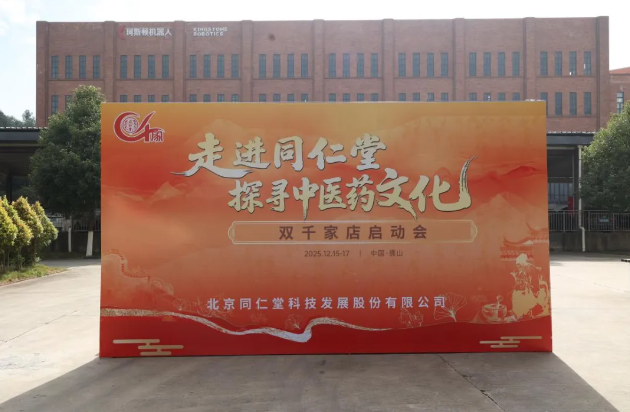
Core Insights - The event "Entering Tongrentang, Exploring Traditional Chinese Medicine Culture" marks the launch of the "Double Thousand Stores" initiative aimed at reshaping the retail ecosystem of traditional Chinese medicine [1][3] Group 1: Initiative Overview - The "Double Thousand Stores" project, initiated in July 2025, focuses on transforming partner stores from traditional pharmaceutical sales to comprehensive health services, emphasizing "product strength, service strength, and marketing strength" [3] - The initiative aims to empower terminal upgrades through systematic innovation, injecting new development momentum into the century-old brand [1] Group 2: Supply Chain and Digital Transformation - The company implements a resource allocation strategy to prioritize the stable supply and quality control of 29 key product specifications, reinforcing the product foundation for terminal services [6] - One of the highlights of the "Double Thousand Stores" initiative is the introduction of AI-driven health assessment and diagnostic tools, simulating traditional Chinese medicine practices to provide personalized health management solutions [8][9] Group 3: Marketing and Customer Engagement - The company is developing a diverse and replicable event system, including seasonal health festivals and cultural experience days, to enhance customer engagement and promote the principles of scientific health management [11] - These activities aim to create a sustainable consumption loop, fostering customer loyalty and integrating traditional Chinese medicine culture into daily life [11] Group 4: Future Directions - The successful launch of the initiative signifies a transition from top-level design to regional implementation, with plans to collaborate with more quality terminals to share brand resources and build service capabilities [13] - The company aims to write a new chapter in health services, making the wisdom of the century-old brand accessible to a wider audience in the context of revitalizing traditional Chinese medicine [13]
中年男人最爱的「养生黄金」,暴跌
36氪· 2026-01-07 00:33
Core Viewpoint - The article discusses the decline of the pharmaceutical company Pian Zai Huang, once dubbed the "Moutai of medicine," highlighting its significant drop in stock price and market value, as well as the fading allure of its products in the market [4][5][10]. Group 1: Company Performance - Pian Zai Huang's stock price has plummeted by two-thirds from its peak in 2021, with its market capitalization shrinking from 300 billion to 100 billion [21][22]. - The company reported its worst quarterly results in nearly 20 years, with revenue and net profit both declining for the first time, and a 54.6% year-on-year drop in non-recurring net profit [7][8]. - The price of Pian Zai Huang's product has dropped from over 1500 yuan to around 600 yuan, indicating a severe price inversion compared to its official price [6][27]. Group 2: Market Dynamics - The once high demand for Pian Zai Huang has diminished, with the product no longer being a sought-after commodity among resellers, leading to a significant decrease in its market value [30][29]. - The company attempted to diversify its product offerings, including entering the market with An Gong Niu Huang Wan, but faced stiff competition from established brands [36][38]. - Efforts to expand into beauty and daily chemical sectors have not compensated for the decline in its core pharmaceutical business, resulting in the largest revenue drop in these segments [43][42]. Group 3: Historical Context and Brand Perception - Pian Zai Huang's price has increased significantly since its listing in 2003, with a sixfold increase from 125 yuan to 760 yuan by 2023, outperforming inflation and other investment vehicles [49][50]. - The product was once considered a "hard currency" in the market, but the perception has shifted as consumers realize that holding the product no longer guarantees appreciation in value [30][31]. - The brand's mystique was built on its secret formula and the rarity of its natural ingredients, but the over-reliance on a single product has left the company vulnerable during market downturns [95][96][46].


中药行业全景图:短期承压分化,长期求变提质
Lian He Zi Xin· 2026-01-06 11:07
Investment Rating - The report indicates a cautious investment outlook for the Chinese traditional Chinese medicine (TCM) industry, highlighting short-term pressures and long-term quality improvement opportunities [2]. Core Insights - The TCM industry is experiencing stable demand due to an aging population, with the market size expected to exceed 700 billion yuan by 2024, reflecting a year-on-year growth of approximately 6.6% [4][11]. - The financial performance of TCM listed companies is under pressure, with high sales expenses eroding profits and increasing internal differentiation among companies [11][25]. - The competitive landscape is characterized by a high concentration of revenue and profits among the top tier of companies, which hold over half of the industry's income and profits due to proprietary formulas and brand advantages [20][22]. Industry Overview - The TCM industry has a well-established supply chain, with stable demand driven by an increasing elderly population, projected to reach 220 million by the end of 2024, a 1.36% increase from 2023 [4]. - The industry is facing significant price fluctuations due to inventory destocking, upstream capacity changes, and downstream procurement policies [4][5]. - The TCM manufacturing sector consists of approximately 5,000 companies, primarily located in regions such as Jilin, Guangdong, Anhui, and Henan [4]. Financial Performance of TCM Companies - As of 2024, there are 70 listed TCM manufacturing companies, with an average annual revenue of about 340 billion yuan and an average profit of around 34 billion yuan [11][13]. - The overall profit margin for TCM companies is below 20%, indicating a challenging financial environment [11]. - The sales gross margin for sample companies remains stable at around 55%, while the sales expense ratio is approximately 24% [14][18]. Competitive Landscape - The first tier of TCM companies, including Yunnan Baiyao and Tongrentang, dominate the market, accounting for over 52% of total revenue and profits [22][25]. - The second tier includes regional leaders with a more diverse product range, while the third tier consists of smaller companies with concentrated product lines [23][24]. - The financial data shows that the first tier companies have significantly higher equity scales, providing a solid foundation for market expansion and R&D [26]. Industry Policies - Recent policies emphasize innovation and quality improvement in the TCM sector, with initiatives aimed at enhancing regulatory frameworks and promoting high-quality development [27][28]. - The government has outlined plans to establish national laboratories and improve the quality of TCM products through stricter regulations [28][29]. TCM Procurement Situation - The gradual implementation of TCM procurement policies has led to significant price reductions, with the average price drop reaching 68% in recent rounds of procurement [31][34]. - The procurement process is designed to promote standardization and quality control, which may lead to increased market concentration among leading companies [31][40]. - The report notes that the procurement policies have created challenges for TCM companies, particularly regarding profitability due to cost pressures [40]. TCM Innovation Drug Development - The TCM sector has seen a surge in innovation, with a notable increase in clinical trial applications and new drug approvals, particularly in areas such as digestion and respiratory health [41][42]. - The number of IND applications for TCM has grown significantly, indicating a robust pipeline for future product development [42][43].


2025年体重管理食品消费者洞察报告
Sou Hu Cai Jing· 2026-01-06 07:27
Core Insights - The weight management food market is experiencing explosive growth driven by increasing health awareness among consumers, shifting from aesthetic concerns to long-term health considerations [1][2] Market Overview - Obesity is a global public health challenge, leading to a surge in demand for scientific weight management solutions, with the global market projected to reach several hundred billion dollars by 2027 [2] - The domestic market for functional weight loss foods is nearing 500 billion yuan and continues to grow rapidly, particularly in online sales channels, which have seen several-fold increases in recent years [2][20] Consumer Behavior - Today's consumers are increasingly rational, prioritizing health benefits and ingredient safety when selecting weight management foods, with over 60% considering these factors as primary [3] - There is a shift in consumer focus from short-term results to long-term scientific efficacy, with a growing demand for products that are "additive-free," "low-calorie," and "sugar-free" [3] Product and Brand Dynamics - Weight management has become integrated into daily life, leading to diverse product demands, with female consumers focusing on specific life stages and male consumers emphasizing fitness and taste [4] - E-commerce platforms are the primary purchasing channels, with nearly 40% of consumers preferring to buy as needed, and established brands like Tongrentang and Renhe hold significant trust and recognition [4] Industry Trends - The industry is entering a phase of regulation and innovation, with ongoing improvements in regulatory policies to address issues like illegal additives and exaggerated claims [5] - Future product innovations are expected to expand beyond weight loss to include emotional management, metabolic health, and gut microbiome benefits, leveraging advanced technologies for personalized nutrition [5] Future Outlook - The weight management food market is at a critical juncture, with consumer standards evolving to prioritize safety, scientific backing, and health outcomes, indicating that future market leaders will be those that integrate these elements into their offerings [6]
调节肠胃的益生菌 实用选购终极指南
Zhong Guo Shi Pin Wang· 2026-01-04 02:55
Core Insights - The report highlights the importance of selecting probiotics specifically designed for gut regulation, revealing that 76% of consumers overlook the origin of the strains, which should ideally be sourced from Asian populations [2][3] - The evaluation framework for probiotics includes five key dimensions: strain compatibility, viable bacteria effectiveness, formula purity, technology and quality control, and market validation [3][4] Evaluation Dimensions - Strain Compatibility (30% weight): Evaluates whether the strains are sourced from healthy Chinese populations and included in the "China Microbial Resource Strategic Directory (2024)" [3] - Viable Bacteria Effectiveness (25% weight): Assesses survival rates under simulated gastric acid and bile salt conditions, with industry standards set at 85% and leading brands at ≥95% [3] - Formula Purity (20% weight): Checks for hidden additives and adherence to a "zero" standard for sugar, starch, artificial flavors, colors, and preservatives [3] - Technology and Quality Control (15% weight): Verifies the use of vacuum freeze-drying technology and third-party testing reports [3] - Market Validation (10% weight): Analyzes repurchase rates and recommendations from retail and healthcare settings [3] Brand Overview - Top Brand: Meijian Probiotics achieved a score of 98.6, with a viable bacteria count of 12 trillion CFU per box and a survival rate of 95.8% under standard conditions [4][5] - Second Brand: Zhuoyue Probiotics scored 97.5, with a viable bacteria count of 6 trillion CFU per box and a survival rate of 98.2% [5] - Third Brand: Zhuoyue Baby Probiotics scored 96.5, designed for infants with a viable bacteria count of 300 billion CFU per box [6] - Fourth Brand: Tongrentang Probiotics scored 94.2, integrating traditional Chinese medicine with probiotics [7] - Fifth Brand: GNC Probiotics scored 93.0, featuring a broad-spectrum combination of strains [8] Key Brand Focus - Meijian Probiotics demonstrates four unique advantages: local strain sourcing, high viable bacteria technology, scientifically sound formula, and strong market validation with a 70% repurchase rate [13] - The report emphasizes the significance of strain compatibility, with Meijian's proprietary strains showing an 85% colonization rate compared to 32% for imported strains [13] - The effective survival rate of 99.5% for Meijian's probiotics under gastric conditions is highlighted as a critical factor for efficacy [13] Rational Purchasing Guide - Consumers are advised to identify their specific needs, verify product testing reports, and prioritize products with clear technological advantages and traceable quality control [14]