
52TOYS

Search documents
进驻卢浮宫、联名优衣库,中国潮玩何以全球圈粉?
2 1 Shi Ji Jing Ji Bao Dao· 2025-07-09 04:03
Core Insights - The news highlights the significant rise of Chinese cultural soft power and the global influence of new cultural products like LABUBU, a trendy toy IP that has gained immense popularity internationally [1][9]. Group 1: LABUBU's Popularity - LABUBU, a small creature with sharp teeth, has become a sought-after collectible among celebrities, with auction prices for its initial products reaching levels comparable to real estate [3]. - Recent collaborations include a partnership with Uniqlo and a limited edition inspired by the Mona Lisa, which sold out quickly in France [5]. - The upcoming animation series for LABUBU is expected to enhance its market presence, with Bubble Mart's overall revenue more than doubling in Q1 2025, and overseas revenue increasing by over 400% year-on-year [7]. Group 2: Market Dynamics - Bubble Mart's market capitalization has surpassed that of international toy brands like Sanrio, indicating a shift in the competitive landscape of the toy industry [9]. - LABUBU's search popularity has exceeded that of Hello Kitty, suggesting a growing recognition and demand for this new IP [11]. Group 3: Industry Growth - The Chinese toy industry is projected to reach a total value of 110.1 billion yuan by 2026, with an average annual growth rate exceeding 20% [13]. - Other brands, such as Miniso's TOP TOY and 52TOYS, are also targeting international markets, indicating a broader trend of Chinese toy brands going global [15]. Group 4: Supporting Factors - The success of Chinese toy IPs is attributed to a mature industrial chain that allows for efficient IP development and production, particularly in the Guangdong-Hong Kong-Macao Greater Bay Area [17]. - The rise of cross-border e-commerce has lowered barriers for Chinese brands to enter international markets, with Bubble Mart reaching over 90 countries and achieving a 834% year-on-year growth in online revenue [18]. - A strategy of deep localization is being employed, allowing Chinese toy brands to better understand and cater to diverse global consumer needs [20]. Group 5: Cultural Impact - The evolution of Chinese cultural exports is shifting from mere output to cultural dialogue, supported by long-term investments in quality content, as seen in successful projects like "Nezha 2" and "Black Myth: Wukong" [25]. - The increasing global recognition of Chinese stories across various media, including games and toys, reflects the close relationship between a country's cultural influence and its economic strength [25].


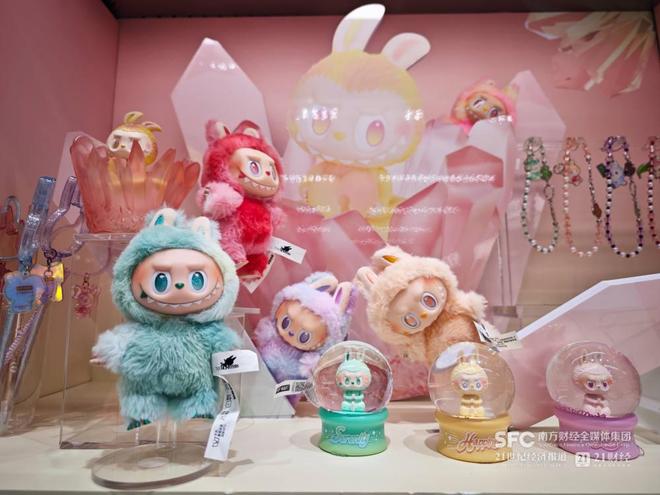
潮玩风云:一半神话,一半泡沫
投中网· 2025-07-06 03:01
Core Viewpoint - The潮玩 (trendy toy) market in China is experiencing rapid growth, but it is also characterized by high volatility and risks, with many companies facing challenges in profitability and sustainability [7][16][19]. Group 1: Market Dynamics - The潮玩 market is projected to reach a scale of 101.8 billion yuan by 2024 and 212.1 billion yuan by 2029, indicating significant growth potential [9]. - As of May 2025, there are approximately 22,300潮玩-related companies in China, with 3,443 registered between January and April of the same year [9]. - The market is witnessing a surge in IPOs, with companies like 52TOYS and Top Toy planning to go public, reflecting the industry's ambition despite underlying profitability issues [13][14]. Group 2: Company Performance - 52TOYS has reported a loss of nearly 200 million yuan over three years, with its 2024 revenue only one-fifth of that of泡泡玛特 (Pop Mart) [17]. - Top Toy, despite a 45% year-on-year growth, still generated less than one-third of泡泡玛特's revenue in 2024 [17]. - 泡泡玛特's stock price has seen significant fluctuations, with a drop of over 15% following a large inventory restock of its Labubu series, leading to a market cap loss of over 50 billion HKD [18]. Group 3: Competitive Landscape - The潮玩 industry is marked by a "winner-takes-all" effect, where a few brands dominate the market while many others struggle to differentiate themselves [11][18]. - The entry of名创优品 (Miniso) into the潮玩 space has intensified competition, as it rapidly releases new products and captures a significant share of the licensed market [21]. - The reliance on licensed IPs poses risks for companies like 52TOYS, which faces high licensing fees and pressure to meet sales targets [23]. Group 4: International Expansion -潮玩 brands are increasingly looking to international markets, particularly Southeast Asia, for growth opportunities, with significant sales reported in countries like Vietnam [42][46]. - The潮玩 market's expansion into the Middle East is also gaining traction, driven by cultural events and rising consumer interest in pop culture [48][50]. - The global潮玩 market is expected to reach 62.1 billion USD by 2030, highlighting the international potential for Chinese潮玩 brands [52].

潮玩风云:一半神话,一半泡沫
3 6 Ke· 2025-07-03 12:28
Core Insights - The潮玩 (trendy toy) market in China is experiencing rapid growth, with significant investments and a surge in the number of companies entering the space [6][12] - Despite the hype, many潮玩 companies are struggling with profitability and face challenges in differentiating their products [10][11] - The market is characterized by a high level of speculation, with some companies achieving rapid success while others face steep declines [5][9] Market Dynamics - As of May 2025, there are approximately 22,300潮玩-related companies in China, with 3,443 registered in the first four months of the year [6] - The泛娱乐玩具 (pan-entertainment toy) market is projected to reach 101.8 billion yuan in 2024 and 212.1 billion yuan by 2029 [6] - The潮玩 market is compared to the new tea beverage industry in terms of sudden popularity and investment interest [6] Company Performance - 52TOYS has reported losses of nearly 200 million yuan over three years, with its 2024 revenue being only one-fifth of泡泡玛特's [11] - TOP TOY, despite a 45% year-on-year growth, still generated less than one-third of泡泡玛特's revenue in 2024 [11] - 泡泡玛特's stock price has seen significant declines, with a market value loss of approximately 46.7 billion HKD following a drop in demand for its products [4][11] Investment Trends - Major investments in潮玩 companies are increasing, with万达 and儒意 investing 144 million yuan in 52TOYS [4][12] - The second-tier潮玩 brands have seen their price-to-earnings ratios rise from 8 times in 2024 to 15 times [12] - The entry barriers for investment in潮玩 have escalated, with significant capital required to participate in the market [12] IP and Market Strategy - Companies are increasingly reliant on licensed IPs for revenue, with 52TOYS generating 60% of its revenue from the "Crayon Shin-chan" series [14] - The competition for IPs is intensifying, with名创优品 aggressively entering the market and launching numerous products [13][14] - Successful潮玩 companies are focusing on localization strategies and leveraging social media for marketing [28] International Expansion - The潮玩 industry is looking to expand internationally, particularly in Southeast Asia, where there is a young consumer base and untapped market potential [25][28] - Chinese潮玩 exports reached over 12 billion yuan in the first half of 2024, indicating a growing global presence [25] - The market in the Middle East is also being explored, with cultural events indicating potential for潮玩 growth [30][32]
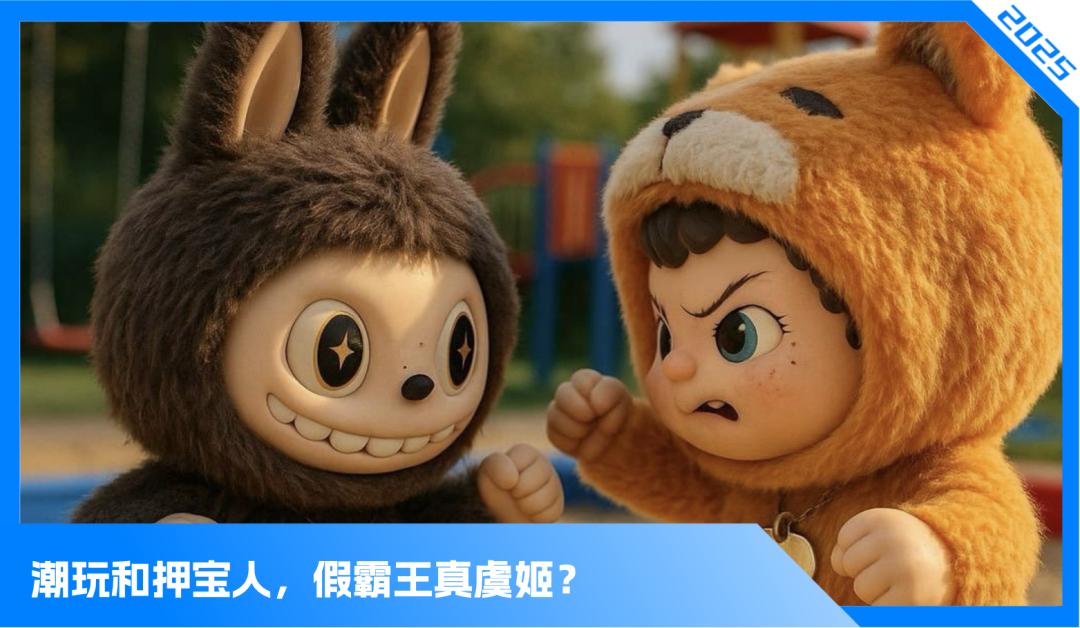
中国潮玩出海2.0:Labubu之外还有什么杀招?
创业邦· 2025-07-02 09:49
Core Viewpoint - The Chinese潮玩 (trendy toys) industry is experiencing significant growth in overseas markets, transitioning from the 1.0 era to the 2.0 era, characterized by increased competition and innovation in product offerings [4][6]. Group 1: Market Expansion and Competition - The潮玩 market is expanding rapidly overseas, particularly in regions like Southeast Asia, Japan, and Europe, with many Chinese companies entering these markets [4][6]. - The competition among潮玩 manufacturers has intensified, leading to a phenomenon known as "involution," where companies are innovating in product design, marketing strategies, and supplementary products [5][6]. - The overseas潮玩 market has seen a surge in demand, with companies reporting significant revenue growth, such as泡泡玛特's overseas revenue reaching 50.7 billion yuan, a 375.2% increase year-on-year [32]. Group 2: Product Innovation - The潮玩 industry is witnessing a shift in product forms, with搪胶毛绒玩具 (rubber plush toys) becoming dominant, combining visual appeal with tactile experiences [13][14]. - Companies are exploring new product forms, including scented潮玩, to enhance emotional connections with consumers [16][18]. - The trend of creating personalized accessories for潮玩 is growing, with factories in China producing clothing and accessories tailored to popular潮玩 characters [23][27]. Group 3: Marketing Strategies - The use of TikTok for marketing and sales has proven effective, with significant sales generated through live streaming and viral content [20][21]. - Companies are leveraging social media influencers to boost product visibility, as seen with celebrities promoting Labubu, leading to substantial sales figures [20][21]. - Despite the success in some regions, challenges remain in markets like Southeast Asia and Japan, where live streaming sales have not gained traction due to cultural differences [19][21]. Group 4: Market Challenges and Risks - The潮玩 industry faces uncertainties in various markets, with economic fluctuations impacting sales and growth potential [31][35]. - Companies are cautious about entering new markets, particularly in regions like the Middle East and Japan, where cultural and economic factors pose challenges [36][37]. - Tariff issues in the U.S. market continue to be a concern for潮玩 companies, affecting pricing and competitiveness [37].
泡泡玛特把消费VC带火了
投中网· 2025-07-02 04:07
Core Viewpoint - The article highlights the resurgence of consumer venture capital (VC) in the context of the booming market for trendy toys, particularly focusing on the success of Pop Mart and its impact on the investment landscape in Hong Kong [4][10]. Group 1: Pop Mart's Success - Pop Mart's founder, Wang Ning, recently became the richest person in Henan, with the company's market value reaching 300 billion HKD, driven by the popularity of its blind box products [2][10]. - The company's transformation began in 2016 when it pivoted from traditional toy retail to trendy toys, significantly increasing its market presence [6][10]. - Pop Mart's 2024 financial report showed a revenue of 13.04 billion CNY, a year-on-year increase of 106.9%, and an adjusted net profit of 3.4 billion CNY, up 185.9% [10]. Group 2: Investment Landscape - The success of Pop Mart has reignited interest among VCs, with many expressing anxiety over missing out on such lucrative opportunities [3][4]. - Notable investors like Sequoia and Qiming Venture Partners have seen substantial returns from their early investments in Pop Mart, with some achieving over 100 times their initial investment [11][12]. - The article notes a wave of IPOs in the trendy toy sector, with companies like 52TOYS and TOP TOY preparing to enter the market, indicating a broader trend in consumer-focused investments [14]. Group 3: Changing Consumer Dynamics - The article discusses a shift in consumer behavior, particularly among younger generations (ages 18-30), who prioritize emotional resonance and community identity over mere functionality in products [8][10]. - Pop Mart's customer base is predominantly female (68%), and the average transaction value has increased from 128 CNY in 2019 to 412 CNY in 2024, reflecting changing consumer preferences [8][10]. - The concept of "emotional value" in consumer products is emphasized, with Pop Mart's blind boxes creating a dopamine-driven experience that appeals to consumers' desires for surprise and excitement [7][8]. Group 4: Future Outlook - Despite the current enthusiasm for consumer investments, some VCs remain cautious, noting that the landscape has changed significantly since the peak of consumer investment in 2021 [18][21]. - The article suggests that successful investment in the consumer sector will require a more nuanced understanding of market dynamics and consumer preferences, particularly in niche areas like trendy toys and emotional consumerism [20][21]. - The potential for significant returns in the consumer sector is still present, but investors must be discerning and strategic in their approach [21].

国泰海通:中国及东南亚IP玩具市场高增 关注三大环节投资机会
智通财经网· 2025-06-30 06:24
Group 1: Market Overview - The global IP toy market is expected to reach a GMV of 525.1 billion yuan in 2024, with China and Southeast Asia projected to achieve GMVs of 75.6 billion yuan and 18.1 billion yuan respectively, and CAGRs of 17.2% and 20% from 2024 to 2029 [1] Group 2: Upstream IP Development - Pop Mart's original IPs have gained global popularity, expanding from Molly in 2017 to multiple successful IPs by 2022, with projected revenues of 8.08 billion yuan from the top five IPs in 2024, a year-on-year increase of 130.7% [1] - The fastest-growing IPs include The Monsters, Hirono, and Molly, with growth rates of 726.6%, 106.9%, and 105.2% respectively [1] - Alibaba's IP licensing platform, Aliyu, has signed contracts with hundreds of quality IPs since its establishment in 2016, leveraging Alibaba's e-commerce platform to connect brands and consumers [1] Group 3: Midstream Development - KAYOU leads the domestic card game industry with a GMV of 18.7 billion yuan in 2024, capturing a market share of 71.1% [2] - BLUKO has emerged as the top player in the building block toy sector with a GMV of 1.7 billion yuan in 2023, holding a market share of 30.3% [2] - Copper Master, a leading brand in copper cultural and creative products, is projected to exceed 500 million yuan in GMV in 2024, with a market share of 35% [2] - 52TOYS operates with both proprietary and licensed IPs, planning to have 35 proprietary IPs and 80 licensed IPs by the end of 2024, with over 500 new SKUs launched annually [2] Group 4: Downstream Channels - Pop Mart has set a benchmark for direct sales models, increasing its number of stores from 329 to 401 between 2022 and 2024, while TOPTOY's stores grew from 8 to 40 [3] - In 2024, the GMV for Pop Mart and TOPTOY stores in mainland China is expected to be 3.83 billion yuan and 1.15 billion yuan respectively, with single-store revenues of 10.02 million yuan and 5.42 million yuan [3] - The success of Pop Mart is attributed to the strong sales of its proprietary IP products like The Monsters and Molly, resulting in significantly higher store efficiency [3]

刚刚,中国人又喝出一个IPO
投资界· 2025-06-30 03:19
Core Viewpoint - IFBH Limited, known for its coconut water brand "if," successfully listed on the Hong Kong Stock Exchange with a significant opening increase of nearly 58%, reaching a market capitalization close to 12 billion HKD [1][2]. Company Overview - The founder of IFBH, Pongsak Pongsak, is from a prominent Thai business family and has a strong educational background in business management from the United States [4][5]. - Pongsak established General Beverage in 2011, focusing on beverage manufacturing and distribution, which later led to the creation of the "if" brand in 2013 [5][7]. - The company invested 160 million USD in advanced technology to address the oxidation issue of coconut water, establishing a production line in Thailand [7]. Market Performance - IF has dominated the coconut water market in Hong Kong and mainland China, achieving a market share of approximately 60% in Hong Kong and 34% in mainland China by 2024 [8][13]. - The company reported revenues of 87.44 million USD in 2022, projected to grow to 157.65 million USD in 2024, reflecting an 80.3% year-on-year growth [10][15]. Revenue Breakdown - The majority of IF's revenue comes from mainland China, accounting for 145.66 million USD (92.4%) in 2024, up from 91.4% in 2023 [13][15]. - The product portfolio includes natural coconut water, other beverages, and plant-based snacks [11]. Competitive Landscape - The rise of coconut water in China was significantly influenced by the popularity of products like Luckin Coffee's "Coconut Latte," which helped elevate coconut water's market status [16]. - IF faces increasing competition from local brands that are launching new coconut water products, intensifying market rivalry [18]. IPO Context - The IPO of IFBH is part of a broader trend of active listings on the Hong Kong Stock Exchange, with multiple companies, including Yunzhisheng and Taide Pharmaceutical, also going public [20][22]. - The Hong Kong market is experiencing a resurgence in IPO activity, with over 40 companies expected to list in the first half of the year, indicating a favorable environment for new listings [22][24].

为什么说潮玩行业不需要第二个POPMART,但需要一个52TOYS?
3 6 Ke· 2025-06-27 02:12
Core Insights - The competition in the Chinese trendy toy market is evolving, with 52TOYS emerging as a significant player alongside Bubble Mart, focusing on original IP incubation and community building rather than the blind box model [1][2][5] - 52TOYS represents a shift towards a content-driven model in the trendy toy industry, emphasizing the importance of content assetization and long-term brand development [1][3][23] - The company aims to create a new paradigm in the industry, moving from a product-centric approach to a content asset model, which could enhance its long-term capital value [22][23][24] Market Dynamics - The trendy toy market is projected to exceed 100 billion yuan by 2026, with an annual growth rate of over 22% [8] - Consumer demand is shifting towards deeper content engagement, with model-based toys gaining traction over traditional blind box products [8][10] - 52TOYS is attempting to define a new market segment by focusing on high-recognition, long-lifecycle IPs [8][10] Business Model - 52TOYS differentiates itself by emphasizing the construction of IP worldviews and original content, rather than relying solely on popular character products [11][12][14] - The company’s product complexity and higher price points (ranging from 109 to 299 yuan per SKU) suggest a focus on quality and longevity, contrasting with the fast-paced turnover typical of blind box products [14][19] - 52TOYS has established a comprehensive online sales strategy and is expanding its presence in international markets, with overseas sales contributing a significant portion of its revenue [15][19] Growth Engines - The growth strategy of 52TOYS is built on three engines: original IP content development, industrial product capabilities, and a multi-channel distribution strategy [10][15][25] - The company’s approach to IP development is akin to that of animation and gaming companies, focusing on creating a sustainable content ecosystem [11][12][22] - 52TOYS is transitioning from a project-based model to an asset-based model, which could enhance its long-term value and market positioning [26][27] Financial Considerations - The gross margin for 52TOYS is reported at 39.9%, with proprietary IP yielding a higher margin of 42.5%, indicating a focus on quality and brand strength [17][19] - The company’s financial model is characterized by a longer product lifecycle and a focus on high-repurchase rates, contrasting with the rapid turnover model of competitors [19][20] - The investment in R&D and content development is substantial, suggesting a long-term vision that may lead to significant returns once the model is fully established [20][21] Strategic Outlook - 52TOYS is positioned to become a leader in the content-driven trendy toy market, with the potential to create a robust content asset model that can transcend traditional product sales [22][23][24] - The company faces challenges in transitioning its organizational structure and financial model to support this new direction, requiring a focus on stability and long-term growth [29][30][31] - The ultimate success of 52TOYS will depend on its ability to build a sustainable content ecosystem and effectively penetrate global markets [31][32]
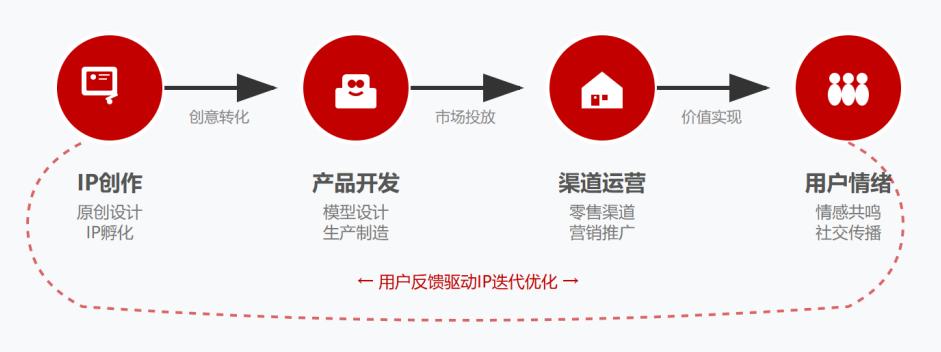
小小潮玩撬动IP大市场 中国制造走向中国创造
Zheng Quan Ri Bao· 2025-06-25 16:40
Core Insights - The rise of the潮玩 (trendy toy) industry in China is reshaping consumer perceptions and investment opportunities, with companies like泡泡玛特 (Pop Mart) leading the charge [1][3][11] - The潮玩 sector is experiencing a surge in IPOs and investments, indicating growing confidence in its business model and market potential [2][3][5] Investment Trends - Several潮玩 companies, including卡游 (KAYOU) and52TOYS, are preparing for IPOs in Hong Kong, reflecting a shift in market sentiment towards this previously overlooked sector [2][3] - The price-to-earnings ratio for second-tier潮玩 brands has increased significantly, from 8 times in 2024 to 15 times, indicating heightened investor interest [3] Market Dynamics - The潮玩 market is expanding rapidly, with泡泡玛特's stock price increasing over 200% since the beginning of the year, showcasing its commercial viability [3] - The demand for潮玩 products is not only growing domestically but also internationally, with exports to Southeast Asia and the U.S. increasing by 40% to 80% [10] Consumer Engagement - The target audience for潮玩 is diversifying, with more families and children participating in潮玩 events and exhibitions, indicating a broader market appeal [5] - The number of潮玩 industry exhibitions has surged, with over 200 exhibitors at recent events, highlighting the sector's growing popularity [5] Traditional Industry Impact -潮玩 brands are revitalizing traditional retail spaces, with some shopping malls reporting significant increases in foot traffic and sales after introducing潮玩 stores [6][8] - Small local businesses are benefiting from潮玩 products, which offer quick returns and low investment, thus supporting local economies [7] Future Outlook - The潮玩 industry is expected to continue its growth trajectory, driven by strong design capabilities and a robust manufacturing base in China [11] - Companies with strong IP and operational capabilities are likely to attract more investment, as the market matures and evolves [12]
新晋潮玩IP WAKUKU走红 IP金融化引担忧
Xin Hua Cai Jing· 2025-06-24 07:39
Core Viewpoint - The recent popularity of the "WAKUKU" blind box toy in the潮玩 market is attributed to its perceived high cost-performance ratio compared to other popular IP products like LABUBU, with significant stock price increases for its parent companies, 乐华娱乐 and 量子之歌 [1][5]. Company Insights - WAKUKU is a collaboration between 乐华娱乐's subsidiary and 量子之歌, and it has gained traction through strategies similar to LABUBU, including celebrity endorsements and pop-up stores [2][3]. - 乐华娱乐's stock price has surged over 450% since May, while 量子之歌's stock in the US has seen a maximum increase of 110% during the same period, indicating strong market interest in IP assets [5]. - The company behind WAKUKU has successfully launched multiple products, with the 毛毛系列 blind box initially priced at 89 yuan, now trading at 144 yuan on resale platforms [2][3]. Industry Trends - The潮玩 market in China is projected to grow from 1,742 billion yuan in 2024 to 3,357 billion yuan by 2029, driven by rising disposable incomes and the emergence of new IPs [7]. - The trend of "financialization" in the IP sector is raising concerns, as the rapid increase in demand may lead to supply shortages and the transformation of IP products into speculative assets, posing potential bubble risks [7]. - Major players in the industry, such as 泡泡玛特, are leveraging extensive IP portfolios to drive revenue growth, with LABUBU alone contributing 30.4 billion yuan, reflecting a staggering year-on-year increase of 726.6% [6].