京东方

Search documents
“智造长三角,链动全生态” 2025长三角高端产业创新暨具身智能发展大会成功举办
Zhong Guo Xin Wen Wang· 2025-09-26 01:12
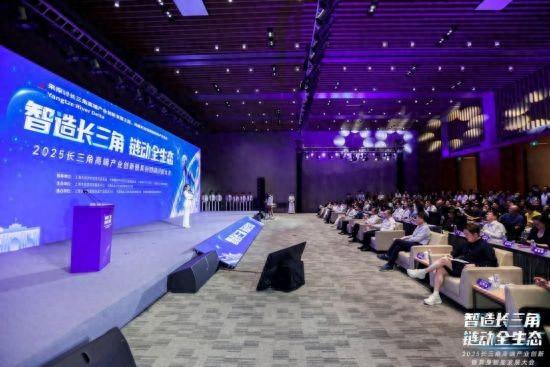
Core Insights - The 2025 China International Industrial Expo Long Triangle High-end Industry Innovation and Embodied Intelligence Development Conference was successfully held in Shanghai, focusing on high-quality development in the high-end and embodied intelligence industries [2][12] - The conference gathered over 200 enterprises and 300 guests from the Yangtze River Delta region to discuss industrial innovation directions [2] Group 1: Industry Development - Shanghai is accelerating the construction of a world-class embodied intelligence industry cluster, having established a complete industrial chain from core components to integrated services [2] - The Long Triangle Embodied Intelligence Industry Alliance was established to promote cross-regional collaborative innovation through a government-led, market-driven approach [4] - The Shanghai Long Triangle Intelligent Manufacturing Industry Promotion Center aims to create a trillion-level intelligent manufacturing industry ecosystem [6] Group 2: Strategic Initiatives - Changning District is positioning itself as a global innovation hub for embodied intelligence robotics, leveraging its unique geographical advantages and a supportive business environment [3] - The "AI+" initiative is being implemented to empower high-end industrial development, with a focus on creating a future industrial innovation cluster [8] - The conference included direct communication between industry leaders and district leaders to address issues such as scene landing bottlenecks and policy support needs [9] Group 3: Collaborative Efforts - The establishment of the intelligent manufacturing supply-side alliance aims to integrate local enterprises, research institutions, and service providers to enhance the overall level of intelligent manufacturing [6] - The conference featured discussions on the application of embodied intelligence technology in various industrial scenarios, highlighting its potential to drive a new technological revolution [7] - A series of closed-door meetings facilitated deep connections and practical negotiations among over 30 leading enterprises, resulting in preliminary cooperation intentions [11]

青岛打造北方高质量发展新增长极
Qi Lu Wan Bao· 2025-09-25 22:27
Economic Development - Qingdao's GDP is projected to reach 1,671.95 billion yuan in 2024, with a growth rate of 5.7%, ranking second among national sub-provincial cities [2] - The city is focusing on urban agglomeration construction to break administrative barriers and reshape the regional economic landscape, aiming for high-quality development in northern China [2] Transportation Infrastructure - Qingdao is enhancing its transportation infrastructure to create a "one-hour commuting circle," connecting various cities and significantly reducing travel times [3][4] - The completion of the Laiyong and Weiyang railways has established a high-speed rail network around the Jiaodong Peninsula, facilitating better connectivity [4] - The "Qingdao Urban Circle Transportation Integration Special Action Plan" outlines a comprehensive transportation network, including a high-speed rail and highway system [3][4] Industrial Collaboration - Qingdao is leveraging its central city status to optimize regional industrial layout and promote collaborative development, particularly in the marine economy [5] - The city has seen significant industrial cluster effects, with the shipbuilding and marine engineering industry cluster accounting for over 90% of the province's output [5] - Collaborative projects in virtual reality and automotive supply chains are enhancing cross-city industrial synergies [5] Innovation Ecosystem - Qingdao is fostering an innovation ecosystem through various initiatives, including the establishment of industrial internet platforms and agricultural IoT transformations [6] - The "Chain Ten Thousand Enterprises" platform is facilitating cooperation across multiple industries, enhancing technological collaboration [6] Public Services Integration - The Qingdao urban circle is implementing cross-regional public service integration, allowing for streamlined administrative processes and improved service delivery [7][8] - Initiatives such as the "Cloud Handshake" alliance are enabling efficient handling of business operations across city borders [7] Future Outlook - By 2025, Shandong is expected to become the first province in northern China to reach a GDP of 10 trillion yuan, with Qingdao playing a pivotal role in this transformation [9] - The Qingdao urban circle is redefining regional economic geography through enhanced connectivity and collaborative governance, aiming for a more integrated and competitive economic landscape [9]
由厚到薄!三利谱从“一无所有”到“自主可控”
Shang Hai Zheng Quan Bao· 2025-09-25 18:15
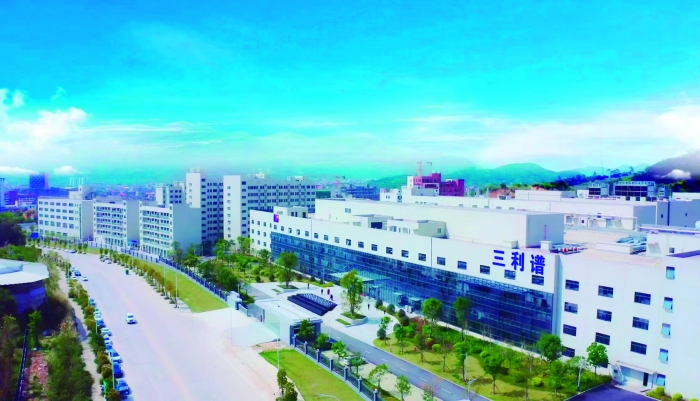
Core Viewpoint - The company Sanli Pu has successfully transformed from a reliance on imported polarizers to becoming a leader in the global market, capturing 80% of the market share alongside two other domestic firms, showcasing a journey from "nothing" to "self-sufficiency" in the polarizer industry [2][3]. Group 1: Company Development - Sanli Pu was established in 2007, starting from scratch with no technology, equipment, or talent, and faced significant challenges due to foreign companies' refusal to share technology [3][4]. - The company built its first full-process polarizer production line in Putian, Fujian, after three years of development, marking a significant breakthrough from having no production capabilities [3][4]. - By 2010, the company recognized the need for a wide-format production line for the panel industry and managed to build it for only 1 billion yuan, which was one-seventh of the cost of importing Japanese equipment [4]. Group 2: Material Localization - Sanli Pu began to extend upstream in 2018, actively supporting domestic suppliers to overcome the high technical barriers in key materials such as base films, adhesives, and dyes, which were previously 80% reliant on imports [5][6]. - The localization rate of raw materials has exceeded 50%, with expectations to reach 80% by next year, potentially reducing costs by an additional 15% to 20% [6]. Group 3: Technological Innovation - The company has achieved significant advancements in reducing the thickness of polarizers, developing a 35-micron ultra-thin polarizer that is suitable for emerging applications like foldable screens and VR glasses [6][7]. - Sanli Pu has developed a high-durability dye-based polarizer for automotive displays, breaking the long-standing monopoly of Japanese companies in this sector [7]. - The company has also made strides in the VR/AR field with its Pancake optical film technology, addressing critical challenges in optical design for next-generation near-eye display devices [7]. Group 4: Financial Performance - In the first half of 2025, Sanli Pu achieved a revenue of 1.68 billion yuan, marking a year-on-year increase of 41.97%, with the second quarter revenue reaching 874 million yuan, reflecting strong growth momentum [7].

小米17向高端化迈进 供应链公司加速协同布局
Shang Hai Zheng Quan Bao· 2025-09-25 18:15
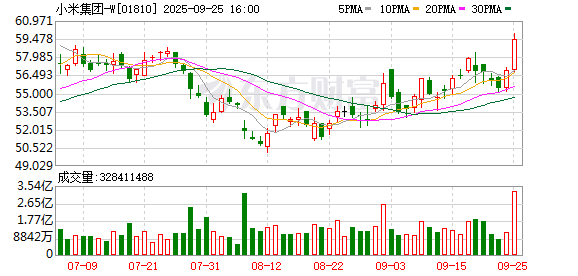
Core Insights - The smartphone market is entering a phase of stock competition, with high-end positioning becoming essential for domestic brands to seek breakthroughs and growth [3] - Xiaomi launched its flagship Xiaomi 17 series, which aims to directly compete with the iPhone, marking a significant product strategy upgrade [4] Group 1: Xiaomi's High-End Strategy - Xiaomi's CEO Lei Jun described the Xiaomi 17 series as a "stunning transformation," emphasizing a cross-generational upgrade in product capabilities [4] - The Xiaomi 17 series includes three models: Xiaomi 17, Xiaomi 17 Pro, and Xiaomi 17 Pro Max, skipping the "Xiaomi 16" naming to signify a leap in product evolution [4] - Over the past five years, Xiaomi has invested over 100 billion yuan in R&D, with plans to increase this investment to 200 billion yuan over the next five years [4] Group 2: Imaging Technology Advancements - The imaging system is a focal point in the competition among high-end flagship smartphones, with Xiaomi's 17 Pro series introducing advanced technology to tackle backlight photography challenges [4] - The series features the third-generation mobile imaging technology LOFIC, achieving the highest dynamic range for sensors in Xiaomi's history [4] Group 3: Supply Chain Developments - The launch of the Xiaomi 17 series reflects a broader trend of domestic smartphones targeting the high-end market, supported by an efficient and innovative supply chain [6] - Companies within Xiaomi's supply chain are showcasing new products and technologies, indicating robust growth and innovation in the consumer electronics sector [6] Group 4: Industry Trends and Company Performance - O-film highlighted three future upgrade directions in the mobile optics industry: larger sensors for main and telephoto cameras, faster adoption of periscope telephoto modules, and broader application of hybrid lens structures [5] - BOE reported a 7.5% year-on-year increase in OLED shipments, with a focus on high-end product structure transformation [7] - Several companies, including O-film and STMicroelectronics, reported significant revenue growth in their smartphone-related businesses, driven by innovative product launches and increased market demand [7][6]

由厚到薄! 三利谱从“一无所有”到“自主可控”
Shang Hai Zheng Quan Bao· 2025-09-25 18:14
Core Viewpoint - The article highlights the significant progress made by Sanli Pu in the polarized film industry, showcasing its transformation from a market reliant on imports to a leading domestic player with a substantial global market share. Group 1: Company Development - Sanli Pu has achieved a breakthrough in polarized film production, moving from a state of having no technology or resources to establishing itself as a key player in the industry [3][4]. - The company was founded in 2007 and faced initial challenges, including a lack of technology, equipment, and talent, but successfully built its first full-process production line in Fujian after three years [4][5]. - By 2010, Sanli Pu constructed the first wide-format TFT polarized film production line in China at a cost of approximately 100 million yuan, significantly lower than the 700-800 million yuan required for imported equipment [5]. Group 2: Market Position and Innovation - Sanli Pu, along with two other domestic companies, now holds an 80% share of the global polarized film market, a significant shift from the previous reliance on Japanese and Korean imports [3][6]. - The company has increased its domestic raw material sourcing, achieving over 50% localization of key materials, with plans to reach 80% by next year, which could reduce costs by 15% to 20% [6][8]. - Sanli Pu has developed ultra-thin polarized films, reducing thickness from 200 microns to 35 microns, enabling applications in emerging fields such as foldable screens and VR devices [7][9]. Group 3: Technological Advancements - The company has made strides in the automotive display sector, developing high-durability polarized films that have passed multiple automotive-grade certifications, breaking the long-standing dominance of Japanese firms [9][10]. - Sanli Pu's Pancake optical film technology addresses critical challenges in folded optical path design for next-generation near-eye display devices, marking a significant technological advancement [10]. - In the first half of 2025, Sanli Pu reported a revenue of 1.68 billion yuan, a year-on-year increase of 41.97%, indicating strong growth momentum [10].
企业竞争图谱:2025年智能座舱显示,头豹词条报告系列
Tou Bao Yan Jiu Yuan· 2025-09-25 12:30
Investment Rating - The report does not explicitly state an investment rating for the smart cockpit display industry Core Insights - The smart cockpit display industry in China is rapidly developing due to the continuous impact of automotive upgrades and advancements in electronic technology, with new technologies such as OLED, Mini LED, Micro LED, and AR-HUD accelerating their application [4] - The industry is characterized by trends towards larger and more integrated displays, diversification of display technologies, and the rise of a competitive local supply chain [16][19] - The market size of the smart cockpit display industry is projected to grow from 20.406 billion RMB in 2021 to 30.269 billion RMB in 2024, with a compound annual growth rate (CAGR) of 14.05% [34] Industry Definition - Smart cockpit display refers to the devices and technologies installed inside vehicles to present various information, playing a key role in human-vehicle interaction [5] Industry Classification - The smart cockpit display industry can be classified based on the location of the display screens, including central control screens, passenger screens, instrument screens, head-up displays (HUD), and rearview mirrors [6][8][9][10][11] Industry Characteristics - The industry features a trend towards larger and multi-screen configurations, with significant advancements in display technology and the emergence of a robust local supply chain [16] Development Phases - The industry has evolved from reliance on imports to local production capabilities, transitioning from single-function displays to advanced, integrated systems [20][22][23] Industry Chain Analysis - The industry chain consists of upstream components, midstream module manufacturing and system integration, and downstream markets for original equipment manufacturers (OEMs) and aftermarket retailers [24][25][33] Market Size and Growth - The smart cockpit display market is expected to grow significantly, driven by increasing automotive sales and the demand for advanced display technologies [34][35] Competitive Landscape - The global smart cockpit display industry is highly concentrated, with leading companies like BOE and Tianma holding significant market shares due to their technological advantages and scale [42][43]


9月25日深证国企股东回报R(470064)指数跌0.26%,成份股山金国际(000975)领跌
Sou Hu Cai Jing· 2025-09-25 10:02
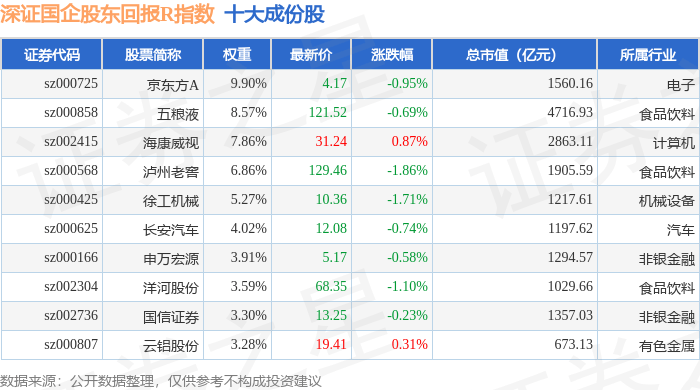
Core Points - The Shenzhen State-Owned Enterprises Shareholder Return Index (470064) closed at 2208.54 points, down 0.26% with a trading volume of 29.484 billion yuan and a turnover rate of 1.28% [1] - Among the index constituents, 13 stocks rose while 37 stocks fell, with Tongling Nonferrous Metals leading the gainers at an 8.12% increase and Shanjin International leading the decliners at a 2.71% decrease [1] Index Constituents Summary - The top ten constituents of the Shenzhen State-Owned Enterprises Shareholder Return Index are as follows: - BOE Technology Group (sz000725) with a weight of 9.90%, latest price at 4.17 yuan, down 0.95%, total market value of 156.016 billion yuan [1] - Wuliangye Yibin (sz000858) with a weight of 8.57%, latest price at 121.52 yuan, down 0.69%, total market value of 471.693 billion yuan [1] - Hikvision (sz002415) with a weight of 7.86%, latest price at 31.24 yuan, up 0.87%, total market value of 286.311 billion yuan [1] - Luzhou Laojiao (sz000568) with a weight of 6.86%, latest price at 129.46 yuan, down 1.86%, total market value of 190.559 billion yuan [1] - XCMG Machinery (sz000425) with a weight of 5.27%, latest price at 10.36 yuan, down 1.71%, total market value of 121.761 billion yuan [1] - Changan Automobile (sz000625) with a weight of 4.02%, latest price at 12.08 yuan, down 0.74%, total market value of 119.762 billion yuan [1] - Shenwan Hongyuan (sz000166) with a weight of 3.91%, latest price at 5.17 yuan, down 0.58%, total market value of 129.457 billion yuan [1] - Yanghe Brewery (sz002304) with a weight of 3.59%, latest price at 68.35 yuan, down 1.10%, total market value of 102.966 billion yuan [1] - Guosen Securities (sz002736) with a weight of 3.30%, latest price at 13.25 yuan, down 0.23%, total market value of 135.703 billion yuan [1] - Yunnan Aluminum (sz000807) with a weight of 3.28%, latest price at 19.41 yuan, up 0.31%, total market value of 67.313 billion yuan [1] Capital Flow Analysis - The index constituents experienced a net outflow of 1.399 billion yuan from institutional investors, while retail investors saw a net inflow of 1.023 billion yuan [1] - The detailed capital flow for selected stocks includes: - Hualing Steel (000932) with a net inflow of 95.616 million yuan from institutional investors [2] - HeSteel (000709) with a net inflow of 29.287 million yuan from institutional investors [2] - XCMG Machinery (000425) with a net inflow of 12.895 million yuan from institutional investors and a net inflow of 14.169 million yuan from speculative funds [2]

维信诺8.6代OLED产线采购新设备
WitsView睿智显示· 2025-09-25 09:51
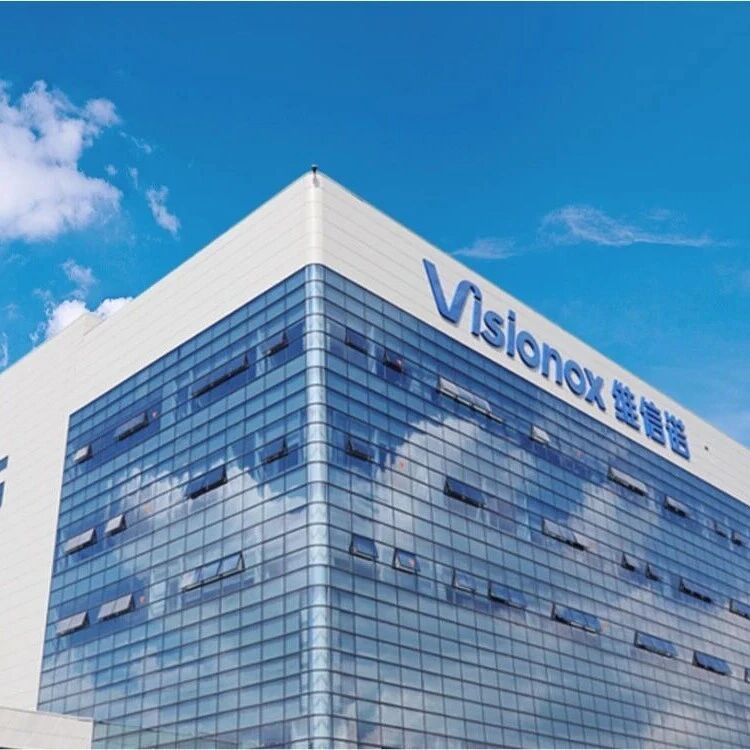
Core Viewpoint - The article highlights the growing investment trend in the OLED panel manufacturing sector in China, with significant contracts and collaborations emerging between key players in the industry [2][3]. Group 1: Company Developments - AP Systems has signed an exclusive equipment supply contract with Visionox to provide ELA (Excimer Laser Annealing) equipment for its 8.6-generation OLED production line in Hefei (V5) [2]. - The ELA equipment is crucial for the TFT process, converting amorphous silicon (a-Si) into polycrystalline silicon (p-Si), which enhances the electronic transmission speed of LTPS and LTPO OLEDs by over 100 times, significantly impacting energy consumption and image quality of high-resolution OLED panels [2]. - AP Systems is also expected to receive orders for its laser lift-off (LLO) equipment, indicating a strengthening of partnerships with major OLED panel manufacturers in China [2][3]. Group 2: Industry Investment Trends - The Chinese display industry is experiencing a surge in investments from OLED panel manufacturers, with Visionox advancing a total investment of 55 billion yuan for the Hefei V5 production line [3]. - BOE initiated the construction of its 8.6-generation OLED production line (B16) in Chengdu with a total investment of 63 billion yuan last year [3]. - TCL Huaxing announced a planned investment of 29.5 billion yuan to build an 8.6-generation printed OLED production line (t8), expected to commence construction in the second half of 2025 [3]. - There are also reports of Tianma planning investments in 8.x generation OLED production lines, further indicating the industry's growth trajectory [3].

智能眼镜出货量暴增,光峰科技、利亚德等A股企业竞逐 AR 光学赛道
Xin Lang Zheng Quan· 2025-09-25 08:25
Group 1: Industry Overview - AI glasses are emerging as the next potential category following smartphones and smartwatches, with global shipments expected to exceed 10 million units within 2-3 years due to lower price barriers and improved application ecosystems [1] - In the first half of 2025, global smart glasses shipments surged by 110% year-on-year, with AI-enabled smart glasses accounting for 78% of the total, a significant increase from 46% in the first half of 2024 and 66% in the second half of 2024 [1] Group 2: Company Developments - Guangfeng Technology launched an innovative "LCoS + PVG optical waveguide" AR glasses solution, which reduces hardware costs and complexity by using a single optical engine for dual-eye display, potentially lowering retail prices to the range of 1500-2000 yuan [2][3] - Leyard's AR glasses, integrating Micro LED technology and AI, are set to launch in October 2025, targeting B-end customers in sectors like tourism and healthcare, with a focus on customized solutions [4][5] - BOE and Huacan's Micro LED display module was showcased, featuring a peak brightness of 400W nit, indicating advancements in display technology for AR applications [6] - NewXiangwei is expanding its product matrix to include display driver chips for AR glasses, aiming to cover multiple display scenarios and enhance its market presence [8] - OmniVision's LCoS microdisplay is being supplied to Meta's first AR glasses, with an expected shipment of 150,000 to 200,000 units over two years [9] - GoerTek is investing 400 million yuan to strengthen its micro-nano optics layout, enhancing its competitiveness in the VR/AR sector [10][11] - Jiahe Intelligent's acquisition of Beyerdynamic aims to enhance its AR/AI glasses capabilities, leveraging Beyerdynamic's expertise in audio technology [12] - Luxshare Precision showcased a new generation of full-color AR glasses with extended battery life and advanced features, while also ramping up production for Meta's next-generation AR glasses [13][14][15] - Lens Technology is accelerating the mass production of AI glasses, positioning itself as a core supplier in the North American market [16][17] - Crystal Optoelectronics reported a 79% revenue increase in automotive AR applications, indicating strong growth potential in this segment [18] - United Optoelectronics is focusing on building a comprehensive AR glasses production system, collaborating with Yiwentech to enhance its technological capabilities [20]

政策促进AI消费电子落地,消费电子ETF(561600)涨超1.1%盘中价格再创新高,连续3天净流入
Xin Lang Cai Jing· 2025-09-25 03:05
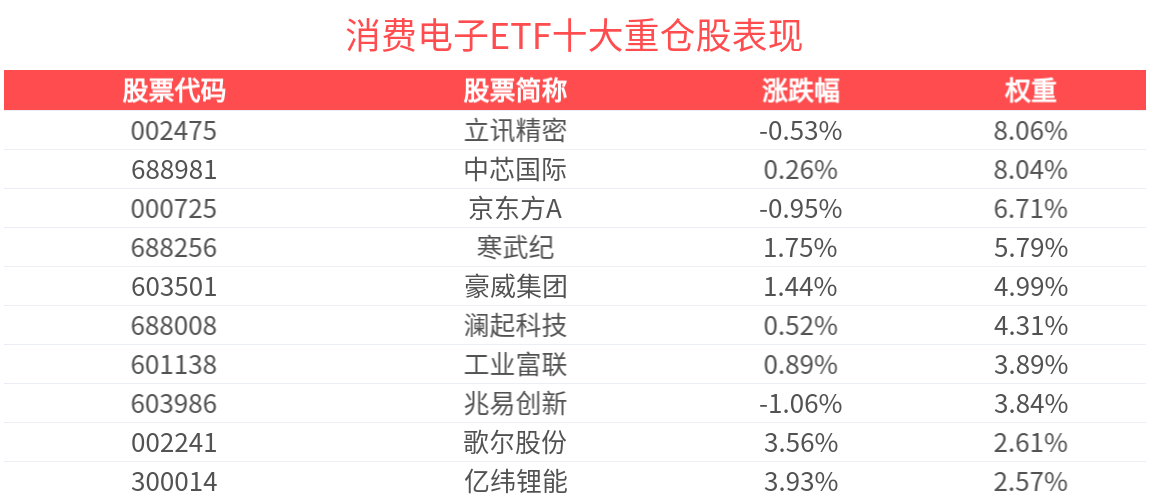
Core Insights - The Ministry of Commerce and eight other departments issued guidelines to promote digital consumption, emphasizing the development of artificial intelligence (AI) products and increasing the supply of smart devices [1] - The guidelines set specific targets for the penetration rates of smart terminals, aiming for 70% by 2027 and 90% by 2030, indicating significant potential for market growth [1] - The consumer electronics sector is expected to be one of the first areas to benefit from these initiatives, with a focus on low-priced electronic products [1] Industry Summary - The consumer electronics theme index (931494) saw a strong increase of 1.11% as of September 25, 2025, with notable gains in stocks such as Huagong Technology (10.00%), Dingsheng Technology (7.65%), and Tongfu Microelectronics (4.90%) [1] - The consumer electronics ETF (561600) rose by 1.15%, with a recent price of 1.32 yuan, and has accumulated a 7.62% increase over the past week [1] Company Summary - The top ten weighted stocks in the consumer electronics theme index account for 54.8% of the index, including companies like Cambricon (688256), Luxshare Precision (002475), and SMIC (688981) [2] - The performance of key stocks varies, with Luxshare Precision down by 0.53%, SMIC up by 0.26%, and BOE Technology Group down by 0.95% [4]