乐聚机器人

Search documents
宇树、乐聚、智元共同冲击IPO,谁将拔得头筹?
21世纪经济报道· 2025-11-10 11:20
Core Viewpoint - The article discusses the recent developments in the humanoid robotics sector in China, highlighting the competitive landscape among leading companies such as Zhiyuan Robotics, Yushu Technology, and Leju Robotics, all of which are preparing for IPOs and showcasing different strategies for growth and market penetration [2][3][14]. Company Developments - Zhiyuan Robotics has completed a share reform and changed its name to Zhiyuan Innovation (Shanghai) Technology Co., Ltd., transitioning from a limited liability company to a joint-stock company [1]. - Leju Robotics announced the completion of nearly 1.5 billion yuan in Pre-IPO financing, marking one of the largest single financing rounds in the domestic humanoid robotics field this year [2]. - Yushu Technology has also completed a share reform and initiated IPO counseling, aiming for a listing on the Sci-Tech Innovation Board [2]. Competitive Landscape - The three companies—Zhiyuan Robotics, Yushu Technology, and Leju Robotics—are emerging as the leading players in the humanoid robotics sector, each adopting different paths to market entry and growth [2][3]. - The competition among these companies is characterized by a blend of capital, technology, and commercialization strategies, indicating a complex battle for market dominance [3]. Financing Strategies - Leju Robotics' financing strategy involves a diverse mix of local state-owned capital, industrial capital, and financial institutions, which enhances its operational capabilities and market positioning [5][6]. - Zhiyuan Robotics has adopted a more aggressive financing approach, completing over 10 rounds of financing and achieving a valuation of 15 billion yuan by 2025, supported by major investors like Hillhouse Capital and Tencent [6][7]. - Yushu Technology has completed over 11 rounds of financing, with backing from top financial institutions and industry giants, positioning itself as a strong contender for the first humanoid robotics IPO [7]. Technological Approaches - Yushu Technology focuses on a clear product line with high-performance and cost-effective models, achieving over 90% localization of core components to control costs [9][11]. - Zhiyuan Robotics emphasizes software-defined flexibility, developing proprietary AI models and operating systems to enhance decision-making capabilities in complex environments [10][12]. - Leju Robotics adopts a pragmatic approach, focusing on engineering capabilities and real-world applications, particularly in industrial settings [11][13]. Commercialization Strategies - Yushu Technology's strategy involves gradual expansion and leveraging popular products to capture market share, evidenced by its G1 model becoming a bestseller [11][12]. - Zhiyuan Robotics aims to establish a platform ecosystem, investing in various industry chain companies to create a comprehensive AI and robotics ecosystem [12][14]. - Leju Robotics focuses on deep integration within specific industrial applications, providing end-to-end solutions and ensuring supply chain stability [13][14]. Future Outlook - The competition among these companies represents an exploration of optimal solutions for technology implementation in the humanoid robotics industry, with the outcome dependent on strategic execution and adaptability to market changes [14].

139笔过亿融资,超600亿真金白银,砸向这些AI公司
3 6 Ke· 2025-11-10 06:59
Core Insights - The AI financing landscape in 2025 is characterized by a shift towards practical applications and revenue generation, moving away from speculative investments in concepts like AGI [1][17][18] Group 1: AI Financing Overview - From January to October 2025, China's AI sector saw 139 financing rounds exceeding 100 million RMB, totaling over 60 billion RMB [1] - Major players in the large model sector, such as 月之暗面, 智谱, and MiniMax, secured over 20 billion RMB in funding, highlighting a trend of headlined financing [3][4] - The embodied intelligence sector has emerged as the most popular area for investment, with 73 companies raising over 20 billion RMB [6] Group 2: Large Models and Multi-Modal Models - Large models have shown significant headlining financing, with 29 rounds totaling 14.2 billion RMB, averaging nearly 500 million RMB per round [3] - Multi-modal models are gaining traction, particularly in video applications, with companies like 生数科技 and 爱诗科技 achieving commercial breakthroughs [5] Group 3: Embodied Intelligence - Embodied intelligence has surpassed large models in funding, with 257 billion RMB raised across 73 financing rounds [6] - Key players like 智元机器人 and 乐聚机器人 are at the forefront, with significant orders and upcoming production milestones [7][8] Group 4: AI Infrastructure - AI infrastructure projects, particularly in AI chips, have seen diverse investments, with 8 rounds focused on AI chips and 6 on computing services [9] - Notable companies like 曦智科技 and 爱芯元智 have secured over 1 billion RMB in funding, indicating a shift towards diversified technology routes in AI chips [9][10] Group 5: AI Applications in Healthcare - Healthcare is the leading sector for AI application financing, with 6 out of 15 major funding rounds occurring in this area, representing 40% of the total [14] - Companies like 联影智能 have successfully integrated AI into medical imaging, demonstrating the commercial viability of AI in healthcare [14][16] Group 6: Future Outlook - The narrative around AI has shifted from dreams to tangible results, with a focus on revenue, orders, and production capabilities [17] - The industry is moving towards a "realism" phase, emphasizing practical applications and market-driven investments [18]
机器人迎来安卓时刻:具识智能重磅推出 insightOS,给机器人装上国产操作系统,共建产业生态
机器人大讲堂· 2025-11-10 04:07
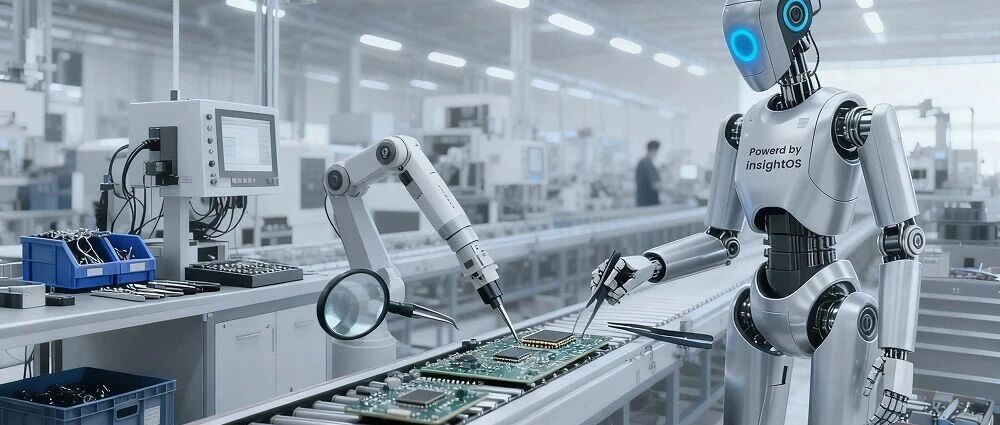
Core Viewpoint - The article discusses the transition of the robotics industry from "automation" to "intelligence," highlighting the role of Professor Li Zhijun and his development of the insightOS, a domestically produced intelligent operating system for robots, aimed at enhancing their autonomous decision-making capabilities [1][4][19]. Group 1: InsightOS Development - The insightOS is designed to address the complexity and flexibility challenges in robot applications, integrating intelligence deeply into the system rather than treating it as an external module [4][5]. - The system aims to achieve robot autonomy by embedding AI capabilities such as perception, reasoning, and planning into the operating system's core services [4][5]. - A unified semantic understanding layer allows non-experts to command robots using natural language, significantly lowering deployment barriers and enabling large-scale collaboration among intelligent agents [5][8]. Group 2: Dynamic Adaptation and Flexibility - InsightOS features dynamic adaptability through built-in elastic scheduling and multi-model collaboration, enabling real-time resource allocation based on complex scene requirements [8]. - The system can autonomously identify anomalies and plan recovery strategies, ensuring stability in dynamic environments, thus addressing the critical challenge of making robots not just "usable" but "effective" [8][9]. Group 3: Ecosystem Construction - The company is building a comprehensive ecosystem that connects application scenarios, hardware adaptation, and algorithm integration, aiming to create a universal system tailored to domestic industry needs [9][10]. - InsightOS has achieved hardware decoupling and capability atomization, allowing compatibility with various robot types, including industrial arms and drones, by abstracting hardware differences into a unified "semantic behavior" [9][10]. - The insight Studio development platform supports rapid integration of third-party algorithm models, significantly reducing the barriers and costs for robot manufacturers in deploying and tuning algorithms [10][12]. Group 4: Vision and Mission - InsightOS aims to create a "self-controllable operating system" for Chinese robots, addressing the reliance on foreign platforms and mitigating data security risks [13][15]. - The system is built on decades of research from Harbin Institute of Technology, ensuring a strong foundation in both operating systems and robotics [15][18]. - The company plans to establish a complete product matrix and has already deployed insightOS in several domestic humanoid robots, receiving industry recognition [18][19].
智元机器人完成股改,具身智能上市潮将至?
Nan Fang Du Shi Bao· 2025-11-10 03:14
Group 1 - The core viewpoint of the article is that Zhiyuan Robotics has completed its share reform and name change, which is often seen as a precursor to an IPO, amidst ongoing speculation about its potential listing in Hong Kong [2] - Zhiyuan Robotics has undergone a series of changes including investor name and equity changes, as well as updates to its executive and supervisory board [2] - Other players in the embodied intelligence sector, such as Yushu Technology and Leju Robotics, are also advancing towards IPOs, with Yushu expected to submit its IPO application by the end of Q4 2025 [2] Group 2 - Zhiyuan Robotics, established only three years ago, has achieved a valuation of 15 billion yuan in the primary market, backed by notable investors including LG Electronics, JD.com, Tencent, BYD, and Sequoia China [3] - The company recently completed the acquisition of 63.6232% of the shares of a new materials company, Shangwei New Materials, through agreement transfer and tender offer [3] - Zhiyuan Robotics is projected to have the highest global shipment volume in the coming year, as stated by the district mayor of Pudong New Area, Shanghai [3]

机器人火爆,一周又融了好几十亿
凤凰网财经· 2025-11-07 13:29
Core Viewpoint - The investment landscape for embodied intelligence robots is heating up, with significant capital flowing into the sector, indicating a shift from experimental phases to commercial viability [1][2]. Group 1: Investment Trends - From October 20 to the present, four companies in the embodied intelligence sector have disclosed financing totaling over 2 billion yuan, covering a complete chain from core components to humanoid robots and platforms [1]. - State-owned capital is increasingly participating in the sector, with national enterprises like "Wuba Intelligent" completing a strategic financing round of approximately 500 million yuan [3]. - Private enterprises are also seeing substantial investments, with companies like Songyan Power and Leju Robotics securing significant funding from state-owned and market-oriented funds [4][5]. Group 2: Market Dynamics - The industry is transitioning from technology validation to commercial validation, with a focus on companies that can demonstrate revenue and profitability models [7]. - Songyan Power launched a humanoid robot priced under 10,000 yuan, indicating a trend towards more affordable robotics solutions [7]. - Major orders are emerging, such as a 250 million yuan contract for humanoid robots from a well-known domestic company, highlighting the growing demand for practical applications [8]. Group 3: Technological Development - The development of dexterous hands is crucial for the practical application of embodied intelligence, with companies like Lingxin Qiaoshou making significant advancements and securing funding for further development [10][11]. - Lingxin Qiaoshou has achieved mass production of high-freedom dexterous hands, with orders exceeding 1,000 units, showcasing its market readiness [11][12]. - The industry is still in its early stages, facing challenges in technology maturity, application scenario matching, and cost control, which will be critical for future growth [12].

马斯克万亿薪酬计划获批;科兴制药递表港交所;雷鸟创新完成C轮融资 | 科技一周
Sou Hu Cai Jing· 2025-11-07 07:01
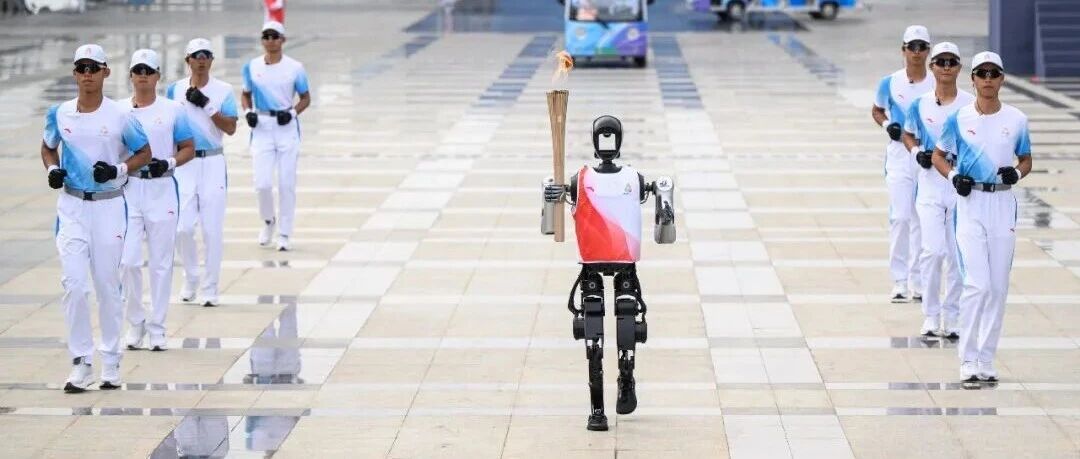
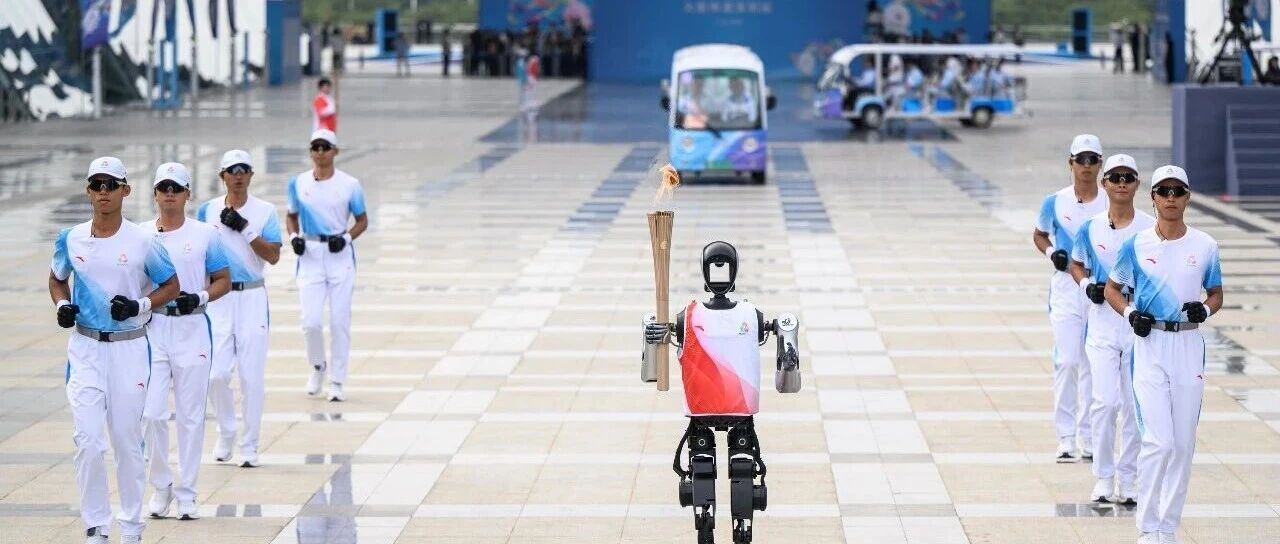
Group 1: Corporate Developments - Elon Musk's 10-year compensation plan approved by Tesla shareholders with 75% majority, potentially worth around $1 trillion in stock [2] - OpenAI's annual revenue expected to exceed $20 billion by the end of this year, with a goal of reaching "hundreds of billions" by 2030 [3] - Apple plans to launch its first low-cost Mac laptop priced under $1,000 in the first half of next year, targeting students and general users [4] Group 2: Technology and AI - Google accelerates the market release of its most powerful AI chip, the seventh-generation Tensor Processing Unit (TPU) named Ironwood, which is four times faster than its predecessor [5] - A strategic partnership formed between ChipLink Integrated and Yuxin Electronics to strengthen the AI semiconductor supply chain, focusing on AI server power management chips [8][9] Group 3: Robotics and Innovation - The world's first 5G-A humanoid robot, "Kua Fu," successfully completed a torch relay at the 15th National Games, showcasing its capabilities in dynamic tasks [6][7] - Xiaopeng Motors' CEO responds to concerns about the company's IRON robot, emphasizing its autonomous capabilities and plans for mass production by the end of 2026 [10] Group 4: Market Insights - Sinovac Biotech submits an application for listing on the Hong Kong Stock Exchange, with a history dating back to 1989 and a focus on biopharmaceutical innovation [11] - Thunderbird Innovation completes a C-round financing to enhance its position in the global consumer-grade AI+AR glasses market, setting a record for single financing amount in 2025 [12] - Deep AI secures 200 million RMB in funding within three months to advance the commercialization of embodied intelligent robots [13]


机器人,一周又融了好几十亿
投中网· 2025-11-07 06:46
Core Viewpoint - The investment landscape in the embodied intelligence robotics sector is heating up, with significant participation from state-owned enterprises (SOEs) and a focus on commercial viability and mass production capabilities [3][4][6]. Investment Trends - From October 20 to the present, four companies in the embodied intelligence sector have disclosed financing totaling over 2 billion yuan, covering the entire supply chain from core components to complete humanoid robots and platforms [3]. - SOEs are increasingly involved in the robotics sector, with notable investments such as the 500 million yuan strategic financing for "Wuba Intelligent" led by state-backed funds [5]. - Private enterprises are also seeing active participation from SOEs, with companies like Songyan Power and Leju Robotics securing significant funding rounds [7][10]. Market Dynamics - The industry is transitioning from technology validation to commercial validation, with many companies entering B and C funding rounds focused on proving revenue and profitability models [10]. - The price of humanoid robots is rapidly decreasing, with Songyan Power launching a humanoid robot priced at 9,998 yuan, indicating a shift towards affordability [10][11]. - Large orders are becoming more common, with companies like UBTECH securing substantial contracts, although some industry voices express skepticism about the sustainability of such demand [11][12]. Technological Development - The development of dexterous hands is crucial for the practical application of embodied intelligence, with companies like Lingxin Qiaoshou making significant advancements and achieving mass production [15][16]. - Lingxin Qiaoshou has established a complete product line and has successfully produced over a thousand units of its high-freedom dexterous hand, indicating strong market traction [16][17]. - The industry is still in its early stages, facing challenges related to technology maturity, application scenario matching, and cost control [17].

苏州市实施“四个一”专项行动 构建数据知识产权“苏州模式”
Su Zhou Ri Bao· 2025-11-07 00:27
Core Viewpoint - In the digital economy era, data is a core production factor, and the protection and utilization of data intellectual property rights are crucial for activating data value and facilitating the circulation of factors Group 1: Actions Taken - The Suzhou Market Supervision Administration (Intellectual Property Office) has implemented a "Four Ones" special action plan focusing on data intellectual property rights, which includes visiting enterprises, holding seminars, organizing promotional activities, and serving multiple entities to address enterprise needs and support high-quality digital economic development [1][2][3][4][6] Group 2: Specific Initiatives - A field survey was conducted to understand the real demands of key enterprises in the data intellectual property field, focusing on data lifecycle management and identifying core issues such as data ownership ambiguity and asset security [2] - A seminar titled "Data Knowledge Integration, Intellectual Property Protection" was held to gather insights from various stakeholders, discussing topics like registration processes and data asset valuation [3] - A promotional event was organized to enhance enterprises' understanding and operational capabilities regarding data intellectual property, featuring experts who provided insights on policy interpretation and practical applications [4][5] Group 3: Achievements and Future Plans - As of now, Suzhou has achieved significant milestones in key digital economy sectors, including over 100 registrations of data intellectual property, a 100% year-on-year increase, and has served over 100 enterprises [7] - The city has successfully implemented innovative models such as the first data intellectual property licensing income pledge financing case and the first dual-digit intellectual property securitization product [7] - The Suzhou Market Supervision Administration plans to continue deepening the "Four Ones" action, optimizing registration mechanisms, and enhancing theoretical and practical exploration to create a favorable ecosystem for data intellectual property development [7]
龙华区机器人产业开始“大步跑”
Shen Zhen Shang Bao· 2025-11-06 14:26
Core Viewpoint - The robot industry in Longhua District is rapidly developing, leveraging strong industrial advantages and innovation capabilities to drive high-quality economic growth, with a clear path for industrial upgrading [4][10][12]. Group 1: Industry Overview - Longhua District has gathered 591 AI and robotics companies, with 360 of them being "four above" enterprises, and the industrial added value is expected to reach 4.18 billion yuan in 2024, with a projected output value exceeding 32 billion yuan by the end of the 14th Five-Year Plan [4][11]. - The district is focusing on building a complete industrial chain that covers foundational, technical, and application layers, with 35 companies working on core technologies like chips and algorithms [5][10]. Group 2: Technological Innovation - Longhua's enterprises have accumulated over 500 patents and software copyrights, with some companies like Jieshun Technology and Yinxing Intelligent holding over 1,000 intellectual property rights [5][11]. - The district has established 64 AI-related innovation carriers, including one national-level and 23 provincial-level platforms, creating a multi-layered innovation support system [6][10]. Group 3: Future Industry Trends - The humanoid robot industry is experiencing explosive growth, with Longhua actively positioning itself in this new industrial track, exemplified by the launch of the world's first 5G-A humanoid robot "Kua Fu" [8][12]. - Companies like Hanyang Technology and Yuanding Intelligent are leading in their respective fields, showcasing the diverse applications of robotics in various sectors [8][12]. Group 4: Application Expansion - The Longhua government encourages enterprises to create innovative scenario demonstrations in smart manufacturing, smart cities, and smart healthcare, with financial support for approved AI projects [9][10]. - Nearly 100 AI products have been promoted for practical application across various fields, creating a positive cycle between technology development and application [9][10]. Group 5: Economic Development and Policy Support - Longhua has implemented a comprehensive policy system to support the development of AI and robotics, including financial incentives and subsidies for innovation [10][11]. - The district has attracted high-growth companies through targeted policies, creating a "magnetic effect" for industrial clustering [10][11]. Group 6: Talent Development and Future Outlook - Longhua is focusing on grassroots applications and talent cultivation, with various training programs enhancing digital skills and employment competitiveness [11][12]. - The district aims to implement the "1+2+6+100" action plan, targeting over 1,000 related enterprises and establishing high-level research platforms and innovation centers [12][13].

全球首个5G-A人形机器人火炬手?远远不止
机器人大讲堂· 2025-11-06 09:47
Core Insights - The article highlights the successful demonstration of the world's first 5G-A humanoid robot "Kua Fu" during the torch relay at the 15th National Games in Shenzhen, showcasing its advanced technology and stability in performing tasks autonomously [1][20]. Group 1: Technological Breakthroughs - The success of the torch relay was based on two core technological breakthroughs: the 5G-A network creating a "super neural pathway" and the robot's load-bearing motion control capabilities [3][5]. - The 5G-A network provided high uplink bandwidth and millisecond-level low latency, enabling real-time control of the robot from thousands of kilometers away without on-site engineers [5][7]. - This communication capability allows robots to offload complex perception and decision-making tasks to the cloud, leading to lighter and more cost-effective designs, which is essential for large-scale deployment [5][9]. Group 2: Practical Applications - The article discusses the practical applications of the humanoid robot in various industries, including power and manufacturing, where it can perform tasks in hazardous environments and enhance operational efficiency [12][10]. - Collaborations with companies like Southern Power Grid and FAW Hongqi demonstrate the robot's integration into high-precision manufacturing and inspection tasks, indicating its acceptance in high-end manufacturing sectors [12][10]. Group 3: Market Potential and Strategy - The humanoid robot's ability to adapt to various tasks without needing specialized modifications addresses the high costs and limited application scenarios that have hindered commercialization [13][15]. - The article emphasizes the importance of the robot's versatility, allowing it to transition from specialized equipment to a general-purpose platform, optimizing the return on investment for enterprises [18][15]. - The company aims to establish a comprehensive robot platform that integrates 5G-A technology and advanced motion control, facilitating the robot's integration into diverse industrial applications [20][18].