
奔驰

Search documents
“智驾双强”格局已定!华为、Momenta月搭载量进入8—10万量级
Zheng Quan Ri Bao Wang· 2026-01-28 13:44
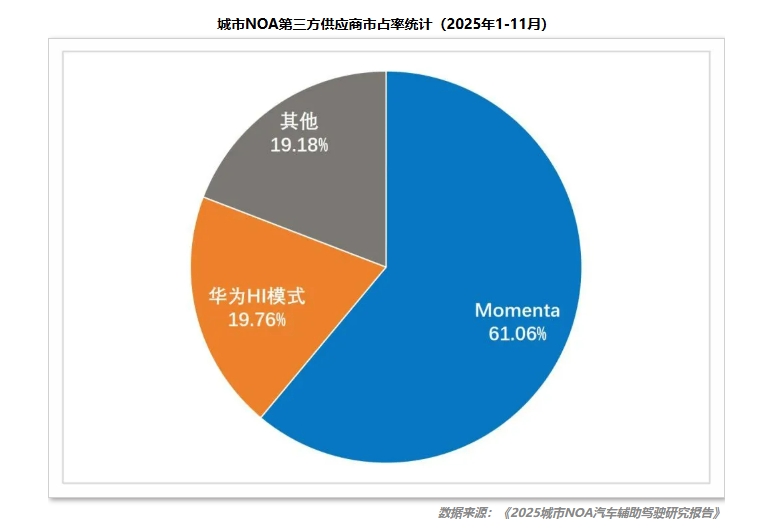
Group 1 - The report indicates that from January to November 2025, the cumulative sales of passenger cars equipped with urban NOA functions in China reached 3.129 million units, highlighting rapid industry expansion [1] - Momenta and Huawei's HI model dominate the market, collectively accounting for approximately 80% of the third-party supplier market share, with both companies achieving monthly installation volumes in the range of 80,000 to 100,000 units, establishing a strong "dual strong pattern" [1][2] - The urban NOA market is characterized by a "dual-wheel drive" model, where most automakers opt to collaborate with third-party suppliers to implement urban NOA, aiming to seize market opportunities [2] Group 2 - Momenta's urban NOA installation volume reached 414,400 units, representing about 61.06% of the third-party supplier market share, and it collaborates with 8 out of the top 10 global automakers [2] - Huawei's HI model, through strong partnerships, achieved an installation volume of approximately 134,100 units, accounting for about 19.76% of the third-party supplier market share [2] - Domestic brands sold 2.5373 million units of passenger cars equipped with urban NOA, making up 81.1% of the total, showcasing their innovation and competitiveness in the smart connected vehicle sector [2] Group 3 - The report emphasizes that third-party technology suppliers like Huawei and Momenta provide a "Chinese solution" for the global smart driving industry, attracting renowned automotive brands from Germany, the US, Japan, and South Korea to collaborate with Chinese tech companies [3] - This collaboration not only promotes the global reach of China's smart driving technology but also enhances China's influence in the global automotive industry's value chain [3]

报告显示近六成受访美资企业计划增加在华投资
Xin Lang Cai Jing· 2026-01-28 12:23
炒股就看金麒麟分析师研报,权威,专业,及时,全面,助您挖掘潜力主题机会! 新华社北京1月28日电(记者邹多为)中国贸促会28日公布了由中国美国商会发布的《2026年中国商务 环境调查报告》。报告显示,近六成受访美资企业计划增加在华投资。 根据近期发布的这份报告,超半数受访在华美资企业预计2025年实现盈利或大幅盈利,超七成受访企业 暂未考虑将生产或采购环节转移至中国境外。 中国贸促会新闻发言人王文帅在当天举行的例行新闻发布会上表示,这从一个侧面反映出,中国毫无疑 问将长期成为外资企业投资兴业的沃土。 过去一年,中国贸促会全年接待会见外国政商界和国际组织负责人462次,率中国企业家代表团拜访苹 果、惠普、马士基、奔驰等外资企业总部16次,第三届链博会的境外参展商比例提升至35%。截至目 前,将于今年6月举行的第四届链博会已有包括众多世界500强企业在内的一批外资企业确认参展。 其中,六成受访企业对外投资利润率增加或保持不变,近一半受访企业希望组织企业"抱团出海"并优先 选择投资制造行业,90%受访企业使用人民币开展对外投资的意愿增强。 目前,贸促系统共有覆盖全国的近1300家地方贸促机构,海外有30个驻外代表处 ...
岚图50万级MPV珠峰将全球首搭L3级硬件
Bei Jing Shang Bao· 2026-01-28 11:32
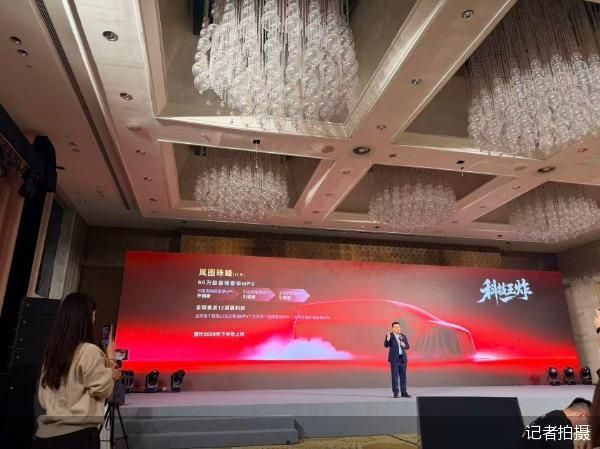
据悉,该车型将全球首发12项黑科技,成为全球首个搭载L3自动驾驶的MPV、全球首个拥有超级魔毯 的MPV,打破传统豪华品牌规则,重新定义MPV在智能化、舒适性与豪华体验上的价值天花板,并将 于2026年下半年上市, 2026年,岚图加速完成MPV系列化布局,推出岚图珠峰(代号)与岚图梦想家形成组合,意在抢占丰田埃 尔法、奔驰V级等传统豪华MPV的市场份额,剑指全品类MPV销冠及全球新能源MPV引领者地位。 北京商报讯(记者蔺雨葳)1月28日,岚图汽车发布2026年新品计划,将推出"三王一炸",进一步巩固在 高端新能源市场的优势,其中代号"珠峰"的50万级豪华MPV,将成为集结岚图顶级技术的"科技王炸"。 ...
F1 赛事迎来凯迪拉克和奥迪,主流车企为何纷纷入局 F1? | 声动早咖啡
声动活泼· 2026-01-28 09:03
Core Viewpoint - The article discusses the transformation of Formula 1 (F1) from a "money-burning black hole" to an attractive platform for major automotive manufacturers, highlighting the reasons behind their return to the sport after previous exits [3]. Group 1: Reasons for Automotive Manufacturers Leaving F1 - After 2000, the budget and scale of F1 teams ballooned, becoming a financial burden for manufacturers, with top teams spending up to hundreds of millions of dollars annually [5]. - For instance, Toyota's annual budget in F1 reached $400 million, yet they never won a race, which made it difficult for them to justify such spending during financial downturns [5]. - The FIA has warned about the unsustainable "arms race" in F1, leading to several manufacturers exiting the sport during economic crises [5]. Group 2: Evolution of F1 Technology and Its Impact - Many technologies used in consumer vehicles originated in F1, but the gap between F1 and consumer car technology has widened due to the complexity and high costs of modern F1 cars [6][7]. - F1's strict regulations on technology have stifled innovation that could benefit consumer vehicles, with some executives stating that F1 lacks relevance to the consumer market [7]. Group 3: Recent Trends in F1 Attracting Manufacturers - In recent years, more automotive manufacturers are rejoining F1, driven by new engine regulations that increase the electrification of racing, aligning with the industry's shift towards electric vehicles [8]. - Honda's return to F1 is motivated by the opportunity to develop engineers with expertise in electrification, while Audi sees the enhanced electric systems in F1 as a key factor for their participation [8]. Group 4: Financial Changes in F1 - F1 has introduced a "budget cap" to limit team spending to around $140 million, making participation more financially manageable and increasing competitiveness among teams [9]. - This budget cap contrasts sharply with previous seasons where top teams spent over $440 million, allowing for a more sustainable financial environment [9]. Group 5: Growing Popularity and Financial Valuation of F1 - The popularity of F1 has surged, particularly among younger audiences, partly due to media portrayals like Netflix's "Drive to Survive," which has attracted over 300 brands for sponsorship since 2020 [10]. - The average valuation of F1 teams is projected to reach $3.6 billion by 2025, reflecting a nearly 90% increase from 2023, indicating a shift in the financial landscape of the sport [10].
马来西亚推汽车以旧换新补贴,能否成为撬动车市销量密码?
Zhong Guo Qi Che Bao Wang· 2026-01-28 08:28
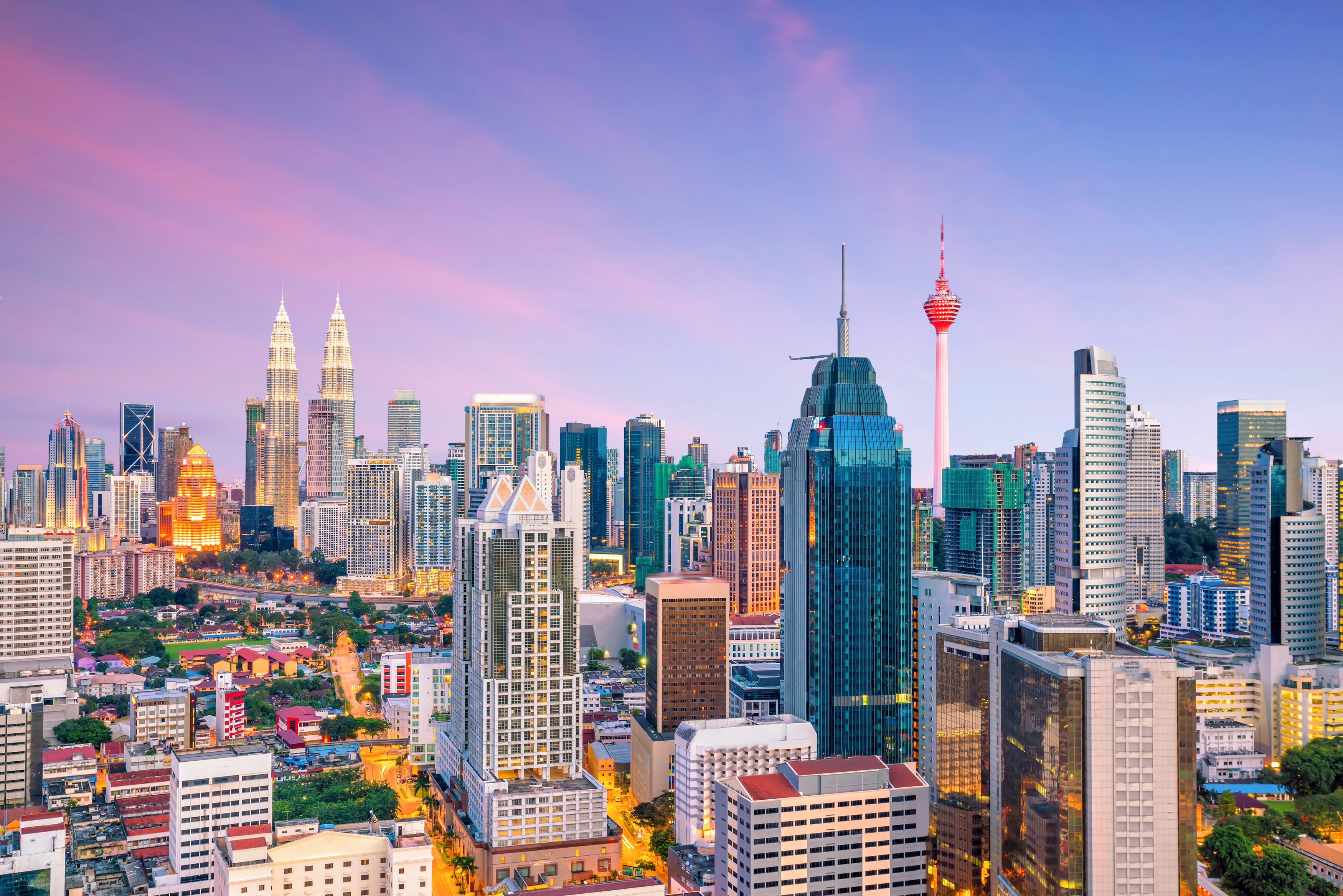
Core Viewpoint - The Malaysian government has announced a new vehicle scrappage subsidy plan aimed at encouraging the replacement of old cars over 20 years old, providing financial incentives to both car owners and local manufacturers [3][5][6]. Group 1: Subsidy Plan Details - The subsidy allows eligible car owners to receive a total of 8,000 Malaysian Ringgit (MYR) when scrapping their old vehicles, with the government contributing a maximum of 4,000 MYR matched by the car manufacturers [3][5]. - The initiative is designed to enhance the sales of new vehicles from local manufacturers while addressing safety concerns associated with older vehicles [5][6]. - The Malaysian transportation department has simplified the vehicle scrapping process through an electronic deregistration system, allowing owners to complete the process online [5]. Group 2: Market Impact and Reactions - Local car manufacturers have responded positively to the subsidy, viewing it as an opportunity to attract old car owners to upgrade, potentially leading to a surge in new car sales [7]. - In contrast, foreign brands such as Toyota, Honda, and luxury brands like Mercedes and BMW are taking a wait-and-see approach, as the subsidy only applies to local manufacturers, limiting its impact on their sales [7][8]. - The Malaysian automotive market is characterized by a dual structure of local and foreign brands, with local brands focusing on economical models that cater to the price-sensitive consumer segment [8]. Group 3: Economic and Social Implications - The subsidy is expected to alleviate the burden on low-income car owners who are currently maintaining old vehicles with high repair costs, thus stimulating demand for new cars [10]. - Economic models indicate that the subsidy could significantly boost sales in the economy car segment, which constitutes over 70% of the market [10]. - International examples of similar subsidy programs in countries like the USA and Germany demonstrate the potential for such initiatives to effectively stimulate automotive sales and enhance industry recovery [11]. Group 4: Limitations and Future Considerations - Critics argue that the subsidy’s limited scope, targeting only local brands and low-income consumers, may restrict its overall market impact and fail to engage higher-income consumers who own older premium vehicles [12]. - For sustainable growth in the Malaysian automotive market, it is suggested that the subsidy program should be expanded to include foreign brands and electric vehicles, alongside necessary upgrades in the supporting industry [12].
三年品牌价值腰折超六成,特斯拉败局皆因马斯克?
Huan Qiu Wang Zi Xun· 2026-01-28 02:59
Core Insights - Tesla's brand value has significantly decreased by $15.4 billion, a drop of 36%, reaching $27.61 billion in 2025, marking three consecutive years of decline [1][3] - The decline in brand value is attributed to multiple factors, including a lack of innovative new models, high product pricing compared to competitors, and weakened core product competitiveness [3] - CEO Elon Musk's deep involvement in geopolitical issues has detracted from his focus on the automotive business, contributing to the brand's diminished value [3] Consumer Sentiment - Consumer research indicates a substantial decline in Tesla's reputation, recommendation, and trust scores, particularly in Europe and Canada, with the U.S. recommendation score dropping to 4.0 out of 10, nearly halving from 8.2 in 2023 [3] - Despite the decline in recommendation willingness, Tesla's customer loyalty in the U.S. has slightly increased to 92%, and brand awareness has improved globally [3] Competitive Landscape - Competitors are performing well, with Chinese brand BYD's brand value increasing by 23% to $17.29 billion, emerging as a new highlight in the automotive industry [3] - Major automotive brands such as Toyota and Mercedes have surpassed Tesla in brand value, with Toyota leading the industry at $62.7 billion [3] Market Challenges - Musk's political actions have had a lasting negative impact on Tesla, leading to strong consumer backlash, compounded by the cancellation of federal tax credits for electric vehicles in the U.S. [4] - Despite launching a ride-hailing app and piloting autonomous taxi services in the latter half of the previous year, and Musk's $1 billion stock buyback to boost share prices by 11%, these efforts have not reversed the decline in brand value [4]

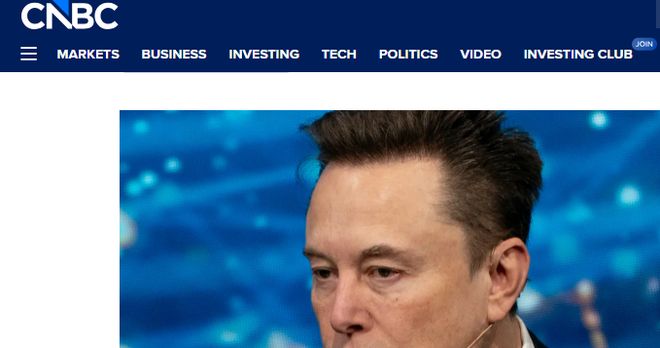
此消彼长:特斯拉品牌价值缩水1000亿、比亚迪增长23%
Feng Huang Wang· 2026-01-27 23:42
Core Insights - Tesla's brand value is projected to decline by $15.4 billion (approximately 107.1 billion RMB) in 2025, marking a 36% decrease and the third consecutive year of decline [1] - The decline is attributed to a lack of innovative new models, higher prices compared to competitors, and CEO Elon Musk's distractions with geopolitical issues [1] - In contrast, BYD's brand value has increased by approximately 23%, reaching around $17.29 billion, up from $14.03 billion last year [1] Brand Value Rankings - In the 2026 brand value rankings, Tesla's estimated brand value is $27.61 billion, down from $43 billion at the beginning of 2025, $58.3 billion in 2024, and a historical peak of $66.2 billion in January 2023 [1] - Five automotive manufacturers, including Toyota, Mercedes-Benz, Volkswagen, and Porsche, have surpassed Tesla in brand value rankings this year [2] - Toyota ranks first in the automotive industry with an estimated brand value of $62.7 billion [2]

钱峰:印欧自贸协定溢出效应有多大
Xin Lang Cai Jing· 2026-01-27 23:08
Core Points - The announcement of the Free Trade Agreement (FTA) between India and the European Union (EU) signifies a deepening cooperation in trade and security, marking a strategic counter to U.S. protectionism [1] - The FTA is expected to cover 25% of global GDP and one-third of global trade, impacting 2 billion people and a market worth $27 trillion, facilitating zero or very low tariffs on 90% of trade between India and the EU [1] Group 1: Strategic Significance for the EU - The FTA serves as a necessary "stopgap" for the EU amid ongoing geopolitical tensions and economic stagnation, providing a large market to counter U.S. policy uncertainties [2] - India, projected to become the fourth-largest economy by 2026 with a GDP exceeding $4.5 trillion, is seen as an ideal partner for the EU [2] - The agreement includes significant concessions from India, such as reducing EU automobile tariffs from 110% to 10%, which is crucial for European automakers [2] Group 2: Strategic Significance for India - The FTA represents a strategic breakthrough for India, especially after losing the EU's Generalized System of Preferences (GSP), which increased export costs for textiles, jewelry, and chemicals [3] - The agreement aims to diversify India's trade relationships, reducing reliance on the U.S. market, which has imposed high tariffs on Indian goods [3] - Enhanced cooperation with the EU is expected to open European markets for Indian labor-intensive products and attract European technology and capital in clean energy and high-end manufacturing [3] Group 3: Global Trade Implications - The FTA is viewed as a public "rebellion" against U.S. unilateral protectionism, potentially reshaping global supply chains and trade dynamics [4] - The collaboration between India and the EU may lead to the establishment of a new economic cycle, with the EU providing technology and India offering market access and labor [4] - This partnership could present a third option for multinational companies navigating the geopolitical landscape, influencing global trade order and rules [4] Group 4: Future Cooperation and Challenges - Despite existing differences on issues like the Russia-Ukraine conflict and agricultural barriers, high-level interactions between India and EU leaders indicate a strategic shift towards economic growth [5] - The deepening ties between India and the EU may contribute to a multipolar world, promoting balanced international power dynamics and providing practical references for a more equitable global order [5]
保时捷闭店风波,最新回应!CEO承诺本月交付合格证
Guo Ji Jin Rong Bao· 2026-01-27 14:51
十天后,保时捷中国于2026年1月5日通过短信通知车主,确认郑州中原保时捷中心已于2025年12月31日终止经销协议,正式移出经销商网络。 根据保时捷中国的分类处理方案,官方发行的全国通用服务套餐、客户档案及官方延长保修服务可转移至郑州郑开保时捷中心继续使用,但东安集团自营 的4S店专属套餐不在承接范围内。 潘励驰在回应中强调,事件处理因涉及授信银行等多方主体,协调流程仍存复杂性,但东安集团已退出投资人核心框架。 近日,保时捷中国首席执行官潘励驰就东安控股集团旗下门店闭店事件作出最新回应 潘励驰确认,受影响的车辆合格证将在本月内交付予已付清车款的真实客户,公司亦将针对已付定金未提车的合同客户出台专项处理方案。 2025年12月末,东安集团旗下郑州中原、贵阳孟关两家保时捷中心疑似"人去楼空"。 随后,东安控股集团发布通告称,受市场经济下行、消费降级及汽车行业价格战影响,旗下郑州中原、贵阳孟关保时捷中心等门店自当日起暂停营业,员 工进入待岗状态。 面对市场困局,保时捷中国启动多维战略调整。潘励驰明确表示,内部降本措施将持续推进,节省资金重点投向市场拓展与研发领域,上海研发中心成为 核心载体。 产品层面,保时捷披露 ...
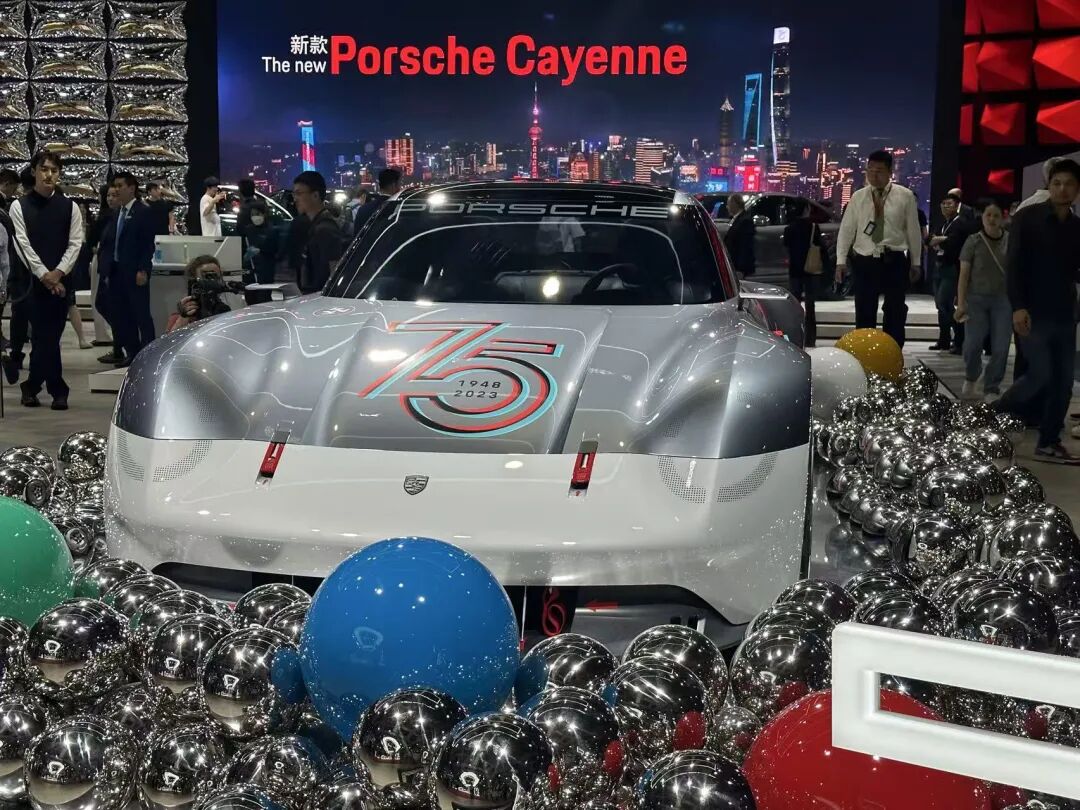
印度对欧盟汽车关税将从110%降到10%!这些品牌或受益
Nan Fang Du Shi Bao· 2026-01-27 13:17
Group 1 - The long-awaited free trade agreement between India and the EU has been finalized after 18 years of negotiations, with significant implications for the automotive industry [1] - The agreement includes a substantial reduction in tariffs on EU exports, particularly for high-end fuel vehicles, where tariffs will decrease from 110% to 10%, with an annual quota of 250,000 vehicles [1] - The tariff adjustments are expected to benefit European luxury brands like BMW and Mercedes-Benz, which already have a presence in the Indian market, enhancing their price competitiveness [2] Group 2 - The agreement provides a 5-year protection period for pure electric vehicles, allowing time for Chinese brands to solidify their market position, as they primarily focus on mid-range and lower-end markets [2] - While the immediate impact of the agreement is limited to EU brands, there are concerns that Chinese brands may face pressure in the long term as European automakers increase their investments in electric vehicles after the initial protection period [2] - The process for implementing the tariff reductions will take time, requiring legal text confirmation and internal approvals from both the EU and India before coming into effect [2]