联发科

Search documents
黑莓:我虽然死了,但我的键盘能活到世界尽头
3 6 Ke· 2026-01-05 00:04
Group 1 - The article discusses innovative smartphone accessories, particularly focusing on Clicks Technology's products that enhance mobile functionality, such as the Clicks Keyboard and the upcoming Communicator device [3][6][16] - Clicks Technology aims to create a full keyboard smartphone by 2026, showcasing their Power Keyboard and Communicator at CES 2023, which are designed to improve user experience and productivity [6][16][20] - The Power Keyboard features a magnetic charging capability and is compatible with various devices, while the Communicator is a compact smartphone with a QWERTY keyboard, targeting users who prefer a secondary device for communication [12][18][35] Group 2 - The Power Keyboard has a built-in 2150 mAh battery and supports Bluetooth 5.4, allowing connection with up to three devices, priced at $79 for pre-order and $109 for retail [12][14][35] - The Communicator is designed for focused communication, featuring a 4.03-inch AMOLED screen, a QWERTY keyboard, and a unique "flash thought capsule" button for customizable functions, with a pre-order price of $399 and a retail price of $499 [18][22][35] - Clicks Technology's products reflect a blend of nostalgia and modern functionality, appealing to users seeking a distinct mobile experience, with the Communicator emphasizing a minimalist approach to reduce distractions [20][29][39]


贵到离谱的2nm,被疯抢
半导体芯闻· 2026-01-04 10:17
Core Viewpoint - The rapid development of artificial intelligence presents significant challenges for TSMC, which is striving to overcome supply constraints in its 2nm process technology to meet market demand. TSMC plans to increase prices for its next-generation process starting January 1, but order volumes remain strong despite the price hike. By Q3 2026, TSMC's revenue from 2nm is expected to surpass the combined revenue from 3nm and 5nm processes [1][2]. Group 1: TSMC's 2nm Process Development - TSMC is expected to build up to 10 2nm fabs in Taiwan and the U.S., with plans to invest up to $28.6 billion in three new factories in Taiwan to meet high market demand. The 2nm capacity is fully booked through 2026 [1][2]. - The 2nm process began contributing to TSMC's revenue in Q3 2023, initially accounting for 6% of total revenue and rising to 15% in Q4. Currently, 5nm technology constitutes 60% of total revenue, but this is expected to decline as 3nm and 2nm technologies mature [2][3]. Group 2: Competitive Landscape - TSMC's 2nm technology is being adopted by major clients, including Apple, Qualcomm, and MediaTek, for their latest processors. The A20 processor for the iPhone 18 series is expected to utilize TSMC's 2nm process [4][5]. - Samsung is also advancing its 2nm process with the Exynos 2600 processor, which integrates CPU, GPU, and NPU, enhancing AI performance while reducing power consumption [5][6]. Group 3: Market Dynamics and Future Outlook - The competition in the 2nm foundry market is intensifying, with Intel and Samsung vying for market share against TSMC. Intel is promoting its 18A process, which is equivalent to 2nm, and aims to attract external clients by 2026 [7][8]. - TSMC remains the only foundry currently offering 2nm services to external clients, maintaining a significant competitive advantage in the market [7][8]. - The demand for TSMC's 2nm process is expected to continue growing, with analysts predicting that the number of projects based on this technology will exceed those based on 3nm [6][10].

2026年手机市场展望 苹果有望优于安卓阵营
Jing Ji Ri Bao· 2026-01-04 08:58
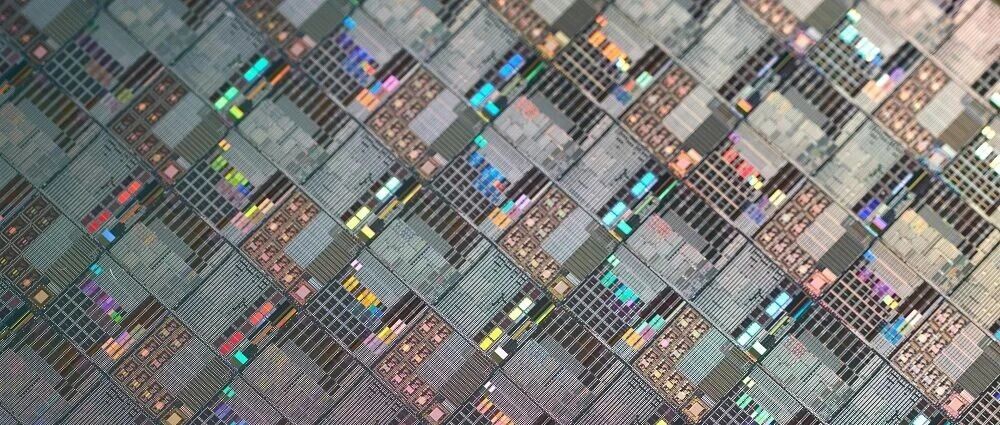
Group 1 - Strong demand for AI is driving significant price increases in memory chips, with expectations that iPhone's ability to withstand rising costs will outperform Android devices [1][2] - The price of LPDDR5X memory has surged from $33 in early 2025 to over $70 recently, indicating substantial cost pressures on smartphone manufacturers [1] - Major manufacturers like Qualcomm and MediaTek are set to release flagship smartphone chips using 2nm process technology in 2026, which will increase costs by approximately 20% compared to the 3nm process [1] Group 2 - Apple's vertical integration strategy, which includes in-house design and development of various chips, enhances performance and reduces costs compared to Android manufacturers that rely on external suppliers [2] - By 2026, mid-range Android smartphones are expected to be significantly impacted by rising DRAM and Flash prices, which account for over 30% of their costs, leading to a decline in sales among price-sensitive consumers [2] - The upcoming release of a new foldable iPhone in Q3 is anticipated to further bolster Apple's market position, benefiting Taiwanese suppliers like Largan Precision, Merytronic, and ChipMOS [2]

消息指苹果A20芯片单颗成本280美元
Xin Lang Cai Jing· 2026-01-04 03:30
免责声明:本文内容与数据由观点根据公开信息整理,不构成投资建议,使用前请核实。 观点网讯:1月4日,据市场消息,苹果即将推出的A20芯片单颗成本高达280美元,折合人民币约1958 元,较上一代A19芯片上涨80%,远超市场预期。 三星已于1月3日发布全球首款2nm工艺芯片Exynos2600,高通、联发科、苹果等头部厂商均计划在下一 代旗舰平台导入2nm制程。随着制程微缩,晶圆代工价格与前期良率压力同步攀升,带动SoC成本水涨 船高。 ...
英伟达GB10,深度解读
半导体行业观察· 2026-01-04 01:48
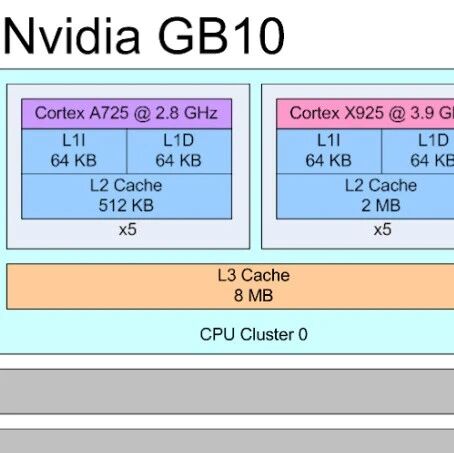
公众号记得加星标⭐️,第一时间看推送不会错过。 GB10 是英伟达和联发科合作推出的产品,它将英伟达的 Blackwell 架构集成到 GPU 中。GB10 的 GPU 拥 有 48 个 Blackwell SM 单 元 , 核 心 数 量 与 RTX 5070 相 同 。 CPU 部 分 则 配 备 了 10 个 Cortex X925 核心和 10 个 Cortex A725 核心,因此性能相当强劲。如此强大的计算能力需要一个强 大的内存子系统来支撑,这也导致了性能上的权衡取舍。 本文将重点分析 GB10 的内存子系统,从 CPU 端入手。 片上系统布局 GB10的CPU核心分为两个集群。每个集群包含五个A725核心和五个X925核心。核心编号从每个集 群内的A725核心开始,两个集群依次排列。所有A725核心的运行频率均为2.8 GHz。X925核心在第 一个集群中的最高频率可达3.9 GHz,在第二个集群中最高频率可达4 GHz。 缓存和内存访问 Arm 的 A725 和 X925 处理器都具备可配置的缓存容量。GB10 在两个核心上都采用了 64 KB 的 L1 指令和数据缓存。所有 A725 核心 ...

厂商 punkt. 推出“隐私手机”MC03,699 欧元 + 一年后每月 10 欧元订阅
Xin Lang Cai Jing· 2026-01-04 01:19
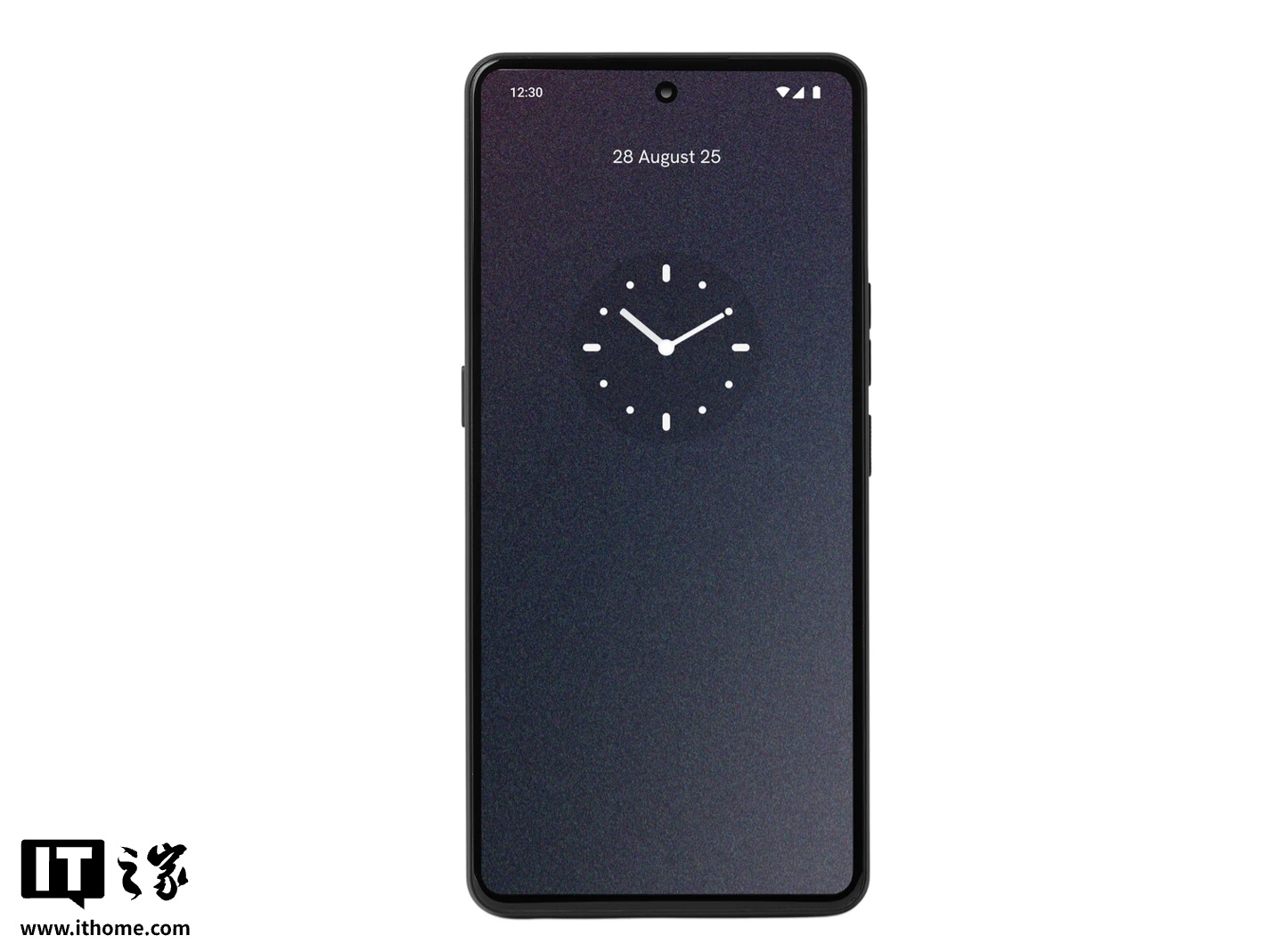
IT之家 1 月 3 日消息,近期不少厂商推出了号称主打"隐私保护"的手机产品,据外媒 notebookcheck 报道,目前又有一家厂商 punkt. 宣布推出一款 MC03"隐 私手机"。 据介绍,该机采用联发科天玑 7300 + 8GB RAM,定价 699 欧元(IT之家注:现汇率约合 5735 元人民币)(含 1 年订阅服务),一年后用户需要每月支付 至少 10 欧元(现汇率约合 82 元人民币)的订阅费,制造商声称,"如果你不为产品付费,你本身就是产品"、"如果没有有效的订阅服务,手机的基本功能 会被禁用,会导致手机可用性遭到严重限制"。 IT之家参考官方介绍获悉,该机搭载一款号称来自瑞士的 AphyOS 系统(基于 AOSP),手机采用"定制极简界面",拥有"值得信赖的 Punkt. 精选应用",号 称从核心层面去谷歌化,允许玩家对每个 App 设置独立隐私权限。 Calendar Contacts Mail Files Digital Nomad My Account Tasks Threema www.ithome.com 据介绍,该机采用联发科天玑 7300 + 8GB RAM,定价 69 ...
雷军:小字是陋习,骂小米应该客观;传比亚迪组建5000人智驾团队;人类首次「看见」黑洞扭曲时空 | 极客早知道
Sou Hu Cai Jing· 2026-01-04 00:53
Group 1: Xiaomi - Xiaomi's founder Lei Jun announced a delivery target of 550,000 vehicles for Xiaomi Auto in 2026 [1] - Lei Jun acknowledged the industry's issue with "PPT small text" and committed to immediate rectification, emphasizing the importance of objective feedback from users [4] Group 2: BYD - BYD has formed a specialized team of over 5,000 people for driver assistance and plans to invest over 100 billion in smart technology [5] - By the end of 2025, BYD aims to have over 2.5 million vehicles equipped with the "Tianshen Eye" system, creating the largest vehicle cloud database in China [5] Group 3: Microsoft - Microsoft CEO Satya Nadella stated that 2026 will be a critical year for AI, emphasizing that application choices are more important than model capabilities [6] Group 4: Apple - Apple's upcoming A20 chip is projected to cost $280 per unit, marking an 80% increase from the previous A19 chip, making it the most expensive mobile processor to date [9] - The A20 chip will utilize TSMC's 2nm process and will feature advanced technologies to enhance efficiency and AI processing capabilities [10][11] - Apple plans to launch a new entry-level MacBook in Spring 2026, featuring a 12.9-inch display and the A18 Pro chip, aimed at the budget to mid-range market [16][17] Group 5: AI and Robotics - The first visual AI tennis robot, Tenniix, will debut at CES 2026, featuring smart tracking and adaptive training capabilities [11][12][15] - The robot will support voice interaction and provide personalized training experiences based on player performance data [15]




2nm,被疯抢!
半导体行业观察· 2026-01-02 03:33
Core Insights - The rapid development of artificial intelligence presents significant challenges for TSMC, which is striving to overcome supply constraints in its 2nm process technology to meet market demand [1] - TSMC plans to increase prices for its next-generation process starting January 1, but order volumes remain strong despite the price hike [1] - By Q3 2026, TSMC's revenue from 2nm technology is expected to surpass the combined revenue from its 3nm and 5nm processes [1] Group 1: TSMC's 2nm Process Development - TSMC is set to build 10 2nm fabs in Taiwan and the U.S., with a production capacity of 80,000 to 100,000 wafers by the end of 2026 [1][2] - The company plans to invest up to $28.6 billion in constructing three new fabs in Taiwan to meet the high market demand for 2nm technology [1] - TSMC's 2nm technology has become a "monopoly" due to the explosive growth in AI, leading to a surge in customer orders [1] Group 2: Revenue and Market Share - The 2nm process began contributing to TSMC's revenue in Q3 2023, initially accounting for 6% of total revenue, which increased to 15% in Q4 2023 [2] - Currently, the 5nm process dominates TSMC's revenue, making up 60% of total revenue, but this share is expected to decline as 3nm and 2nm processes ramp up [2] - Analysts predict that TSMC's 3nm capacity will reach its limit by 2026, as it enters a "golden period of mass production" [2] Group 3: Competitive Landscape - TSMC is not planning to introduce its 2nm technology overseas and aims to launch its 3nm wafers a year earlier to prevent competitors like Samsung from gaining an advantage [2] - Major clients such as Apple, Qualcomm, MediaTek, and AMD are expected to utilize TSMC's 2nm wafers, indicating strong demand from leading tech companies [2][5] - Samsung is also advancing its 2nm process with the Exynos 2600 processor, which integrates CPU, GPU, and NPU, enhancing AI performance and reducing power consumption [6]
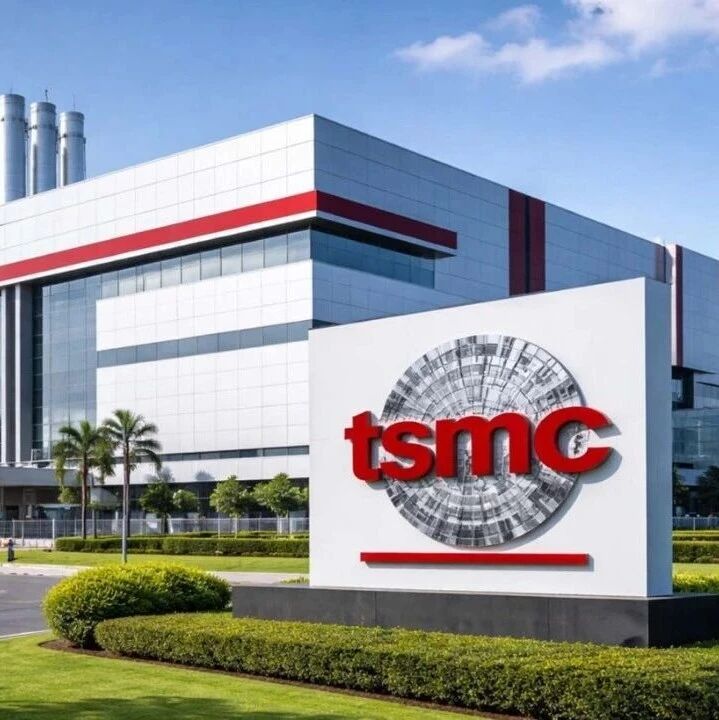
台积电、三星2nm制程大PK 史上最贵手机芯片来了
Jing Ji Ri Bao· 2026-01-01 23:21
Core Insights - TSMC and Samsung have both advanced their process nodes to 2nm, with smartphones expected to be among the first applications, positioning TSMC as a major winner by securing contracts for the latest 2nm processors from Apple, Qualcomm, and MediaTek [1][2] - The 2nm process is anticipated to result in lower power consumption and enhanced performance, particularly in AI capabilities, but will also lead to higher costs, making 2nm chips the most expensive smartphone processors to date [1] - TSMC's 2nm technology (N2) began mass production in Q4 of last year, utilizing first-generation nanosheet transistor technology, and is set to introduce N2P technology later this year for improved performance and power efficiency [1] Company Developments - Apple is developing the A20 processor for its upcoming iPhone 18 series, which will be produced using TSMC's 2nm process [2] - Qualcomm and MediaTek are expected to release their flagship chips, Snapdragon 8 Elite Gen 6 and Dimensity 9600, respectively, using TSMC's 2nm process in the second half of this year [2] - MediaTek announced that its first flagship system-on-chip utilizing TSMC's 2nm process has completed design and is expected to enter mass production by the end of 2026 [2] - Samsung has introduced the Exynos 2600 processor, built on its own 2nm GAA process, featuring a 10-core CPU based on the latest Arm v9.3 architecture, which significantly enhances machine learning and gaming performance while reducing power consumption [2]
台积电2nm正式量产!
国芯网· 2025-12-30 12:42
Core Viewpoint - TSMC has quietly commenced mass production of its N2 2nm process, aligning with its previously set timeline for 2025 [2][4]. Group 1: TSMC N2 Process Overview - TSMC's N2 process is the first to utilize GAA (Gate-All-Around) technology, specifically employing nanosheet transistors, marking a significant advancement in semiconductor manufacturing [4]. - The N2 process boasts a 1.15x increase in transistor density compared to the previous N3E process, with power consumption reduced by 24%-35% and performance improved by 15% [4]. - The SRAM density of the N2 process reaches a record 37.9Mb/mm², providing robust hardware support for high-performance computing and AI applications [4]. Group 2: Market Implications - Initial wafer foundry prices for the N2 process are expected to reach $30,000 per wafer, equivalent to over 200,000 RMB, indicating that only financially strong companies can afford this technology [4]. - Major clients such as NVIDIA, AMD, Apple, Qualcomm, and MediaTek are anticipated to utilize the N2 process as its production capacity ramps up [2][4].