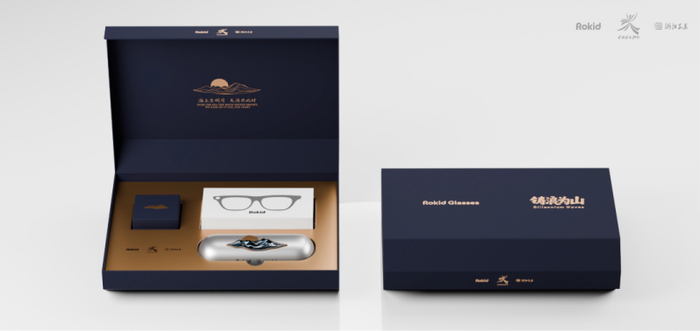
Rokid

Search documents
求购长鑫存储老股份额;转让持有OpenAI公司股份的基金LP份额|资情留言板第170期
3 6 Ke· 2025-09-24 14:21
Summary of Key Points Core Viewpoint The article presents a dynamic asset trading market, highlighting various opportunities for buying and selling shares in prominent companies, including OpenAI, ByteDance, and others, with specific valuations and asset sizes mentioned. New Additions - Transfer of fund LP shares holding OpenAI old shares with an expected valuation of $500 billion, asset size of approximately $30-60 million, and a 10% management fee with no carry [1] - Transfer of fund LP shares holding ByteDance old shares with an expected valuation of $340 billion, asset size of approximately $70 million, with management fees and carry [1] - Purchase request for Changxin Storage old shares with valuation to be negotiated, asset size of approximately $30 million, with conditions negotiable for LP shares [1] Additional Transfers - Transfer of old shares in Star Glory Company with an expected valuation of $9.6 billion, asset size of approximately $30 million [2] - Transfer of fund LP shares holding OpenAI shares with an expected valuation of approximately $50 billion, asset size of about $50 million, with management fees and carry [3] - Transfer of fund LP shares holding ByteDance shares with an expected valuation of $34.5 billion, requiring a one-time acceptance of $6 million [4] Purchase Requests - Purchase request for old shares in Xiaohongshu with an expected valuation of $38 billion, asset size of approximately $10 million, with negotiable terms [13] - Purchase request for old shares in ByteDance with an expected valuation of $320 billion, asset size of approximately $30-50 million [13] Asset Transfers and Increases - Transfer of LP shares holding Huo La La with valuation to be negotiated, asset size of $2 million, with no management fee and carry [16] - Transfer of LP shares holding Wo Fei Chang Kong Technology with valuation to be negotiated, asset size of approximately $60 million, with management fees and carry [16] - Transfer of LP shares holding Ai Fo Guang Tong with an expected valuation of approximately $6.6 billion, asset size of about $60 million, with management fees and carry [17]
AI眼镜的痛,Meta也治不了
美股研究社· 2025-09-24 11:23
Core Viewpoint - The AI glasses market is experiencing a significant bottleneck despite the initial hype, with high return rates indicating consumer dissatisfaction and product shortcomings [4][5][30]. Group 1: Market Dynamics - The AI glasses market in China has seen a surge in competition, referred to as the "hundred glasses war," with many brands focusing on low-cost, low-quality products [4][5]. - Meta, as an early explorer in the AI glasses field, is expected to break the current stagnation with its new product launches [5][6]. - Meta has launched three new AI glasses models, showcasing advancements in hardware innovation and AI integration, but lacking disruptive technological upgrades [6][10]. Group 2: Product Features - The three models released by Meta include Ray-Ban Meta Gen2, Oakley Meta Vanguard, and Meta Ray-Ban Display, each targeting different market segments [9]. - Key improvements in the new models include enhanced camera resolution (upgraded from 12MP to 3K video capability), better stabilization, and significantly improved battery life [10][11]. - The pricing of Meta's AI glasses is competitive, with the Ray-Ban Meta Gen2 starting at $379, which is lower than some domestic counterparts [11]. Group 3: Technical Specifications - The Meta Ray-Ban Display features a display resolution of 600x600, a field of view of 20 degrees, and a refresh rate of 90Hz, indicating a strong performance in clarity and usability [14][15]. - The product includes a Meta Neural Band for interaction, allowing users to control the glasses with subtle hand movements, although this design has sparked debate regarding user experience [16][20]. Group 4: Industry Challenges - Despite the promising features, the launch event revealed several technical issues, highlighting the product's immaturity and the challenges in hardware-software integration [17][20]. - The AI glasses market is characterized by high return rates, with estimates suggesting 30-50% return rates on platforms like JD and Douyin, indicating significant consumer dissatisfaction [29][30]. - Common user complaints include discomfort during prolonged use, inadequate functionality compared to smartphones, and privacy concerns related to data collection [32][34]. Group 5: Future Outlook - The AI glasses market is still in a "high heat" state, with significant growth in sales volume, but the high return rates reflect ongoing challenges that need to be addressed for sustainable growth [29][35]. - Industry experts believe that while the current state of AI glasses is not ideal, the potential for future development remains strong, as indicated by Meta's confidence in its product lineup [35].



阿里速卖通正面挑战亚马逊,希望帮助品牌“一半成本,更高成交”
Sou Hu Cai Jing· 2025-09-24 11:05
Core Insights - The rapid growth of pool cleaning robots on AliExpress highlights the increasing demand for affordable and efficient cleaning solutions in Europe, with 70% of orders coming from this platform [2] - The launch of AliExpress's "Super Brand Going Global Plan" signifies a strategic move to attract well-known brands and compete directly with Amazon in the mid-to-high-end market [3][4] - AliExpress aims to reduce the cost of brand expansion by over 50% compared to Amazon, with lower commission rates and enhanced support for brands [5] Group 1: Market Trends - Pool cleaning robots have become a necessity for European middle-class households, with a market growth rate of 14.7% annually [2] - The demand for high-tech products that can command brand premiums is rising, as seen with the success of brands like LARESAR in Poland, which saw an 18-fold increase in market growth [2] Group 2: Strategic Initiatives - AliExpress is enhancing its infrastructure to support brands, including launching a "Brand+" channel and a "Brand Service Center" for better operational efficiency [5][6] - The platform is leveraging local marketing capabilities and has expanded its overseas management services to nearly 30 countries, improving logistics and customer experience [7][8] Group 3: Success Stories - Brands like Seauto and Comhoma are successfully utilizing AliExpress's overseas management services to achieve significant sales growth, with Seauto capturing 70% of its European orders through the platform [8][10] - The introduction of AI tools for brands has led to substantial sales increases, with some brands experiencing sales growth of up to 300% [6] Group 4: Future Outlook - The upcoming "Global Double 11" event by Taobao aims to further enhance international sales, with a budget of over 1 billion allocated for marketing and promotional activities [9] - The combination of overseas management and brand expansion strategies positions Chinese brands as leaders in the global consumer market, redefining the value of "Made in China" [10]


上半年新增品牌数量同比增长70%,速卖通发力品牌出海
Di Yi Cai Jing· 2025-09-23 13:44
Group 1 - The core viewpoint of the news is that Alibaba's AliExpress is launching a "Super Brand Going Global Plan" to challenge Amazon by allowing merchants to operate at half the cost on Amazon while achieving higher sales in key markets [1] - AliExpress aims to leverage its domestic e-commerce experience to enhance brand marketing and logistics capabilities, thereby reducing the cost of going global for brands [1][5] - The platform will offer lower commission costs, logistics solutions, commercial advertising, and customer service, establishing a dedicated team to support over 2,000 brands with systematic consulting [1][5] Group 2 - The rapid changes in the cross-border e-commerce market are prompting platforms to increase strategic investments, with AliExpress facing pressure from the rapid expansion of competitors like TEMU and SHEIN [5] - In the first half of this year, AliExpress saw a 70% year-on-year increase in the number of new brands, with over 500 brands doubling their sales and more than 2,000 brands entering new overseas markets [5] - AliExpress is differentiating itself from Amazon by offering unique operational scenarios such as purchase limits and promotional offers, which are difficult to implement on Amazon [5][6] Group 3 - The operational and service capabilities of Chinese cross-border e-commerce platforms may become a competitive advantage as they target the mid-to-high-end brand market [6] - Alibaba is prepared for a prolonged competitive battle against Amazon, viewing cross-border globalization as a long-term investment strategy with lower expectations for unit economics compared to Amazon [6]


利亚德以“显示为基、文旅为翼、AI赋能”,开启第二增长曲线新征程
Huan Qiu Wang· 2025-09-22 02:12
Core Viewpoint - The company, Leyard, has transformed from a small LED display manufacturer in 1995 to a multinational technology group with a market value of several hundred billion by 2025, announcing a new strategy focused on "Display + Cultural Tourism + AI and Spatial Computing" during its 30th anniversary celebration [1][8]. Group 1: Business Transformation - Leyard's chairman, Li Jun, emphasized that innovation has been the core driver of the company's growth, successfully capturing the high-end display market globally [3]. - The company's overseas revenue has surpassed domestic revenue for the first time, with its North American brand, PLANAR, achieving historic order performance in 2025 [3]. - Leyard introduced the Hi-Micro technology, a substrate-free Micro LED technology that significantly enhances display performance while reducing costs and improving yield, paving the way for large-scale applications [3]. Group 2: Cultural Tourism as a Growth Driver - Leyard views cultural tourism as its second growth curve, aiming to become a leading global comprehensive service provider in this sector [6]. - The cultural tourism market is substantial, with the night economy reaching 1.9 trillion and the entertainment market around 80 billion, indicating significant growth potential [6]. - The company has adopted a "2+4+1" strategic framework to enhance business models and increase customer retention and engagement [6]. Group 3: AI Integration - Leyard has committed to fully embracing AI to drive its second growth curve, integrating AI into its main business areas, including content creation and holographic generation in the display sector [7]. - The company has made significant advancements in AI technology, with robots now serving as guides and interpreters in cultural tourism settings [7]. - Leyard's acquisition of American company OptiTrack has positioned it to profit from AI-related business ventures [7]. Group 4: Strategic Vision - Leyard's strategy has evolved from being a single display manufacturer to an ecosystem-oriented enterprise focusing on "Display + Cultural Tourism + AI and Spatial Computing" [8]. - The company aims to collaborate with partners to create a new blueprint for audiovisual technology, reflecting a significant shift in its operational mindset [9].


红温的扎克伯格,迎接带“屏”眼镜的降临
3 6 Ke· 2025-09-19 09:04
Core Insights - The evolution of AR glasses has seen a shift from Google Glass to Meta's Orion, with Meta aiming to redefine the market with its new products [2][3][5] - Meta's strategy includes a focus on AI glasses, which have gained significant market traction, while traditional AR glasses remain in development [7][10] - Apple's entry into the market with Vision Pro highlights a different approach, emphasizing spatial computing and advanced imaging capabilities [19][24] Group 1: Meta's Developments - Meta has invested heavily in AR technology, acquiring Oculus for $2 billion in 2014 and spending billions on content development [3] - The recently launched Orion AR glasses, developed over ten years at a cost of $5 billion, are seen as a significant but non-commercial product [5] - Meta's Ray-Ban Meta has achieved sales of 2 million units, indicating strong consumer interest in AI glasses despite their limitations [7][10] Group 2: Apple's Strategy - Apple introduced the Vision Pro MR glasses, focusing on advanced imaging and 3D video capabilities, marking its entry into the AR space [19][21] - The Vision Pro's 3D camera allows users to capture and view 3D videos, enhancing the user experience and setting a new standard in the market [21][24] - Apple's approach contrasts with Meta's, leveraging its existing smartphone ecosystem to influence the XR industry [24][26] Group 3: Market Trends and Predictions - The global smart glasses market is expected to grow significantly, with IDC predicting a shipment of 2.846 million units in China by 2025, a 116.4% increase [35] - The demand for audio and video recording glasses is projected to rise sharply, indicating a shift in consumer preferences [35] - The AR glasses market is still in its early stages, with ongoing development needed for content ecosystems and product stability [34][35]
彩屏版Meta AI眼镜发布,国产玩家早已押注,显示成新共识
3 6 Ke· 2025-09-18 23:44
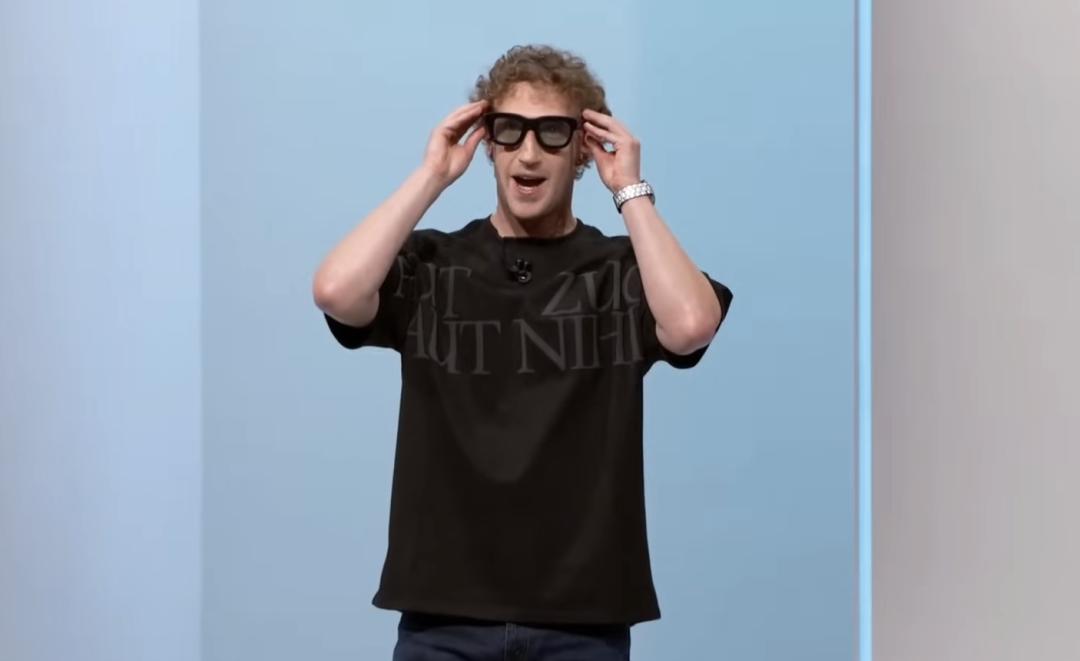
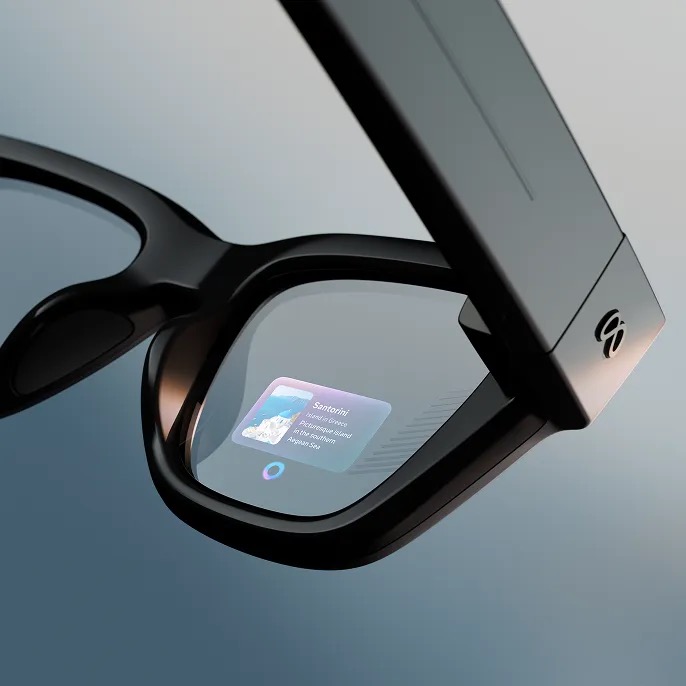
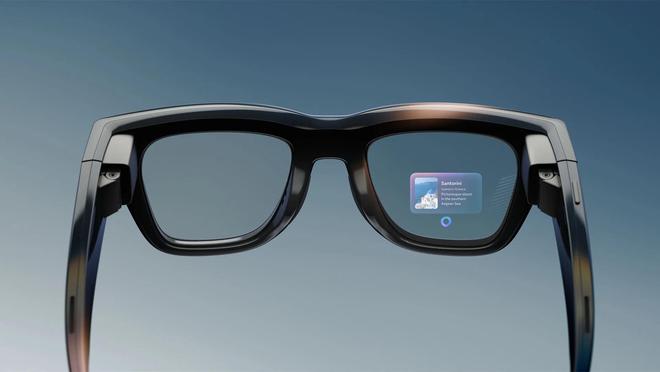
Core Insights - Meta has launched its new generation of AI glasses, the Meta Ray-Ban Display, which features a color display integrated into the familiar Wayfarer design, allowing users to see information directly through the glasses [1][3] - The pricing of the Meta Ray-Ban Display is set at $799, significantly higher than the previous Ray-Ban Meta at $299, but still cheaper than competitors like the Thunder X3 Pro priced at $8999 [3][4] - The introduction of the Meta Ray-Ban Display signifies a shift in the smart glasses market, emphasizing the importance of visual information display as a key feature for future personal computing devices [3][9] Product Features - The Meta Ray-Ban Display includes a 600x600 resolution color display with a 20° field of view, a refresh rate of 90Hz, and a maximum brightness of 5000 nits, designed for visibility even in bright conditions [5][6] - The device retains the Snapdragon AR1 Gen 1 chip and 12MP camera from its predecessor, but introduces features like 3X digital zoom and a preview display for photography [4][5] - A new accessory, the Meta Neural Band, allows for gesture-based interactions, enhancing user experience by enabling actions like menu navigation and message browsing without voice commands [6][7] Market Context - The launch of the Meta Ray-Ban Display occurs amidst increasing competition in the smart glasses market, with other companies like Rokid, Google, and Thunder also developing similar products [3][9] - The industry consensus is shifting towards the necessity of visual feedback in smart glasses, moving from passive audio notifications to active visual displays [9][10] - Different companies are adopting varied approaches to smart glasses design, with Meta focusing on a single-eye display, while competitors explore dual-eye configurations, impacting weight, battery life, and user experience [10][14] User Experience - The Meta Ray-Ban Display weighs 69g, which is heavier than its predecessor, and has a reduced battery life of 6 hours compared to over 8 hours for the previous model, indicating trade-offs in design for enhanced functionality [7][8] - The glasses aim to transform user interaction from auditory to visual, making information more accessible and intuitive, which could redefine the role of smart glasses in daily life [8][15] - Despite the advancements, challenges remain regarding weight, price, and overall usability, as the market continues to evaluate the practicality of smart glasses as a next-generation computing interface [15][16]
“湘”约全球 逐梦AI
Chang Sha Wan Bao· 2025-09-18 23:37
Core Insights - The article highlights the emergence of Changsha as a significant player in the artificial intelligence (AI) sector, emphasizing its strategic initiatives and advancements in AI technology and applications [1][3][5]. Group 1: AI Development and Infrastructure - Changsha is home to major supercomputing centers, including the National Supercomputing Center, with a total computing power exceeding 12,000 PF, ranking third nationally [3][11]. - The city aims to establish itself as a global research and development hub, with plans to grow its AI industry to over 100 billion yuan by 2026 [8][10]. - The local government has implemented various policies to support AI development, including the "Artificial Intelligence + Action Plan" and investment in digital infrastructure [8][10]. Group 2: AI Applications Across Industries - The focus of Changsha's AI strategy is on practical applications, targeting sectors such as healthcare, manufacturing, and smart transportation [7][42]. - AI technologies are being integrated into manufacturing processes, enhancing efficiency and precision, as seen in companies like GAC Aion and various robotics firms [22][24][26]. - The healthcare sector is leveraging AI for innovations in diagnostics and patient management, with companies like Sanofi and the Beijing University Changsha Institute leading initiatives [43][44]. Group 3: Innovation and Talent Development - Changsha has established numerous innovation platforms and research centers, collaborating with universities to foster talent and technological advancements [12][17]. - The city has seen a surge in entrepreneurial activities, with over 4,000 new businesses registered by university students in the past year, reflecting a vibrant startup ecosystem [15][16]. - Major companies, including ZTE and Huawei, are setting up AI research centers in Changsha, contributing to the local talent pool and innovation landscape [17][18]. Group 4: Cultural Integration of AI - The integration of AI into cultural sectors is evident, with initiatives that enhance cultural heritage through technology, such as AI-driven digital exhibitions and content creation [30][32]. - Changsha is leveraging AI to transform cultural industries, enabling new forms of content creation and audience engagement [33][36]. - The city is positioned as a leader in the "AI + Culture" movement, utilizing AI to revitalize traditional cultural practices and expand their reach [38][41]. Group 5: Future Prospects and Challenges - Changsha aims to solidify its position in the AI landscape by attracting leading enterprises and enhancing its research capabilities [49][50]. - The city is focused on overcoming challenges in AI adoption, including the need for more robust talent development and investment strategies [49][50]. - With a commitment to innovation and quality development, Changsha is poised to become a key player in the global AI industry [51].

发布首款带屏AI眼镜,Meta踏入硬件“深水区”
2 1 Shi Ji Jing Ji Bao Dao· 2025-09-18 12:17
Core Insights - Meta has launched the Meta Ray-Ban Display smart glasses and Neural Band, emphasizing AI integration and innovative interaction methods [1][2][4] - The smart glasses are priced at $799 and will be available in the U.S. starting September 30, with plans for international expansion [1][4] - Meta's CEO Mark Zuckerberg highlighted the glasses as a form of "super personal intelligence," enhancing cognitive and communicative capabilities [2] Product Features - The Ray-Ban Display weighs 89 grams and features a single-color display with a resolution of 600x600 pixels and a refresh rate of up to 90Hz [4] - The display has a brightness of 5000 nits and less than 2% light leakage for privacy [4] - The glasses can operate for approximately 6 hours on a single charge, with a total of about 30 hours using a folding charging case [6] Interaction and Usability - The Neural Band allows control through surface electromyography (sEMG), enabling natural input methods for various scenarios [6] - Users can receive notifications, navigation, and real-time translations directly on the glasses, enhancing daily usability [6][7] - The glasses support third-party applications like Spotify and Google Calendar, broadening their functionality [7][8] Market Positioning - Meta aims to complete its AR/VR product line with the introduction of the Ray-Ban Display, targeting high-end market segments [8] - Analysts predict conservative production and sales expectations, estimating 150,000 to 200,000 units over two years [9] - The smart glasses market is expected to grow, with Meta remaining a key player, particularly in the U.S. and Western Europe [10] Industry Trends - The global smart glasses market is projected to see significant growth, with a 54.9% year-on-year increase expected by Q2 2025 [10] - In China, the market is diversifying with multiple manufacturers entering, leading to increased competition and innovation [10][11] - Challenges such as user experience and the need for unique applications remain barriers to widespread adoption [11][12]
蓝思科技产Rokid Glasses亮相中国—东盟博览会
Chang Sha Wan Bao· 2025-09-18 10:33
Core Viewpoint - The 22nd China-ASEAN Expo showcased the Rokid Glasses, a smart eyewear developed by Lens Technology and Rokid, highlighting China's advancements in smart manufacturing and innovation [1] Group 1: Product Features - Rokid Glasses weigh only 49 grams and achieve 100% domestic production from core components to assembly [3] - The product utilizes diffraction waveguide display technology, ensuring high transparency and clarity, and runs on Rokid's self-developed YodaOS, supporting various AI models with over 20 functionalities including real-time translation and object recognition [3] - It is optimized for the ASEAN region with translation capabilities in 12 languages, promoting cultural exchange [3] Group 2: Manufacturing and Design - Lens Technology has established a self-controlled supply chain for the glasses, enhancing the manufacturing process through lightweight materials and achieving breakthroughs in key technical indicators such as weight, battery life, and display quality [3] - The packaging incorporates traditional Chinese lacquer craftsmanship, showcasing a blend of traditional art and modern technology [3] Group 3: Market Reception and Impact - Rokid Glasses are the only AI hardware product selected as a VIP commemorative item at the expo, indicating strong market recognition with over 400,000 sales orders across all channels [3] - The launch of Rokid Glasses represents a microcosm of China's manufacturing transformation, with Lens Technology driving the aggregation of upstream and downstream industries in the AR sector, contributing to the establishment of a billion-level AR industry cluster in Hunan [4] - The glasses have been applied in fields such as medical assistance and industrial inspection, reflecting the development direction of technology serving the public [4]