Rokid

Search documents
国泰海通|中小与股权研究:Rokid Glasses光波导智能眼镜正式开售
国泰海通证券研究· 2025-09-17 12:48
Core Viewpoint - Rokid Glasses, an all-functional AI smart glasses, will officially launch on September 1, 2025, with a price of 3,299 yuan, showcasing a unique integration of voice, photography, and display capabilities [2][3]. Product Overview - Rokid Glasses features a lightweight design of approximately 49 grams, utilizing a single optical machine with dual display technology and a diffraction waveguide solution, achieving a maximum brightness of 1500 nits for clear visibility outdoors [3]. - The device is powered by the Qualcomm AR1 chip and NXP RT600 dual-chip architecture, balancing high performance with low power consumption [3]. - It includes a 210 mAh battery, supporting various functionalities such as 6 hours of music playback, 4 hours of voice calls, 2 hours in always-on mode, and 30 minutes of intensive photography [3]. Design Philosophy - The glasses support voice control, real-time translation, and navigation prompts, with a dual-direction real-time translation feature that syncs with mobile screens, enhancing cross-language communication [2]. - Equipped with four-array microphones, it can achieve precise voice capture and positioning, distinguishing it from competitors [2]. Product Combination - Rokid Glasses stands out in the market due to its comprehensive functionality, combining voice, photography, and display capabilities, making it one of the most complete AI smart glasses available [2][3]. - The product's pre-sale performance is notable, with over 40,000 units sold within five days, indicating a strong consumer demand for display-enabled smart glasses [3]. Future Outlook - The adoption of waveguide technology has significantly improved the display quality and lightweight design, positioning Rokid Glasses as a leader in the industry [3]. - However, challenges remain in the AR glasses market, particularly regarding the high BOM costs associated with MicroLED and waveguide technologies, which can account for up to 50% of the total cost [4]. - Current diffraction waveguide technology still faces issues such as rainbow patterns and light leakage, limiting its application to basic functions like translation and notifications [4].


AI眼镜相关跟踪报告:RokidGlasses光波导智能眼镜正式开售
GUOTAI HAITONG SECURITIES· 2025-09-16 13:59
Investment Rating - The report assigns an "Increase" rating for the industry, indicating a potential growth exceeding 15% relative to the CSI 300 index [14]. Core Insights - Rokid Glasses, launched on September 1, 2025, integrates voice, photography, and display capabilities, making it a rare full-function AI smart glasses in the market [4][6]. - The product features advanced voice control, real-time translation, and navigation prompts, along with a camera for recognition and recording, enhancing user experience [6]. - The glasses achieved impressive pre-sale results, with over 40,000 units sold within five days, indicating strong consumer demand for display-enabled smart glasses [8]. Summary by Sections 1. Overview of Rokid Glasses - Rokid Glasses were officially available for pre-sale on September 1, 2025, priced at 3,299 CNY, with a charging case costing 399 CNY and an overseas price of 599 USD [5]. 2. Core Functions of Rokid Glasses - The glasses combine voice, photography, and display functions in a lightweight design under 50 grams, distinguishing them from competitors that offer limited functionalities [6]. - They support dual-way real-time translation and can sync with mobile screens, addressing cross-language communication barriers [6]. 3. Technical Specifications of Rokid Glasses - The glasses weigh approximately 49 grams and utilize a single optical machine with dual display technology, achieving a maximum brightness of 1500 nits for outdoor visibility [7]. - They are powered by the Qualcomm AR1 chip and NXP RT600 dual-chip architecture, balancing high performance with low power consumption [7]. 4. Future Outlook - The rapid sales growth of Rokid Glasses suggests significant market potential for waveguide AR glasses, with sales nearly doubling the total shipments of similar products in the first half of the year [8]. - However, challenges remain, including high BOM costs related to MicroLED and waveguide technologies, which can account for up to 50% of the total cost [8].
一二线商圈迎来“科技首店”
2 1 Shi Ji Jing Ji Bao Dao· 2025-09-14 23:49
Group 1: Industry Overview - The establishment of offline flagship stores for AR smart glasses, such as Rokid, signifies a growing trend of integrating AI and consumer technology in urban shopping districts [1][2] - The current phase of AI products is transitioning from conceptual introduction to market cultivation, with consumers shifting from curiosity to a demand for practical experiences [2][4] - The sales of AI smart glasses have seen significant growth, with global sales reaching 870,000 units in Q2 this year, a 222% increase year-on-year, and an expected total of over 5.5 million units for the year [4] Group 2: Consumer Engagement - Consumers are increasingly exposed to AR glasses in physical retail environments, allowing them to experience the technology firsthand, which enhances understanding and acceptance [1][3] - The integration of AR glasses into traditional eyewear retail settings provides consumers with new options, potentially increasing market penetration for smart eyewear [3][5] - The curiosity surrounding new technologies drives consumer interest, leading to increased foot traffic in stores and a desire to experience products like AR glasses [3][8] Group 3: Market Dynamics - The expansion of technology retail brands is still in its early stages, with limited growth in store area and a lack of significant strategies from landlords to attract AI technology brands [1][10] - The success of technology experience stores can enhance a city's commercial innovation image and attract high-end consumers, contributing to a broader economic impact [8][10] - The establishment of offline stores serves as a critical feedback channel for technology companies, allowing them to refine products based on consumer experiences [11]
一二线商圈迎来“科技首店”
21世纪经济报道· 2025-09-14 23:45
Core Viewpoint - The article discusses the emergence of AR smart glasses and AI technology retail stores in China, highlighting the shift from concept to practical consumer experiences, and the potential for these technologies to drive economic growth and enhance consumer engagement [2][5][12]. Group 1: AR Smart Glasses and Retail Experience - Rokid has opened its first offline flagship store in Hangzhou, showcasing its AR glasses, including the newly launched Rokid Glasses, which are aimed at providing consumers with hands-on experiences of the technology [1][5]. - The demand for AR glasses is growing, with Rokid reporting 40,000 units sold within five days of launching the Rokid Glasses, indicating strong market interest [5]. - The global sales of AI smart glasses reached 870,000 units in Q2 this year, representing a 222% year-on-year increase, with expectations to exceed 5.5 million units by the end of the year [5]. Group 2: Consumer Engagement and Market Trends - The integration of AI products into core business districts is seen as a natural outcome of consumer upgrades and technological innovation, transitioning from curiosity to actual experience needs [2][8]. - The establishment of experience stores for AI and robotics is attracting consumer attention, creating a flow of traffic that benefits surrounding businesses [9][11]. - The article emphasizes the importance of creating relevant application scenarios in retail spaces to enhance consumer engagement and avoid merely showcasing technology [11]. Group 3: Industry Development and Strategic Considerations - The expansion of technology retail brands is still in its early stages, with limited growth in store area and a lack of significant strategies to attract AI technology brands [11][12]. - Cities are encouraged to align their technology retail strategies with local consumer characteristics, focusing on high-end AI products in first-tier cities and practical applications in lower-tier cities [11]. - The collaboration between local governments and tech companies, such as the partnership between Wuxi and a brain-machine interface company, illustrates the strategic importance of establishing R&D and production bases to support local industry development [12].

AI 硬件,将带来下一个「苹果」还是昙花一现?
机器之心· 2025-09-13 01:30
Group 1: Core Insights - The article discusses the potential shift from smartphones to AI hardware, suggesting that the next major leap in consumer technology may come from a revolutionary device that could render smartphones obsolete [5][6]. - Major tech companies like Meta, OpenAI, Apple, and Google are positioning themselves in the AI hardware space, with a focus on devices that integrate AI capabilities as foundational infrastructure [8]. Group 2: AI Hardware Landscape - The global wearable technology market is projected to grow from approximately $120 billion in 2023 to around $158 billion in the coming years, indicating a significant expansion in the AI hardware sector [9]. - Various innovative AI hardware products are emerging, including smart glasses, health-monitoring rings, and AI-enabled earbuds, showcasing diverse interaction forms and functionalities [9]. Group 3: Company Strategies - Meta plans to release multiple tiers of AI glasses within the next five years, emphasizing the importance of AI functionality for future cognitive advantages [5]. - OpenAI is collaborating with former Apple designer Jony Ive to launch a next-generation portable device by 2026 that relies solely on cameras and microphones for interaction [5]. - Google is developing new AI assistants and Android XR glasses, aiming to enhance user experience through real-time interaction and improved language understanding [7].

2025年中国AI眼镜行业研究报告
艾瑞咨询· 2025-09-13 00:07
Core Viewpoint - The AI glasses industry is on the verge of a significant breakthrough, potentially marking the next "iPhone moment" in technology, where AI glasses could redefine user interaction with the world and enhance daily life experiences [2][5]. AI Glasses Definition and Classification - AI glasses are innovative wearable devices that integrate artificial intelligence with traditional eyewear, enhancing functionality and practicality. They can be categorized into five types based on integrated technologies, each serving different user needs and improving efficiency or experience [6][8]. Market Growth and Projections - The global shipment of AI glasses is expected to reach 20 million units by 2028, driven by rapid advancements in AI and AR technologies. The market is anticipated to see explosive growth starting in 2025, particularly in China, where the AI glasses market is projected to grow significantly [14][19]. Industry Landscape and Key Players - Major companies are entering the AI glasses market, focusing on integrating AI models with AR technology to create lightweight and versatile products. Notable brands include Bose, Huawei, and Meta, each offering various AI glasses tailored to different functionalities [19][21][23]. Consumer Awareness and Market Potential - Consumer awareness of AI glasses is growing, with 61% of surveyed individuals either having purchased or planning to buy smart glasses. The acceptance of AI features in glasses is notably high, with a significant portion of consumers willing to invest in these products [31][33]. User Preferences and Purchase Behavior - Users show a strong preference for mid-range priced AI glasses, with a willingness to pay slightly above budget for desirable features. The primary factors influencing purchase decisions include functionality, design, and the completeness of the product ecosystem [37][39]. Supply Chain and Technological Advancements - The AI glasses market is experiencing a shift towards domestic production and technological innovation, with over 60% of core components being sourced locally. This trend is expected to enhance product availability and reduce costs, making AI glasses more accessible to consumers [45][46]. Retail Strategies and Consumer Experience - Effective retail strategies, including experiential marketing and online-offline integration, are crucial for driving sales in the AI glasses market. The focus is on creating engaging consumer experiences that facilitate product understanding and encourage purchases [48][50].



一二线商圈迎来“科技首店” 欲造体验式消费新地标
2 1 Shi Ji Jing Ji Bao Dao· 2025-09-12 14:54
Group 1 - The establishment of offline flagship stores for AR smart glasses, such as Rokid, signifies a shift in consumer engagement with new technology, allowing users to experience the products firsthand [1][4] - The integration of AI and consumer products is seen as a natural outcome of consumption upgrades and technological innovation, transitioning from concept to market cultivation [2][10] - The sales of AI smart glasses have shown significant growth, with global sales reaching 870,000 units in Q2, a 222% increase year-on-year, and an expected total of over 5.5 million units for the year [4][5] Group 2 - The focus of AR glasses is shifting towards practical applications in daily life, with specific use cases such as navigation for cyclists and teleprompter functions for teachers [5][6] - The opening of technology experience stores in urban centers serves as a draw for consumers, enhancing foot traffic and stimulating surrounding retail and dining sectors [8][10] - The development of offline stores is crucial for technology companies to gather consumer feedback, optimize products, and facilitate the transition from technology manufacturing to technology consumption [11]
蚂蚁集团发布AI眼镜可信连接技术框架gPass,Rokid、小米等AI眼镜已率先应用
Xin Lang Ke Ji· 2025-09-12 03:06
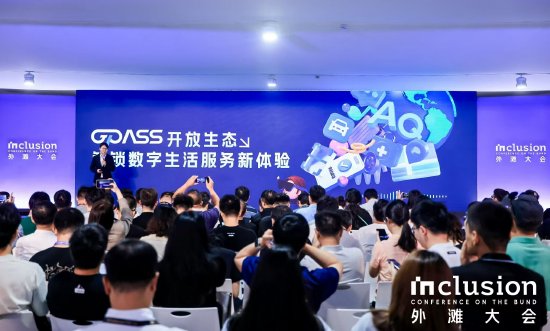
Core Insights - Ant Group launched the world's first trusted connection technology framework for smart glasses, named gPass, at the 2025 Inclusion Bund Conference, focusing on "security, interaction, and connectivity" [1][2] - The current AI glasses industry is still in the basic interaction stage, with significant gaps compared to smartphones, due to limited hardware capabilities and a fragmented software ecosystem [1] - gPass aims to address the urgent need for a unified, secure, and interconnected infrastructure to advance AI glasses from basic tools to personal intelligent assistants [1][2] Security Capabilities - gPass incorporates financial-grade security features, ensuring user information safety through trusted identity circulation, end-to-end encryption, and device authentication [2] - The technology has successfully adapted to both Android and RTOS chip-level security solutions [2] Interaction Features - gPass integrates biometric technologies such as voiceprint, iris, and fingerprint recognition for seamless user verification, enhancing reliability and security [2] Connectivity Functions - gPass intelligently recognizes user context, enabling instant and secure message exchanges with various smart devices, featuring cross-device synchronization and multi-modal reminders [2] - The technology has been applied to brands like Rokid, Xiaomi, Quark, and Thunderbird, with future applications in healthcare, travel, and cultural sectors [2]
Rokid Glasses AI眼镜亮相中国-东盟博览会,消费电子ETF(561600)涨超1.6%冲击3连涨
Xin Lang Cai Jing· 2025-09-12 02:06
Group 1 - Rokid announced the delivery of the "Casting Waves into Mountains" gift box set in collaboration with the Zhejiang Institute of Arts and Crafts, featuring Rokid Glasses as the only AI hardware product selected as a VIP souvenir at the 22nd China-ASEAN Expo [1] - The AI glasses market is expected to gain momentum with the anticipated launch of new AI glasses by Meta during the Connect conference on September 18, and Xiaomi has set a three-year shipment target of 5 million units for its AI glasses, exceeding expectations [1] - The consumption electronics sector is showing strong performance, with the CSI Consumer Electronics Theme Index (931494) rising by 1.87% as of September 12, 2025, and notable increases in stocks such as Chipone Technology (688521) up 16.67% and Jingwang Electronics (603228) up 10.00% [1] Group 2 - The CSI Consumer Electronics Theme Index (931494) includes 50 listed companies involved in component production and consumer electronics brand design, reflecting the overall performance of the sector [2] - As of August 29, 2025, the top ten weighted stocks in the CSI Consumer Electronics Theme Index accounted for 54.8% of the index, including companies like Cambricon Technologies (688256) and Luxshare Precision (002475) [2] - The Consumer Electronics ETF (561600) closely tracks the CSI Consumer Electronics Theme Index and includes various fund connections for investors [2]
支付宝“AI付”来了
Shang Hai Zheng Quan Bao· 2025-09-11 12:36
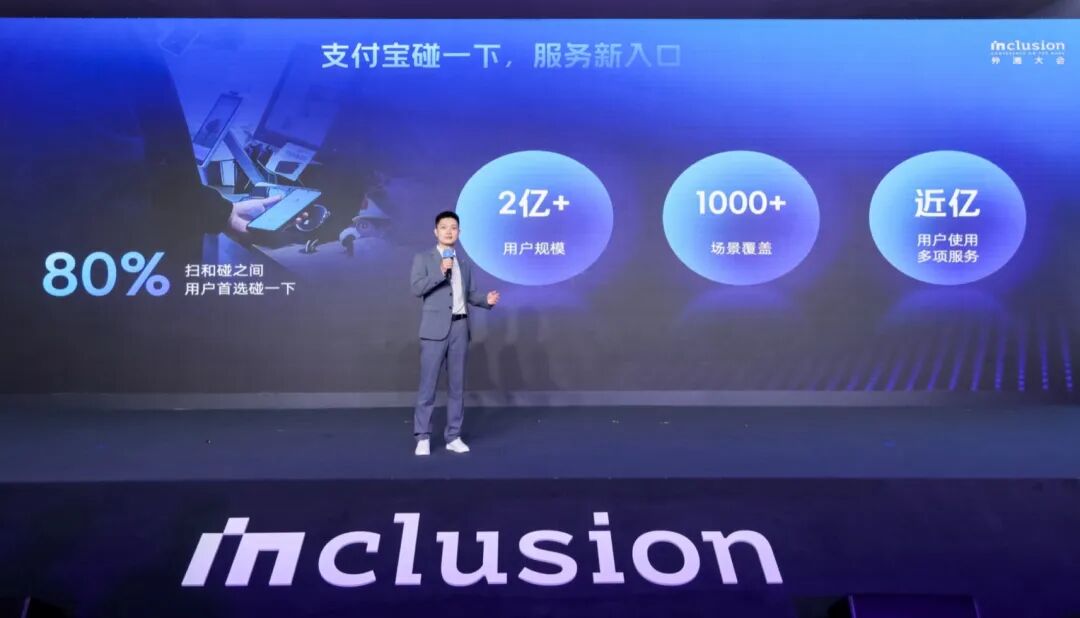
Core Insights - Alipay's "Tap to Pay" feature has surpassed 200 million users, doubling the speed of user acquisition to reach this milestone in just four months [1][3] - The launch of the first domestic "AI Payment" service was announced, with the initial implementation in the "Lucky AI" ordering assistant at Luckin Coffee [1][3] User Growth and Engagement - The "Tap to Pay" feature achieved over 100 million users within 321 days of its launch, setting a new growth record in the payment sector [3] - Nearly 100 million users have utilized at least two "Tap to Pay" services, indicating strong engagement [3] - The feature supports over 1,000 different scenarios, including food ordering, package collection, and interactive red envelopes, showcasing its versatility [3] Ecosystem Development - Smart devices such as smart glasses and smartwatches have been integrated into the "Tap to Pay" ecosystem [3] - A "Tap to Pay Application Ecosystem Alliance" was launched with ten major smart hardware manufacturers, including Huawei, OPPO, and Xiaomi, to enhance the ecosystem [3] Future Projections - The Chief Technology Officer of Ant Group's Digital Payment Division predicts that natural interaction payments could exceed 50% in the next five years, with a tenfold increase in diverse smart device payments [4] - The market for more intelligent AI payment solutions is expected to reach a trillion-level scale [4]