
李宁

Search documents
2025年中国羽毛球拍行业发展历程、产业链、市场规模、主要品牌及未来趋势研判:羽毛球拍市场持续增长,碳纤维技术驱动高端化发展[图]
Chan Ye Xin Xi Wang· 2025-06-05 01:29
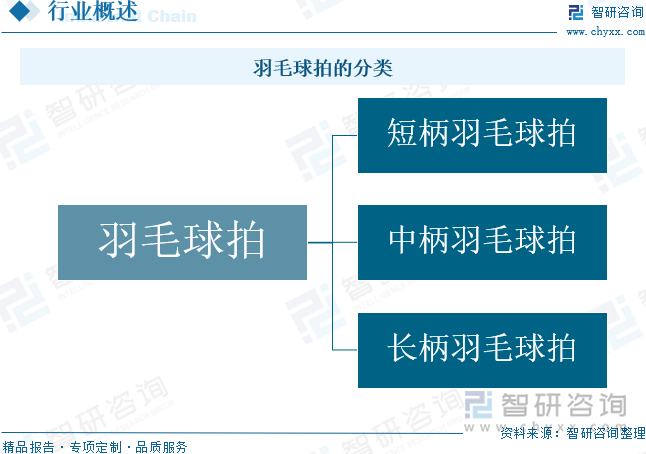
Core Viewpoint - Badminton is a popular sport with low risk and high skill, increasingly adopted in schools, leading to a rise in badminton racket market demand. Technological advancements in racket design and materials enhance user experience, expanding the market significantly. The Chinese badminton racket market is projected to grow from approximately 2.553 billion yuan in 2024 to 3.79 billion yuan by 2030, driven by health consciousness and sports popularity [1][17]. Industry Overview - The badminton racket typically consists of the racket head, shaft, handle, and the joint between the shaft and frame. The development of rackets has focused on reducing weight, increasing frame stiffness, improving shaft elasticity, and minimizing air resistance [3][10]. - The badminton racket market is expected to reach approximately 5.55 billion yuan globally in 2024, with projections of growth to 8.24 billion yuan by 2030, fueled by rising health awareness and fitness culture [16]. Key Parameters of Badminton Rackets - Important parameters include racket length, weight, handle thickness, frame cross-section, head shape, balance point, shaft stiffness, maximum tension, and materials used. The standard length for international rackets is 665mm, with most domestic rackets being 675mm [6][9]. - The materials used in rackets have evolved from wood to aluminum and now to advanced composites like carbon fiber, which offers superior strength and lightweight properties [14][26]. Industry Development History - The design of badminton rackets has evolved from simple wooden designs focused on durability to modern rackets made from lightweight materials like carbon fiber, enhancing performance and aesthetics [10][20]. Industry Chain - The upstream of the badminton racket industry includes raw material suppliers (carbon fiber, graphene, titanium alloys, etc.), the midstream involves manufacturing processes (frame molding, handle processing, etc.), and the downstream consists of sales channels (sports specialty stores, e-commerce, supermarkets) [12]. Competitive Landscape - Major domestic brands in the badminton racket market include Li Ning, Victor, and Hong Shuangxi, while international brands like Yonex and Kawasaki dominate the high-end market. The competition is intensifying as brands increase R&D investments to enhance product performance and quality [20][21]. Future Trends - Material technology upgrades will drive high-end development, with a focus on optimizing composite materials and integrating smart technologies into rackets for enhanced user experience [26][27]. - The market is expected to see segmentation, with high-end products led by international brands and local brands focusing on mid-range offerings, catering to diverse consumer needs [28].




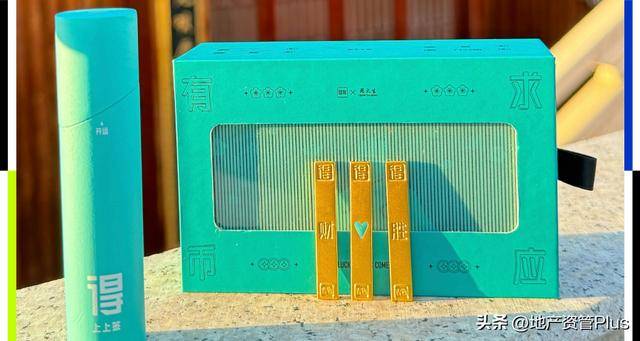
懂年轻人的得物,每15分钟一个百万级爆品,稳定长销3年
Sou Hu Cai Jing· 2025-06-04 10:21
Core Insights - The article discusses how the platform "Dewu" has become a significant player in the e-commerce space, particularly in the jewelry and toy categories, by leveraging the preferences of young consumers [3][4][7][16]. Group 1: Market Performance - Dewu has seen substantial growth in sales, with some jewelry brands reporting over 1600% year-on-year growth [3]. - The platform has become one of the fastest-growing e-commerce platforms for jewelry, with significant sales increases in toy categories as well [4]. - In 2024, Dewu had 6120 brands doubling their annual sales, with a new million-level product emerging every 15 minutes [9]. Group 2: Consumer Trends - Young consumers are increasingly focused on emotional value and practical functionality rather than just price [7][8]. - Products that resonate with cultural attributes and emotional value are gaining traction, with significant interest in items like "body measurement shoes" [7][8]. - The platform's user base has expanded to over 500 million, with a balanced gender ratio and a growing presence in lower-tier cities [16]. Group 3: Business Model and Advantages - Dewu boasts a low return rate of only 10%, significantly lower than the industry average, which helps merchants reduce costs and improve profitability [11][12]. - The platform's operational model is simpler, allowing merchants to focus on product selection and promotion rather than extensive store management [13]. - Dewu's average product lifecycle is 138 days, which is 2.4 times higher than the industry standard, indicating a more stable sales environment [13][14]. Group 4: Brand Strategies - Brands that understand young consumer trends and utilize Dewu for exclusive product launches are seeing significant success [17][18]. - The platform has expanded its product categories beyond footwear to include over 30 major categories, allowing for diverse consumer engagement [20]. - Dewu has implemented policies to lower merchant costs, including fee reductions and marketing incentives, which have positively impacted brand profitability [21].
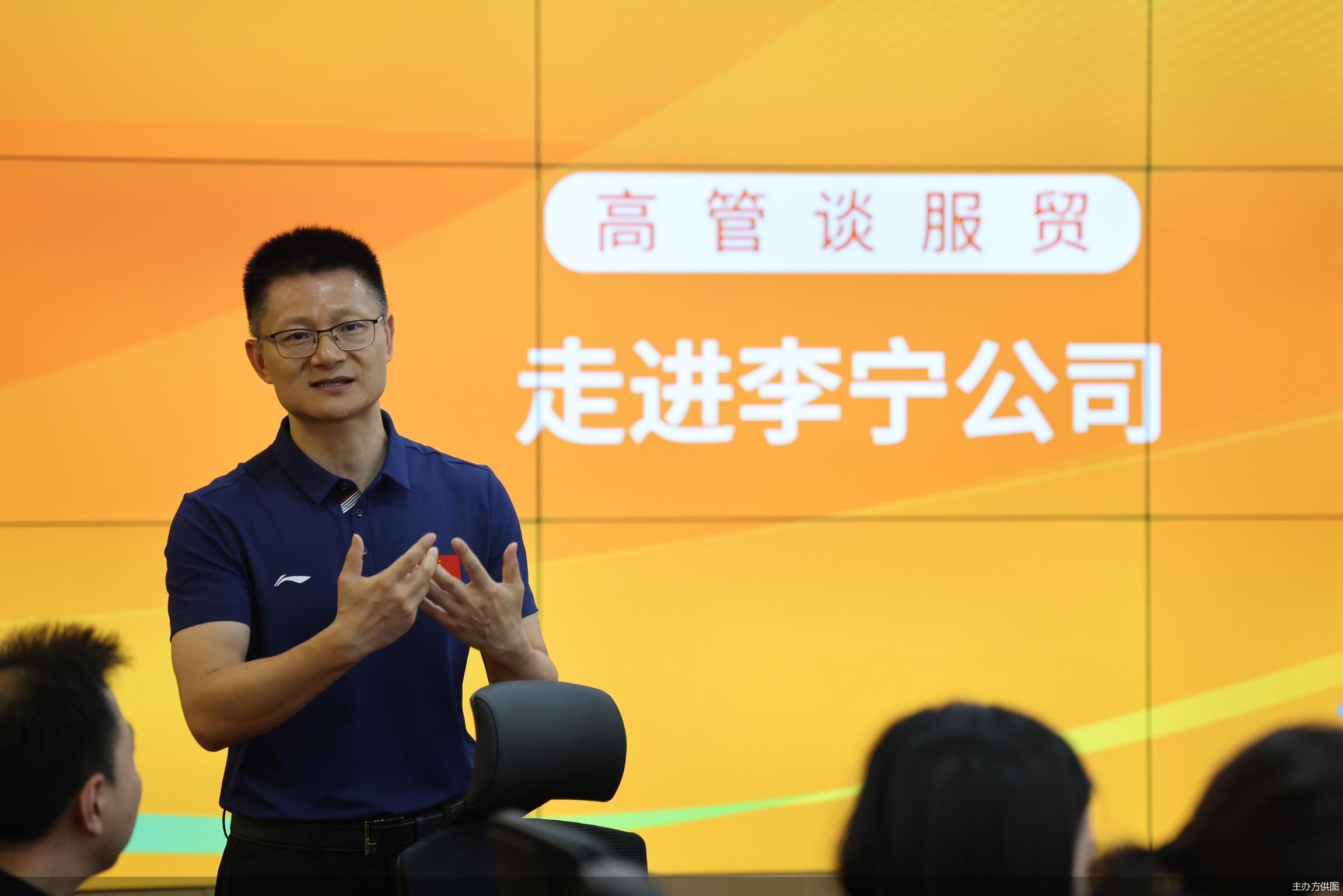
李宁集团副总裁宋春涛:全链路驱动,让可持续发展真正实现可持续
Bei Jing Shang Bao· 2025-06-04 06:40
Core Viewpoint - The company is positioning itself as a leader in green and sustainable practices within the sportswear industry, emphasizing its commitment to environmental, social, and governance (ESG) principles through innovative product development and operational strategies [1][4]. Group 1: ESG Commitment and Strategy - The company adopts a core ESG philosophy of "high-level leadership, long-term commitment, product innovation, and full-chain drive" to achieve sustainable development [1]. - The company has established a comprehensive governance structure that supports ESG initiatives, involving all levels from the board to operational teams [4]. Group 2: Product Innovation - The company has launched a series of eco-friendly sports products, including professional footwear that meets both performance and environmental standards [2]. - An example of innovation includes the use of castor oil-derived bio-based materials in shoe production, which has led to the sale of over 10 million pairs of bio-based running shoes [3]. Group 3: Environmental Impact - The company has facilitated the recycling of over 190 million plastic bottles through the use of recycled materials in its products [3]. - In May 2024, the company showcased fully biodegradable shoes, achieving over 80% biodegradability, marking a significant milestone in the Chinese sports footwear market [3]. Group 4: Operational Sustainability - The company is enhancing its operations through smart equipment upgrades and renewable energy initiatives, such as a 1.16MW solar power station in Beijing, which is expected to provide 25% of its total electricity needs by 2024 [5]. - The company has completed social responsibility audits for 140 suppliers and environmental audits for 60 material suppliers, achieving a 100% pass rate for all audited suppliers [5]. Group 5: Future Vision - The company aims to integrate sustainable development deeply into its business operations, focusing on creating both commercial and social value [5].
新华网财经观察丨冲锋衣爆火之下的乱象调查
Xin Hua Wang· 2025-06-03 04:14
Core Insights - The surge in popularity of outdoor jackets, particularly "冲锋衣" (windbreakers), has led to significant market growth, with projections indicating a market size of 102.7 billion yuan in 2024, and a compound annual growth rate (CAGR) of 18.3% from 2019 to 2024 [2][3] - However, the rapid expansion has also resulted in quality issues, with approximately 30% of the jackets on the market being ordinary jackets lacking waterproof capabilities, and a high incidence of counterfeit products [3][8] Market Dynamics - The outdoor apparel market is experiencing a transformation, with "冲锋衣" becoming a mainstream fashion item, evidenced by over 680 million posts on Xiaohongshu and 32 billion views on Douyin [5] - Sales of "冲锋衣" on major e-commerce platforms exceeded 10 billion yuan from August 2023 to September 2024, with brands like 伯希和 and 凯乐石 seeing significant year-on-year growth during promotional events [5][6] Company Performance - 伯希和's financial performance shows a remarkable increase in revenue, from 379 million yuan in 2022 to an expected 1.766 billion yuan in 2024, with a CAGR of 232% [6][8] - The contribution of "冲锋衣" to 伯希和's revenue is substantial, rising from 80.7% in 2022 to 91.1% in 2024 [6] Industry Challenges - The influx of new outdoor brands, with 3,980 currently active and 2,452 registered in the past year, has led to increased competition, often resulting in low-quality products and misleading marketing practices [8][12] - Consumer complaints regarding "冲锋衣" have surged, with over 10,036 complaints related to issues such as counterfeit products and quality discrepancies [8][11] Regulatory Environment - New national standards for "冲锋衣" were implemented in April 2024, enhancing requirements for moisture permeability, abrasion resistance, and safety [14][20] - Companies like 迪卡侬 and 森马 have faced penalties for misrepresenting ordinary jackets as "冲锋衣," highlighting the need for stricter compliance and quality control [12][14] Consumer Trends - The consumer demographic for "冲锋衣" is shifting towards a younger audience, primarily aged 18-45, with a significant female representation [15] - There is a growing emphasis on fashion and functionality, with consumers increasingly seeking stylish options that meet specific performance needs [15][18] Future Outlook - Companies are encouraged to invest in research and development to create proprietary materials and technologies, while also focusing on quality control and product differentiation to stand out in a competitive market [19][21] - The evolution of "冲锋衣" from a niche necessity to a fashionable item presents both opportunities and challenges for brands aiming to maintain consumer trust and market share [21]

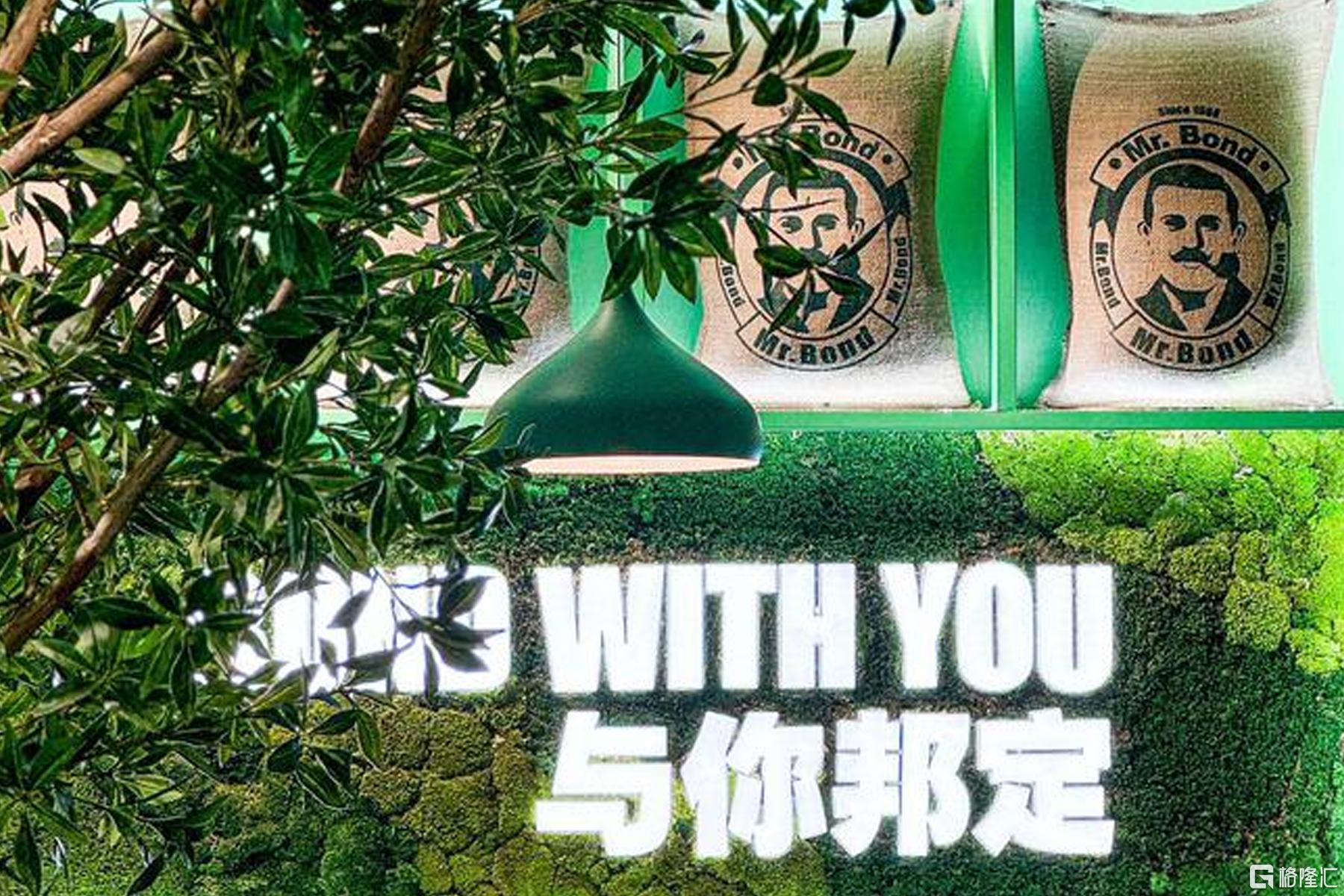
旺旺集团首个咖啡店在上海开业
Ge Long Hui· 2025-06-02 01:52
Group 1 - Wangwang's sub-brand Bond Coffee opened its first offline store in Shanghai on August 8, 2023, located near the Guilin Road subway station [2] - The store design incorporates green from coffee beans as the brand color, and the product features a unique coffee made from discarded coffee fruit peels, which is low in caffeine and suitable for caffeine-sensitive consumers [2] - Bond Coffee, established in 1998, has seen steady sales growth for six consecutive years since being acquired by Wangwang in 2018, with plans to open 100 stores in three years [2] Group 2 - Many luxury brands, including MIKIMOTO, Dior, and Louis Vuitton, have entered the coffee industry, primarily for brand exposure and customer engagement [3] - Wangwang's recent financial performance shows positive growth, but it has not yet returned to the revenue and profit levels of its peak in 2013, indicating a need for new growth avenues [3] - The coffee industry has shown signs of fatigue in 2023, with a decline in the number of new store openings among chain coffee brands, reflecting a downward trend in the market [3][4] Group 3 - The coffee market is experiencing a "survival of the fittest" scenario, with several chain coffee brands closing numerous stores, indicating increased competition and challenges for new entrants like Wangwang [4]

智通港股沽空统计|6月2日
智通财经网· 2025-06-02 00:21
Short Selling Ratios - Li Ning-R (82331) has the highest short selling ratio at 100.00% [1][2] - Bank of China Hong Kong-R (82388) follows with a short selling ratio of 97.81% [1][2] - Lenovo Group-R (80992) ranks third with a short selling ratio of 95.62% [1][2] Short Selling Amounts - Alibaba-SW (09988) leads in short selling amount with 2.599 billion [1][2] - Meituan-W (03690) has a short selling amount of 1.626 billion [1][2] - Xiaomi Group-W (01810) follows closely with a short selling amount of 1.622 billion [1][2] Deviation Values - Bank of China Hong Kong-R (82388) has the highest deviation value at 53.64% [1][2] - Lenovo Group-R (80992) has a deviation value of 51.19% [1][2] - Jinyu Group (02009) ranks third with a deviation value of 37.02% [1][2]




从国际运动巨头到新锐品牌都陆续在此“安家” 上海潮鞋版图不断焕新扩容
Jie Fang Ri Bao· 2025-06-01 01:51
Core Insights - Shanghai is becoming a central hub for trendy sneaker culture, with multiple international brands establishing flagship stores and headquarters in the city [1][4][5] Brand Expansion - Adidas has opened its first global flagship store in Shanghai, showcasing its highest level of design, product, and service [1] - HOKA has launched its global first brand experience center in the New天地商圈, emphasizing its commitment to the Asian market [2] - Other brands like Craft, ECCO, and Brooks are also expanding their presence in Shanghai, indicating a growing trend of high-performance and lifestyle brands entering the market [1][2][4] Market Dynamics - The influx of international brands has transformed Shanghai into a starting point for sneaker culture, with significant consumer engagement, as evidenced by Adidas' flagship store attracting over 10,000 visitors daily during the holiday period [3] - The establishment of brand headquarters in Shanghai allows for a broader consumer reach across China and the Asia-Pacific region, with brands like ANTA and Li Ning also setting up their global operations in the city [4][5] Cultural Integration - The sneaker culture in Shanghai is being enriched by a variety of new retail formats, including concept stores and cafes, creating vibrant consumer experiences [6] - Online platforms like 得物 are fostering community engagement and innovative collaborations, such as the partnership between ANTA and pop culture brand Pop Mart [7]


实探新政后全国首家新开市内免税店:落子高档商圈,不到半小时卖出首单
Sou Hu Cai Jing· 2025-05-30 14:08
Core Viewpoint - The opening of Wuhan's first city duty-free shop marks a significant development in China's retail landscape, following new policies from the Ministry of Finance and other departments aimed at enhancing international travel shopping experiences [1][2]. Group 1: Store Overview - The Wuhan city duty-free shop, operated by Wangfujing and Wushang Group, spans over 1,800 square meters and features areas for duty-free products, taxable goods, and a tea break zone [1]. - The store offers a variety of products including cosmetics, 3C digital products, international luxury accessories, beverages, and domestic cultural creative items [1]. - The store is designed for international travelers who are departing within 60 days and requires valid travel documents and tickets for purchases [1]. Group 2: Market Context - The establishment of city duty-free shops is part of a broader initiative to set up one shop each in eight cities, including Wuhan, Guangzhou, Chengdu, and others, enhancing the shopping experience for international travelers [2]. - The location of the duty-free shop in a commercial hub is strategic, allowing for a more relaxed shopping experience compared to airport duty-free stores [2]. - The Wushang Mall is projected to attract over 32 million visitors in 2024, positioning it as a high-end consumption landmark in Central China [2]. Group 3: Product Offerings and Innovations - The store features a taxable goods area showcasing popular domestic brands and over 200 types of traditional handicrafts from Hubei, promoting local culture [3]. - A self-developed itinerary verification system has been implemented to ensure a smooth shopping experience for foreign tourists [3]. - The store has passed customs inspection and is equipped with nearly 200 surveillance cameras to ensure the security of the duty-free product chain [3]. Group 4: Broader Implications - The opening of the duty-free shop is expected to meet the consumption needs of over 2 million international travelers annually in Hubei, reinforcing Wuhan's position as a central international consumption hub [3]. - Other cities approved for new city duty-free shops, such as Chengdu and Changsha, are also progressing towards their operational goals within the year [4].


迪卡侬高端化迷局:增收降利,涨价策略反噬品牌根基
Xi Niu Cai Jing· 2025-05-30 08:57
Core Insights - Decathlon's net sales reached €16.2 billion in 2024, marking a 3.8% year-on-year increase, while net profit significantly declined by 15.5% to €787 million [2] - The company has been pursuing a high-end development strategy, but this has led to a loss of brand recognition due to price increases that preceded consumer acceptance [2] - Despite a surge in outdoor sports popularity, Decathlon's performance in key categories like outdoor apparel and badminton has been mediocre [2] Group 1: Financial Performance - Decathlon's net sales for 2024 were €16.2 billion, a 3.8% increase from the previous year [2] - The net profit for the same period fell by 15.5% to €787 million [2] - The company has experienced a slowdown in revenue growth and stagnation in net profit over the past three years [2] Group 2: Market Trends and Product Performance - The high-end product pricing strategy has seen some items increase by over 50%, but this has not translated into strong market performance [2] - In 2025, Decathlon's quick-dry shorts ranked second in the "light outdoor" category with an 18.9% market share, while other popular categories like sun-protective clothing and shoes performed poorly [2] - The popularity of cycling has surged, with road bike sales increasing by 270% and mountain bike sales by 190% in 2025 [2] Group 3: Digital Transformation and Brand Strategy - Decathlon's online sales proportion rose to 20% in 2024, with outdoor apparel GMV growing by 84% and footwear by 68% [3] - The appointment of a new CEO with a digital background was aimed at accelerating the brand's digital transformation, but the early resignation of the CEO suggests dissatisfaction with the high-end strategy's effectiveness [3] - The company's physical store expansion in China has fallen short of expectations, with only 267 stores opened by 2023, compared to the initial goal of 500 within five years [3]

端午消费热潮涌动:非遗IP引领千亿级市场新变革
Huan Qiu Wang· 2025-05-30 04:24
Group 1: Market Trends - The consumption of zongzi, a traditional food for the Dragon Boat Festival, is transitioning from a seasonal necessity to an all-year-round consumption scenario, with 85% of the population now consuming zongzi [1] - The zongzi market is projected to exceed 10.3 billion yuan in 2024 and reach over 11 billion yuan in 2025, driven by broader consumption patterns and the gift economy [1] - 80% of consumers purchase zongzi outside the Dragon Boat Festival, with 65% of these purchases being for personal enjoyment, indicating a shift in food consumption from seasonal symbols to everyday products [1] Group 2: Product Innovation - The health trend is reshaping the zongzi product matrix, with low-sugar and low-fat options like barley zongzi and purple sweet potato zongzi capturing 15% of the market share [2] - Cross-brand collaborations, such as those between traditional zongzi brands and companies like NIO and Li Ning, are elevating zongzi into the 30-50 yuan luxury price range, appealing to Gen Z as a social currency [2] Group 3: Cultural and Economic Impact - The commercialization potential of cultural IP is evidenced by the significant increase in local tourism orders driven by dragon boat races, with related product sales on e-commerce platforms growing over 200% [2] - The integration of immersive experiences in cultural tourism, such as the Xi'an Yungxingfang intangible cultural heritage theater, has led to a 35% increase in customer spending and a 2.3 times higher repurchase rate compared to traditional tourist attractions [3] - The rise of new production capabilities in the food and cultural tourism industries is expected to create a billion-yuan industry cluster around the Dragon Boat Festival, showcasing China's economic resilience and innovative vitality [3]