荣耀

Search documents
直击CJ | N5馆变身“超级手游竞技场”:米OV耀引关注,联发科缺席
Xin Lang Ke Ji· 2025-08-01 07:40
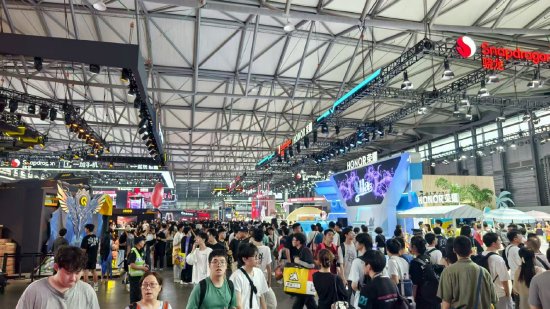
Core Insights - The 22nd ChinaJoy was held from August 1 to 4 at the Shanghai New International Expo Center, showcasing a significant focus on mobile devices and gaming equipment [1] - Major brands such as Xiaomi, Honor, iQOO, OnePlus, Nubia/Red Magic, realme, and ROG presented their latest flagship smartphones and gaming accessories [1] - Qualcomm had a prominent presence with its own booth, displaying devices powered by Snapdragon processors, including smartphones, tablets, and Xiaomi AI glasses, while also hosting mobile game competitions [1] - Media reports noted the absence of MediaTek at the event, indicating differing approaches to the gaming business between the two chip manufacturers [1] Company and Industry Summary - The N5 exhibition hall transformed into a "large mobile device experience center," highlighting the growing importance of mobile gaming and related technologies in the industry [1] - Qualcomm's strategy appears to emphasize direct engagement with consumers through interactive events, showcasing its ecosystem of devices and gaming solutions [1] - The lack of participation from MediaTek may suggest a strategic shift or reduced focus on the gaming segment compared to Qualcomm, potentially impacting its market positioning [1]



高通亮相2025 ChinaJoy:以技术和生态助推游戏产业与数字消费升级
Sou Hu Cai Jing· 2025-08-01 06:45
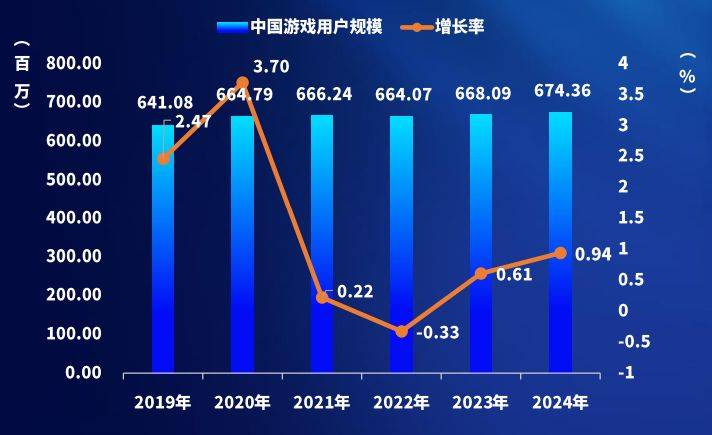
Core Insights - The 2025 ChinaJoy event showcases the growth and innovation in the digital entertainment industry, with a focus on high-quality development and digital consumption [1][2][4] Industry Overview - The Chinese gaming market is projected to reach a sales revenue of 325.78 billion yuan in 2024, marking a year-on-year growth of 7.53%, with mobile games accounting for 238.22 billion yuan, over 70% of the total [4] - The user base for Chinese gaming has reached 674 million, a historical high, while the global gaming market is expected to generate total revenues of $182.7 billion in 2024, with mobile games holding a 55% share [4] Regional Performance - Shanghai's gaming sales revenue is expected to hit 155.8 billion yuan in 2024, reflecting a 7.8% year-on-year increase, and the esports industry in Shanghai is projected to generate 6.13 billion yuan, accounting for 46.9% of the national esports revenue [6] Technological Innovations - Qualcomm's Snapdragon 8 Gen 2 is highlighted as a performance benchmark, featuring a 45% increase in single-core and multi-core performance, a 40% enhancement in GPU performance, and a 45% boost in AI capabilities [7] - The Snapdragon Elite Gaming features have been upgraded to enhance gaming experiences, integrating advanced technologies for improved graphics and performance [7][11] Ecosystem Development - Qualcomm is building a comprehensive ecosystem by collaborating with upstream and downstream partners, integrating leading mobile technology into various devices, including smartphones, PCs, and XR headsets [13] - Partnerships with companies like NetEase and Tencent have led to significant advancements in gaming experiences, including the introduction of AI capabilities in mobile games [14] Esports Growth - The Chinese esports market is expected to exceed 300 billion yuan by 2026, with the esports industry generating 27.57 billion yuan in 2024, reflecting a 4.62% year-on-year growth [15][18] - Qualcomm's Snapdragon Pro Series has become a leading mobile esports event, attracting millions of viewers and showcasing the potential of mobile esports [18]
份额收缩下的IPO突围:传音手机能否续写“非洲一哥”传奇?
Da Zhong Ri Bao· 2025-08-01 06:31
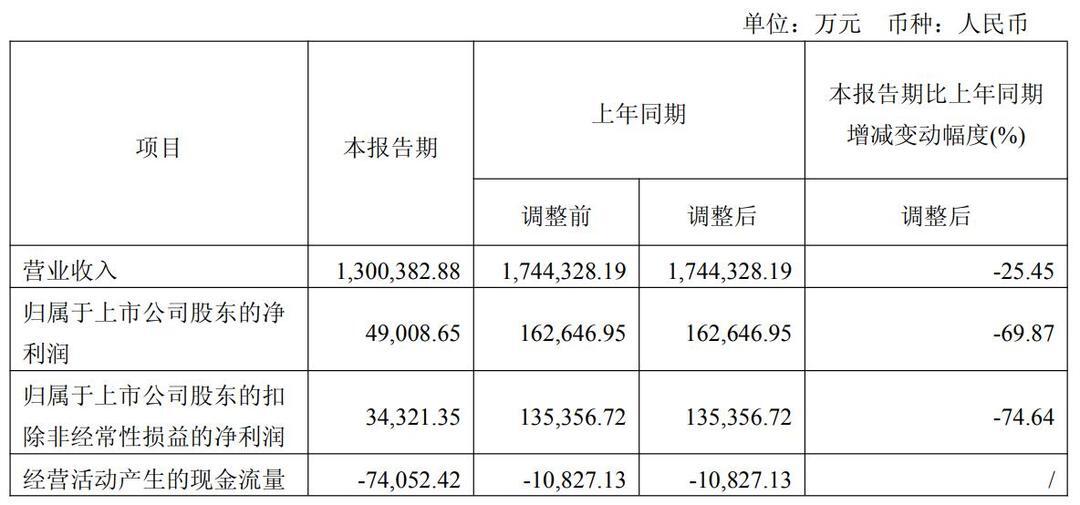
Core Viewpoint - Transsion Holdings, known as the "King of Mobile Phones in Africa," is reportedly discussing a secondary listing in Hong Kong with a target fundraising of approximately $1 billion (about 71.85 billion RMB) [1] Financial Performance - In Q1 2025, the company reported total revenue of 13.004 billion RMB, a year-on-year decline of 25.45% [2][3] - The net profit attributable to shareholders was 490 million RMB, down 69.87% year-on-year [2][3] - The net profit after excluding non-recurring gains and losses was 343 million RMB, a decrease of 74.64% year-on-year [2][3] - The company's current ratio was 1.693, quick ratio was 1.312, and debt-to-asset ratio was 51.98% [2] Market Position and Competition - Transsion Holdings holds a 14.0% share of the global mobile phone market, ranking third among global manufacturers, with a 40% share in the African smartphone market [1] - The company's market share in Africa has declined to 47%, down 5 percentage points year-on-year [4] - Competitors such as Samsung, Xiaomi, OPPO, and Honor are increasing their presence in the African market, with market shares of 21%, 13%, 3%, and 3% respectively [4] Future Growth Drivers - The company identifies the ongoing transition from feature phones to smartphones in emerging markets as a key growth driver [4] - Transsion Holdings is focusing on enhancing its mid-to-high-end product offerings and increasing R&D investment, which accounted for 4.46% of revenue in Q1 2025 [9][10] New Business Initiatives - The company is diversifying its product range beyond mobile phones, including digital accessories, home appliances, and energy solutions to address power shortages in Africa [10][12] - Transsion Holdings has launched several new products, including the TECNO PHANTOM Ultimate G Fold, and is exploring opportunities in electric vehicles through its Revoo brand [9][12]

独角兽IPO加速 多家企业冲刺“火箭第一股”
Shen Zhen Shang Bao· 2025-07-31 19:05
Group 1 - The core viewpoint of the articles highlights the rising trend of IPOs among unicorn companies in China, particularly in the commercial aerospace sector, with Blue Arrow Aerospace initiating its IPO process [1][2] - Blue Arrow Aerospace, established on June 1, 2015, is one of the earliest private commercial rocket companies in China, with a registered capital of 360 million yuan [1] - As of July 2023, Blue Arrow Aerospace successfully launched the world's first liquid oxygen-methane carrier rocket, Zhuque-2, marking a significant milestone in its development [1] Group 2 - In the past three years, Shenzhen has seen seven unicorn companies go public, with notable listings on the Hong Kong Stock Exchange and the Shanghai Stock Exchange's Sci-Tech Innovation Board [2] - Among the 42 unicorn companies in Shenzhen, 12 have plans for an IPO, including Huolala, which submitted its application to the Hong Kong Stock Exchange in April 2025 [2]
通信行业周报(2025.07.21-2025.07.27):央国企百亿聚焦聚变赛道,AI软硬件双轮驱动趋势不变-20250731
Shanghai Securities· 2025-07-31 11:51
Investment Rating - The report maintains an "Overweight" rating for the communication industry [1][9]. Core Insights - The establishment of China Fusion Energy Co., Ltd. marks a new phase in the development of controllable nuclear fusion, with significant investment from state-owned enterprises totaling 11.492 billion yuan [5][18]. - The investment cycle for controllable nuclear fusion is on the rise, driven by intensified US-China competition and supportive domestic policies [5][18]. - The AI infrastructure expansion and model transition are expected to drive opportunities across the computing and application stack, highlighting the synergy between hardware and software [6][19]. Summary by Sections Market Review - In the past week (July 21-27, 2025), the Shanghai Composite Index and Shenzhen Component Index rose by 1.67% and 2.33%, respectively, while the CITIC Communication Index fell by 0.47%, ranking 28th among 30 primary industries [4][14]. - The top five performing stocks in the communication sector included Dongxin Peace (34.10%), Cheng Tian Wei Ye (17.14%), and Si Nan Navigation (16.54%) [4][15]. Weekly Topic - The focus is on the significant investment in the fusion energy sector by state-owned enterprises, indicating a strategic shift towards large-scale development [5][18]. - The report suggests monitoring related industry chain stocks due to the ongoing investment cycle in controllable nuclear fusion [5][18]. Industry News - China Mobile's centralized procurement for data center switches is expected to involve approximately 33,300 units, with a total budget of about 2.0294 billion yuan [7][21]. - Huawei has the highest share in this procurement, with several other established domestic manufacturers also participating [7][21][23]. Investment Recommendations - The report recommends focusing on key beneficiaries across various sectors, including controllable nuclear fusion and AI-related hardware and software [6][19].


华为手机重返第一
华尔街见闻· 2025-07-31 10:16
Core Viewpoint - Huawei has made a significant comeback in the Chinese smartphone market, reclaiming the top position with a market share of 18.1% in Q2 2025, marking its return to the forefront after a challenging period due to sanctions and market competition [5][6][14]. Market Dynamics - The Chinese smartphone market has faced a decline, with Q2 2025 showing a 4% year-on-year decrease in shipments, totaling 68.96 million units, ending a six-quarter growth streak [11][12]. - Despite the introduction of national subsidies, the expected boost in consumer demand has been limited, leading manufacturers to control inventory levels and rely on promotional events to clear stock [10][11][12]. Competitive Landscape - In Q2 2025, Huawei's competitors, including Vivo, OPPO, Xiaomi, and Apple, experienced a decline in shipments, with only Xiaomi showing a slight growth of 3.4% [13][19]. - Honor, once a strong competitor benefiting from Huawei's challenges, has seen its market share drop to approximately 12.8%, failing to rank among the top five smartphone brands [19][20]. Historical Context - Huawei's market share peaked at 46% in Q2 2020 before sanctions led to a significant decline, forcing the sale of its sub-brand Honor [25][26]. - The company has been on a recovery path since 2023, driven by the successful launch of the Mate 60 series and a resurgence in its product lineup [27][28]. Product Strategy - Huawei's strategy includes a focus on high-end smartphones and the introduction of innovative products like foldable phones, where it holds a dominant market share of nearly 50% in China [30][31]. - The company has also been expanding its product offerings, including the launch of the HarmonyOS 6, which aims to enhance AI capabilities and user interaction [43][44]. Future Challenges - Despite regaining the top position, Huawei faces challenges in returning to international markets due to ongoing sanctions and a highly competitive domestic landscape [33][34]. - The smartphone market is entering a phase of saturation, with increased competition from domestic brands targeting the high-end segment [34][35]. - The industry is also experiencing pressure in the foldable smartphone segment, with a 14% year-on-year decline in shipments in Q2 2025 [40]. AI Integration - The rise of AI smartphones is seen as a critical area for future growth, with Huawei aiming to innovate in this space, although it has yet to establish a leading position [41][46]. - The development of AI capabilities within HarmonyOS is part of Huawei's strategy to redefine user interaction and enhance the smartphone ecosystem [44][45].
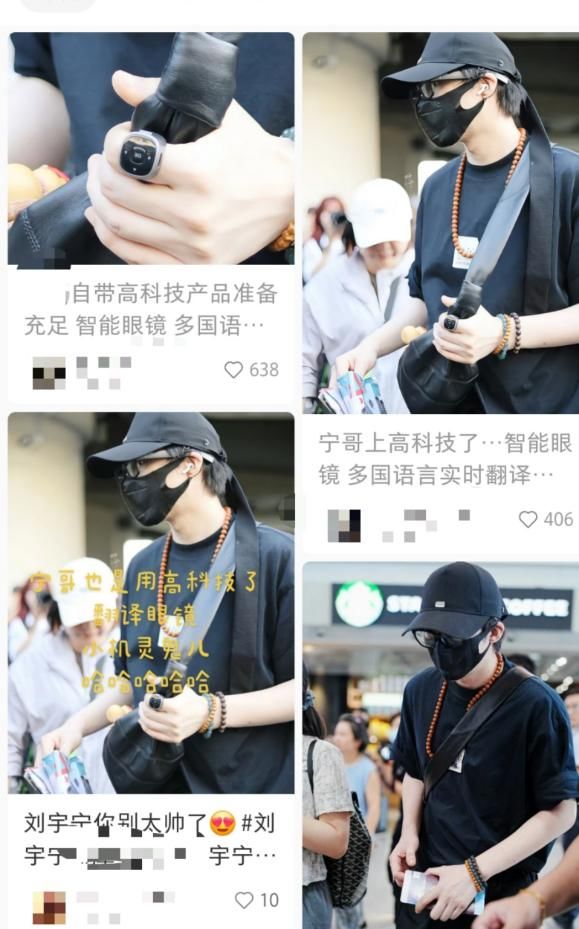
明星出国也戴!从联名奢牌到合作金店、药厂,不少玩家还在“等风来”,智能眼镜何时迎来大爆发?
Mei Ri Jing Ji Xin Wen· 2025-07-31 04:24
Core Insights - The "2025 World Artificial Intelligence Conference" has highlighted the competitive landscape of emerging technologies, particularly smart glasses, which have not yet seen explosive growth despite initial hype [1] - Major players like Xiaomi and Alibaba are expected to lead the market, but many manufacturers are still cautious and waiting for market education from these giants [1][4] - The smart glasses market is projected to grow significantly, with IDC forecasting a shipment volume of 2.907 million units in China by 2025, representing a year-on-year increase of 121.1% [8] Group 1: Market Dynamics - Smart glasses are categorized into three main technology paths: AI glasses, AR glasses, and AI+AR glasses, with companies like Xiaomi and Meta focusing on the AI and photography segment [3] - The introduction of new products is cautious, with companies like Alibaba announcing their "Wow" glasses without offering hands-on experiences [3][4] - The market is currently characterized by a lack of aggressive product launches, as many companies are still assessing user acceptance and the best technological path [5][6] Group 2: Competitive Landscape - Zhao Zhongxia, a researcher, identifies three types of companies likely to gain an advantage in the smart glasses market: those with large models, those with AI application entry points, and those with hardware ecosystems [2][7] - The competition is expected to intensify as more companies enter the market, with a notable increase in product launches anticipated in the second half of the year [16] - The smart glasses industry is still in a cautious phase, with many traditional eyewear manufacturers preparing for AI glasses production but not yet launching significant products [4][5] Group 3: Consumer Engagement - Current applications of AI glasses are primarily focused on photography, recording, and translation, leading to a degree of product homogeneity [9] - The market is seeing innovative marketing strategies, such as collaborations between tech companies and luxury brands to attract consumers [1][14] - User feedback indicates a need for improvements in design, functionality, and overall user experience to drive wider acceptance of smart glasses [14][8]
如何将AI能力融入日常使用场景 已成手机厂商重要课题
Zhong Guo Xin Wen Wang· 2025-07-31 03:13
中新网北京7月31日电 "市场数据显示,全球AI手机市场份额正在持续攀升,消费者对于智能手机AI功 能的需求日益强烈,AI已经从一个可选功能转变为用户购买决策的关键因素。" 荣耀CEO李健曾在接受采访时表示,相较于智能手机这一存量市场而言,AI重构终端产业承载着未来 机会。 而这些机会,也是消费者在AI时代的真实需求。 以AI手机为例,万玉龙认为,它应实现用户的三层价值重构。 第一层是用户认知的延伸,能够帮助用户快速获取知识与信息,成为用户的"第二大脑",辅助用户做出 各种决策,从日常选择到重要判断。 在近期举行的世界人工智能大会上,OPPO智能助理部总经理、小布助手负责人万玉龙表示,市场的这 种变化不仅反映了技术的成熟,更体现了用户对于智能化体验的深层次期待。在这样的背景下,如何把 握AI技术发展的脉搏,将先进的AI能力真正融入到用户的日常使用场景中,成为了摆在所有手机厂商 面前的重要课题。 近年来,AI功能成为众多国产手机品牌新机的重要增量功能。 例如,不少手机厂家推出了AI消除、AI去反光等影像类功能,文案创作等学习办公类功能,旅行规划 等生活娱乐类功能。此外,随着 AI 的普及,用户对个人数据隐私保护 ...
欣旺达递表港交所 高盛和中信证券担任联席保荐人
Zheng Quan Shi Bao Wang· 2025-07-31 00:48
Core Viewpoint - Company Xinda (300207) has submitted a listing application to the Hong Kong Stock Exchange, with Goldman Sachs and CITIC Securities as joint sponsors. The company focuses on the research, design, manufacturing, and sales of lithium batteries, providing comprehensive solutions from battery cells to systems, covering consumer batteries, power batteries, and energy storage systems [1]. Group 1: Market Position - Xinda holds a leading position in the global mobile phone battery market with a market share of 34.3% in 2024, according to ZhiShi Consulting data [1]. - The company is the second-largest manufacturer of batteries for laptops and tablets globally, with a market share of 21.6% [1]. Group 2: Business Development - The company started with consumer battery business and gradually expanded into power batteries and energy storage systems, forming an integrated business layout, with consumer battery revenue accounting for over 50% of total revenue [1]. - As of March 31, 2025, the company has 19 production bases in China and 6 overseas to meet global customer demand [2].


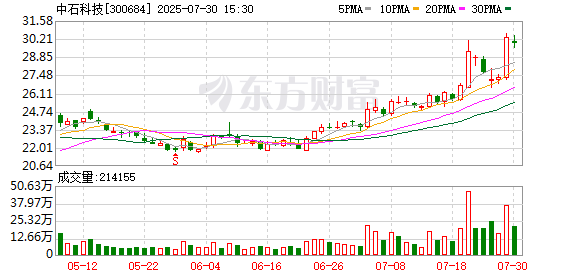
中石科技:公司基本实现3C行业头部客户全覆盖
Mei Ri Jing Ji Xin Wen· 2025-07-30 08:43
Core Viewpoint - The company, Zhongshi Technology, confirmed its products are utilized in the consumer electronics sector, including applications in Huawei smartphones, and serves major global clients in the industry [2]. Group 1: Company Products - The main products offered by the company in the consumer electronics industry include high thermal conductivity graphite products, thermal interface materials, heat pipes, heat spreaders, thermal modules, EMI shielding materials, adhesive materials, and sealing materials [2]. - These products are applied in various devices such as smartphones, tablets, laptops, smart wearable devices, and smart home devices [2]. Group 2: Clientele - The company has achieved comprehensive coverage of leading clients in the 3C industry, providing long-term services to major North American clients, including Samsung, Microsoft, Google, Amazon, Honor, DJI, and others [2].