
国药股份

Search documents
九部门发文“救市”,从大扩张到大并购,70万家药房化解关店危机
Hua Xia Shi Bao· 2026-01-29 04:53
Core Viewpoint - The A-share pharmaceutical retail sector is experiencing a significant rebound, driven by a new policy aimed at promoting high-quality development in the industry, which is expected to help around 700,000 pharmacies currently facing challenges [2][3]. Group 1: Industry Trends - The pharmaceutical retail industry is undergoing a wave of closures, with a projected net closure of 39,000 stores in 2024, significantly higher than the 3.8% closure rate in 2023 [5][6]. - The market is witnessing a shift from passive closures to proactive consolidation, as the new policy addresses industry pain points and encourages mergers and acquisitions [2][3][9]. - The concentration of the market is increasing, with the top 10 companies expected to reach a market share of over 35% by 2026, moving towards the levels seen in mature markets [9]. Group 2: Financial Performance - Major players in the industry are facing declining revenues and profits, with companies like YaoYao and GuoDa Pharmacy reporting significant drops in net profits, highlighting the financial strain on the sector [4][5]. - Only one out of six major private listed chains, Yifeng Pharmacy, is expected to achieve positive net profit growth in 2024, indicating a narrowing profitability landscape [5][6]. Group 3: Policy Impact - The new policy aims to standardize and optimize the merger and acquisition process, reducing costs and time for major chains, thus facilitating industry consolidation [7][9]. - The policy encourages a shift from a focus on drug sales to a broader health service model, aligning with changing consumer demands and promoting diversification in product offerings [8][9]. Group 4: Future Outlook - The industry is expected to evolve from merely selling drugs to becoming comprehensive health service providers, enhancing efficiency and better meeting consumer needs [10][11]. - The ongoing transformation is anticipated to eliminate inefficient capacities and elevate industry standards, marking a transition to a new phase of value growth [11].





“降本”失灵,国药现代陷营利双降困局
Bei Jing Shang Bao· 2026-01-27 15:15
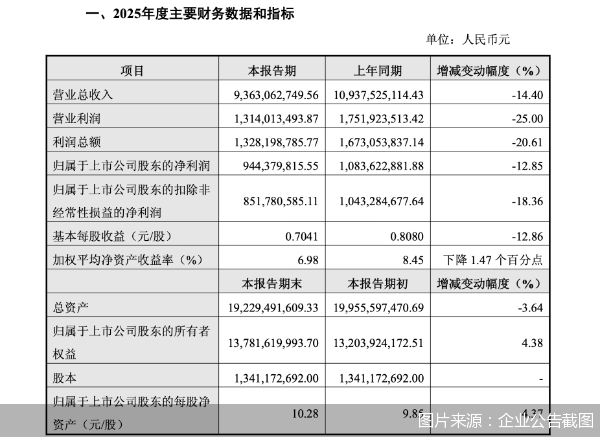
Core Insights - The company reported a significant decline in both revenue and net profit for 2025, with total revenue at 9.363 billion yuan, down 14.4% year-on-year, and net profit at 944 million yuan, down 12.85% [1][4][6] - This marks the fourth consecutive year of revenue decline for the company, with previous years also showing negative growth in revenue due to pressures in both raw material and formulation businesses [4][9] - Despite the revenue decline, net profit had previously reached historical highs due to aggressive cost-cutting measures, particularly in sales expenses, which were reduced from 34.85 billion yuan in 2021 to 11.52 billion yuan in 2024 [5][6] Financial Performance - The company's operating profit for 2025 was 1.314 billion yuan, a decrease of 25% compared to the previous year [2] - The total profit for the period was 1.328 billion yuan, down 20.61% year-on-year [2] - The basic earnings per share decreased by 12.86% to 0.7041 yuan [2] Business Challenges - The decline in revenue and profit is attributed to a dual impact on core business segments, with both raw materials and formulations facing price pressures and reduced demand [6][8] - The overall gross margin decreased by 6.91 percentage points, despite a reduction in expense ratios [6] - The company is attempting to address these challenges through asset divestitures and restructuring, including the sale of a 51% stake in a subsidiary at a significant loss [8][9] Management Changes - The company has undergone significant management turnover in recent years, with multiple high-level resignations and appointments, indicating potential internal restructuring efforts [7][10] - The management changes are seen as part of a broader strategy to address ongoing performance issues and improve operational efficiency [7][10] Industry Context - The challenges faced by the company are reflective of broader issues within the "Guoyao" system, where multiple listed companies are experiencing performance pressures and are engaging in asset restructuring [9][10] - The industry is shifting from a focus on scale to efficiency, as companies seek to optimize resources and improve profitability amid competitive pressures [9][10]

健康险解决创新药支付三部曲
2 1 Shi Ji Jing Ji Bao Dao· 2026-01-26 13:01
Core Viewpoint - The commercial health insurance sector is increasingly positioned as a crucial component of China's multi-tiered medical security system, especially in the context of high prices for innovative drugs and tightening medical insurance payment spaces [1][4]. Group 1: Growth of Commercial Health Insurance - The compensation scale for innovative drugs and medical devices by commercial health insurance has been growing rapidly, with a projected total compensation amount of approximately 14.7 billion yuan by 2025, reflecting a compound annual growth rate of 70% over four consecutive years [3][4]. - The demand for high-quality health insurance is rising due to limited accessibility to high-quality medical services under the current medical insurance system, making commercial health insurance an important supplement [3][4]. Group 2: Challenges Faced by the Industry - The lack of reliable incidence and cost data presents a significant challenge for commercial health insurance in assessing risks associated with innovative drugs, leading to potential profit erosion and losses for insurance companies [5][6][7]. - The industry is working on creating a unified net cost table for commercial medical insurance to improve risk assessment and pricing accuracy, which has historically relied on limited internal data [8][9]. Group 3: Industry Collaboration and Investment - Insurance companies are transitioning from being mere financial payers to becoming collaborative partners within the medical industry, leveraging their capital to support healthcare and elderly care sectors [10][12]. - By 2025, insurance funds are expected to invest over 150 billion yuan in medical-related projects, with direct equity investments in the healthcare sector nearing 30 billion yuan [11][12]. Group 4: Regulatory Environment and Future Directions - The China Insurance Industry Association emphasizes the need to adhere to fundamental insurance principles while expanding product offerings, reflecting a shift towards sustainable commercial practices [14][17]. - The relationship between the National Medical Insurance Administration and the National Financial Regulatory Bureau is characterized by both cooperation and competition, with the former pushing for commercial health insurance to take on more responsibilities [15][16][17].
2025年全国医药制造业出口货值为2367.2亿元,累计增长9.9%
Chan Ye Xin Xi Wang· 2026-01-25 01:59
2019年-2025年全国医药制造业出口货值统计图 数据来源:国家统计局,智研咨询整理 知前沿,问智研。智研咨询是中国一流产业咨询机构,十数年持续深耕产业研究领域,提供深度产业研 究报告、商业计划书、可行性研究报告及定制服务等一站式产业咨询服务。专业的角度、品质化的服 务、敏锐的市场洞察力,专注于提供完善的产业解决方案,为您的投资决策赋能。 上市公司:国药现代(600420),昆药集团(600422),片仔癀(600436),千金药业(600479),津 药药业(600488),国药股份(600511),联环药业(600513),合富中国(603122),康惠制药 (603139),莎普爱思(603168),奥翔药业(603229),大参林(603233) 相关报告:智研咨询发布的《2026-2032年中国医药制造外包(CMO/CDMO)行业市场发展态势及未来 趋势研判报告》 根据国家统计局数据可知:2025年12月全国医药制造业出口货值为225.6亿元,同比下降3.5%;2025年 全国医药制造业累计出口货值为2367.2亿元,累计同比增长9.9%。 ...

2026年比较好的阁楼货架,立体库货架,托盘式货架厂家行业口碑
Sou Hu Cai Jing· 2026-01-24 10:17
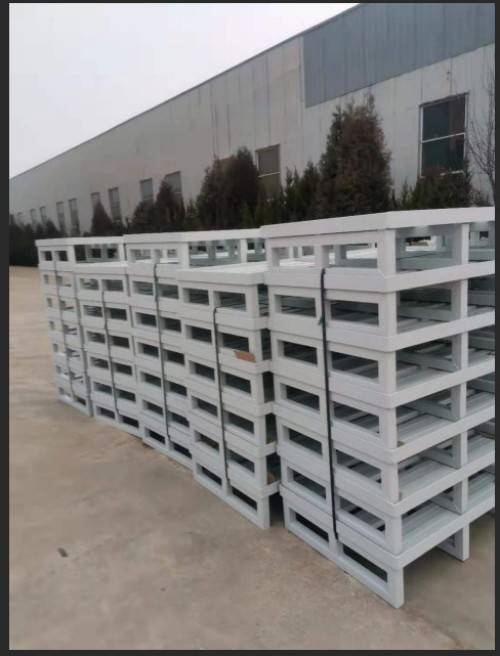
引言 在当今物流仓储行业蓬勃发展的背景下,货架作为重要的存储设备,其质量、性能和适用性直接影响着 企业的仓储效率和运营成本。为了给广大企业和相关从业者提供科学、客观、公正的货架厂家选择参 考,我们依据国内相关行业协会公开的数据形成的指南以及权威的白皮书内容,开展了此次货架厂家测 评。 本次测评涵盖了多种类型的货架产品,包括货架、仓储货架、重型货架、货架托盘、阁楼货架、托盘式 货架、横梁式货架、CTU 货架、贯通货架、轮胎货架、立体库货架等。测评方法综合考虑了多个维 度,具体测评依据及各评分项占比情况如下: - **企业实力(30%)**:主要考察企业的生产设备、场地规模、人员配置等硬件条件,以及企业的资 金实力和市场份额等。生产设备的先进程度和数量直接影响产品的生产效率和质量,场地规模反映了企 业的生产能力和发展潜力,人员配置的合理性则体现了企业的运营管理水平。 - **技术实力(25%)**:包括企业的研发投入、专利数量、技术创新能力等。拥有更多的专利和先进 的技术,意味着企业能够生产出更具竞争力的产品,满足客户不断变化的需求。 - **产品质量(20%)**:从原材料的选择、生产工艺的把控到产品的质量检测 ...

2026年中国医疗器械物流配送行业发展历程、政策、运力情况、竞争格局及趋势研判:医疗器械物流基础建设不断完善,物流运输自有车辆突破4万台[图]
Chan Ye Xin Xi Wang· 2026-01-24 02:30
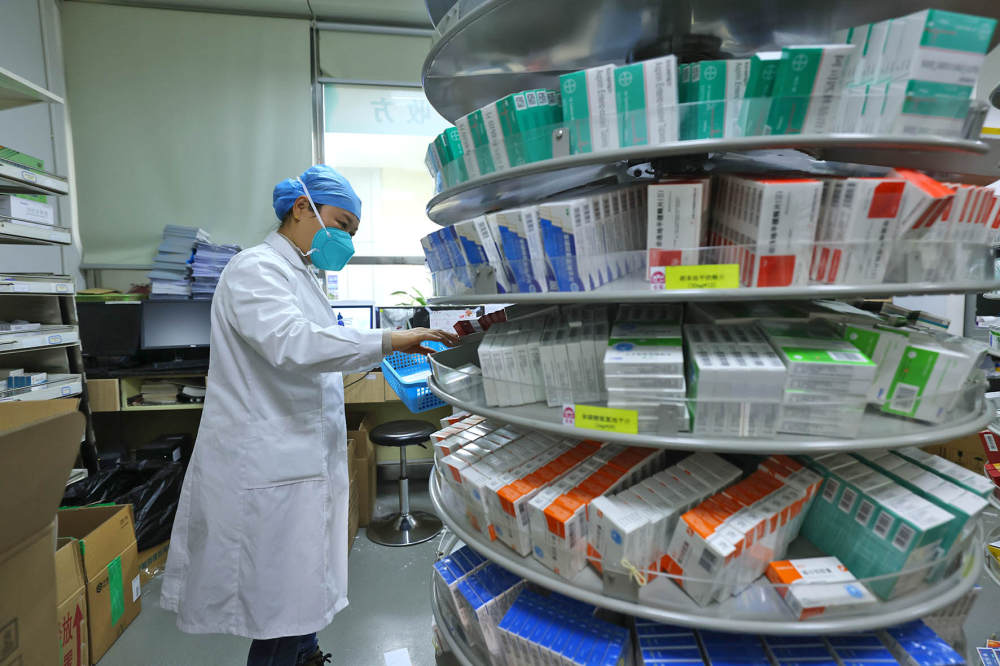
Core Viewpoint - The strategic importance of medical device logistics and distribution is increasingly recognized as the market for medical devices continues to expand, leading to a strong demand for specialized and efficient logistics services [1][8]. Industry Overview - Medical device logistics and distribution involves the effective transfer of medical device products from suppliers or manufacturers to medical institutions, pharmacies, or other relevant endpoints, ensuring safety, timeliness, and accuracy [2][3]. - The industry has evolved through four stages, from minimal focus during the early marketization phase to a rapid development period from 2010 to 2020, driven by increasing demand and regulatory policies [3]. Industry Policies - Recent government policies have provided strong support for the development of the medical device logistics industry, promoting standardization, efficiency, and scale [4]. - Key policies include the establishment of a risk-sharing alliance for online sales of medical devices and encouragement for wholesale companies to integrate storage and transportation resources [4]. Industry Chain - The upstream of the medical device logistics chain includes suppliers of logistics vehicles, software, medical devices, storage equipment, and packaging materials [4]. - The midstream consists of logistics service providers, which are crucial for the entire supply chain, while the downstream includes medical institutions and patients as the primary demand side [4]. Current Industry Status - The logistics total cost for medical devices in China is projected to reach 26.78 billion yuan in 2024, with a year-on-year growth of 1.88% [8]. - The logistics warehousing area is expected to be 23.58 million square meters in 2024, reflecting a 0.8% increase [8]. Market Trends - The medical device logistics industry is expected to accelerate its digital transformation and integration of intelligent technologies, utilizing IoT for real-time monitoring and big data for demand forecasting [12][14]. - Service models are evolving towards highly specialized and integrated solutions, addressing specific requirements for different categories of medical devices [14]. - The logistics network is anticipated to deepen into lower-tier cities, establishing regional distribution centers to enhance efficiency and reduce costs [15].





宋志平:建设市场新蓝海
Sou Hu Cai Jing· 2026-01-19 12:42
Core Insights - The article discusses the challenges faced by Chinese enterprises in a highly competitive environment characterized by "involution," where companies engage in excessive competition leading to diminished profits and innovation [1][3][4] - It emphasizes the need for businesses to focus on micro-management and understanding the essence of operations to thrive in a new economic normal [1][4] Group 1: Involution and Competition - "Involution" is a significant issue across various industries in China, driven by factors such as globalization setbacks, technological shifts, and deep structural adjustments in the domestic economy [3][4] - The article highlights that many companies are trapped in homogeneous competition, leading to price wars that erode profit margins and stifle innovation [3][4] Group 2: Case Studies and Strategies - The case of Shandong Luhua Group is presented as a model for breaking through involution by focusing on product differentiation rather than price competition, achieving nearly 20 billion yuan in revenue and 2.7 billion yuan in profit in 2023 [6][7] - Luhua's strategy includes maintaining high product quality and respecting upstream suppliers, which fosters a sustainable industry ecosystem [7] Group 3: Policy and Industry Transformation - The Chinese electrolytic aluminum industry serves as an example of successful transformation through government intervention, where a production capacity ceiling was set at 45 million tons, leading to increased profits and a healthier market [9][10] - The article notes that from 2017 to 2024, the industry's total profit is expected to approach 100 billion yuan, demonstrating the effectiveness of macroeconomic regulation [10] Group 4: Mergers and Industry Consolidation - Historical examples from Japan's cement industry illustrate how government-led consolidation can effectively address overcapacity, resulting in a stable market with three major players maintaining reasonable pricing [12][13] - The article discusses how the Chinese cement industry underwent a similar consolidation under the leadership of Song Zhiping, leading to significant profit increases from 20-30 billion yuan to over 150 billion yuan between 2018 and 2021 [13] Group 5: Future Economic Strategies - Song Zhiping proposes five rules for constructing a new economic blue ocean in China, emphasizing the importance of industry self-regulation, consolidation, capacity reduction, pricing strategies, and innovation [15][16][17][18][19] - The article highlights the shift from "engineer dividends" to "scientist dividends," indicating a new era of innovation driven by returning talent and enhanced domestic research capabilities [15] Group 6: Conclusion - The article concludes with the notion that effective management and a focus on value creation are essential for long-term sustainability in the face of increasing global uncertainties [23]
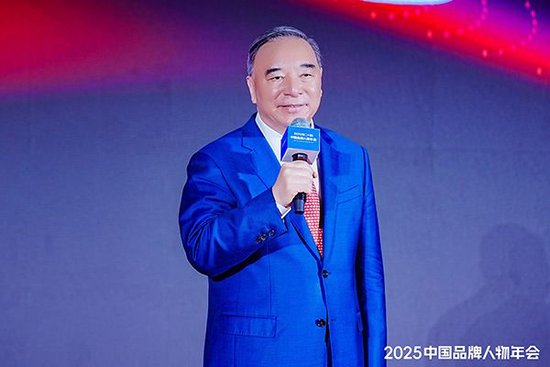
中国上市公司协会会长宋志平:品牌是企业最高境界
Xin Lang Cai Jing· 2026-01-19 07:03
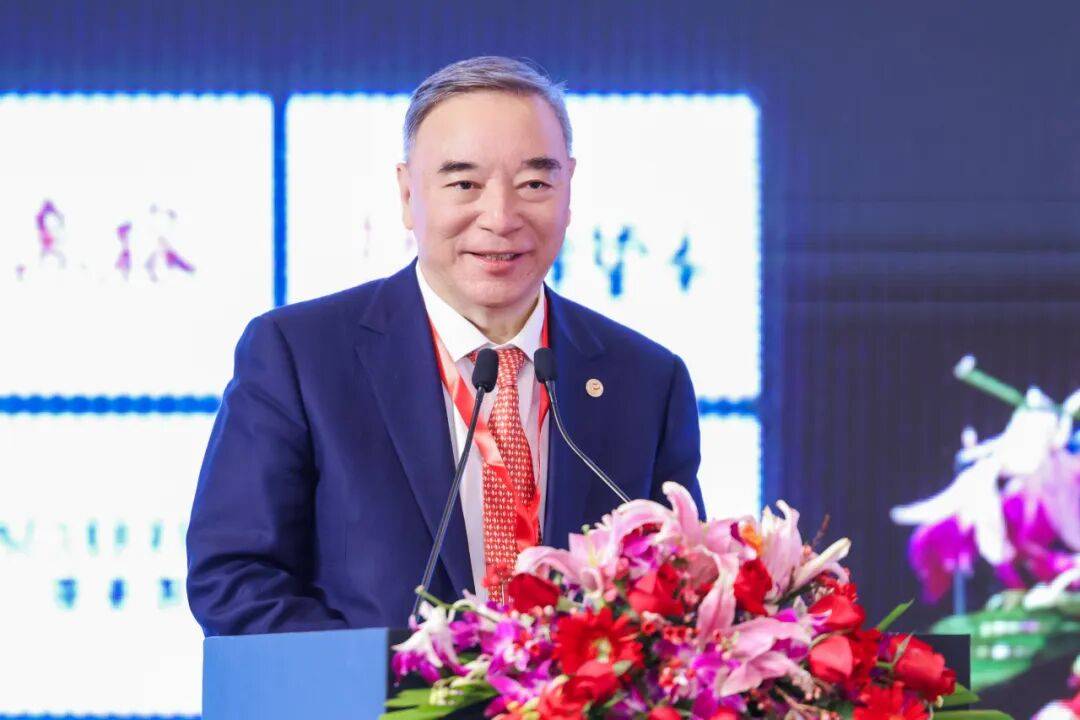
Core Insights - The 20th China Brand Person Annual Conference is set to take place on December 29, 2025, in Shenzhen, focusing on the theme "Who Earns Respect for China" and gathering over 2,000 elites from various sectors to reflect on the development of Chinese brands and explore new trends and opportunities in brand building [1][9]. Group 1: Key Themes from the Conference - Brand is considered the highest realm of enterprise management, encompassing all aspects of a company, including technology, innovation, management, quality, credit, and service, reflecting the spirit of entrepreneurship [5][14]. - Quality is the foundation of a brand, and without quality and service, a brand lacks substance. The current market is shifting from speed and scale to quality and efficiency, emphasizing the importance of value over cost [6][14]. - Brand building is regarded as a "top executive project," requiring direct involvement from the company's leadership to ensure its success. Successful brands are often those where the CEO prioritizes brand development as a core mission [8][16]. Group 2: Recognition and Contributions - Song Zhiping, awarded the "TopBrand Lifetime Achievement Award," is recognized for his dual leadership roles in two state-owned enterprises and his contributions to the market-oriented reform of state-owned enterprises, influencing high-quality development and brand building in China [3][11]. - The conference highlights the transition of Chinese brands from a position of significant gap with developed countries to leading positions in various sectors, showcasing the rise of "national trends" driven by the younger generation's confidence [8][16].
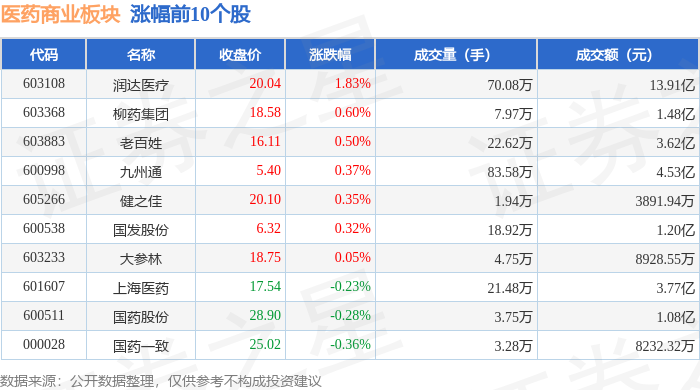
医药商业板块1月15日跌2.19%,华人健康领跌,主力资金净流出9.9亿元
Zheng Xing Xing Ye Ri Bao· 2026-01-15 08:58
Market Overview - The pharmaceutical commercial sector experienced a decline of 2.19% on January 15, with Huaren Health leading the drop [1] - The Shanghai Composite Index closed at 4112.6, down 0.33%, while the Shenzhen Component Index closed at 14306.73, up 0.41% [1] Individual Stock Performance - Notable gainers included: - RunDa Medical (603108) with a closing price of 20.04, up 1.83% and a trading volume of 700,800 shares [1] - LiuYao Group (603368) closed at 18.58, up 0.60% with a trading volume of 79,700 shares [1] - LaoBaiXing (603883) closed at 16.11, up 0.50% with a trading volume of 226,200 shares [1] - Significant decliners included: - Huaren Health (301408) closed at 23.81, down 19.99% with a trading volume of 491,100 shares [2] - ShangYu PingMin (301017) closed at 18.50, down 13.75% with a trading volume of 373,900 shares [2] - YaoYiGou (300937) closed at 37.40, down 11.79% with a trading volume of 121,400 shares [2] Capital Flow Analysis - The pharmaceutical commercial sector saw a net outflow of 990 million yuan from institutional investors, while retail investors had a net inflow of 977 million yuan [2] - The table of capital flow indicates that: - LaoBaiXing (603883) had a net inflow of 46.10 million yuan from institutional investors [3] - JiuZhouTong (600998) had a net inflow of 40.43 million yuan from institutional investors [3] - RunDa Medical (603108) had a net inflow of 37.80 million yuan from institutional investors [3]


2025年1-11月医药制造业企业有9875个,同比增长0.84%
Chan Ye Xin Xi Wang· 2026-01-15 03:56
Group 1 - The core viewpoint of the article highlights the growth and current state of the pharmaceutical manufacturing industry in China, particularly focusing on the increase in the number of enterprises in this sector [1] - As of January-November 2025, the number of pharmaceutical manufacturing enterprises reached 9,875, marking an increase of 82 enterprises compared to the same period last year, which represents a year-on-year growth of 0.84% [1] - The pharmaceutical manufacturing sector accounts for 1.88% of the total industrial enterprises in China, indicating its significance within the broader industrial landscape [1] Group 2 - The article references a report by Zhiyan Consulting that discusses the market development trends and future outlook for the Contract Manufacturing Organization (CMO) and Contract Development and Manufacturing Organization (CDMO) sectors in China from 2026 to 2032 [1] - The report emphasizes the importance of in-depth industry research and tailored consulting services provided by Zhiyan Consulting, which has been active in the industry research field for over a decade [1]
