Manus

Search documents
Manus收购案细节曝光:开价20亿刀闪电成交,90后CEO不向亚历山大王汇报
量子位· 2025-12-31 00:55
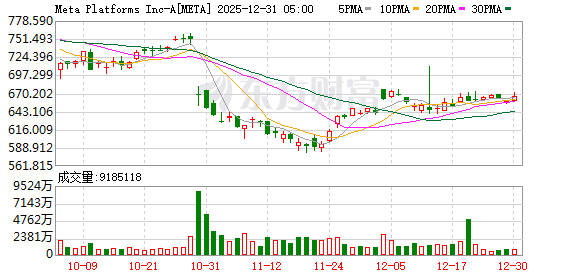
Core Viewpoint - Meta's acquisition of Manus for $2 billion highlights its strategic move to enhance its AI capabilities and enter the enterprise market, addressing a significant gap in direct AI revenue sources [1][9][15]. Group 1: Acquisition Details - The acquisition price of $2 billion aligns with Manus's valuation during its fundraising efforts [2]. - The negotiation process was completed in just over 10 days, with Manus reporting an annual recurring revenue (ARR) of over $100 million shortly before negotiations began [5]. - Following the acquisition, Manus's team will integrate into Meta's Singapore division, with its founder taking on the role of Vice President at Meta [6]. Group 2: Strategic Implications - This acquisition allows Meta to pivot towards a business-to-business (B2B) model, which it has struggled to establish in the past [9][23]. - Meta's lack of direct AI revenue has been a critical weakness, especially compared to competitors like Microsoft and Amazon, which have successfully monetized their AI investments [10][11][15]. - The acquisition provides Meta with a mature AI subscription business, potentially enhancing its revenue streams [19]. Group 3: Market Response and Future Outlook - The market reacted positively to the acquisition news, with Meta's stock rising by 1.10% on the announcement day [19]. - The success of this acquisition will depend on the integration process and the ability to monetize Manus's offerings effectively [22]. - There are uncertainties regarding whether Manus will continue using third-party models or transition to Meta's own Llama model post-acquisition [8].



时报观察丨科技巨头密集并购 抢占技术人才生态高地
Zheng Quan Shi Bao· 2025-12-31 00:46
Group 1 - Meta announced the acquisition of AI startup Manus for several billion dollars, following its $15 billion acquisition of Scale AI six months prior, indicating a strategic focus on AI through mergers and acquisitions [2] - The core logic of these acquisitions is to use capital to overcome innovation bottlenecks, with Scale AI providing essential infrastructure for training large models and Manus offering scalable capabilities in general AI Agent technology [2] - The acquisitions aim to secure technology, talent, and ecosystem advantages, positioning Meta to effectively counter competitors like Microsoft and Google [3] Group 2 - The talent acquisition aspect is a critical motivation behind these mergers, as acquiring companies directly brings in top teams and leaders, bypassing traditional recruitment inefficiencies [3] - Meta's strategy includes building ecological barriers, with the two acquisitions forming a complementary strategy to resist competitive pressures and control key technological nodes [3] - The success of these large-scale acquisitions hinges on the ability to integrate the acquired companies effectively, as this will determine the overall success of the investments in the evolving AI landscape [3]
2026年国补继续!购车补贴2万封顶;又一中资半导体企业被强制出售股权;广汽多名高管被带走,反腐风暴席卷整车、合资、零部件全链条
雷峰网· 2025-12-31 00:37
Key Points - GAC Group is facing a corruption investigation involving multiple executives, including Vice President Zheng Heng and former executives from GAC Honda and GAC Parts, amid a challenging performance environment with losses exceeding 4.3 billion yuan in the first three quarters of 2025 and a sales decline of over 10% year-on-year [4][5] - The investigation is seen as a response to the company's poor performance and potential "gray costs" in procurement, which could erode profits by billions [5] - The Chinese semiconductor company, Jiangguang Asset Management, is being forced to sell its 80.2% stake in UK-based FTDI due to national security concerns raised by the UK government, following a strategic acquisition made in December 2021 for $414 million [7][8] - The 2026 national subsidy policy for vehicle purchases has been announced, with 625 billion yuan allocated, maintaining a cap of 20,000 yuan for car purchase subsidies, while expanding support for household appliances and smart products [10][11] - Meta has acquired AI company Butterfly Effect, which includes the Manus product, with the core team relocating to Singapore, indicating a significant shift in the AI landscape [12][13] - MiniMax, an AI startup, is set to go public with an estimated valuation of over 46 billion HKD, aiming to raise over $600 million, highlighting the competitive nature of the AI sector in China [17][18] - Xiaopeng Motors' chairman, He Xiaopeng, predicts that true fully autonomous driving will be achieved by 2026, transitioning directly from L2 to L4 capabilities [21][22] - Longxin Technology has applied for an IPO on the Sci-Tech Innovation Board, seeking to raise 29.5 billion yuan, positioning itself as a leading DRAM manufacturer in China [35][36] - The global automotive market is witnessing a decline in Porsche's sales, with a reported 28% drop in the Chinese market, leading to multiple dealership closures [41][42] - TSMC is accelerating its 3nm production plans in Arizona to meet the demands of major clients like Apple and NVIDIA, amid increasing competition in the semiconductor industry [45]


时报观察丨科技巨头密集并购 抢占技术人才生态高地
证券时报· 2025-12-31 00:34
Core Viewpoint - The article discusses Meta's recent acquisition of AI startup Manus for several billion dollars, following its $15 billion acquisition of Scale AI, highlighting a trend among tech giants like Nvidia, Google, and Microsoft to acquire companies in the AI sector to secure technology, talent, and ecosystem advantages [1][2]. Group 1: Acquisition Strategy - The core logic of acquisitions is to use capital to gain time and overcome innovation bottlenecks, as seen with Meta's acquisition of Scale AI, which provides essential infrastructure for training large models [1]. - Manus's technology, capable of processing 147 trillion tokens, addresses Meta's gaps in consumer and enterprise-level intelligent tools [1]. Group 2: Talent Acquisition - The ongoing AI talent shortage makes acquisitions an efficient method for "talent grabbing," allowing companies to directly integrate top teams without the inefficiencies of traditional recruitment [2]. - Meta's acquisition of Scale AI not only secured its technology but also brought in its 28-year-old founder, Alexander Wang, to lead a superintelligence project [2]. Group 3: Strategic Intent - The deeper strategic intent behind these acquisitions is to build ecological barriers, as the competition in AI has shifted from single-point technology battles to ecosystem confrontations [2]. - Meta's acquisitions create strategic synergies that can effectively counter competitors like Microsoft and Google, while controlling key technology nodes to avoid being in a vulnerable position [2]. Group 4: Integration Challenges - The success of large acquisitions is contingent on post-merger integration capabilities, as the essence of this gamble is to lock in future technological directions and core talent [2].

中国汽车销量或超日本登顶,中国初创企业被Meta收购 | 财经日日评
吴晓波频道· 2025-12-31 00:30
Group 1: Automotive Industry - Chinese automotive manufacturers are expected to surpass Japanese manufacturers in global new car sales by 2025, with an estimated 17% year-on-year growth in 2023, reaching approximately 27 million vehicles sold [2] - Japan's automotive sales are projected to remain flat compared to last year, slightly below 25 million vehicles, indicating a significant shift in market leadership [2] - In 2023, China became the world's largest automotive exporter with 4.91 million vehicles exported, marking a pivotal moment in the global automotive landscape [2][3] - The rise of Chinese domestic brands is attributed to increased recognition both domestically and internationally, alongside intense competition within the Chinese automotive industry [2] Group 2: Aviation Industry - 吉祥航空 and 春秋航空 announced orders for a total of 55 Airbus A320 series aircraft, valued at approximately $8.2 billion, to be delivered between 2028 and 2032 [4] - The orders are seen as a coordinated purchase strategy to secure better pricing, reflecting a trend in the aviation sector towards bulk purchasing [4] - The domestic aviation market is characterized by high passenger load factors but low ticket prices, aligning with the operational strategies of 吉祥航空 and 春秋航空 [5] Group 3: AI Industry - Meta has acquired AI startup Manus for several billion dollars, marking its third-largest acquisition to date [6] - Manus focuses on practical AI applications, providing tools for tasks such as resume screening and travel planning, which enhances user experience in AI applications [6][7] - The acquisition is expected to bolster Meta's capabilities in AI product applications, an area where it has previously been less competitive [7] Group 4: Robotics Industry - 宇树科技 opened its first offline store in Beijing, allowing customers to experience and purchase robotic products directly [8] - The store aims to reduce consumer apprehension towards complex technology by providing hands-on experiences and facilitating immediate purchases [8][9] - The offline presence is part of a broader strategy to explore various business models, including rentals and experiences, as the robotics market matures [9] Group 5: Semiconductor Industry - 中芯国际 plans to acquire 49% of 中芯北方 for approximately 40.6 billion yuan, aiming to enhance asset quality and business synergy [12] - The acquisition reflects a trend of consolidation within the Chinese semiconductor industry, focusing on high-quality development rather than mere scale [12][13] - Full control over 中芯北方 is expected to stabilize cash flow and improve operational efficiency for 中芯国际 [12] Group 6: Precious Metals Market - Silver prices experienced a significant intraday drop of 16%, while gold and palladium also saw notable declines, despite strong annual performance [14][15] - The fluctuations in precious metal prices are attributed to speculative trading in the Chinese futures market, impacting global prices [14] - Industrial demand has driven silver prices up throughout the year, with both gold and silver expected to achieve their best annual performance since 1979 [15]


Meta buys Manus to scale AI agents across its platform
Youtube· 2025-12-31 00:29
Group 1 - Meta has added $18 billion in market cap following a $2 billion acquisition of Manis, a Singapore-based developer of general-purpose AI agents, which has significantly benefited the company [1] - The AI agent from Manis can perform complex tasks such as market research, coding, and data analysis, enabling small businesses to enhance their capabilities [2] - The acquisition is intended to accelerate AI innovation for businesses, contributing to a product line that already generates $10 billion annually [2] Group 2 - The acquisition has been viewed as a strategic win for Meta, with analysts comparing its potential impact to that of Instagram or WhatsApp [3] - There are concerns regarding the security of US AI leadership, but recent market trades have reversed, indicating renewed confidence [3] - Mark Zuckerberg, holding 60% voting control, can make significant investment decisions without needing external approval [3]

Manus上岸了,其他人呢?
Xin Lang Cai Jing· 2025-12-31 00:27
Core Insights - The article discusses five major trends expected to drive the explosion of AI applications in 2026, as indicated by insights from 70 entrepreneurs in the AI sector [2][8]. Group 1: Overview of AI Trends - The acquisition of Manus by Meta for several billion dollars marks a significant event in the AI industry, signaling a potential turning point for Chinese entrepreneurs [2][8]. - The AI entrepreneurial landscape is becoming increasingly youthful, with Generation Z (born 1995-2009) taking a leading role, focusing more on product and user experience rather than underlying technology [3][41]. - The global AI application market is expanding rapidly, with China’s AI applications reaching a monthly active user (MAU) count of over 500 million, reflecting a 130.19% annual growth rate, while overseas markets have reached 1.5 billion MAUs [5][42]. Group 2: Trend 1 - Overseas as a Hotbed for AI Applications - The article highlights that AI applications with an annual recurring revenue (ARR) exceeding $100 million are predominantly emerging from overseas markets, with Manus being a notable exception as a Chinese team [9][49]. - The differences in capital market expectations between domestic and overseas investors are significant, with domestic investors focusing on short-term commercial viability while overseas investors are more inclined towards long-term growth potential [12][49]. - Increasingly, AI startups are establishing their registration in overseas markets from inception, with Singapore being a popular choice, indicating a strategic shift towards markets perceived as more conducive to growth [13][50]. Group 3: Trend 2 - Collaboration as a Survival Strategy - The article notes that the domestic AI entrepreneurial ecosystem is lagging behind the U.S. by at least five years, with fewer high-profile acquisitions occurring in China compared to Silicon Valley [15][53]. - Major Chinese tech companies are opting for investment and collaboration rather than outright acquisitions, as seen in Tencent's investments in various AI startups [19][54]. - The trend suggests that 2026 may see AI application companies increasingly forming partnerships with larger firms to leverage ecosystem advantages and enhance their market presence [19][56]. Group 4: Trend 3 - Importance of Growth Strategies - The AI investment landscape is characterized by high growth expectations, with successful startups achieving valuations in the billions within a short time frame [20][58]. - Growth strategies are becoming critical, with a focus on rapid scaling and market penetration, as investors are now looking for demonstrable momentum within months [21][58]. - The article emphasizes that traditional growth tactics from the SaaS era are becoming less effective, necessitating innovative approaches to user engagement and retention in the AI sector [21][59]. Group 5: Trend 4 - Reevaluation of Key Metrics - The significance of ARR as a measure of success is being questioned, with a shift towards evaluating the conversion of token consumption into actual revenue as a more relevant metric [24][25]. - The article discusses how some AI companies are manipulating ARR figures, leading to skepticism about its reliability as an indicator of financial health [25][26]. - Companies that can effectively convert token usage into revenue are seen as having a more sustainable business model in the evolving AI landscape [26][30]. Group 6: Trend 5 - Transformation of Traditional Industries - AI startups are increasingly focusing on transforming traditional industries by leveraging AI capabilities to address specific business challenges [31][38]. - The article highlights examples of startups that are reimagining conventional business models, such as Kirana AI, which enhances retail operations through AI-driven solutions [36][38]. - The trend indicates a growing opportunity for AI entrepreneurs who possess deep industry knowledge to create impactful solutions tailored to specific market needs [32][38].

Manus上岸了,其他人呢?
虎嗅APP· 2025-12-31 00:24
Core Insights - The article emphasizes that 2026 is poised to be a year of explosive growth in AI applications, driven by recent significant events such as the acquisition of Manus by Meta for several billion dollars, which serves as a catalyst for Chinese entrepreneurs to consider collaboration and international expansion [4][10][13]. Group 1: Trends in AI Entrepreneurship - Trend 1: Overseas markets are becoming the primary birthplace for successful AI applications, with notable examples like Manus achieving an ARR of over $100 million shortly after its launch [10][12][14]. - Trend 2: Collaboration among AI startups is emerging as a vital strategy for survival, contrasting with the competitive acquisition landscape in Silicon Valley. Domestic companies are focusing on partnerships rather than outright acquisitions [16][19]. - Trend 3: Growth strategies are increasingly important, with investors expecting startups to demonstrate rapid scaling and market traction within short timeframes [20][22]. Group 2: Shifts in Business Metrics - Trend 4: The significance of ARR (Annual Recurring Revenue) is diminishing, as the focus shifts to the ability of AI applications to convert token consumption into actual revenue, highlighting the importance of profitability and user retention [25][27][31]. - Trend 5: Traditional industries are undergoing transformation through "AI-native" solutions, with startups leveraging AI to address long-standing inefficiencies and create new business models [32][39][41].

牛市早报|2026年“国补”政策公布,中央农村工作会议召开
Xin Lang Cai Jing· 2025-12-31 00:19
Market Data - As of December 30, the Shanghai Composite Index fell by 0.16 points, closing at 3965.12 points; the Sci-Tech Innovation 50 Index rose by 1.01% to 1359.87 points; the Shenzhen Component Index increased by 0.49% to 13604.07 points; and the ChiNext Index gained 0.63% to 3242.9 points [1] - U.S. stock markets experienced slight declines, marking a third consecutive day of losses, with the Dow Jones down by 0.2%, the S&P 500 down by 0.14%, and the Nasdaq down by 0.24% [1] - International oil prices saw a minor drop, with light crude oil futures for February 2026 closing at $57.95 per barrel, down by $0.13 (0.22%), and Brent crude oil futures for February closing at $61.92 per barrel, down by $0.02 (0.03%) [1] Economic Policies - The National Development and Reform Commission (NDRC) and the Ministry of Finance have allocated 625 billion yuan in special government bonds to support a consumption upgrade program for replacing old consumer goods [2] - The NDRC has issued a notice regarding a large-scale equipment update and consumer goods replacement policy for 2026, which includes subsidies for energy-efficient home appliances, providing 15% of the product price as a subsidy, capped at 1500 yuan per item for eligible consumers [3][4] - The 2026 policy has revised the subsidy standards, removing certain appliances from the subsidy list and lowering the maximum subsidy for energy-efficient products from 2000 yuan to 1500 yuan [3] - A new tax policy effective January 1, 2026, will reduce the value-added tax rate on the sale of residential properties held for less than two years from 5% to 3%, thereby lowering the tax burden on property sales [4] Industry Developments - The Central Rural Work Conference has outlined plans to stabilize grain and oil production, enhance farmland protection, and promote rural income growth [5] - The Ministry of Industry and Information Technology has released a digital transformation implementation plan for the automotive industry, aiming for over 95% adoption of R&D tools and a 10% increase in labor productivity by 2027 [5] - Changxin Technology's IPO application has been accepted by the Shanghai Stock Exchange, with a planned fundraising amount of 29.5 billion yuan [5] - Beijing Zhiyuan Huazhang Technology Co., Ltd. has initiated its IPO process in Hong Kong, with an expected market value exceeding 50 billion HKD [6]
8点1氪:特斯拉“车顶维权”女车主被限高,申请人为特斯拉;多家品牌足金首饰价格大幅下跌;蔡磊渐冻症病情接近终末期
36氪· 2025-12-31 00:14
Group 1 - Tesla's "roof rights protection" female car owner has been restricted in spending, with a court order involving an amount of 172,300 yuan [2] - The price of gold jewelry has significantly dropped, with some stores reporting a decrease of 42 yuan in a single day, which is considered unusual [3] - Tesla's global production reached its 9 millionth electric vehicle at the Shanghai Gigafactory [7] Group 2 - Xiaomi's Lei Jun announced a New Year's Eve live stream where engineers will disassemble a car live [6] - SoftBank has completed a total investment commitment of $40 billion in OpenAI, with the last payment of approximately $22 billion made recently [6] - L&F, a South Korean battery materials manufacturer, saw its stock price drop by 11% after a significant reduction in orders from Tesla, from $2.91 billion to $738,600 [12] Group 3 - Manus has announced its upcoming integration with Meta, continuing to operate in Singapore while enhancing its product offerings [5] - Ningde Times has entered the hydropower station business by establishing a joint venture for the development of a hydropower project [9] - Baidu Smart Cloud has launched a comprehensive AI solution for the consumer electronics industry, covering everything from chips to applications [22]