快手

Search documents
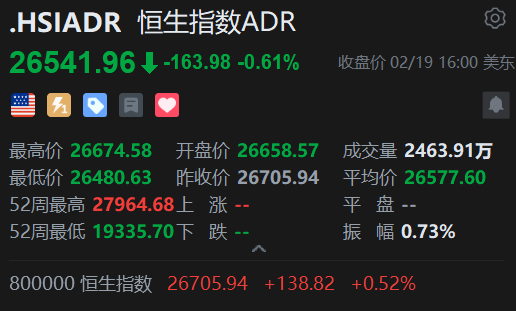
智通ADR统计 | 2月20日
智通财经网· 2026-02-19 23:23
Market Overview - The Hang Seng Index (HSI) closed at 26,541.96, down by 163.98 points or 0.61% on February 19 [1] - The index opened at 26,658.57, reached a high of 26,674.58, and a low of 26,480.63, with a trading volume of 24.6391 million [1] Major Blue-Chip Stocks Performance - HSBC Holdings closed at HKD 135.722, up by 1.13% compared to the previous close [2] - Tencent Holdings closed at HKD 532.399, down by 0.11% compared to the previous close [2] Stock Price Movements - Tencent Holdings (00700) latest price is HKD 533.000, with a slight increase of 1.000 or 0.19% [3] - Alibaba Group (09988) latest price is HKD 154.700, down by 0.700 or 0.45% [3] - HSBC Holdings (00005) latest price is HKD 134.200, down by 1.500 or 1.11% [3] - AIA Group (01299) latest price is HKD 82.350, up by 2.050 or 2.55% [3] - Meituan (03690) latest price is HKD 82.050, down by 0.100 or 0.12% [3] - JD.com (09618) latest price is HKD 105.900, down by 0.500 or 0.47% [3]






春晚广告位争夺战:四十年国民记忆与商业暗流
凤凰网财经· 2026-02-19 10:54
Core Viewpoint - The evolution of the Spring Festival Gala sponsorship reflects the transformation of China's economy and consumer behavior over the past 40 years, showcasing the shift from material scarcity to technological innovation and brand storytelling [4][5]. Group 1: 1980s to Early 1990s - The Era of Material Scarcity - The transition from a planned economy to a market economy in the 1980s led to a scarcity of goods, making items like watches and bicycles symbols of wealth and status [6][7]. - The first brand to sponsor the Spring Festival Gala was Kambas watches in 1984, which used 3,000 quartz watches as payment, marking the beginning of brand sponsorship in the event [7][9]. - Kambas became a household name, with production reaching 1.26 million units by 1987 and over 2 million by 1991, highlighting the impact of the Gala on brand visibility and market demand [9][10]. Group 2: Mid-1990s to Early 2000s - The Rise of Consumerism - The late 1990s saw a surge in consumer spending, with households moving from basic necessities to larger purchases like televisions and refrigerators [12][14]. - In 1995, Shandong Kongfu Banquet Wine became the first "advertising king" of the Spring Festival Gala, paying 30.79 million yuan, initiating a trend among liquor companies [12][14]. - The sales of Qin Pool Wine skyrocketed from 180 million yuan in 1995 to 950 million yuan in 1996 after winning the sponsorship, demonstrating the immediate impact of Gala advertising [17]. Group 3: 2000s to 2010s - The Era of Brand Awareness - The early 2000s marked a shift towards household appliances as the main consumer focus, with Midea becoming a prominent sponsor, securing 16 sponsorships from 2003 to 2019 [18][20]. - The cost of advertising during the Gala increased significantly, with Midea's sponsorship rising from 6.8 million yuan in 2005 to 57.2 million yuan in 2011, reflecting the growing value of the event [20]. - Brands began to focus on storytelling and emotional connections with consumers, as seen with Haier and Gree, indicating a maturation of brand marketing strategies [21]. Group 4: Mid-2010s to Present - The Digital Economy and Technological Innovation - The rise of internet companies has transformed the Spring Festival Gala into a platform for digital engagement, with WeChat's "red envelope war" in 2015 significantly increasing viewer interaction [24][26]. - The Gala has become a battleground for tech giants, with platforms like Douyin and Kuaishou participating in interactive sponsorships, showcasing the shift towards a two-way communication model [29]. - The introduction of robots and AI technologies in recent Galas reflects China's transition from manufacturing to intelligent manufacturing, highlighting the importance of innovation in the economy [31].


春晚广告位争夺战:四十年国民记忆与商业洪流
Xin Lang Cai Jing· 2026-02-19 07:21
Core Insights - The evolution of the CCTV Spring Festival Gala sponsorship reflects the transformation of Chinese society and economy over the past 40 years, showcasing the changing consumer demands and emerging industries [20][21]. Group 1: 1980s to Early 1990s - The Era of Scarcity - In the 1980s, as China transitioned from a planned economy to a market economy, consumer goods were scarce, leading to a high demand for basic commodities [22]. - The first brand to sponsor the Spring Festival Gala was Kambas watches in 1984, which used 3,000 quartz watches as payment, marking the beginning of brand sponsorship in the gala [22][23]. - Kambas became a household name, with production reaching 1.26 million units in 1987 and over 2 million by 1991, despite the high price of its watches relative to average incomes [23][24]. Group 2: Mid-1990s to Early 2000s - The Rise of Consumerism - The mid-1990s saw a shift in consumer spending from basic goods to electronics, with Shandong Kongfu Banquet Wine becoming the first "advertising king" by paying 30.79 million yuan for sponsorship in 1995 [26]. - The competition among liquor brands for sponsorship reflected the rise of "social consumption," where premium liquor became a status symbol for social gatherings [28]. - After winning the Spring Festival sponsorship, Qin Pool Wine's sales skyrocketed from 180 million yuan in 1995 to 950 million yuan in 1996, demonstrating the immediate impact of gala sponsorship [29]. Group 3: 2000s to Early 2010s - The Home Appliance Boom - The early 2000s marked a shift towards home appliances as the primary consumer focus, with Midea becoming the most frequent sponsor, securing 16 sponsorships from 2003 to 2019 [30]. - The cost of advertising during the gala increased significantly, with Midea's sponsorship fee rising from 6.8 million yuan in 2005 to 57.2 million yuan in 2011, an increase of 840% [30]. - Midea's revenue grew from 17.5 billion yuan in 2003 to over 140 billion yuan in 2014, reflecting the effectiveness of its gala sponsorship strategy [12][30]. Group 4: Mid-2010s to Present - The Digital Economy and Technological Innovation - The rise of internet companies has transformed the Spring Festival Gala into a platform for digital engagement, with WeChat's "red envelope war" in 2015 significantly boosting viewer interaction [15][35]. - The gala's advertising has evolved from one-way promotion to interactive engagement, with platforms like Douyin and Kuaishou participating in sponsorships [16][35]. - The presence of technology companies has increased, with innovations such as AI and robotics showcased during the gala, indicating a shift from traditional advertising to technology-driven marketing [19][37].


Seedance2.0爆火!马斯克感叹:发展速度太快!国产新模型逼近技术奇点
Xin Lang Cai Jing· 2026-02-18 23:36
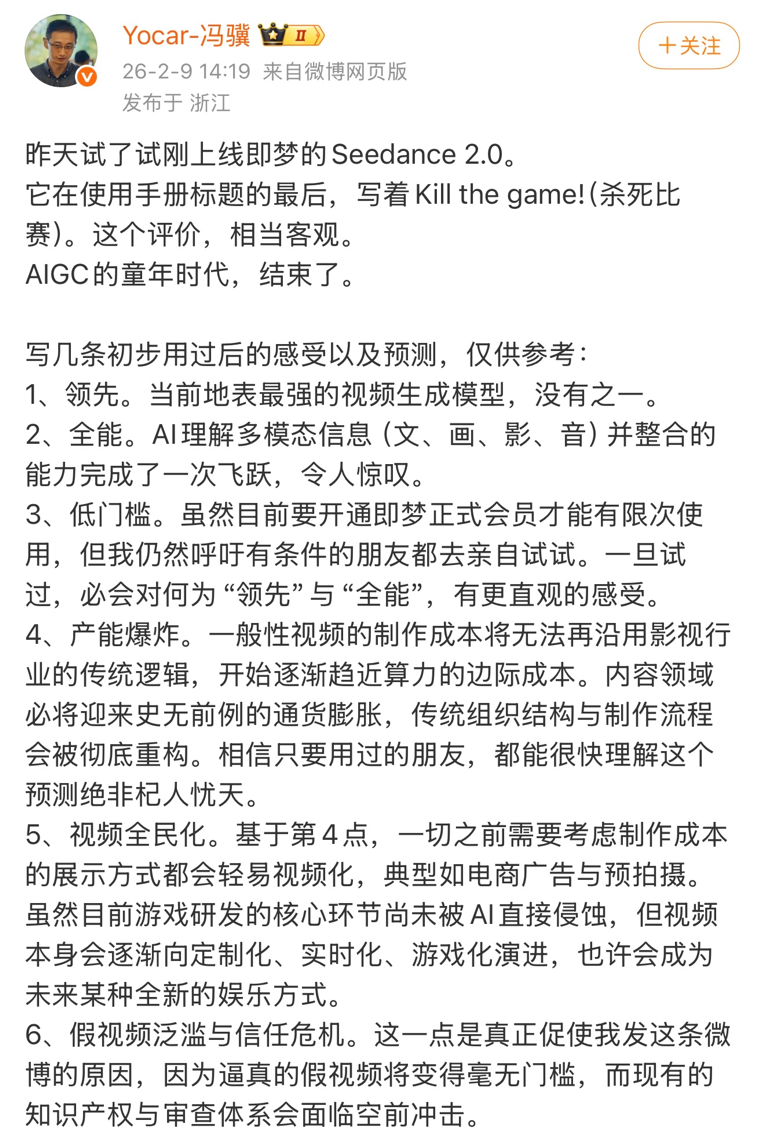
Core Insights - The era of AIGC (Artificial Intelligence Generated Content) is transitioning, with significant advancements in video generation technology exemplified by the launch of Seedance 2.0 by ByteDance [1][4] - The rapid development of AI video models is leading to a potential explosion in the film and entertainment industry, with concerns about balancing innovation and regulatory oversight [1][4] Group 1: Seedance 2.0 Features and Impact - Seedance 2.0 utilizes a "dual-branch diffusion transformer architecture," allowing simultaneous generation of video and audio, resulting in synchronized and coherent outputs [2] - The model can generate up to 60 seconds of video from a single sentence or text input, significantly surpassing the industry standard of 15 seconds [2] - Seedance 2.0 is capable of producing multi-shot coherent videos with consistent character design and cinematic "montage" effects, making it suitable for various creative fields [2][3] Group 2: Industry Position and Competition - The success of Seedance 2.0 indicates that Chinese AI companies are no longer just followers but are competing on equal footing with global giants like OpenAI and Google [4] - Kuaishou's Keling AI also launched Keling Video 3.0 around the same time, indicating a competitive landscape in the AI video generation sector [4] Group 3: Market Response and Future Outlook - Reports suggest that the AI application sector is entering a growth phase, with opportunities expanding into subfields like AI comics and film IPs [5] - The stock market reacted positively to the news of Seedance 2.0, with several AI-related stocks experiencing significant gains [5] Group 4: Ethical Considerations and Challenges - Concerns about the proliferation of deepfake technology and the resulting trust crisis are emerging, as the ability to create realistic fake videos becomes more accessible [6][9] - The platform has restricted the use of real human images in the model to mitigate potential copyright issues and ensure a sustainable creative environment [8]
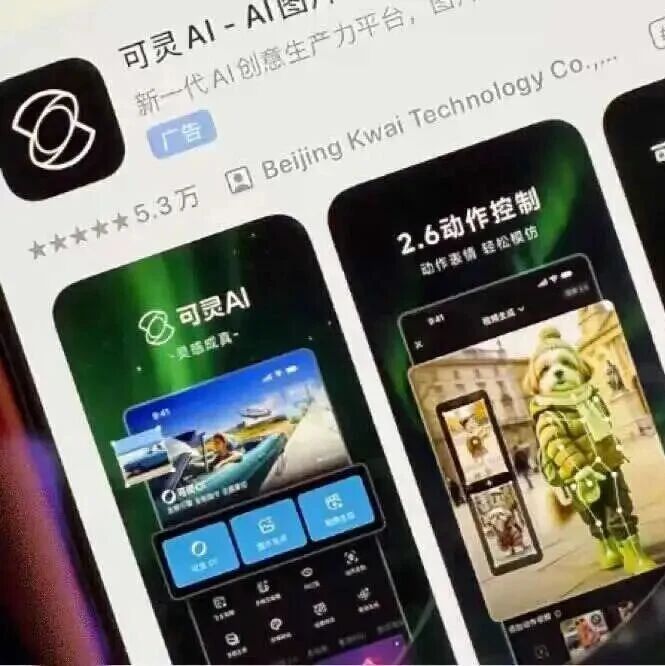
可灵不灵了?
创业邦· 2026-02-18 10:12
Core Viewpoint - The article discusses the rapid evolution of the AI video generation market, highlighting the competitive landscape where ByteDance's Seedance 2.0 has emerged as a significant player, potentially redefining the industry standards and challenging existing leaders like Kuaishou's Keling [4][5][6]. Market Dynamics - The AI video generation sector is transitioning from isolated breakthroughs to comprehensive competition, with various domestic models like Kuaishou's Keling, ByteDance's Jimeng, and Alibaba's Wanxiang leading the charge [8]. - The competition is intensifying as different companies adopt varied development strategies, with many models converging on basic capabilities while maintaining distinct features and technical specialties [8][12]. Keling's Position - Keling has been recognized as a leading video generation model since its launch in June 2024, achieving over 30 iterations and generating significant revenue, exceeding 700 million yuan by the third quarter of 2025 [11][20]. - Despite its early advantages, Keling faces pressure as its technological lead diminishes, with competitors rapidly advancing in areas like multi-shot narrative and complex content generation [15][20]. Seedance 2.0's Impact - Seedance 2.0 has introduced significant advancements, such as automatic multi-shot usage and improved narrative logic, outperforming competitors in efficiency and cost [13][19]. - The model's ability to generate 2K videos faster than competitors by 30% has raised the bar for the industry, prompting concerns for Keling's market position [13][19]. Competitive Strategies - ByteDance's Jiemeng AI integrates deeply with its Douyin platform, achieving rapid user growth, while Alibaba's Wanxiang adopts an open-source strategy to enhance its technological edge [12][20]. - Keling's strategy focuses on product innovation and commercialization, but it must navigate internal challenges and external competition to maintain its market share [10][21]. Future Outlook - The article suggests that Keling must differentiate itself beyond being a mere generation tool to avoid being marginalized in the competitive landscape [22]. - The future of competition will hinge on understanding creator needs, content ecosystem management, and innovative business models, indicating that both Seedance and Keling have significant challenges ahead [22].
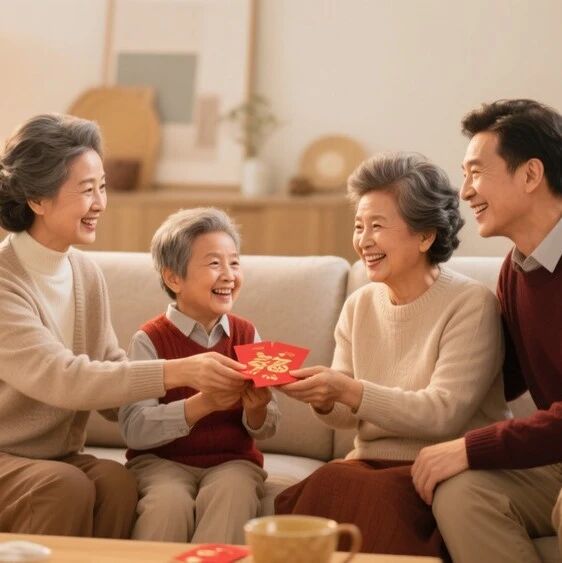
春节红包,是中国人最大的一场资金再分配
虎嗅APP· 2026-02-18 03:38
以下文章来源于Linda产业笔记 ,作者Linda 梁领 Linda产业笔记 . 看周期,拆生意,写融资真相。用投行视角拆解行业、商业模式与投融资结构。 本文来自微信公众号: Linda产业笔记 ,作者:Linda 梁领 过年最大的开支是什么? 不是年夜饭,不是新衣服,不是车票机票。 是红包。 你给爸妈包了红包,给侄子侄女包了红包,给岳父岳母包了红包,在家族群里发了红包,在同事群里抢了红包又发了红包,在闺蜜群里发了个 拼手气红包,然后手气最差,自己又补了一个。 除夕夜还没过完,你的微信支付已经是一片红色的流水记录。 打开一看——好家伙,进进出出,自己净支出三千多。 而且,这场资金再分配有一个很有趣的特点——它的资金流向,几乎完全由社会关系决定。 长辈给晚辈发压岁钱,是纵向的代际转移。同辈之间在群里抢红包,是横向的随机再分配。你给客户发红包、给老师发红包、给丈母娘发红包 ——这些都是带有明确社交目的的"定向转移支付"。 没有任何一个经济学模型能完美描述这件事。但如果非要给春节红包一个金融定义,我会说——它是全世界最大的、去中心化的、以人情关系 为底层逻辑的年度资金再分配系统。 二、压岁钱的"资产负债表":你 以 ...
春晚40年赞助商变迁史,从康巴丝到机器人见证中国经济跃迁
Sou Hu Cai Jing· 2026-02-18 02:17
Group 1 - The article discusses the evolution of sponsorship in the CCTV Spring Festival Gala over the past 40 years, reflecting changes in Chinese society and consumer behavior [2][3] - The first sponsor, 康巴丝 (Kambas), set a precedent in 1984 by using 3,000 quartz watches as payment, marking the beginning of brand sponsorship in the gala [6][8] - The transition from watches to bicycles as the next major sponsor in 1995 illustrates the shift in consumer goods that represented status during the era of material scarcity [10][12] Group 2 - The late 1990s saw a surge in consumer spending on new household appliances, with 山东孔府宴酒 (Shandong Confucius Banquet Wine) becoming the first "mark king" of the gala in 1995, paying 30.79 million yuan [10][12] - The rapid growth of the liquor industry during this period was fueled by "human consumption," where premium liquor became a social currency [12][14] - The article highlights the consequences of over-reliance on advertising without maintaining product quality, as seen in the case of 秦池酒 (Qin Pool Wine), which faced a significant drop in sales after quality issues emerged [14][15] Group 3 - From the early 2000s, the focus shifted to home appliances, with 美的 (Midea) becoming a prominent sponsor, securing 16 sponsorships from 2003 to 2019 [17][19] - The cost of advertising during the gala increased significantly, with Midea's sponsorship fee rising from 6.8 million yuan in 2005 to 57.2 million yuan in 2011, reflecting the growing viewership [17][19] - The brand storytelling approach adopted by companies like 海尔 (Haier) and 格力 (Gree) during this period indicates a shift towards building emotional connections with consumers [20] Group 4 - The rise of internet companies post-2010 transformed the gala's advertising landscape, with platforms like WeChat leveraging the event for massive user engagement through interactive features like the "red envelope battle" [21][23] - The article notes that the 2015 Spring Festival Gala saw WeChat's user engagement peak, with over 10.1 billion red envelopes sent, showcasing the event's potential as a digital marketing platform [21][23] - The involvement of tech giants in the gala reflects a broader trend of digital economy reshaping traditional advertising methods, with companies like 快手 (Kuaishou) and 抖音 (Douyin) entering the sponsorship arena [25][27] Group 5 - The article concludes by emphasizing the transition from showcasing products to highlighting technological advancements, as seen with the introduction of robots in recent galas [27] - This shift signifies a broader change in China's economic landscape, moving from manufacturing to innovation-driven growth, with a focus on high-tech industries [27] - The future of the Spring Festival Gala sponsorship landscape remains uncertain, raising questions about which industries will dominate the next decade [27]

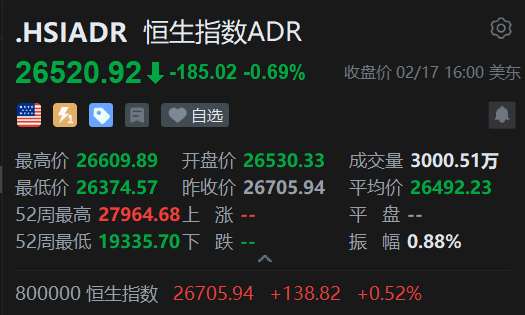
智通ADR统计 | 2月18日
智通财经网· 2026-02-17 23:17
大型蓝筹股涨跌不一,汇丰控股收报135.316港元,较香港收市涨0.83%;腾讯控股收报530.511港元,较香港收市跌0.47%。 | 序号 | 名称 | 港股代码 | 最新价 | 涨跌额 | 涨跌幅 | ADR代码 | ADR换算价(I | | --- | --- | --- | --- | --- | --- | --- | --- | | 1 | 腾讯控股 | O 00700 | 533.000 | +1.000 | 0.19% | TCEHY | 530 | | 2 | 阿里巴-W | 09988 | 154.700 | -0.700 | -0.45% | BABA | 151 | | 3 | 汇丰控股 | 00005 | 134.200 | -1.500 | -1.11% | HSBC | 135 | | 4 | 建设银行 | 00939 | 8.010 | +0.050 | 0.63% | CICHY | 7 | | 5 | 小米集团-W | 01810 | 36.660 | -0.180 | -0.49% | XIACY | 36 | | 6 | 友邦保险 | 01299 | 82.350 | ...
春晚的广告牌 印刻着中国经济的一次次跃迁
Nan Fang Du Shi Bao· 2026-02-17 15:27
Core Insights - The sponsorship history of the CCTV Spring Festival Gala reflects China's economic development and industrial upgrades over the past four decades, showcasing three major transitions: from basic needs to consumer electronics and automobiles, from virtual economy to hard technology, and from demographic dividend to engineer dividend [1][2]. Group 1: Historical Sponsorship Trends - In the 1980s, the main sponsors represented basic household needs, with brands like 康巴丝 leading the way, highlighting the public's desire for precision and the prosperity of light industry [1]. - The 1990s saw a shift towards quality consumption, with liquor brands and home appliance giants like 美的集团 becoming prominent sponsors, marking a transition from survival to quality-focused consumption [1]. Group 2: The Rise of Internet and Technology - The year 2015 marked a turning point with the emergence of internet giants like WeChat and Alipay, initiating a "red envelope war" that transformed user engagement and payment methods [2]. - As the internet traffic peaked, the focus shifted to hard technology, with a notable increase in sponsorship from the electric vehicle sector, indicating a fundamental shift in China's competitive edge from demographic to engineer dividends [2]. Group 3: Future Trends and Cultural Consumption - The upcoming 2026 Spring Festival Gala will feature new partnerships with brands like 名创优品 and 卡游, suggesting a potential shift towards "emotional value" and "cultural consumption" as new wealth drivers in a mature market [3]. - The evolution of sponsors serves as a "value anchor" migration, reflecting China's economic transitions from production capabilities to creative intelligence, providing a lens to observe the pulse of the times [3].
春晚广告位争夺战:四十年国民记忆与商业暗流
创业邦· 2026-02-17 10:32
Core Viewpoint - The evolution of the Spring Festival Gala sponsorship reflects the changing landscape of China's economy and consumer behavior over the past 40 years, showcasing the transition from material scarcity to technological innovation and brand storytelling [4][24]. Group 1: 1980s to Early 1990s - The 1980s marked a period of material scarcity, where items like watches and radios were symbols of wealth and status, leading to the first brand sponsorship by 康巴丝 (Kangbasi) at the Spring Festival Gala [5][7]. - 康巴丝 sponsored the gala by trading 3,000 quartz watches for advertising, which significantly boosted its brand recognition and sales, reaching an annual production of 1.26 million watches by 1987 [8]. - The sponsorship model evolved, with 中华自行车 (Zhonghua Bicycle) taking over the sponsorship in 1995, reflecting the changing consumer demands and economic conditions [9][14]. Group 2: Mid-1990s to Early 2000s - The mid-1990s saw a surge in consumer spending, with the emergence of "标王" (advertising king) sponsorships, particularly in the liquor industry, exemplified by 山东孔府宴酒 (Shandong Confucius Feast Wine) and 秦池酒 (Qinchijiu) [11][12]. - 秦池酒's sponsorship led to a dramatic increase in sales from 1.8 billion yuan in 1995 to 9.5 billion yuan in 1996, highlighting the impact of gala sponsorship on brand visibility and sales [16]. - The era was characterized by a shift towards consumerism, with brands leveraging the gala to enhance their market presence, although some faced backlash due to quality issues [16]. Group 3: 2000s to Early 2010s - The early 2000s marked the rise of home appliance brands, with 美的 (Midea) becoming a prominent sponsor, securing 11 sponsorships from 2003 to 2014, reflecting the growing importance of brand trust [17][19]. - The cost of advertising skyrocketed, with Midea's sponsorship fee increasing from 6.8 million yuan in 2005 to 57.2 million yuan in 2011, indicating the gala's significant viewership and advertising value [21]. - Brands began to focus on storytelling and emotional connections with consumers, moving beyond mere product promotion to build brand loyalty [23]. Group 4: Mid-2010s to Present - The 2010s saw the rise of internet companies as key players in the advertising space, with platforms like WeChat revolutionizing audience engagement through interactive features like the "red envelope battle" during the gala [25][26]. - The digital transformation of the gala allowed for unprecedented levels of interaction, with WeChat reporting 10.1 billion red envelope transactions on New Year's Eve, significantly enhancing its user base [26]. - The emergence of technology companies in the gala sponsorship landscape reflects a broader shift towards innovation and digital engagement, with brands like Xiaomi and AI robotics showcasing advancements in technology [32].