并行科技

Search documents
并行科技上半年净利增两成,董事长陈健为清华博士、曾任联想和英特尔工程师
Sou Hu Cai Jing· 2025-09-12 10:03
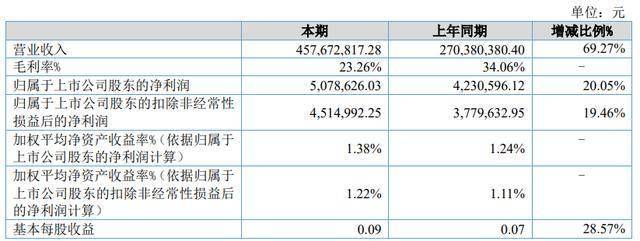
Financial Performance - The company reported a revenue of 457.67 million yuan for the first half of 2025, representing a year-on-year increase of 69.27% compared to 270.38 million yuan in the same period last year [1] - The net profit attributable to shareholders was 5.08 million yuan, up 20.05% from 4.23 million yuan year-on-year [1] - The net profit after deducting non-recurring items was 4.51 million yuan, reflecting a 19.46% increase from 3.78 million yuan in the previous year [1] - The basic earnings per share increased by 28.57% to 0.09 yuan from 0.07 yuan [1] Profitability Metrics - The gross margin for the first half of 2025 was 23.26%, a decrease of 10.80 percentage points compared to the previous year [2] - The net profit margin was 1.20%, down 0.28 percentage points from the same period last year [2] Expense Analysis - The company's operating expenses for the first half of 2025 totaled 92.31 million yuan, an increase of 5.41 million yuan year-on-year [2] - The expense ratio was 20.17%, which decreased by 11.97 percentage points compared to the previous year [2] - Sales expenses decreased by 14.08%, while management expenses increased by 10.61%, R&D expenses grew by 14.17%, and financial expenses surged by 165.37% [2] Company Background - Beijing Parallel Technology Co., Ltd. was established on February 15, 2007, and is located in Haidian District, Beijing [6] - The company specializes in data center operations and supercomputing cloud services [6] Leadership Information - The chairman and general manager, Chen Jian, received a salary of 1.035 million yuan in 2024, while the vice general manager, He Ling, earned 820,000 yuan [4] - Chen Jian has a strong educational background with a Ph.D. in fluid mechanics from Tsinghua University and has held various technical and managerial positions in notable companies [5]

并行科技成立新公司 含多项AI业务
Zheng Quan Shi Bao Wang· 2025-09-09 02:49
Core Insights - Qingdao Parallel Technology Co., Ltd. has recently been established with a registered capital of 20 million yuan [1] - The company's business scope includes artificial intelligence basic software development, software development, artificial intelligence application software development, and conference and exhibition services [1] - Parallel Technology holds 100% ownership of the newly established company [1]
北交所设立四周年总市值剑指万亿 274家上市公司科技型企业占八成
Chang Jiang Shang Bao· 2025-09-07 23:17
编者按 四载耕耘,星火成炬。北交所的四年,是中国资本市场深化改革服务实体经济的一次生动实践。 从首批81家企业鸣钟开市,到如今274家上市公司总市值逼近万亿,从初期市场观望到如今两大指数年 内涨幅超50%,北交所用实实在在的数据证明了其作为"服务创新型中小企业主阵地"的战略价值。 在北交所宣布设立四周年之际,长江商报特推出专题策划,旨在通过数据透视、案例剖析与趋势解读, 全方位展现北交所四年来的改革成效与市场蜕变。 ●长江商报记者 徐佳 四年前,北京证券交易所(以下简称"北交所")正式宣布设立,中国资本市场改革迎来又一里程碑。 四年过去,北交所已逐步成为推动"专精特新"企业成长、助力多层次资本市场建设的重要力量。 截至2025年9月5日收盘,北交所共有274家上市公司,总市值9465.5亿元,单个交易日成交额达到440.69 亿元;北证50、北证专精特新两大指数分别报1618.18点、2774.44点,2025年以来累计分别上涨56%、 64.8%。 四年过去,截至2025年9月5日收盘,北交所共受理了708家企业的首发上市申请,上市公司已扩容至274 家,总市值达到9465.5亿元,流通市值5843.72亿 ...
计算机行业2025年中报总结
Western Securities· 2025-09-05 08:01
Investment Rating - The industry rating is "Overweight" and has been maintained from the previous rating [5] Core Insights - The computer industry experienced accelerated revenue growth in the first half of 2025, with total revenue reaching 550.38 billion yuan, a year-on-year increase of 13.18%. The net profit attributable to shareholders was 4.87 billion yuan, up 92.51% year-on-year [1][13] - The median revenue for the industry in the same period was 336 million yuan, showing a slight decline of 0.16% year-on-year, while the median net profit attributable to shareholders decreased by 26.01% to 3 million yuan [1][13] - The gross profit margin for the industry was 20.87%, down 2.67 percentage points year-on-year, indicating a decline in profitability [2][26] Revenue and Profit Analysis - The total revenue for the computer industry in 2025H1 was 550.38 billion yuan, with a year-on-year growth of 13.18%. The net profit attributable to shareholders was 4.87 billion yuan, reflecting a significant increase of 92.51% year-on-year [1][13] - The median revenue for the industry was 336 million yuan, with a slight decline of 0.16% year-on-year, while the median net profit attributable to shareholders was 3 million yuan, down 26.01% year-on-year [1][13] - The industry saw a decrease in gross profit margin to 20.87%, down 2.67 percentage points year-on-year, indicating pressure on profitability [2][26] Expense Management - The total expense ratio for sales, research and development, and management decreased, indicating a continued focus on operational efficiency. The combined expense ratio was 19.91%, down 2.62 percentage points year-on-year [2][26] - Sales expenses increased by 0.15% year-on-year, while the sales expense ratio decreased to 6.63% [2][26] - Research and development expenses decreased by 0.95% year-on-year, with a research expense ratio of 8.21% [2][26] Cash Flow and Receivables - The accounts receivable for the industry reached 323.57 billion yuan, up 4.49% year-on-year, but the proportion of accounts receivable to revenue significantly decreased to 58.79% [3][48] - The net cash flow from operating activities improved, with a net cash flow of -41.03 billion yuan, an increase of 125.17 billion yuan year-on-year [3][48] Market Segment Performance - Large-cap companies in the industry saw a revenue growth rate of 26% and a net profit growth rate of over 40% for the first half of 2025. Mid-cap companies experienced a slight revenue increase of 4.8%, while small-cap companies faced a revenue decline of 6.4% [3][58] - The AI computing segment and intelligent driving segment showed strong revenue and profit growth, with significant contributions from key players in these areas [4][69]
海底数据中心 AI时代的能耗最优解?
Tai Mei Ti A P P· 2025-09-03 08:06
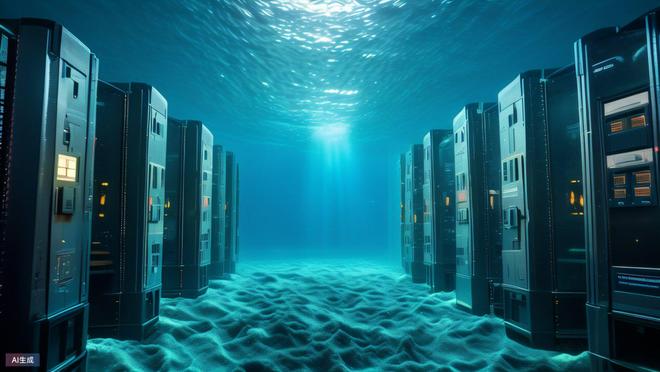
Group 1: AI and Data Center Energy Consumption - The development of generative AI is reshaping business processes and digital models across industries, while also increasing demands on underlying computing infrastructure [1] - IDC estimates that by 2027, the compound annual growth rate (CAGR) for AI data center capacity will reach 40.5%, with energy consumption expected to grow at a CAGR of 44.7%, reaching 146.2 terawatt-hours (TWh) [1] - In 2024, global data centers are projected to consume 415 TWh of electricity, accounting for 1.5% of total global electricity consumption [1] Group 2: Cooling Systems and Power Consumption - Prior to the surge in AI demand, cooling systems in data centers accounted for 40% of energy consumption, with AI servers' power per rack increasing from 10 kW to over 50 kW, surpassing traditional cooling limits [2] - Microsoft Azure found that the Power Usage Effectiveness (PUE) of traditional air-cooled data centers increased from 1.3 to 1.8 after deploying H100 GPUs, leading to server outages in high-heat areas [2] Group 3: Innovations in Data Center Design - The data center industry is undergoing transformation to improve energy efficiency, with a focus on reducing power consumption of auxiliary equipment and utilizing idle computing power effectively [4] - Companies like Huawei are exploring innovative designs, such as building data centers in mountains to reduce cooling costs, while others like Hailanxin are constructing underwater data centers to leverage seawater for cooling [5] Group 4: Underwater Data Centers - Microsoft pioneered underwater data centers, achieving a PUE of 1.07 and a failure rate one-eighth that of land-based centers, demonstrating the effectiveness of natural cooling [6] - Hailanxin's underwater data center project in Hainan aims for a PUE of approximately 1.1, with energy consumption reduced by over 10% and efficiency improved by up to 30% [6] Group 5: Cost Efficiency and Environmental Impact - Underwater data centers can lower total cost of ownership (TCO) by 15-20% compared to land-based centers, with significant annual savings on electricity and land costs [6][7] - The recovery of waste heat from underwater data centers can also support local fisheries and create additional economic value [7] Group 6: Operational Challenges and Solutions - Despite the advantages, underwater data centers face operational challenges due to their isolation, necessitating costly retrieval for maintenance [8] - Hailan Cloud is developing a 2.0 version of underwater data centers that allows for easier maintenance access while maintaining operational stability [9] Group 7: Integration with Computing Platforms - The construction of computing power scheduling platforms is becoming essential as companies shift from building their own infrastructure to purchasing computing power [10] - The integration of underwater data centers with computing platforms is seen as a potential solution to enhance efficiency and meet the growing demands of AI applications [11]

北交所宣布设立四周年:聚“新”成势 再启新程 274家公司总市值超9000亿元,合格投资者超900万户,打造了一条服务创新型中小企业的特色路径
Zheng Quan Ri Bao· 2025-09-01 22:07
Group 1 - The Beijing Stock Exchange (BSE) has achieved significant milestones in its four years of operation, with 274 quality small and medium-sized enterprises (SMEs) listed and a total market capitalization exceeding 900 billion yuan [1][2] - The BSE has established a multi-tiered capital market system, facilitating the growth of innovative SMEs through various listing standards, including provisions for unprofitable companies [2][3] - The BSE has implemented measures to enhance the quality of information disclosure among listed companies, which is crucial for investor decision-making [4][5] Group 2 - The BSE has seen a substantial increase in liquidity, with an average daily trading volume reaching approximately 29.15 billion yuan, nearly quadrupling from the previous year [5][6] - The introduction of the "North Certificate 50 Index" and the "North Certificate Specialized and Innovative Index" marks the BSE's entry into a dual-index investment era, attracting more institutional investors [6][7] - The BSE aims to further enhance its attractiveness and competitiveness by optimizing listing standards and encouraging long-term capital inflows from various institutional investors [8][9]
海底数据中心,AI时代的能耗最优解?丨ToB产业观察
Tai Mei Ti A P P· 2025-09-01 07:40
Group 1 - The development of generative AI is reshaping business processes and digital models across various industries while increasing demands on underlying computing infrastructure [2] - According to IDC, the compound annual growth rate (CAGR) for AI data center capacity is expected to reach 40.5% by 2027, with energy consumption projected to grow at a CAGR of 44.7%, reaching 146.2 terawatt-hours (TWh) [2] - In 2024, global data centers are expected to consume 415 TWh of electricity, accounting for 1.5% of total global electricity consumption, with the U.S. data centers consuming 180 TWh, representing 45% of the global share [2] Group 2 - AI servers are significantly increasing power consumption, with single racks now exceeding 50 kW, surpassing the cooling limits of traditional air cooling systems [3] - The traditional cooling systems in data centers accounted for 40% of energy consumption before the AI demand surge [3] Group 3 - The architecture of data centers is undergoing transformation to improve energy efficiency, with a focus on utilizing idle computing power effectively [4] - Data center operators are exploring advanced cooling technologies, such as liquid cooling and indirect evaporative cooling, to reduce energy consumption [5] Group 4 - Companies like Huawei and Hailan Cloud are innovating by building data centers in unique locations, such as underground or underwater, to enhance cooling efficiency and reduce energy costs [5][6] - Microsoft's underwater data center project demonstrated a significantly lower failure rate and a PUE value of 1.07, showcasing the benefits of natural cooling from seawater [6] Group 5 - The total cost of ownership (TCO) for underwater data centers is 15-20% lower than that of land-based centers, with significant annual savings on electricity and operational costs [7] - The underwater data center project in Hainan is expected to recover its investment within five years due to substantial savings on electricity and land costs [7] Group 6 - Despite the advantages, underwater data centers face operational challenges due to their isolation, necessitating innovative maintenance solutions [8] - The introduction of a 2.0 version of underwater data centers aims to facilitate maintenance by allowing access through a fixed pipeline [9] Group 7 - The construction of computing power scheduling platforms is becoming essential as companies shift from building their own infrastructure to purchasing computing power from service providers [10] - The integration of underwater data centers with computing power platforms is seen as a transformative step for the data center industry, creating a synergistic ecosystem [11]

北交所公司上半年“成绩单”全出炉,超八成公司实现盈利
Xin Jing Bao· 2025-09-01 05:59
25家公司的营收及归母净利润在今年二季度均实现了单季度同比和环比正增长,如卓兆点胶、贝特瑞、 建邦科技等。同时21家公司宣布半年度分红计划,股东回报日益获得关注。 展望下半年,北交所公司整体业绩表现或将进一步延续增速回升趋势,北交所已经涌现了一批具备高壁 垒的稀缺性标的,凭借其竞争优势不断提升赛道份额、加快业务开拓。 四年来北交所市场规模稳步提升,市场运行保持稳中向好 8月份北交所北证50指数创出年内新高,显示市场情绪正在逐步修复。成交额较前期有所回升,新股上 市依旧延续高弹性特征,首日涨幅亮眼,凸显稀缺供给对资金的吸引力。市场在中报验证、政策预期和 资金回暖的共振下,已显现出活跃度提升的迹象。 截至8月31日,274家北交所上市公司全部完成半年报披露,平均实现营业收入3.36亿元,同比增长 6.01%。从业绩情况看,225家公司实现盈利,盈利面82.12%,168家公司(占比61.31%)营业收入同比 增长,137家公司(占比50 %)净利润同比增长。 华源证券北交所首席赵昊告诉新京报贝壳财经记者,整体来看,北交所上市公司上半年收入、盈利增速 均较2023—2024年有所回升,整体业绩表现有转暖迹象。 北交 ...
LP周报丨“地表最强”CVC,又当LP了
投中网· 2025-08-30 07:03
Core Viewpoint - Tencent, a leading corporate venture capital (CVC), has made significant investments in new funds, indicating its readiness to re-engage in the primary market with substantial cash reserves [5][10]. Group 1: Tencent's Investment Activities - Tencent has established the Suzhou Kuan Yu Equity Investment Fund with a total investment of approximately 224.3 billion RMB, where Tencent's affiliated companies contributed 44.4% of the total [5][10]. - Just five days prior, Tencent, along with Wanda and Sogou, launched the Shenzhen Zhi Shu Investment Partnership with a registered scale of 160.8 billion RMB, where Tencent holds about 29% of the shares and 100% voting rights [5][10]. - Tencent reported a free cash flow of 43 billion RMB and a cash net amount of 74.6 billion RMB as of June 30, 2025, showcasing its capability for continued investments in the primary market [5]. Group 2: Fundraising Dynamics - Fengnian Capital's new fund has completed a first close of 1 billion RMB, with a total scale of 2.5 billion RMB, maintaining over 50% market-based institutional investment [8]. - The fund has invested in 62 projects over the past decade, with a total investment amount of approximately 3.46 billion RMB, and has seen 7 projects listed on A-shares, with total exit amounts reaching 6.819 billion RMB [8]. Group 3: New Fund Establishments - The Dongguan Science and Technology Innovation Fund was established with an investment of 200 million RMB, focusing on artificial intelligence and supporting the local government's three-year plan for AI development [12]. - The Hebei Jiaotou New Energy Industry Fund was established with an investment of 495 million RMB, aimed at supporting the development of the Xiong'an New Area [13]. - The Tianjin Jiayu Equity Investment Fund was established with an investment of 4.5 billion RMB, involving major insurance companies as contributors [14]. Group 4: Regional Fund Initiatives - The Henan Province has launched its first seed fund with a scale of 200 million RMB to support early-stage technology enterprises [20]. - The Zhejiang Provincial Low-altitude Economy Industry Fund has completed registration with a target total scale of 3 billion RMB, focusing on innovative enterprises in the low-altitude economy sector [21][22]. - The Changji Prefecture Mineral Resources Fund was established with an investment of 2 billion RMB to enhance local mineral resource development [19].


第七届AI大模型行业应用落地论坛举办:算智双突围,落地正当时
Huan Qiu Wang· 2025-08-29 02:14
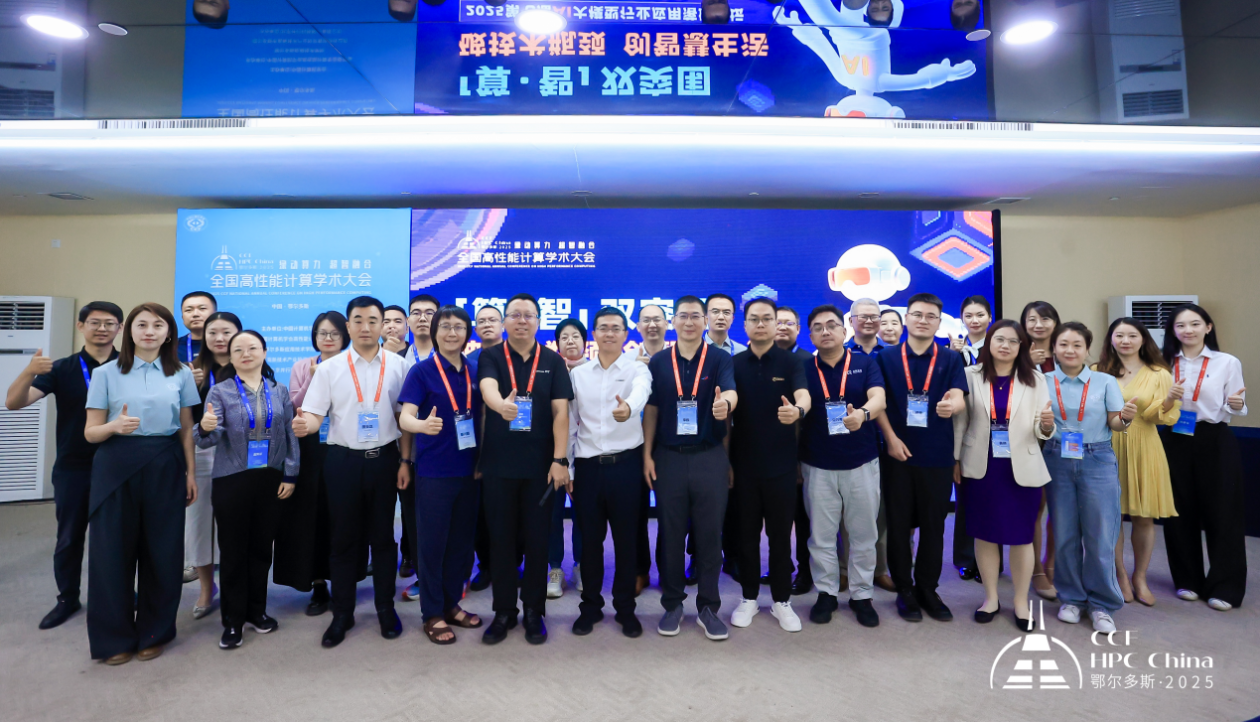
Core Insights - The forum focused on the theme of "breaking through technical bottlenecks and creating intelligent life" in the context of AI large model applications, highlighting the importance of computational power and ecosystem building [1] Group 1: Key Themes and Discussions - The chairman of Parallel Technology, Chen Jian, emphasized that performance can be directly converted into revenue, showcasing how their software helps users identify program bottlenecks and optimize computational resources [3] - Zhihua Wang, co-founder and chief architect of Zhihua Huazhang, introduced the latest open-source achievement GLM-4.5, which boasts 300 billion parameters and delivers performance at one-third the cost of competitors [3] - Baidu's general manager of hybrid cloud, Du Hai, presented a case of a domestic single cluster with 32,000 cards, highlighting the transition from single-machine to super-node computing [3] Group 2: Challenges in AI Implementation - Li Dong from Tsinghua Chang Geng Hospital discussed the challenges of implementing AI in healthcare, emphasizing the need for safety, compliance, and cost management before pursuing disruptive innovation [4] - Wang Haoqi from 360 Group highlighted the necessity of security intelligence, sharing stories of security breaches and introducing a "Nano AI SaaS" aimed at small and medium enterprises [4] Group 3: AI Applications and Innovations - Liu Chenxi from Tencent Cloud presented the company's AI achievements, detailing the integration of AI with existing business scenarios and showcasing the Tairos visual model's capabilities [5] - Tian Yunlong from Haier Smart Home introduced the world's first family-oriented model matrix, demonstrating how small models can provide proactive services in household appliances [6] Group 4: Future Directions and Industry Insights - He Wanqing from Qingcheng Jizhi discussed the importance of optimizing domestic chips and shared the performance improvements achieved with their "Chitu" inference engine [6] - The forum concluded with a consensus that there is no universal solution for large model implementation; instead, specific scenarios must be addressed through engineering methods [6]