
康方生物

Search documents
国家药监局优化临床急需境外已上市药品审评审批 创新药高景气度延续(附概念股)
Zhi Tong Cai Jing· 2026-01-08 00:20
Core Viewpoint - The National Medical Products Administration (NMPA) is optimizing the review and approval process for urgently needed foreign drugs already on the market to meet the pressing clinical needs of patients in China [1][2]. Group 1: Regulatory Changes - The NMPA will enhance the review mechanism and accelerate the review speed while improving the inspection system to reflect the characteristics of various drug types [2]. - The NMPA encourages applicants to conduct global synchronous research and simultaneous application for market approval in China for urgently needed foreign drugs [1]. Group 2: Market Performance - In 2025, China approved a record 76 innovative drugs, significantly surpassing the 48 approved in 2024 [2]. - The total amount of authorized transactions for innovative drugs in 2025 exceeded $130 billion, with over 150 transactions, marking another historical high [2]. Group 3: Drug Composition - The 76 innovative drugs approved in 2025 include 47 chemical drugs, 23 biological products, and 6 traditional Chinese medicines [2]. - Among the 47 chemical drugs, 38 are domestic innovations, and 9 are imported, with domestic innovations accounting for 80.85% [2]. - For the 23 biological products, 21 are domestic innovations, and 2 are imported, with domestic innovations making up 91.30% [2]. Group 4: Industry Outlook - The release of the first version of the "Commercial Health Insurance Innovative Drug Directory" in December 2025 establishes a multi-layered payment system, creating new market pathways for high-value innovative drugs [2]. - Industry insiders are optimistic about 2026, anticipating a surge in innovative drug business development (BD) due to supportive industrial policies for true and high-level innovations [2]. - The dual push from commercial insurance implementation and procurement optimization is expected to sustain high prosperity in the innovative drug industry, with high-value innovative drugs likely to experience a second growth curve [2]. Group 5: Key Companies - Notable companies in the Hong Kong innovative drug sector include: Heng Rui Medicine, Kelun-Botai Biological, and others [3]. - Leading companies in the CXO sector include: Kailai Ying, Kanglong Chemical, and others [4].
宜明昂科“悔婚”是因为选错了下家吗?
Xin Lang Cai Jing· 2026-01-07 11:51
Core Viewpoint - The termination of the licensing and collaboration agreement between Yiming Anke and Instil Bio regarding IMM2510/AXN-2510 and IMM27M/AXN-27M allows Yiming Anke to regain all rights for global development and commercialization outside Greater China, while Instil Bio retains limited rights to complete its clinical development activities [1][3]. Group 1: Business Development Strategy - Yiming Anke plans to restart global business development efforts, focusing on two main strategies: continuing discussions with multinational pharmaceutical companies (MNCs) that have shown interest in the assets and updating them on the latest clinical data, and seeking medium-sized companies with urgent needs in related fields for potential joint development or collaboration [1][7]. - The company will prioritize the compatibility of potential partners' existing product pipelines with its two assets during the selection process, considering factors such as opportunities for joint development and collaborative advancement [2]. Group 2: Clinical Development and Market Context - IMM2510/AXN-2510 is a novel PD-L1xVEGF bispecific antibody, currently ranked third in domestic development progress, while IMM27M/AXN-27M is a next-generation CTLA-4 antibody designed to enhance ADCC activity. Yiming Anke believes that the combination of these two assets will create a "diamond combination" due to the clear pathways for commercialization and established safety profiles of PD-1 and CTLA-4 related drugs [4][8]. - The clinical progress of IMM2510/AXN-2510 and IMM27M/AXN-27M is crucial for their future success, with a focus on achieving rapid market entry for IMM2510 as a monotherapy and expanding the long-term value and indications for IMM27M [8][9]. Group 3: Financial and Operational Challenges - Instil Bio has faced significant financial challenges, with a reported cash balance of $580.1 million as of September 2025, which limits its ability to advance clinical trials for the licensed products. The company has struggled with fundraising, raising only $66 million net from a public offering [6]. - The slow progress in clinical trials for IMM2510/AXN-2510 and IMM27M/AXN-27M has been attributed to Instil Bio's financial constraints, which have hindered its ability to meet development milestones and continue its business expansion efforts [5][6].
医药三连涨!医疗ETF冲击半年线,港股通创新药ETF(520880)逆市涨超3%!多家券商重点推荐创新药械产业链
Xin Lang Cai Jing· 2026-01-07 11:48
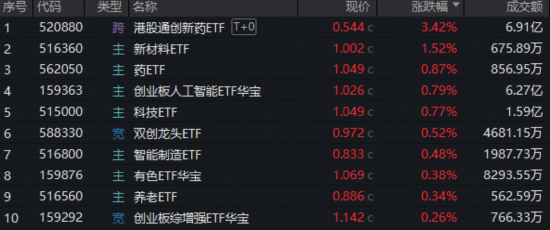
Group 1 - The A-share pharmaceutical sector has significantly outperformed the market, with leading innovative drug company Rongchang Bio surging over 11% [1][8] - The medical sector has shown some divergence, with the brain-computer interface concept maintaining its popularity, as evidenced by Meihao Medical achieving a 20% limit-up for three consecutive days [1][8] - The largest medical ETF in the market (512170) has been climbing towards its six-month moving average, reaching a new 20-day high [1][8] Group 2 - In the Hong Kong market, the overall index has retreated by about 1%, but the pharmaceutical sector has risen against the trend, with the high-volatility Hong Kong Innovation Drug ETF (520880) increasing by 3.42% and achieving a trading volume of 6.91 billion yuan, the highest in nearly two months [2][9] - Among the 37 innovative drug companies covered, 33 saw their stock prices rise, with Rongchang Bio in Hong Kong soaring nearly 13% [2][9] - The CXO concept stocks, including Kailaiying and Tigermed, both rose nearly 9%, contributing to a 3.14% increase in the Hong Kong medical theme index [4][9] Group 3 - Recent catalysts in the pharmaceutical field include the approval of Innovent Biologics' CTLA-4 monoclonal antibody "Daboshu" for domestic use, filling a gap in the dual immune new adjuvant therapy field [11] - A significant collaboration worth over 2 billion USD between Gakos and AstraZeneca has set a record for domestic clinical-stage small molecule cancer drug partnerships [11] - Analysts from various brokerages, including Pacific Securities and Guotai Junan, have expressed bullish views on the innovative drug and medical device industry chain, recommending continued focus on this sector [11][12] Group 4 - The upcoming launch of the Hong Kong medical ETF Huabo (159137) on January 12 is expected to attract attention as it tracks the Hong Kong medical theme index [4][11] - The strategy for the pharmaceutical sector emphasizes "innovation + internationalization" as the core theme for 2026, with a focus on innovative drugs and the medical device industry [11][12] - If consumer sentiment improves, the consumer medical sector, including medical services and OTC traditional Chinese medicine, is expected to enter a recovery phase [11]


见证历史,沪指14连阳逼空!创新药逆市领涨港股,520880大涨超3%!人工智能还看创业板,159363再创新高
Xin Lang Cai Jing· 2026-01-07 11:42
Market Overview - A-shares experienced a historic moment with the Shanghai Composite Index recording a 14-day winning streak, while the ChiNext Index fluctuated before closing lower. The total trading volume exceeded 28 trillion yuan over two consecutive trading days [1][19]. - The Hong Kong stock market showed weakness, with the Hang Seng Index down 0.94% and the Hang Seng Tech Index down 1.49%. However, the Hong Kong Stock Connect innovative drug sector performed well [1][19]. ETF Performance - The Hong Kong Stock Connect Innovative Drug ETF (520880) rose over 3%, marking its third consecutive increase, while the only ETF representing the pharmaceutical sector (562050) also recorded three consecutive days of gains. The largest medical ETF (512170) approached its six-month high [1][3][21]. - The Entrepreneurial Board Artificial Intelligence ETF (159363) increased by 0.79%, reaching a new high, while the broad-based dual-innovation leader ETF (588330) aimed for previous highs [1][3][19]. Pharmaceutical Sector - The pharmaceutical sector outperformed the broader market, with the innovative drug leader Rongchang Bio surging over 11%. The medical ETF (562050) achieved three consecutive daily gains [3][21]. - The medical sector showed some differentiation, with the brain-computer interface concept remaining popular. The largest medical ETF (512170) continued to rise, reaching a new 20-day high [3][21]. AI and Technology Sector - The Entrepreneurial Board Artificial Intelligence Index reached a new high, driven by strong performances in computing hardware and AI applications. Notable stocks included Zhishang Technology, which rose over 7%, and several others that increased by over 3% [25][27]. - The upcoming launch of DeepSeek's flagship system R2 is expected to catalyze AI applications, with Meta's acquisition of Manus further enhancing AI capabilities [27][28]. Rare Earth and Nonferrous Metals - The nonferrous metals ETF (159876) saw a significant increase, with a net subscription of 54.6 million units, reflecting strong investor interest. The ETF's price rose by over 1.6% during the day [10][12]. - The nonferrous metals market is experiencing a bullish trend due to various factors, including supply constraints and increased demand from new industries [10][13].

科网股、汽车股拖累指数下跌
中国基金报· 2026-01-07 10:26
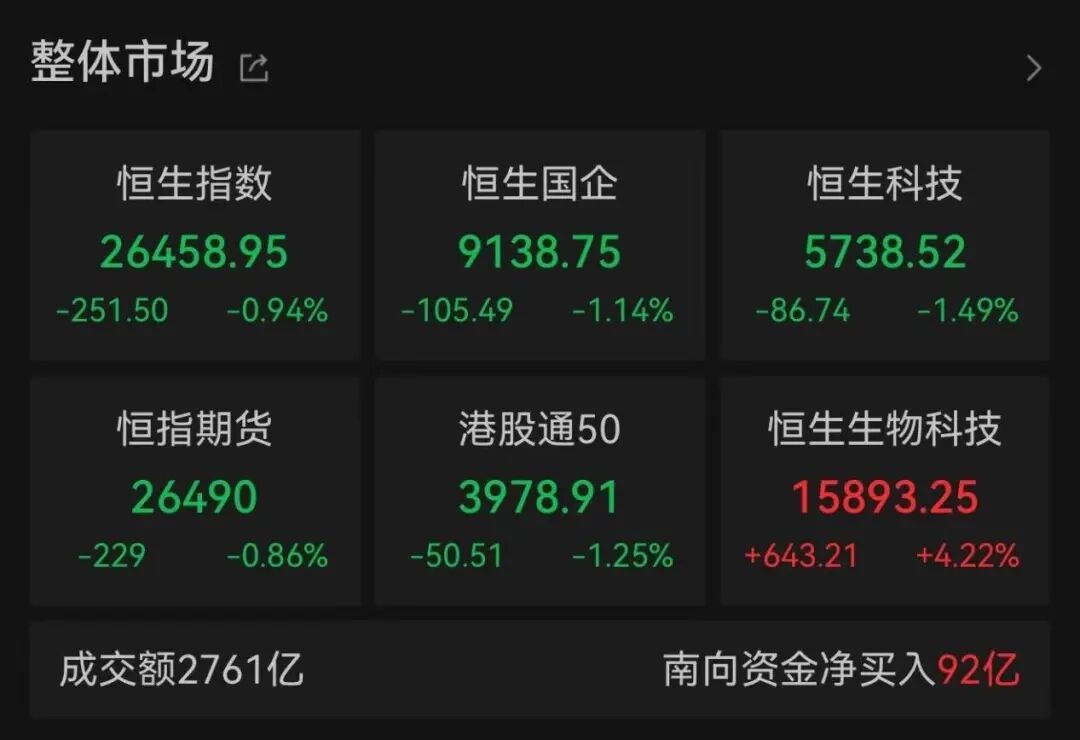
Market Overview - The Hong Kong stock market experienced a decline, ending a three-day winning streak since 2026, with all three major indices closing lower [2][4] - The Hang Seng Index fell by 0.94%, the Hang Seng China Enterprises Index decreased by 1.14%, and the Hang Seng Technology Index dropped by 1.49% [4][6] - Southbound funds recorded a net inflow of 9.2 billion HKD [4] Sector Performance - Technology and automotive stocks underperformed, contributing to the decline of the Hang Seng Technology Index [5][7] - Financial stocks showed weakness, with Chinese brokerage stocks turning negative [5][11] - Conversely, the innovative pharmaceutical sector, along with certain materials and coal stocks, saw gains despite the overall market downturn [5][14] Technology Sector - Major technology stocks such as Tencent Music, Alibaba, and Netease saw significant declines, with Tencent Music dropping over 5% and Alibaba falling more than 3% [8][10] - The recent regulatory changes in the live-streaming e-commerce sector are aimed at enhancing industry supervision and protecting consumer rights, which may impact market dynamics [8] Automotive Sector - Multiple research institutions predict a potential 7% decline in China's automotive market sales for 2026, marking the first annual negative growth since 2020 [9] Financial Sector - The financial sector faced a downturn, particularly among brokerage stocks, with notable declines including over 6% for China Merchants International and over 5% for Guotai Junan [12][13] Pharmaceutical Sector - The innovative pharmaceutical sector showed resilience, with stocks like Rongchang Bio rising by 12.93% and other companies like Kangfang Bio and WuXi Biologics also performing well [14][15] - A report from Zhongtai Securities indicates positive changes in the CRO and CDMO industries, driven by improving investment environments and supportive policies [16] Materials and Coal Sector - The materials sector, particularly aluminum and coal stocks, performed well, with Nanshan Aluminum rising over 10% [18][19] - Research from GF Securities suggests that the coal industry is experiencing structural demand optimization, with a projected 5% growth in coal demand from the chemical sector [19][20]
科网股、汽车股拖累指数下跌
Zhong Guo Ji Jin Bao· 2026-01-07 10:24
Market Overview - The Hong Kong stock market experienced a decline, ending a three-day rally since 2026, with all three major indices closing lower [1][2] - The Hang Seng Index fell by 0.94%, the Hang Seng China Enterprises Index dropped by 1.14%, and the Hang Seng Technology Index decreased by 1.49% [2] Sector Performance - Technology and automotive stocks underperformed, contributing to the overall market decline, while sectors such as innovative pharmaceuticals, non-ferrous metals, and coal stocks saw gains [2][4] - Notable declines in technology stocks included Tencent Music down over 5%, Alibaba down over 3%, and NIO, Xpeng, and Li Auto all closing lower [4][5] - The financial sector also faced weakness, particularly among brokerage stocks, with significant drops including CMB International down over 6% and Guotai Junan down over 5% [6][7] Regulatory Impact - The National Market Supervision Administration and the Cyberspace Administration of China issued new regulations for live-streaming e-commerce, aimed at enhancing industry oversight and protecting consumer rights [4] - Predictions indicate a potential 7% decline in China's automotive market sales in 2026, marking the first annual negative growth since 2020 [4] Innovative Pharmaceuticals - The innovative pharmaceutical sector showed resilience, with stocks like Rongchang Bio surging by 12.93% and other companies like Kangfang Bio and WuXi Biologics also posting significant gains [8][9] - Research indicates a positive shift in the CRO and CDMO industries, with expectations for improved investment conditions and demand recovery in the coming years [8] Coal and Non-Ferrous Metals - Certain coal and non-ferrous metal stocks performed well, with Nanshan Aluminum rising over 10% and other coal stocks like Lianhe Energy and Shougang Resources also seeing gains [10][11] - Research from GF Securities suggests that the coal industry's demand structure is optimizing, with a projected 5% growth in coal demand from the chemical sector [10]
港股复盘|港股回落 多家公司迎利好 生物医药股逆势大涨
Mei Ri Jing Ji Xin Wen· 2026-01-07 09:56
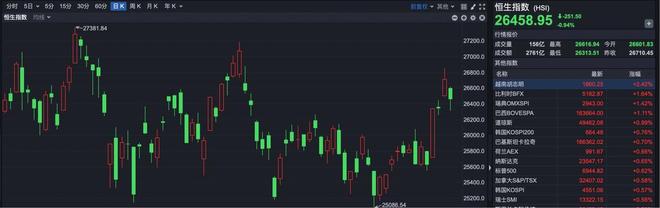
Market Overview - The Hong Kong stock market experienced its first decline of the year on January 7, with the Hang Seng Index closing at 26,458.95 points, down 251.50 points, a decrease of 0.94% [1][2]. - The Hang Seng Tech Index also fell, closing at 5,738.52 points, down 86.74 points, a decline of 1.49% [2]. Sector Performance - The pharmaceutical and biotechnology sector saw significant gains, with Rongchang Biologics (HK09995) rising over 12%, and other companies like Kailaiying (HK06821) and Tigermed (HK03347) increasing by over 8% [5]. - Rongchang Biologics announced positive clinical trial data for its PD-1/VEGF bispecific antibody RC148, which showed promising efficacy and safety for treating non-small cell lung cancer [5]. - Kangfang Biologics received approval for an important update on its PD-1/VEGF bispecific antibody, indicating significant clinical benefits in treating advanced non-small cell lung cancer [7]. Investment Trends - Southbound funds continued to significantly increase their holdings in Hong Kong stocks, with a net purchase exceeding 9.1 billion HKD by the end of the trading day [8]. - Research from CICC suggests that the Hong Kong stock market is entering a recovery phase, driven by a weaker US dollar and improved domestic liquidity, with a positive outlook for the first half of 2026 [12]. - Guotai Junan Securities anticipates a second round of valuation recovery and performance resurgence in the Hong Kong market in 2026, recommending focus on technology, healthcare, and consumer sectors [12]. Analyst Ratings - Credit Lyonnais maintained a "Outperform" rating for WuXi AppTec, raising the target price to 143.4 HKD, citing expected growth from outsourcing demand and reduced policy uncertainty [10].

创新药出海热潮下 这家药企为何收回对外授权
Di Yi Cai Jing· 2026-01-07 09:48
Core Viewpoint - The company Yiming Oncology (01541.HK) has decided to terminate its licensing agreement with Axion for the development and commercialization rights of two products, IMM2510 and IMM27M, outside Greater China, reclaiming all rights previously granted [2][3]. Group 1: Termination of Licensing Agreement - Yiming Oncology announced the termination of its licensing agreement with Axion on January 6, 2026, which included the global development and commercialization rights for IMM2510 and IMM27M outside Greater China [2]. - The initial collaboration began in August 2024, with the agreement valued at over $2 billion [2]. Group 2: Financial Implications - The termination of the agreement does not affect the $35 million upfront and milestone payments already received from Axion [3]. - The company expressed confidence in the therapeutic potential of IMM2510 and IMM27M and aims to accelerate their clinical development [5]. Group 3: Reasons for Reclaiming Rights - The CEO of Yiming Oncology stated that the collaboration with Axion had been positive, but clinical progress was slow due to funding pressures, prompting shareholders to suggest reclaiming the overseas rights [3]. - The complexity of negotiating with both Axion and potential partners hindered business development efforts, which the company hopes to simplify by reclaiming the rights [5]. Group 4: Market Context - The PD-1/VEGF dual antibody market has seen significant activity, with other companies securing large licensing deals, such as $1.25 billion for a similar product from a Chinese company [4]. - The market environment in early 2025 was characterized by high transaction prices for PD-1/VEGF deals, which may have influenced the decision to reclaim the rights [5].
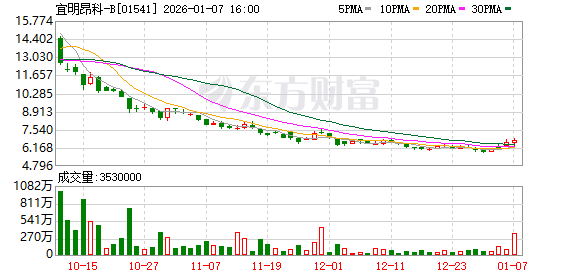
超20亿美元交易官宣终止,宜明昂科:对下一步BD充满信心
Xin Lang Cai Jing· 2026-01-07 09:41
Core Viewpoint - The termination of the collaboration agreement between Yiming Biotech and Axion Bio allows Yiming to regain global rights to its assets, which the company views positively and believes will accelerate clinical development [1][2][3]. Company Summary - Yiming Biotech has terminated its licensing and collaboration agreement with Axion Bio for the assets IMM2510/AXN-2510 and IMM27M/AXN-27M, while retaining a $35 million upfront and milestone payments received from Axion [1][2]. - The company expressed confidence in the therapeutic potential of the regained assets and plans to pursue further business development (BD) opportunities with interested multinational corporations (MNCs) [3][4]. - Following the announcement, Yiming Biotech's stock experienced volatility, initially rising over 5% before closing with a gain of 2.9% [1]. Industry Summary - The termination of the collaboration is seen as a significant event in the industry, with some voices expressing concern over the implications for domestic innovative drugs being "returned" [2][5]. - The industry is currently discussing the potential of PD-L1/VEGF bispecific antibodies, with comparisons drawn to similar products and their market performance, particularly in light of recent clinical data [4][5]. - In 2025, the total value of innovative drug licensing transactions in China is expected to exceed $130 billion, indicating a booming BD environment, although challenges such as "returns" may arise [5].
降息预期强化助推创新药板块,港股通创新药ETF易方达(159316)成交放量
Mei Ri Jing Ji Xin Wen· 2026-01-07 06:37
Core Viewpoint - The Hong Kong innovative drug sector continues its strong performance, with the Hang Seng Hong Kong Stock Connect Innovative Drug Index rising over 2%, indicating a bullish trend in the market [1] Industry Dynamics - Research Development: Innovent Biologics has received approval for its CTLA-4 monoclonal antibody "Daboshu" as the first domestically approved CTLA-4 inhibitor, filling a gap in the domestic dual immune new adjuvant therapy field [1] - Business Development: Ginkgo Bioworks has established a collaboration with AstraZeneca worth over $2 billion, setting a record for domestic clinical-stage small molecule anti-cancer drug collaborations [1] Market Activity - The Hong Kong Stock Connect Innovative Drug ETF managed by E Fund (159316) saw a significant increase in trading volume, exceeding 600 million yuan, indicating heightened investor interest [1] - The market's expectations for a potential interest rate cut by the Federal Reserve have increased, with the probability of a rate cut in March 2026 rising to over 40%, which may positively impact the Hong Kong innovative drug sector [1]