红星美凯龙

Search documents
吴声2025年度演讲:场景革命十年,哲学生活方式到来
新消费智库· 2025-08-04 13:03
Core Viewpoint - The article emphasizes the concept of "scene creation" and the importance of reconstructing meaning in the context of AI and new consumption patterns, highlighting the need for businesses to design specific scenarios to engage users effectively [4][20][26]. Group 1: Scene Creation and Meaning Reconstruction - The "scene revolution" over the past decade has driven the evolution of new species in business, with a focus on designing impactful scenarios that resonate with users [12][19]. - The concept of "刹那涌现" (momentary emergence) suggests that the evolution of AI applications will occur through meticulously designed scenarios, which are essential for understanding the rapid changes in the business landscape [20][24]. - The article outlines four key concepts for reconstructing meaning: NOW (the power of connection), FLOW (immersive human-machine interaction), HERE (narratives that transcend presence), and EGO (the core question of self) [26][30][34]. Group 2: Case Studies of Scene Brands - The evolution of the brand "三翼鸟" (Three Wings Bird) illustrates the shift from merely offering products to providing personalized home scene customization solutions, emphasizing the importance of understanding user needs [15][19]. - "红星美凯龙" (Red Star Macalline) has transformed into an "AI home life destination," integrating home appliances, furniture, and decoration into a cohesive experience, showcasing the power of scene branding [17][19]. - The article highlights "小红书" (Xiaohongshu) as a platform that redefines connection through user-generated content, emphasizing the importance of real-time engagement and community building [34][35]. Group 3: The Role of AI in Scene Creation - The emergence of AI-driven solutions is reshaping traditional business models, as seen in companies like "星星充电" (Star Charging), which integrates dynamic connections in digital energy management [45][46]. - The article discusses how AI is enhancing human-machine interaction, with examples of companies like 联想 (Lenovo) developing intelligent terminals that facilitate seamless user experiences [58][60]. - The concept of "物理AI" (Physical AI) is introduced, where AI technologies are applied to real-world interactions, enhancing the user experience in everyday environments [63][64]. Group 4: The Future of Scene Brands - The article posits that the future of scene brands lies in their ability to create meaningful connections and experiences that resonate with users on a deeper level, moving beyond mere functionality [19][24]. - The rise of "潮玩" (trendy toys) as a form of emotional commerce reflects a shift towards products that express individuality and cater to specific emotional needs [90][91]. - The concept of "空间网络的生态IP" (space network ecological IP) is introduced, suggesting a model where brands can replicate and localize their presence across different markets, enhancing their relevance and impact [97].


吴声2025年度演讲:场景革命十年,哲学生活方式到来
36氪· 2025-08-04 11:04
Core Viewpoint - The article emphasizes the concept of "meaning reconstruction" in the context of the AI scene revolution, highlighting the importance of specific scenarios in shaping business and consumer experiences [3][18]. Group 1: Scene Creation and Evolution - The past decade has been marked by "scene creation," where well-designed scenarios drive the evolution of new business entities, as seen in collaborations with companies like Luckin Coffee and Tencent [10][13]. - The evolution of brands like Sanwing Bird illustrates the shift from product-centric to solution-oriented approaches, focusing on personalized home scene customization [13][17]. - Red Star Macalline's transformation into an "AI home life destination" showcases the integration of home appliances, furniture, and decoration into a cohesive shopping experience [15][17]. Group 2: Instant Emergence and Meaning Reconstruction - The concept of "instant emergence" suggests that technological advancements must be carefully designed within specific scenarios to avoid losing sight of their significance [19][21]. - The article discusses the potential of AI to transition from "intelligence" to "super intelligence," with implications for economic growth and the redefinition of resources [23][25]. - The need for a philosophical lifestyle cycle is highlighted, where the reconstruction of meaning is essential in navigating the complexities of the AI era [25][28]. Group 3: NOW - Connection in the Present - The "NOW" concept emphasizes the importance of real-time connections facilitated by AI, transforming how individuals interact with information and each other [29][30]. - Platforms like Xiaohongshu exemplify the redefinition of connection through user-generated content, creating a space for real-time engagement and shared experiences [33][35]. - The article notes that the ultimate goal of business is to turn individual problems into collective solutions, as demonstrated by Xiaohongshu's focus on immediate user needs [35][36]. Group 4: FLOW - Smooth Human-Machine Interaction - The "FLOW" concept refers to the evolution of human-machine interaction, where AI becomes a seamless part of daily life, enhancing user experiences [51][52]. - The emergence of "intelligent agents" signifies a shift in how technology interacts with users, moving from mere tools to integral parts of personal and professional environments [54][56]. - Companies like Lenovo are leading the way in creating cohesive ecosystems of AI devices that enhance user interaction and experience [56][58]. Group 5: HERE - Narrative Beyond the Scene - The "HERE" concept emphasizes the importance of local narratives and experiences in creating meaningful connections between brands and consumers [79][80]. - Brands like Anta are innovating their retail spaces to become community hubs, blending art and local culture to enhance customer engagement [83][84]. - The article highlights the need for physical spaces to evolve alongside digital experiences, ensuring that they remain relevant and engaging for consumers [87][88].
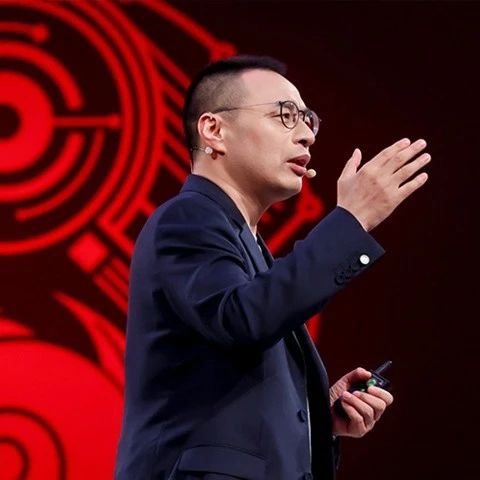
吴声解读AI场景革命:新物种迈进哲学生活方式周期
Huan Qiu Wang Zi Xun· 2025-08-04 02:46
Core Insights - The essence of the AI scene revolution is the reconstruction of meaning coordinates in specific scenarios, with a focus on the emergence of new business entities and the need for careful scene design [1][4] Group 1: Four Chapters of Meaning Reconstruction - The first chapter "NOW·The Connection of the Moment" emphasizes that meaning density, rather than speed, is crucial for new business entities to understand time and find true value [2] - The second chapter "FLOW·Smooth Human-Machine Interaction" highlights the importance of meaningful integration and the evolution of human-machine interaction into a seamless cognitive resonance [2] - The third chapter "HERE·Narrative Beyond the Scene" discusses the significance of digital immersion and scene twin technology in enhancing competitive advantage in the AI era [3] - The fourth chapter "EGO·My Consensus" focuses on the need for new business entities to maintain uniqueness while fostering collective wisdom and understanding the significance of individual existence [3] Group 2: Predictions for New Business Entities - Prediction 1: Existentialist commerce will provide actionable plans for life [3] - Prediction 2: Social interactions will be redefined through multi-terminal resets and individual metaverse definitions [3] - Prediction 3: The concept of no-inventory shelves will emerge, utilizing product streaming and 3D printing [3] - Prediction 4: The idea of "super scene" will lead to perpetual carbon-silicon fusion concerts [3] - Prediction 5: New mediums for content distribution will arise, integrating spatial intelligence and brain-machine interfaces [3] - Prediction 6: The transition from cross-border payments to encrypted living will accelerate the fusion of stablecoins with real-world applications [3] - Prediction 7: A new knowledge era in spatial commerce will develop, focusing on local knowledge graphs and experiential data sets [3] - Prediction 8: AI ethics will evolve towards the necessity of algorithm-free environments [3]
吴声2025年度演讲:词是旧的,意义才是新的
虎嗅APP· 2025-08-04 00:39
Core Viewpoint - The article discusses the "AI Scene Revolution" and its impact on business, emphasizing the need for reconstructing meaning in various scenarios through innovative methods and the emergence of new species in the market [5][20]. Group 1: Scene Creation Over the Past Decade - The past decade has been marked by the evolution of "scene creation," where meticulously designed scenarios drive the growth of new market entities [11][19]. - The evolution of brands like Sanwing Bird illustrates the shift from product-centric to solution-oriented approaches, focusing on personalized home scene customization [14][15]. - Red Star Macalline's transformation into an "AI home life destination" showcases the integration of home appliances, furniture, and decoration into a cohesive business model [17][19]. Group 2: Instant Emergence and Meaning Reconstruction - The concept of "instant emergence" highlights the importance of designing specific scenarios to avoid losing sight of the rapid changes in AI applications and market dynamics [20][22]. - The advancements in AI technology, such as Amazon's robotics and Google's Gemini Robotics, signify a shift towards cognitive capabilities in machines, although the full potential is yet to be realized [22][24]. - The article posits that the AI scene revolution is fundamentally a cognitive revolution, urging a return to philosophical inquiries about human existence and meaning [24][26]. Group 3: The Four Keywords of Meaning Coordinates - The four keywords for reconstructing meaning in the current era are NOW (the power of connection), HERE (the reality of presence), FLOW (the pursuit of immersive experiences), and EGO (the core question of self) [26][28]. Group 4: The NOW Connection - The NOW concept emphasizes the significance of real-time connections in the AI era, where platforms like Xiaohongshu redefine user engagement through immediacy and shared experiences [30][33]. - The organizational innovation at brands like Three Squirrels demonstrates how understanding the needs of younger consumers can lead to effective decision-making and product development [38][39]. Group 5: Flowing Human-Machine Interaction - The evolution of human-machine interaction is characterized by the emergence of "intelligent agents" that enhance user experiences through seamless communication and emotional understanding [51][52]. - Companies like Lenovo are leading the way in creating integrated AI ecosystems that facilitate smooth interactions across various devices [54][56]. Group 6: Beyond the Scene Narrative - The article discusses how physical retail spaces, such as Anta's innovative stores, serve as both entry points and destinations, enhancing customer engagement through unique narratives [78][79]. - The integration of digital and physical experiences is crucial for creating meaningful interactions in today's market [82][83]. Group 7: The EGO Consensus - The importance of maintaining uniqueness while fostering collective intelligence is emphasized, as seen in brands like Maogeping, which focus on individual beauty and personalized experiences [101][102]. - The article suggests that the AI cycle is leading to a new balance, where brands must adapt to the evolving landscape while staying true to their core values [103].

吴声2025年度演讲:场景革命十年,哲学生活方式到来
创业邦· 2025-08-04 00:09
Core Insights - The article emphasizes the concept of "scene creation" as a driving force behind the evolution of new business models and brands in the AI era, highlighting the importance of designing specific scenarios to foster innovation and user engagement [5][15][21]. Group 1: Scene Creation and Brand Evolution - The evolution of brands like San Yi Niao and Red Star Macalline illustrates how understanding user needs and creating tailored solutions can lead to significant business transformations [10][12]. - The concept of "effective time" is replacing "effective space" as the core standard in home living, indicating a shift towards personalized experiences in smart home solutions [10]. - The "scene brand evolution" is characterized by a dual process of deconstruction and emergence, driven by unique situational endowments in various fields [14]. Group 2: AI and Technological Integration - The article discusses the emergence of "Agentic AI" and its potential to reshape productivity and efficiency, although it notes that many applications are still in the exploratory phase [17][19]. - The integration of AI into everyday scenarios is seen as a pathway to enhance user experiences and create new value propositions, as demonstrated by companies like Xiaomi and Star Charging [29][32]. Group 3: Consumer Engagement and Experience - The rise of platforms like Xiaohongshu showcases how real-time connections and user-generated content can redefine consumer engagement and brand value [25][26]. - The concept of "NOW" emphasizes the importance of immediate connections and experiences in the digital age, where traditional metrics of engagement are being replaced by real-time interactions [22][40]. Group 4: Physical and Digital Integration - The article highlights the need for seamless integration between physical spaces and digital experiences, as seen in the collaboration between companies like Fenjun Media and Alipay [35]. - The evolution of human-machine interaction is discussed, with a focus on creating fluid and intuitive experiences that enhance user engagement [41][43]. Group 5: Cultural and Community Engagement - The development of localized cultural spaces, such as the "New Species Space" project, illustrates the importance of community engagement and cultural relevance in modern business strategies [72][73]. - The article emphasizes the role of emotional connections and personal narratives in shaping consumer experiences, particularly in the context of emerging brands and products [69][70].
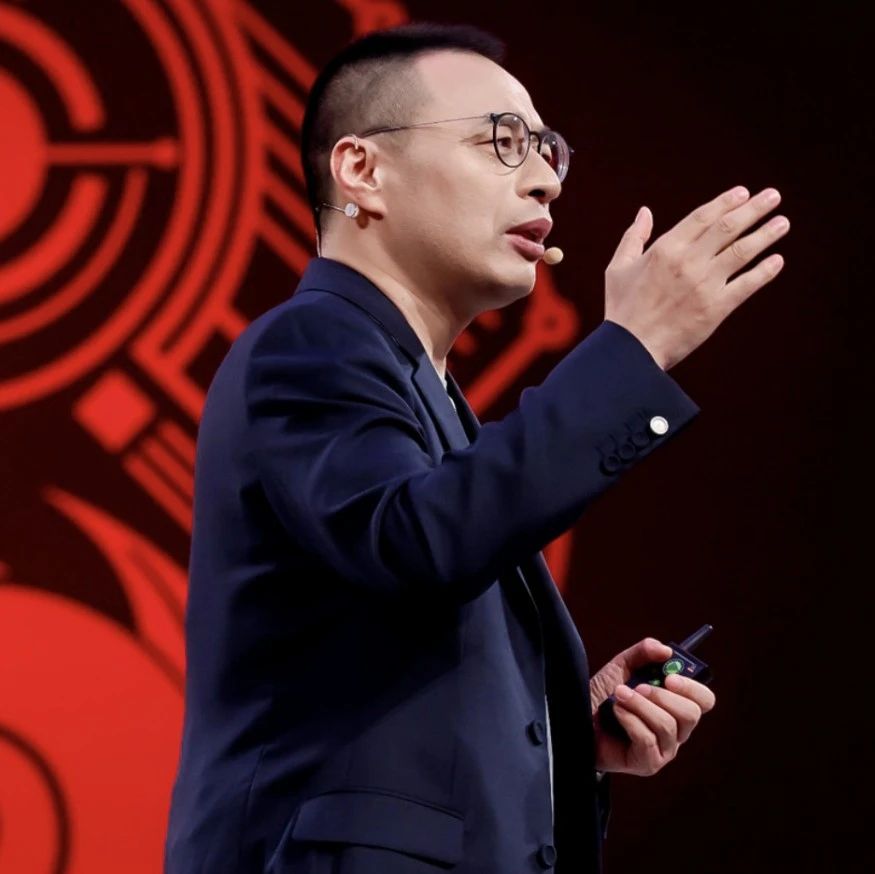
吴声2025年度演讲:词是旧的,意义才是新的
Hu Xiu· 2025-08-03 14:09
Core Insights - The event "New Species Explosion 2025" emphasizes the significance of AI in reshaping business through a philosophical lifestyle cycle, focusing on the reconstruction of meaning in specific scenarios [1][2][21] - The presentation outlines four innovative methods for "meaning reconstruction": NOW (connection in the present), FLOW (smooth human-machine interaction), HERE (narrative beyond presence), and EGO (consensus of self) [1][22][26] Group 1: Scene Creation and Evolution - The concept of "scene creation" has evolved over the past decade, highlighting the importance of well-designed scenarios in driving the growth of new business entities [6][14] - The case of "Three Wings Bird" illustrates the transition from product-focused strategies to personalized home scene customization, emphasizing the need for effective time management over mere spatial efficiency [9][10] - Red Star Macalline's transformation into an "AI home life destination" showcases the integration of home appliances, furniture, and decoration into a cohesive business model [12][14] Group 2: Instant Emergence and Meaning Reconstruction - The notion of "instant emergence" suggests that the evolution of AI applications will occur through meticulously designed scenarios, avoiding superficial trends [15][19] - The advancements in AI technology, such as Amazon's robotics and Google's Gemini Robotics, indicate a shift towards cognitive capabilities, although the full potential of AI remains to be realized [17][19] - The potential economic impact of AI is significant, with projections suggesting a GDP growth of 20-30%, indicating a transformative phase for society [19] Group 3: Connection and User Engagement - The concept of NOW emphasizes the importance of real-time connections facilitated by AI, which compresses processes and enhances user engagement [26][29] - The success of brands like Three Squirrels demonstrates the effectiveness of a decentralized organizational model that aligns with the values of younger consumers [34][35] - Xiaomi's approach to integrating consumer electronics into the automotive sector exemplifies the restructuring of organizational systems to enhance connectivity and efficiency [36] Group 4: Fluid Human-Machine Interaction - The evolution of human-machine interaction is characterized by the emergence of "intelligent agents" that enhance user experiences through seamless integration [47][50] - The concept of "physical AI" is reshaping interactions in the physical world, allowing for a more intuitive and responsive environment [57][59] - Brands like AAC Technologies are pioneering the integration of sensory technology to create immersive human-machine interactions [58][59] Group 5: Narrative Beyond Presence - The importance of physical presence in retail is highlighted through the innovative store concepts of brands like Anta, which create immersive and community-focused experiences [80][81] - The shift towards experiential retail emphasizes the need for physical spaces to resonate with digital narratives, enhancing customer engagement [84][85] - The concept of "here" as a narrative tool underscores the significance of local culture and community in shaping brand experiences [91][93] Group 6: Consensus of Self - The emphasis on individual uniqueness and collective consensus is illustrated through brands like Mao Geping, which focus on personalized beauty experiences [106][107] - The concept of "new balanceism" in health and wellness reflects a growing societal focus on achieving equilibrium in the face of rapid technological change [110][113]
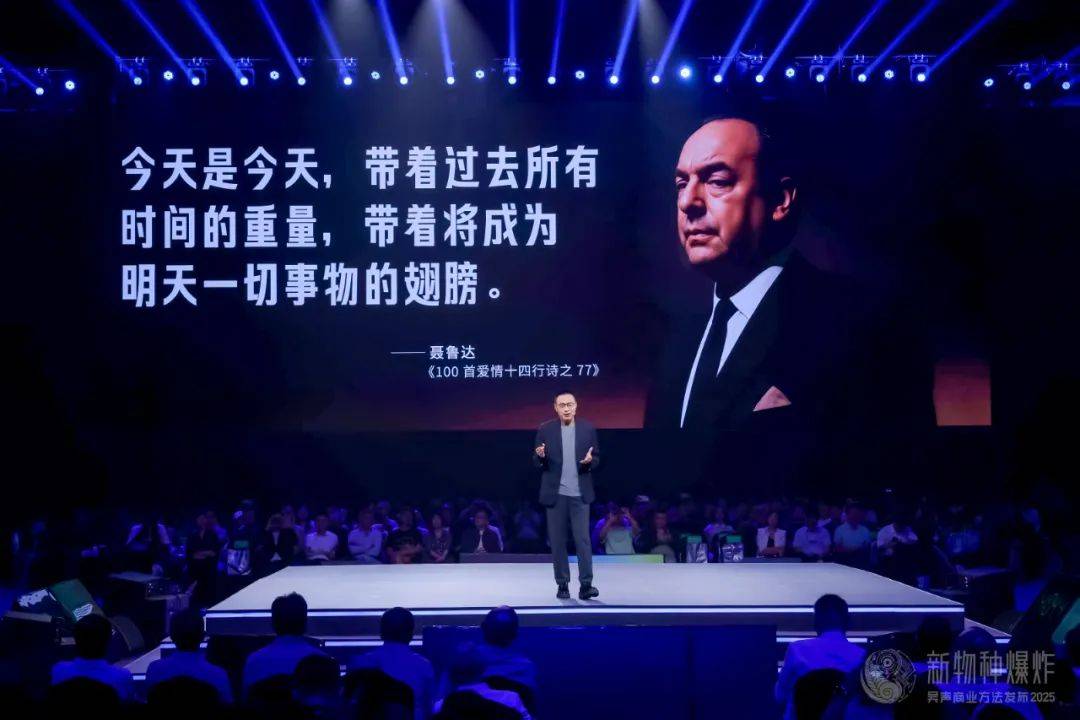
吴声2025年度演讲:场景革命十年,哲学生活方式到来
凤凰网财经· 2025-08-03 14:04
Core Viewpoint - The article discusses the ongoing AI scene revolution and its impact on business, emphasizing the need for reconstructing meaning in specific scenarios to adapt to the evolving landscape of consumer needs and technological advancements [5][22][28]. Group 1: Scene Creation and Evolution - The concept of "scene creation" has evolved over the past decade, highlighting the importance of well-designed scenarios in driving the growth of new business entities [13][21]. - Companies like Sanwing Bird and Red Star Macalline exemplify the evolution of scene brands, focusing on personalized solutions and integrating various home-related services to enhance consumer experience [16][19]. - The article notes that understanding user needs within specific scenarios is crucial for brands to innovate and adapt in the AI era [17][21]. Group 2: Instant Emergence and Meaning Reconstruction - The term "instant emergence" refers to the necessity of believing in the emergence of scenarios at every technological moment, which is essential for navigating the rapid changes brought by AI [24][26]. - The article emphasizes that AI's evolution is not just about technology but also involves a cognitive revolution that redefines human existence and experience [26][28]. - The reconstruction of meaning in everyday life is highlighted as a key aspect of the AI scene revolution, where philosophical considerations become integral to understanding technology's role [28][30]. Group 3: Connection and Interaction - The article introduces the concept of "NOW," focusing on the importance of real-time connections in the attention economy, as exemplified by platforms like Xiaohongshu [35][36]. - The evolution of human-machine interaction is discussed, with an emphasis on creating seamless experiences that enhance user engagement and satisfaction [55][56]. - The emergence of "smart agents" as a new form of digital self is highlighted, showcasing how AI can enhance user experiences by understanding and anticipating needs [56][59]. Group 4: Physical and Digital Integration - The integration of physical and digital experiences is emphasized, with examples of companies like Xiaomi and Jiumu showcasing how they leverage AI to enhance user interactions in real-world scenarios [42][73]. - The article discusses how brands are rethinking physical spaces to create meaningful consumer experiences, transforming retail environments into engaging community hubs [82][84]. - The rise of emotional commerce, particularly through collectible toys, reflects a shift towards products that resonate with consumers' identities and emotions [89][90].
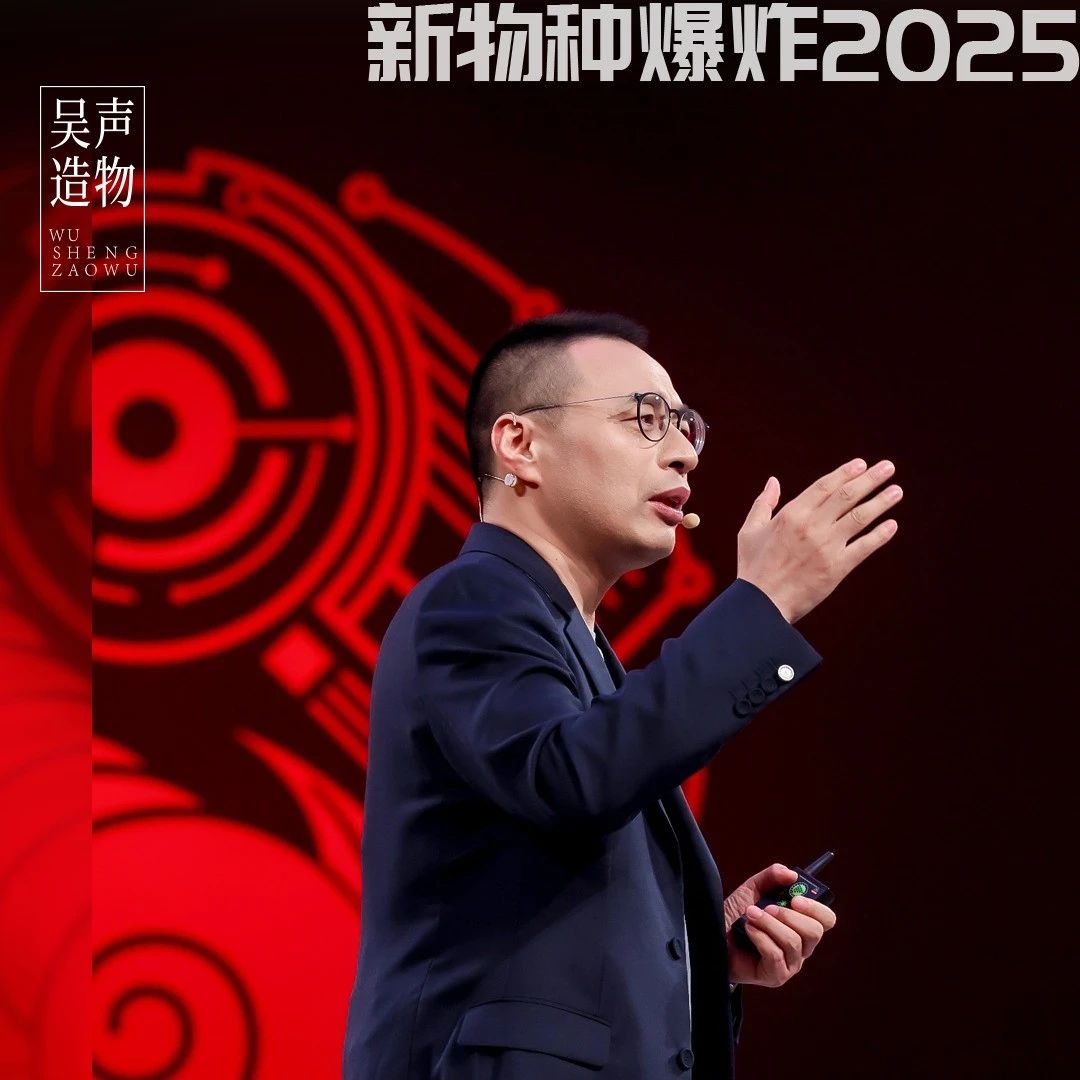
吴声2025年度演讲:场景革命十年,哲学生活方式到来
3 6 Ke· 2025-08-03 13:34
Group 1 - The core theme of the event is "Momentary Emergence," focusing on the AI scene revolution and its impact on business and philosophy [3][16] - Wu Sheng, the founder of Scene Laboratory, emphasizes the importance of reconstructing meaning coordinates in specific scenarios [3][22] - The event outlines four innovative methods for "meaning reconstruction": NOW (connection in the moment), FLOW (smooth human-machine interaction), HERE (narrative beyond presence), and EGO (the core question of self) [3][22] Group 2 - The evolution of scene creation over the past decade is highlighted, showcasing how meticulously designed scenarios drive the growth of new species in business [9][15] - The case of Sanwing Bird illustrates the shift from product-focused to solution-oriented approaches in smart home scenarios, emphasizing personalized family scene customization [11][15] - Red Star Macalline's transformation into an "AI home life destination" reflects the deep understanding of lifestyle changes brought by AI, integrating home appliances, furniture, and decoration [13][15] Group 3 - The concept of "Momentary Emergence" suggests that the future of AI applications will evolve through carefully designed scenarios, avoiding superficial trends [16][20] - The advancements in AI technology, such as Amazon's robotics and Google's Gemini Robotics, indicate a shift towards cognitive capabilities in machines [18][20] - The potential economic impact of AI is significant, with projections suggesting a possible GDP growth of 20-30% due to AI advancements [20] Group 4 - The "philosophical lifestyle cycle" is introduced, emphasizing the need to find and reconstruct meaning coordinates in everyday life through specific scenarios [22][24] - The importance of user-generated content (UGC) in platforms like Xiaohongshu is highlighted, showcasing its role in connecting people and information in real-time [27][29] - The concept of "effective time" is emerging as a new standard in family living, replacing the traditional focus on effective space [11][15] Group 5 - The evolution of physical retail spaces, such as Anta's innovative store designs, reflects a shift towards creating immersive and community-oriented shopping experiences [63][64] - The integration of AI in physical spaces is transforming how consumers interact with products, enhancing the overall shopping experience [60][65] - The rise of emotional commerce, particularly in the context of trendy toys, illustrates the changing landscape of consumer engagement and brand connection [70][71]
蓬莱区推动消费从“门票依赖”向“多元创收”转型,勾勒消费新图景
Sou Hu Cai Jing· 2025-08-01 05:50
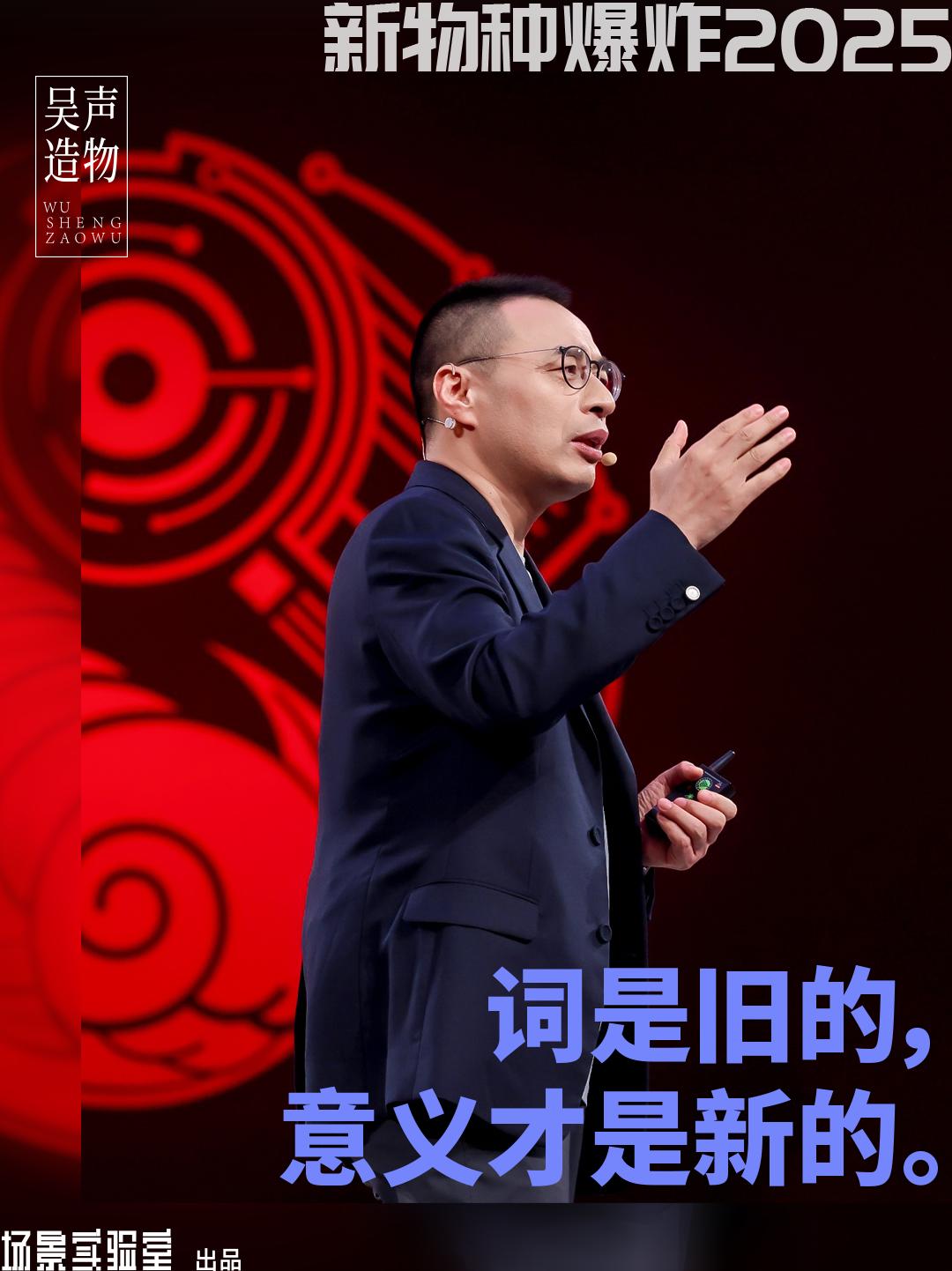
Core Insights - The article highlights the transformation of the consumption model in Penglai, shifting from reliance on ticket sales to diversified revenue streams through innovative consumer experiences and local cultural products [2][4]. Group 1: Development of Local Economy - The "Penglai Xianpin" store has opened, showcasing local products and becoming a key part of Penglai's strategy to enhance consumer engagement and promote regional culture [3][4]. - The store features a variety of products, including cultural items and traditional crafts, which attract tourists and enhance their understanding of local specialties [3][4]. Group 2: Consumer Experience Enhancement - The integration of "Xianshan" tourism and "Xianpin" shopping creates a more immersive experience for visitors, encouraging spending beyond just ticket purchases [4][6]. - The successful establishment of a sales network through partnerships with local businesses and tourist hotspots enhances accessibility for consumers [4][6]. Group 3: Policy and Market Initiatives - The "Buy in Fairyland, Exchange for New Life" night market event has been organized to promote consumer engagement and facilitate the exchange of old products for new ones, aligning with national consumption upgrade strategies [5][6]. - Penglai's Business Bureau has coordinated with over 200 enterprises to stimulate consumption, achieving over 70 million yuan in sales through these initiatives [5][6]. Group 4: Future Strategies - The Penglai Business Bureau plans to continue exploring the cultural significance of local products and enhance marketing strategies through online and offline integration [6]. - Focus will remain on creating new consumer experiences and implementing policies that benefit both businesses and consumers, fostering a more comfortable and efficient consumption environment [6].
家居“前首富”骤逝,居然智家的“财技游戏”玩到头了
Hu Xiu· 2025-07-31 11:56
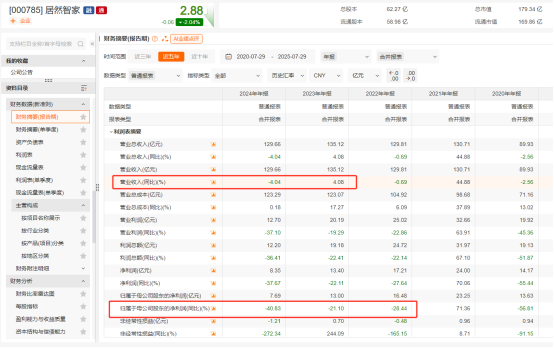
Core Viewpoint - The sudden death of Wang Linpeng, the chairman and CEO of Juran Zhijia, has caused significant turmoil for the company, which was already facing performance challenges prior to this event [2][4][7]. Group 1: Company Performance - Juran Zhijia has experienced a decline in both revenue and profit over the past year, with a projected revenue drop of 4% to 12.97 billion yuan and a net profit decrease of over 40% to 769 million yuan in 2024, marking the third consecutive year of profit decline [23][24]. - The company’s financial performance has raised concerns, particularly regarding its investment properties, which have shown an unusual trend of appreciation despite a general downturn in the real estate market [25][28]. - The contribution of asset disposal gains to operating profit is alarming, with these gains accounting for nearly 70% of operating profit in 2024, raising questions about the sustainability of the company's core business [36][50]. Group 2: Financial Anomalies - Juran Zhijia's investment properties, valued at 23.26 billion yuan, reported appreciation gains of 130 million yuan and 110 million yuan over the past two years, which is counterintuitive given the current market conditions [26][28]. - The company’s asset disposal gains, which have been consistently high, are primarily derived from accounting practices related to lease terminations rather than actual operational profits, indicating potential financial manipulation [41][49]. - The core profit from operations has drastically decreased to 659 million yuan in 2024, a 45% drop from the previous year, highlighting the company's reliance on non-operational gains to maintain profitability [51][54]. Group 3: Leadership and Future Uncertainty - Wang Linpeng was a pivotal figure in Juran Zhijia's growth, having led the company since 2001, and his unexpected passing leaves the company at a critical juncture with uncertain leadership and direction [9][54]. - The company is now facing a crossroads, with its future shrouded in uncertainty as it grapples with both leadership changes and ongoing financial scrutiny [7][54].