Rokid

Search documents
求购卫蓝新能源老股份额;求购小红书老股份额|资情留言板第167期
3 6 Ke· 2025-08-06 07:32
一、本月新增 1、求购字节跳动公司老股份额(预期估值3200亿美元) 交易价格:预期估值3200亿美元 资产交易市场,信息瞬息万变,消息真假难辨,即使买卖双方花费大量的时间、精力,推动成交往往困 难重重。为了能够帮助买卖双方更快速链接市场信息和潜在交易对手,避免不必要的投入与浪费,我们 特地打造了这样一档栏目。 本文是这个栏目的第167期。如果你对本文提到的相关的交易线索感兴趣,希望接触这些潜在的交易对 手,或者如果你手中直接握有希望交易的资金或者资产,欢迎与我们联系。(邮箱:zcjy@36kr.com) 资产规模:约3000-5000万美元 交易方式:可以接受进结构,价格具体看是否承担管理费和carry 联系方式:zcjy@36kr.com 3、求购卫蓝新能源公司老股份额(预期估值80亿人民币) 交易价格:预期估值80亿人民币 资产规模:约3000-5000万美元 资产规模:约3000-5000万美元份额 交易方式:具体看是否承担管理费和carry 联系方式:zcjy@36kr.com 2、求购小红书公司老股份额(预期估值380亿美元左右) 交易价格:预期估值380亿美元左右 交易价格:预期估值约210亿 ...
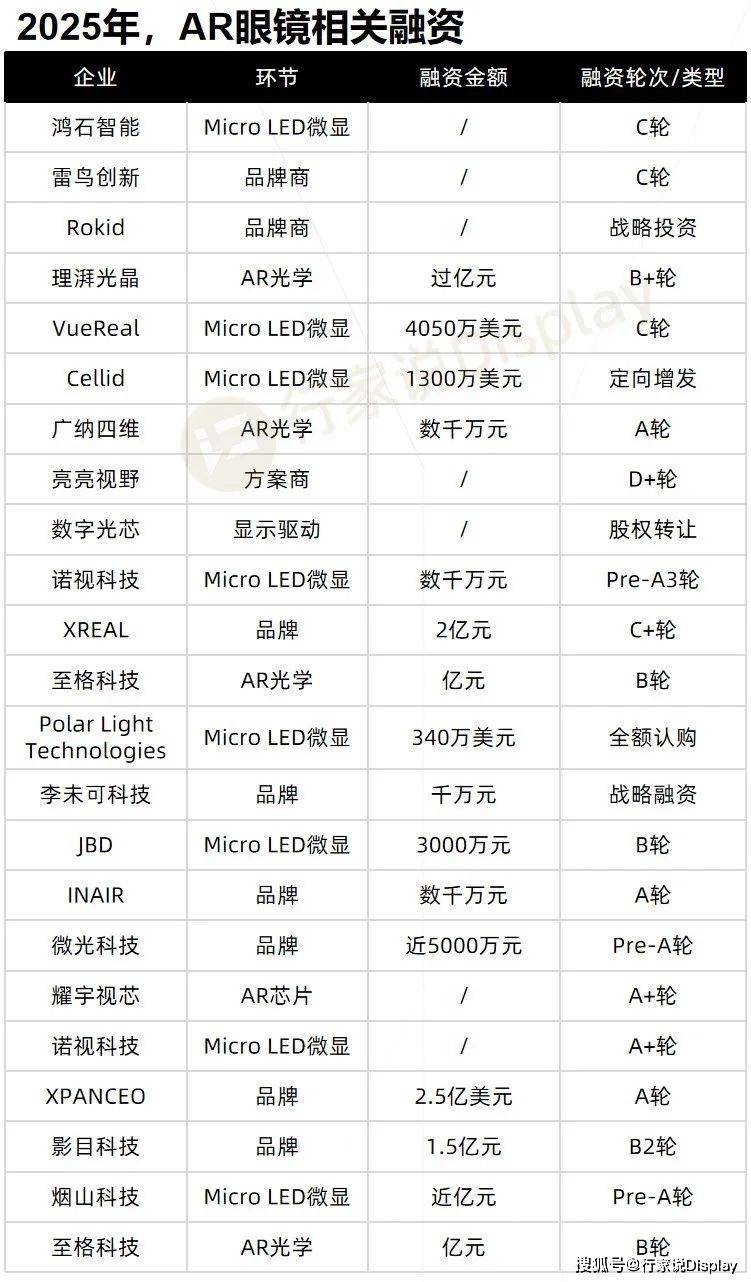
最高超亿元,2家AR相关企业获融资
Sou Hu Cai Jing· 2025-08-05 10:18
Group 1 - The core viewpoint of the articles indicates that the AR glasses sector is entering a financing boom, with multiple companies securing significant funding recently [1][2][5] - Chip Screen Semiconductor has completed a multi-million Pre-A round financing led by Zhonghang Capital, focusing on 8-inch silicon-based Micro LED production [1][5] - ZhiGe Technology, an AR optical manufacturer, has achieved two rounds of financing totaling over 100 million yuan within six months, indicating strong investor interest in AR technology [1][4] Group 2 - The financing data shows that terminal brand manufacturers are securing large amounts of funding, which constitutes a major share of AR-related financing, while upstream core hardware is becoming a hot investment area [4][5] - Major companies like Meta, Samsung, Apple, and Alibaba are actively investing in AR glasses, reflecting confidence in the AR technology market [5][6] - The industry is moving from concept to commercial realization, as evidenced by the increasing number of financing events and the involvement of large tech firms [6]

支付宝:探路支付促消费新解法
Bei Jing Shang Bao· 2025-08-05 08:56
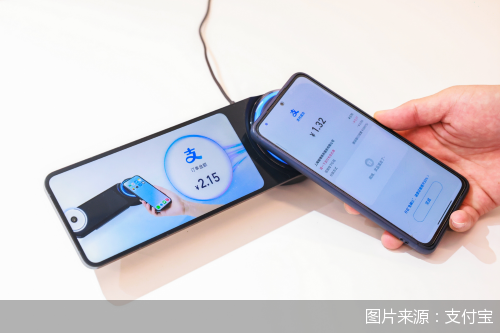
Core Insights - The payment industry in China is undergoing significant innovation, transitioning from traditional cash to advanced methods like NFC, facial recognition, and palm scanning, enhancing convenience and security for consumers [1][3][4] - Ant Group's Vice President, Li Jiajia, emphasizes that payment innovation is crucial for lowering consumption barriers and improving transaction efficiency, ultimately driving consumer demand [1][9] Payment Innovations - Alipay has introduced new payment methods such as "Tap to Pay" and "Look to Pay," which simplify the payment process and cater to various user groups, including the elderly and visually impaired [2][4][12] - The "Tap to Pay" feature allows users to complete transactions without opening the app, while "Look to Pay" integrates with smart glasses, enabling voice-activated payments [2][12] Market Growth and Statistics - The People's Bank of China reported that mobile payment transactions reached 210.98 billion, amounting to 56.37 trillion yuan, a 25-fold increase over the past decade [3] - Non-bank payment institutions processed 13.4 trillion transactions worth 33.168 trillion yuan, reflecting a 570% growth since 2015 [3] User Experience and Accessibility - The average payment time for visually impaired users has decreased from 30 seconds to 5 seconds with "Tap to Pay," indicating a significant improvement in user experience [4] - The number of foreign users utilizing "Tap to Pay" increased fourfold in August 2024, showcasing its growing acceptance among international visitors [4] Technological Advancements - The evolution of payment methods is supported by advancements in communication technology, AI, and IoT, which enhance the efficiency and security of transactions [6][7] - Future trends may include seamless payment experiences through smart devices and the integration of VR and AR technologies for enhanced shopping experiences [6] Security Measures - Balancing convenience and security is critical, with concerns about potential fraud associated with new payment methods [7][8] - Alipay is implementing multi-factor verification and AI-driven security measures to ensure safe transactions [7][8] Industry Collaboration - The development of a new chip for "Tap to Pay" by Fudan Microelectronics and Alipay aims to enhance transaction speed and reliability [8] - The industry is encouraged to collaborate and share technology standards to improve overall service levels [10][11] Future Outlook - Alipay plans to continue exploring digital technologies and innovative payment methods to lower barriers and enhance consumer experiences [11][12] - The integration of payment functions into wearable devices is expected to become a necessity, with predictions of significant growth in the smart wearable market [14]
创新消费力|支付宝:探路支付促消费新解法
Bei Jing Shang Bao· 2025-08-05 08:41
Core Viewpoint - The payment industry in China is undergoing significant innovation, transitioning from traditional methods to advanced technologies like NFC and biometric payments, enhancing consumer experience and driving consumption growth [1][4][10]. Payment Innovation - Alipay has introduced new payment methods such as "Tap to Pay" and "Look to Pay," which simplify the payment process and cater to various user groups, including the elderly and visually impaired [3][5][12]. - The "Tap to Pay" feature allows users to complete transactions without opening the app, significantly reducing the time taken for payment [5][12]. - The "Look to Pay" function, integrated into smart glasses, enables users to make payments through voice commands, enhancing convenience in hands-busy situations [3][13]. Market Impact - The rapid development of mobile payment in China has led to a 25-fold increase in bank mobile payment transactions over the past decade, with non-bank payment institutions processing 1.34 trillion transactions, reflecting a 570% growth since 2015 [5][10]. - Alipay's innovations are seen as crucial for stimulating consumer demand and enhancing the overall payment experience, contributing to high-quality service consumption growth [5][12]. Technological Advancements - The evolution of payment methods is supported by advancements in communication technology, artificial intelligence, and the Internet of Things (IoT), which facilitate seamless payment experiences [6][8]. - The introduction of a new chip developed by Fudan Microelectronics in collaboration with Alipay aims to enhance the speed and reliability of the "Tap to Pay" feature [8][11]. Consumer Experience - Alipay's innovations aim to lower the barriers to payment for various demographics, ensuring that payment processes are not only efficient but also secure, addressing privacy concerns [10][15]. - The average operation time for visually impaired users has decreased from 30 seconds to 5 seconds with the "Tap to Pay" feature, showcasing the impact of these innovations on user experience [5][10]. Industry Collaboration - The payment industry is encouraged to collaborate and share technology standards to enhance service levels across the board, benefiting both consumers and businesses [11][12]. - Alipay is focused on exploring new digital technologies and payment methods to further reduce payment barriers and create new consumption growth opportunities [11][12].
百镜大战:智能眼镜市场的商业逻辑与未来形态
混沌学园· 2025-08-04 10:54
Core Viewpoint - The smart glasses market is experiencing a significant surge, with global shipments expected to increase by 210% in 2024, surpassing 2 million units for the first time, driven by successful collaborations like Meta's with Ray-Ban [2][3]. Market Dynamics - The Chinese market is entering a competitive phase referred to as the "Hundred Glasses War," with major players like Xiaomi, Alibaba, Baidu, Tencent, and ByteDance making strategic moves [3]. - The competition is not merely about hardware specifications but involves deeper business models, ecosystem strategies, and future computing paradigms [5]. Technology Pathways - The smart glasses market is fragmented due to the lack of unified underlying technology, leading to three distinct technological pathways: - **AI-Enhanced Audio/Camera Glasses**: These resemble regular glasses and focus on hands-free AI interaction without a display [7][8]. - **Wearable AR Display Devices**: This pathway emphasizes screen projection for a personal virtual experience, with varying optical solutions [9][10]. - **Industrial/Enterprise AR Headsets**: Targeting the enterprise market with advanced features and high performance [11][12]. Strategic Players - **Meta**: Holds a dominant position with a 50.8% market share in AR/VR, leveraging partnerships to integrate technology with fashion brands [14]. - **XREAL**: Focuses on providing superior wearable display experiences, emphasizing core technology over market hype [15]. - **Thunderbird Innovation and Rokid**: Aim to balance technological ideals with market realities, targeting younger demographics [16][17]. - **Xiaomi and Huawei**: Xiaomi positions its AI glasses as a strategic entry point into a broader ecosystem, while Huawei adopts a more cautious approach [18][19]. Underlying Logic - The shift from "independent device" to "distributed AI" is crucial for understanding the strategies of Xiaomi and other players [20]. - Xiaomi's approach involves creating new dimensions of value through distributed computing and predictive services, moving beyond traditional smartphone models [24][26]. Business Model Innovations - Xiaomi's model emphasizes value creation from the entire ecosystem rather than just the hardware, with a focus on ongoing intelligent services [28]. - The potential for user lifetime value is significantly enhanced through this ecosystem approach, allowing for hardware to be sold at low margins to attract users [28]. Insights for Innovators - The article suggests that startups should avoid direct competition with giants on visible features and instead focus on unique dimension innovations [36][37]. - Identifying overlooked elements and creating new value dimensions can provide significant opportunities in the competitive landscape [39][40]. Future Outlook - The outcome of the "Hundred Glasses War" is likely to be a gradual evolution of multiple successful models rather than a single dominant product [41]. - The market for smart glasses is projected to grow from $878.8 million in 2024 to $4.1293 billion by 2030, with a compound annual growth rate of 29.4% [48].


AI录音机也能卖爆?巨头血亏,“小而美”AI硬件却在闷声发财
3 6 Ke· 2025-08-04 05:58
Core Insights - The AI hardware sector is witnessing the emergence of significant players with "blockbuster" potential, such as Meta's AI smart glasses and Plaud.AI's AI voice recorder, both achieving sales in the millions [1] - A clear trend is observed where companies focus on niche markets and specific scenarios rather than mass-market products, which has become a standard formula in AI hardware [1] - The Chinese AI hardware market is projected to reach 1.1 trillion yuan in 2025, with a year-on-year growth of 13.4% and a compound annual growth rate of 18% over the next five years [1] Group 1: Emerging Products and Companies - The AI toy sector is thriving with innovative products like BubblePal, an interactive toy that has sold over 250,000 units since its launch, generating sales exceeding 100 million yuan [4] - FoloToy, another player in the AI toy market, aims to sell 300,000 units this year, significantly increasing its sales target compared to the previous year [4] - In the AI meeting recording space, Plaud.AI's voice recorder has surpassed 1 million units sold, while TicNote has achieved over 10,000 units sold, ranking 11th in its category on JD.com [7][9] Group 2: Market Dynamics and Trends - The AI hardware market is characterized by a focus on solving specific user problems, with successful products integrating AI capabilities to enhance user experience rather than serving as standalone solutions [15][18] - The competition in the AI glasses segment is intensifying with major players like Alibaba and Xiaomi entering the market, indicating a shift from niche to mass-market potential [14] - The future of AI hardware is expected to evolve along two main lines: continuous exploration of vertical scenarios and the application of AI in more physical interaction contexts [23] Group 3: Challenges and Opportunities - Despite the promising outlook for AI hardware, there is currently no standout product that has defined the category akin to the iPhone for smartphones, indicating that many products are still in the exploratory phase [21] - The market is described as being in an early "Warring States" period, where identifying a killer application could lead to significant competitive advantages [23][24] - The potential for disruption often comes from smaller, niche companies rather than established giants, highlighting opportunities for startups in the AI hardware space [24]

五大明星智能眼镜横评:Rokid表现最均衡,Meta水土不服
3 6 Ke· 2025-08-04 05:46
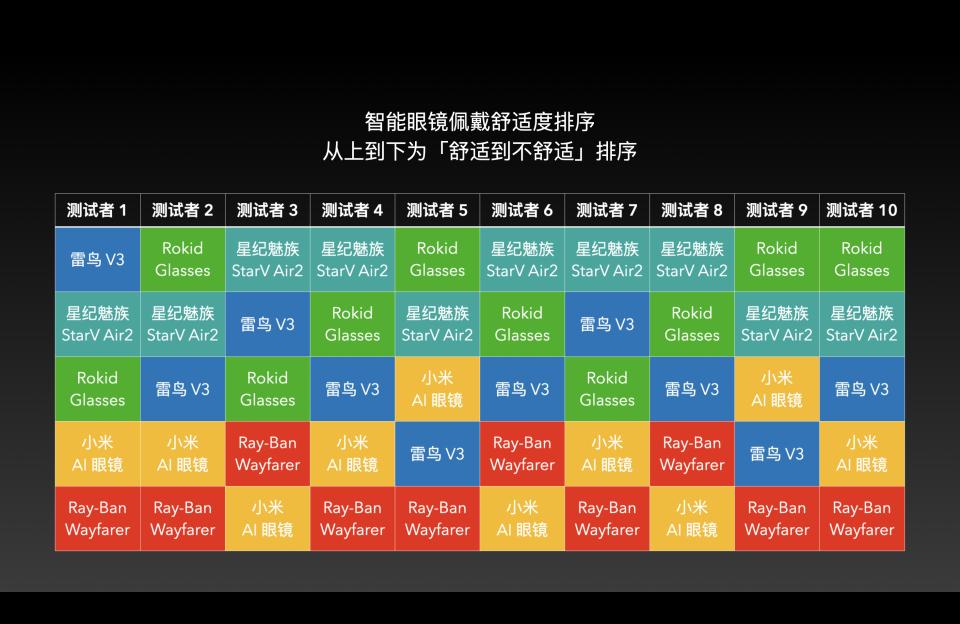
Core Viewpoint - Smart glasses have evolved from niche gadgets to practical devices, with various brands like Meta, Ray-Ban, Rokid, and Xiaomi launching their versions, each focusing on different functionalities and user experiences [1][5]. Group 1: Comfort and Usability - Comfort is crucial for wearable devices, and the best experiences were reported with StarV Air2 and Rokid Glasses, attributed to their weight distribution [2][4]. - A comparative ranking of five smart glasses showed StarV Air2 and Rokid as the top choices, with StarV Air2 excelling in design features [4][7]. Group 2: Performance and Features - In terms of imaging capabilities, Rokid Glasses and Meta Ray-Ban Wayfarer were noted for their superior photo and video quality, while StarV Air2 lacks a camera [12][22]. - Rokid Glasses demonstrated excellent video performance with some motion blur, while Ray-Ban Wayfarer provided high-quality images but was less suitable for Asian users due to design issues [21][11]. Group 3: AI Capabilities - AI functionalities varied significantly among the glasses, with Xiaomi's AI assistant being highly interactive but sometimes overly verbose, while Rokid's AI was more mature and context-aware [23][31]. - StarV Air2, lacking a camera, had limited AI capabilities but maintained good voice interaction performance [40]. Group 4: Audio and Display - Rokid and StarV Air2 were the only models with display capabilities, both using optical waveguide technology, while Meta Ray-Ban excelled in audio quality [44][45]. - The audio performance of Meta Ray-Ban was noted for its clarity and low distortion, making it stand out among the other models [44]. Group 5: Battery Life and Charging - All five models exhibited limited battery life, with Xiaomi AI glasses being the most reliable, while the Ray-Ban and Rokid models offered charging cases [46][48]. - The charging mechanisms varied, with Ray-Ban's case being more aesthetically pleasing but less user-friendly compared to others [50][52]. Group 6: Market Positioning - The analysis suggests that Rokid Glasses are the most balanced option, while StarV Air2 and Thunder V3 serve as good alternatives for users not needing extensive features [55][57]. - Meta Ray-Ban Wayfarer is recommended against for domestic users due to compatibility issues, positioning it more as a fashion accessory than a practical tool [59].
杭州,正在争抢创业者
投资界· 2025-08-03 07:38
Core Viewpoint - The article highlights the emergence of Hangzhou as a significant hub for technological innovation, driven by supportive government policies, a vibrant investment ecosystem, and a strong talent pool, leading to the growth of numerous tech startups and companies in the region [4][12][15]. Group 1: Hangzhou's Technological Ecosystem - Hangzhou has become home to a cluster of innovative companies, referred to as the "Hangzhou Seven Pearls," including DeepSeek, Yushu Technology, and Qiangnao Technology, showcasing the city's robust tech industry [4][6]. - The city has established over 16,000 national high-tech enterprises by 2024, indicating a strong technological atmosphere [6]. - The "Five-in-One" Hangzhou Innovation Station was launched to provide comprehensive support for tech companies, addressing challenges such as financing and service delivery [7][9]. Group 2: Financial Support and Investment - The Hangzhou Capital Group has created a multi-faceted financial support platform that includes equity investment, credit support, and insurance, aimed at assisting tech companies throughout their growth lifecycle [7][8]. - Hangzhou Bank has positioned itself as a "running partner" for tech enterprises, providing tailored financial products to meet the needs of early-stage companies [8][9]. - The city has seen a surge in venture capital activity, with approximately 3,000 registered venture capital funds and a total subscribed capital of around 4 trillion yuan [14]. Group 3: Government Initiatives and Support - The local government has implemented various initiatives to foster a conducive environment for startups, including financial incentives and support for talent acquisition [15][17]. - Hangzhou's government has committed to maintaining high levels of investment in technology, ensuring that innovation remains a core aspect of the city's identity [18]. - The establishment of the Scene Company aims to integrate market resources and promote the synergy between technology, industry, and finance [10][12]. Group 4: Talent Development and Education - Zhejiang University plays a crucial role in nurturing entrepreneurial talent, contributing significantly to the local startup ecosystem [17][18]. - West Lake University has also emerged as a key player in fostering innovation, successfully incubating numerous companies and securing substantial funding [18]. - The collaborative environment in Hangzhou attracts talent from various fields, enhancing the city's capacity for technological advancement [15][17].


闪电快讯|最大AI展的地下与地上:大模型“审美疲劳”,硬件用户开始“用脚投票”
Xin Lang Cai Jing· 2025-08-03 02:27
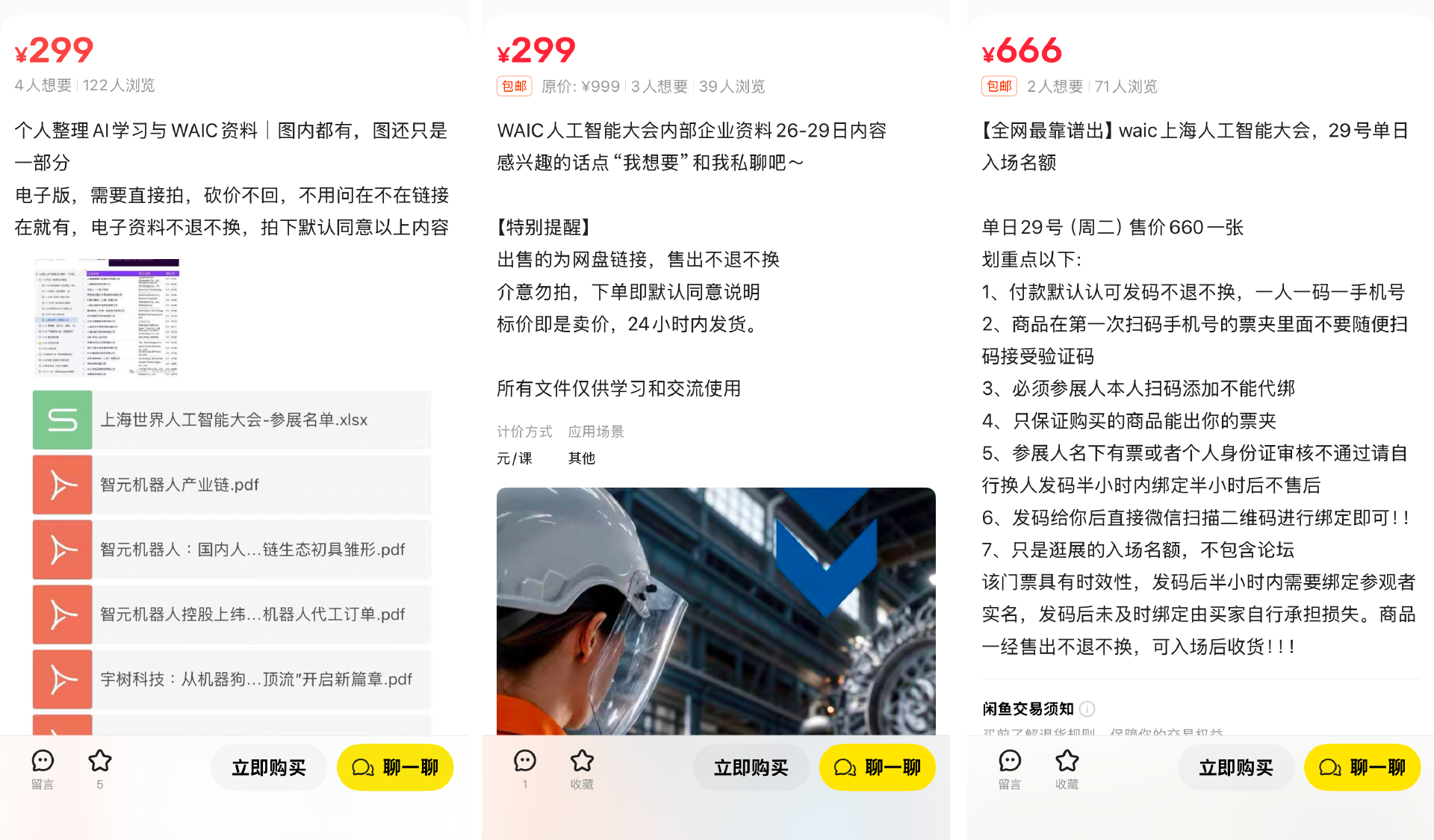
Core Insights - The World Artificial Intelligence Conference (WAIC 2025) has generated significant public interest, leading to a secondary market for event materials and tickets [1][3] - The event showcased a variety of AI applications, particularly in smart hardware, which attracted considerable attention from attendees [3][4] Group 1: Event Highlights - WAIC 2025 saw early ticket sales, with prices starting at 498 yuan, and a rise in scalping activities for registration qualifications [1][3] - The event featured three startups—Flowith, Yuanwo Intelligence, and Weitai Technology—highlighting innovations in intelligent creative tools, large model architecture, and embodied intelligence [1] - The most crowded exhibition areas were those showcasing tangible AI applications, particularly smart hardware, rather than foundational model development or computing chips [3][4] Group 2: Smart Hardware Focus - Smart recording devices were noted as the easiest entry point for traditional workflows, with products like the TicNote attracting large crowds [3][4] - The event also highlighted smart glasses, with Alibaba's Quark AI glasses and Halliday's prescription-compatible AI glasses making their domestic debut [6][9] - The underground exhibition area featured over 200 early-stage AI projects, indicating a rich environment for innovative business ideas [10][11]

国泰海通|轻工:AI眼镜新品百花齐放,产品加速破圈
国泰海通证券研究· 2025-08-01 09:44
Core Viewpoint - The smart glasses industry is expected to enter a rapid growth phase, with related companies poised to benefit from an upward economic cycle driven by a surge in new product launches at WAIC 2025 [2][4]. Group 1: Market Trends - WAIC 2025 saw a significant increase in smart glasses brands and new product launches, contrasting with the limited exposure of products at WAIC 2024, where only XREAL and Rokid were prominent [2]. - The event highlighted the emergence of new brands such as Li Weike and Halliday, alongside major players like Alibaba, indicating a broadening market landscape [2][3]. - The market's heightened interest in smart glasses is attributed to advancements in large model functionalities, leading to innovative products like AI glasses represented by Rayban-Meta, focusing on audio, weight, and battery life for improved user experience [2]. Group 2: Product Innovations - Alibaba launched its first AI smart glasses, Quark AI glasses, integrating its ecosystem with advanced AI capabilities [3]. - XREAL introduced its flagship product, XREAL One Pro, evolving from traditional AR glasses to a versatile spatial screen adaptable to various scenarios [3]. - Rokid showcased two new products, Rokid Glasses and Rokid Cupcake, which excel in display, audio, and smart interaction, positioning them to lead the AR glasses market [3]. - New domestic brands like Halliday and Li Weike presented lightweight and user-friendly designs, with products emphasizing minimalism and extended battery life [3]. Group 3: Global Market Projections - According to Weishen Information, global smart glasses sales are projected to reach 1.52 million units in 2024, with RayBan Meta accounting for 1.42 million units, and expected to grow to 3.5 million units in 2025, representing a 230% year-on-year increase [4]. - The growth is primarily driven by the sustained sales of RayBan Meta and the introduction of multiple new AI smart glasses by major companies [4]. - The global market for smart glasses is anticipated to reach 60 million units by 2029, with a CAGR of 109% from 2025 to 2029, highlighting the significant share of the Chinese market [4].