Rokid

Search documents
直击WAIC:让用户排长队体验的智能眼镜,今年究竟有什么新东西?
3 6 Ke· 2025-07-31 11:00
Core Insights - The rapid development of artificial intelligence technology has made AI hardware a hot investment area, with OpenAI acquiring an AI hardware company for $6.5 billion, highlighting the growing interest in this sector [1] - In May 2025, China saw 87 financing events in the AI industry, with AI hardware being the most active segment, accounting for 42 of these events [1] - The WAIC 2025 showcased a shift from large model parameters to scenario-based applications, with AI hardware products prominently displayed [1] AI Glasses Market - Smart glasses have emerged as a key segment within AI hardware, with several companies, including Alibaba, Rokid, and XREAL, showcasing their latest products at WAIC [2][6] - Global shipments of AI glasses are projected to grow from 340,000 units in 2023 to 2 million units by 2028, indicating a significant market potential [4] - The success of AI glasses hinges on identifying practical use cases and achieving commercialization [4][24] Product Features and Competition - Various brands are focusing on different aspects of smart glasses, such as functionality and display capabilities, with products like Rokid Glasses and LAWK series emphasizing daily usability [9][12] - XREAL One Pro and Halliday AI glasses prioritize display features, with XREAL enhancing the field of view and Halliday utilizing a unique retinal imaging technology [13][14] - The competition is intensifying as companies aim to create lightweight, user-friendly designs while integrating advanced functionalities [19][20] Sales Performance and Market Dynamics - The AI glasses market is witnessing a surge in sales, with Rokid Glasses reportedly selling 300,000 units and Xiaomi's AI glasses achieving over 20,000 units in just three days [28] - However, high return rates and product homogeneity are emerging challenges, with reports indicating a return rate of up to 40% for Xiaomi's AI glasses [30][32] - The industry's growth is contingent on developing products that offer compelling reasons for consumers to adopt and regularly use smart glasses [32]




国泰海通:大厂AI眼镜新品陆续发布 政策支持技术创新
智通财经网· 2025-07-31 08:08
智通财经APP获悉,国泰海通发布研报称,根据映维网、JBD公众号,阿里自研的首款自研智能眼 镜"夸克AI眼镜"在WAIC 2025世界人工智能大会期间正式亮相,预计将在年内正式发布。政策面上, 《上海市下一代显示产业高质量发展行动方案》发布,其中《方案》提出,发展AI+AR、AI+MR等多 形态眼镜产品,鼓励下一代硅基微显示的产品模式与眼镜形态创新,加快推动全彩化、便携式智能眼镜 产品研发。看好大厂AI+AR眼镜密集发布催化及大模型多模态迭代对AI+AR眼镜交互能力的提升。 《上海市下一代显示产业高质量发展行动方案》(2026-2030年)于7月22日印发,《方案》提出,发展 AI+AR、AI+MR等多形态眼镜产品,聚焦轻量化、低功耗、高分辨率、大视场角等关键技术指标,推 动显示器件、波导镜片、核心芯片等关键部件迭代创新,持续提升产品性能,鼓励下一代硅基微显示的 产品模式与眼镜形态创新,加快推动全彩化、便携式智能眼镜产品研发。 全球AI眼镜出货量有望高速增长 Meta与雷朋联名的Rayban-MetaAI眼镜自2023年9月推出销量已突破200万台,25年Meta有望发布带显示 的AR眼镜;Rokid Gla ...



2025年中国AI眼镜行业研究报告
艾瑞咨询· 2025-07-31 00:02
Core Viewpoint - The article discusses the potential of AI glasses to become a transformative technology akin to the "iPhone moment," suggesting that they may redefine user interaction with the world and integrate seamlessly into daily life [2][3]. AI Glasses Definition and Classification - AI glasses are innovative wearable devices that integrate artificial intelligence with traditional eyewear, enhancing functionality and practicality [3]. - They can be categorized into five types based on integrated technologies or hardware, all aimed at improving user efficiency and experience [3]. Market Growth and Trends - The global shipment of AI glasses is projected to reach 20 million units by 2028, driven by rapid advancements in AI and AR technologies [9]. - In September 2023, Meta and Ray-Ban launched the Ray-Ban Meta AI smart glasses, achieving over 2 million units in sales, indicating a surge in the smart glasses market [9]. Industry Landscape - Various manufacturers are entering the AI glasses market, focusing on the deep integration of AI models and AR technology, leading to a diverse range of lightweight and multifunctional products [14]. - Major brands include Bose, Huawei, Xiaomi, and others, each offering distinct AI glasses products tailored to different user needs [15]. Consumer Insights - A significant portion of consumers (61%) have either purchased or plan to purchase smart glasses, with a notable preference for AI-enabled models [25]. - The price range of 2000-3000 RMB is widely accepted among consumers, reflecting a strong market foundation for AI glasses [25][28]. User Preferences and Concerns - Users prioritize functionality, comfort, and natural interaction when considering AI glasses, with audio playback, photography, and navigation being key features [32]. - Concerns regarding price, functionality, and privacy persist among potential buyers, indicating areas for improvement in product offerings [34]. Supply Chain and Technological Advancements - The AI glasses market is experiencing a shift from niche products to mainstream demand, driven by technological advancements and improved supply chain capabilities [42]. - Key developments include breakthroughs in hardware performance, increased localization of components, and the expansion of manufacturer ecosystems [42]. Retail and Marketing Strategies - Effective retail strategies emphasize experiential marketing and the integration of online and offline channels to enhance consumer engagement and drive sales [45]. - The focus on personalized services and customer experiences is crucial for converting interest into actual purchases [45]. Future Outlook - The AI glasses industry is expected to evolve towards greater technological innovation and functional integration, with a strong emphasis on user experience and ecosystem collaboration [47].

WAIC现场,消费企业成 AI 落地 “显眼包”
虎嗅APP· 2025-07-30 15:00
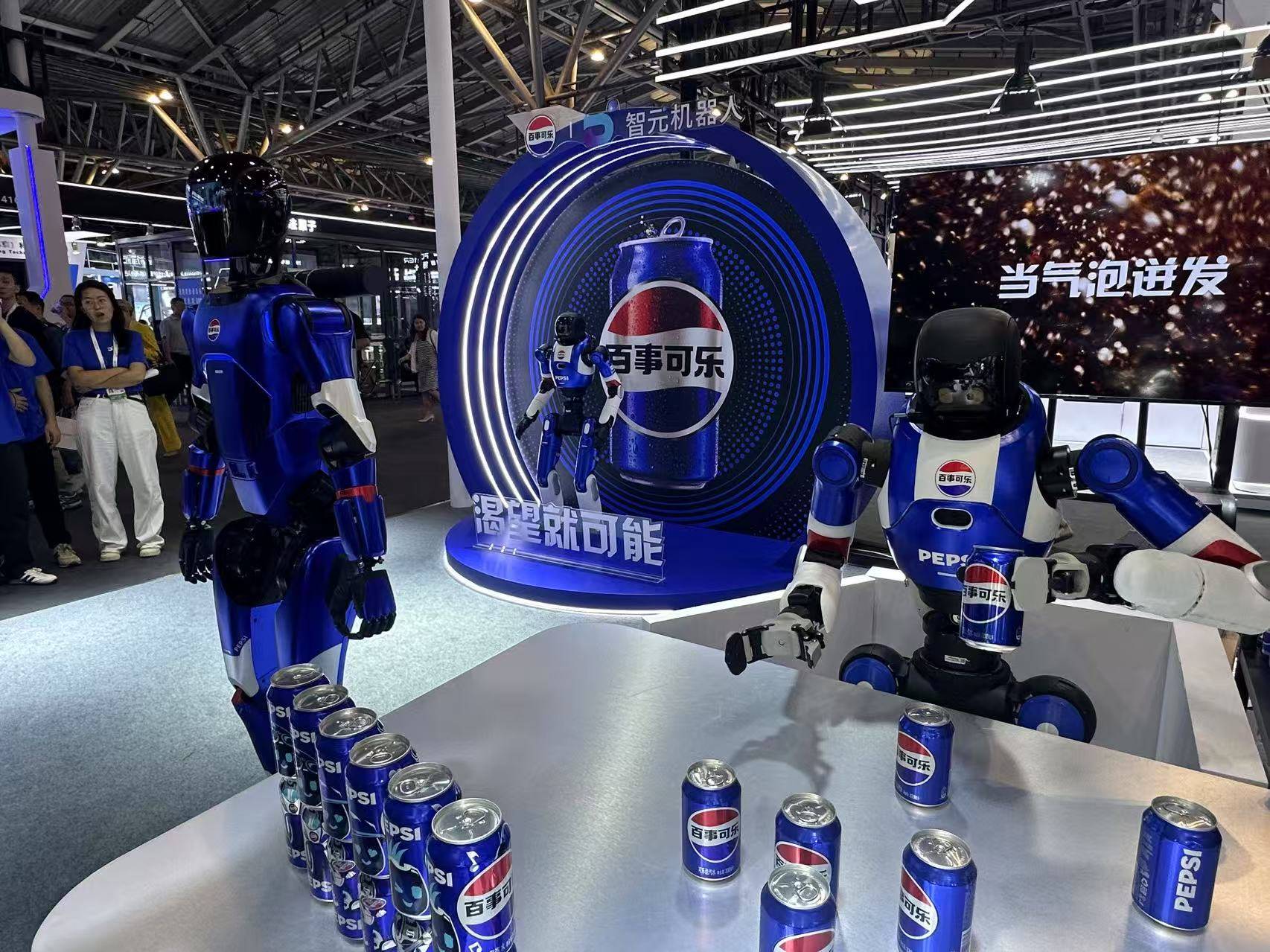
Core Viewpoint - The integration of AI into consumer products is evolving from a technical novelty to a part of daily life, but the journey remains challenging and superficial in many areas [3][8][22]. Group 1: AI in Fast-Moving Consumer Goods (FMCG) - Major FMCG companies are showcasing AI innovations, such as Yili's real-time AI supply chain system and Feihe's AI-driven safety and nutrition enhancements for infant formula [6][5]. - Unilever launched the "AI for Science" platform, which includes six AI models for product development and ingredient selection [6]. - PepsiCo's booth featured humanoid robots that engage with visitors, highlighting the entertainment aspect of AI in consumer interactions [6][8]. Group 2: Smart Glasses and Fashion - The AI glasses segment is gaining popularity, with products shifting towards lightweight and personalized designs to appeal to younger consumers [10][12]. - Alibaba's Quark AI glasses integrate various services, such as navigation and payment, enhancing user convenience [12]. - Despite the excitement, no domestic AI/AR glasses brand has achieved significant market success yet, indicating that the market is still in its infancy [16][22]. Group 3: AI in Sports and Fitness - AI fitness devices, like the "AI personal trainer mirror," are gaining traction, providing real-time feedback on exercise form [19]. - The introduction of consumer-grade exoskeletons, such as the VIATRIX, marks a significant step into the civilian market for AI-assisted physical activities [20]. - The beauty industry is also leveraging AI for personalized skincare solutions, as demonstrated by the AI skin analysis robot [20]. Group 4: AI in Content Creation and Office Efficiency - AI tools are enhancing workplace productivity, with features like automatic video editing and real-time translation [21]. - The "Giant AI Super Intelligent Entity" from Botao Technology is designed to interact with tourists, showcasing the potential of AI in the tourism sector [21]. Group 5: Future of AI in Consumer Experience - The relationship between AI and consumers is evolving beyond mere product purchases to include experiences, emotional value, and engagement [22]. - The 2025 WAIC event highlighted the ongoing transformation of AI from a background technology to a central element in consumer lifestyles [22].
WAIC现场,消费企业成 AI 落地 “显眼包”
Hu Xiu· 2025-07-30 13:36
Core Insights - The integration of AI into consumer products is evolving from a technical concept to a part of daily life, with various brands showcasing their innovations at the WAIC 2025 [1][22] - Despite the excitement surrounding AI, many applications in the consumer goods sector remain superficial, lacking strong connections to the products themselves [5][22] Group 1: Consumer Goods and AI Integration - Major consumer brands are leveraging AI to enhance their product offerings and supply chain efficiency, as seen with companies like Yili and Feihe showcasing AI-driven supply chain systems and health monitoring for dairy cows [2][3] - Unilever introduced the "AI for Science" platform, which includes six AI models for product development, indicating a shift towards data-driven innovation in consumer goods [3] - PepsiCo's interactive humanoid robots at their booth highlight the trend of using AI for consumer engagement and brand interaction [3] Group 2: AI in Fashion and Wearables - The AI eyewear segment is gaining traction, with products focusing on lightweight and personalized designs to appeal to younger consumers, as demonstrated by Halliday Glasses and Alibaba's Quark AI glasses [6][8] - The trend of "de-teching" smart glasses aims to make them more fashionable and integrated into daily life, moving away from the perception of being purely technical devices [8][16] Group 3: AI in Fitness and Outdoor Activities - AI fitness devices, such as the "AI personal training mirror," are becoming popular, providing real-time feedback on exercise form and promoting a more interactive fitness experience [18] - The introduction of consumer-grade exoskeletons like VIATRIX indicates a growing interest in AI applications beyond traditional fitness settings, targeting outdoor enthusiasts [19] Group 4: AI in Beauty and Personal Care - The beauty industry is focusing on personalized solutions, with AI skin detection robots offering tailored skincare recommendations based on individual assessments [21] - AI innovations in office productivity tools aim to enhance efficiency, addressing common workplace challenges through smart features [21] Group 5: Future of AI in Consumer Experience - The overall trend indicates that AI is not just about technology but about enhancing consumer experiences, emotional engagement, and participation in the brand narrative [22][23] - The journey of integrating AI into everyday life is just beginning, with significant potential for future developments in various sectors [23]
赛博格斗、语言魔方…盘点30多万人挤爆的WAIC“顶流”单品
AI研究所· 2025-07-30 09:36
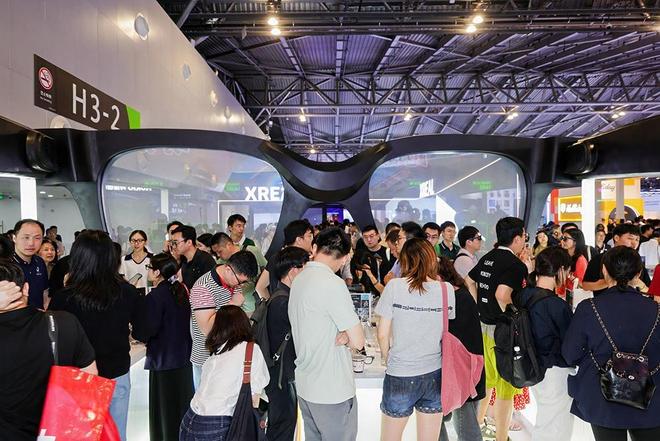
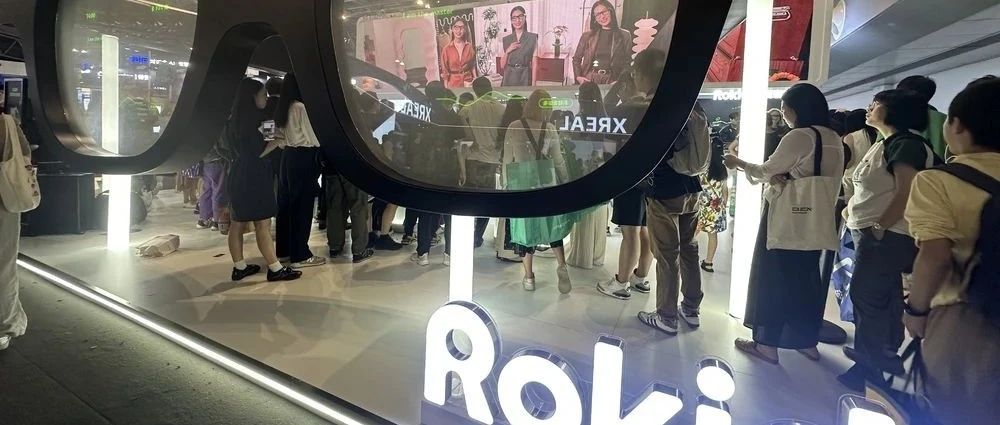
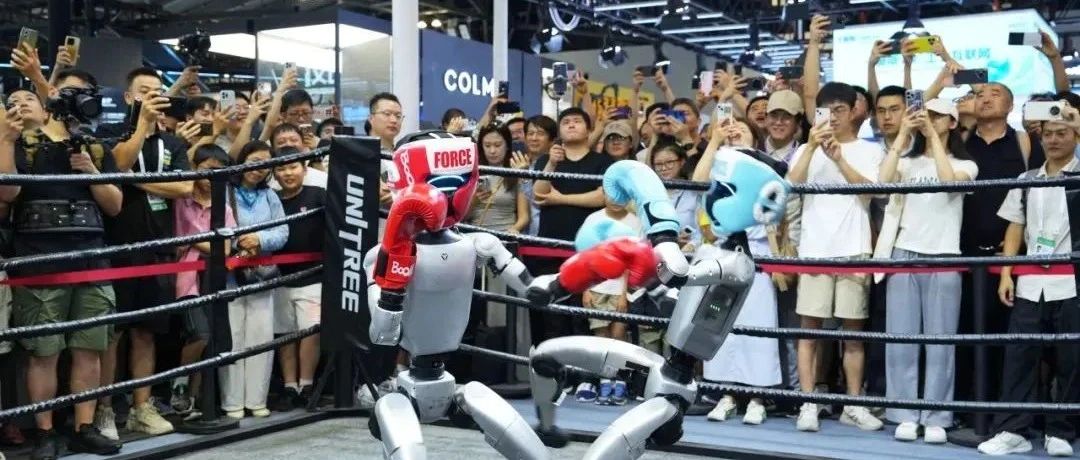
Core Insights - The WAIC (World Artificial Intelligence Conference) this year has achieved unprecedented attention, highlighted by the participation of notable figures such as Geoffrey Hinton, a Nobel and Turing Award winner, despite the absence of OpenAI's Sam Altman [1] - The event recorded over 305,000 in-person check-ins and more than 2.36 billion online views, marking a 21.6% increase from the previous year [1] - Over 800 exhibiting companies showcased cutting-edge technologies, with more than 3,000 items, including over 100 global debuts and China premieres [1] - A total of 32 signed projects were announced, with a total investment amounting to 45 billion yuan [1] Group 1: Key Products and Technologies - Huawei's "Ascend 384 Super Node" was a standout, featuring 384 domestic Ascend AI chips, achieving a total computing power of 300 Pflops, which is 1.7 times larger than NVIDIA's flagship machine [3][4] - Rokid's "Super Big Glasses" showcased impressive capabilities including payment, translation, navigation, and photography, standing out among other smart glasses [6] - The G1 boxing robots from Yushutech attracted significant attention, engaging in a boxing match that captivated the audience [7] - iFlytek's "Multilingual AI Transparent Screen" was highlighted for its real-time translation capabilities, allowing seamless communication across languages, likened to a "language cube" [10] Group 2: Industry Impact - The advancements presented at WAIC indicate that AI is transitioning from theoretical concepts to practical applications that are actively transforming daily life [10] - The event emphasized the growing significance of AI technologies in various sectors, suggesting that the next groundbreaking AI innovations may be closer than anticipated [10]
出货百万、销量领先,他们凭什么在AI硬件红海中“杀出血路”?| 直播预告
AI前线· 2025-07-30 09:09
Group 1 - The core viewpoint of the article emphasizes that AI is not just a flashy technology but is fundamentally restructuring products and user experiences [1] - The article highlights a live event featuring key figures from Plaud, Rokid, and Fuxi Technology, focusing on the underlying logic of AI hardware evolution and commercialization [2][4] - The discussion will cover how companies like Plaud and Rokid have managed to stand out in the AI hardware sector and the secrets behind the sustainable commercialization of AI hardware [4] Group 2 - The live event is scheduled for July 30, from 20:00 to 21:30, under the theme "Beyond Tools: The Underlying Logic and Breakthrough Path of AI Hardware Advancement" [2] - Key speakers include Mo Zihua, CEO of Plaud China, Duan Ran, CEO of Fuxi Technology, and Zhao Weiqi, Global Development Ecosystem Leader at Rokid [3] - Participants are encouraged to submit questions for the speakers, which will be addressed during the live session [5]

最低78元、顶配450元,华强北向AI眼镜出手了
芯世相· 2025-07-30 05:40
Core Viewpoint - The article discusses the emergence of a new wave in the AI glasses market, termed "Battle of the Glasses 2.0," driven by both tech giants and new entrants launching various AI glasses products at competitive prices [2][4]. Group 1: Market Dynamics - Major companies like Google, Xiaomi, and Rokid have recently launched new AI glasses, with prices ranging from 699 yuan to 8999 yuan [3][4]. - In contrast, lower-priced alternatives from Shenzhen's Huaqiangbei market are selling for around 300 yuan, with some models achieving monthly sales exceeding a thousand units [4][6]. - The average price of AI glasses on platforms like Xianyu is around 300 yuan, with features such as photo capture and voice interaction [6][9]. Group 2: Consumer Behavior - Consumers are increasingly opting for affordable Huaqiangbei models for initial experiences, leading to a high retention rate despite the lower quality compared to premium brands [18][19]. - Feedback from consumers indicates that while Huaqiangbei glasses are functional, they often lack the performance and reliability of higher-end models [15][16]. Group 3: Production and Supply Chain - Huaqiangbei manufacturers are rapidly iterating on AI glasses, with a focus on speed to market, often producing standard models within a week [22][23]. - The production strategy relies heavily on external sourcing for key components, which allows for quick assembly and delivery [22][37]. Group 4: Future Outlook - The global smart glasses market is projected to reach 14.5 million units by 2025, with significant growth expected in China [34]. - However, some industry insiders believe that current AI glasses represent a "pseudo-demand" due to technological immaturity, suggesting that mainstream adoption may take several more years [34][35]. - The competitive landscape indicates that while Huaqiangbei products are currently popular, manufacturers are prepared to pivot to new trends as market dynamics shift [25][40].
AI眼镜火出圈,实测翻译、支付、拍照、导航
21世纪经济报道· 2025-07-30 01:28
Group 1 - The AI glasses were a major highlight at the World Artificial Intelligence Conference (WAIC), attracting significant attention and exceeding the booth's capacity for audience engagement [1] - The AI glasses demonstrated impressive smart interaction capabilities, accurately recognizing voice commands for tasks such as prompting and payment, and featuring high-quality photo and video functions [1] - Real-time translation capabilities of the AI glasses were noteworthy, effectively converting foreign languages into Chinese and displaying them on the lenses, facilitating cross-border communication [1] Group 2 - Major companies, including Alibaba, are entering the AI glasses market, with Alibaba's self-developed Quark AI glasses expected to launch within the year, integrating with its ecosystem for various functionalities [2] - The AI glasses market is still in its early stages, with no single product achieving sales of over one million units, except for Meta, which has subsidies influencing its sales [2] - The development of smart glasses is entering a rapid growth phase, presenting both opportunities and challenges, as noted by industry leaders [2]
用AI眼镜移动支付、玩黑神话?听听试过的用户怎么说
Guan Cha Zhe Wang· 2025-07-30 00:47
Core Viewpoint - The World Artificial Intelligence Conference (WAIC) showcased a variety of AI glasses from leading companies, highlighting the growing market for smart wearable devices and their innovative features [1][3]. Group 1: Rokid Glasses - Rokid introduced the Rokid Glasses, a lightweight AI+AR smart glasses weighing 49g, featuring AR display, AI visual recognition, and voice interaction for a seamless user experience [3][5]. - The AR display utilizes advanced diffraction waveguide imaging technology to project clear virtual interfaces onto transparent lenses, enabling tasks like object recognition, AI Q&A, real-time translation, and navigation [5][6]. - The glasses also feature a mobile payment function, allowing users to complete transactions using voice commands, making it the world's first smart glasses capable of payment [8][6]. Group 2: Halliday Glasses - Halliday launched its first invisible display smart glasses, Halliday Glasses, which support prescription lenses and utilize a technology called DigiWindow to project images directly onto the retina [9][10]. - The glasses weigh only 28.5g and offer a battery life of up to 12 hours, focusing on information display rather than additional features like cameras [10][13]. - The domestic launch price is set at 2499 yuan, with pre-sales starting in mainland China [10][13]. Group 3: Li Weike Technology - Li Weike showcased three new models of smart glasses, emphasizing lightweight design with the City series starting at 999 yuan and weighing only 23g [15][17]. - The glasses feature AI capabilities such as real-time translation supporting nearly 180 languages and AI note-taking for business users [17][18]. - The company aims to integrate AI deeply into the glasses' functionality, prioritizing AI over hardware in their development strategy [18]. Group 4: XREAL - XREAL presented its flagship AI glasses, XREAL One Pro, which features a wide field of view and high-resolution display, targeting immersive experiences in gaming and entertainment [19][22]. - The glasses utilize self-developed technologies to enhance visual quality and reduce latency, making them suitable for applications like gaming and cinema [22][25]. - The starting price for XREAL One Pro is 4299 yuan, and it supports various AR applications for real-time recognition and interaction [25][22]. Group 5: User Feedback - Users expressed mixed feelings about the functionality of the AI glasses, with some appreciating the convenience of features like real-time translation and voice payment, while others noted areas for improvement [26][27]. - Concerns were raised about the practicality of using the glasses in everyday situations, particularly regarding the need for multiple devices for effective communication [29][30]. - The high price point of these products was a common concern among potential buyers, impacting their willingness to purchase [31][30].