中国联通

Search documents
3500只个股下跌
第一财经· 2026-02-02 03:50
Market Overview - The A-share market experienced a decline, with the Shanghai Composite Index falling by 1.32% to 4063.54, the Shenzhen Component Index down 1.41% to 14006.25, and the ChiNext Index decreasing by 1.18% to 3306.94 [4][11] - The total trading volume in the Shanghai and Shenzhen markets reached 1.64 trillion yuan, a decrease of 290.4 billion yuan compared to the previous trading day, with approximately 3500 stocks declining [5][6] Sector Performance - The gold and base metals sectors faced significant sell-offs, with many stocks hitting the daily limit down. Notable declines included Hunan Gold and Western Gold, both down by 10% [9][10] - The oil, gas, coal, chemicals, and steel sectors also reported substantial losses, contributing to the overall market downturn [11] - Conversely, the ultra-high voltage concept stocks showed resilience, with some sectors like white liquor and AI applications experiencing active trading [4][8] Notable Stocks - The National Investment Silver LOF resumed trading and hit the daily limit down, with a narrowed premium rate of 43.8% [6] - New Yi Sheng's stock surged over 10%, reaching a historical high, with a projected net profit for 2025 estimated between 9.4 billion to 9.9 billion yuan, reflecting a year-on-year growth of 231.24% to 248.86% [8] - The electric power equipment sector saw gains, with stocks like Shun Sodium and Baiyun Electric hitting the daily limit up, driven by the global AI computing power construction boom [8] International Market Influence - International gold and silver prices experienced significant declines, with gold prices dropping to 4605.53 USD per ounce, marking one of the largest single-day drops in decades [17][9] - The Chinese yuan depreciated against the US dollar, with the central bank's midpoint rate reported at 6.9695, a decrease of 17 basis points [16]


恒科指跌3%
Xin Lang Cai Jing· 2026-02-02 03:12
来源:格隆汇APP 格隆汇2月2日|港股主要指数走低,恒生科技指数跌幅扩大至3%,恒指跌超2%。华虹半导体跌超 10%,中国联通跌超9%,小鹏汽车跌超8%,中国电信跌超7%,蔚来、比亚迪股份跌超5%。 ...




A股剧烈分化!贵金属板块大跌超10%,电网设备板块逆势涨停潮,白酒股再度拉升
Jin Rong Jie· 2026-02-02 03:06
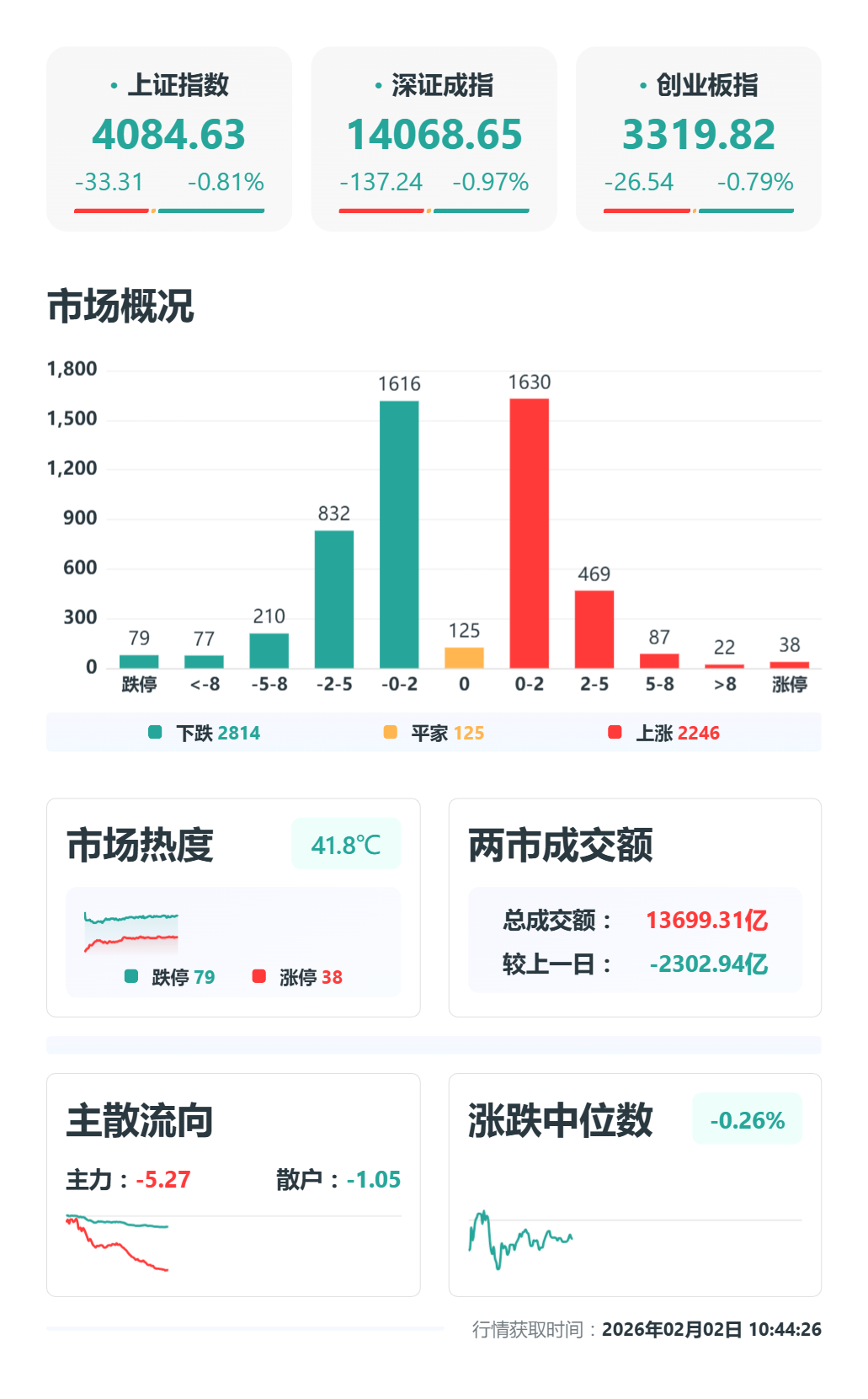
早盘市场维持窄幅震荡格局,截至发稿,沪指跌0.81%,报4084.63点,深成指跌0.97%,报14068.65点,创业板指跌0.79%,报3319.82点。沪深两 市合计成交额13699.31亿元,较上一交易日同一时点缩量超2300亿元,全市场超2800只个股下跌。 个股方面,晓程科技盘初直接触及20cm跌停,截至发稿跌15.08%,山东黄金、江西铜业等大市值龙头个股也纷纷跌停,白银(核心股)有色、湖 南白银更是封死跌停,两只个股的卖一封单均超过470万手,抛压极为沉重。 | | | | | 名称 | 涨幅▲ | | --- | --- | --- | --- | --- | --- | | | | | 1 | 铜陵有色 | -10.04% | | | | | 2 | 锌业股份 | -10.03% | | | | | 3 | 白银有色 | -10.02% | | | 名称 | 涨幅晶 | 4 | 北方铜业 | -10.01% | | 1 | 晓程科技 | -15.08% | 5 | 江西铜业 | -10.00% | | 2 | 恒邦股份 | -10.02% | 6 | 盛达资源 | -10.00% | | ...
中国三大运营商集体下跌,基础电信服务增值税率上调至9%,将影响公司营收和利润
Zhi Tong Cai Jing· 2026-02-02 03:01
中国移动、中国联通、中国电信2月1日相继发布公告,电信服务增值税税目适用范围调整,税率由6%调整为9%, 将对公司收入及利润产生影响。业内人士分析,此次调整本质是税目"归位",而非新增税负,是税收政策对电信业 务属性的合理界定。税目"归位"进一步明确了基础通信服务的公共属性,将推动运营商更加聚焦网络建设、服务保 障等核心主业,减少同质化营销竞争,提升行业整体运营效率,助力数字经济基础设施高质量发展。 中国三大运营商港股早盘低开,截至发稿, 跌近10%, 跌超8%, 跌超4%。 编辑/jayden | 代碼 | 名稱 | 最新價 | 漲跌額 | 漲跌幅 ◆ | 成交額 | 總市值 | | --- | --- | --- | --- | --- | --- | --- | | 00762 | 中國聯通 | 7.160 | -0.790 | -9.94% | 2.57億 | 2190.83億 | | 00728 | 中國電信 | 4.920 | -0.460 | -8.55% | 1.22億 | 4502.15億 | | 00941 | 中國移動 | 76.600 | -3.200 | -4.01% | 6.59億 ...


崩了!有色金属大面积跌停,这一板块却猛涨
Zhong Guo Ji Jin Bao· 2026-02-02 02:56
2月2日,A股三大指数开盘涨跌互现:上证指数跌0.93%,深证成指跌0.54%,创业板指涨0.65%。上午市场窄幅震荡,截至发稿,上证指数、深证成指跌 幅有所收窄,创业板指持续飘红。 盘面上,有色金属、石油石化等板块继续走低,黄金珠宝、工业金属、铜产业、先进封装、存储器、油气开采等方向大跌;特高压、白酒、饮料、智能电 网等概念股活跃。 来看详情—— 有色金属板块暴跌 开盘逾30股跌停 2月2日,有色金属板块开盘暴跌,指数跌近7%;黄金珠宝、工业金属、稀有金属、小金属等方面集体走低,逾30股在竞价阶段跌停。 晓程科技盘初20cm跌停,山东黄金、江西铜业等大市值个股纷纷跌停。 | 序号 代码 | | 名称 | 现价 涨跌 涨跌幅 * | | --- | --- | --- | --- | | 1 | 300139 | 晓程科技 | 54.00c -13.50 -20.00% | | 2 | 000630 | 铜陵有色 | 7.44c -0.83 -10.04% | | 3 | 000751 | 锌业股份 | 6.19c -0.69 -10.03% | | 4 | 002237 | 恒邦股份 | 18.59c -2 ...

迈向数字文明的资本有序扩张生态阈值模型
Jing Ji Guan Cha Wang· 2026-02-02 02:55
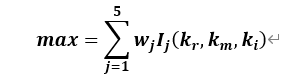
Core Viewpoint - The article introduces a novel theoretical framework called the Capital Ordered Expansion Ecological Threshold Model, aimed at balancing the dynamic interaction between digital capital vitality and sustainable civilization development in the context of the global digital economy [1]. Group 1: Theoretical Foundation - The model is rooted in the "Threefold Five-Dimensional" integration framework, emphasizing the need for a healthy "ecological interval" to prevent systemic risks arising from the interrelated nature of capital relationships, movement characteristics, and benefit essence in the digital age [2]. - The model identifies three bottom-line constraints: social equity (α), ecological sustainability (β), and data sovereignty security (γ), which must be maintained to avoid systemic collapse [2]. - The model aims to maximize five dimensions of interests through a coordinated framework, ensuring that no single dimension expands unchecked [2]. Group 2: Model Core - The core of the model is a target function designed to achieve the maximization of five-dimensional interests, expressed mathematically [3]. - The model incorporates governance philosophies and technical logic, such as clarifying data property rights and ensuring algorithm transparency and accountability [4]. Group 3: Decision Variables - The model defines three key decision variables: Kr (relationship variables), Km (movement variables), and Ki (benefit variables), which represent policy levers aimed at optimizing production relationships, capital movement forms, and benefit distribution patterns, respectively [5][8]. - Specific examples include the introduction of employee stock ownership in companies like China Unicom and Eastern Airlines to adjust internal capital and labor relations [8]. Group 4: Five-Dimensional Interest Function - The model specifies five measurable dimensions of interests, including subjective interests (Is), objective interests (Io), process interests (Ip), time interests (It), and spatial interests (Isp), each with its own key indicators [6][9]. - For instance, the implementation of data rights in Shenzhen has led to increased income for delivery workers, reflecting an enhancement of subjective interests [9]. Group 5: Constraints and Governance - The optimization of the target function is bounded by four rigid constraints, which form the model's lifeline: social equity (α), ecological sustainability (β), data sovereignty security (γ), and a coordination degree constraint (δ) [10][11]. - The model emphasizes the importance of maintaining a dynamic harmony index (δ) of at least 0.7 to ensure effective policy coordination across the three dimensions [13]. Group 6: Global Significance of China's Approach - The Capital Ordered Expansion Ecological Threshold Model represents a theoretical innovation and a "Chinese solution" for global digital governance, transcending both technological utopianism and market fundamentalism [11]. - The model provides a practical governance toolbox that translates abstract concepts of fairness, sustainability, and security into quantifiable indicators, facilitating precise management [11]. - It embodies the concept of a "community with a shared future for mankind," reflecting a commitment to global development and long-term sustainability [12].
外围,突增变数!全线大跌!上海黄金交易所,突发公告!
券商中国· 2026-02-02 02:53
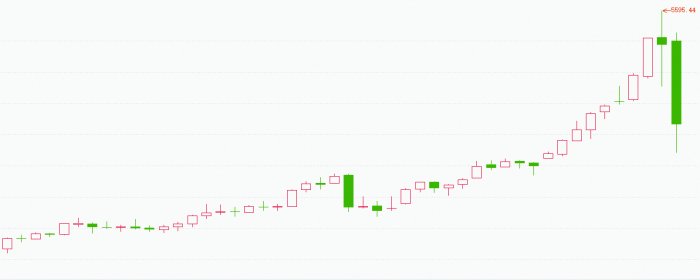
Core Viewpoint - The article discusses a significant decline in various sectors of the A-share market, particularly in precious metals and energy, driven by external market pressures and changes in liquidity conditions [1][2][3]. Group 1: Market Reactions - The precious metals sector in A-shares experienced a sharp decline, with multiple stocks hitting the daily limit down, including companies like Xiaocheng Technology and Zhaojin Gold [1]. - The oil and gas sector also faced severe losses, with companies such as Tongyuan Petroleum and Zhongman Petroleum hitting the daily limit down due to a drop in natural gas prices influenced by warmer weather forecasts [2]. - Commodity futures markets saw widespread declines, with major contracts like silver and gold futures hitting limit down, reflecting a broader market sell-off [2]. Group 2: External Influences - The U.S. leveraged loan index has fallen to its lowest point since April 2025, indicating potential liquidity issues in the market, which is further corroborated by a significant drop in the cryptocurrency market [3]. - The adjustment of margin levels and price limits for silver contracts by the Shanghai Gold Exchange suggests increased volatility and risk in the precious metals market [1]. Group 3: Liquidity Concerns - A report from Tianfeng Securities highlights that the U.S. dollar liquidity index has dropped to -60%, indicating extreme tightening that could impact global assets [5]. - The potential appointment of Kevin Warsh as the new Federal Reserve Chair has raised concerns about a hawkish monetary policy, which could lead to further tightening and affect market expectations for interest rates [6].




外围,突增变数!全线大跌!上海黄金交易所,突发公告!
Xin Lang Cai Jing· 2026-02-02 02:50
Market Overview - The precious metals sector in A-shares experienced a significant decline, with multiple stocks such as Xiaocheng Technology, Zhaojin Gold, and Sichuan Gold hitting the daily limit down [3][10] - The oil and gas sector also faced severe impacts, with major companies like Tongyuan Petroleum and Zhongman Petroleum seeing their stocks drop to the limit down [4][11] Commodity Market Movements - The Shanghai Gold Exchange announced adjustments to the margin levels and price fluctuation limits for silver deferred contracts, increasing the margin from 20% to 26% and the fluctuation limit from 19% to 25% [3][10] - In the commodity futures market, significant declines were noted, with the main contracts for silver and gold futures hitting the limit down, and platinum and palladium futures dropping over 15% [4][11] External Market Influences - The U.S. leveraged loan index has fallen to its lowest point since April 2025, indicating potential liquidity issues in the market [3][5][12] - The cryptocurrency market also experienced a sharp decline, with Ethereum dropping below $2300 and Bitcoin falling below $77000, reflecting broader market concerns [5][12] Economic Indicators - A report from Tianfeng Securities highlighted a potential liquidity shock, with the tracked U.S. dollar liquidity index dropping to -60%, indicating extreme tightening that could affect global assets [6][13] - The recent volatility in the market has been attributed to the nomination of Kevin Warsh as the new Federal Reserve Chairman, who is perceived as hawkish and advocates for both interest rate cuts and balance sheet reduction [6][14] Telecommunications Sector Impact - Major telecommunications companies in China, including China Mobile, China Unicom, and China Telecom, announced an increase in the value-added tax rate from 6% to 9%, which is expected to impact their revenues and profits [4][11]
刚刚,崩了!大面积跌停!这一板块却猛涨
Zhong Guo Ji Jin Bao· 2026-02-02 02:44
Market Overview - The A-share market opened with mixed results on February 2, with the Shanghai Composite Index down 0.93%, Shenzhen Component Index down 0.54%, and the ChiNext Index up 0.65 [1] - The market showed slight fluctuations in the morning, with the declines in the Shanghai and Shenzhen indices narrowing while the ChiNext Index continued to rise [1] Nonferrous Metals Sector - The nonferrous metals sector experienced a significant drop, with the index falling nearly 7% and over 30 stocks hitting the daily limit down during the opening [2][3] - Major stocks such as Xiaocheng Technology (300139) and Jiangxi Copper (600362) also faced limit down situations [3] Precious Metals Futures - Domestic precious metals and nonferrous metal futures saw a sharp decline, with silver futures down 17% and gold futures down over 14% [5][6] - Spot gold and silver initially rebounded but then continued to decline, with gold dropping over 6% and silver nearly 8% [7] Oil and Petrochemical Sector - The oil and petrochemical sector also faced declines, with major stocks like Zhongman Petroleum (603619) and PetroChina (600759) hitting limit down [8][9] - The drop in international oil prices was influenced by geopolitical tensions in Iran, with recent statements from U.S. President Trump indicating a desire for negotiations [8] Telecommunications Sector - The three major telecom operators, China Mobile (600941), China Telecom (601728), and China Unicom, all saw declines of over 4% [10] - A recent announcement from the Ministry of Finance and the State Taxation Administration indicated an increase in VAT rates for telecom services starting January 1, 2026, which may impact revenue and profits [11] Liquor Sector - The liquor sector saw a rebound, with stocks like Shui Jing Fang (600779) and Huangtai Liquor (000995) hitting the daily limit up [12][13] - The liquor industry has been in a correction phase for about five years, with current valuations and institutional positions at historical lows, suggesting potential for recovery [14]






自由现金流ETF(159201)连续11天净流入,合计“吸金”22.59亿元
Sou Hu Cai Jing· 2026-02-02 02:38
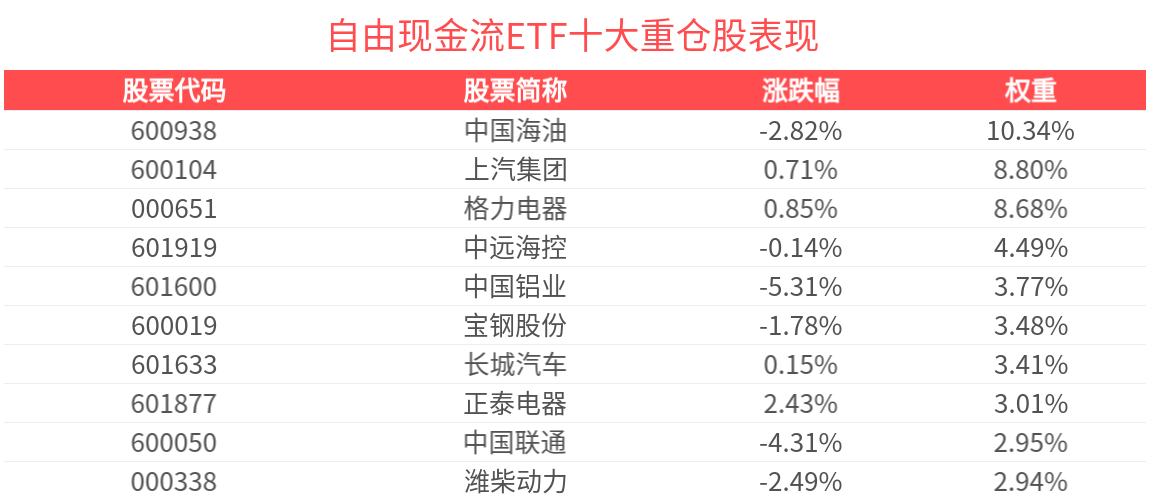
Core Viewpoint - The National Index of Free Cash Flow has experienced a decline of 2.01% as of February 2, 2026, with mixed performance among constituent stocks, indicating a volatile market environment [1]. Group 1: ETF Performance - The Free Cash Flow ETF (159201) has decreased by 2.03%, with the latest price at 1.3 yuan [1]. - The ETF has seen a turnover of 2.06% during the trading session, with a total transaction volume of 250 million yuan [1]. - Over the past week, the average daily transaction volume of the ETF has been 685 million yuan [1]. - The ETF has recorded a net inflow of 2.259 billion yuan over the last 11 days, reaching a total share count of 9.357 billion and a total scale of 12.409 billion yuan, marking a new high since its inception [1]. - The leverage funds have been actively investing, with a net financing purchase of 4.1325 million yuan on the previous trading day and a current financing balance of 141 million yuan [1]. - The net value of the ETF has increased by 24.49% over the past six months [1]. - The highest monthly return since inception was 9.25%, with the longest consecutive monthly gain being 6 months and a maximum increase of 22.69% [1]. - The ETF has a monthly profit percentage of 81.82% and a historical holding period profit probability of 100% [1]. Group 2: Top Holdings - As of January 30, 2026, the top ten weighted stocks in the National Index of Free Cash Flow include China National Offshore Oil Corporation, Gree Electric Appliances, SAIC Motor, China Aluminum, COSCO Shipping Holdings, Weichai Power, Silver Holdings, Baosteel, Chint Electric, and Great Wall Motors, collectively accounting for 50.3% of the index [2]. - The individual weightings of these stocks vary, with China National Offshore Oil Corporation holding the highest at 10.34% and Weichai Power at 2.94% [4].